
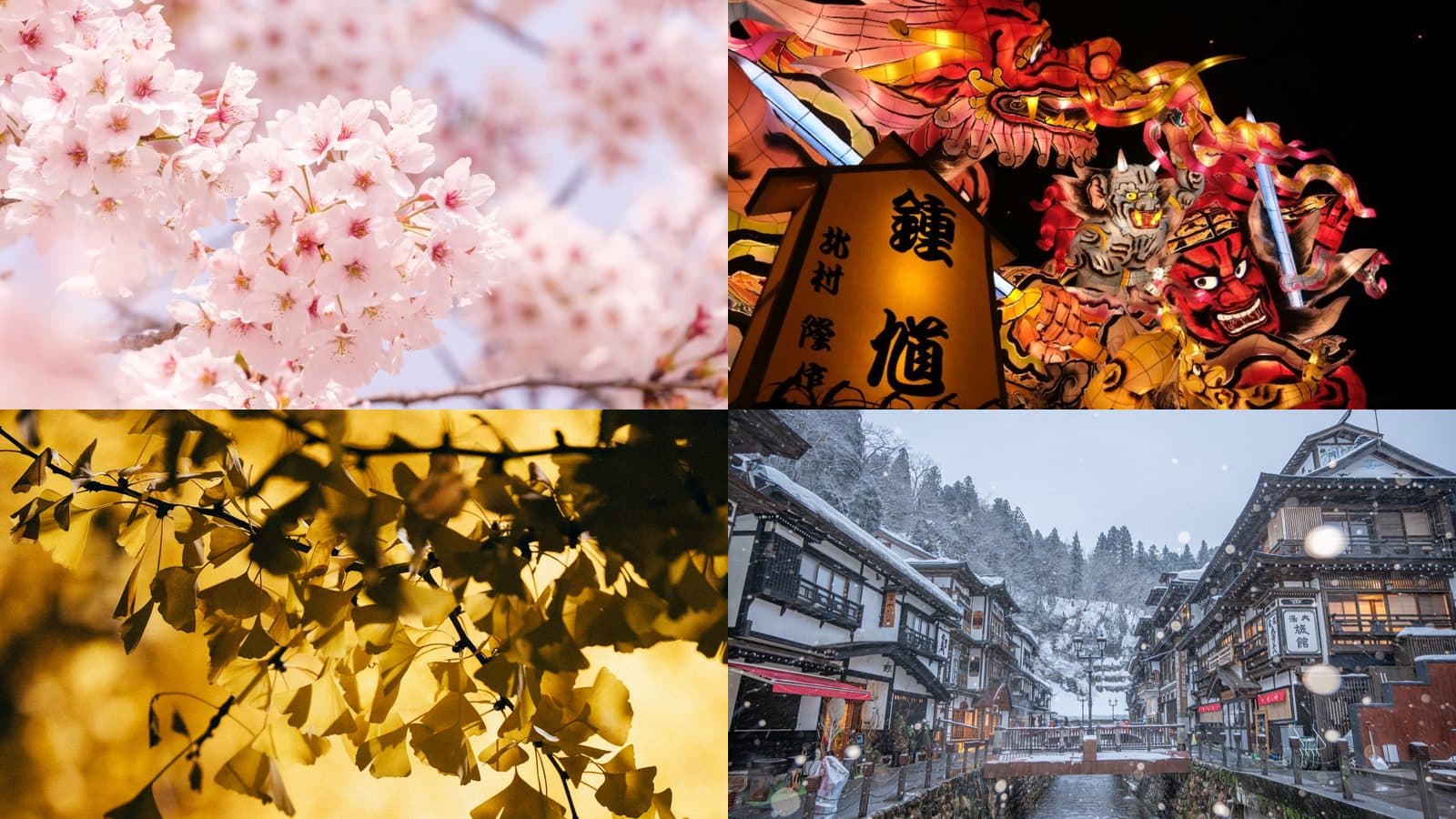
Seasons in Japan: What Season It Is Right Now, Month-by-Month Weather & the Best Time for Each Trip
What season it is in Japan right now, the four seasons (plus the rainy season) with real dates, a 12-month climate table for five cities, what each month is good for, and how to turn the calendar into a self-guided itinerary.
Japan runs on the calendar like almost nowhere else. Cherry trees bloom on schedule, maple leaves catch fire on schedule, and even the humidity has an official announcement date. If you're wondering what season it is in Japan right now, or which of the four seasons actually suits the trip you want, this guide will help you plan around the weather instead of fighting it.
📍 What season is it in Japan right now? (as of )
Late summer (zansho — the "lingering heat"). Tokyo, Kyoto and Osaka are still seeing daytime highs of 30–34°C with high humidity, Sapporo is a pleasant 23–26°C, and Okinawa is at 31°C with sea temperatures at their warmest. The rainy season is long gone, but this is the peak of typhoon season — August and September bring the most storms of the year, so keep a buffer day before flights. The autumn shift starts in the north first: Hokkaido's high peaks show their first colour from mid-September, while the big cities stay summery until early October.
Autumn holidays: Silver Week (Sat 19 – Wed 23 September 2026) was a rare five-day domestic travel peak — there is none in 2027; September and October have their own month guides. Japan is in the Northern Hemisphere, so its seasons run on the same calendar as the US and Europe — and Japan Standard Time is UTC+9, with no daylight saving.
The short version: Japan has four distinct seasons, and each one dramatically changes what your itinerary should look like. Spring is famous for sakura blossoms and mild days. Summer is hot and humid, punctuated by lively festivals. Autumn brings crisp air and vibrant colors. Winter delivers heavy snowfall in the north, dry sunny days in Tokyo, and hot spring towns at their absolute best. In Japanese the seasons are haru (spring), natsu (summer), aki (autumn) and fuyu (winter) — and most people count a fifth, tsuyu, the June rainy season, as a season in its own right.
Below, we walk through each season with real dates, what to actually do, common mistakes we see travelers make, and how to turn all of it into a perfect trip. Then a short FAQ at the end.
🗓️ Quick Answer: Japan's Seasons at a Glance
🌸 Spring · Mar–May
Sakura Tokyo ~Mar 24–Apr 5; mild 14–24°C; Golden Week Apr 29–May 5; most expensive and crowded.
☔ Rainy season · early Jun–mid Jul
Tokyo ~Jun 7–Jul 19 on the long-term average; Okinawa May 10–Jun 21; Hokkaido skips it; cheapest hotels.
☀️ Summer · mid Jul–Aug
30–34°C and humid; festivals and fireworks; Obon peak; typhoons peak Aug–Sep.
🍁 Autumn · Sep–early Dec
Colour runs north to south; Tokyo peaks ~Nov 28, Kyoto ~Dec 11 (JMC 2026); dry and clear; Kyoto hotels surge.
❄️ Winter · Dec–Feb
Tokyo 10°C and sunny, Sapporo −6 to 0°C with 1–1.4 m of snow a month; onsen, skiing, illuminations; shutdown Dec 29–Jan 3; best value.
Why Japan's Seasons Matter More Than You Think
Most country guides treat weather as background noise. In Japan, the season is the trip. A Kyoto temple in early April with cherry blossoms overhead is a different place from the same temple in August with cicadas screaming.
Prices, crowds, and even train availability shift by season. Cherry blossom season and fall foliage peaks can push hotel rates up 50–100% in Kyoto. Rainy June is quieter and cheaper. Knowing this helps you match your budget to the calendar — our hotel price guide shows the month-by-month swing.
Japan sits on a long north-to-south axis, so Japan's seasons don't arrive everywhere at once. Okinawa, Kyushu, Honshu, and Hokkaido are on wildly different timelines. That's a feature, not a bug — if you time it right, you can chase (or dodge) a season by moving north or south.
Japan Weather by Month: Five Cities, Twelve Months
These are the Japan Meteorological Agency's 1991–2020 climate normals — average daily high / average daily low in °C — for Sapporo (Hokkaido), Tokyo, Kyoto, Fukuoka (Kyushu) and Naha (Okinawa), plus Tokyo's average monthly rainfall. Use the table to pick a month, then jump to that month's guide below.
🌡️ Average high / low (°C) by month — JMA normals
| Month | Sapporo | Tokyo | Kyoto | Fukuoka | Naha | Tokyo rain | What's happening |
|---|---|---|---|---|---|---|---|
| Jan | 0 / −6 | 10 / 1 | 9 / 2 | 10 / 4 | 20 / 15 | 60 mm | Driest, sunniest Tokyo; peak powder in the north |
| Feb | 0 / −6 | 11 / 2 | 10 / 2 | 12 / 4 | 20 / 15 | 57 mm | Snow festivals; plum blossoms; Kawazu early sakura |
| Mar | 5 / −2 | 14 / 5 | 14 / 4 | 15 / 7 | 22 / 17 | 116 mm | Sakura opens Tokyo ~Mar 24, full bloom ~Mar 31 |
| Apr | 12 / 3 | 19 / 10 | 20 / 9 | 20 / 12 | 24 / 19 | 134 mm | Blossoms move north; Golden Week starts Apr 29 |
| May | 18 / 9 | 24 / 15 | 25 / 15 | 24 / 16 | 27 / 22 | 140 mm | Best all-round month after May 5; Okinawa rainy season |
| Jun | 22 / 13 | 26 / 19 | 28 / 19 | 27 / 20 | 30 / 25 | 168 mm | Tsuyu from ~Jun 7 (Tokyo); hydrangeas; cheap hotels |
| Jul | 25 / 18 | 30 / 22 | 32 / 24 | 31 / 25 | 32 / 27 | 156 mm | Rain lifts ~Jul 19; Gion Matsuri; Fuji season opens |
| Aug | 26 / 19 | 31 / 24 | 34 / 25 | 33 / 25 | 32 / 27 | 155 mm | Hottest; Obon; big festivals; typhoon peak begins |
| Sep | 23 / 15 | 28 / 20 | 29 / 21 | 29 / 22 | 31 / 26 | 225 mm | One of Tokyo’s two wettest months; typhoon peak; Silver Week |
| Oct | 16 / 8 | 22 / 15 | 23 / 14 | 24 / 16 | 28 / 24 | 235 mm | Heat breaks; first colour in Hokkaido and the Alps |
| Nov | 9 / 2 | 17 / 9 | 17 / 8 | 18 / 11 | 25 / 20 | 96 mm | Peak foliage Tokyo ~Nov 28, Kyoto ~Dec 11 (JMC 2026); dry and clear |
| Dec | 2 / −4 | 12 / 4 | 12 / 4 | 13 / 6 | 22 / 17 | 58 mm | Illuminations; ski season opens; Dec 29–Jan 3 shutdown |
💡 Source: JMA climate normals 1991–2020 (rounded). Sapporo also averages 137 cm of snowfall in January and 116 cm in February; Naha has never recorded snow. Kyoto's August average high of 33.7°C is the hottest of the five — the basin traps heat.
Spring in Japan (March to May): Cherry Blossom Season
Spring is the famous season everyone pictures. It's also the busiest.
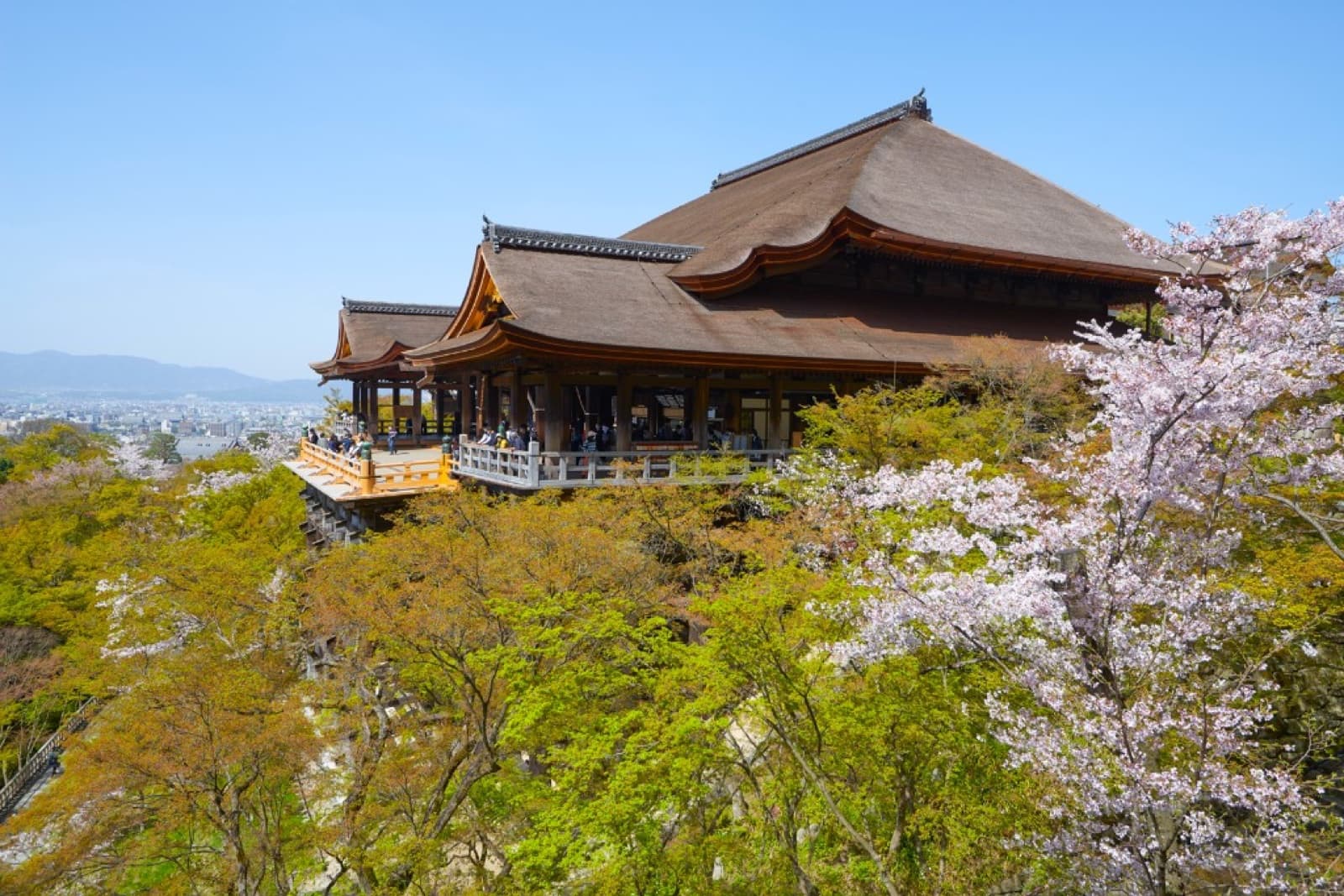
The cherry blossom season typically moves from southwest to northeast. On the JMA's long-term averages the Somei-yoshino cherry trees open in Fukuoka around March 22, Tokyo around March 24 and Kyoto around March 26, with full bloom roughly a week later — Tokyo about March 31, Kyoto about April 4. The warmer climates of Kyushu and Shikoku in the south see the first action, with late March kicking things off in central Japan, and mountain areas and Tohoku peaking well into April. Sapporo doesn't bloom until the first days of May.
Individual blooms last only 7–10 days, and peak — the "postcard" window — is more like 3–7 days. Rain or wind can cut it short. This is why locking in dates too early is risky. Our cherry blossom forecast for 2027 tracks the official predictions as they update.
When to Aim for Sakura
For most first-time visitors focused on Tokyo and Kyoto, late March through mid April is your window. If you miss the main wave, don't panic — later-blooming varieties like yaezakura flower 3 to 4 weeks after the popular yoshino type, and mountain and northern spots hold color into late April and beyond. Hirosaki Castle in Aomori, for example, holds its cherry blossom festival from April 23 to May 5 in 2027.
Early spring (February to mid March) is worth considering too. Plum blossoms (ume) peak across central Japan in February and early March, and traditional gardens hold plum-viewing events without the sakura crowds. On the Izu Peninsula the deep-pink Kawazu-zakura bloom a full month before Tokyo's trees — the Kawazu Cherry Blossom Festival runs February 6 to March 7, 2027.
Spring Itinerary Tips
Book flights and accommodation 3–4 months out, ideally by December. Ueno Park in Tokyo and the Philosopher's Path in Kyoto are classics but pack out fast. For quieter hanami, try smaller riverside walks or head to Tohoku a week or two later than the Tokyo peak. Our Tokyo cherry blossom guide lists the spots that stay sane.
Golden Week (Thursday April 29 to Wednesday May 5 in 2027) is a national holiday cluster. Domestic travel spikes, shinkansen fill up, and hotels can double in price. If you can, avoid it — and if you can't, here is where to go. The reward for waiting is that the second and third weeks of May are, for many of us, the single best fortnight of the Japanese year: fresh green, wisteria, 24°C afternoons and the crowds gone home.
💬 From our Japan travel team
Spring is one of the seasons worth visiting even if it is a little crowded. The window for seeing the cherry blossoms is short — which is exactly why you should ask us about the timing and the spots we recommend.
Rainy Season (June to Mid-July): Tsuyu and Rainy Days
Everyone asks about the rainy season, so let's be honest about it.
For most of Japan — Tokyo, Kyoto, Osaka included — tsuyu runs from early June to mid July. The JMA's long-term averages put the Kanto (Tokyo) rainy season at June 7 to July 19; in 2026 it actually ran June 7 to July 20, a 43-day season. Kyoto and Osaka start a day earlier, Fukuoka around June 4, and Sendai about a week later. Okinawa enters earliest — around May 10, clearing by June 21 — and Hokkaido essentially skips the rainy season altogether.
Here's what people miss: it doesn't rain every day. Tokyo averages 168 mm across the whole of June — less than September or October — and you'll get rainy days, sure, but also sunny days in between; locals call these breaks tsuyu no nakayasumi. The wet comes in spells rather than a six-week monsoon.
Should You Visit Japan in June?
Honestly? June is underrated. Fewer crowds, cheaper hotels, hydrangeas (ajisai) at their absolute peak, and temples that look genuinely magical in the rain. The trade-off is humidity and the risk of a washed-out day at Mount Fuji or on a hiking trail.
If you visit Japan in June, build indoor backups into every day — museums, department stores, covered shopping arcades, and hot spring towns like Hakone or Kinosaki. Pack a compact umbrella and quick-dry clothes. Mid June to early July is usually the wettest window. The full dates by city, what to pack and the indoor plan are in our rainy season guide.
Summer in Japan (Mid-July to August): Festivals, Summer Heat, and Fireworks
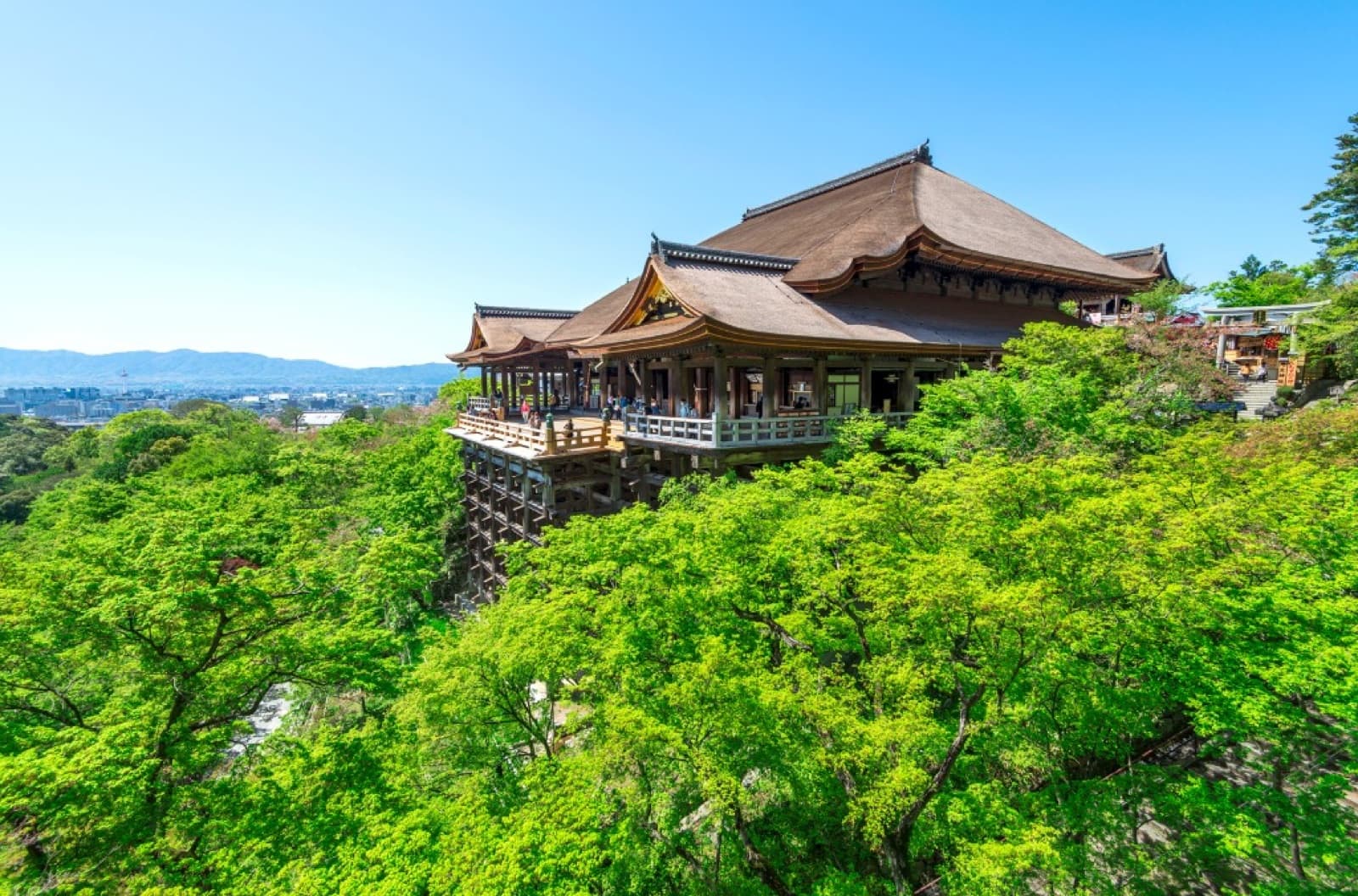
Once the rainy front lifts — often by mid July in Tokyo — the Japanese summer arrives. Fast.
Expect real summer heat. Daytime temperatures in Tokyo, Kyoto, and Osaka regularly push into the mid-30s Celsius with brutal humidity through mid August and into September. Kyoto, sitting in a basin, is especially punishing — its August average high is 33.7°C, and on 5 August 2025 Isesaki in Gunma set Japan's all-time national record of 41.8°C. Our heat guide covers how to plan around it.
💬 From our Japan travel team
Japanese summers are seriously hot, so take good care of yourself while sightseeing. Japan sells plenty of gear for beating the heat — handheld fans, parasols, antiperspirant sheets — so pick some up and use them to keep the heat off.
Why People Still Come
Summer is when Japan throws its best parties. Fireworks (hanabi taikai), Gion Matsuri in Kyoto through July, Aomori's Nebuta (August 2–7), the Sendai Tanabata Festival (August 6–8), Tokushima's Awa Odori (August 11–15), Obon in mid August — the calendar is stacked with lively festivals you can't see any other time; our summer festival guide maps them by date. This is also when rice planting has just finished across the countryside and rural landscapes look their greenest. And it is the only window to climb Mount Fuji: the official season runs July 1 to September 10 (Fujinomiya and Gotemba trails from July 10), with a ¥4,000 fee on every trail.
Where to Escape the Heat
Head north or up. Hokkaido stays in the mid-20s and is genuinely pleasant in late July. The Japanese Alps, Kamikochi, Nikko, and mountainous areas around Nagano offer cool air and hiking. Coastal islands in the Seto Inland Sea — Naoshima, Teshima, Shodoshima — have breezes and, every three years, the Setouchi Triennale art festival (the next edition is 2028). Our where-to-go-in-summer guide ranks the cool-weather escapes.
Also worth knowing: typhoon season runs June to October and peaks sharply in August and September. Roughly 25 storms form in the western Pacific each year, about 12 approach Japan, and only around 3 make landfall — but a direct hit can shut down trains and flights for a day or two. Build slack into your itinerary and don't book non-refundable domestic flights back-to-back. The evergreen typhoon season guide explains how to plan around it without cancelling.
Summer Food
Japanese cuisine shifts hard for summer. Cold noodles like zaru soba, hiyashi chuka, and somen are everywhere. Kakigori (shaved ice) stands pop up on every corner. It's a good excuse to eat your way through the heat.
Autumn in Japan (September to Early December): Fall Foliage and Autumn Leaves
Autumn is arguably the best time to visit Japan. The heat breaks (eventually), the skies clear, and the country lights up with autumn leaves.
When Autumn Foliage Peaks
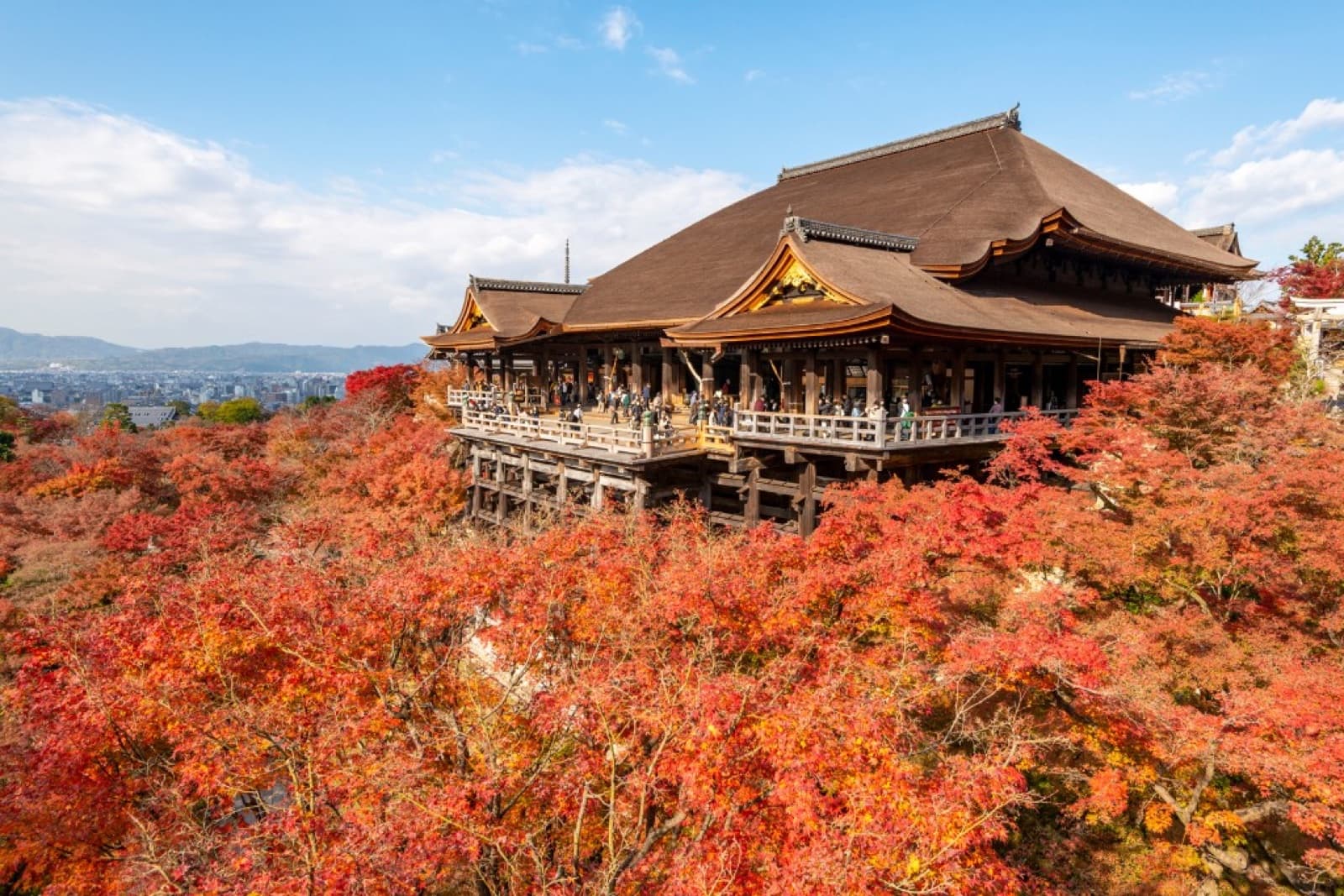
Autumn foliage — koyo or momiji — sweeps from north to south. Hokkaido starts around mid September at higher elevations, with Sapporo peaking late October to early November. Tohoku hits mid-October. The Kanto region (Tokyo) and Kansai (Kyoto, Osaka) peak between mid-November and early December, and Kyushu holds color into early December.
Recent autumns have run late because of warm Septembers: in 2024, Tokyo's red maples didn't peak until December 5, tying the latest date on record, and Osaka went to December 8. For a first-time Tokyo–Hakone–Kyoto route the safest window is therefore late November to mid-December — JMC's second 2026 forecast puts Tokyo at November 28 and Kyoto at December 11. Ginkgo trees turn slightly earlier — Tokyo's yellow avenues typically peak in late November. Our autumn leaves forecast follows the colour front week by week.
Where to See It
For classic temple-and-maple leaves shots, Kyoto is the top pick. Peak is usually mid November to early December. Popular temples like Tofuku-ji, Eikan-do, and Kiyomizu-dera run evening illuminations. In Tokyo, the ginkgo avenue at Meiji Jingu Gaien and the maples around the moat at Chidorigafuchi are excellent. The cherry trees that draw the spring crowds turn a soft orange too, and hardly anyone notices.
For earlier color, aim for Nikko in late October, Kamikochi in the Alps, or Daisetsuzan in Hokkaido from late September. The full ranked list is in our best autumn leaves spots guide.
Autumn Planning Tips
Autumn is expensive. Hotels in Kyoto during peak fall foliage can cost 50–100% more than usual. Book 6–12 months ahead if Kyoto is central to your trip. Early September is still hot and humid — and one of Tokyo's two wettest months at 225 mm (October is marginally wetter at 235 mm); wait for October if the goal is comfortable temperatures and foliage — the rain is similar, the heat is not. October and November also bring the big autumn festivals: the Takayama Autumn Festival (October 9–10), Kyoto's Jidai Matsuri and Kurama Fire Festival (October 22), and Tokyo's Tori-no-ichi fairs in November.
Winter in Japan (December to February): Snow, Hot Springs, and Illuminations
Winter is our quiet favorite. Fewer crowds outside of ski country, dry cold in Tokyo, and the best hot springs on the planet.
Weather Patterns in Winter
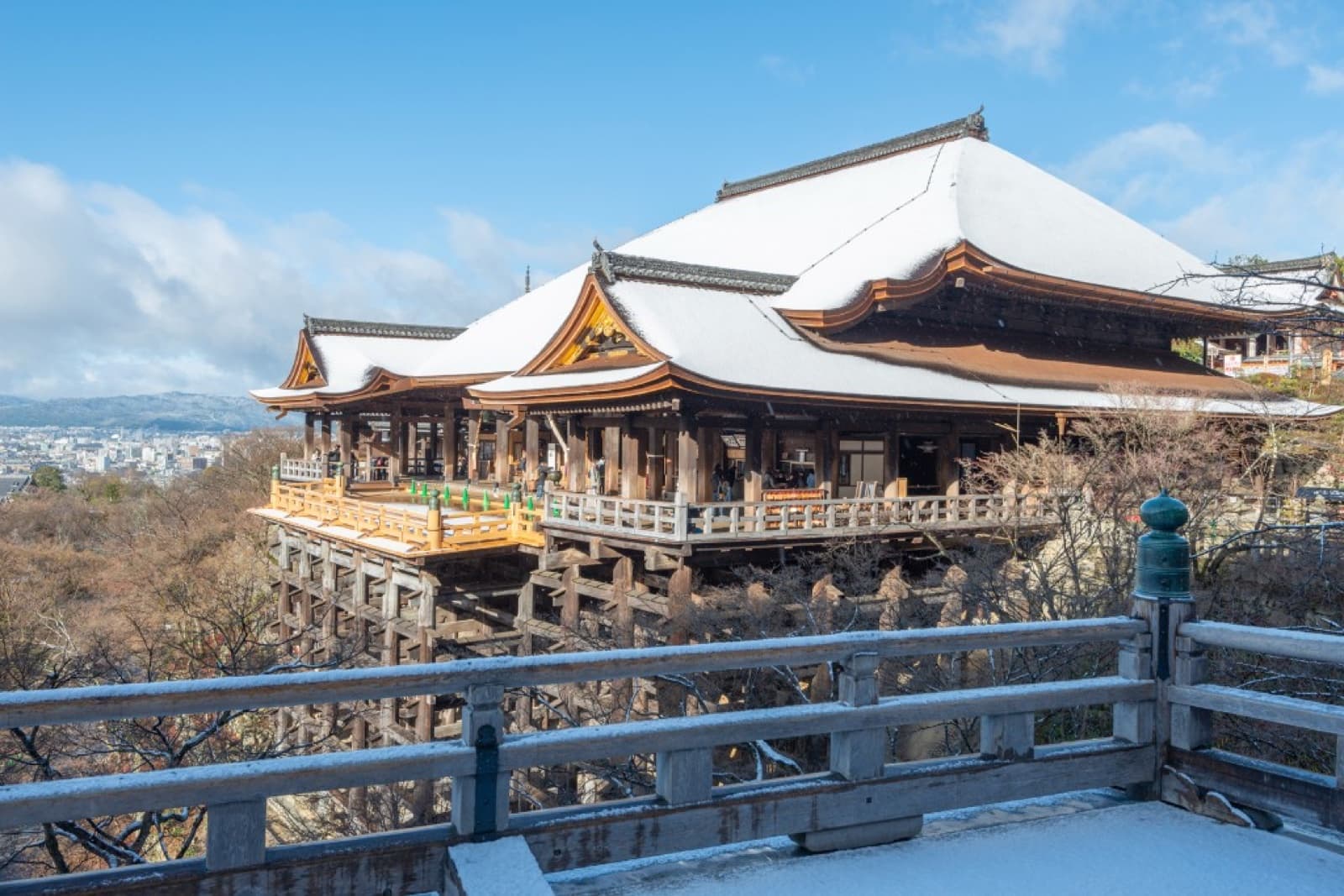
Weather patterns in winter split the country. The Sea of Japan side (Kanazawa, the Japan Alps, Niigata, western Hokkaido) gets serious snow — some of the deepest heavy snowfall in the world. The Pacific side (Tokyo, Kyoto, Osaka) stays mostly dry and cold, with clear blue skies and chilly weather rather than snowstorms.
Tokyo daytime highs in January hover around 10°C with only about 60 mm of rain in the month. Sapporo's average high is around 0°C and its low −6°C in both January and February, with 137 cm of snowfall in January alone.
Winter Illuminations
Winter illuminations are a massive thing here. Cities light up from November and run through early December and beyond — Tokyo's Marunouchi, Roppongi, and Shibuya, plus Sapporo's White Illumination running from late November through the Snow Festival in February. Kobe's Luminarie has moved to late January: the 2027 edition runs January 29 to February 7. Our winter illuminations guide has the dates and closing times.
Snow Festivals
The Sapporo Snow Festival is the big one. In 2027 it runs February 4–11 at Odori Park, Susukino, and the Tsudome site, with hundreds of snow and ice sculptures, night illuminations, and international snow-sculpting teams. Admission is free. The same week, the Otaru Snow Light Path (February 6–13) lights the canal town next door, and the Lake Shikotsu Ice Festival runs January 30 to February 23.
If you want deeper snow country, Yokote in Akita holds the Kamakura Festival in mid February, with lit snow igloos throughout the town, and Zao's "snow monsters" — fir trees encased in rime ice — peak from late January.
Hot Springs and Skiing
Winter is peak onsen season. Sitting outside in a rotenburo with snow falling around you is the classic Japan winter memory — Nozawa Onsen, Kusatsu, Ginzan Onsen, and Noboribetsu are all excellent, and the snow monkeys at Jigokudani soak in theirs from December to March. Niseko in Hokkaido and Hakuba in Nagano are the marquee ski resorts and draw international crowds through February: Niseko's 2026–27 season runs November 28 to May 5, most Honshu resorts open in early-to-mid December, and the deepest powder snow lands from mid-January to mid-February — details in our ski season guide. For winter sports and warm baths in one loop, see the routes above.
One caution: the New Year period. January 1 is the only public holiday, but the functional shutdown runs from about December 29 to January 3, when small restaurants, family shops and some museums close. Plan those days around big cities, department stores and shrines.
Winter vs Other Seasons: How to Choose
Quick comparison for planners:
🌸 Spring
Best for first-timers, sakura, mild weather. Most expensive, most crowded.
☔ Rainy season / Summer
Cheapest June, hottest August. Best for festivals and northern travel.
🍁 Autumn
Best for photography and comfortable outdoor activities. Very expensive in Kyoto.
❄️ Winter
Best for onsen, skiing, and dry sunny days in Tokyo. Great value outside ski resorts.
✅ Cheapest and quietest windows
- • Mid-January to mid-February (outside ski towns)
- • June, especially the second half
- • The week after Golden Week (May 6 onward)
- • Early September, if you can take the heat and a typhoon buffer
⚠️ Peaks to book a year out — or avoid
- • Sakura week in Tokyo and Kyoto (late March–early April)
- • Golden Week (April 29–May 5, 2027)
- • Obon (August 13–16, 2027) and the days around it
- • Kyoto foliage peak (JMC 2026: December 11)
- • New Year (December 28–January 4): closures plus price spikes
If you want the decision made for you — which month, with the crowds and prices weighed — that is exactly what our best time to visit Japan verdict does. This page is the reference behind it.
Regional Differences You Should Actually Plan Around
Japan's climate isn't monolithic. A few practical notes:
Northern regions (Hokkaido, northern Tohoku) skip tsuyu, get long winters, and offer summer relief — see Hokkaido in winter. Southern areas (Kyushu, Okinawa) stay mild in winter — Naha's January average high is 20°C — and are your first shot at sakura in spring. Central mountainous areas shift seasons a full month ahead of the coast: the Tateyama Kurobe Alpine Route's snow wall opens in mid-April when Tokyo is already in shirt sleeves, and Kamikochi closes for winter in mid-November.
If you want to see the first signs of spring, head south. If you want autumn colors in September, head north or up. And Okinawa runs on its own calendar entirely: rainy season in May, a long typhoon-exposed summer, and beach weather into late October.
Japan Month by Month: Pick Your Month, Then Go Deeper
Each month has its own guide with the weather by region, that year's festival and holiday dates, what to pack and a self-guided route. Start from the month you're considering.
January →
Clearest Mount Fuji views, peak powder, snow monkeys; shops closed Dec 29–Jan 3.
February →
Sapporo Snow Festival (Feb 4–11, 2027), plum blossoms, Kawazu early cherry blossoms.
March →
Cherry blossom season begins: Tokyo opens around March 24, full bloom around March 31.
April →
Sakura moves north to Tohoku; Golden Week starts April 29. Mild, busy, expensive.
May →
After May 5 the best all-round month: fresh green, wisteria, Tateyama snow wall.
June →
Rainy season from about June 7 in Tokyo; hydrangeas; the cheapest hotels of the year.
July →
Tsuyu lifts around July 19; Gion Matsuri, fireworks, Mount Fuji climbing season.
August →
Hottest month, Obon travel peak (Aug 13–16, 2027), Nebuta, Awa Odori, typhoons.
September →
Still summer in the cities, typhoon peak, Silver Week (Sep 19–23, 2026), first colour up north.
October →
The heat finally breaks; foliage in Hokkaido, Tohoku and the Alps; festivals everywhere.
November →
Peak foliage in Kyoto and Tokyo from mid-November; dry, clear and cool.
December →
Winter illuminations, ski resorts open, quiet temples — then the New Year shutdown.
The Japanese calendar also divides the year into 24 sekki — traditional micro-seasons such as risshun (the start of spring, around February 4) and shosho (the "lessening heat", around August 23) — which is why weather forecasts and restaurant menus change on dates that look oddly specific to visitors.
Food by Season
Quick hits for Japanese cuisine by season:
- Spring: sakura mochi, bamboo shoots, strawberries, hanami bento.
- Summer: cold noodles, unagi, kakigori, watermelon.
- Autumn: matsutake mushrooms, chestnuts, sweet potatoes (yaki-imo carts appear on Tokyo streets), sanma (Pacific saury), new rice.
- Winter: nabe hotpots, oden, crab (especially in the Sea of Japan region), fugu — and osechi at New Year.
Seasonal eating is embedded in Japanese culture — restaurants change menus, convenience stores swap flavors, and the calendar drives what's fresh. Our Japanese food guide goes dish by dish.
Common Mistakes When Planning Around Seasons
A few we see repeatedly:
- Locking sakura dates 12 months out. Book flexible fares. Peak shifts by up to a week.
- Underestimating summer humidity. The hot and humid stretch is no joke — pack accordingly and plan indoor midday breaks.
- Assuming autumn is short. It runs from late September in Hokkaido to early December in Kyushu. There's a two-month window if you're flexible.
- Ignoring typhoons. August–October flights can disappear overnight. Buy travel insurance and keep a buffer day before you fly home.
- Skipping winter. Tokyo in January has clear skies, low prices, and Mount Fuji is at its most visible from the Kanto plain.
- Forgetting the holidays. Golden Week, Obon and New Year are the three domestic peaks; the public holiday calendar shows every long weekend to plan around.
Turning This Into a Real Itinerary
Here's the practical planning sequence we use:
- Pick your season based on priorities — sakura, foliage, festivals, snow, or budget.
- Choose regions that fit that season — north for summer relief, south for early spring, Sea of Japan side for snow.
- Book flights and hotels early for peak seasons, later for shoulder seasons.
- Watch official forecasts — the Japan Meteorological Corporation for sakura and koyo, the JMA for tsuyu and typhoons.
- Build slack into your itinerary — one flexible day per week for weather, typhoons, or an extra temple you fall in love with.
This is where a self-guided approach shines: you can adjust on the fly instead of being stuck with a group schedule. That's exactly what selfguidejapan.com is built for — routes, day-by-day plans, and support for independent travelers who want to move with the seasons rather than against them. If you're piecing together a trip, browse the seasonal itineraries and see which fits your dates.
💬 From our Japan travel team
Every self-guided route we sell runs year round, but the version we'd recommend changes with the calendar: the Kanazawa–Shirakawa-go onsen loop is at its best under snow in January; the San'in and Setouchi route — Izumo Taisha, the Adachi Museum gardens, the Tottori dunes and Naoshima — is at its best in spring and autumn; the Alpine route through Kamikochi and the Tateyama snow wall only opens mid-April to mid-November; and the Hokkaido nature itinerary is a July–September trip. Tell us your dates and we'll say honestly which one fits.
A Note on the Japanese Fiscal Year
Small but useful: Japan's fiscal year runs April 1 to March 31, which is why cherry blossoms coincide with new job starts, entrance ceremonies, and a genuine feeling of renewal across the country. If you're in Tokyo in early April, you'll see suited-up new graduates everywhere. It adds atmosphere.
Year Round Considerations
Some experiences are available year round: onsen towns, department store food halls, sumo (six tournaments annually — Tokyo in January, May and September), sushi, and — outside heavy weather — day trips from Tokyo to Mount Fuji viewpoints like Lake Kawaguchiko and Hakone. Mount Fuji is actually most visible in winter thanks to dry, clear air; summer often hides it in haze — check the live cameras before you commit a day to it.
FAQ: Seasons in Japan
What season is it in Japan right now?
As of late August 2026 it is late summer: 30–34°C and humid in Tokyo, Kyoto and Osaka, with the typhoon peak under way. Japan follows the standard Northern Hemisphere calendar — spring March–May, rainy season early June to mid-July, summer mid-July–August, autumn September to early December, and winter December–February. Dates shift a little by region: Okinawa runs earlier, Hokkaido later.
When is the best season to visit Japan?
For first-timers, late March to mid-April (cherry blossoms) or mid-November to early December (autumn foliage). For fewer crowds and lower prices, June or January. For the best all-round weather with no crowds, the two weeks after Golden Week in May.
Does Japan really have four distinct seasons?
Yes, and the country takes them seriously — food, festivals, and even convenience-store products change with the calendar. Many people count a fifth season, tsuyu (the June rainy season), and the traditional calendar divides the year into 24 micro-seasons.
When does Japan begin its rainy season?
The JMA announces it region by region each year. On the long-term average Tokyo, Kyoto and Osaka enter tsuyu around June 6–7 and exit around July 19; Fukuoka starts June 4; Okinawa starts around May 10 and clears by June 21; Hokkaido has no rainy season.
Is winter a good time to visit Japan?
Yes. Dry, sunny weather in Tokyo and Kyoto, powder snow in Hokkaido and Nagano, and hot springs at their most atmospheric. Prices drop outside ski towns after the New Year period — just plan around the December 29 to January 3 shutdown.
Is Japan in the same season as the US and Europe?
Yes. Japan is in the Northern Hemisphere, so summer is June–August and winter is December–February, the same as North America and Europe. The differences are the June rainy season, the August–September typhoon peak, and a much hotter, more humid summer than most of Europe.
What is the coldest month in Japan, and the hottest?
January is the coldest almost everywhere (Tokyo average high 9.8°C, Sapporo −0.4°C), and August the hottest (Tokyo 31.3°C, Kyoto 33.7°C, Naha 31.8°C). The national all-time record is 41.8°C, set at Isesaki, Gunma, on 5 August 2025.
How do I check current forecasts?
Use the Japan Meteorological Agency (JMA) for weather, tsuyu and typhoons, and the Japan Meteorological Corporation (n-kishou.com) — and tenki.jp (Japan Weather Association) for the sakura and koyo forecasts, which are updated weekly through each season. Our cherry blossom and autumn leaves forecast pages summarise them in English.
Plan a Self-Guided Trip Around the Season
Tell us your dates and we'll match them to the route that is genuinely at its best then — trains, ryokan and day-by-day directions handled, so you keep the freedom of independent travel without fighting the calendar.
Climate figures are Japan Meteorological Agency 1991–2020 normals; rainy season, cherry blossom and foliage dates are long-term averages or the latest official announcements and shift year to year. Kiyomizu-dera photographs are used with the temple's permission (official site); only the temple's designated images may be used. The "right now" box is updated monthly. Last updated: October 3, 2026.
Related Articles
Tokyo to Osaka (and Back): Shinkansen vs Flight vs Bus — Times, 2026 Prices & When the JR Pass Pays
18 min read
Japan Autumn Leaves Forecast 2026: Latest Dates City by City, and Where the Colors Are Now
14 min read
Japan in November: A Practical Guide for Self-Guided Travellers
11 min read