Tori-no-Ichi 2026: How to Fit Tokyo's Lucky Rake Festival Into Your Self-Guided Trip
A lantern-lit night that feels like old Edo — smoky food stalls, sharp tejime hand-claps, and shrines full of ornate lucky rakes. Tori-no-Ichi happens on just two nights in November 2026. Here are the dates, the best shrines, and how to slot it in.
Planning a Japan trip this November? Put Tori-no-Ichi on your list — a lantern-lit night that feels like stepping into old Edo, all grilled squid, hot sake and ornate lucky rakes. It happens on just two nights in 2026 — November 7 and 19 — so miss the dates and you miss it entirely.
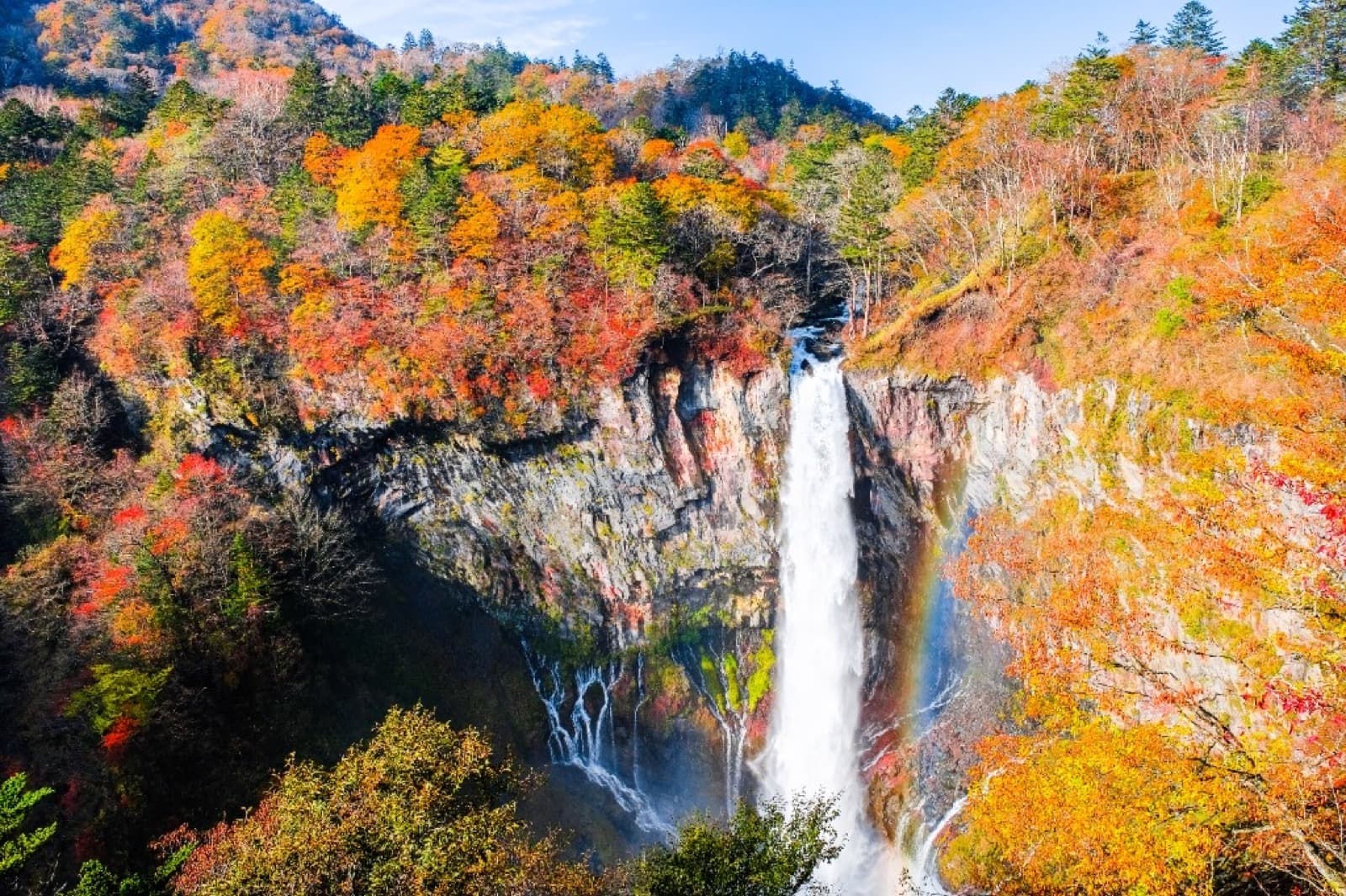
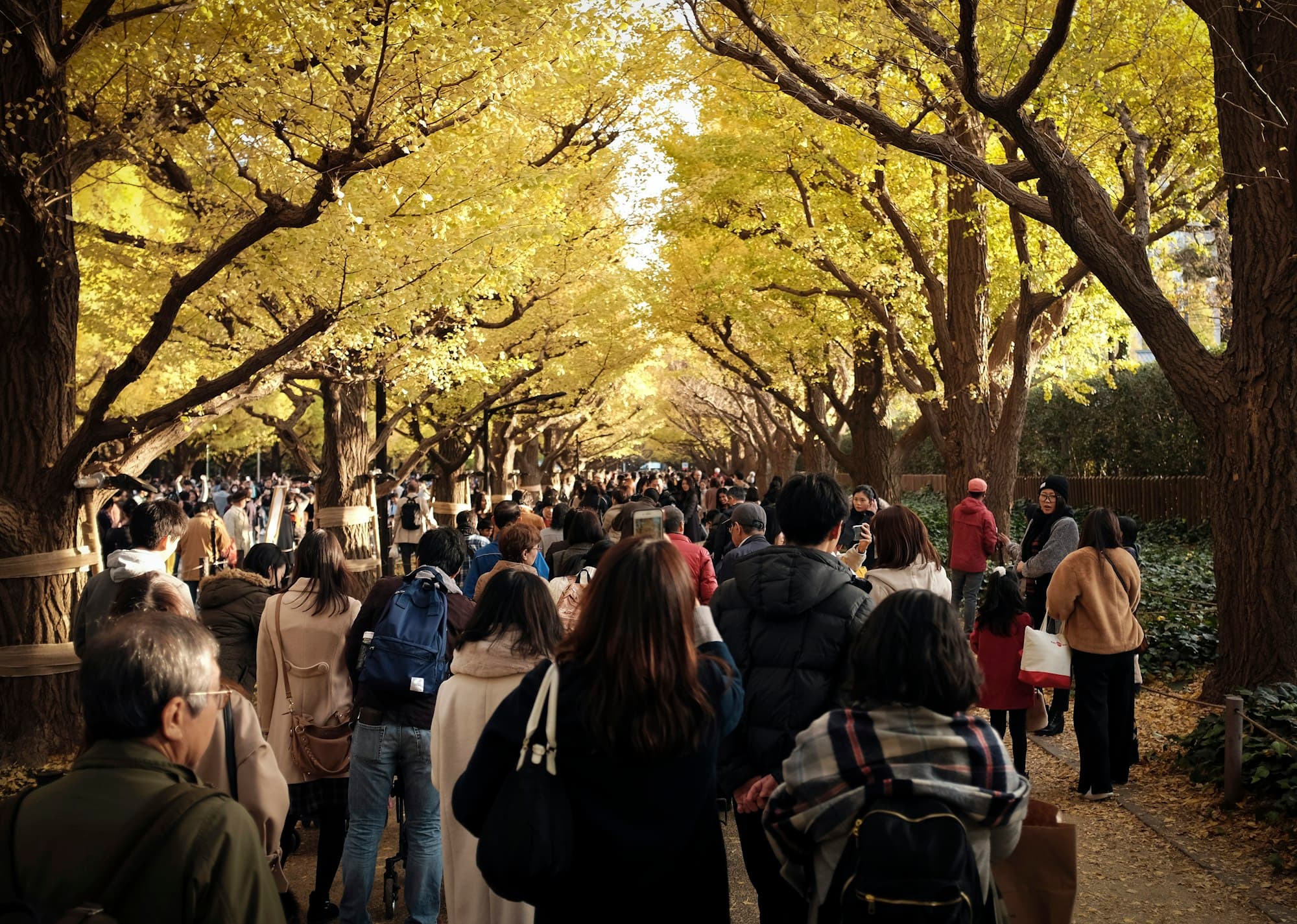
The main Tokyo venues are Otori Shrine and Chokoku-ji Temple in Asakusa, plus Hanazono Shrine in Shinjuku. Entry is free. It slots neatly into a Tokyo trip in Japan in November 2026 — pair it with Tokyo's autumn leaves.
🍢 Quick Answer: Tori-no-Ichi 2026
Two nights only: Saturday Nov 7 & Thursday Nov 19, 2026 (2026 has no third rooster day, so crowds concentrate). Each runs midnight to midnight and is free. Best atmosphere after dark under the lanterns; go 3–5 PM to dodge the 7–11 PM crush. For Asakusa's Otori Shrine, use Iriya or Minowa station (Hibiya Line), not Asakusa Station.
📅 Dates
Nov 7 & 19
🎋 Buy
Kumade rake
💴 Entry
Free
🚉 Asakusa stn
Iriya / Minowa
What Is Tori-no-Ichi?
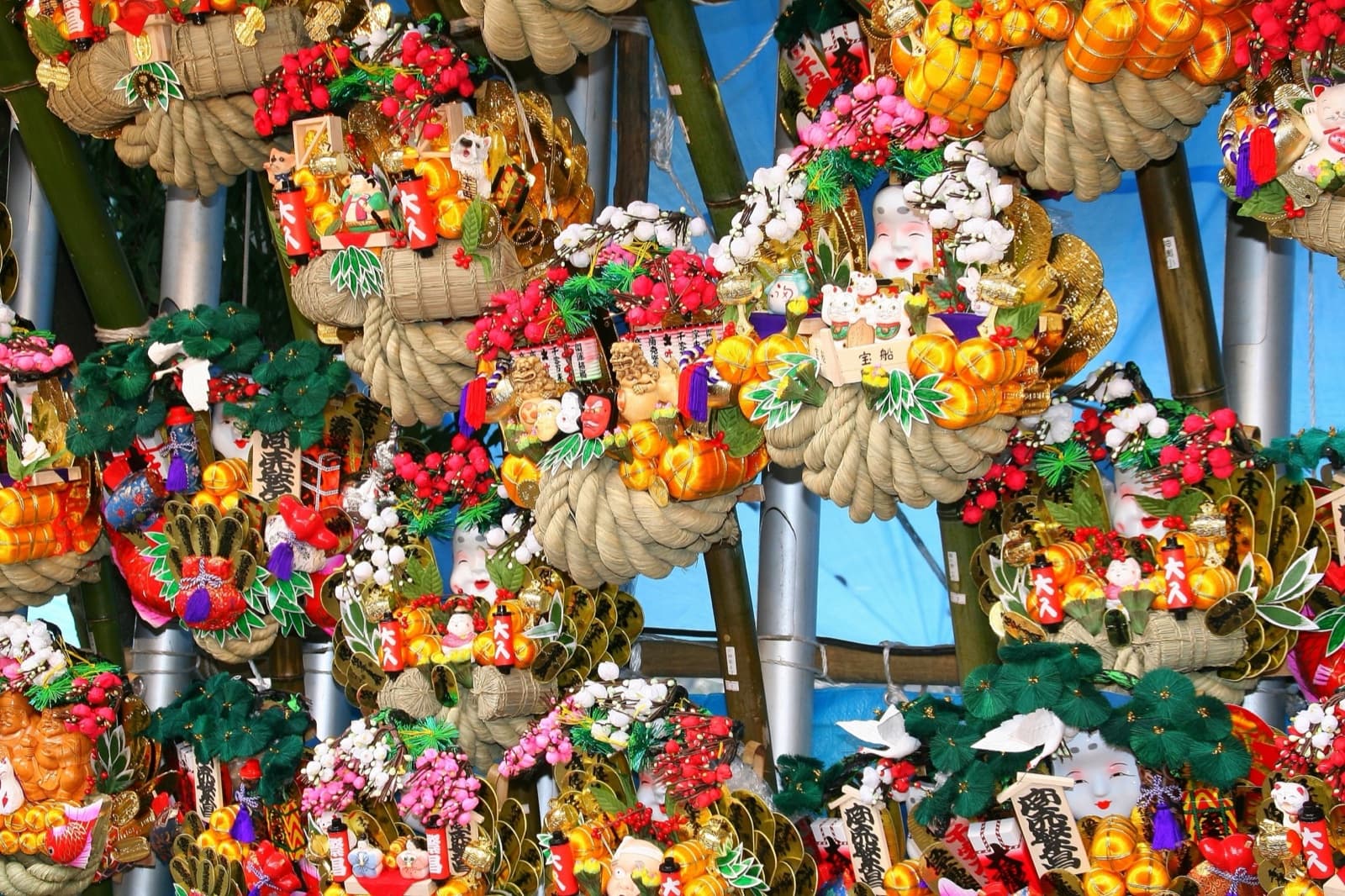
Tori-no-Ichi is a traditional fair held every November on the days of the rooster in the old lunar calendar, celebrated at shrines and temples since the Edo period. People come to pray for good fortune and business prosperity for the year ahead. The signature item is the kumade — a decorative bamboo rake covered in lucky charms (koban gold coins, Okame masks, the Seven Gods of Fortune) meant to "rake in" wealth and luck.
Tori-no-Ichi 2026 Dates
Two rooster days in November 2026 — mark them now. Each fair runs 24 hours, midnight to midnight, opening with the Ichiban Taiko drum at midnight.
| Ichi-no-Tori (First Rooster) | Saturday, November 7, 2026 |
| Ni-no-Tori (Second Rooster) | Thursday, November 19, 2026 |
💡 2026 has no San-no-Tori (third rooster), so crowds concentrate on these two nights — expect both to be heaving. Hanazono also holds an eve festival on Nov 6.
Asakusa: The Main Event
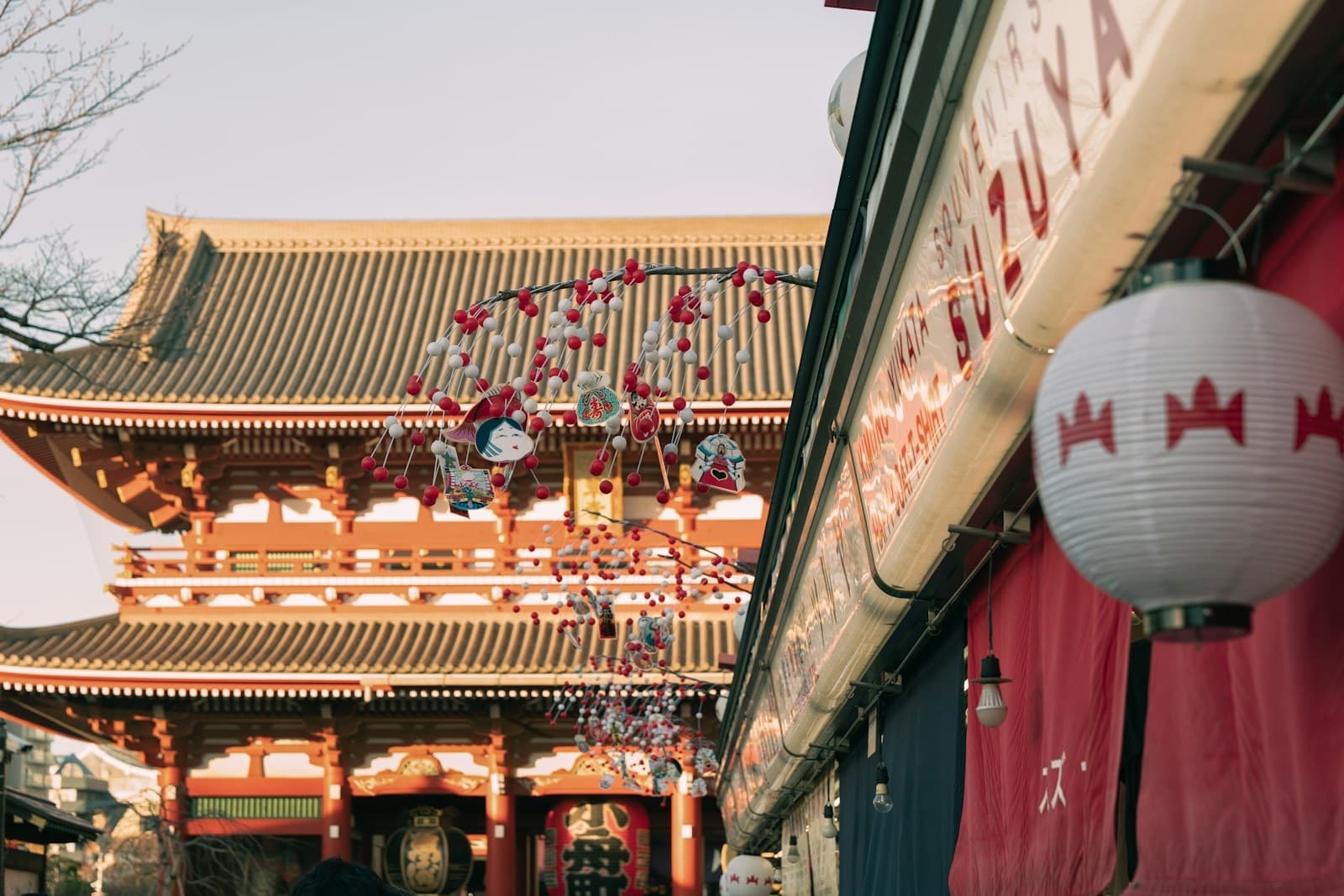
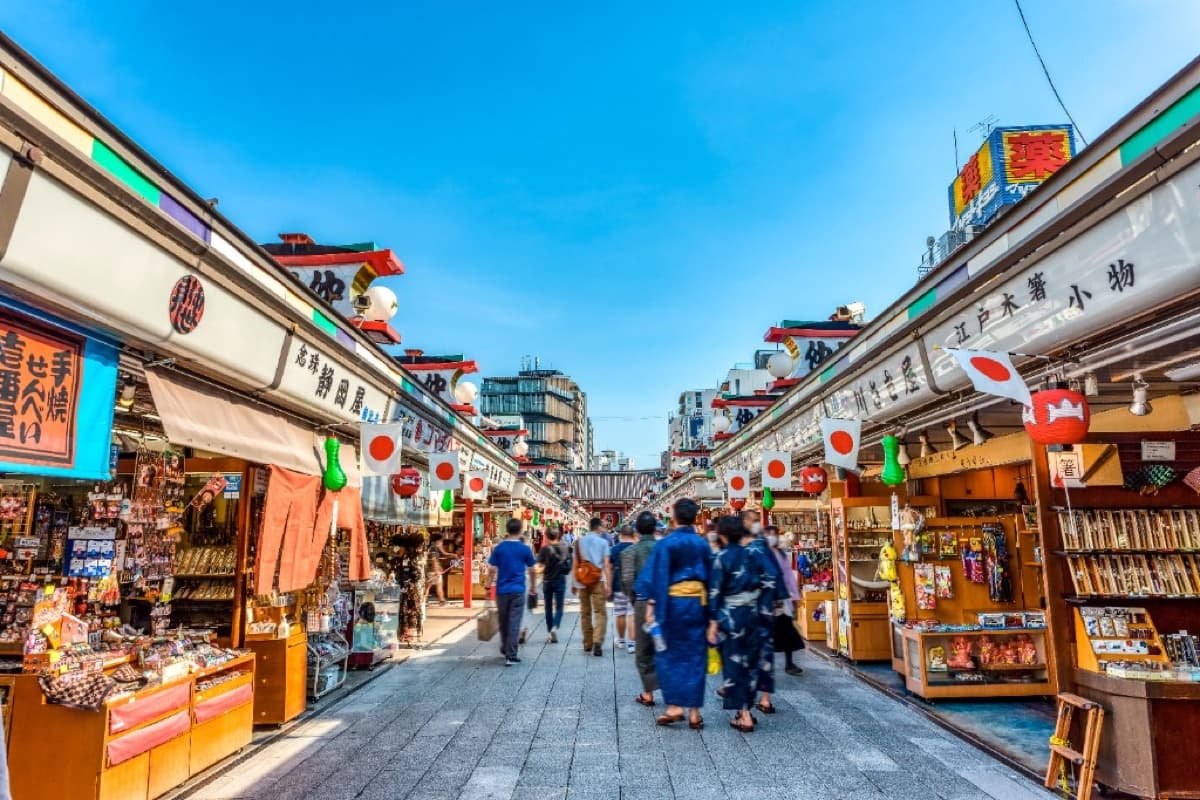
If you pick one venue, pick Asakusa — the original and biggest, at Otori Shrine and the adjacent Chokoku-ji Temple. Around 100 rake stalls fill the grounds and some 800 food stalls line the streets outside: a serious amount of yakitori and yakisoba. The catch: it's not Asakusa Station — the shrine is a 10-minute walk from Iriya or Minowa on the Tokyo Metro Hibiya Line. On festival nights, just walk with the flow of people carrying kumade.
Shinjuku: Hanazono Shrine
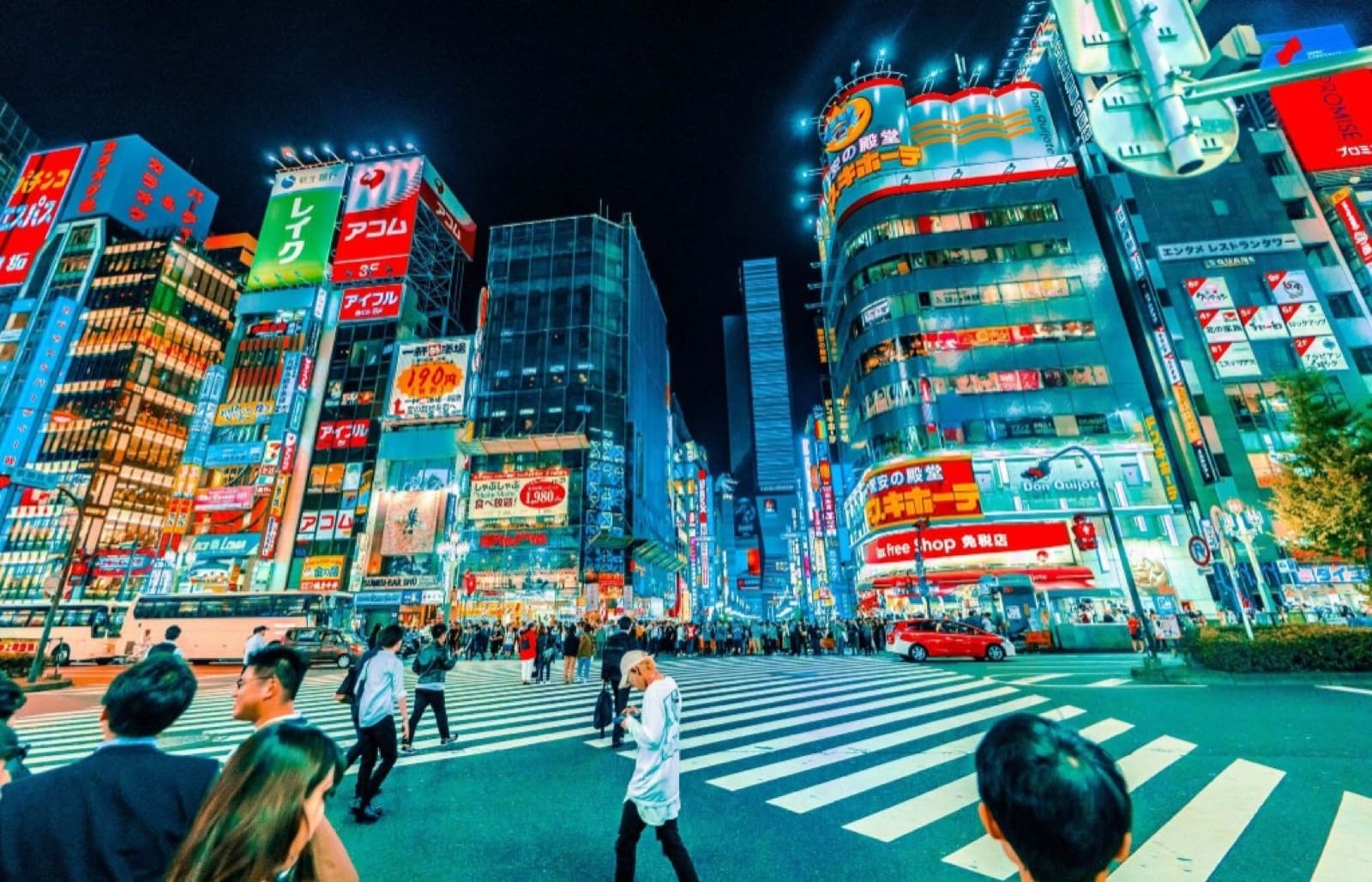
The other top pick sits in the middle of Shinjuku — arguably the easiest for first-timers. Hanazono Shrine is one of the Kanto region's top three Tori-no-Ichi (with Asakusa's Otori and Fuchu's Okunitama), lantern-lit and packed with kumade vendors, plus its rare surviving Misemono Goya sideshow tents. It's a 7-minute walk from Shinjuku Station (3 from Shinjuku-sanchome), steps from Kabukicho and Golden Gai — so it pairs perfectly with a Shinjuku dinner.
What to Actually Do at the Fair
Buy a kumade (or just watch). Small rakes run ¥1,000–3,000; big business-altar ones ¥30,000–300,000+. Buying is a ritual: gentle price negotiation, then the vendor's whole crew seals it with a sharp, rhythmic tejime hand-clap — one of the coolest sounds at the fair (you'll hear dozens over an evening even if you don't buy). And you don't need to own a business — a small rake is a lovely, meaningful souvenir.
Eat everything. Yakisoba, takoyaki, grilled corn, chocolate bananas, hot sake in paper cups — arrive hungry. Best after dark, when the paper lanterns light the rakes, though peak crowds hit 7–11 PM; go 3–5 PM (or the calmer Nov 6 eve at Hanazono) if you're with kids or dislike crowds.
💬 From our Japan travel team
Tori-no-Ichi is one of Tokyo's classic autumn scenes, and after dark it comes alive with big, buzzing crowds. If you want a taste of old-fashioned tradition and real festival atmosphere, drop by on a free evening while you're in Tokyo — it's the kind of night you stumble into and remember.
Fitting It Into a Self-Guided Trip
🗓️ Three easy ways to slot it in
| Half-day add-on | Day at Senso-ji / Ueno, then Iriya ~6 PM for two hours at the fair, dinner from the stalls |
| Shinjuku combo | Hanazono before/after dinner in Kabukicho or Golden Gai — a 5-minute walk |
| Purist's route | Asakusa ~11 PM, wait for the Ichiban Taiko drum at midnight (then sleep in) |
💡 Beyond the big two, Fuchu's Okunitama Shrine (~30 min west on the Keio Line) is a calmer third option.
Common Mistakes Travellers Make
- Going to Asakusa Station. Otori Shrine is closer to Iriya or Minowa — Asakusa Station means a 15–20 minute walk.
- Assuming it's every weekend in November. It isn't — only the rooster days. Miss Nov 7 and 19 and you're out of luck for 2026.
- Skipping the kumade because you don't own a business. A small one (¥1,000–2,000) is a genuine, meaningful souvenir.
- Bringing a stroller or big bag. The grounds get packed — travel light.
- Booking a very early train the next day. If you're out near midnight, don't schedule a 6 AM shinkansen.
After Tori-no-Ichi: Into the Year-End Season
Tori-no-ichi falls on the Days of the Rooster in November, and the markets mark the start of Tokyo's year-end run rather than the end of anything. Within a fortnight the illuminations are lit, and from there the city moves through Christmas into the New Year shrine visits that are the real climax of the Japanese calendar.
- Illuminations. Tokyo's displays light from mid-November — see winter illuminations for what is confirmed for 2026-27.
- Year-end and New Year. Christmas in Japan and Japanese New Year 2027 explain how the two differ, and which one actually closes the country.
- The season generally. Japan in December and winter in Japan.
FAQ: Tori-no-Ichi 2026
When is Tori-no-Ichi 2026?
Saturday November 7 and Thursday November 19, 2026. Both venues run from midnight to midnight.
Is Tori-no-Ichi free?
Yes. Entry to Otori Shrine, Chokoku-ji Temple and Hanazono Shrine during the fair is free — you only pay for food, drink, or a kumade if you choose to buy one.
Which is better, Asakusa or Shinjuku?
Asakusa is bigger, older and more atmospheric (800+ food stalls); Shinjuku's Hanazono is smaller but much more convenient if you're staying nearby, with the famous sideshow tents.
Do I need to book tickets?
No booking required — just show up.
Is it family friendly?
Yes, especially in the afternoon before crowds build. The lanterns, food stalls and sideshows are all kid-approved.
How long should I plan to stay?
Ninety minutes to two hours is enough for most visitors; serious kumade shoppers stay longer.
What if I can't make either date?
Tori-no-Ichi only happens on rooster days, so a trip outside Nov 7 and 19 misses it this year — though Otori and Hanazono shrines are still worth visiting off-season.
Plan Your Self-Guided Japan Trip
Tori-no-Ichi is exactly the kind of experience that rewards independent travellers — no tour bus, just a train ticket, some yen and a bit of curiosity. The trick is landing your Tokyo nights on Nov 7 or 19.
💬 From our Japan travel team
If your Tokyo dates touch Nov 7 or 19, we'll build Tori-no-Ichi in as a free evening — Asakusa for the full old-Edo scale or Hanazono for an easy Shinjuku combo — and thread it into a wider autumn route with Nikko, Kyoto and the foliage.
Dates, venues and access per the respective shrine/temple organisers (Otori Shrine, Chokoku-ji, Hanazono Shrine, Okunitama Shrine); details occasionally change close to the event — confirm on official sources before you travel. Last updated: August 2026.