
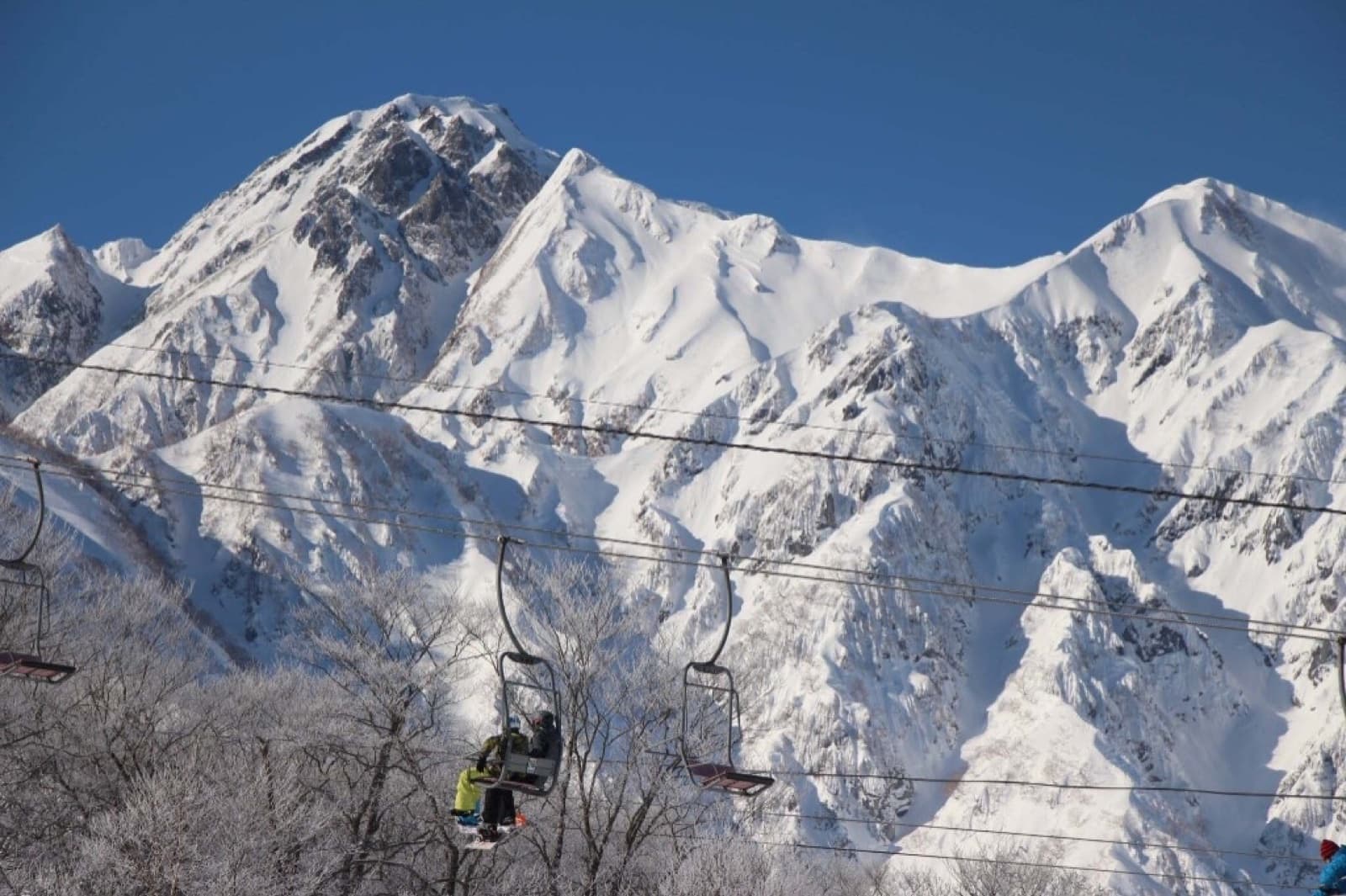
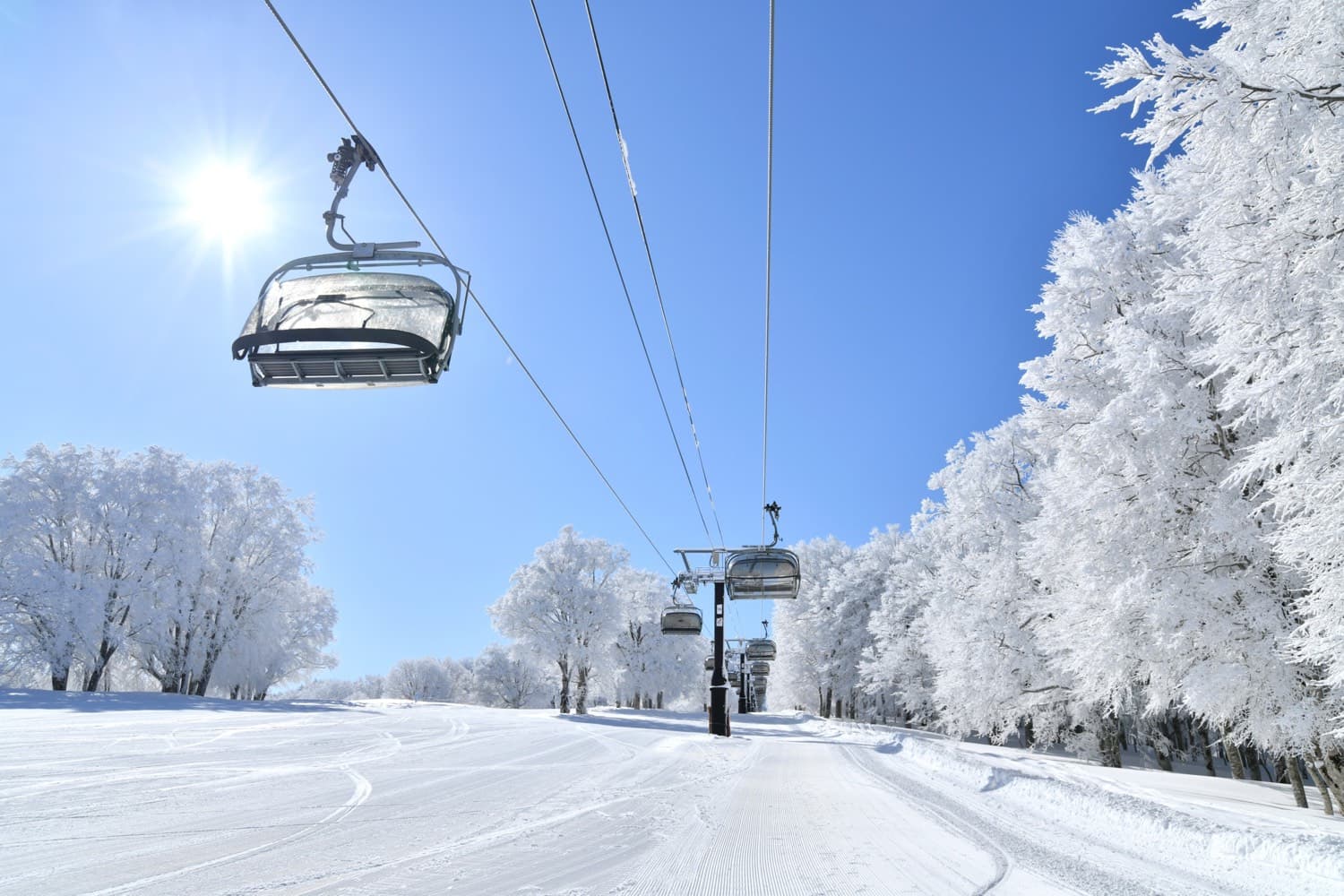
 写真提供:一般社団法人白馬村観光局
Japan Ski Season 2026-27: A Practical Niseko & Hakuba Powder Guide for Self-Guided Travelers
Verified opening dates, honest advice on when the powder actually delivers, how Niseko and Hakuba compare, lift passes, transfers, and a self-guided plan you can build yourself — no packaged tour, no fixed group.
If you're already thinking about the Japan ski season 2026-27, you're doing it right. The best rooms in Niseko and Hakuba get snapped up almost a year out, flights spike over Chinese New Year, and the dates that actually deliver deep powder are narrower than most first-timers expect. This guide is written for independent travelers building their own Japan itinerary — no packaged tour, no fixed group, just you and a plan.
Below you'll find verified opening dates, honest advice on when to go, how the two big regions compare, and how to turn all of it into a real trip. If you want the wider seasonal picture first, our winter in Japan 2026 guide sets the scene, and Japan in January 2027 zooms in on peak-powder month.
❄️ Quick Answer: Japan Ski Season 2026-27
- Season: Niseko runs 28 Nov 2026 – 5 May 2027; most Honshu resorts (Hakuba) open early-to-mid December.
- Best powder: mid-January to mid-February for bottomless "Japow" — but that window includes Chinese New Year price spikes.
- Niseko vs Hakuba: Niseko for feather-light powder and ski-in ski-out; Hakuba for big-mountain variety and easy pairing with Tokyo.
- Book by June for mid-winter; sort transfers, lift passes and rentals before you fly, and keep the daily plan loose for powder days.
Japan Ski Season 2026-27: Key Dates at a Glance
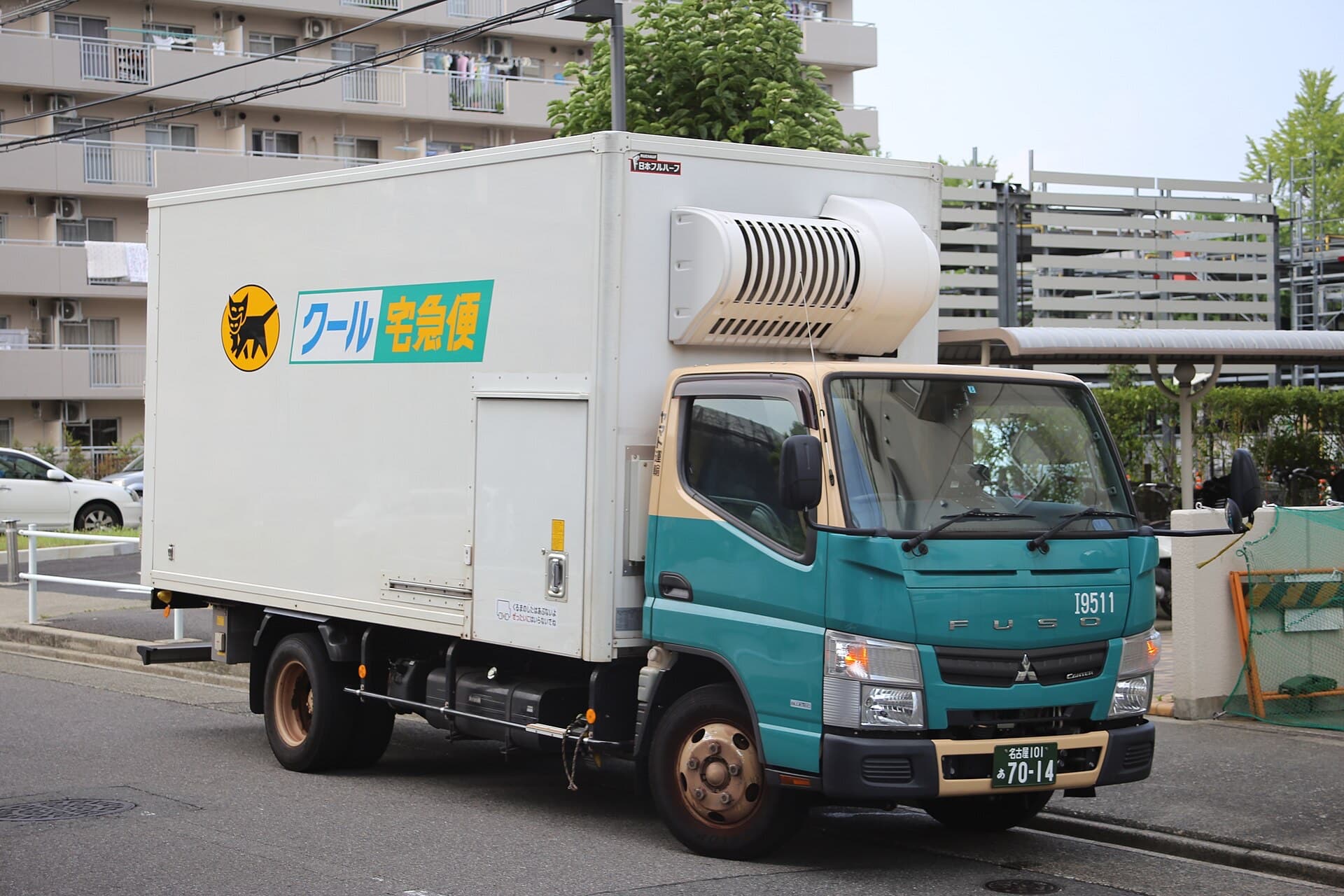
Skis and boards travel by Yamato's Ski TA-Q-BIN — our luggage forwarding guide explains sizes, rates and airport delivery.
Let's answer the main question first. The Niseko 2026-27 ski season will run from 28th November 2026 – 5th May 2027, weather and conditions permitting.
Annupuri and Grand Hirafu will remain open until 5th May 2027, and Niseko Village and Hanazono will close on the 4th and 11th April. Night skiing is scheduled from 12th December 2026 – 22nd March 2027 across all four ski areas.
For Honshu, dates are trickling in. Hakuba opening dates for the 2026/27 ski season have not yet been announced — all Japan ski resort opening dates and lift operations depend on weather and snow conditions. Historically Hakuba lifts start turning in early December, with the full valley open by mid-December.
When Is the Best Time to Ski Japan?
Here's the honest answer most tour operators won't spell out: the best conditions and the best crowds don't overlap.
Early December: The Soft Opening
Early December is exciting — resorts spinning up, hotels quieter, deals easier to find. But the base is still building. Some off-piste zones and tree-skiing lines aren't fully in yet. Great for a first taste; not the moment for a serious powder chaser. Our Japan in December 2026 guide covers the early-season trade-offs in more detail.
Mid-January to Mid-February: Peak Powder
This is the sweet spot. If you want to stack the odds of bottomless powder with every turn in your favour, head to Niseko or Rusutsu between early January and mid-February. Cold, dry, relentless snowfall. This is what people mean when they say "Japow."
The catch? Chinese New Year lands inside this window, and prices for accommodation and lift lessons jump hard. Book eight to twelve months ahead if your dates are anywhere near it.
Late February to Mid-March
Snow quality is still strong and crowds start thinning. The best time to visit Niseko for peak powder is typically from late December to mid-February. Snow quality remains excellent through February and into March, with fewer crowds later in the season.
Late March and April: Spring Skiing
Bluebird days, softer snow, cheaper rates. Good for families and intermediates. Whatever ski area you visit, it is important to be aware that in spring, ski shuttle buses, lift operation and village amenities start to wind down. Properties that were ski-in ski-out may no longer be.
Niseko: Hokkaido's Powder Magnet
Getting There
Fly into New Chitose Airport (CTS) near Sapporo. Niseko United is located on Japan's northern island of Hokkaido, a 1.5-hour flight from Tokyo to Sapporo-Chitose, the region's main airport. From Chitose Airport, most visitors take a resort bus (roughly 2.5–3 hours) or a private transfer. For a fuller Hokkaido game plan, see our Hokkaido tour package guide.
The Four Resorts
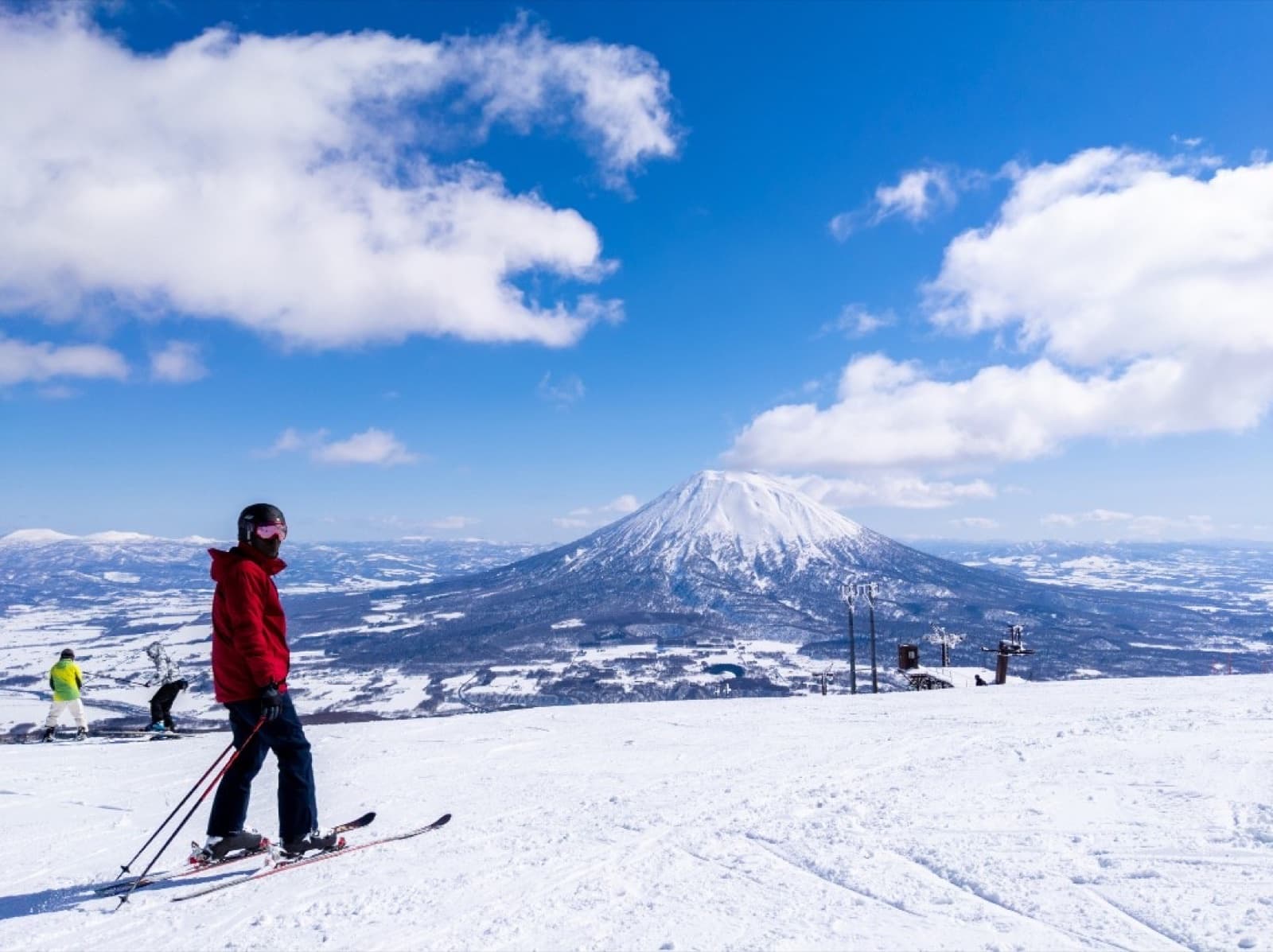
Niseko United is one of Japan's premier ski resorts, with over 2,000 acres of skiable terrain split over 4 resorts — Grand Hirafu, Niseko Village, Hanazono and Annupuri.
Grand Hirafu is the busiest and best for nightlife, restaurants and shopping. Hanazono suits families and has strong beginner terrain. Niseko Village is quieter and ski-in ski-out heavy. Annupuri is the mellow one — good tree skiing, fewer lift queues.
Powder Snow and Terrain
Each resort has gentle beginner zones, a wide range of intermediate slopes, and plenty of black runs and ungroomed off-piste to satisfy expert powder hounds. For an advanced or experienced skier, the gated backcountry access points are the real prize — but they require avalanche awareness and, ideally, a guide with local knowledge.
What's New
Following the launch of the new Ace Gondola in November 2024, access to the mid-mountain has already improved dramatically. To further ease congestion and enhance the guest experience, King Quad Lift #3 has been upgraded. It returned as a high-speed six-seater with heated seats and a loading carpet, adding 600 passengers per hour. New for 2026–27, Niseko Village is replacing an existing double chairlift with the eight-passenger Mori-no Gondola, built in phases.
Hakuba Valley: Ten Resorts, One Lift Pass
If you'd rather choose Hakuba, you're picking scale and variety over the concentrated powder of Hokkaido.
The Basics
Japan's renowned Hakuba Valley features 10 ski resorts — Jigatake Snow Resort, Kashimayari Snow Resort, White Resort Hakuba Sanosaka, ABLE Hakuba Goryu Snow Resort, Hakuba 47 Winter Sports Park, Hakuba Happo-one Snow Resort, Hakuba Iwatake Snow Field, Tsugaike Mountain Resort, Hakuba Norikura Onsen Snow Resort, and Hakuba Cortina Snow Resort.
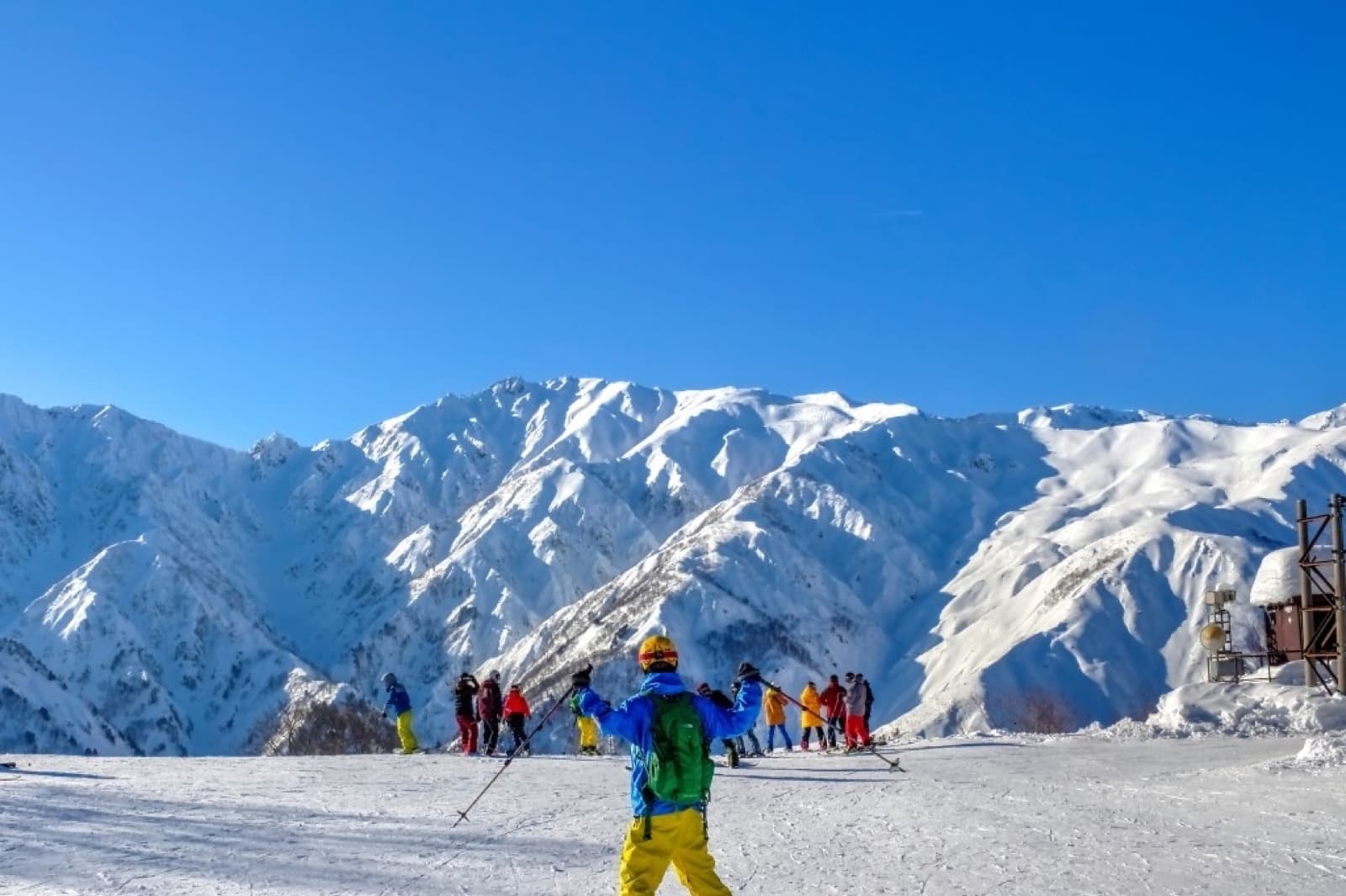
Happo One is the marquee mountain. For those who love long, uninterrupted runs, Happo delivers with courses stretching up to 8,000 meters, offering exhilaration from summit to base. And with a staggering 1,071m vertical drop, Happo boasts some of the steepest pistes in Hakuba Valley.
Cortina, at the northern end, is where powder hunters go. Cortina records the highest annual snowfall in Hakuba Valley, making it the top destination for powder seekers. Exceptional tree skiing under pristine conditions adds to its reputation as one of the valley's most coveted resorts.
Getting from Tokyo
Hakuba's biggest advantage is access. If you want to reach Hakuba quickly and comfortably, taking the Shinkansen "bullet train" is your best option. It's the fastest and most reliable way to travel from Tokyo to Hakuba, offering a smooth and scenic ride through Japan's mountains.
The standard route: bullet train from Tokyo Station to Nagano (about 90 minutes), then the Alpico express bus to Hakuba Happo Bus Terminal. Transfer to a bus bound for Hakuba Happo-One Bus Terminal outside Nagano Station's East Exit (operated by Alpico). Travel time: around 60–90 minutes. Cost: about ¥3,500.
Total? About 3 hours door to door. That's a big reason many travelers choose Hakuba over Niseko when they only have one trip and want to combine skiing with Tokyo.
Getting Around the Valley
Free resort shuttle buses connect the main ski areas such as Happo-One, Goryu, Hakuba 47, Iwatake, and Tsugaike Kogen. Handy, but they run on fixed timetables — don't count on quick hops between the northern and southern resorts.
Where to Base Yourself
In addition to large hotels, Hakuba has over 200 small ryokans, lodges, and guesthouses near the slopes, and many of them are managed by native English speakers. These accommodations are mainly located in the Echoland, Happo, and Wadano areas.
Echoland is where the restaurants, izakayas and après scene live. Happo is the transport hub. Wadano is quieter, forested, more relaxed.
Niseko vs Hakuba: Which Should You Choose?
Short version:
- Choose Niseko for reliable, feather-light powder snow, ski-in ski-out hotels, and a very international scene. Weaker if you also want cultural sightseeing.
- Choose Hakuba for big-mountain terrain, easy combination with Tokyo, more variety across 10 ski areas, and better options for non-skiers in your group.
If you can only ski Japan once, Hakuba usually wins on logistics. If you're a powder purist and don't mind the longer flight, Niseko still owns the reputation.
💬 From our Japan travel team
Niseko and Hakuba are the most popular ski destinations in Japan for international visitors — Australians especially — and for good reason. Even if you pre-book lift tickets and transport, expect to queue for lifts, buses and transfers; both regions get that busy.
First ski trip to Japan? Book a self-guided tour through our website and our local operators handle the hard parts: competitive hotels, transport, essential winter-sports insurance, and luggage shipping for your gear — so you can focus on the snow.
Other Ski Areas Worth Considering
Nozawa Onsen
A proper hot spring village that happens to have world-class skiing on its doorstep. You can take the Hokuriku Shinkansen from Tokyo Station to Iiyama (1 hour 40 minutes) and connect to the Nozawa Onsen Liner bus (25 minutes).
Nozawa Onsen's neighborhood associations maintain 13 free public onsen throughout the village, each dedicated to a different bodhisattva, or Buddhist deity. Honestly, this alone is worth a two-night detour.
Shiga Kogen
Shiga Kogen has a shockingly long ski season: for 2026–27 the all-mountain ticket runs from 5 December 2026 to 5 May 2027, and Yokoteyama stays open to late May. Even better, it's the largest ski area in Japan — 18 ski areas and 45 lifts and gondolas on one lift pass (¥9,500 a day, ¥8,500 online). Our Shiga Kogen guide covers it in detail.
Great for exploring on a single pass, and easy to combine with the Jigokudani snow monkeys.
Furano & Myoko Kogen
Two more names worth a look. Furano, in central Hokkaido, is prized for exceptionally dry, light powder and a quieter, family-friendly feel — a calmer alternative to Niseko without leaving the island. Myoko Kogen, on the Niigata side of the Honshu mountains, records some of the country's deepest snowfall totals and keeps an old-school, uncrowded character that rewards travelers chasing deep snow away from the crowds.
Resort Comparison at a Glance
| Resort | Region | Snow | Vibe | Best For | Getting There |
|---|---|---|---|---|---|
| Niseko United | Hokkaido | Legendary dry powder, deep & reliable | International, lively après | Powder purists, ski-in ski-out | Fly to CTS, ~2.5–3h bus |
| Hakuba Valley | Nagano (Honshu) | Big dumps, variable, huge terrain | Big-mountain, 10 resorts | Variety, pairing with Tokyo | Shinkansen to Nagano + bus, ~3h |
| Nozawa Onsen | Nagano (Honshu) | Excellent, abundant | Traditional onsen village | Culture plus skiing | Shinkansen to Iiyama + bus, ~2.5h |
| Furano | Hokkaido | Very dry, light powder | Quiet, family-friendly | Families, fewer crowds | Fly to CTS, ~2h bus |
| Shiga Kogen | Nagano (Honshu) | Stable, high-altitude, long season | Vast, low-key | One-pass exploring, snow monkeys | Shinkansen to Nagano + bus |
| Myoko Kogen | Niigata (Honshu) | Huge snowfall, deep | Old-school, uncrowded | Value, deep snow, no crowds | Shinkansen to Joetsu-Myoko + local |
💡 Honshu resorts (Hakuba, Nozawa, Shiga, Myoko) reach easily from Tokyo by train; Hokkaido resorts (Niseko, Furano) need a short domestic flight. Don't try to combine Niseko and Hakuba in one short trip — they're far apart.
Planning Your Self-Guided Ski Trip: Step by Step
1. Lock Your Dates Early
Start planning 8–12 months out for mid-winter. Chinese New Year 2027 falls on 6 February, with the travel and pricing surge running roughly 5–13 February, so if that overlaps with your dates, book flights first, then accommodation.
2. Choose One Base (Or Split)
For a first Japan ski trip, one base for 5–7 nights beats hopping around. If you have 10+ days, consider Niseko plus a Tokyo/Kyoto add-on, or Hakuba plus Nozawa Onsen.
3. Book Accommodation
Ski-in ski-out is a lifesaver on a short trip. Slightly cheaper options 5–10 minutes from the lifts by shuttle are usually worth it if you're staying a week. Read cancellation policies carefully — snow guarantees are rare.
4. Sort Lift Passes
For Niseko, the All Mountain Pass covers all four resorts and the shuttle. The card can be purchased online for 500 JPY with your first online pass and becomes your permanent lift pass. The Online Lift Pass will be activated when you pass the lift gate or when you get on the Niseko United Shuttle Bus using your online lift pass. For Hakuba, the Hakuba Valley pass gives you access to all ten resorts on one ticket — worth it if you plan to explore.
5. Book Rentals Ahead
Rental shops in Niseko and Hakuba fill up in peak weeks. Book online 4–6 weeks out. Powder skis are worth the small upgrade fee.
6. Plan Your Transfers
For Niseko, book a bus from New Chitose Airport in advance. For Hakuba, decide between the shinkansen-plus-bus combo or a direct Nagano Snow Shuttle from Narita/Haneda.
7. Don't Forget Cash
While major hotels and restaurants accept credit cards, many smaller restaurants, local buses and shops only take cash. ATMs can be found at 7/11, Lawson, and post offices, which all accept international cards. Keep enough for a few days on hand — around ¥30,000 should be more than enough.
Sample 10-Day Itinerary
- Days 1–2: Arrive Tokyo, jet-lag day, explore Shibuya/Asakusa — and if your dates line up, catch the winter illuminations.
- Day 3: Bullet train to Nagano, bus to Hakuba.
- Days 4–7: Ski Hakuba Valley (Happo One, Hakuba 47, Cortina on a snow day).
- Day 8: Transfer to Nozawa Onsen (2.5 hours via Nagano).
- Days 9–10: Ski, soak in onsens, back to Tokyo for departure.
If you want the Hokkaido experience instead, swap in 5–6 nights in Niseko and a night in Sapporo for food and shopping. Traveling over the year-end break? Our Japanese New Year 2027 guide covers what's open and closed on the mountain and in the cities.
Common Mistakes to Avoid
- Booking Christmas week expecting deep powder. Early season can be thin. Mid-January is the safer bet.
- Trying to do Niseko and Hakuba in one trip. They're far apart; you'll waste a day each way.
- Skipping the lessons. Even experienced skiers benefit from a half-day with an instructor who has local knowledge of tree lines and gates.
- Ignoring backcountry safety. Gates close for good reasons. If you don't own a beacon and know how to use it, hire a guide.
- Assuming lift staff speak Japanese only. In Niseko and Hakuba, most speak English well. In smaller resorts, less so — a translation app helps.
Winter vs Other Seasons in the Same Regions
Just so you know what you're missing (or not): outside ski season, Hakuba and Niseko become hiking and cycling towns. Cherry blossoms hit these mountain areas in late April to early May, well after most lifts close. Summer months are cool and green. The rainy season (June) and Golden Week (early May) affect travel across the country — Golden Week overlaps with the tail end of Niseko's season, so expect Japanese domestic crowds if you ski that late.
Local Businesses, Hospitality and the Small Stuff
One thing that keeps skiers coming back: the hospitality. Family-run ryokans, the ramen shop that remembers your order on day two, the rental team that adjusts your bindings for free. Supporting local businesses in these towns matters — they're what makes the whole experience feel different from a European or North American ski holiday.
Planning a ski trip to Japan this winter? Get in touch through Plan My Trip on our self-guided tours site, and we'll suggest the tours that best fit your dates and plans.
FAQ: Japan Ski Season 2026-27
When does the Japan ski season 2026-27 start?
Niseko United will open all four ski areas on 28th November 2026. Most Honshu resorts, including Hakuba, typically open in early to mid-December, with exact dates confirmed closer to the season.
Is Niseko or Hakuba better for beginners?
Both have solid beginner terrain and English-speaking lessons. Hakuba's Goryu and Tsugaike are especially welcoming; in Niseko, Hanazono has the best learning zones.
How far in advance should I book?
For mid-January to mid-February, 8–12 months. For early December or late March, 3–4 months is usually fine.
Can I use a Japan Rail Pass to get to the resorts?
Yes for Hakuba (via the Hokuriku Shinkansen to Nagano). For Niseko you'll fly to New Chitose and take a bus, so the JR Pass has limited use for that leg.
What is the best day of the week to ski?
Tuesday to Thursday. Weekends bring Japanese day-trippers, especially at resorts within a few hours of Tokyo like Hakuba and Nozawa Onsen. You also don't need to speak Japanese — Niseko and Hakuba are very international, and a translation app is enough for smaller towns.
Is night skiing worth it?
Yes, at least once. Niseko's floodlit runs are a bucket-list experience and included in most multi-day passes, scheduled from 12th December 2026 to 22nd March 2027 across all four ski areas.
Turn This Into Your Real Ski Itinerary
If you're building a self-guided Japan trip that mixes skiing with cities, shrines and food, selfguidejapan.com can help you piece together the transport, accommodation and route logic — transfers, lift-pass timing and rail — without locking you into a rigid group tour. Independent travel, done properly.
Season dates and lift operations depend on weather and snow conditions and are subject to change — confirm opening dates, night-skiing schedules and pass prices with official resort sources before booking. Hero photo: 一般社団法人白馬村観光局. Last updated: October 3, 2026.
Related Articles
Ikon Pass Japan 2026-27: All 10 Resorts, Your Days, and the Ski Trips That Reach Them
10 min read
Luggage Forwarding Japan: The Practical Guide to Takkyubin for Self-Guided Travelers
14 min read
Japan in January: A Practical Guide to Weather, Snow, and Self-Guided Travel
12 min read