
Japan Winter Illuminations 2026-27: The Traveler's Guide to Nabana no Sato and Tokyo's Best Light Displays
Nabana no Sato runs Oct 17, 2026 – May 31, 2027. Here are the confirmed 2026-27 dates, the venues that haven't announced yet, and how to fit Japan's best winter light displays into a self-guided evening.
If you're chasing Japan winter illuminations for the 2026-27 season, you're in luck. From late October through late February — and in some cases well into spring — Japan lights up like nowhere else on earth. Cities glow. Gardens sparkle. Even amusement parks get in on it.
This guide covers the 2026-27 illumination season — the one starting this coming October, not last winter's. It focuses on the two big questions self-guided travelers actually ask: is the Nabana no Sato winter illumination worth the detour from Tokyo or Kyoto, and which of Tokyo's winter illuminations should you slot into your evenings? Short answer: yes to Nabana, and pick two or three Tokyo spots based on where you're staying. Longer answer below. For the wider seasonal picture, pair this with our winter in Japan 2026 and Japan in December 2026 guides.
✨ Quick Answer: Japan Winter Illuminations 2026-27
- The headline event: Nabana no Sato in Kuwana, Mie (30 min from Nagoya) runs Oct 17, 2026 – May 31, 2027 with millions of LEDs and a 200-meter light tunnel.
- The big change this year: Huis Ten Bosch in Nagasaki replaces its long-running winter show with The Starlight Million, Nov 6, 2026 – Feb 25, 2027.
- Tokyo picks: Roppongi Hills Keyakizaka, Tokyo Midtown, Marunouchi and Shibuya's Blue Cave — most street displays are free, and their 2026-27 dates land in September and October.
- When: late October through late February; mid-December to early January is peak, with markets open and every city lit.
- Strategy: pick two or three spots per evening near your hotel, dress warm, and book Nabana's Christmas week in advance.
Status check — 25 August 2026: what is confirmed for 2026-27
Illumination organisers announce on very different schedules. Two of the biggest events have already published their 2026-27 dates; most of Tokyo has not. Here is exactly where things stand, so you can book the confirmed ones now and know when to check back on the rest.
Confirmed and bookable
- Nabana no Sato — Oct 17, 2026 to May 31, 2027. Published by Nagashima Resort. That is 227 nights, the longest run of any major Japanese illumination. The 2026-27 theme has not been named yet; last season it was ZIPANG.
- Huis Ten Bosch, Nagasaki — The Starlight Million, Nov 6, 2026 to Feb 25, 2027. Its European Holy Christmas programme runs Nov 6 to Dec 25, 2026.
Not announced yet (expect September–October)
- Tokyo Midtown Christmas, Roppongi Hills Keyakizaka, Marunouchi Illumination, Shibuya Ao no Dokutsu. These four have opened within a few days of mid-November every year, and typically confirm dates and themes in October.
- Yomiuriland Jewellumination. Historically the earliest opener of the group — late October — and usually announced in September.
- Kobe Luminarie (late January) and Sagamiko Illumillion (early November start).
What this means for planning. If your trip is in the confirmed window, book Nabana now — Christmas week genuinely sells out. If you are building a Tokyo evening itinerary, plan around the mid-November to late-December pattern rather than waiting for dates: in fifteen years that window has not moved, only the themes have. We update this page as each venue publishes.
Why Winter Is Prime Time for Illuminations in Japan
Winter illuminations aren't just Christmas decorations. They're a full-blown winter tradition, running from mid-autumn to February — some until May or June — and they're now one of Japan's main cold-season tourism draws. Some displays use 3–6 million LEDs, sync lights to orchestral music, and turn parks into walkable light shows rather than static decorations.
The cold nights help. Locals say the crisp winter air makes the lights sparkle harder. Whether that's science or poetry, honestly, it doesn't matter once you're standing inside a golden tunnel of a million LED lights.
Top Illumination Venues at a Glance
Dates shift slightly year on year, but this is the shortlist self-guided travelers keep coming back to — the headline destination event plus the Tokyo spots worth an evening, and two big regional names further afield.
| Venue | City / Area | 2026-27 Season | Highlight |
|---|---|---|---|
| Nabana no Sato | Kuwana, Mie (near Nagoya) | Oct 17, 2026 – May 31, 2027 (confirmed) | Millions of LEDs; 200m light tunnel; theme TBA |
| Huis Ten Bosch "The Starlight Million" | Sasebo, Nagasaki | Nov 6, 2026 – Feb 25, 2027 (confirmed) | All-new show replacing the previous winter programme |
| Tokyo Midtown Christmas | Roppongi, Tokyo | Mid-Nov – Dec 25 (dates TBA) | Garden light-and-music show; snow & bubble effects |
| Roppongi Hills Keyakizaka | Roppongi, Tokyo | Mid-Nov – Dec 25 (dates TBA) | 800,000 blue/white LEDs framing Tokyo Tower |
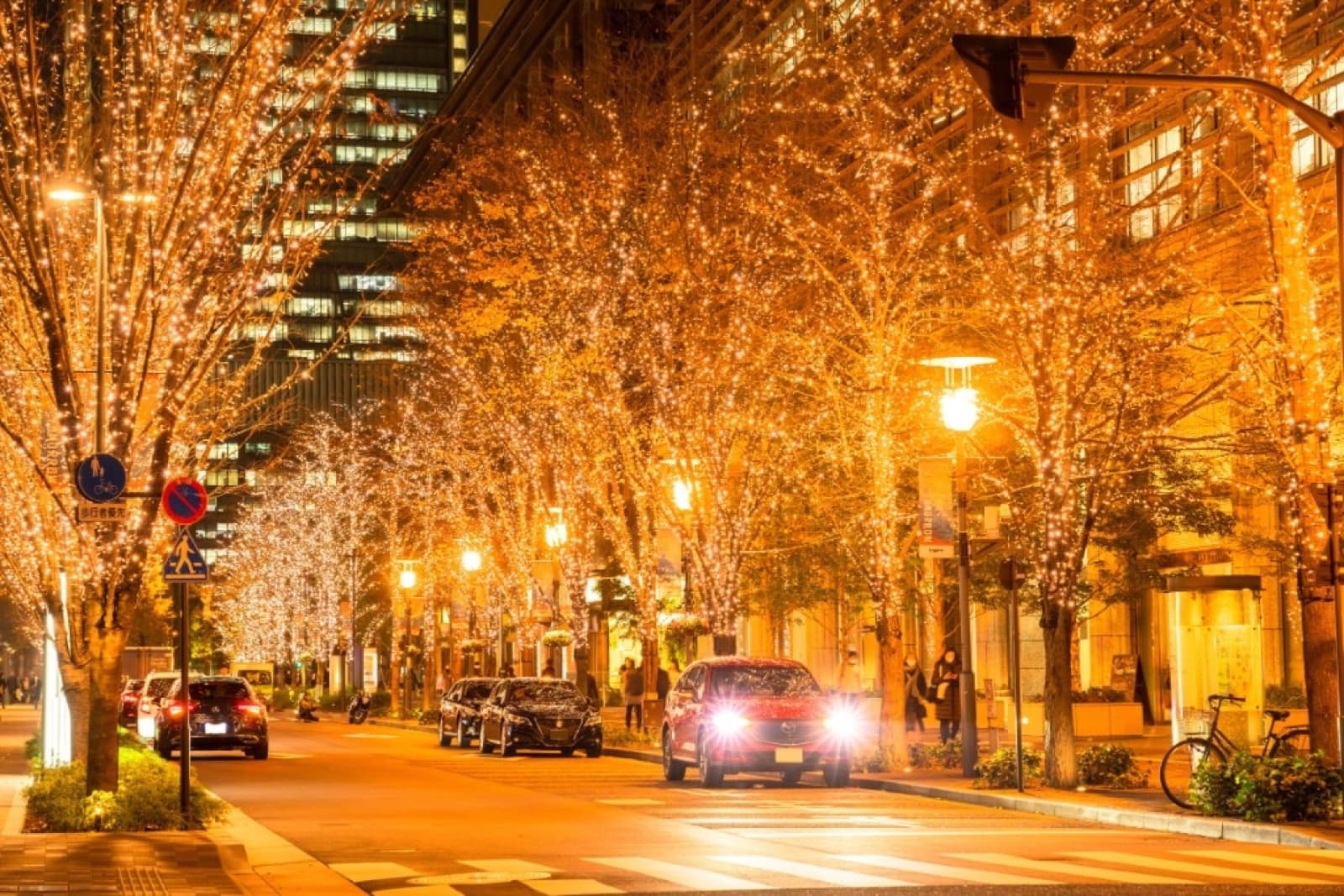
| Marunouchi Illumination | Marunouchi, Tokyo | Mid-Nov – mid-Feb (dates TBA) | 800,000 champagne-gold LEDs along Naka-dori |
| Yomiuriland Jewellumination | Inagi, Tokyo | Late Oct – early Apr (dates TBA) | Amusement-park light-up; admission ~1,800 yen |
| Shibuya Ao no Dokutsu (Blue Cave) | Shibuya, Tokyo | Late Nov – late Dec (dates TBA) | Free blue-LED tunnel toward Yoyogi Park |
| Kobe Luminarie | Kobe, Hyogo | Late Jan – early Feb (dates TBA) | Italian-designed archways; 1995 quake memorial |
| Sagamiko Illumillion | Sagamihara, Kanagawa | Early Nov – early Apr (dates TBA) | Around 6 million LEDs; one of Kanto's largest |
💡 Only the two rows marked (confirmed) have published 2026-27 dates. The rest show the window each venue has used for years — reliable for planning, but confirm before you book, especially the Christmas peak.
Nabana no Sato Winter Illumination 2026-27: The Headline Event
If you only visit one illumination event on your trip, make it this one.
The Nabana no Sato Illumination 2026–2027 runs from October 17, 2026 to May 31, 2027 — 227 nights, the longest illumination season in Japan by a wide margin. Located in Kuwana, Mie Prefecture, just 30 minutes from Nagoya, the park transforms into a glowing wonderland powered by millions of LEDs.
That length is the single most useful fact for a self-guided traveler. Almost every other major display in Japan is a six-to-eight-week Christmas event; Nabana is still running in April and May, which means a spring cherry-blossom trip can include a full-scale winter illumination. If your dates are anywhere between mid-October and the end of May, this one is open.
The theme for 2026-27 has not been announced yet. Nagashima Resort typically names it in September or early October, and it changes the main 200-metre panorama show rather than the light tunnels, which are the same every year and are what most people actually come for. Last season ran under the ZIPANG theme.
The main panorama show runs under a new theme each season — the 2025–2026 edition was "ZIPANG", built around Japan's mythical and cultural heritage, and past themes have included Aurora, Waterfalls, Nature, and Mount Fuji. Whatever 2026-27 turns out to be, expect dynamic light choreography, water effects and a narrative arc across the main field.
What You'll Actually See
The journey begins with a walk through a 200-meter tunnel of lights, a dazzling passage that builds anticipation as you head toward the main display area. There's a second tunnel too, usually with seasonal colors. Then the main show, plus a water fountain feature, mirror ponds, and light-ups of the surrounding flower gardens.
Plum trees, cherry blossoms, and fields of tulips are illuminated in vivid color, blending the park's natural beauty with the artistry of the illumination. This fusion of flowers and light makes the experience unique, offering something beautiful in every corner.
Getting There and Admission
From Nagoya Station, walk to Kintetsu-Nagoya Station (about three minutes), then board the Kintetsu-Nagoya Line towards Kintetsu-Nagashima Station (25 minutes). From there, Nabana no Sato is just a short ten-minute bus or taxi ride away.
Admission depends on when you go: at convenience stores it's 2,500 yen until 11/20 and from 3/1, and 3,000 yen from 11/21 to the end of February, with the gate window 200 yen more until February. The ticket includes a 1,000 yen consumption voucher you can use at restaurants and shops on site. Children under elementary-school age get in free. Opening hours during illumination season are typically 10:00 to 21:00, extending to 22:00 on select weekends and holidays. Buy your ticket in advance for Christmas week — those dates sell out. Lighting times, the direct bus from Nagoya and when to arrive are in our Nabana no Sato guide.
Other Attractions in the Nagashima Resort Area
A visit to Nabana no Sato can be paired with nearby highlights within the Nagashima Resort area. Nagashima Spa Land is one of Japan's largest amusement parks, offering thrilling roller coasters and family rides. For something more relaxing, Nagashima Onsen provides mineral-rich baths and landscaped outdoor baths, ideal for unwinding after the lights. Shoppers can explore the vast Mitsui Outlet Park Jazz Dream Nagashima, home to hundreds of outlet shops and eateries.
I usually tell people to arrive mid-afternoon. Roller coasters or shopping first, dinner using your voucher, then the lights turn on at sunset.
Huis Ten Bosch: The Starlight Million — The One Genuinely New Thing This Season
If you have been to Japan in winter before, this is the item worth knowing about. Huis Ten Bosch, the Dutch-themed resort town in Sasebo, Nagasaki, has retired the winter illumination it ran for years and replaced it with an entirely new show called The Starlight Million, running November 6, 2026 to February 25, 2027. The resort describes it as the first major reinvention of its award-winning illumination in over a decade.
Alongside it, European Holy Christmas runs November 6 to December 25, 2026 — the Christmas-market half of the programme, which closes on Christmas Day while the illumination itself continues for another two months.
Why this matters for planning: Huis Ten Bosch is the one major illumination that is genuinely worth building a trip segment around rather than slotting into an evening. It is a walkable resort town, not a park you visit for two hours, and it sits in Kyushu — a long way from the Tokyo–Kyoto corridor where most first-time itineraries live. Sasebo is about 90 minutes from Fukuoka by train. If Kyushu is already on your route, the late-November-to-February window now has a headline reason to include it. If it is not, this is not the event to redraw your itinerary for; Nabana no Sato gets you a comparable scale of illumination on the main Tokyo–Kyoto line.
One practical caveat: because the show is new, there is no accumulated visitor advice about crowd patterns, best entry times or which sections are worth queueing for. Expect the first few weeks to be busier than usual with domestic visitors coming to see the replacement.
Tokyo's Winter Illuminations: What to Prioritise
You don't need to leave the city to see world-class light displays. Tokyo throws its own party from November onward.
Roppongi Hills Keyakizaka
The famous Keyakizaka Street, located just behind Roppongi Hills, becomes a tunnel of light, with over 800,000 LEDs creating a breathtaking blue and white color scheme. The illumination is complemented by the charming Roppongi Hills Christmas Market, offering authentic European-style treats and gifts. The classic photo: illuminated trees framing Tokyo Tower in the distance. Entry is free.
Tokyo Midtown Christmas
Also in Roppongi, a short walk from Keyakizaka. MIDTOWN CHRISTMAS centres its magic on the beautifully lit Midtown Garden, with a story-driven illumination, bubble-and-snow effects and a roughly 3-minute light-and-music show that unfolds as you walk through. The theme changes annually and the 2026-27 edition has not been announced. An outdoor ice rink has run alongside it in recent seasons, typically staying open into late February — well after the Christmas lights come down.
Marunouchi Illumination
The Marunouchi area, known for its upscale shopping and dining, boasts one of Tokyo's most elegant illuminations. More than 200 trees along Naka-dori are adorned with around 800,000 champagne-gold LEDs, creating a warm and inviting ambiance. Right next to Tokyo Station. Perfect for a pre-dinner walk.
Yomiuriland Jewellumination
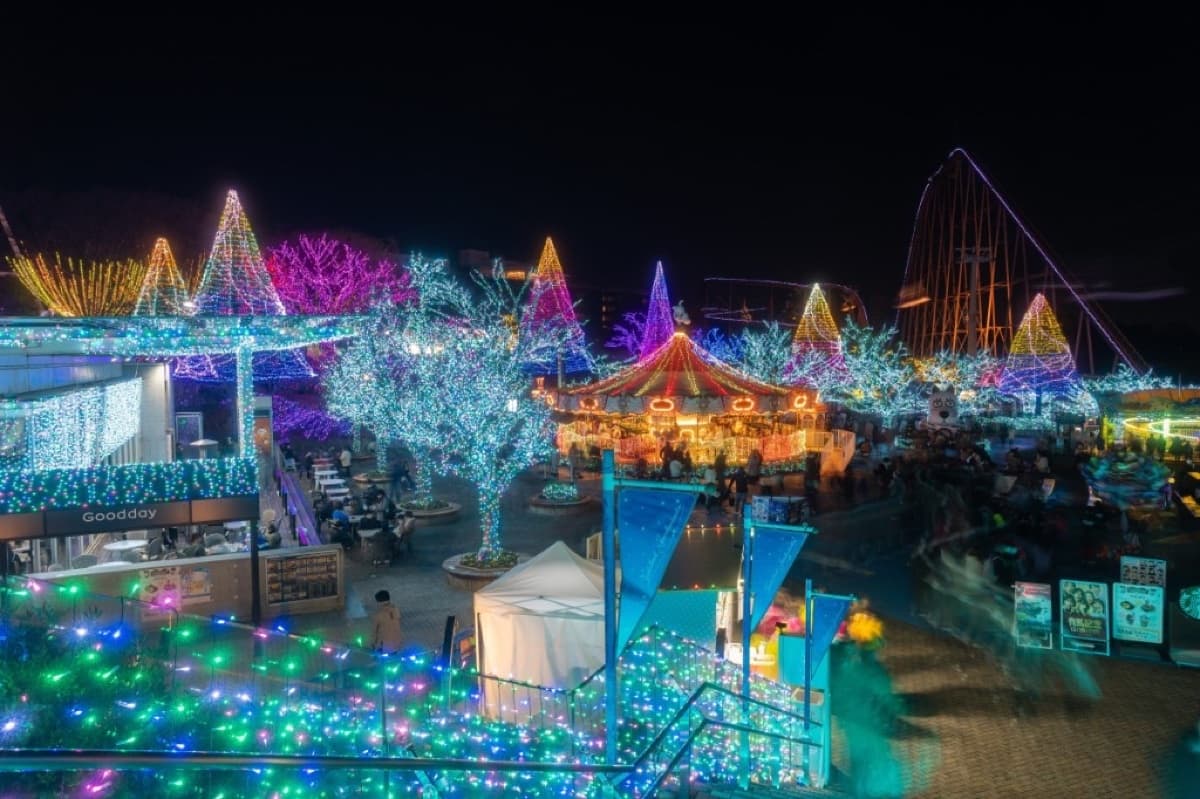
An amusement park an hour from central Tokyo. Virtually every tree, building and attraction in the Yomiuriland amusement park just outside of central Tokyo is covered with lights, creating one of the largest illumination displays in the Tokyo area. You can ride a ferris wheel or roller coasters through the lights. Admission around 1,800 yen. Jewellumination is reliably the earliest of the Tokyo displays to open — late October, roughly three weeks before Roppongi and Marunouchi — and the last to close, running into early April. Exact 2026-27 dates are usually published in September.
Shibuya Ao no Dokutsu (Blue Cave)
A dense blue-LED tunnel from Shibuya Koen-dori toward Yoyogi Park. Free, incredibly Instagrammable, extremely crowded on weekends.
💬 From our Japan travel team
Our favourite way to take in the lights? Hop an open-top bus through the illuminations along Marunouchi in Tokyo and Midosuji in Osaka. It's cold in winter — dress accordingly — but the views from above the crowd are genuinely breathtaking.
On our self-guided tours, Tokyo and Osaka both come with free days, so if your dates line up with illumination season, this is an easy evening to slot in during your stay.
How to Slot Illuminations Into a Real Itinerary
Here's the practical bit. Illuminations only run in the evening, so they slot around your day plans without eating up daytime sightseeing.
- 3-night Tokyo base: Do Marunouchi one evening (walk from Tokyo Station), Roppongi Hills + Midtown another (they're a 15-minute walk apart), and Shibuya Blue Cave on your last night.
- Adding Nabana no Sato: Take the Shinkansen from Tokyo to Nagoya (about 100 minutes on Nozomi), stay one night in Nagoya, and hit Nabana no Sato in the late afternoon. You can even day-trip it if you leave Tokyo by mid-morning.
- Kyoto/Osaka travelers: Nabana no Sato is easier from Nagoya than most people assume. Stop in Nagoya on your way between Tokyo and Kyoto. In Osaka, the Midosuji Illumination turns the city's 4 km main boulevard into one of the longest illuminated avenues in the world, running from early November into late December alongside the Osaka Festival of Lights — pair it with an open-top bus ride on a free evening. It's the strongest reason to keep an illumination night for Kansai rather than spending them all in Tokyo.
Extending into the new year? See our Japan in January 2027 guide for what's still lit, and our Japanese New Year 2027 guide for holiday closures.
Winter vs Other Seasons: A Quick Reality Check
Cherry blossom season in spring gets all the headlines, but winter has its own case. Illuminations run from October through February — and beyond — crowds are lower than during spring or Golden Week, hotel prices soften, and the cold air genuinely makes the light shows sharper. If you've already done cherry blossoms, winter is the trip to book next. Weighing when to go overall? Our best time to visit Japan 2026 guide breaks down every season side by side.
Common Mistakes to Avoid
- Arriving right at sunset. Popular spots peak between 6 and 8 PM. Come earlier or after 9 PM to breathe.
- Underdressing. Tokyo winter evenings bite. Down jacket, gloves, hand warmers — non-negotiable.
- Skipping advance tickets for Christmas week at Nabana. Christmas-period entry sells out and pricing bumps up.
- Trying to hit five spots in one night. Two, maybe three if they're close. Any more and you're just commuting.
- Forgetting the voucher. Your Nabana ticket comes with 1,000 yen of dining/shopping credit. Use it.
Planning Your Self-Guided Trip
Illuminations reward independent travelers. There's no fixed tour schedule, entry is straightforward, and most spots are a short walk from a train station. Grab a Suica or Pasmo IC card, download a route app like Navitime or Google Maps, and you're set.
If you'd rather have your evenings mapped out around the best light displays — including which Tokyo neighborhoods to base yourself in and how to add Nabana no Sato without wasting a travel day — selfguidejapan.com builds custom self-guided itineraries that handle the logistics so you can focus on the magical glow.
Planning a winter trip to Japan with an evening at the illuminations? Get in touch through Plan My Trip on our self-guided tours site, and we'll suggest the tours that best fit your dates and plans.
FAQ: Japan Winter Illuminations 2026
When is the best time to see Japan winter illuminations in 2026-27?
Mid-December to early January is peak, with most Tokyo events lit and Christmas markets open. Nabana no Sato runs far longer — all the way through May 31, 2027 — so if your dates fall outside the Christmas window you still have a full-scale option.
Is Nabana no Sato worth visiting from Tokyo?
Yes if you have four days or more and enjoy immersive light experiences. It's a Shinkansen ride plus a short train and bus, so treat it as a Nagoya overnight or a long day trip.
Are Tokyo illuminations free?
Most street illuminations — Roppongi Keyakizaka, Marunouchi, Omotesando, Shibuya Blue Cave — are free of charge. Amusement park events like Yomiuriland Jewellumination charge admission.
What should I wear?
Down jacket, scarf, gloves, thick socks, and disposable hand warmers. You'll be outdoors for hours after dark.
Can I visit multiple spots in one evening?
Two or three works if they're close. Roppongi Hills and Tokyo Midtown pair well. Marunouchi and Tokyo Station pair well. Don't try to cross the city more than once.
Do I need to book Nabana no Sato tickets in advance?
For the Christmas special period, yes — advance purchase is required, and separate rules apply over December 23–25. Outside that window, you can buy at the counter or at convenience stores like FamilyMart or 7-Eleven.
Is Nabana no Sato open in 2027?
Yes. The 2026-27 illumination runs from October 17, 2026 right through to May 31, 2027, so the whole of January, February, March, April and May 2027 is inside the season. This is the reason Nabana is the default recommendation for anyone whose trip falls outside the December Christmas window — a February or April visit still gets the full display, without the peak-season crowds or the advance-booking requirement.
Which 2026-27 illumination dates are actually confirmed right now?
As of late August 2026, two: Nabana no Sato (October 17, 2026 – May 31, 2027) and Huis Ten Bosch's new Starlight Million show (November 6, 2026 – February 25, 2027). Tokyo's displays — Roppongi Hills, Tokyo Midtown, Marunouchi, Shibuya's Blue Cave and Yomiuriland — have not published 2026-27 dates yet and normally do so in September and October. Their opening windows have been consistent for years, so you can plan around mid-November for central Tokyo and late October for Yomiuriland without waiting for the announcements.
Plan Your Self-Guided Illuminations Trip
Nabana no Sato's light tunnels, Tokyo's glowing avenues and the neighborhoods to base yourself in — we line up the trains, hotels and day-by-day route so you get the freedom of independent travel without the planning headache.
Illumination dates, themes, hours and pricing follow official sources and typical seasonal ranges — confirm before booking, as event schedules and closures change year on year. Last updated: July 11, 2026.
Related Articles
Tokyo Christmas Market 2026: A Practical Planning Guide for Self-Guided Travellers
14 min read
Christmas in Japan 2026: What It's Really Like — Traditions, Food & Trip Planning
11 min read
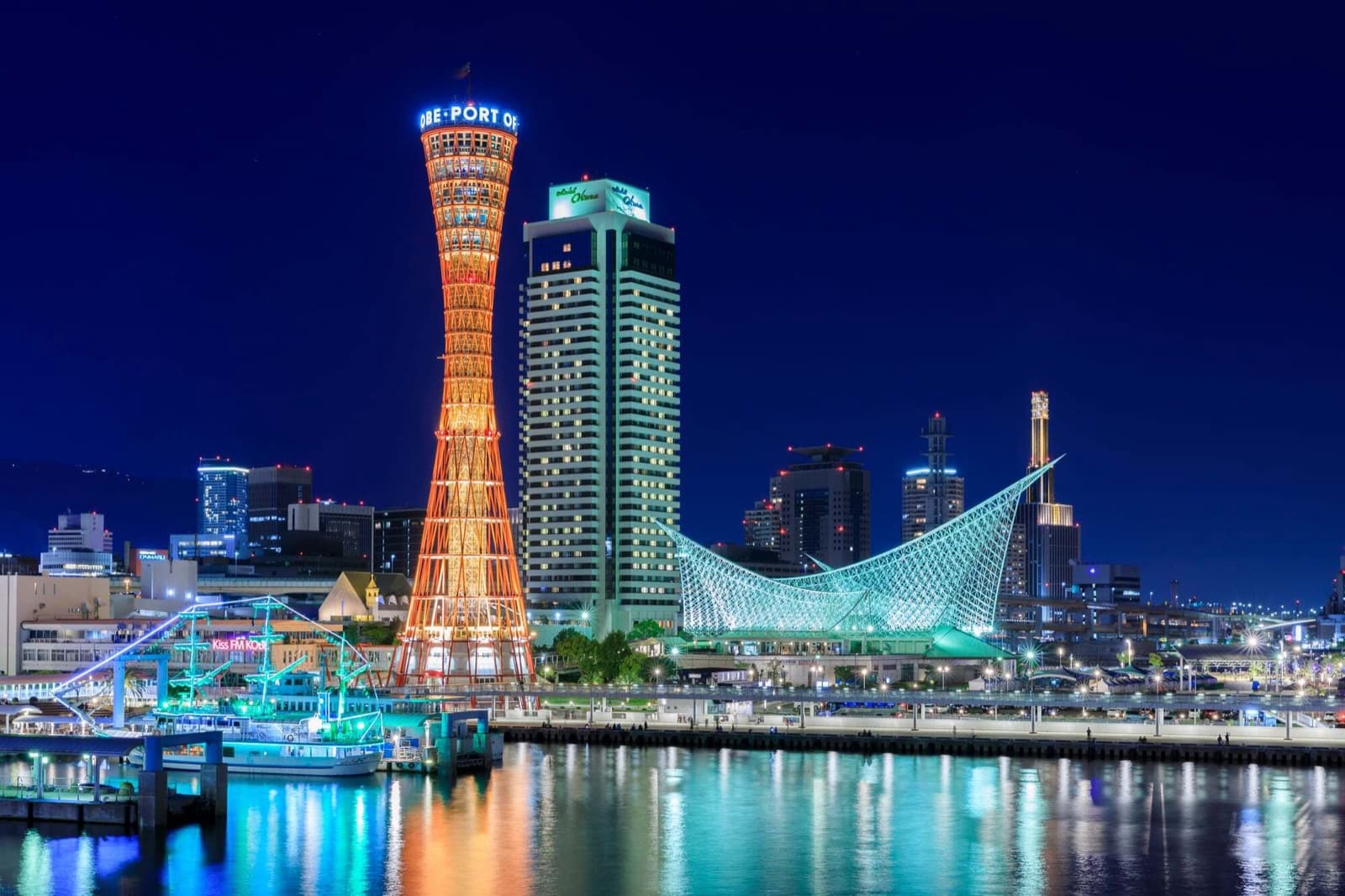
Kobe Luminarie 2026: A Self-Guided Traveler's Guide to Kobe's Winter Illuminations
8 min read