Japan in November: A Practical Guide for Self-Guided Travellers
Cool, dry, clear weather and peak maples across central Japan — JMC's 2026 forecast puts Tokyo from November 28 and Kyoto from December 11 — with weather by region, foliage timing, Shichi-Go-San, packing and a two-week self-guided route.
November might be the most quietly perfect month to visit Japan. The summer crowds are gone, the humidity has burned off, and the country slides into what a lot of repeat visitors will tell you is its best-looking season of the year. If you're weighing when to book, this guide walks through what Japan in November actually looks like on the ground, how to time the foliage, what to pack, and how to slot it all into a self-guided itinerary that works.
This is the permanent guide to the month — the pattern that repeats every year. For this year's dates, forecasts and event confirmations, see Japan in November 2026.
🍁 Quick Answer: Japan in November
- Weather: cool, mostly dry and stable. Tokyo days around 17–18°C (63–64°F), nights 7–10°C (45–50°F). Sapporo highs of just 8°C; Okinawa still around 23°C.
- Foliage: the headline reason to come. Nikko, Hakone and the Alps peak in early November; Tokyo and Kyoto are safest from late November to mid-December.
- JMC 2026 forecast (October 1): red maples from November 28 in Tokyo, December 4 in Osaka and December 11 in Kyoto. Plan Kyoto on December 8–21.
- Culture: Shichi-Go-San on November 15 at shrines nationwide, plus Shinjuku Gyoen's Chrysanthemum Exhibition.
- Booking: Kyoto in the last two weeks of the month is one of the busiest stretches of the year — reserve hotels 3–6 months out and shinkansen seats in advance.
Is November a Good Time to Visit Japan?
Short answer: yes, and for most first-timers it's a toss-up with spring. You get peak autumn foliage across central Japan, dry weather in most regions, and a cultural calendar that includes Shichi Go San at shrines nationwide. Typhoon season has ended by the time November begins, so flights and trains are less prone to disruption than in September.
The trade-off is that it's popular — really popular — with domestic travellers, other Asia-based visitors, and photographers chasing the maples. Kyoto in particular gets busy in the last two weeks of the month. Book early or you'll be paying a lot for a mediocre hotel.
Japan Weather in November: What to Actually Expect
November weather in Japan is cool, mostly dry, and stable. Skies are often clear, humidity is low, and rainfall is limited across most of Honshu.
| City | Daytime | Night | What it feels like |
|---|---|---|---|
| Tokyo | 17–18°C (63–64°F) | 7–10°C (45–50°F) | Cool, clear, low humidity; highs can still touch 20°C early in the month |
| Kyoto | Similar to Tokyo | ~7°C (45°F) | Cooler nights; genuinely chilly at 8 a.m. temple openings |
| Sapporo | 8°C (46°F) | ~1°C (34°F) | Proper coat weather; first snow possible by late month |
| Fukuoka | A touch milder than Tokyo | Milder than Tokyo | Southern Japan; Kyushu's foliage runs into early December |
| Okinawa | ~23°C (73°F) | Mild | Swimming weather if you pick your day |
In Tokyo, daytime temperatures typically sit around 17–18°C (63–64°F) with nights dropping to about 7–10°C (45–50°F). Kyoto runs similar but cooler at night, with an average low near 7°C (45°F). Osaka and Hiroshima track close to Tokyo. Fukuoka in southern Japan stays a touch milder.
Head north and it's a different picture. Sapporo in Hokkaido averages highs of just 8°C (46°F) with lows around 1°C (34°F), and northern Japan can see its first snow by late month. Okinawa, at the far south, stays around 23°C (73°F) — swimming weather if you pick your day.
How Temperatures Shift from Early November to Late November
The month cools noticeably as it goes. Early November in Tokyo can still feel warm on sunny afternoons, with highs occasionally touching 20°C. By late November, daytime highs are more like 12–14°C and mornings can be genuinely cold. Bring layers. A light jumper plus a packable jacket handles almost everything at lower elevations; add a warmer coat if you're going to higher elevations, Hokkaido, or the Japanese Alps.
Days get short, too — sunset in Tokyo is around 4:30 p.m. by the end of the month, which changes how you plan sightseeing.
Peak Autumn Foliage: Where and When
This is the headline reason a lot of people visit Japan in November. The colour front sweeps from north to south and from higher elevations down to sea level. For the city-by-city forecast, see our Japan autumn leaves forecast.
| Region | Usual peak | JMC 2026 forecast (Sept 2) |
|---|---|---|
| Hokkaido and Tohoku | Late September to mid-to-late October; mostly over by November | Sapporo later than average |
| Nikko, Hakone, Japanese Alps, Kamikochi | Early November at higher elevations | Nagano later than average |
| Tokyo | Late November to mid-December | Red maples from November 28 (right on its average) |
| Kyoto and Osaka | Late November to mid-December | Osaka from December 4; Kyoto from December 11 (average December 5) |
| Kyushu | The last act, running into early December | — |
- Hokkaido and Tohoku (northern Japan): foliage peaks earlier, from late September through mid-to-late October. By November it's mostly over up there.
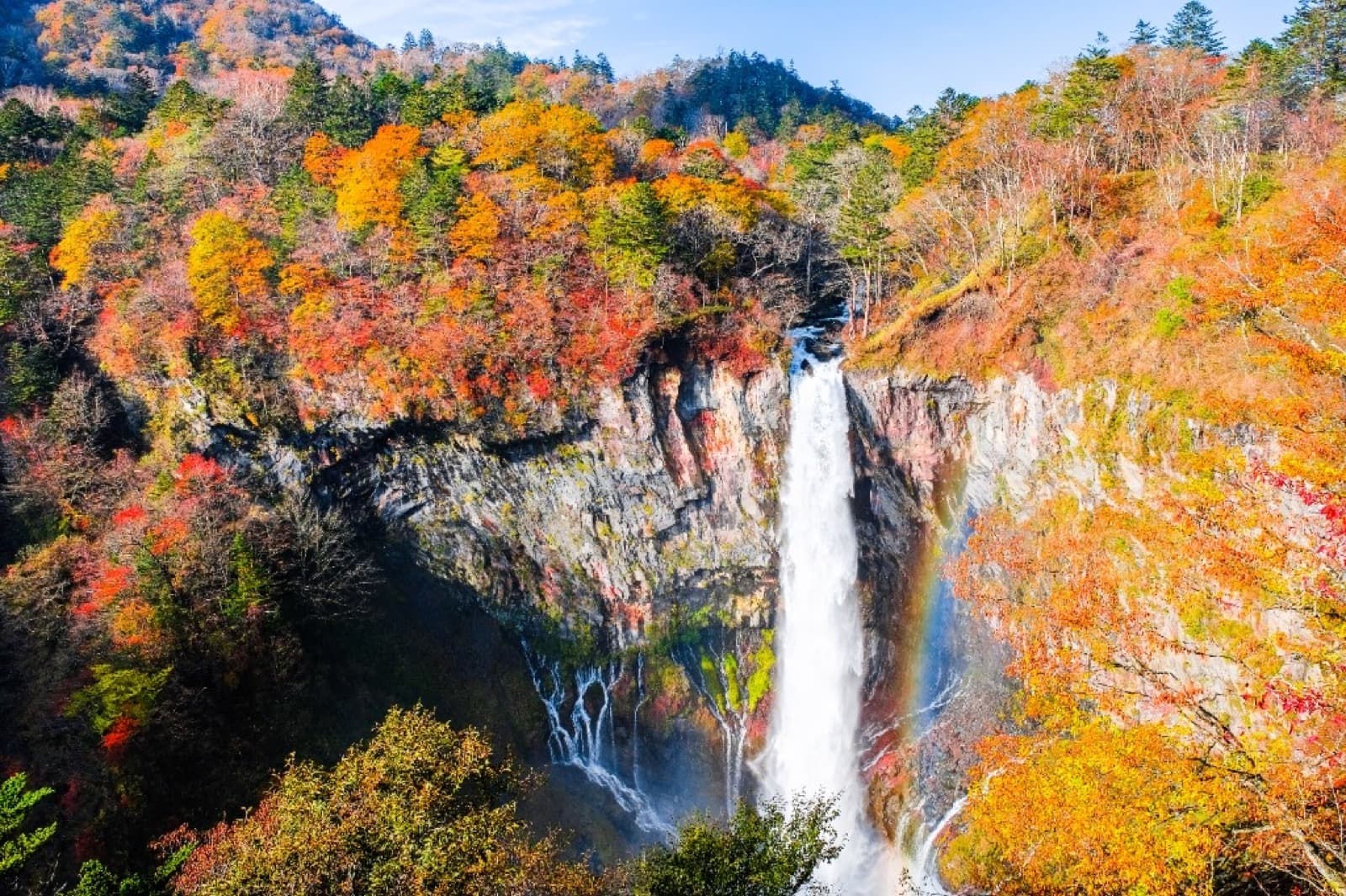
- Nikko, Hakone, the Japanese Alps, Kamikochi: early November is the sweet spot at higher elevations. See our Nikko and Hakone autumn leaves guides.
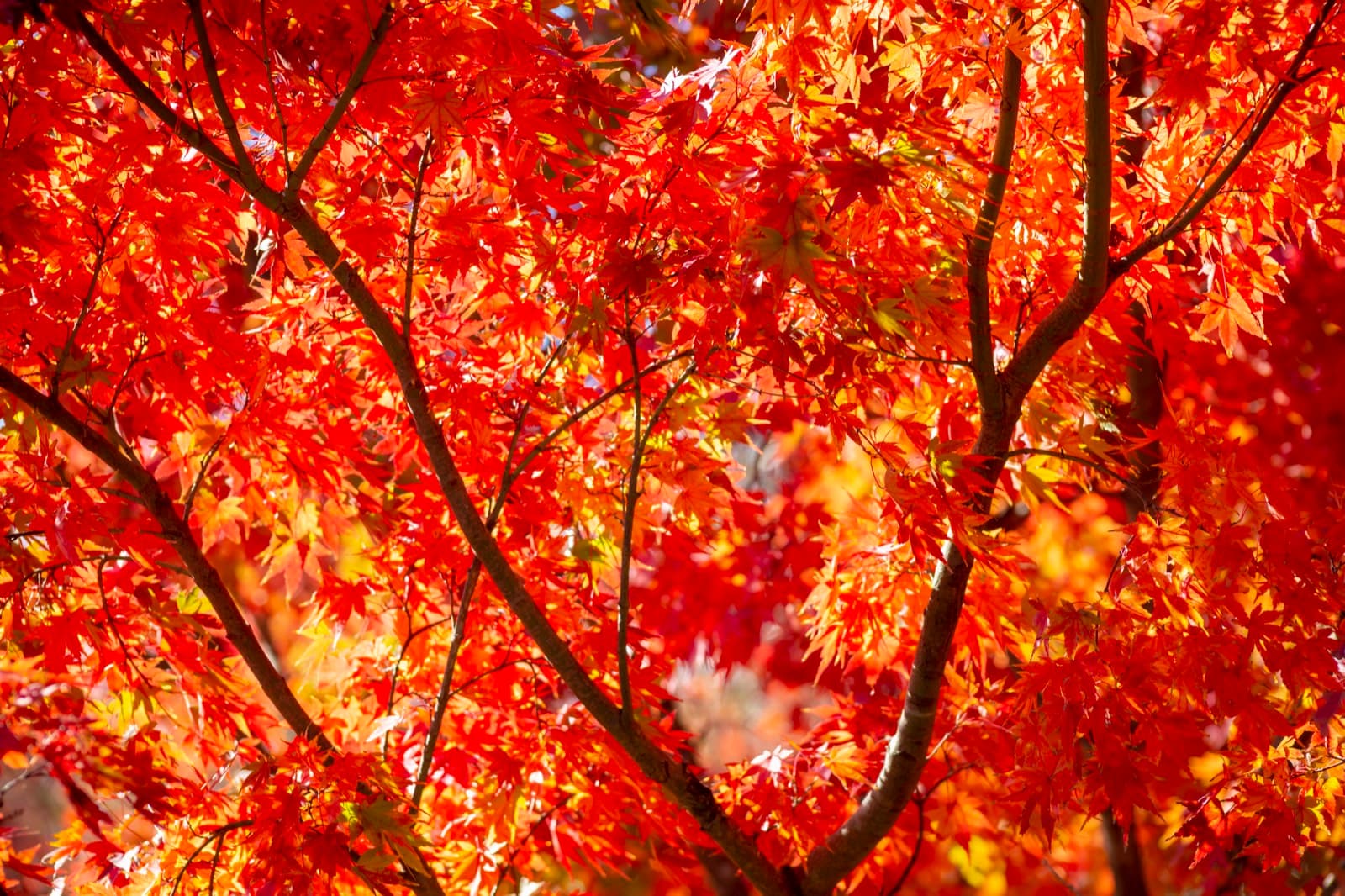
- Tokyo and Kyoto (central Japan): late November to mid-December is the safest window for classic red maples in temple gardens — JMC's second 2026 forecast puts Tokyo's peak from November 28 and Kyoto's from December 11.
- Kyushu (southern Japan): the last act runs into early December.
The Japan Meteorological Corporation's second 2026 forecast (released October 1) puts red maples from November 28 in Tokyo (average November 28), December 4 in Osaka and December 11 in Kyoto (average December 5), with yellow ginkgo turning a few days earlier. JMC labels only Sapporo and Nagano as later than average; Kyoto's six days sit inside its normal band. The next update comes in early October — build in flexibility rather than betting on a single date.
Best Places for Autumn Leaf Viewing in Tokyo
Tokyo is easy for autumn leaf viewing because you can hit several spots without leaving the city. Our Tokyo autumn leaves guide has the full list with timing for each garden.
- Shinjuku Gyoen National Garden: 58 hectares of Japanese, French and English gardens with maples concentrated on Momijiyama hill. Peak is usually late November into the first ten days of December. Admission is ¥500 and it's closed Mondays.
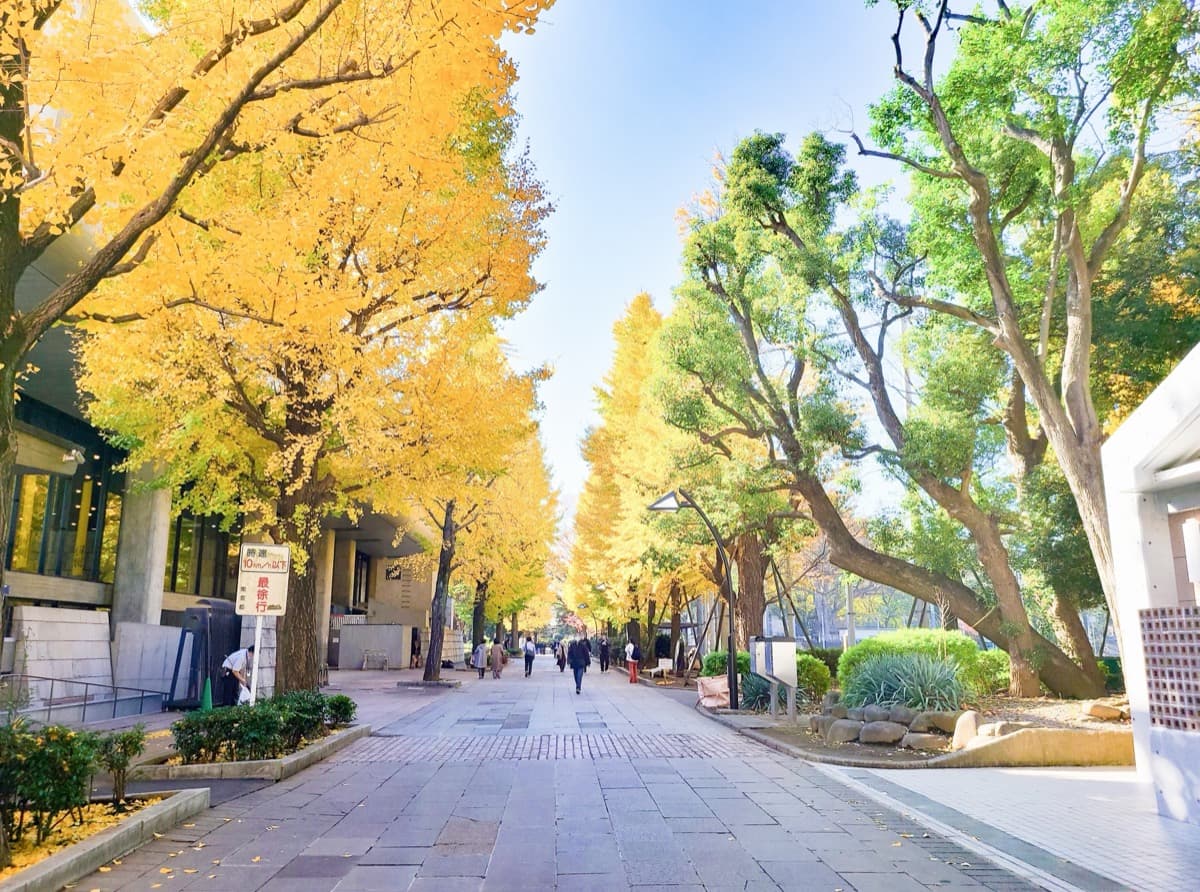
- Meiji Jingu Gaien ginkgo avenue: the golden tunnel photo everyone knows. Peaks late November to early December, easy access from Gaienmae Station.
- Ueno Park: big, central, great for a walking loop combining museums with fall colors around the pond.
- Rikugien and Koishikawa Korakuen: classical strolling gardens, both stunning in late November.
- Yoyogi Park: more casual, with big lawns and mixed trees — good if you want fall colour without paying admission.
From our Japan travel team: Late-November weekends in Kyoto and Tokyo book out earlier than most people realise, and the best-located hotels near Higashiyama or Shinjuku can be gone six months ahead. Hotels and trains fill up fast at this time of year, so start planning early. Our self-guided tours handle the bookings, route logistics, and rail passes — just get in touch and we'll help you lock in dates while there's still choice.
Kyoto and Central Japan: The Classic Autumn Route
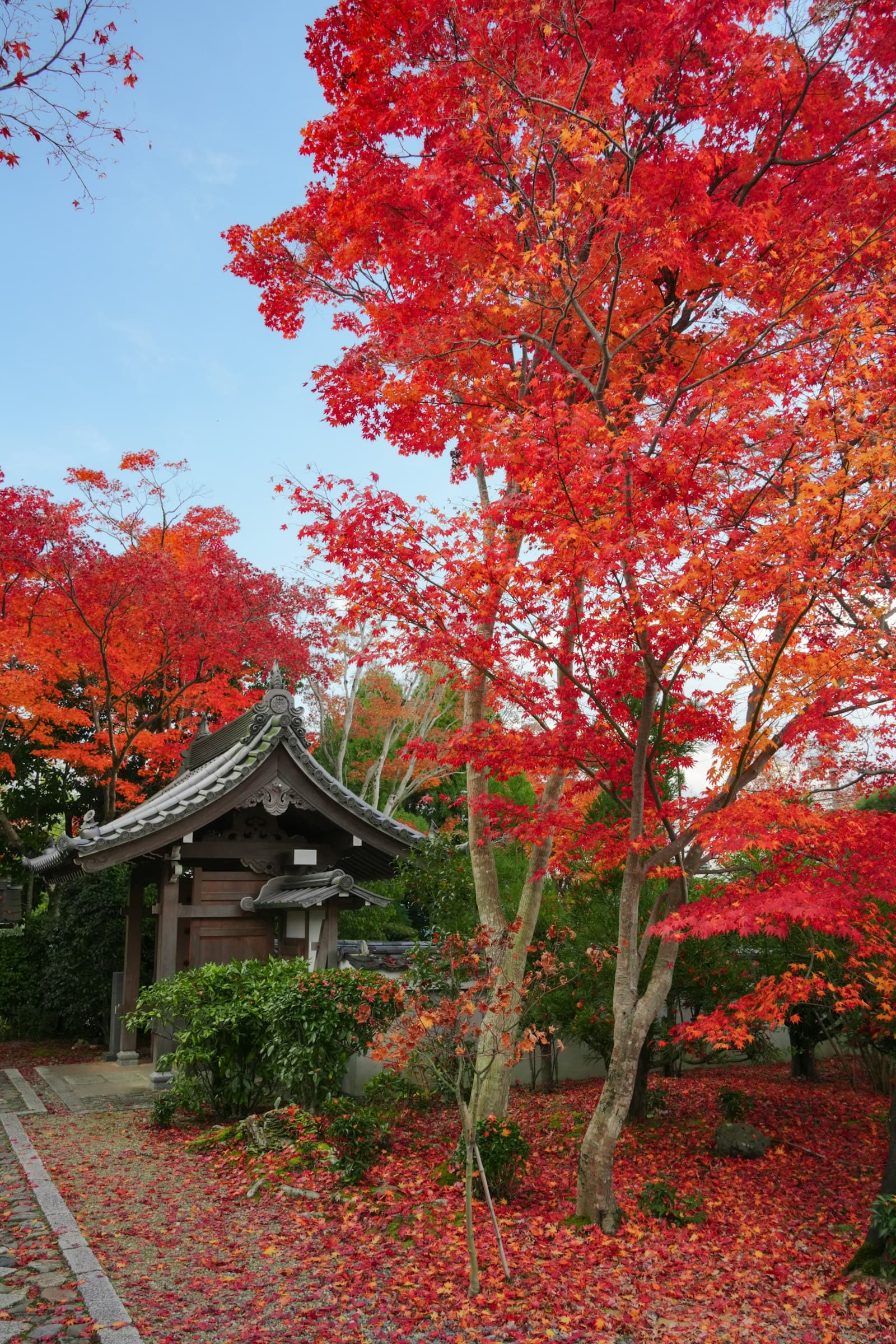
Kyoto is the postcard. Temples, gardens, maple trees reflecting in temple ponds — it's the reason a lot of people visit Japan in November in the first place. Kyoto usually peaks from late November into early December (JMC's long-run average is December 5); in 2026 JMC puts the peak from December 11, so plan on December 8–21. Spot-by-spot timing is in our Kyoto autumn leaves guide.
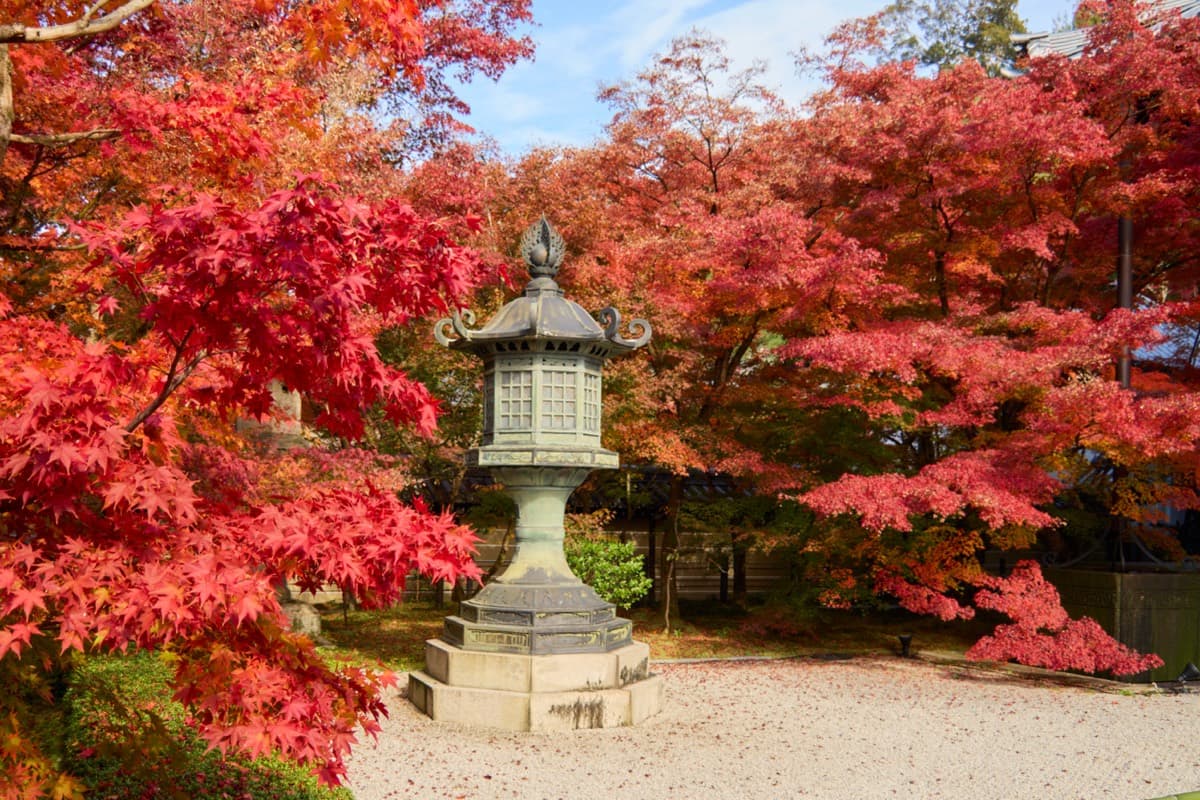
The best spots — Tofuku-ji, Eikan-do, Kiyomizu-dera, Arashiyama, Daigo-ji — get very crowded during peak. Go at opening time (usually 8:30 or 9:00 a.m.) or after 3 p.m. for the light-ups where offered. Evening momiji illuminations run at many temples through late November, typically 6–8 p.m., with entry fees around ¥500–¥1,000 — dates and venues are in our Kyoto autumn illuminations guide.
For a quieter feel, day trips to Uji, Kibune, or Ohara give you the same maple trees and shrines with a fraction of the visitors.
Northern Japan and Higher Elevations
If you're heading north in early November, you're catching the tail end of the season in Tohoku and possibly the first snow in Hokkaido. It's a great time for onsen towns — the mix of hot springs, crisp air, and lingering fall colors is hard to beat. Just pack warmer than you would for Tokyo.
Cultural Events: Shichi-Go-San and More
November 15 is Shichi Go San, when families dress three- and seven-year-old girls, and five-year-old boys, in kimono and visit shrines to pray for their children's health. It's not a national holiday, so most families go on the nearest weekend. If you're near a big shrine like Meiji Jingu, Yasaka-jinja, or Ise Jingu around then, you'll see beautifully dressed kids and their families — one of the loveliest sights of the season.
Shinjuku Gyoen also holds its annual Chrysanthemum Exhibition in November, worth a look if you're already in the garden.
Comparing November with Other Seasons
November versus the cherry blossom season in spring: similar crowd levels in the top spots, but drier weather in autumn and no risk of blossoms peaking before you land. Versus summer: no contest for comfort. Versus October: the north and the Alps are October's, but the big cities are November's. Versus early December: December 1–10 can still deliver colour in Kyoto and Kyushu at slightly lower prices as the crowd tapers. If you can't get November dates, early December is a solid plan B for southern Japan — see Japan in December 2026.
If you're still choosing between months, our guide to Japan's seasons compares the whole year side by side.
Price a November Trip Before You Ask for a Quote
The calculator below is the same one on our cost guide. Set the party, the length and the season, and use the button to turn the estimate into a real quote.
Japan Trip Cost Calculator (2026)
Set your trip below — the estimate updates instantly. Yen prices are converted at a rounded ¥150 to the dollar; the market rate is about ¥157 in September 2026, which makes yen costs a few percent cheaper than shown.
Intercity is priced as point-to-point tickets unless you add the pass — on the Tokyo–Kyoto–Osaka route the pass usually costs more than the tickets.
Estimated total
$4,530
$2,265/person · $453/day · 2 travelers, 10 days
Your trip settings and estimate will be copied into an editable inquiry. Add your travel dates to ask for a free quote.
This is a DIY planning estimate, not a package price. Our tours have set itineraries and include the hotels and transport listed on each tour page. International flights are extra; meals, sightseeing and room arrangements vary by route.
Building a Self-Guided Itinerary Around November
A workable two-week route for first-timers targeting peak foliage:
- Days 1–4 — Tokyo: Shinjuku Gyoen, Meiji Jingu Gaien, Ueno Park, day trip to Nikko or Kamakura.
- Days 5–6 — Hakone or Fuji Five Lakes: mountain views, hot springs, maples around Lake Kawaguchi (Maple Corridor festival runs November 7–29; mid-November is the usual peak).
- Days 7–10 — Kyoto: temples and gardens, evening illuminations, Arashiyama early morning. In 2026 aim for December 8–21 if the maples are the point.
- Days 11–12 — Nara and Osaka: day trips, food, a break from temple fatigue.
- Days 13–14 — Hiroshima and Miyajima: Itsukushima Shrine with autumn leaves is one of the best photo moments in the country.
One rail note: if your trip starts in early October rather than November, the JR Autumn Unlimited Pass (valid October 3–18 only) is the cheap way to ride JR local and rapid lines for three days while the Alps and the north are turning. It does not cover the shinkansen and it is gone before November's peak, so for the route above budget for reserved shinkansen seats instead.
From our Japan travel team: Our self-guided tours include free days built into Tokyo, Kyoto and Osaka, so if you want to add a foliage day trip — Nikko, Hakone, Mount Takao, Korankei — it slots in without rebuilding the itinerary. Feel free to get in touch with your dates and we'll suggest what's realistically going to be at peak for your week.
Common Mistakes to Avoid
- Treating the forecast as a fixed date. Peak means "most vivid," not "one perfect day." Plan a window.
- Booking Kyoto for one night in late November. You'll spend more time on trains than under maple trees. Three to four nights is the minimum.
- Underpacking for cold mornings. Kyoto temples open early; it's genuinely chilly at 8 a.m.
- Skipping ginkgo for maples. The yellow ginkgo peaks a week or two earlier and is arguably prettier in urban areas like Tokyo.
- Assuming clear skies mean warm. Clear air is often the coldest air.
Practical Planning Tips
Book accommodation 3–6 months out for Kyoto in late November and early-to-mid December. Reserve shinkansen seats in advance during the peak weeks (unreserved cars can be standing room only on Friday and Sunday). Carry cash for smaller temples and admission fees. Download a transit app like Navitime or Japan Travel by Navitime.
If you want the ease of a planned route without a group tour, that's exactly what selfguidejapan.com is built for — pre-booked hotels and trains, day-by-day guidance, and free days where you decide the pace. Get in touch if you want help pinning your November dates to the foliage window.
FAQ: Japan in November
Is Japan very cold in November?
No. Central Japan is cool but comfortable — daytime temperatures around 15–18°C, dropping to around 7–10°C at night. Hokkaido is colder and can see snow late in the month.
When is peak autumn foliage in Kyoto?
Usually late November into early December (JMC's long-run average is December 5). In 2026 JMC's second forecast puts the peak from December 11, so plan on December 8–21. Mid-November is often still green in central Kyoto.
Does it rain a lot in November in Japan?
Not really. It's one of the drier months, and typhoon season has passed. Expect mostly clear skies with the occasional wet day.
Is November better than October to visit Japan?
For fall colors in Tokyo, Kyoto, and Osaka, yes. For Hokkaido and the northern regions, October is better because their leaves begin to turn earlier.
Is November a good time to visit Japan for the first time?
It's one of the best months — comfortable weather, clear air, peak foliage in the major cities, and cultural touches like Shichi-Go-San at shrines. Just book early.
What should I pack for Japan in November?
Layers. A light jumper, a warm jacket for evenings and higher elevations, comfortable walking shoes, and something waterproof just in case. Add gloves and a hat if you're heading north.
Plan Your November Trip with Ease
Why not enjoy Japan in November at your own pace? With Selfguidejapan.com you travel Japan freely while we take care of the hotels, the transport and the luggage forwarding. If you'd like to pin your November dates to the foliage window with less to arrange, please get in touch.
Eikando photograph by lumoplank via Wikimedia Commons (CC0).