Japan Hotel Prices 2026: Tokyo vs Kyoto vs Osaka
Real per-night yen prices across capsule, business, mid-range, and luxury hotels in Tokyo, Kyoto, and Osaka — with neighborhood breakdowns and booking strategies that save 20-50%.
If you are planning a trip to Japan in 2026, where you sleep will likely be your single biggest line item — and the difference between Tokyo, Kyoto, and Osaka hotel prices is much larger than most foreign visitors expect.
This guide breaks down average hotel prices Tokyo vs Osaka 2026, with Kyoto added as the third corner of Japan's most-visited city triangle. We cover capsule hotels, business hotels, mid-range hotels, and luxury hotels in each city — with real Japanese yen prices, neighborhood breakdowns, monthly price variations, and booking strategies that can save you 20-50% across a typical Japan trip.
By the end, you will know exactly which city to base in, which neighborhood fits your budget, and when to book to get the lowest accommodation costs. For per-day spending across all categories, see our average daily budget for Japan 2026 guide.
Quick Answer: Average Hotel Prices Tokyo vs Osaka 2026
For travelers who want the bottom line first, here is how average hotel prices Tokyo vs Osaka 2026 stack up across categories:
Per-night hotel prices in 2026 (per room, JPY)
| Tier | Tokyo | Kyoto | Osaka |
|---|---|---|---|
| Budget (capsule, hostel) | ¥4,000-5,500 | ¥4,500-6,000 | ¥2,800-4,500 |
| Business hotel | ¥9,000-14,000 | ¥10,500-15,000 | ¥7,000-11,000 |
| Mid-range | ¥18,000-30,000 | ¥20,000-35,000 | ¥13,000-22,000 |
| Luxury | ¥50,000-250,000+ | ¥60,000-200,000+ | ¥35,000-150,000+ |
The pattern is consistent across categories: Osaka comes in at the lowest prices, Tokyo sits in the middle, and Kyoto runs the most expensive — particularly during peak season.
How Hotel Prices Compare Across Tokyo, Kyoto, and Osaka
Across all categories, Osaka offers the most affordable major city pricing. Hotels run roughly 20-30% cheaper than Tokyo and 30-40% cheaper than Kyoto for the same price range and quality. Many foreign visitors do not realize how significant the gap is until they directly compare booking results.
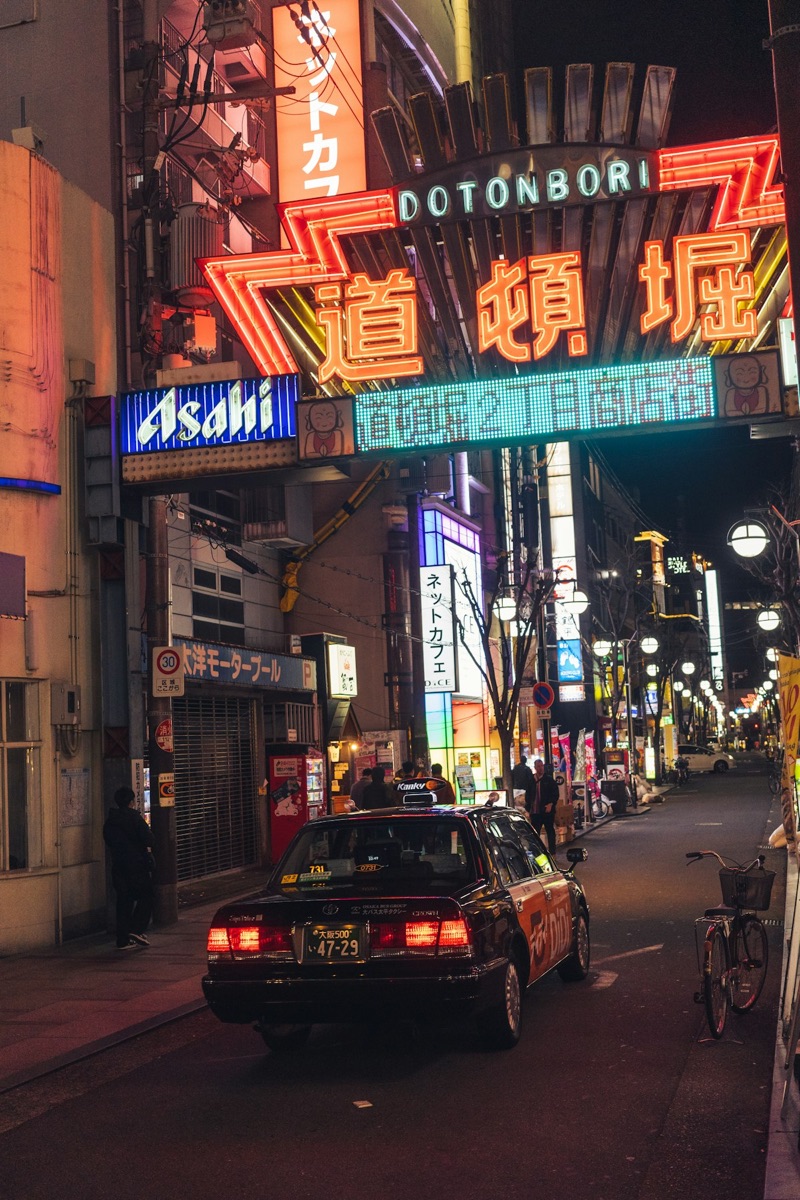
Kyoto consistently runs the most expensive of the three. Limited supply, surging international demand, and the city's smaller geographic footprint all contribute to higher accommodation costs. During cherry blossom season and autumn foliage, Kyoto hotel prices can double their off-peak rates.
Tokyo sits in the middle but offers the widest variety. From ¥3,000 capsule hotels to ¥250,000-per-night luxury suites, Tokyo's depth and competition keep prices reasonable across most tiers.
Why Hotel Prices Vary So Much in Japan
Three forces drive Japan hotel prices in 2026:
Supply. Tokyo has roughly 350,000 hotel rooms; Osaka about 180,000; Kyoto only 60,000. Limited Kyoto inventory keeps prices high year-round.
Seasonal demand. Cherry blossom season (late March to early April), Golden Week (late April to early May), summer Obon (mid-August), and autumn foliage (mid-November to early December) all spike demand sharply. Off-peak windows can be 40-50% cheaper.
Foreign visitor surge. Japan welcomed a record 42.7 million foreign visitors in 2025 — the first year above 40 million, up 15.8% year on year. Hotel prices have responded — most categories run 25-40% higher than they did pre-2024.
Currency Note: Japanese Yen Pricing in 2026
All prices in this guide are in Japanese yen (¥, JPY) and reflect typical 2026 rates. For quick mental math at late-August 2026 rates: divide yen by roughly 160 for US dollars, 185 for euros, and 215 for British pounds. Rates move — check before you budget.
That means a ¥10,000 hotel night runs roughly $67 USD, €63 EUR, or £54 GBP. A ¥30,000 mid-range night is approximately $200 USD.
The Japanese yen has weakened significantly against major currencies since 2023, making Japan's already reasonable prices feel even more attractive to foreign visitors. Japan in 2026 is genuinely a better value than at almost any point in the past 15 years for visitors from the US, Europe, or Australia. For more on overall affordability, see our Japan affordability guide.
Tokyo Hotel Prices 2026
Tokyo offers more accommodation variety than any other city in Japan. Here is what to expect across categories.
Tokyo Capsule Hotels
Tokyo capsule hotels run ¥3,500-5,500 per night for a sleeping pod, shared bathrooms, and locker access. Modern chains like Nine Hours, First Cabin, and Capsule Hotel Anshin Oyado offer quality experiences for budget travelers.
The Akihabara, Asakusa, and Shinjuku branches are most popular among foreign visitors. Some "premium capsule" properties (like First Cabin) offer larger pods with sit-up height for ¥5,000-7,000 — still cheaper than even the cheapest Tokyo business hotels.
Tokyo Business Hotels
Business hotels are Tokyo's bread-and-butter mid-budget option. Expect ¥9,000-14,000 per night for a compact private room with en-suite bathroom, free WiFi, and (often) free breakfast.
Major chains include:
- Toyoko Inn: ¥8,000-11,000, often with free breakfast included
- APA Hotel: ¥9,000-13,000, distinctive yellow signage
- Sotetsu Fresa Inn: ¥10,000-14,000, slightly newer rooms
- Dormy Inn: ¥11,000-15,000, includes a public bath and free late-night ramen
- Super Hotel: ¥8,500-12,000, eco-focused with hot springs at some locations
Dormy Inn deserves special mention for offering free ramen in the evenings — a small but beloved touch that consistently appears in foreign visitor reviews.
Tokyo Mid-Range Hotels
Tokyo mid-range hotels run ¥18,000-30,000 per night. Properties at this level offer larger rooms (15-25m²), restaurants on-site, concierge services, and central locations.
Strong choices include Mitsui Garden Hotels (¥18,000-25,000), Hotel Gracery (¥20,000-28,000), Hilton Garden Inn (¥22,000-30,000), and Shibuya Excel Hotel Tokyu (¥24,000-35,000).
Tokyo Luxury Hotels
Tokyo luxury hotels start at ¥50,000 and run to ¥250,000+ per night for top suites.
Notable properties:
- Park Hyatt Tokyo: ¥80,000-150,000, the iconic Lost in Translation hotel
- Mandarin Oriental Tokyo: ¥120,000-200,000
- Aman Tokyo: ¥200,000-400,000
- Ritz-Carlton Tokyo: ¥130,000-250,000
- The Tokyo EDITION Toranomon: ¥80,000-130,000
- Hoshinoya Tokyo: ¥90,000-160,000 (modern ryokan in central Tokyo)
For the luxury traveler, Tokyo offers a depth of high-end inventory unmatched anywhere else in Japan.
Best Areas to Stay in Tokyo
Tokyo's neighborhoods vary dramatically in price, atmosphere, and convenience. For deeper Tokyo planning, see our Tokyo itinerary guide.
Near Tokyo Station / Marunouchi: Most central, easy bullet train access. Marunouchi Hotel (¥30,000-50,000), Hotel Metropolitan Marunouchi (¥25,000-40,000), Shangri-La Tokyo (¥80,000+).
Shinjuku and Shibuya: Nightlife and shopping hubs. Park Hyatt Tokyo, Hotel Gracery Shinjuku (¥22,000-32,000, with the famous Godzilla head), Cerulean Tower Tokyu Hotel (¥35,000-55,000), Citadines Shinjuku (¥18,000-25,000).
Asakusa and Ueno (Budget): Most affordable Tokyo accommodation. Capsule hotels, hostels, and budget business hotels cluster here. 20-30% cheaper than Shinjuku for similar quality, and Tokyo's best base for early-morning visits to Tsukiji Outer Market or Senso-ji before crowds arrive.
Akihabara and Akasaka (Mid-Budget): 10-15% less than Shinjuku equivalents while offering equally good train station access. Akihabara connects to JR, multiple subway lines, and is just three stops from Tokyo Station. Akasaka hosts solid mid-range hotels near government and embassy districts.
Roppongi and Ginza (Luxury): Most premium luxury hotels — Ritz-Carlton, Aman, Mandarin Oriental, EDITION Tokyo. Best dining, art galleries, and luxury shopping. Ginza in particular delivers the kind of refined luxury international travelers associate with Tokyo.
Kyoto Hotel Prices 2026
Kyoto's hotel scene is uniquely shaped by tradition, limited supply, and intense seasonal demand.
Kyoto Capsule Hotels
Kyoto capsule hotels run ¥4,000-6,000 per night — slightly more expensive than Tokyo equivalents due to limited supply. Notable options include 9h Nine Hours Kyoto, Capsule Ryokan Kyoto, and First Cabin Kyoto.
Even budget conscious travelers find that Kyoto capsule hotels punch above their weight — many incorporate traditional Japanese design elements like wooden interiors and tatami floors.
Kyoto Business Hotels
Kyoto business hotels typically charge ¥10,500-15,000 per night for a compact private room. APA Hotel, Toyoko Inn, Daiwa Roynet, and Sotetsu Fresa Inn all have multiple Kyoto locations.
These hotels concentrate near Kyoto Station for easy bullet train access and around the Karasuma-Oike subway interchange for central city walking distance to major attractions.
Kyoto Mid-Range Hotels
Mid-range Kyoto hotels run ¥20,000-35,000 per night. Strong options include Mitsui Garden Hotel Kyoto Sanjo (¥22,000-32,000), Hotel Granvia Kyoto (¥28,000-42,000, directly above Kyoto Station), and Cross Hotel Kyoto (¥25,000-38,000).
Many mid-range Kyoto hotels incorporate traditional design elements. Tatami zones, wooden details, and small Japanese gardens are common touches.
Kyoto Luxury Hotels
Kyoto luxury hotels start at ¥60,000 and run well above ¥200,000 for top properties. Headliners include:
- The Ritz-Carlton Kyoto: ¥150,000-280,000
- Park Hyatt Kyoto: ¥120,000-220,000
- Four Seasons Hotel Kyoto: ¥130,000-240,000
- Aman Kyoto: ¥250,000-500,000 (forest setting outside the city center)
- Hyatt Regency Kyoto: ¥45,000-80,000 (entry-level luxury)
- Hotel Okura Kyoto: ¥55,000-95,000
For travelers chasing Japan's most refined hotel experiences, Kyoto delivers quality unmatched by either Tokyo or Osaka — but at the highest prices.
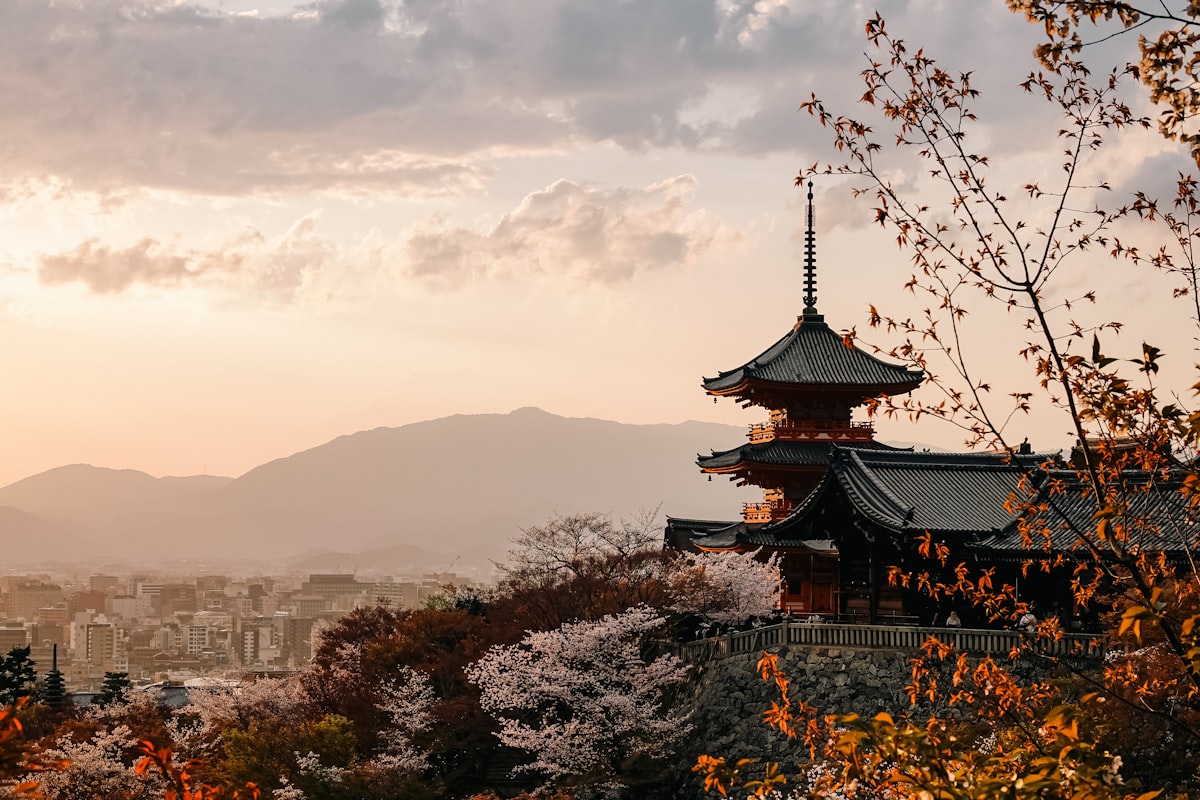
Traditional Ryokan in Kyoto
Beyond standard hotels, Kyoto is Japan's ryokan capital. Traditional ryokan range from ¥25,000 per person for simple inns to ¥150,000+ per person for the most refined properties.
Most ryokan rates include kaiseki dinner and traditional breakfast. A two-night ryokan stay at ¥40,000 per person per night totals ¥160,000 for the full experience — meals, futon bedding, onsen access, and impeccable hospitality. See our ryokan primer and onsen guide for what to expect.
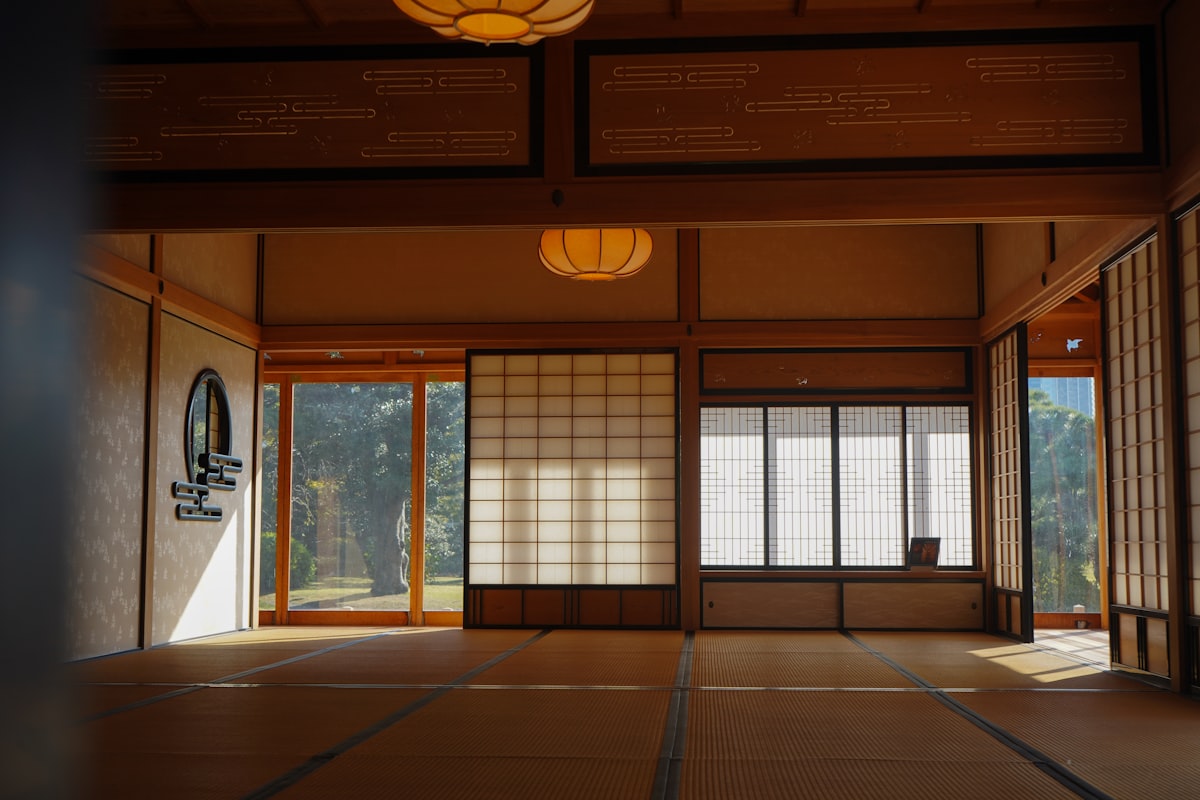
For cherry blossom season or autumn foliage trips, ryokan should be booked 4-6 months in advance.
Best Areas to Stay in Kyoto
Kyoto neighborhoods vary in atmosphere and access.
- Near Kyoto Station — best for travelers using bullet trains. Lots of business hotels.
- Karasuma-Oike (central) — most central location for walking distance to many attractions. Mid-range hotels concentrate here.
- Gion and Higashiyama — most traditional atmosphere, near Kiyomizu-dera and traditional districts. Premium and ryokan-heavy.
- Arashiyama — quieter, scenic location west of central Kyoto. Best for travelers who want a retreat-like experience.
Osaka Hotel Prices 2026
Osaka is Japan's most affordable major city, with hotel prices consistently 20-30% below Tokyo. For Osaka sightseeing tips, see our Osaka guide.
Osaka Capsule Hotels
Osaka capsule hotels run ¥2,800-4,500 per night — cheapest among the three cities. Strong options include Capsule Inn Namba, Capsule Hotel Astil Dotonbori, and Wave Capsule Hotel.
Budget travelers consistently report Osaka as the easiest place to stretch yen on accommodation while still enjoying central locations.
Osaka Business Hotels
Osaka business hotels run ¥7,000-11,000 per night — also cheapest of the three cities. Toyoko Inn, APA Hotel, Daiwa Roynet, Sotetsu Fresa Inn, and Hotel Vischio all have multiple Osaka locations.
Many Osaka business hotels are within walking distance of the Namba or Umeda subway interchanges, making the entire city easy to access.
Osaka Mid-Range Hotels
Osaka mid-range hotels run ¥13,000-22,000 per night. Notable choices include Hotel Granvia Osaka (¥18,000-28,000, above Osaka Station), Cross Hotel Osaka (¥17,000-25,000), Hotel Universal Port (¥20,000-32,000, near Universal Studios Japan), and Mitsui Garden Hotel Osaka Premier (¥18,000-26,000).
Osaka Luxury Hotels
Osaka luxury hotels run ¥35,000-150,000+ per night — typically 30-40% cheaper than equivalent Tokyo or Kyoto properties. Notable choices:
- The Ritz-Carlton Osaka: ¥80,000-150,000
- Conrad Osaka: ¥60,000-120,000
- InterContinental Osaka: ¥55,000-95,000
- St. Regis Osaka: ¥85,000-150,000
- Marriott Miyako Hotel: ¥45,000-80,000
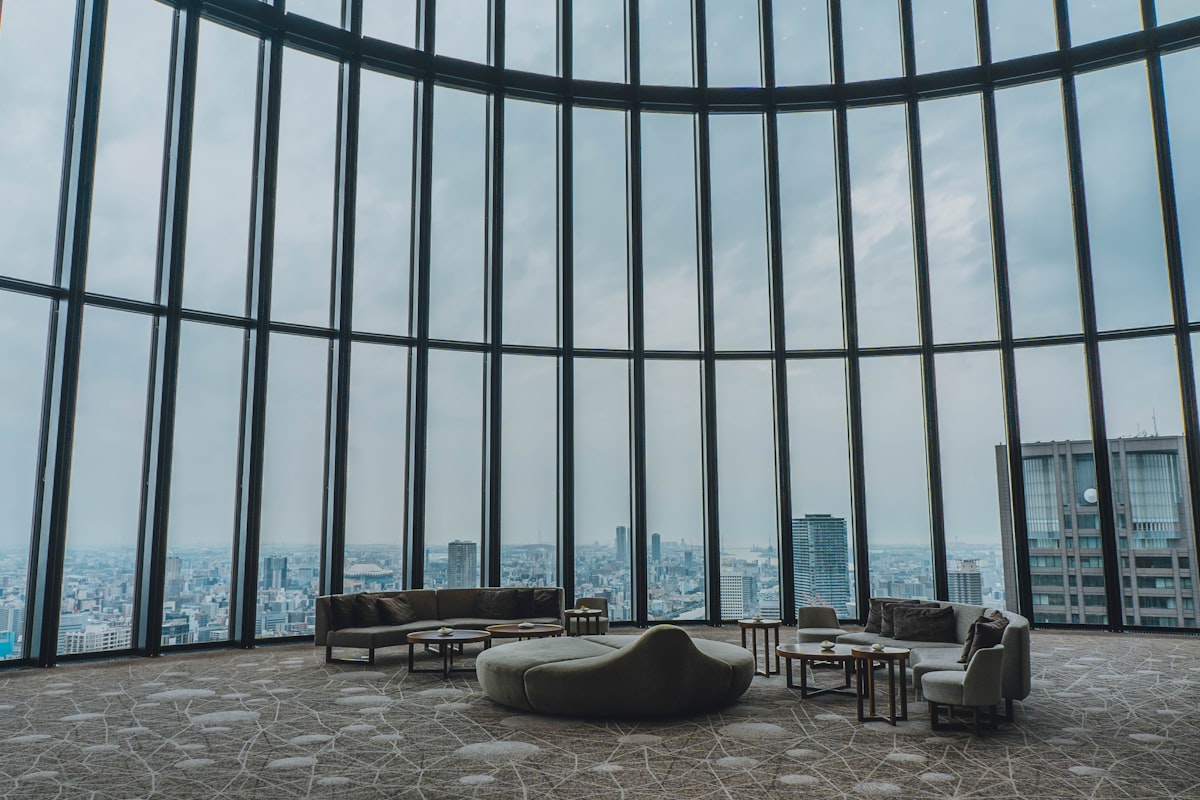
For the luxury traveler willing to base in Osaka and day-trip to Kyoto, the savings vs Kyoto luxury hotels are substantial.
Best Areas to Stay in Osaka
- Osaka Station / Umeda: Main transit and business hub. Plenty of business and mid-range hotels. Easy access to bullet trains, subways, and the airport.
- Namba / Shinsaibashi / Dotonbori: Nightlife and food center. Walking distance to street food, food halls, theme parks, and the city's most vibrant nightlife.
- Osaka Bay (Universal Studios area): Closest hotels to USJ — Hotel Universal Port, Hotel Keihan Universal City, Park Front Hotel. ¥18,000-35,000 per night, can spike during peak USJ weekends.
- Tennoji (Budget): South Osaka's budget-friendly area. Capsule hotels, hostels, and cheap business hotels concentrate here.
Direct Comparison: Same Price Range Across Three Cities
Here is how the same price range delivers different hotel quality across the three cities.
Budget Tier (¥3,000-7,000)
At ¥3,000-7,000 per night, Tokyo offers basic capsule hotels and dormitory-style accommodations. Kyoto offers similar but slightly more cramped options. Osaka offers the most generous: at this price, you can often get a basic private room rather than just a capsule.
For budget conscious visitors, basing in Osaka and day-tripping to Kyoto can be 30%+ cheaper than basing in Kyoto directly.
Business Hotel Tier (¥7,000-13,000)
At ¥7,000-13,000, Osaka delivers solid business hotels with private rooms and free breakfast. Tokyo offers the same but typically smaller rooms. Kyoto often falls short at this tier — most Kyoto rooms in this range feel cramped or located further from city center.
Mid-Range Tier (¥13,000-25,000)
At ¥13,000-25,000, Osaka offers genuine mid-range hotels with restaurants and full amenities. Tokyo offers strong business-plus options. Kyoto delivers business hotels at the high end of this range; true mid-range hotels typically start higher.
Luxury Tier (¥25,000+)
At ¥25,000+, Osaka offers entry-level luxury and some boutique options. Tokyo and Kyoto both deliver world-class luxury hotels at ¥80,000+, with Kyoto pulling slightly ahead on cultural authenticity (ryokan, traditional architecture).
Monthly Hotel Price Variations
Same hotel, same room — wildly different prices depending on month. Here is the monthly pattern across all three cities. For the broader picture, see our best time to visit Japan 2026 guide.
January and February (Cheapest)
January and February see the lowest hotel prices of the year. Cold weather and limited tourism push rates 25-35% below baseline. Tokyo business hotels that normally cost ¥12,000 drop to ¥8,000-9,000.
For travelers willing to brave the cold, this is the cheapest window for any Japan trip. Trade-offs: short daylight hours, frequent overcast skies, chilly temperatures. Upsides: dramatically fewer tourists at major attractions, snow-covered traditional architecture in Kyoto, and the year's best skiing in nearby Nagano and Hokkaido.
Late January and early February also coincide with Lunar New Year travel from China, which can briefly spike prices in Tokyo and Osaka shopping districts. Mid-February typically returns to the year's lowest pricing.
March (Cherry Blossom Run-Up)
Early March (1-15) maintains January-February pricing. Late March (16-31) sees rapid increases as cherry blossoms approach. By March 25, prices are typically up 30-50% from baseline.
For travelers who want cherry blossoms without peak pricing, target the very first week of cherry blossom season. Equally good: late cherry blossoms in northern Japan (Hirosaki, Hokkaido) which bloom in late April to early May at half the Kyoto premium.
April (Cherry Blossom Season Peak)
April hosts the year's most expensive hotel pricing alongside Golden Week. Cherry blossom season peak (April 1-7 in central Japan) sees Tokyo, Kyoto, and Osaka hotels at 60-100% above baseline rates. Kyoto sees the steepest spikes.
A Kyoto mid-range hotel that normally costs ¥25,000 might charge ¥45,000-55,000 during peak cherry blossoms. Tokyo and Osaka see slightly lower premiums (40-70% above baseline).
The tail end of April overlaps with the start of Golden Week, meaning prices stay elevated continuously from late March through early May. For most travelers, April is the most expensive month of the entire year to visit Japan.
May (Golden Week + Sweet Spot)
Golden Week (April 29 - May 6) maintains peak pricing. Then prices crash. The window from May 8 through May 24 sees rates 15-25% below baseline — the year's best value sweet spot. For full details, see our Japan in May 2026 guide.
Many seasoned Japan travelers consider this two-week window the optimal time to visit Japan in the entire calendar year.
June (Rainy Season Lower Prices)
June brings the rainy season and lower prices across all three cities. Tokyo, Kyoto, and Osaka hotels all run 20-30% below baseline. See our Japan in June 2026 guide and rainy season 2026 dates by city.
Despite the rain, June has its own charm: hydrangeas blooming at temples, lush greenery at peak, atmospheric beauty in Kyoto's mist-covered gardens.
July and August (Summer / Obon)
July starts at baseline pricing and rises into August. Mid-August (Obon, August 13-16, 2026) brings huge crowds and 30-50% rate hikes — particularly in Tokyo, Kyoto, and Osaka. See our Japan in August 2026 guide.
The shoulder weeks before and after Obon (August 8-12 and 17-21) see prices return roughly to baseline. Late August into early September drops 10-15% below baseline as Japanese summer vacation winds down.
September (Shoulder Season)
September is the year's quietest tourist month and one of the best value windows after May. Hotel prices typically run 10-15% below baseline. Weather remains warm but starts to cool.
Typhoon season risk peaks in September, which is the main reason many international travelers avoid the month. For travelers willing to take the typhoon gamble (most years see only 1-2 typhoons directly affecting major cities), September delivers excellent value.
October and November (Autumn Foliage)
October sees gradual price increases as autumn approaches. By mid-November, autumn foliage demand pushes Kyoto hotel prices to 30-60% above baseline — second only to cherry blossom season.
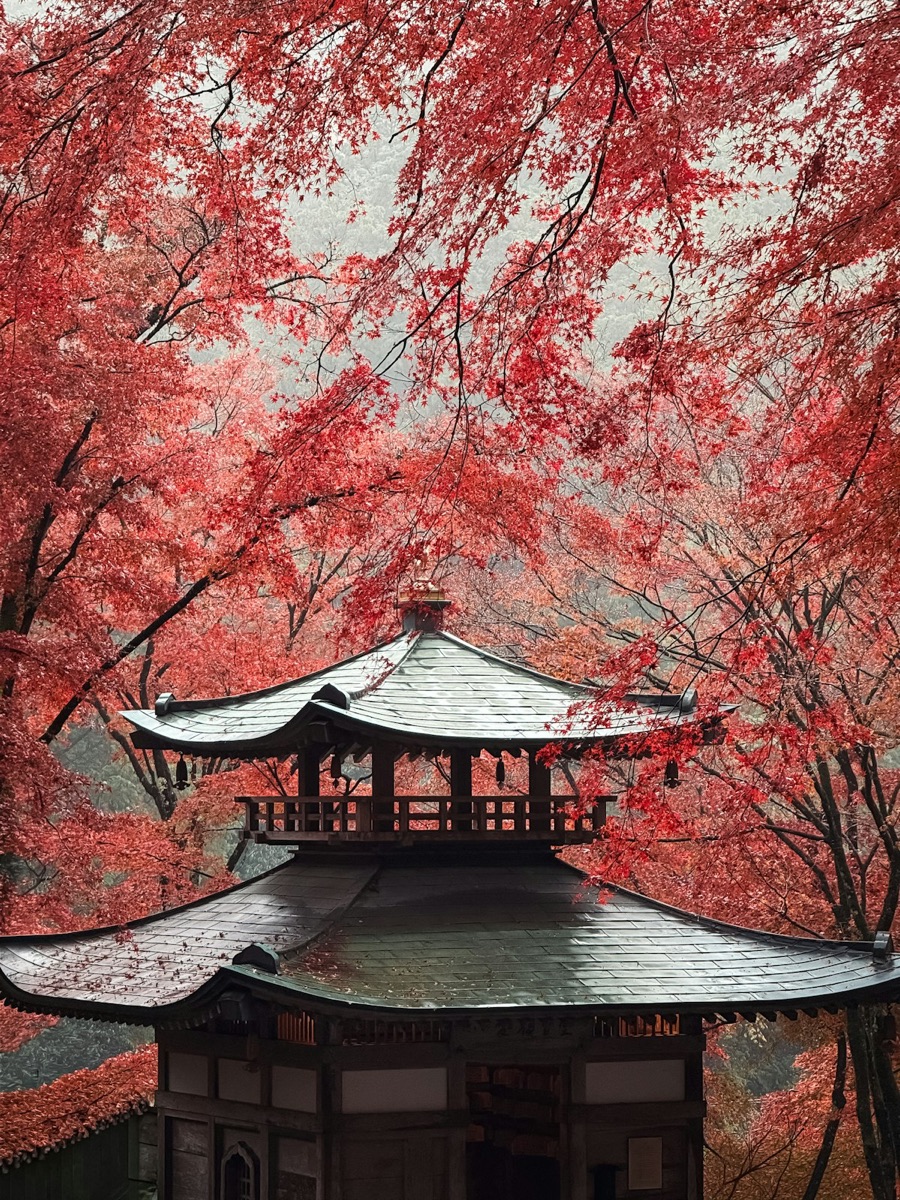
Tokyo and Osaka see smaller autumn premiums (15-25%). For travelers who want autumn colors without paying Kyoto premiums, basing in Osaka and day-tripping to Kyoto delivers a meaningful saving.
December (Winter)
Early December (1-20) maintains baseline pricing. Late December (21-31) sees Christmas and year-end premiums. New Year's (Dec 28 - Jan 3) sees Japanese domestic travel surge, with Tokyo hotel prices up 20-40% during this window.
Reservations for traditional ryokan and onsen towns during December 28 - January 3 should be made 6+ months in advance. After January 3, prices drop to the year's lowest, opening the cycle again.
Where the Best Value Lies in Each City
Each city has a specific neighborhood where the best value concentrates.
In Tokyo, the best value is in Asakusa and Ueno for budget, Akasaka and Akihabara for mid-range business hotels, and Shinjuku for mid-range to upper-mid-range. Roppongi and Ginza hold luxury inventory but at premium prices.
In Kyoto, central locations near Karasuma-Oike or Shijo deliver the best balance of price and walkability. Areas slightly further from major attractions (like Higashiyama-ku away from main temple cluster) can be 20-30% cheaper than equivalent central hotels.
In Osaka, basing in Tennoji or Shin-Imamiya provides the cheapest accommodations. Namba balances price and central location. Umeda commands a slight premium for transit convenience.
Booking Strategies and Advance Booking Tips
How and when you book makes a 20-40% difference on the same hotel.
How Far in Advance to Book
For peak season trips (cherry blossoms, Golden Week, autumn foliage, Obon), book 4-6 months in advance. Top-tier ryokan and luxury hotels sell out 6-9 months ahead during these windows.
For shoulder season trips, 1-2 months of advance booking is usually sufficient. Last-minute bookings 2-3 weeks out can occasionally surface deals as hotels release unsold inventory, but they are risky during any peak period.
Free Cancellation Policies
Most major booking platforms offer free cancellation up to 1-7 days before check-in. Use this to your advantage — book early at the best available rate, then re-check 30 days before to see if rates have dropped. If they have, cancel and rebook.
This strategy regularly saves budget conscious travelers ¥5,000-15,000 per trip without requiring last-minute risk.
Best Booking Platforms
For Japan hotels, three platforms typically deliver the best prices:
- Rakuten Travel (Japanese-language site with English option). Often shows local-only deals 10-20% cheaper than international platforms.
- Booking.com. Excellent inventory, free cancellation, no surprise fees. Most foreign visitors default here.
- Agoda. Particularly strong for Asia-Pacific. Sometimes shows lower prices than Booking.com on the same room.
Cross-checking all three takes 10 minutes and frequently surfaces 5-15% savings on the same room. For luxury hotels, booking direct on the hotel's website often unlocks perks (free breakfast, room upgrades, late checkout) at the same price.
Want hotels picked for you?
We design self-guided tours with hotels pre-booked at the best available rate, including the regional pricing tricks above (more Osaka, less Kyoto, shoulder weeks around peaks). Tell us your dates and budget, and we will tell you what is realistic.
Hotel Amenities Worth Paying For
Some amenities meaningfully change the daily experience and are worth a small price bump.
Free breakfast. Free breakfast at Japanese business hotels typically includes both Japanese (rice, miso soup, fish, pickles) and Western options. A typical hotel breakfast value is ¥1,500-2,500. Hotels that include free breakfast at the same price as those that do not are objectively better deals.
Laundry facilities. For trips longer than 7 days, laundry facilities matter. Most business hotels include coin laundry rooms (¥300-500 per load).
Location near train stations. Walking distance to a train station saves 10-20 minutes of every commute. Hotels within 3 minutes of major stations like Tokyo Station, Shinjuku, Kyoto Station, or Osaka Station typically charge ¥1,500-3,000 more per night. Worth it for travelers who plan to move around the city heavily.
Free WiFi. Universal in modern Japanese hotels. Speed varies but is typically sufficient for video calls and streaming.
Budget Beyond Hotels: Other Trip Costs
Even with carefully chosen accommodation, hotels are only one part of the total trip budget. For per-day spending across all categories, see our daily budget guide.
Transportation: Subway, JR Pass, and Bullet Trains
The Tokyo subway uses pay-per-ride fares (¥170-320 per ride) or 1-day passes (¥800-1,600). The Tokyo Metro 24-hour ticket at ¥800 pays off quickly for travelers making 4+ subway trips per day.
For inter-city travel, bullet trains (Shinkansen) connect Tokyo, Kyoto, and Osaka. Tokyo to Kyoto runs ¥14,000 one-way; Kyoto to Osaka about ¥1,500.
The Japan Rail Pass at ¥50,000 (7 days) breaks even only for itineraries that include both Tokyo-Kyoto and additional long-distance travel. For most Tokyo-Kyoto-Osaka itineraries, individual JR train tickets are slightly cheaper. Run your specific route through our JR Pass calculator first.
Food: Convenience Stores, Markets, and Restaurants
Japan's convenience stores (7-Eleven, Lawson, FamilyMart) sell complete meals for ¥500-800. Street food at markets and festivals runs ¥300-800 per item. Sit-down ramen shops charge ¥900-1,500 per bowl. Mid-range restaurant meals run ¥2,000-4,500 per meal.
Free Attractions Across Three Cities
Free attractions in each city deliver enormous value.
Tokyo free attractions: Tokyo Metropolitan Government Building observation decks, Meiji Shrine, Senso-ji Temple, Imperial Palace East Gardens, Shinjuku Gyoen (¥500, near-free).
Kyoto free attractions: Most Shinto shrines including Fushimi Inari, the Philosopher's Path, Kamogawa River walks, Heian Shrine grounds.
Osaka free attractions: Osaka Castle Park (the grounds, not the castle interior), Sumiyoshi Taisha shrine, Tennoji Park, Nakanoshima Park.
A traveler focused mostly on free attractions could see incredible value across all three cities for ¥0 in entry fees over a full week.
Real Sample Itineraries with Hotel Costs
Here are three sample itineraries with realistic hotel costs.
Budget 7-Day Trip (Tokyo + Osaka)
Hotels: 4 nights Tokyo capsule (¥4,500/night) + 3 nights Osaka business hotel (¥7,500/night) = ¥18,000 + ¥22,500 = ¥40,500
Other costs: ~¥8,000/day × 7 = ¥56,000
Total (excluding flights): ¥96,500 (~$645 USD)
This is achievable for a single budget traveler. Couples sharing an Osaka business hotel double room save further per person. See our 7-day itinerary.
Mid-Range 10-Day Trip (Tokyo, Kyoto, Osaka)
Hotels: 4 nights Tokyo mid-range (¥22,000/night) + 3 nights Kyoto mid-range (¥28,000/night) + 3 nights Osaka mid-range (¥18,000/night) = ¥88,000 + ¥84,000 + ¥54,000 = ¥226,000
Other costs: ~¥18,000/day × 10 = ¥180,000
Total (excluding flights): ¥406,000 (~$2,705 USD) per person
Luxury 7-Day Trip (Tokyo + Kyoto)
Hotels: 4 nights Tokyo luxury (¥80,000/night) + 3 nights Kyoto ryokan (¥120,000/night including meals) = ¥320,000 + ¥360,000 = ¥680,000
Other costs: ~¥30,000/day × 7 = ¥210,000
Total (excluding flights): ¥890,000 (~$5,930 USD) per person
For the luxury traveler chasing Japan's finest experiences, hotels and ryokan dominate the budget. Reservations should be made 6-9 months in advance.
Apartment Hotels and Serviced Apartments
Beyond traditional hotels, Japan has a growing market of apartment hotels and serviced apartments that can offer better value for stays of 4+ nights.
Apartment hotels (often branded as "Residence," "Suites," or "Apartment Hotel") provide kitchenettes, washing machines, and more spacious rooms than business hotels. Mimaru Tokyo, Citadines, and MIMARU Suites all operate strong inventories in Tokyo, Kyoto, and Osaka.
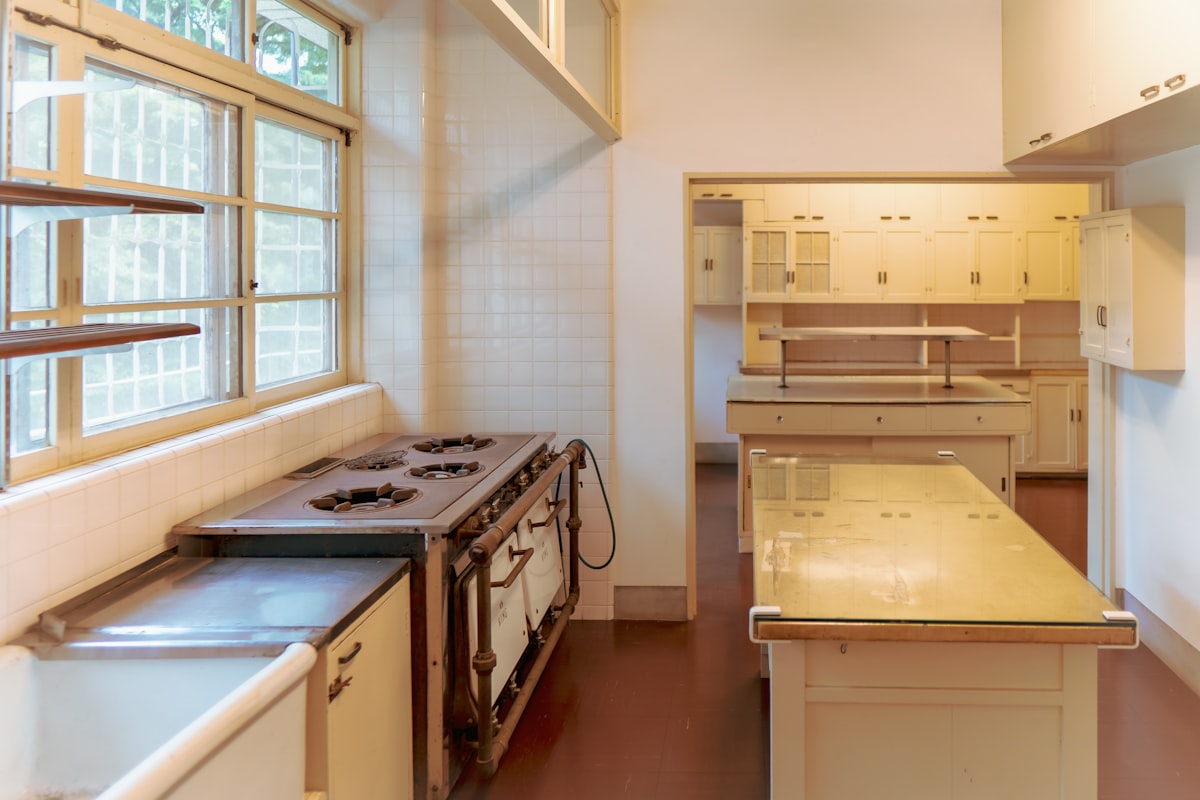
Pricing typically runs ¥15,000-28,000 per night for a unit accommodating 2-4 people. For families or groups, the per-person cost can be dramatically lower than booking multiple business hotel rooms.
Key advantages: real kitchens (saving on restaurant meals), in-unit laundry facilities, and significantly more space for unpacking on longer trips. Most also include common lounges, gyms, and concierge services similar to mid-range hotels.
For Japan trips of 7+ nights based primarily in one city, apartment hotels often deliver better value than mid-range business hotels.
Hostels in Japan: Beyond Just Budget
Japanese hostels are dramatically better than the international hostel stereotype. Most are well-designed, immaculately clean, and feature private pod-style or capsule-style sleeping spaces alongside dormitory-style accommodations.
A typical Japanese hostel dorm bed costs ¥3,500-5,500. Many include free breakfast, common kitchens, and laundry facilities at no extra charge. Some offer "private rooms" within the hostel for ¥7,000-12,000 — solid mid-budget options for travelers who want hostel social atmosphere with private sleep.
Strong Japanese hostel brands include Khaosan World (multiple Tokyo locations), Bunka Hostel Tokyo, Piece Hostel Kyoto, and U-Community Hostel Osaka. International brands like Generator and Wombat's also operate Tokyo properties.
The biggest advantage of hostels for foreign visitors is the network of fellow travelers — front desk staff at quality hostels speak excellent English and frequently coordinate group dinners, walking tours, and travel tips that solo travelers find invaluable.
What to Expect at a Japanese Hotel
A few cultural differences shape the Japanese hotel experience.
Check-in and check-out times. Most hotels check guests in at 3 PM and out at 10 or 11 AM. Earlier check-in is rarely accommodated; many hotels offer free luggage storage if you arrive earlier. Late check-out is sometimes available for ¥1,000-3,000 extra.
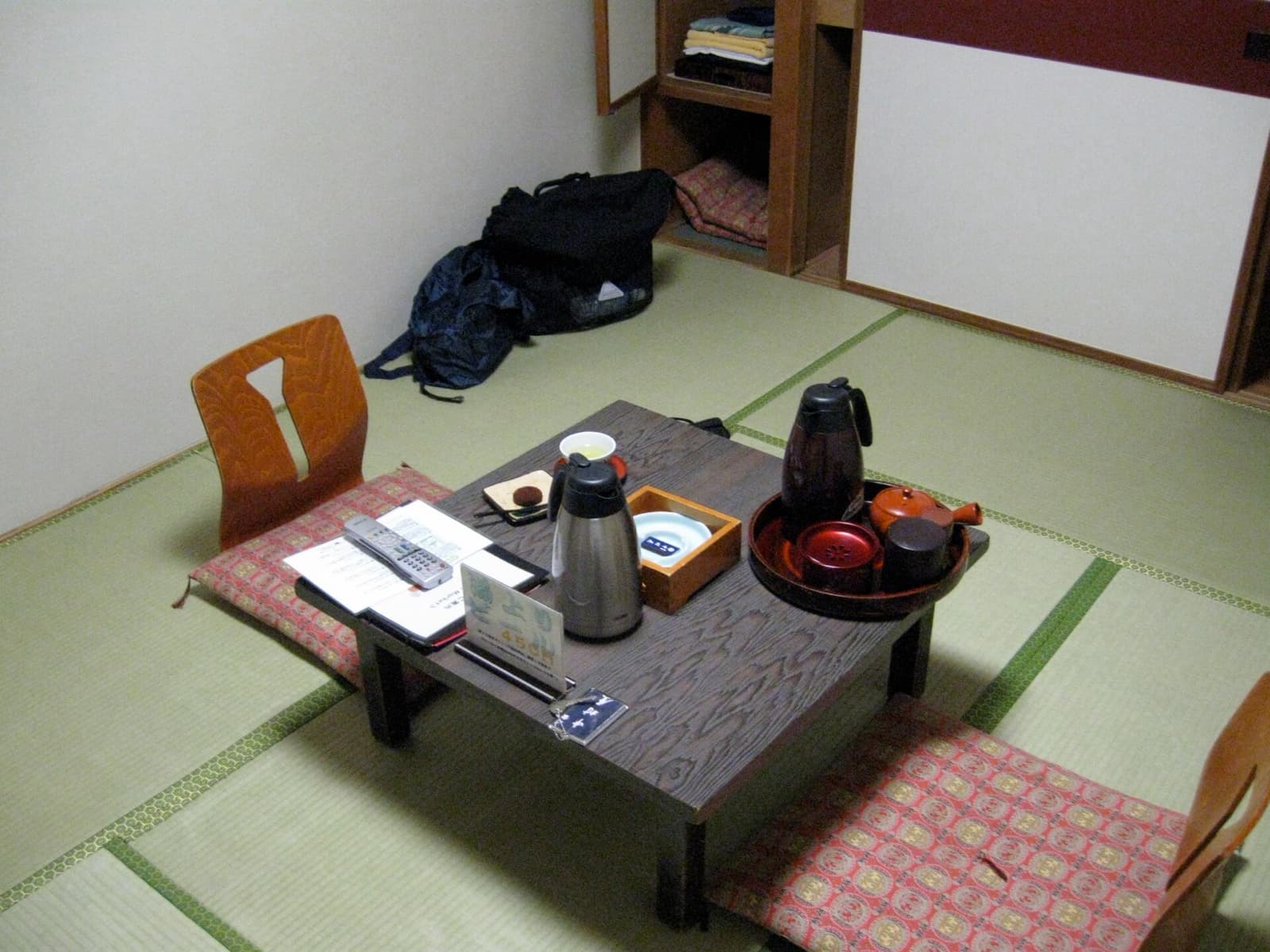
Shoe etiquette at ryokan. Traditional ryokan require guests to remove shoes at the entrance and switch to slippers. Tatami rooms require slippers to come off entirely. Hotels (Western-style) do not have this requirement.
Yukata robes. Most ryokan and many business hotels (especially Dormy Inn properties) provide yukata cotton robes for in-hotel wear. Wearing them throughout the property is completely normal and expected.
Public baths (onsen and sento). Many hotels include public bath facilities. Etiquette: shower thoroughly before entering the bath, no swimsuits, no towels in the water. Tattoos may not be permitted at some properties — call ahead if unsure.
Tipping. None expected anywhere in Japan. Do not try.
Amenities provided. Most hotels supply toothbrushes, razors, hair brushes, and basic toiletries. Pajamas are standard at all but the cheapest budget options. This means you can pack significantly lighter than for hotels in many other countries.
Front desk service. Most major chain hotels have at least one English-speaking staff member, especially during evening hours. Smaller properties may rely on Google Translate, which works well enough for most situations.
Beyond the Big Three: Other Cities Compared
While Tokyo, Kyoto, and Osaka dominate most foreign visitor itineraries, prices in other Japanese cities deserve mention.
Sapporo (Hokkaido) runs 25-35% cheaper than Tokyo across all categories. Capsule hotels at ¥3,500, business hotels at ¥7,000-10,000, mid-range at ¥14,000-22,000. The exception: ski season (December-March), when resort areas like Niseko and Furano can match Tokyo or Kyoto pricing. See our Hokkaido tour package guide.
Fukuoka (Kyushu) consistently delivers the cheapest major-city accommodation in Japan. Business hotels at ¥6,000-9,000, mid-range at ¥11,000-18,000.
Hiroshima runs roughly 20% cheaper than Osaka. Business hotels at ¥7,500-11,000, mid-range at ¥14,000-22,000. A natural stop on Tokyo-Kyoto-Osaka itineraries that include the Peace Memorial and Miyajima Island.
Nagoya is Japan's affordable major city for business travelers. Hotel prices run 30% cheaper than Tokyo despite being Japan's third-largest urban area.
Kanazawa is a popular Kyoto alternative for travelers seeking traditional atmosphere without Kyoto pricing. Business hotels at ¥9,000-13,000, mid-range at ¥16,000-25,000.
Hotel Rewards Programs Worth Joining
For travelers planning multiple Japan trips or long stays, hotel rewards programs deliver meaningful savings.
Marriott Bonvoy has the largest Japanese inventory among international programs — Ritz-Carlton, St. Regis, EDITION, Westin, Sheraton, and Marriott properties span all three cities. Status comes with free breakfast, room upgrades, and late checkout perks worth ¥3,000-10,000 per stay.
Hilton Honors covers Conrad, Hilton, and Hilton Garden Inn properties in Tokyo, Osaka, Okinawa, and Niseko. Smaller footprint than Marriott in Japan but solid for repeat visitors.
IHG One Rewards includes InterContinental, Holiday Inn, and ANA InterContinental.
Hyatt World is small in Japan but the Park Hyatt Tokyo, Park Hyatt Kyoto, and Hyatt Regency properties are exceptional.
Rakuten Travel and Ikyu are Japan-specific platforms that offer point-back programs — typically 1-3% back on bookings.
For a single trip to Japan, rewards programs rarely pay off significantly. For travelers planning 2+ trips over a few years, Marriott Bonvoy or Hilton Honors status can deliver meaningful upgrades and significant savings.
Best Hotels for Specific Travel Styles
Different traveler profiles benefit from different hotel choices.
Solo budget travelers: Capsule hotels and hostels deliver the best value. Tokyo's Akihabara and Asakusa areas, Kyoto's Karasuma area, and Osaka's Namba area all cluster solid budget accommodations near major transit.
Couples on a budget: Save dramatically by booking double rooms in business hotels — same price for two as for one. Toyoko Inn, Super Hotel, and APA Hotel chains all offer double rooms at ¥9,000-13,000, splitting to ¥4,500-6,500 per person.
Mid-range travelers: Target business hotels in central locations near major train stations. Mitsui Garden Hotels, Hotel Granvia properties, and Daiwa Roynet all deliver consistent quality.
Families with children: Apartment hotels (Mimaru, Citadines) deliver the best balance of space, amenities, and price. Many Japanese hotels are tight for families of 4+; apartment hotels or vacation rentals work better. See our family vacation guide.
Luxury travelers: Tokyo's Park Hyatt, Aman, or Mandarin Oriental, plus a Kyoto ryokan stay (Hoshinoya Kyoto or Tawaraya Ryokan) for cultural authenticity.
Universal Studios Japan visitors: Hotel Universal Port and nearby Hotel Keihan Universal City both offer 5-minute walking distance to the park gates.
Hotel Booking FAQ
A few common questions from foreign visitors planning Japan accommodations:
Should I book through international platforms or Japanese sites? Cross-check both. Japanese platforms (Rakuten Travel, Ikyu, Jalan) sometimes offer 5-15% lower prices, but Booking.com and Agoda often have better cancellation policies and English-language customer service.
Can I trust budget hotel reviews? Yes, with some calibration. Japanese reviewers tend to mark hotels harshly for small issues; a 7.5-8.0 rated property in Japan typically equals a 8.5-9.0 elsewhere. Read recent reviews specifically.
What about Airbnb in Japan? Japan's Minpaku Law restricts short-term rentals, and most apartment-style listings on Airbnb are now licensed accommodations. Quality varies; for first-time visitors, traditional hotels typically offer more reliable experiences.
Do hotels charge for tax separately? Some yes, some no. Always check the total price including 10% consumption tax and any city accommodation tax. Kyoto moved to a five-tier, per-person, per-night structure for stays from 1 March 2026, topping out at ¥10,000 a night on the most expensive rooms; Tokyo and Osaka remain far lower.
Is WiFi reliably free? Yes at virtually all hotels. Speed varies but is typically sufficient for video calls and streaming.
Do I need a passport at check-in? Yes — Japanese law requires foreign visitors to show passports at hotel check-in. Have it ready.
Are there single-occupancy discounts? Sometimes, particularly at business hotels marketed for solo Japanese business travelers. Look for "single" rate options on Japanese booking sites.
Final Thoughts: Choosing Where to Spend
For most travelers visiting Japan, the optimal split is:
- Tokyo: 3-5 nights at a business hotel near a major station (¥10,000-15,000 per night)
- Kyoto: 2-3 nights at a mid-range hotel or one ryokan night (¥20,000-35,000 per night)
- Osaka: 1-2 nights at a budget or business hotel near Namba or Umeda (¥7,000-11,000 per night)
This pattern delivers high-quality accommodation in each city while exploiting Osaka's lower prices for the cheapest segment of the trip. For travelers who want extra time in any one city, adding nights to Tokyo (the most varied) or Kyoto (the most culturally distinctive) typically delivers the best return on time invested.
For travelers prioritizing cherry blossom season or autumn foliage, book Kyoto first (the limiting factor) and fill in Tokyo and Osaka around it. For travelers prioritizing value, book Osaka first and add Tokyo and Kyoto as time permits.
The single biggest factor controlling your hotel costs is not which city you visit but when. A January business hotel in Kyoto costs less than a peak-season capsule hotel in Tokyo. A November ryokan stay in Kyoto costs more than a luxury Tokyo suite in February. Plan around the calendar more than the city map, and your money goes further than you would expect.
Whatever your travel style, Japan in 2026 offers genuinely incredible value across the entire price range. From ¥3,000 capsule hotels to ¥250,000 luxury suites, every tier delivers a quality experience that consistently exceeds what equivalent prices buy in Western Europe or major US cities.
Book early during peak season, target shoulder seasons where flexible, cross-check Rakuten Travel against international platforms, and prepare for one of the best-value developed-country trips you will ever take.