
Japanese Summer Festivals 2026: The Best Matsuri & How to See Them
From Gion Matsuri to Aomori Nebuta and the Obon period — verified 2026 dates, real logistics, and how to slot a summer matsuri into a self-guided itinerary without losing your mind.
Summer in Japan is loud, sweaty, and absolutely worth it. From late June through August the country turns into one rolling block party — lantern floats the size of houses, dancers spilling out of train stations, fireworks over castle moats. If you're planning an independent trip, the summer matsuri are the single best reason to choose July or August over the safer cherry-blossom window.
This guide covers the big ones — Gion Matsuri, Tenjin Matsuri, Aomori Nebuta, Sendai Tanabata, Awa Odori, and the Obon period — with verified dates, real logistics, and the details that matter when you're at a station with a backpack. If you remember one thing: book early. Festival hotels in Tokushima, Aomori, and Sendai sell out months ahead. Month by month: Japan in July 2027 and Japan in August 2027.
Quick Answer: Japan's Summer Festivals 2026
The top tier, in date order: Gion Matsuri (Kyoto, all July; parades Jul 17 & 24), Tenjin Matsuri (Osaka, Jul 24–25), Aomori Nebuta (Aug 2–7), Sendai Tanabata (Aug 6–8), and Awa Odori (Tokushima, Aug 12–15). Mid-August is also the Obon travel rush — book trains and hotels early.
Gion
Jul 17 & 24
Nebuta
Aug 2–7
Tanabata
Aug 6–8
Awa Odori
Aug 12–15
When Are Japan's Summer Festivals Held?
Roughly, the calendar breaks down like this — build your trip around these dates, not the other way around:
- Early July: Tanabata celebrations begin nationwide on July 7.
- All of July: Kyoto's Gion Matsuri runs the entire month.
- Late July: Tenjin Matsuri in Osaka (July 24–25).
- Early August: Aomori Nebuta (Aug 2–7) and Sendai Tanabata (Aug 6–8).
- Mid-August: Awa Odori in Tokushima (Aug 12–15) and the Obon period nationwide.
Gion Matsuri: Kyoto's Festival of the Summer
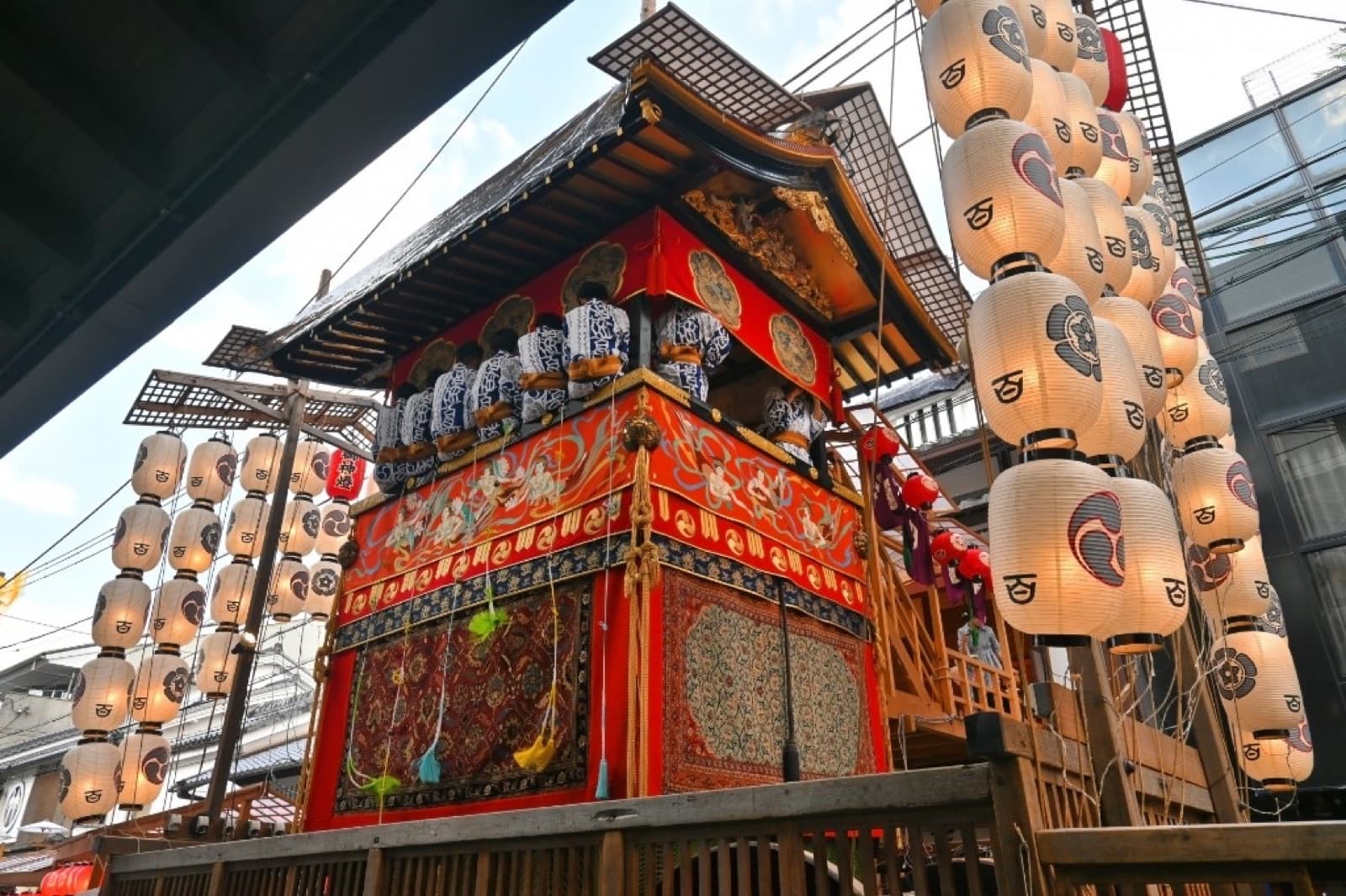
If you only see one festival, make it this one. The Gion Festival runs the entire month of July in Kyoto, centered on Yasaka Shrine, and began over 1,000 years ago as a purification ritual during an epidemic. It's best known for two Yamaboko Junkō float processions on July 17 and 24 — the 17th is the bigger spectacle, with 23 floats (some up to 25 m tall and 12 tons) pulled through downtown from 9:00 AM.
The Yoiyama evenings (Jul 14–16 and 21–23, 6–11pm) are the classic image: yukata, food stalls, lanterns, and conchikichin music between machiya houses. For the parade itself, reserved seats (sold by the Kyoto City Tourism Association about two months ahead) are worth it if you don't love standing in 35°C heat.
Tenjin Matsuri: Osaka's Fire-and-Water Festival
One of Japan's top three festivals (with Gion and Tokyo's Kanda Matsuri), Tenjin Matsuri honors Sugawara Michizane, the deity of scholarship, and dates to the 10th century. The main day is July 25: a land procession of ~3,000 costumed participants (15:30–18:00), then a boat procession (18:00–21:00) with a fireworks display after 19:00, when ~100 boats navigate the Okawa River.
Riverbank viewing is fierce; paid seats run ¥3,000–¥31,000 and are worth it for first-timers. Bridges and JR Sakuranomiya station clog fast — budget a 30–60 minute buffer after the show.
Aomori Nebuta Matsuri: The Giant Lantern Parade
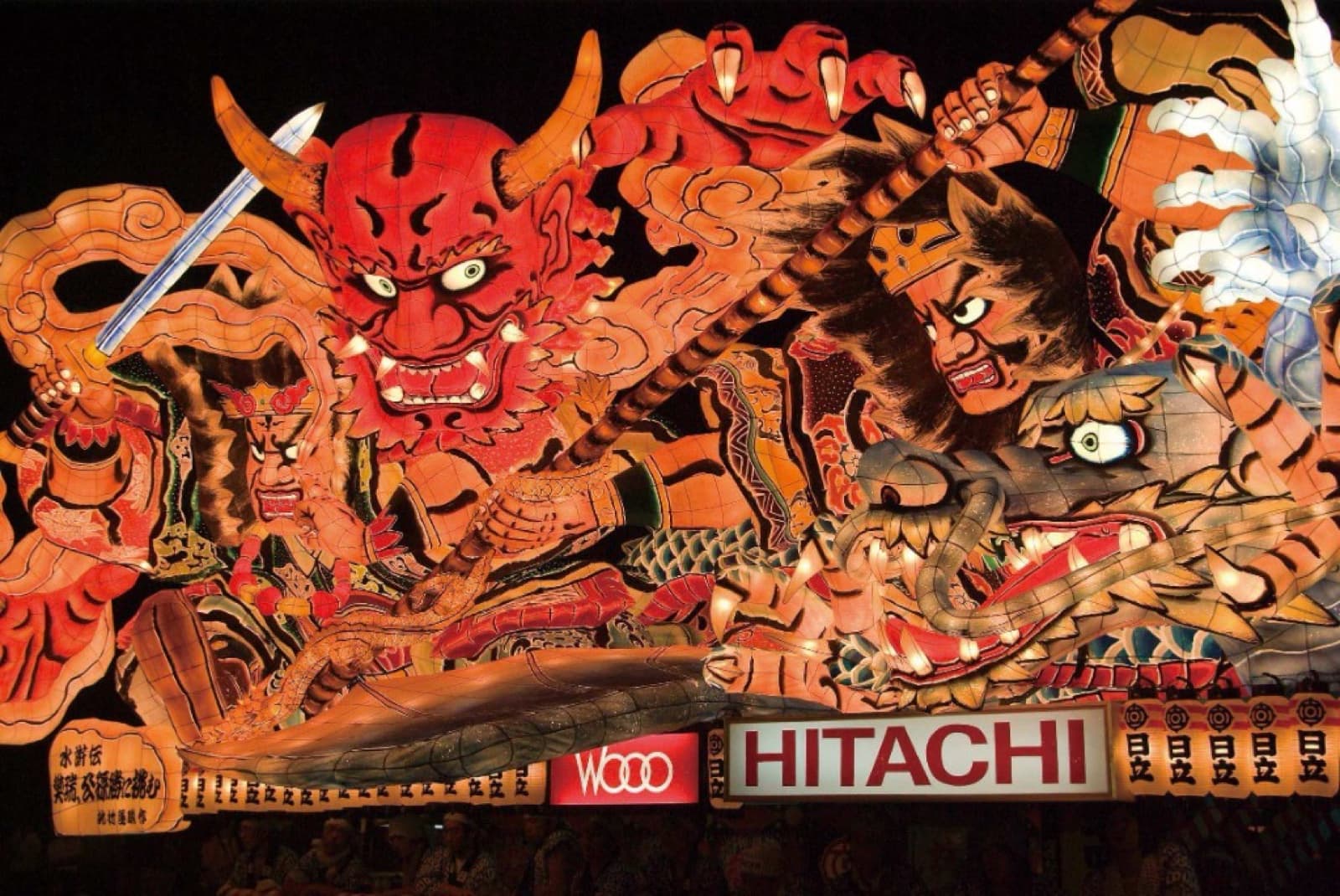
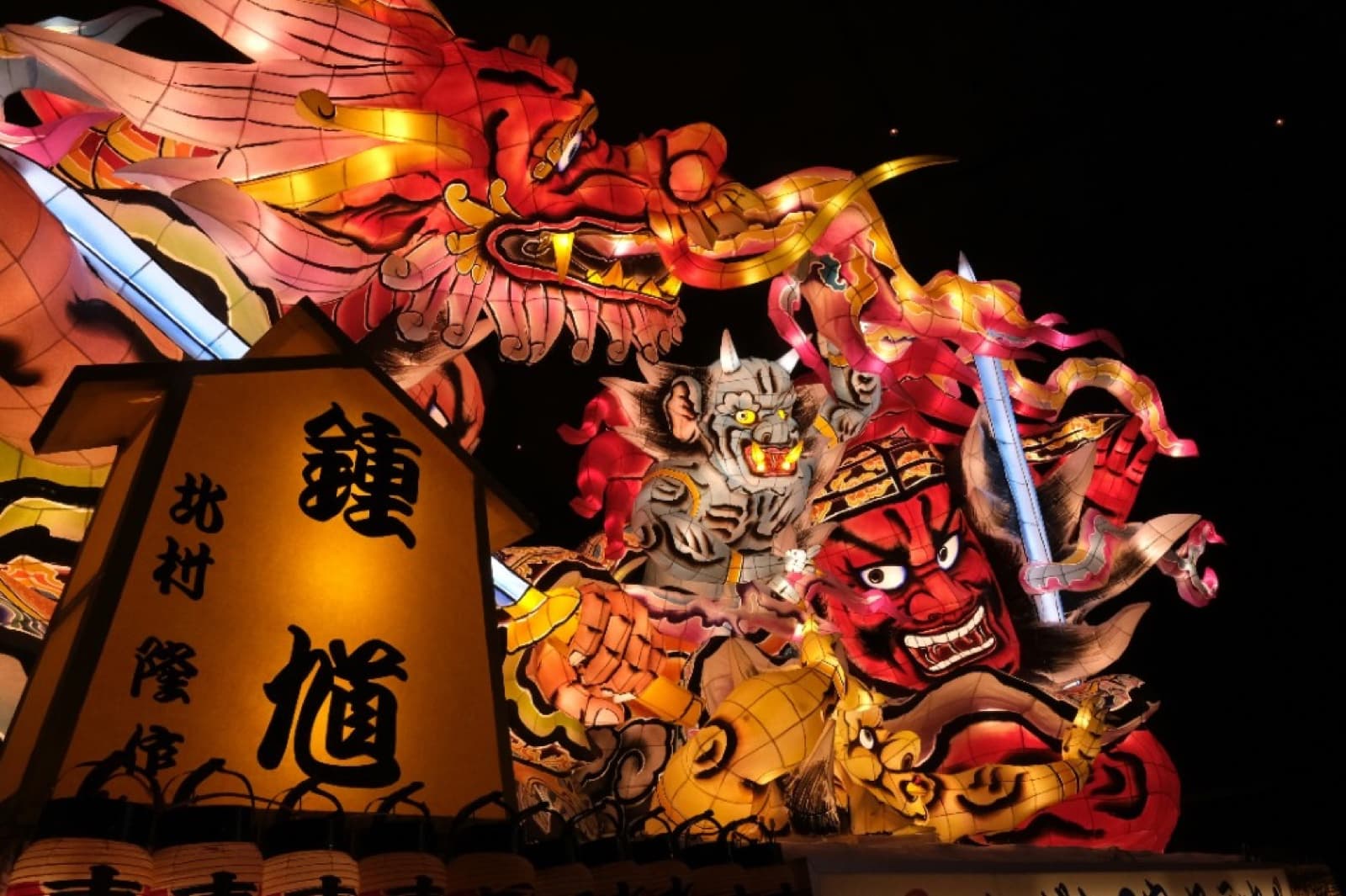
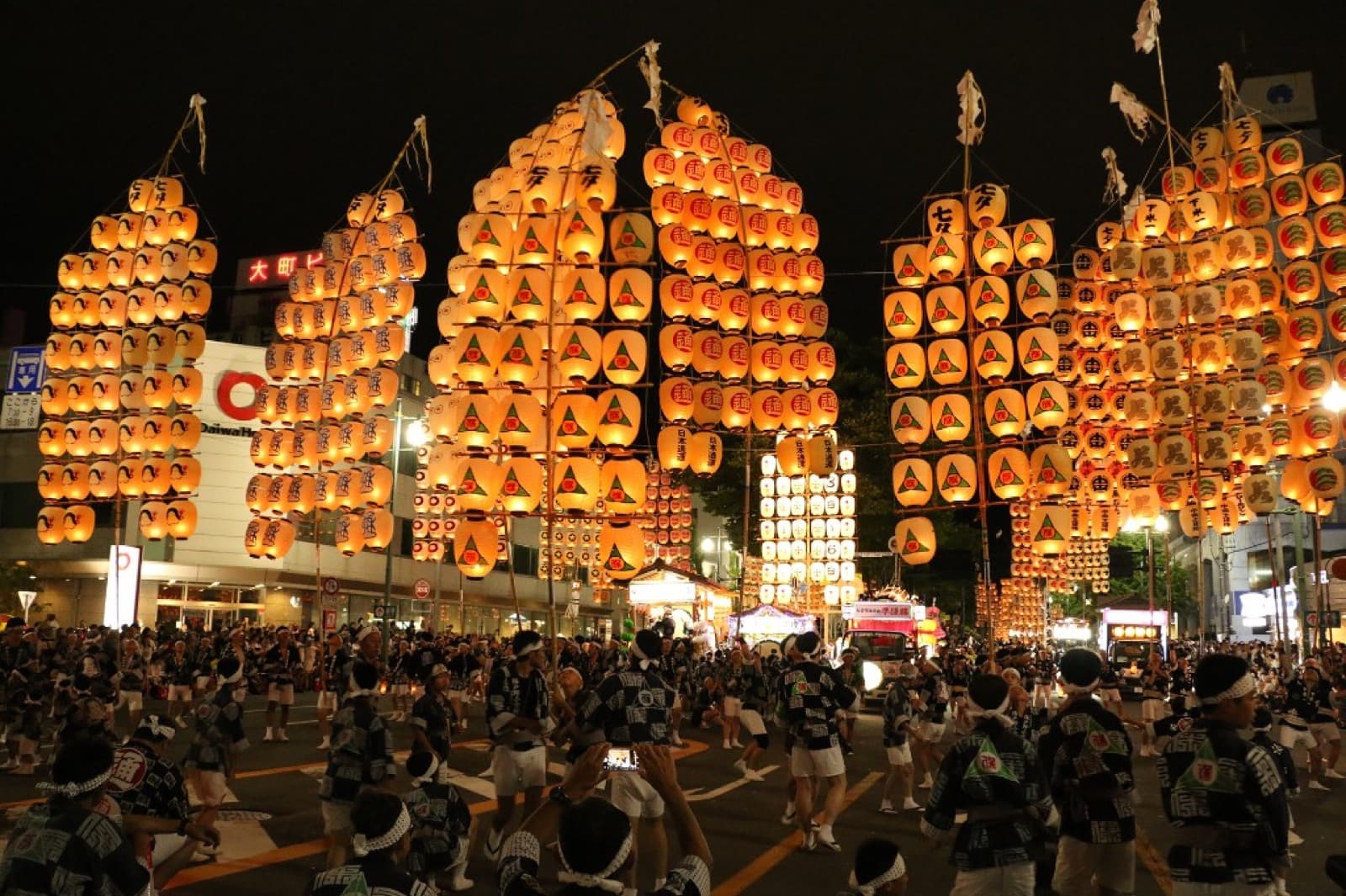
The biggest festival in Tohoku, held August 2–7. Enormous illuminated floats — painted washi paper over wire frames, up to 9 m wide, a year in the making — parade nightly flanked by taiko drums and haneto dancers shouting "rassera, rassera!" You can join in: rent a haneto costume locally (around ¥4,000) and dance in the street procession. On the final night, floats are placed on boats in Aomori Bay beneath a fireworks finale.
From Tokyo it's an 80-minute flight or the Hayabusa Shinkansen to Shin-Aomori; the route is a 5-minute walk from JR Aomori Station. Nebuta is one of the three great Tohoku festivals alongside Akita's Kanto Matsuri and Sendai's Tanabata — all chainable within a few days by Shinkansen.
See Tohoku's Great Festivals in One Trip (TH001 / TH002)
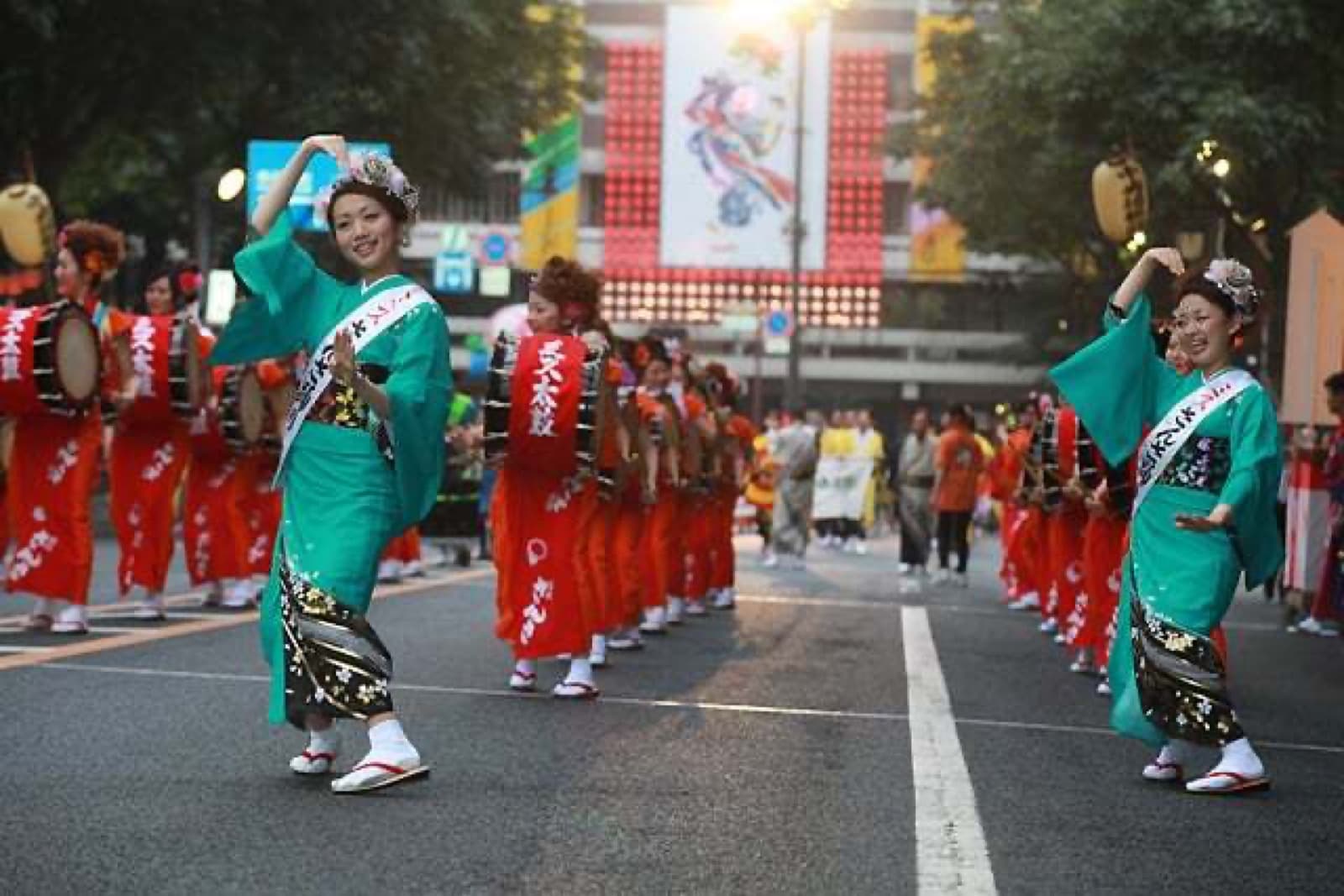
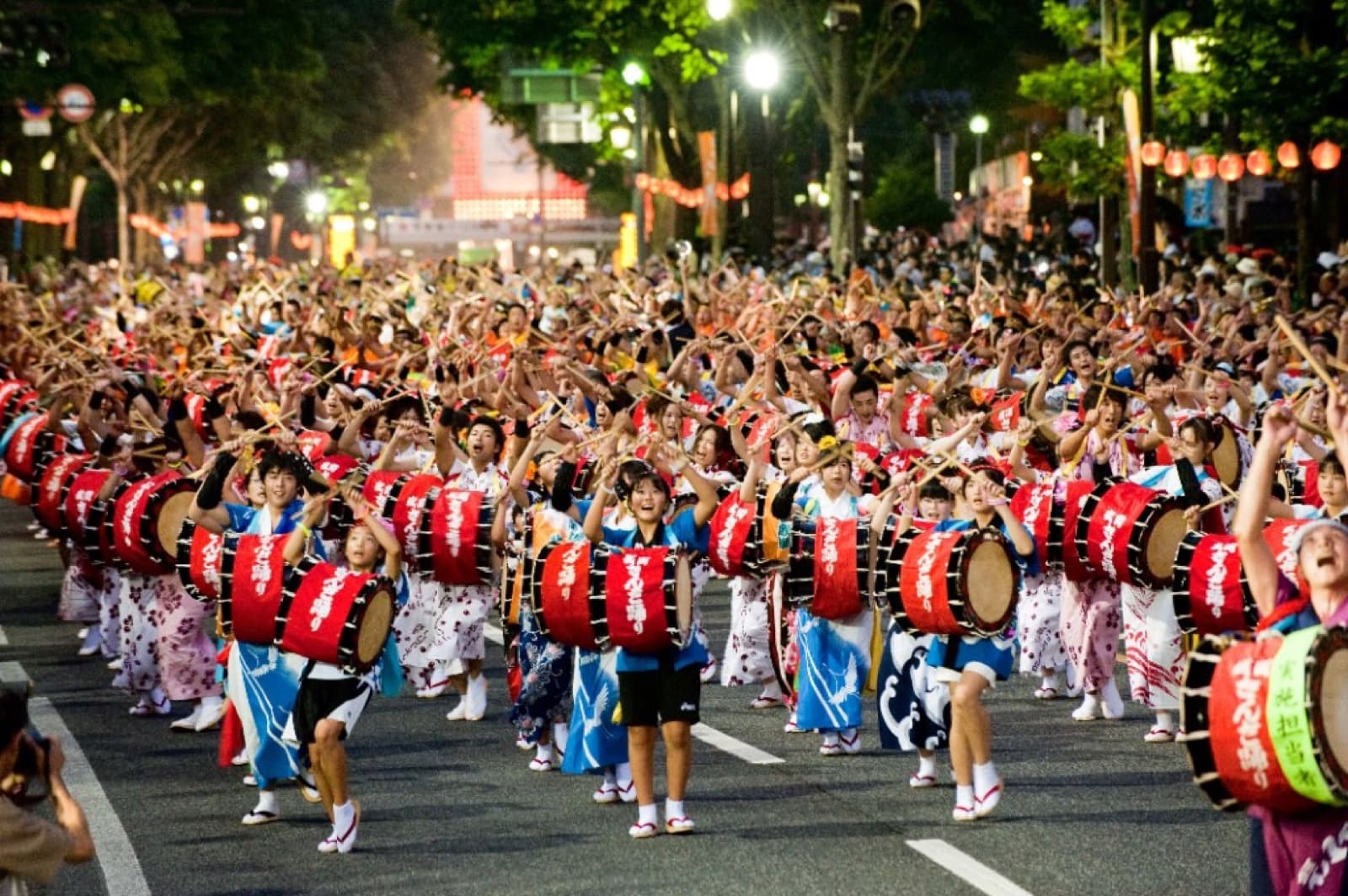
Japan's headline festivals are hugely popular with domestic travelers too, so lodging books out fast — reserve early. Among our self-guided tours, the August 1, 2026 departure-only TH001 and TH002 bundle the hard-to-get hotels and inter-city transport so you can freely take in Tohoku's Sansa Odori, Nebuta Matsuri, and Kanto Matsuri. It's the best chance to experience several of Tohoku's regionally distinct festivals — each with its own character and culture — in a single trip.
Sendai Tanabata: The Star Festival, Supersized
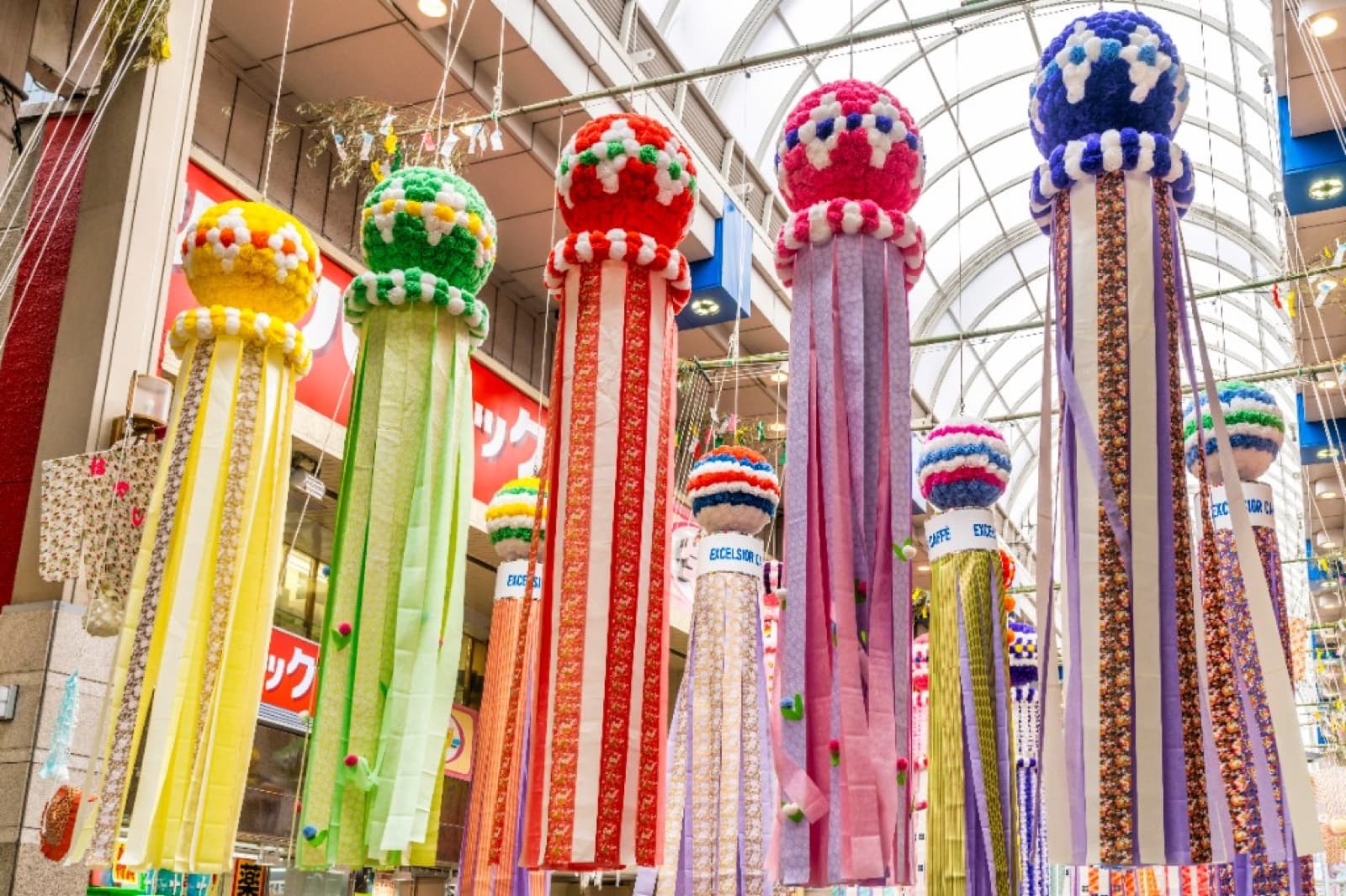
Tanabata (the Star Festival) celebrates the once-a-year meeting of the deities Orihime and Hikoboshi. You'll see decorations nationwide from early July, but the city for the real thing is Sendai, August 6–8 (a month later than most of Japan because Sendai kept the old lunar calendar). Streamers up to 10 m long hang from covered arcades in a decoration contest — walking the Ichibancho arcade feels like wading through a paper forest. A fireworks display runs the evening of August 5, so arrive a day early.
Awa Odori: Tokushima's Mid-August Dance Festival
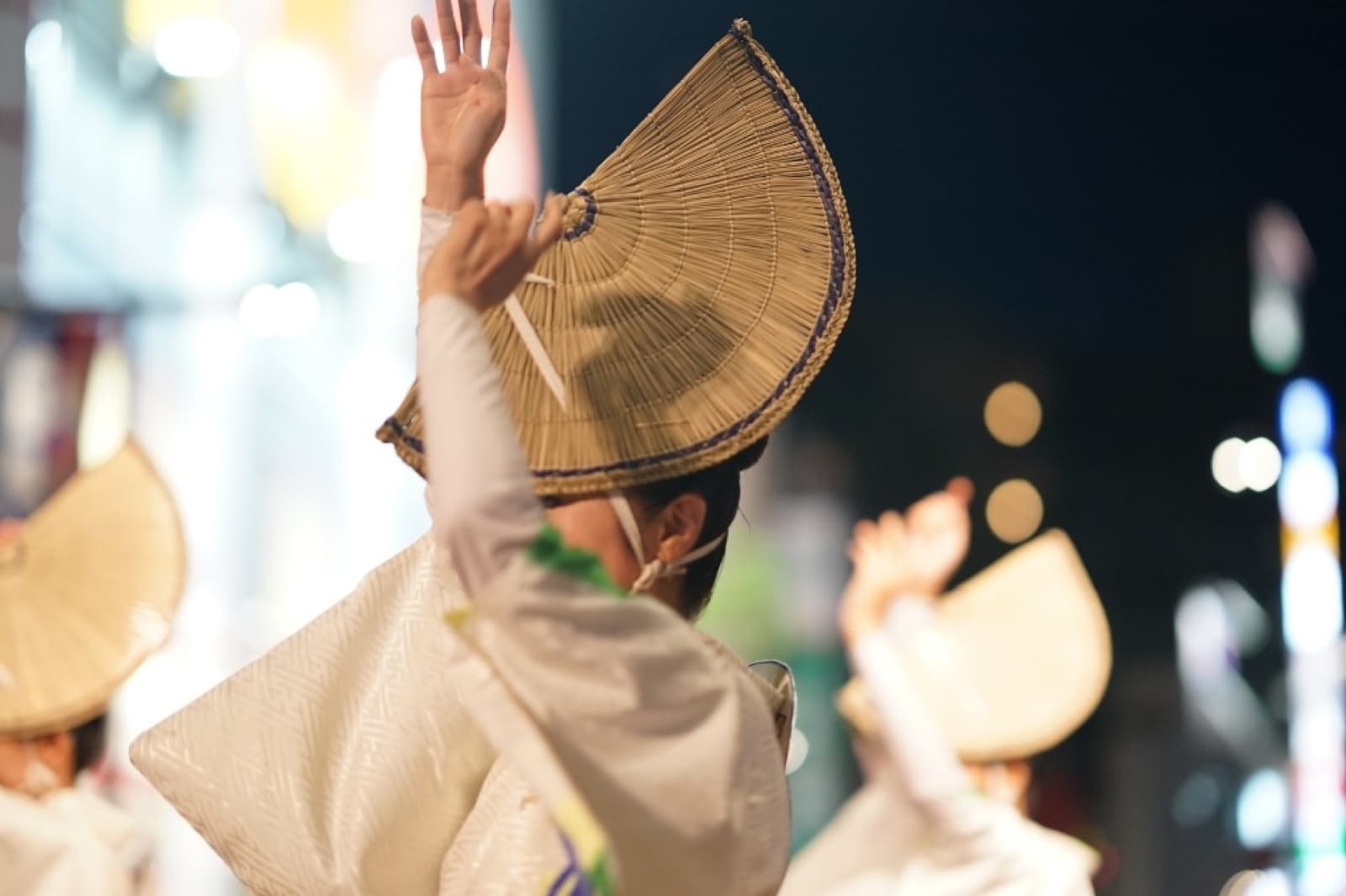
Held August 12–15 as part of Obon, Awa Odori is Japan's largest dance festival, drawing 1.3 million people. Choreographed groups (ren) dance through the streets to shamisen, taiko, flute, and bell. The chant says it all: "The dancers are fools, the watchers are fools — if both are fools, why not dance?" Anyone can join the open Niwaka Ren.
Tokushima is on Shikoku: from Tokyo/Osaka, Shinkansen to Okayama, switch to Takamatsu, then on to Tokushima (~5–6 hr, ~¥19,000 from Tokyo). Reserved seats run ¥1,000–¥15,000; free street viewing on Ryogoku Honmachi is just as good if you arrive early. Because it falls in Obon week, book Shinkansen seats the day reservations open.
The Obon Period: Mid-August's Heartbeat
Obon (mainly August 13–16) is less a single event than a cultural season honoring ancestors — lanterns guide spirits home, bon odori dances are performed, and floating lanterns send the spirits back. It's one of Japan's three big holiday seasons, so trains and hotels get expensive and packed — plan around it. Highlights for visitors: Kyoto's Gozan no Okuribi mountain bonfires (Aug 16) and the all-night Gujo Odori in Gifu. See our Obon 2026 guide for the full breakdown.
Building a Self-Guided Festival Itinerary
You can't do all of these in one trip. Pick a region and commit:
- Kansai loop (mid–late July): Kyoto for Gion (Jul 14–17) → Osaka for Tenjin (Jul 24–25) → day trip to Nara or Himeji. Easiest for first-timers.
- Tohoku festival run (early August): Tokyo → Aomori Nebuta (Aug 2–6) → Akita Kanto (Aug 3–6) → Sendai Tanabata (Aug 6–8). Three great festivals in one swing.
- Awa Odori detour (mid-August): Tokyo/Osaka → Tokushima (Aug 12–15) → back to Kyoto/Osaka. Book Shinkansen the day reservations open.
Pair festival days with our seasonal guides — Japan in July, Japan in August, the 2026 fireworks calendar, and our summer heat survival guide.
Common Mistakes Travelers Make
- Booking hotels too late. Tokushima, Aomori, and Sendai effectively sell out 3–4 months ahead during their festivals.
- Underestimating the heat. Mid-August regularly hits 35°C with brutal humidity — carry water and skip new shoes.
- Confusing Tokyo Obon (July) with national Obon (August). The country-wide travel rush is Aug 13–16.
- Skipping reserved seats, then standing four hours. For Gion, Tenjin fireworks, and main Awa Odori stages, seats are a sanity tax worth paying.
- Expecting a parade at every Tanabata. Most are decoration-and-stall events; Sendai is the exception.
Missed the Summer Window? Japan's Festival Calendar Does Not Stop in August
The big summer matsuri are concentrated into about six weeks — Gion through July, Nebuta and Tanabata in early August, Awa Odori and Obon in the middle of the month. If your trip falls outside that window, the common assumption is that you have missed festival season entirely. You have not. Autumn is arguably the better half of the calendar for a self-guided traveller, because the events are less crowded, the weather is not punishing, and accommodation is easier to book.
Three worth building an itinerary around:
- Takayama Autumn Festival (October) — elaborate carved floats through a preserved Edo-era townscape, and generally considered one of Japan's three most beautiful festivals. See our Takayama Autumn Festival guide.
- Jidai Matsuri and Kurama Fire Festival (22 October, both in Kyoto on the same day) — a costume procession spanning a thousand years of history in the afternoon, and a mountain village lit by enormous flaming torches at night. Details in our Jidai Matsuri and Kurama Fire Festival guide.
- Chichibu Night Festival (2–3 December) — floats hauled up a hill to a two-and-a-half-hour winter fireworks display, two hours from Tokyo. See the Chichibu Night Festival guide.
From late November the emphasis shifts from festivals to winter illuminations, which run through to spring. And if you are still deciding when to come, our month-by-month guides for October and November set out what is on alongside the autumn colours.
Thinking of timing a summer trip to Japan around a festival? Get in touch through Plan My Trip on our self-guided tours site, and we’ll suggest the tours that best fit your dates and plans.
FAQ: Japanese Summer Festivals
What are the biggest Japanese summer festivals worth traveling for?
In date order: Gion Matsuri (Kyoto, all July), Tenjin Matsuri (Osaka, Jul 24–25), Aomori Nebuta (Aug 2–7), Sendai Tanabata (Aug 6–8), and Awa Odori (Tokushima, Aug 12–15). Any one can define a trip.
Is Tanabata in July or August?
Both, depending on the region — the first celebrations begin July 7, but the largest, Sendai Tanabata, is August 6–8 because the city kept the old lunar calendar.
Can foreigners join the Awa Odori dance or Nebuta haneto?
Yes to both. For Nebuta, rent a haneto costume locally (~¥4,000) and join the street procession. For Awa Odori, the open Niwaka Ren lets anyone dance without registering with a formal ren.
When should I book hotels and trains for summer festivals?
Book hotels in Aomori, Tokushima, and Sendai three to six months ahead. Shinkansen reserved seats open one month before travel — book them the day they open during Obon week.
Is Obon a good or bad time to visit Japan?
Both. The festivals are spectacular, but trains and hotels get expensive and crowded (Aug 13–16). Book early and tolerate crowds, or pick a different week for a quieter trip.
Do I need to speak Japanese to enjoy these festivals?
No. Major festivals have bilingual signage and English-supported ticketing, and the events are visual. A few polite words go a long way.
Related Articles
Gion Matsuri 2026: The Self-Guided Traveler's Guide to Kyoto's Greatest Festival
14 min read
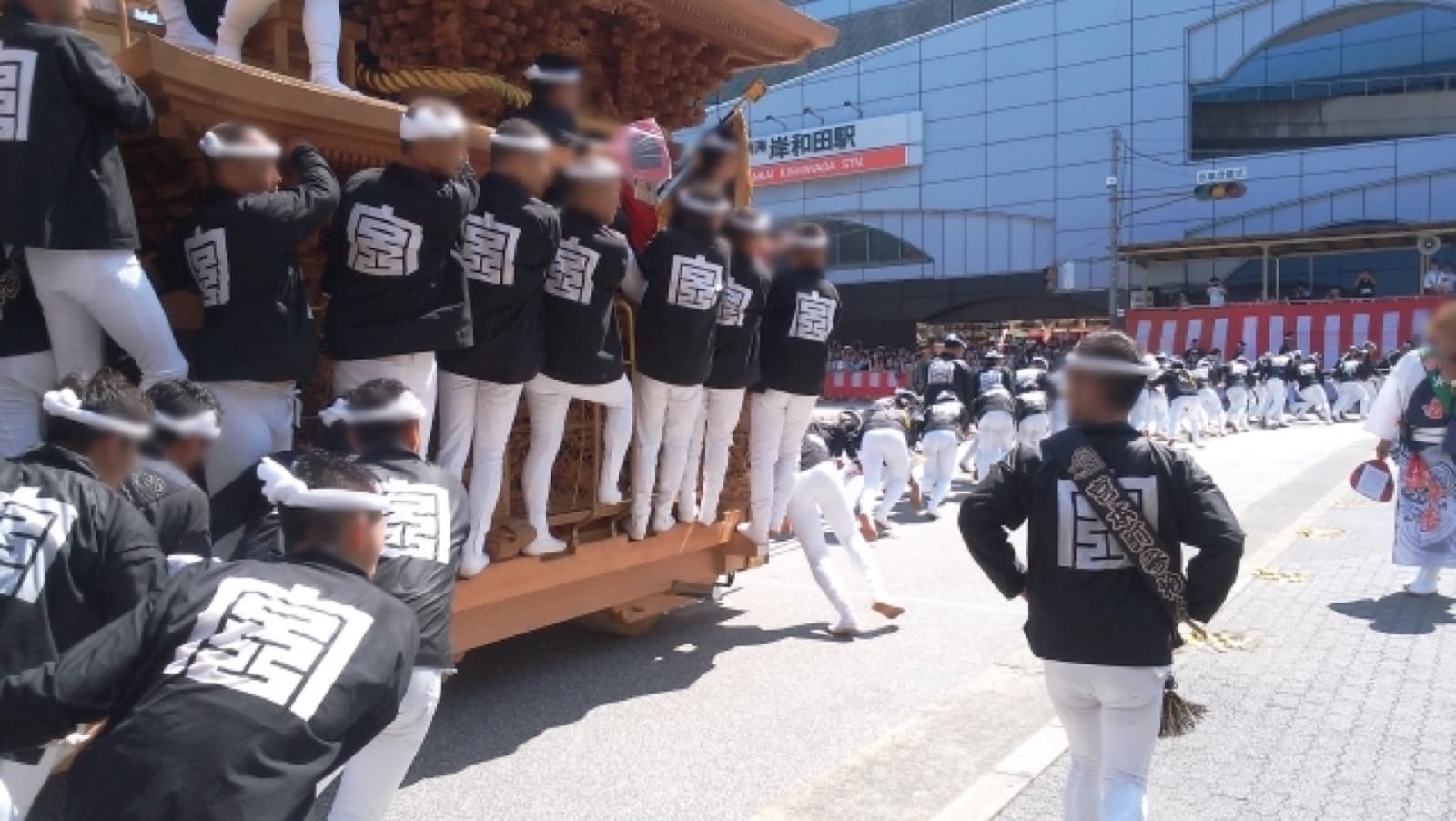
Kishiwada Danjiri Matsuri 2026: Dates, Paid Seating, and How to Fit It Into Your Japan Trip
15 min read
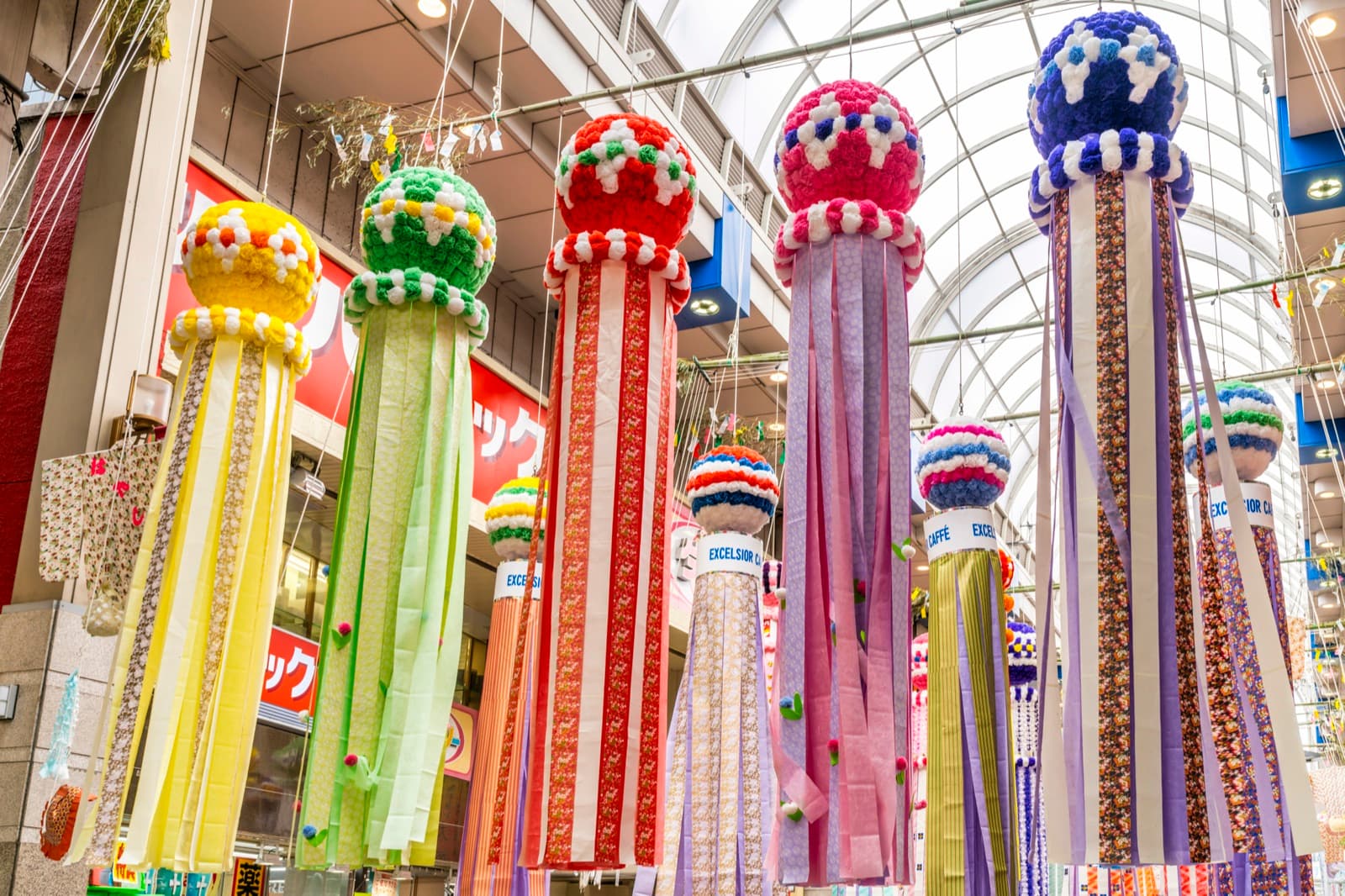
Sendai Tanabata Matsuri 2026: Dates, Logistics, and How to Fit It Into a Self-Guided Japan Trip
11 min read