
Japan in September 2026: Typhoons, Silver Week, Weather & Fewer Crowds
A practical month-by-week guide to September weather, Silver Week crowds, typhoon planning, festivals, and where to go for a self-guided Japan trip.
Japan in September 2026 is a transition month: late-summer heat at the start, more comfortable walking weather by the end, early autumn color in the north, and one major calendar wrinkle: Silver Week.
Honest take first. Japan's summers keep getting hotter year after year, and September is no longer the gentle shoulder month it used to be. Most of the country still feels like late summer, lingering heat is significant, and typhoons are a real risk. If your top priority is comfortable, easy sightseeing, September is one of the months we usually suggest avoiding. There are upsides — fewer foreign tourists than spring or peak autumn, strong festival energy, and better value if you dodge Silver Week — but you should walk in with realistic expectations rather than pictures of cool autumn evenings.
If comfort matters more than budget
Many travelers will be much happier in November, when temperatures are mild and autumn foliage peaks. The trade-off is real domestic-travel crowding — November in Japan is busy in the same way late March and early April are during cherry blossom season — but Kyoto with autumn leaves around the temples is genuinely worth it.
See our Kyoto autumn leaves 2026 guide and our Autumn in Japan 2026 guide if you have flexibility on travel dates.
Quick Answer: Japan in September 2026
If you can still pick the dates, November is the better Japan trip — milder weather and peak autumn foliage. If you are locked into September, target the last week (September 24–30): Silver Week is over, humidity is easing, and late-month weather is more bearable. Be ready for residual heat and possible typhoons.
Best Window
Sep 24-30
Busy Dates
Sep 19-23
Weather
Still hot
Main Risk
Typhoons
Japan Weather in September 2026
September splits into two different trips. Early September still feels like summer in Tokyo, Kyoto, and Osaka, with daytime highs around 27–31°C / 81–88°F and sticky humidity. Late September is noticeably easier: warm afternoons, softer light, and more comfortable evenings.
Worth noting: Japan's summers have been getting hotter year after year, and the lingering heat in September is more intense than it used to be. Recent years have repeatedly seen 30°C+ days well into mid September, especially in central Japan. Travelers who do not handle heat and humidity well should plan for genuinely tough conditions in the first half of the month rather than expect a soft autumn start.

Typical September conditions for first-time routes
| Region | Early September | Late September | Travel note |
|---|---|---|---|
| Tokyo | Hot, humid | Warm, more walkable | Good museums for rainy hours |
| Kyoto | Very hot afternoons | Better temple weather | Start early, rest midday |
| Hokkaido | Mild | Cool evenings | Best for early autumn color |
| Okinawa | Hot, storm risk | Still hot | Watch typhoon forecasts closely |
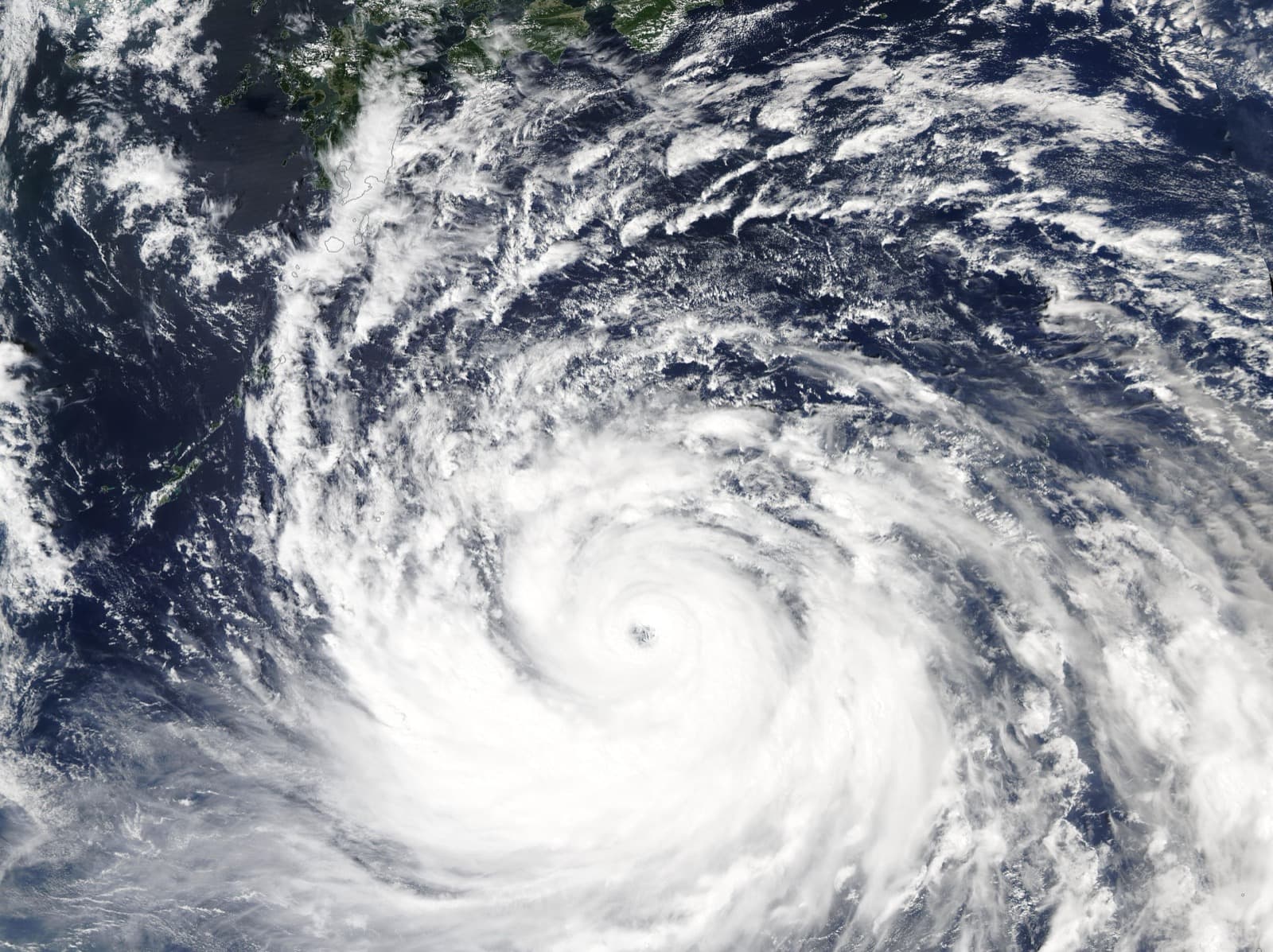
Typhoons are the main planning risk. They rarely ruin a whole trip, but they can pause trains, cancel flights, or turn an outdoor day into a hotel-and-museum day. For a deeper risk breakdown, read our Japan typhoon season 2026 guide, or the year-round pattern in our evergreen typhoon guide.
Silver Week 2026: The Dates to Plan Around
In 2026, Silver Week ran from Saturday, September 19 to Wednesday, September 23, a rare five-day domestic travel window. Kyoto hotels, Hakone ryokan, long-distance trains, and popular restaurants were busier and more expensive than the weeks around it; from September 24 they are back to normal. Full guide: Silver Week Japan 2026 — what it was, and when the next one comes.
If you want a calmer self-guided trip, avoid moving cities during those dates. Stay put in one base, book reserved seats early, and keep day trips close. If you can choose freely, travel before September 18 or after September 24.
Festivals, Sumo, and September Energy
September is not a quiet shoulder month culturally. The Aki Basho sumo tournament runs at Ryogoku Kokugikan from September 13 to 27; general sale has already opened, so check current availability rather than waiting for a release date. In Osaka, Kishiwada Danjiri Festival usually lands in mid September and brings one of Japan's most intense float-pulling events.
For a softer cultural stop, Toyama's Owara Kaze no Bon runs September 1–3 each year, with traditional dances through lantern-lit streets. Hokkaido also starts leaning into harvest season, making Sapporo a strong food-focused add-on.
Best Places to Visit in Japan in September
Tokyo
Tokyo is the easiest September base because rain plans are simple: museums, shopping streets, food halls, teamLab, sumo, and neighborhood walks between showers. It is also the best first stop if you want to monitor weather before committing to mountain or coastal plans.
Kyoto and Osaka
Go early in the morning, especially in Kyoto. Fushimi Inari, Kiyomizu-dera, and Arashiyama are much easier before the afternoon heat. Osaka is better for evenings, food, indoor shopping, and festival energy around Kishiwada.
Hokkaido
Hokkaido is the comfort pick. It is cooler, less humid, and the first region where autumn foliage appears in higher elevations. If you want a September trip that actually feels like early autumn, add Sapporo, Asahikawa, or Daisetsuzan.
Hakone and Mount Fuji
Fuji climbing season closed on September 10 this year, but the Fuji Five Lakes and Hakone remain useful for views, onsen, and a mountain break between Tokyo and Kyoto. Later September usually gives clearer skies than peak summer.
Self-Guided Routes That Fit September 2026
September is typhoon month, so the routes that fit are the ones whose weight sits inland and on the Japan Sea side — and the ones that still have September departures. All six below are on sale now.
| Route | Length | From (per person) | Why September |
|---|---|---|---|
| Alpine Routes & Cultural Japan (NT005) | 11 days | $2,800–4,000 | Matsumoto, Toyama and Kanazawa sit on the Japan Sea side, where September typhoons rarely make landfall. Departures June to November. |
| Alpine Wonders of Central Japan (NT004) | 12 days | $5,100–6,600 | Fuji, Utsukushigahara and the Hida towns in the last two months of a June–October season, before the high roads close. |
| Timeless Traditions: Kanazawa & Hida (GR003) | 12 days | $3,200–4,700 | Kanazawa, Takayama and Shirakawa-go are the legs that hold up best in a stormy month, with Kyoto and Nara after Silver Week. |
| Koyasan: Sacred Sites and Quiet Beauty (KM003) | 12 days | $3,500–5,200 | Two nights in a temple lodging on Koyasan, one of the quieter months on the mountain. Departures April to November. |
| Discover Hokkaido: Nature & Scenic Views (HD001) | 7 days | $3,700–4,300 | Sounkyo, Lake Akan and Shiretoko: Hokkaido's colour starts in the high country in mid-September, a month before Honshu. |
| Spiritual Peak Experience: Yoshino & Koyasan (KR001) | 4 days | $1,400–2,000 | A four-day add-on from Osaka with spring-to-autumn departures; the Kansai mountains are noticeably cooler than the cities. |
Interested in a tour? Click a route code above, or search for it in the top-right Search bar.
Prices are per person on a twin-share basis from our current price list and move with the departure date; departure windows are as the catalogue listed them on 22 September 2026. Ask us for an exact quote for your dates.
Price a September 2026 Trip Before You Ask for a Quote
The calculator below is the same one on our cost guide. Set the party, the length and the season, and use the button to turn the estimate into a real quote for the routes above.
Japan Trip Cost Calculator (2026)
Set your trip below — the estimate updates instantly. Yen prices are converted at a rounded ¥150 to the dollar; the market rate is about ¥157 in September 2026, which makes yen costs a few percent cheaper than shown.
Intercity is priced as point-to-point tickets unless you add the pass — on the Tokyo–Kyoto–Osaka route the pass usually costs more than the tickets.
Estimated total
$4,530
$2,265/person · $453/day · 2 travelers, 10 days
Estimate only — a mid-range guide, not a binding quote. Peak season & specific hotels shift the total.
For comparison, our self-guided routes run about $270–390 per person per day with hotels, trains, luggage delivery and 24/7 support included — the difference from a DIY estimate is the hotel class and having it all arranged.
A Simple 10-Day September Japan Itinerary
- Days 1–3: Tokyo. Adjust to jet lag, add sumo if dates match, and keep rainy-hour museum options ready.
- Day 4: Hakone or Nikko. Pick Hakone for onsen and Fuji views, Nikko for shrines and waterfalls.
- Days 5–7: Kyoto. Start temples early, rest indoors midday, then walk Gion or the Kamogawa in the evening.
- Day 8: Osaka or Nara. Use Osaka for food and nightlife, Nara for a calmer temple-and-deer day.
- Days 9–10: Hokkaido or Tokyo. Fly north for cooler air and early color, or return to Tokyo for shopping and buffer time.
During Silver Week, simplify this route. Avoid one-night hotel hops and keep your longest transfers outside September 19–23.
Should You Go in November Instead?
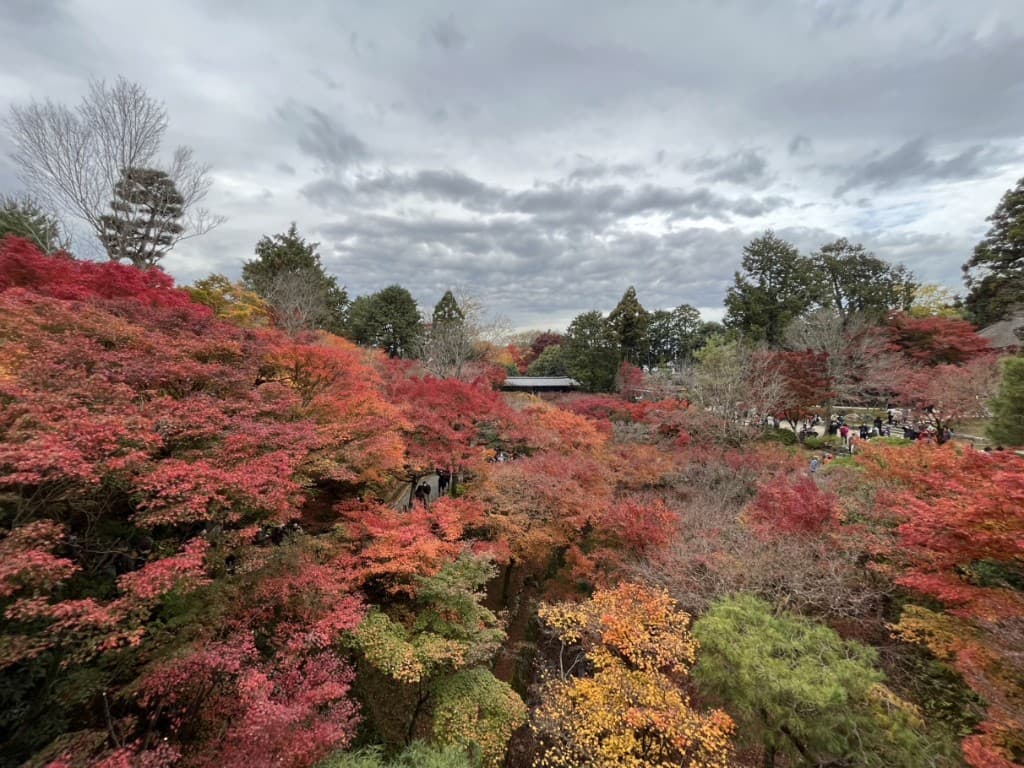
If your dates are flexible, this is worth thinking about. November is one of the most rewarding months to visit Japan: comfortable temperatures, dry weather, and peak autumn foliage across the major cities. The trade-off is that November is also when Japanese domestic travelers move — similar to the late-March to early-April cherry blossom season — so trains, hotels, and famous temple grounds get crowded. Hotel prices climb. Reserved seats sell out earlier than you would expect.
It is still, in most cases, the better Japan trip. Kyoto in particular pairs centuries-old temple architecture with red maple and golden ginkgo leaves in a way that is hard to find anywhere else. If you are choosing between a hot, typhoon-prone September trip and a crowded but visually spectacular November trip, most travelers we work with end up happier with November.
Two follow-up reads:
- Kyoto autumn leaves 2026 — peak forecast, best temples, evening light-ups, and crowd strategy.
- Autumn in Japan 2026 — national foliage timing, regional routes, and what to pack.
Common September Mistakes
- Packing for autumn too early. The first half of September can still feel like August.
- Booking late for Silver Week. Hotels and reserved trains tighten quickly.
- Expecting Kyoto maple leaves. September is too early for peak foliage in Kyoto or Tokyo.
- Ignoring typhoon flexibility. Keep one or two movable days in your route.
- Trying to do everything outdoors. Every city day needs an indoor fallback.
If September Does Not Fit: What the Rest of Autumn Looks Like
Not sure which month suits you? Our guide to the seasons in Japan lines up all twelve months side by side — weather, crowds, prices and what is in bloom.
September is a transitional month and it does not suit everyone. It is still hot in the first half, typhoon risk peaks, and Silver Week concentrates domestic crowds into one week. If any of that is a dealbreaker, October and November solve most of it — and they are the two months experienced repeat visitors most often pick.
- October — the heat has gone, typhoon risk drops off through the month, and the first autumn colour arrives in Hokkaido and the northern Alps. See Japan in October 2026.
- November — the peak autumn colour month for Kyoto, Tokyo and most of Honshu, and the driest month of the year. See Japan in November 2026, and time your trip with the autumn leaves forecast.
- Still deciding? Best time to visit Japan compares every month on weather, crowds and cost, and how much a trip to Japan costs shows how much the month you pick changes the total.
Planning a trip to Japan in late summer or early autumn? Get in touch through Plan My Trip on our self-guided tours site, and we'll suggest the tours that best fit your dates and plans.
FAQ: Japan in September 2026
Is September a good time to visit Japan?
It depends on your priorities. If comfortable sightseeing matters most, September is one of the months we usually suggest avoiding — Japan's summers have been getting hotter, lingering heat in September is significant, and typhoons can disrupt plans. If you want fewer foreign tourists and stronger value, late September can still work. If flexibility allows, November is usually the better trip even with heavier domestic crowds.
Should I go in September or November?
For most travelers, November. Temperatures are mild, weather is dry, and autumn foliage peaks across the country — Kyoto temples surrounded by red maples are a particular highlight. The trade-off is that November is busy with Japanese domestic travel (similar to cherry blossom season), so book hotels and reserved seats early. Choose September only if you cannot move your dates or want a quieter foreign-tourist month.
What is the weather like in Japan in September 2026?
Tokyo, Kyoto, and Osaka are hot and humid early in the month, then warmer and more comfortable by late September. Hokkaido is cooler and can show early autumn color in high elevations.
Should I avoid Silver Week 2026?
Avoid September 19–23 if you want cheaper hotels and quieter trains. If you travel then, book accommodation and reserved seats early and avoid long transfers on peak dates.
Are typhoons dangerous for tourists?
They are usually disruptive rather than dangerous if you follow official warnings. Expect possible train pauses, flight changes, and indoor days. Monitor JMA and NHK World.
Can I see autumn foliage in September?
Yes, but mostly in Hokkaido and high mountain areas. Tokyo and Kyoto usually peak much later, from late November into early December.
Related Articles
Seasons in Japan: What Season It Is Right Now, Month-by-Month Weather & the Best Time for Each Trip
16 min read
Japan Typhoon September 2026: A Traveler's Guide to Planning Around the Storms
15 min read
Japan in October 2026: A Practical Self-Guided Traveler's Guide
14 min read