
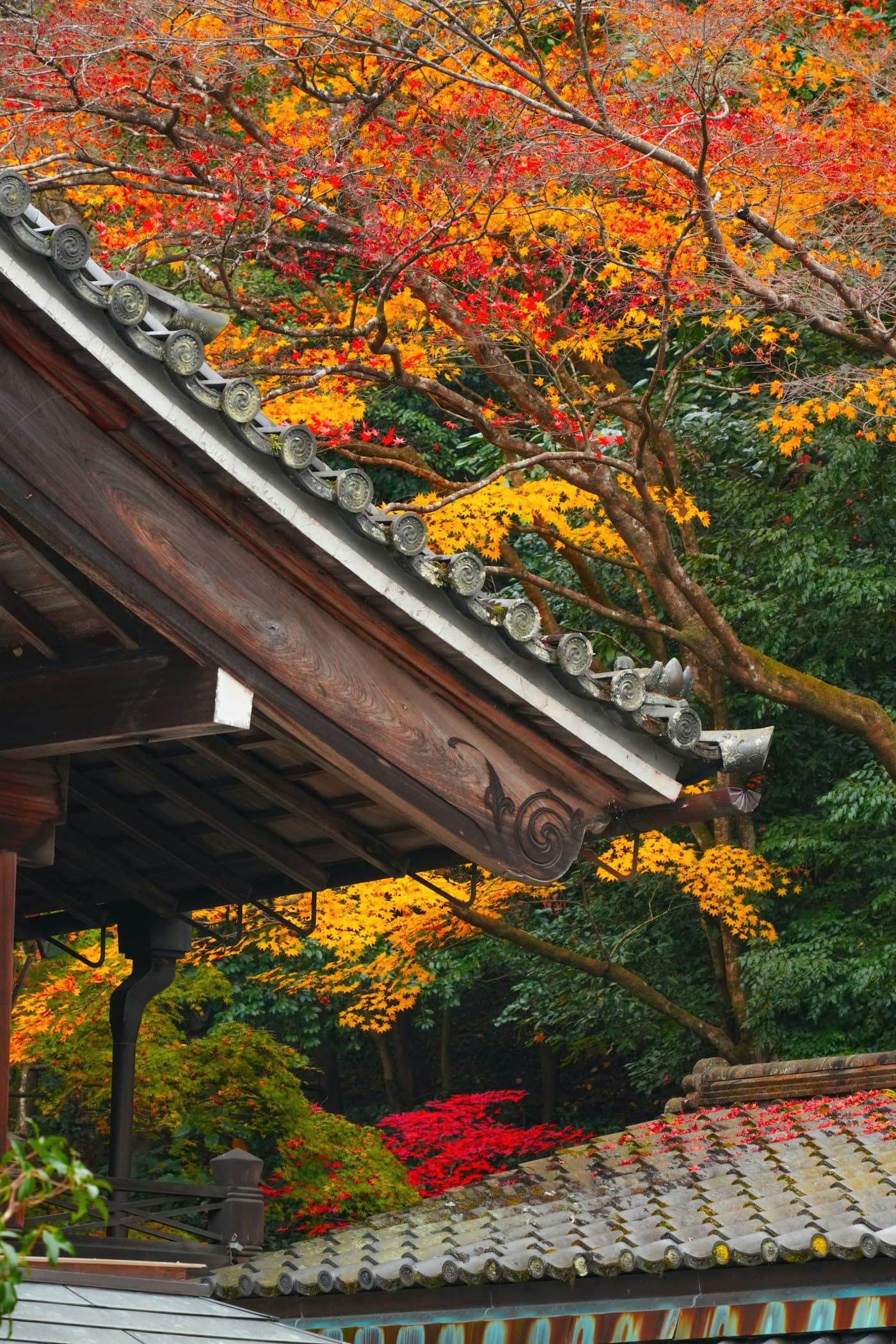
Kyoto Autumn Leaves 2026: Peak Forecast, Best Temples & Crowd Strategy
When Kyoto fall foliage should peak in 2026, where to see the best maple leaves, and how to plan a self-guided route without getting trapped in the worst crowds.
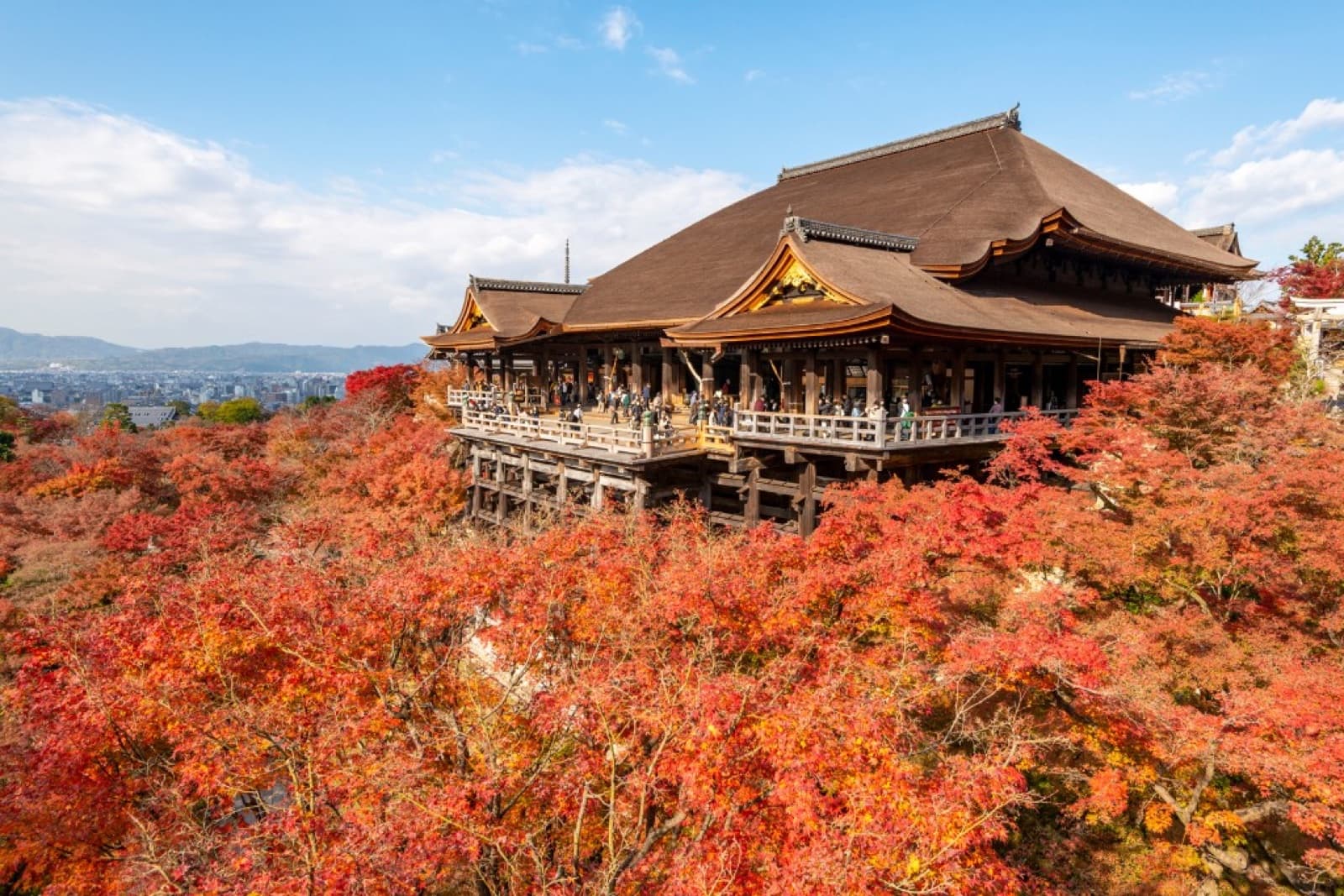
Kyoto autumn leaves in 2026 are all about timing. Arrive too early and the temples are still green. Arrive at the right moment and the city becomes a map of red maple leaves, gold ginkgo trees, night illuminations, and mountain-backed gardens.
Quick Answer: Kyoto Autumn Leaves 2026
JMC's second 2026 forecast (October 1) puts Kyoto's peak from December 11 — six days behind its average, still inside JMC's average band — so plan on December 8–21 for central Kyoto's temple gardens. Next forecast update: early November.
Early Color
Kibune, Ohara
Peak Window
Dec 8–21 (JMC: from Dec 11)
Best Light-Up
Eikando
Crowd Rule
Start at dawn
Kyoto Fall Foliage 2026 Forecast
If Kyoto hotels are full or double the price, base in Osaka — it is 28 minutes away on the JR Special Rapid, as our Kyoto to Osaka guide explains.
Kyoto usually peaks from late November into early December, and 2026 is running a few days behind: the Japan Meteorological Corporation's second 2026 forecast, released October 1, puts Kyoto's peak at December 11 — six days behind the December 5 average, though still inside what JMC classes as "average". That is why this guide recommends anchoring your trip on December 8–21 rather than the last week of November, and keeping a day or two flexible for the early-November JMC update. For the national picture see our Japan autumn leaves forecast 2026.
Practical timing by area
| Timing | Best Areas | What to Expect |
|---|---|---|
| Early November | Kibune, Ohara, mountain temples | Early color, central Kyoto still green |
| Mid November | Northern Kyoto, Arashiyama hills | Mixed green, gold, and red |
| Late November | Tofukuji, Eikando, Higashiyama | Classic peak season crowds |
| Early December | Central Kyoto, Uji, Nara | Colour building toward the 2026 peak; safe from Dec 8 |
| Mid December | Central Kyoto, Uji, Nara | Peak in 2026 (JMC: from Dec 11) |
For a national overview, use this article together with our Autumn in Japan 2026 guide. Kyoto should come near the end of a route that starts in Tokyo, Nikko, Lake Kawaguchi, or the Japanese Alps.
Best Places to See Autumn Leaves in Kyoto
Tofukuji Temple
Tofukuji is the classic Kyoto maple crush. The Tsutenkyo Bridge looks over a valley of maples and gets extremely crowded at peak. Go before opening on a weekday, then leave before tour groups arrive. During the autumn season, special entry rules and higher fees often apply around the bridge and Kaisando Hall.
Eikando Temple
Eikando is the best all-around choice for an evening light-up. The pond, hojo garden, and maple-covered slopes photograph beautifully after dark. Do a daytime temple elsewhere, then reserve your energy for Eikando at night.
Arashiyama and the Sagano Romantic Train
Arashiyama combines river scenery, Tenryuji, the bamboo grove, the Togetsukyo Bridge, and the Sagano Romantic Train. The open-air car is popular during foliage season, so book early if you care about that seat. Skip midday weekends if crowds bother you.
Kibune, Kurama, and Ohara
Northern Kyoto turns earlier than the city center. Kibune Shrine and Ohara are useful if your trip falls in early or mid November. They are slower to reach, but that distance filters out some casual crowds.
At Sanzen-in in Ohara, the contrast between vivid red maples and the surrounding moss garden is a sight unique to this temple. The precincts are also dotted with charming Warabe-jizo (small child-like stone statues), so keep an eye out for them as you wander the grounds.
Kyoto Imperial Palace and Ginkgo Trees
Not every autumn walk needs a famous maple temple. Kyoto Imperial Palace is free, spacious, and strong for yellow ginkgo trees. It works well as a calmer morning before a heavier Higashiyama afternoon.
Day Trips from Kyoto for Fall Foliage
Uji and Nara are the easiest day trips. Uji often holds color later than central Kyoto and pairs Byodoin with matcha cafes. Nara gives you deer, temple grounds, and wider park spaces that feel less compressed than Kyoto's peak-season lanes.
If your broader route allows it, Lake Kawaguchi, Nikko, and the Japanese Alps should come earlier in the trip, then Kyoto should close the foliage chase. That follows the color front naturally.
A 4-Day Self-Guided Kyoto Autumn Route
- Day 1: Eastern Kyoto. Kiyomizu-dera at opening, Sannenzaka and Ninenzaka, Kodaiji or Konkai Komyoji in the evening.
- Day 2: Tofukuji and Fushimi Inari. Start with Tofukuji before crowds, then take the train one stop to Inari.
- Day 3: Arashiyama. Sagano Romantic Train, Tenryuji, river walk, and a late-afternoon return before buses jam.
- Day 4: Eikando and Philosopher's Path. Walk Nanzenji and the Philosopher's Path by day, then return for Eikando light-up.
How to Avoid the Worst Crowds
- Start before 8:30 a.m. The first hour matters more than the perfect temple list.
- Limit famous spots. Two major temples per day is enough during peak foliage.
- Use trains over buses. Buses to Arashiyama and Higashiyama crawl in late November.
- Book hotels early. Good Kyoto locations disappear months ahead for late November and early December.
- Mix famous and quiet. Pair Tofukuji or Eikando with Enkoji, Sanzen-in, Uji, or Nara.
Common Kyoto Autumn Mistakes
The biggest mistake is arriving in early October and expecting red maples. That is too early for Kyoto. The second is planning a temple marathon on a weekend. Peak foliage slows everything down: buses, narrow lanes, ticket lines, and restaurant waits.
The fix is simple: pick a realistic date window, reserve hotels early, make mornings count, and leave room to adjust once live foliage reports start updating in autumn.
When Kyoto's Maples Drop: The City in Winter
Kyoto's colour usually finishes in the first days of December — in 2026, with JMC's peak from December 11, expect it to hold into the third week of December — and when it goes, the change in the city is dramatic. The coach parties leave, temple queues shorten to nothing (our Kyoto guide has the winter opening hours), and accommodation that was impossible in late November becomes both available and cheap. For a lot of travellers Kyoto in January is a better trip than Kyoto in November — it is simply a different one.
- Snow on the temples. Kinkaku-ji under snow is the image everyone wants, and it happens a handful of mornings each winter. winter in Japan covers what to expect and when.
- Illuminations take over from foliage. Kyoto's temple light-ups end with the leaves, but nationwide winter illuminations run right through to spring. See also Japan in December.
- New Year. Kyoto's shrines are at their busiest of the entire year for hatsumode, and much of the city closes for several days. Plan around it with Japanese New Year 2027.
Coming back for the colour in a future year? Kyoto's peak has landed between late November and early December for most of the past decade (JMC's long-run average is December 5), but it moves — the autumn leaves forecast tracks it as the season approaches.
Self-Guided Routes for the 2026 Autumn Colour Season
The colour moves south for six weeks — Hokkaido in early October, the Japan Alps and Takayama in late October, Kyoto and Nara in the second half of November. These are the routes we run that follow it, with the month each one is built for.
| Route | Length | From (per person) | Why this autumn |
|---|---|---|---|
| Discover Hokkaido: Nature & Scenic Views (HD001) | 7 days | $3,700–4,300 | Sounkyo Gorge, Lake Akan and Shiretoko peak in early to mid October — the first colour of the season. |
| Scenic Southern Hokkaido Escape (HD002) | 7 days | $2,200–2,700 | Sapporo, Lake Toya and Hakodate in October, at the lowest price here. |
| Spirit of Tradition: Shirakawa-go & Cultural Japan (GR009) | 14 days | $4,100–5,900 | Takayama for its Autumn Festival (9–10 October), Shirakawa-go in late October, Kyoto and Nara in November. |
| Japan Highlights & World Heritage (GR002) | 12 days | $3,300–4,800 | Kyoto and Nara at peak colour in the second half of November. |
| Cultural Essence: Kyoto & Kanazawa Short Escape (GR006) | 12 days | $2,800–4,200 | Kenrokuen and Kyoto within the same fortnight; the lowest-priced twelve-day route we run. |
| Koyasan: Sacred Sites and Quiet Beauty (KM003) | 12 days | $3,500–5,200 | Koyasan’s maples turn in early November. Departures run April to November. |
| Hot Springs & Highlights: Kinosaki & Gero (HS002) | 14 days | $4,300–5,700 | Kinosaki’s crab season opens on 7 November — colour by day, crab and the outdoor baths by night. |
Interested in a tour? Click the route name above, or search by route code in the top-right Search bar.
For the month itself, see Japan in October 2026 and Japan in November 2026; for the beds that sell out first in colour season, where to stay in Kyoto names the hotels our routes actually book.
Prices are per person on a twin-share basis from our current price list and move with the departure date; departure windows are as the catalogue listed them on 22 September 2026. Ask us for an exact quote for your dates.
Japan Trip Cost Calculator (2026)
Set your trip below — the estimate updates instantly. Yen prices are converted at a rounded ¥150 to the dollar; the market rate is about ¥157 in September 2026, which makes yen costs a few percent cheaper than shown.
Intercity is priced as point-to-point tickets unless you add the pass — on the Tokyo–Kyoto–Osaka route the pass usually costs more than the tickets.
Estimated total
$4,530
$2,265/person · $453/day · 2 travelers, 10 days
Estimate only — a mid-range guide, not a binding quote. Peak season & specific hotels shift the total.
For comparison, our self-guided routes run about $270–390 per person per day with hotels, trains, luggage delivery and 24/7 support included — the difference from a DIY estimate is the hotel class and having it all arranged.
Planning an autumn trip to Kyoto, when hotels and trains fill up early? Get in touch through Plan My Trip on our self-guided tours site, and we'll suggest the tours that best fit your dates and plans.
FAQ: Kyoto Autumn Leaves 2026
When will Kyoto autumn leaves peak in 2026?
JMC's second 2026 forecast (October 1) puts Kyoto's peak from December 11, six days behind the December 5 average but still inside JMC's average band. Plan for December 8–21; the next JMC update is due in early November.
Is early October too early for Kyoto fall foliage?
Yes. Early October is too early for Kyoto maples. Choose Hokkaido, Tohoku, Nikko, or the Japanese Alps if you travel that early.
Where should I go for Kyoto evening illuminations?
Eikando is the best first choice. Kodaiji, Daigoji, and Konkai Komyoji are also good depending on your route and crowd tolerance.
How many days do I need for Kyoto autumn leaves?
Three to four days is ideal. That gives you eastern Kyoto, Tofukuji/Fushimi Inari, Arashiyama, and one northern or evening-light-up day.
Can I still see color in mid December?
In 2026, yes: JMC's second forecast puts central Kyoto's peak at December 11, so mid-December is peak rather than aftermath. Uji, Nara and sheltered temple gardens hold colour later still.
Peak-foliage timing per the Japan Meteorological Corporation (n-kishou.com) second 2026 koyo forecast, published October 1, 2026 (Kyoto peak from December 11; next update early November); temple hours, fees and light-up schedules per the respective official sites — confirm current-year details before booking non-refundable travel. Last updated: October 3, 2026.
Related Articles
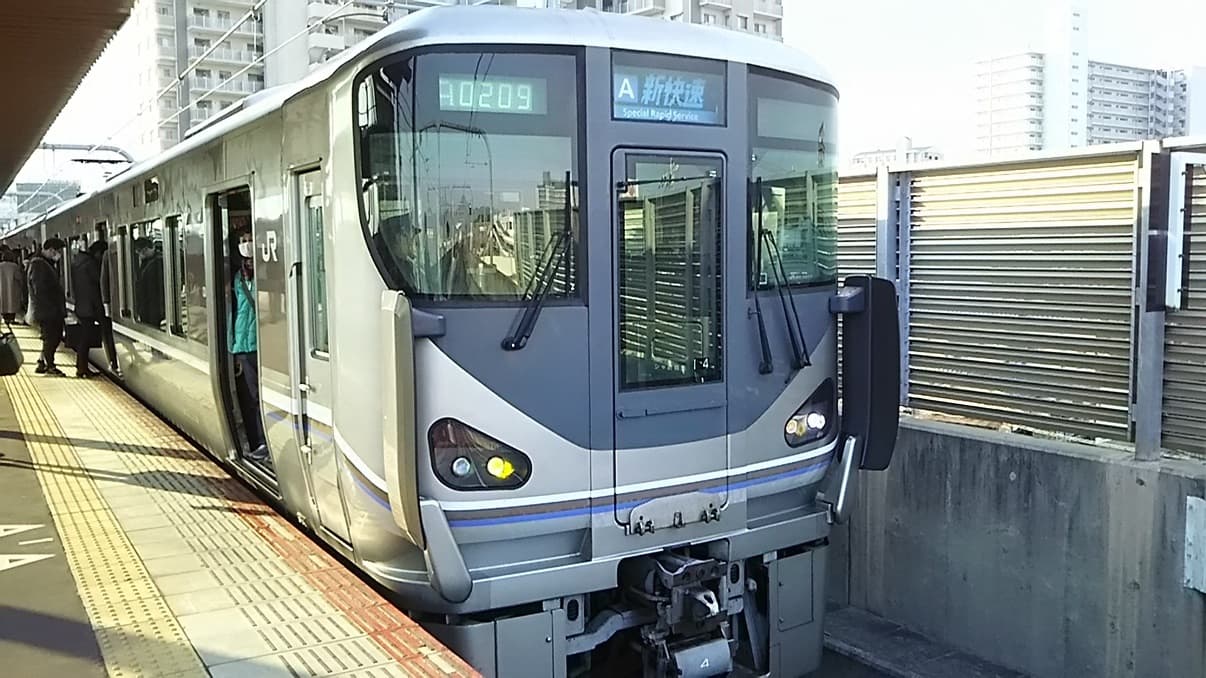
Kyoto to Osaka: The Practical Guide for Self-Guided Travelers
13 min read
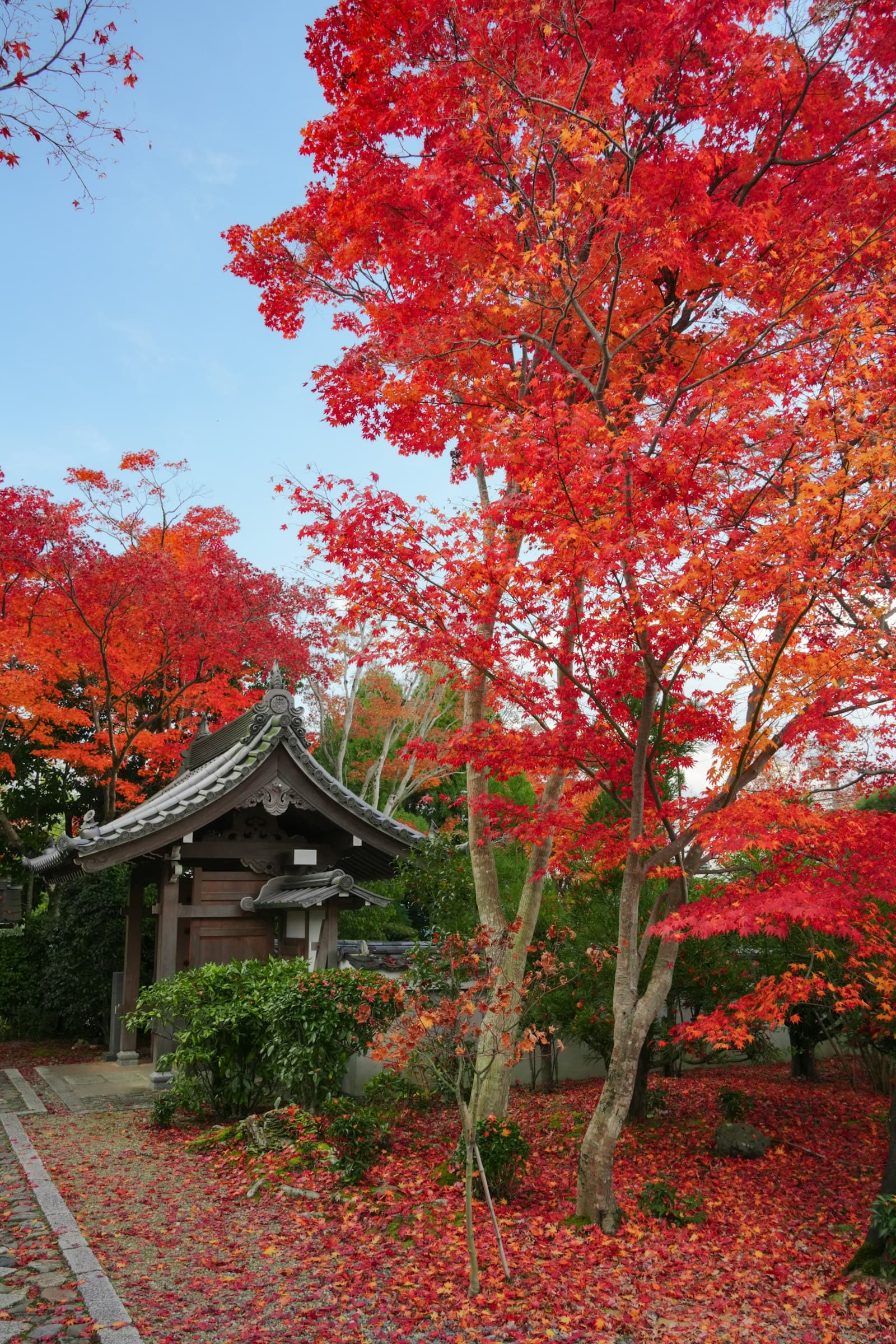
Japan Autumn Leaves Forecast 2026: Latest Dates City by City, and Where the Colors Are Now
14 min read
Kyoto Autumn Illuminations 2026: A Practical Night-Viewing Guide for Self-Guided Travelers
15 min read