 写真提供:清水寺
Kyoto Autumn Illuminations 2026: A Practical Night-Viewing Guide for Self-Guided Travelers
The best temple light-ups run late October through mid-December, peaking mid-November to early December. Here are the venues worth prioritising, the dates and prices, and how to stitch them into a real Kyoto itinerary without burning out by day three.
If you're planning a trip around the Kyoto autumn illuminations 2026, here's the short answer: the best temple light-ups run roughly from late October through mid-December, with the sweet spot for peak red maples falling between mid-November and early December. Most events open around sunset, close by 21:30, and charge a separate evening admission on top of any daytime ticket. A few require advance reservations. Most don't.
This guide is built for independent travellers. No tour bus, no group of 40 — just you, a subway pass and a plan. Below you'll find the temples worth prioritising, the ones to skip if you hate crowds, which nights work best, and how to actually stitch this into a real Kyoto itinerary. For daytime foliage and peak-timing detail, pair this with our Kyoto autumn leaves 2026 guide and the national Japan autumn leaves forecast 2026.
🏮 Quick Answer: Kyoto Koyo Light Up 2026
Light-ups run late October to mid-December, peaking mid-November to early December. Two 2026 schedules are already published: Kiyomizu-dera November 21–30 and Nijo Castle (NAKED) October 23 – December 5. Most temples open at sunset and close by 21:30, with walk-up ticketing. Target two venues per night, not five — and go on a weekday.
🍁 Peak
Mid-Nov – early Dec
🕕 Hours
Sunset – ~21:30
🎟️ Tickets
Mostly walk-up
🌡️ Nights
~5–8°C, layer up
Why Night Light-Ups Are Worth Building a Trip Around
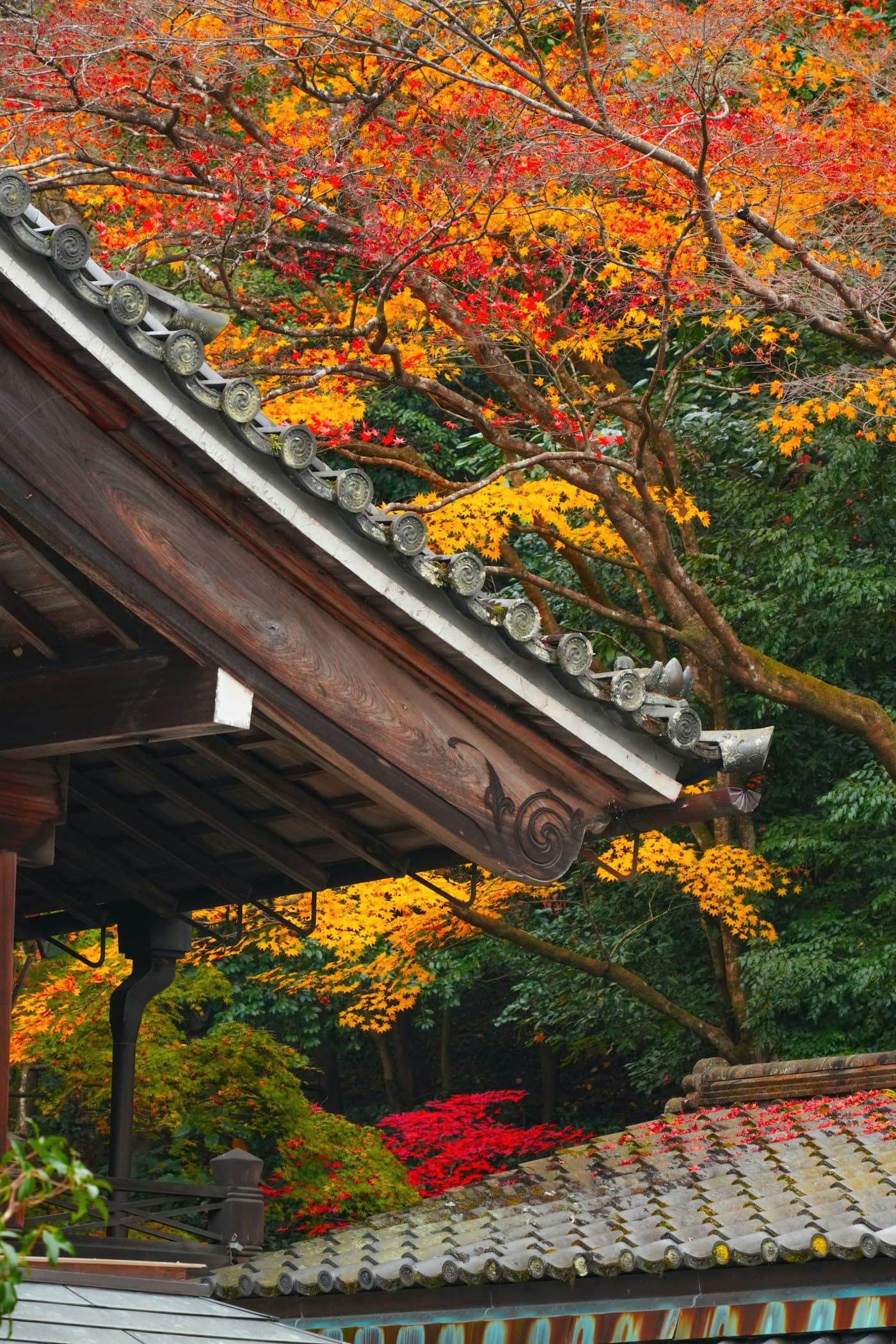
Kyoto's daytime foliage is stunning. Its nighttime foliage is something else. Once the sun drops, spotlights hit the maples from below, ponds turn into mirrors, and the crowds thin at some (but not all) venues. The illumination season lines up almost perfectly with the peak of the Kyoto autumn foliage window — that's not a coincidence. Temples time their lighting to catch the reds at their most saturated, usually between mid-November and early December for central and eastern Kyoto.
Honestly, if you've only seen Kyoto in spring with cherry blossoms, the autumn version at night hits differently. Fewer selfie sticks. Cooler air. More atmosphere.
When to Go: Timing the Peak of Kyoto Fall Foliage
Peak colour shifts a little each year based on the temperature difference between day and night. Cold nights speed up the change; warm autumns push everything later. The best time to see the brilliant gold and crimson leaves in Kyoto is generally between early November and early December. Northern spots like Kifune and Ohara colour first; central Kyoto and southern temples like Tofuku-ji and Toji hit their peak later, often bleeding into early December.
🍂 Rough peak windows by area
| Area | Peak window |
|---|---|
| Northern Kyoto (Kifune, Ohara, Kurama) | Early to mid November |
| Eastern Kyoto (Higashiyama, Nanzen-ji, Eikan-do) | Mid to late November |
| Southern Kyoto (Tofuku-ji, Toji, Daigo-ji) | Late November to early December |
| Arashiyama & western venues | Mid to late November |
💡 If your window is flexible, aim for late November. If you can only travel in early November, focus on higher-elevation venues in the north.
The Best Kyoto Koyo Light Up 2026 Venues
Dates for 2026 will be confirmed by each temple closer to autumn, but the annual pattern is consistent. The table below uses 2025 dates, hours and prices as your reference point (plus Kiyomizu-dera's already-published 2026 window); confirm each on the official site before you build your nights around it.
🏮 Kyoto autumn illuminations — reference dates & prices
| Venue | Dates | Hours (last entry) | Admission |
|---|---|---|---|
| Kiyomizu-dera | Nov 21–30, 2026 | until 21:30 (21:00) | Normal admission |
| Kodai-ji | Oct 24 – Dec 14 (2025) | 17:00–22:00 (21:30) | ¥600 |
| Eikan-do (Zenrin-ji) | Nov 15 – Dec 10 (2025) | 17:30–21:00 (20:30) | ¥700 |
| Toji | Nov 1 – Dec 14 (2025) | 18:00–21:30 (21:00) | ¥1,000 / ¥500 child |
| Kitano Tenmangu | Nov 1 – Dec 7 (2025) | sunset–20:00 (19:40) | ¥1,200 (incl. tea & sweets) |
| Nijo Castle (NAKED) | Oct 23 – Dec 5, 2026 | 18:00–22:00 (21:00) | Online, ¥1,600–2,400 |
| Kifune / Eizan Maple Tunnel | Nov 7–24 (2025) | dusk–21:00 | Free (train fare) |
| Daigo-ji | Nov 22 – Dec 7 (2025) | evening viewing | Separate ticket |
| Chion-in | Nov 19 – Dec 7 (2025) | 17:30–21:30 (21:00) | ¥800 |
💡 Dates and prices are 2025 reference figures unless marked 2026. Always confirm on each temple's official site before booking travel around a specific night.
Kiyomizu-dera Temple
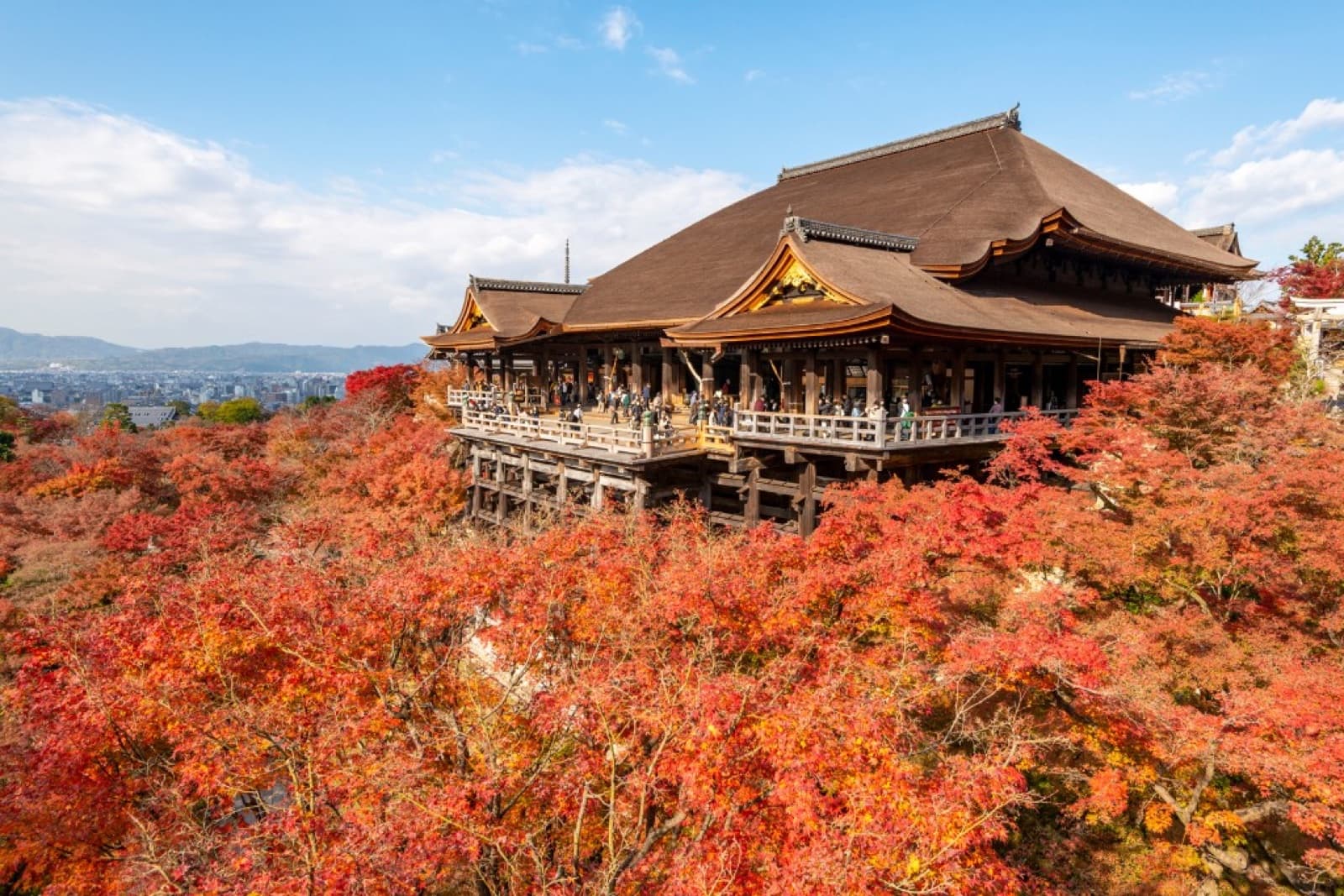
The postcard shot. A single beam of blue light rises from the temple, and the wooden main hall sits amid a sea of lit maples. The autumn edition is scheduled November 21–30, 2026, open until 9:30 p.m. (last entry 9:00 p.m.) — a shorter window than usual, so book accommodation early. No reservation or special ticket is required; just pay the normal admission and queue. Bus stops Gojo-zaka or Kiyomizu-michi put you about ten minutes on foot from the main gate, up a slow, shop-lined slope. It's crowded, but walking under illuminated maple leaves at night is a genuinely different experience from the daytime version.
Kodai-ji Temple
Ten minutes' walk from Kiyomizu-dera via the Ninenzaka and Sannenzaka lanes, so you can pair them in one night. Kodai-ji runs one of the longer light-up seasons in the city — in 2025, October 24 to December 14, daily 17:00–22:00 (last entry 21:30), entrance ¥600. Karyochi Pond inside the compound reflects the foliage like a mirror; it's hypnotic enough to lose track of time.
Eikan-do (Zenrin-ji)
Called "Eikan-do of the maples" for good reason — around 3,000 maple trees across the grounds, and the reflection of red leaves in Hoshoike Pond is the money shot. Autumn illuminations ran November 15 to December 10 (2025), 17:30–21:00 (last entry 20:30), ¥700. Get there early in the evening slot; the queue swells hard by 19:00.
Toji Temple
If you want a five-story pagoda — the tallest wooden tower in Japan — silhouetted against autumn leaves, this is the venue, and one of the most accessible on the list. In 2025 the illumination ran November 1 to December 14, 6 p.m.–9:30 p.m. (last entry 9 p.m.), ¥1,000 adults / ¥500 children. The pagoda, main hall and auditorium are lit, reflected in the gourd pond. Walk from JR Kyoto Station in about fifteen minutes, or five from Toji Station on the Kintetsu line — an easy add-on to your arrival day.
Nijo Castle (NAKED Meets Nijo Castle)
Not a temple, but the biggest illumination-style event in the city — and the 2026 dates are confirmed. NAKED meets Nijo Castle 2026 runs 23 October to 5 December 2026, with no closed days, 18:00–22:00 (last admission 21:00). Projection mapping lights the Kara-mon gate and the Ninomaru Palace paintings.
This year has a hook the other venues don't: 2026 marks 400 years since the Kan'ei Gyoko, the imperial visit of 1626 that was the largest cultural event ever staged at the castle, and the edition is built around it.
Book online in advance, and go on a weekday if you can — pricing is tiered by day of week. Adult (high-school age and up) tickets run ¥1,600 Mon–Thu / ¥2,000 Fri–Sun and holidays at the early-bird rate, rising to ¥2,000 / ¥2,400 once early-bird sells through. Access is dead easy: Nijojo-mae on the Tozai subway line.
Kifune Shrine & the Eizan Railway Maple Tunnel
Northern Kyoto's headline event. In 2025 the illumination ran November 7 to 24, and along the "Maple Tunnel" between Ichihara and Ninose stations on the Eizan Electric Railway you can watch lit autumn leaves from the train window until 9:00 p.m. The Kifune-jinja approach — stone steps lined with lit lanterns — is arguably the single most atmospheric photograph you can take in Kyoto in autumn. It takes about an hour from the centre (Keihan to Demachiyanagi, Eizan to Kibuneguchi, then a short bus or walk). Go on a weekday; weekends are savage.
Ruriko-in Temple
Way up in Yase, famous for the shot of red maples reflected onto a polished black lacquer table. Note: this is a daytime special viewing, not an evening light-up, and reservations may be required during the autumn period — so most travellers combine it with a Kifune evening on the same north-Kyoto day.
Also Worth a Night
- Daigo-ji (Fushimi) — a UNESCO site with a thousand-year-old pagoda; 2025 evening viewing ran Nov 22–Dec 7. Pair it with Fushimi Inari by day.
- Kitano Tenmangu — the Momiji Garden along the Kamiyagawa River; a good west-side evening if you're staying near Nijo.
- Chion-in — the massive Sanmon gate lit up; pairs with a Higashiyama walk (Kodai-ji → Kiyomizu-dera → Chion-in).
- Tofuku-ji — the Tsutenkyo Bridge view is Kyoto's most photographed daytime foliage; its evening "Zen Night" opening is limited, so check the official page.
- Rurikoin — the polished-table reflection shot, though see the note above: it is a daytime special viewing, not an evening light-up.
- Not this year: LIGHT CYCLES KYOTO. The immersive light-and-sound installation in the Kyoto Botanical Garden conservatory closed permanently on 31 March 2026, so ignore any guide still listing it. If you want a non-temple evening as a break from the queues, Nijo Castle's projection-mapped light-up is the closest equivalent in scale.
- Myokaku-ji — a quieter special autumn opening near the Imperial Palace, with a fraction of Kiyomizu's crowds.
The Kyoto Imperial Palace grounds are worth a daytime walk for the wide lawns and ginkgo trees, but they don't host a major autumn illumination — Nijo Castle is the palace-scale equivalent after dark.
Building a Real Self-Guided Itinerary
Here's a workable four-night skeleton. Adjust based on your arrival dates — and remember, two light-ups a night is the target, not five.
🗓️ Four nights, paced by area
| Day | Daytime | Evening light-up |
|---|---|---|
| 1 — Arrival | Settle in near Kyoto Station | Toji five-story pagoda before dinner |
| 2 — Higashiyama | Fushimi Inari, Higashiyama lanes | Kodai-ji (17:30) → walk up to Kiyomizu-dera by 20:00 |
| 3 — Northern Kyoto | Ruriko-in (reserve ahead), Kibune village | Kifune shrine + Eizan Maple Tunnel back through the dark |
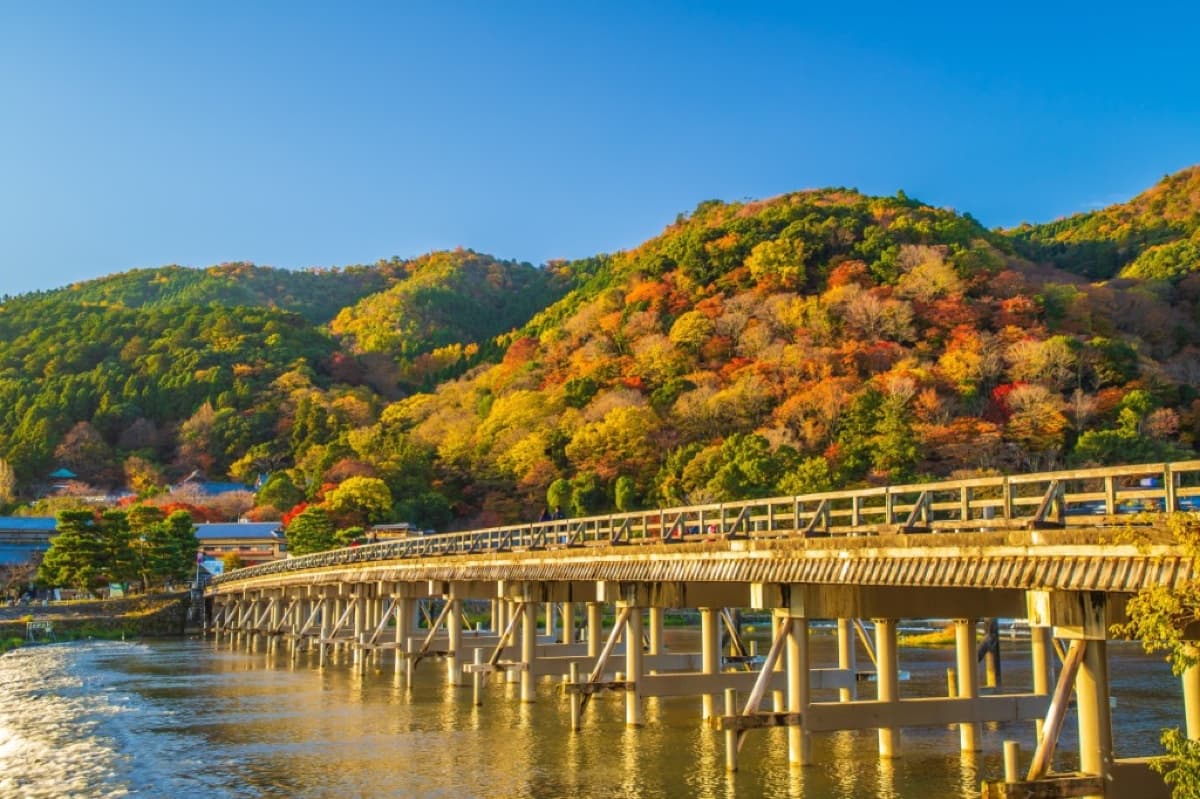
| 4 — Central + West | Nijo by day, Arashiyama & Togetsukyo Bridge | NAKED at Nijo Castle, or Kitano Tenmangu for traditional |
| 5 — Southern / departure | Half-day at Daigo-ji or Tofuku-ji | Shinkansen onward |
💡 Skip the JR Pass for a Kyoto-only leg — a subway-and-bus day pass saves more.
How to Book, and When
Most temple night light-ups sell tickets at the door. A handful need advance booking:
- Nijo Castle NAKED: book online, cheaper on weekdays.
- Ruriko-in: advance reservation may apply during autumn special viewings.
- Tofuku-ji special evening viewings: advance reservations, often through the temple's own site.
- Kiyomizu-dera, Kodai-ji, Eikan-do, Toji, Daigo-ji, Kifune, Chion-in: walk-up ticketing at the entrance in past years.
Book hotels three to six months out for a peak-week trip. Late-November weekends in Kyoto sell out fast — and always check that opening times haven't changed due to weather.
💬 From our Japan travel team
During foliage season, visitors from Japan and abroad pour into Kyoto — which can make hotels and trains genuinely hard to book. If you hit that wall, talk to us: our self-guided tours handle the accommodation and rail logistics for you. And remember, the temple-and-maple night light-ups only happen at this time of year, so it's well worth planning your trip around them.
Common Mistakes That Ruin the Experience
- Trying to hit five light-ups in one night. Two is a good target. Three is aggressive. Four means you're rushing past famous spots without seeing them.
- Ignoring the temperature. Days can hit 15°C, but a night at Kifune drops to single digits. Bring layers.
- Arriving right at opening. The Kiyomizu-dera queue at 17:30 is brutal — come about an hour before closing to cut the wait.
- Underestimating the walk. Higashiyama's lanes are steep, uneven and dimly lit after dark. Sensible shoes only.
- Booking Kyoto only for the weekend. Kyoto is a domestic weekend-trip city too — weekday nights are noticeably calmer.
- Skipping food logistics. Restaurants near light-up temples fill up. Reserve dinner, or eat before 17:30.
Winter vs Other Seasons: Is Autumn Really the Best?
- Spring (late March – early April): cherry trees dominate, Kiyomizu-dera and Nijo run light-ups again, similar crowds.
- Summer (June–August): green maples, fewer light-ups, rainy season in June, sticky nights.
- Golden Week (early May): great weather, but Japan's biggest domestic travel spike and peak prices.
- Autumn (November): red and gold foliage, cool nights around 5–8°C, and the widest range of illumination options.
- Winter (December–February): bare trees, occasional snow, quieter city, cheaper hotels.
For Kyoto autumn leaves, nothing beats the mid-November to early-December window. Our autumn in Japan 2026 guide has the wider seasonal picture, and Japan in November 2026 covers the month in detail.
Tools & Photography Tips
- Japan Guide's autumn color reports — updated several times a week during foliage season with real photos.
- ICOCA or Suica IC card — works on the subway, city buses, Keihan and Eizan lines.
- Weathernews foliage forecast — Japanese only, but the maps are readable.
- Klook or the temple's own site — for NAKED-style events that need advance tickets.
For photos: bring a small tripod if you're serious (check the sign at the entrance — most temples permit them, not all). Shoot pond reflections at Eikan-do and Kodai-ji from a low angle; Toji's pagoda looks strongest from the far side of Hyotan Pond; the lantern-lined steps at Kifune are best just after the lights come on. And turn off your flash — nobody at any of these temples wants it.
When the Autumn Light-Ups End: Kyoto and Japan in Winter
Kyoto's autumn illuminations finish in the first week or so of December, when the last maples drop. The lights do not stop there — they change character. Temple light-ups give way to city and resort illuminations that run right through winter and, in some cases, into the following May.
- Winter illuminations nationwide. Nabana no Sato near Nagoya runs 17 October 2026 to 31 May 2027, and Huis Ten Bosch launches an entirely new show in November. See our winter illuminations guide for confirmed 2026-27 dates.
- Kyoto in winter. Quieter than any other season, with a real chance of snow on the temple roofs in January and February. See winter in Japan and Japan in December.
- New Year in Kyoto. The shrines fill for hatsumode and much of the city closes for several days — plan around it with Japanese New Year 2027.
- Still comparing seasons? Best time to visit Japan weighs autumn against the rest of the year.
Self-Guided Routes for the 2026 Autumn Colour Season
The colour moves south for six weeks — Hokkaido in early October, the Japan Alps and Takayama in late October, Kyoto and Nara in the second half of November. These are the routes we run that follow it, with the month each one is built for.
| Route | Length | From (per person) | Why this autumn |
|---|---|---|---|
| Discover Hokkaido: Nature & Scenic Views (HD001) | 7 days | $3,700–4,300 | Sounkyo Gorge, Lake Akan and Shiretoko peak in early to mid October — the first colour of the season. |
| Spirit of Tradition: Shirakawa-go & Cultural Japan (GR009) | 14 days | $4,100–5,900 | Takayama for its Autumn Festival (9–10 October), Shirakawa-go in late October, Kyoto and Nara in November. |
| Japan Highlights & World Heritage (GR002) | 12 days | $3,300–4,800 | Kyoto and Nara at peak colour in the second half of November. |
| Cultural Essence: Kyoto & Kanazawa Short Escape (GR006) | 12 days | $2,800–4,200 | Kenrokuen and Kyoto within the same fortnight; the lowest-priced twelve-day route we run. |
| Koyasan: Sacred Sites and Quiet Beauty (KM003) | 12 days | $3,500–5,200 | Koyasan’s maples turn in early November. Departures run April to November. |
| Hot Springs & Highlights: Kinosaki & Gero (HS002) | 14 days | $4,300–5,700 | Kinosaki’s crab season opens on 7 November — colour by day, crab and the outdoor baths by night. |
Interested in a tour? Click the route name above, or search by route code in the top-right Search bar.
For the month itself, see Japan in October 2026 and Japan in November 2026; for the beds that sell out first in colour season, where to stay in Kyoto names the hotels our routes actually book.
Prices are per person on a twin-share basis from our current price list and move with the departure date; departure windows are as the catalogue listed them on 22 September 2026. Ask us for an exact quote for your dates.
Japan Trip Cost Calculator (2026)
Set your trip below — the estimate updates instantly. Yen prices are converted at a rounded ¥150 to the dollar; the market rate is about ¥157 in September 2026, which makes yen costs a few percent cheaper than shown.
Intercity is priced as point-to-point tickets unless you add the pass — on the Tokyo–Kyoto–Osaka route the pass usually costs more than the tickets.
Estimated total
$4,530
$2,265/person · $453/day · 2 travelers, 10 days
Your trip settings and estimate will be copied into an editable inquiry. Add your travel dates to ask for a free quote.
This is a DIY planning estimate, not a package price. Our tours have set itineraries and include the hotels and transport listed on each tour page. International flights are extra; meals, sightseeing and room arrangements vary by route.
Planning an autumn trip to Kyoto, when hotels and trains fill up early? Get in touch through Plan My Trip on our self-guided tours site, and we’ll suggest the tours that best fit your dates and plans.
FAQ: Kyoto Autumn Illuminations 2026
When exactly are the Kyoto autumn illuminations 2026?
Dates vary by venue, but most fall between late October and mid-December, with the majority peaking from mid-November to early December. Kiyomizu-dera has published November 21–30 for 2026; other temples typically confirm dates by early October.
Do I need to book tickets in advance for Kyoto koyo light up 2026?
For most temples, no — walk-up ticketing at the entrance is standard. For Nijo Castle NAKED, Ruriko-in autumn viewings and Tofuku-ji special evening openings, advance booking is recommended or required.
What's the single best night-viewing spot?
If you can only pick one: Eikan-do for pure maple density, Kiyomizu-dera for the iconic view, or Kifune for atmosphere. All three are top-tier.
How cold does it get during illumination season?
Kyoto nights in late November typically sit around 5–8°C, and colder in the northern mountains around Kurama and Kibune. Bring a proper jacket.
Can I combine autumn illuminations with day trips?
Yes. Lake Biwa is about 15 minutes east by JR and works as a daytime add-on before returning for evening light-ups; Hikone Castle and Mii-dera have their own autumn events too.
What if I'm visiting in early December?
You're still in play. Toji, Kodai-ji and Eikan-do run into mid-December, and later dates mean thinner crowds. Note that Nijo Castle's NAKED event closes earlier in 2026 — 5 December — so put it before that if you want it. Check each venue's final dates before you commit.
Turn This Into a Real Itinerary
The point of self-guided travel is that you're not stuck with a fixed 08:00 departure and a group leader holding a flag. You pick which light-up venues you actually care about, at your own pace, on your own nights. We sort the logistics — trains, IC-card setup, area passes, timings — so you can just walk into Eikan-do or Kifune.
💬 From our Japan travel team
Kyoto in autumn is one of the most visited stretches of the calendar — peak-week hotels sell out three to six months out. If you're eyeing mid-to-late November 2026, lock accommodation early and keep two venues per night. Talk to us and we'll map the nights so you're never rushing between temples.
Illumination dates, hours and prices are 2025 reference figures unless marked 2026. Confirmed 2026 schedules: Kiyomizu-dera 21–30 November; NAKED meets Nijo Castle 23 October – 5 December, 18:00–22:00 (last admission 21:00), announced 19 August 2026. Figures are per each venue's official announcements. Dates shift with the koyo forecast and weather — confirm the current-year schedule before booking non-refundable travel. Kiyomizu-dera photography is used under the temple's designated-image policy; see the official site at kiyomizudera.or.jp. Last updated: August 22, 2026.