Where to Go in Japan Summer 2026: Cool Places, Mountains & Real Itineraries
Don't spend the whole trip sweating. Hokkaido and the Japanese Alps stay 5–10°C cooler — here's where to go, how to get there, and a 12-day skeleton that works in the heat.
If you're planning where to go in Japan in summer 2026 and you don't want to spend the whole trip sweating through your shirts, the answer is simple: head north or head up. Hokkaido and the Japanese Alps stay noticeably cooler than Tokyo, Osaka, and Kyoto from late June through August — and both are easy to build a self-guided trip around.
Short version: if it's your first trip, mix Tokyo with two cooler bases — Hokkaido (Sapporo, Furano, Biei) and the Japan Alps (Kamikochi plus Matsumoto or Takayama). Add Gero Onsen for a slow night in a hot spring town. That's a 10–14 day trip that actually works in the summer months.
🌿 Quick Answer: Where to Beat the Heat
Go north or go up. Hokkaido has no real rainy season and averages 20–25°C in summer. Kamikochi in the Alps runs 5–9°C cooler than Tokyo. Avoid Obon (Aug 13–16) for crowds, and book Hokkaido rental cars and Kamikochi buses early.
❄️ Hokkaido
20–25°C, dry
⛰️ Kamikochi
~5–9°C cooler
🗓️ Avoid
Obon, Aug 13–16
Why Summer in Japan Is Tougher Than People Expect
Summer on Honshu is hot and sticky. July and August regularly hit over 30°C with around 80% humidity — not the weather you want for Kyoto's stone streets or a queue at Tokyo Station. There's also the rainy season (tsuyu), which runs early June to mid-July across most of mainland Japan but loses strength before Hokkaido, leaving the northern island largely unaffected. See our rainy season guide and heatwave survival guide for the detail.
The other escape route is altitude. Up in the Japan Alps you can drop the temperature 5–9°C just by changing valleys — Kamikochi sits around 1,500 m and stays cool all summer. So the playbook is simple: go north, or go up.
Hokkaido: Japan's Coolest Summer Destination
Hokkaido is the answer to most summer planning questions. It's Japan's northernmost island, with wide-open landscapes, lavender fields, hiking trails, and seafood that makes the rest of the country jealous.
Weather in Hokkaido in Summer
The numbers tell the story. In Sapporo, the average daytime temperature is about 18.7°C in June, 22.3°C in July, and 23.7°C in August, with evenings dropping into the lower teens. When Tokyo is under hot, humid weather averaging 25–30°C, Hokkaido offers a refreshing escape — typically 20–25°C in August with dry, sunny days that are perfect for outdoor sightseeing. Pack a light jacket for nights and early mornings. You'll want it.
Furano and Biei: Lavender, Flowers, and Photos
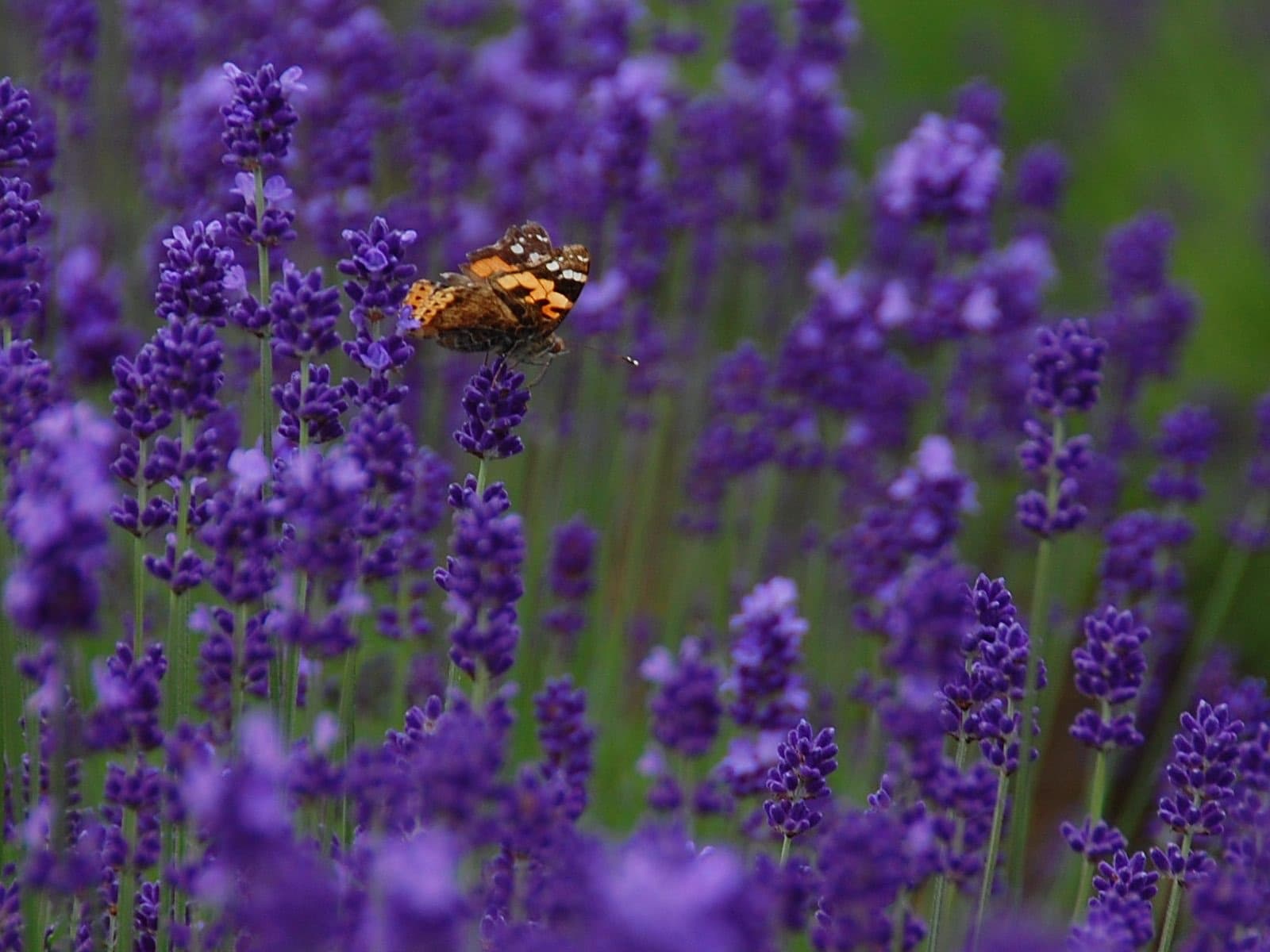
If you only know one Hokkaido name from Instagram, it's probably Furano. The most famous spot is Farm Tomita, with three lavender fields plus several other summer-blooming flower fields. Timing matters: Furano's lavender typically peaks from mid-July to early August, and in warmer years the blooms may fade earlier — but there's still a good chance to catch late varieties at Farm Tomita in early August.
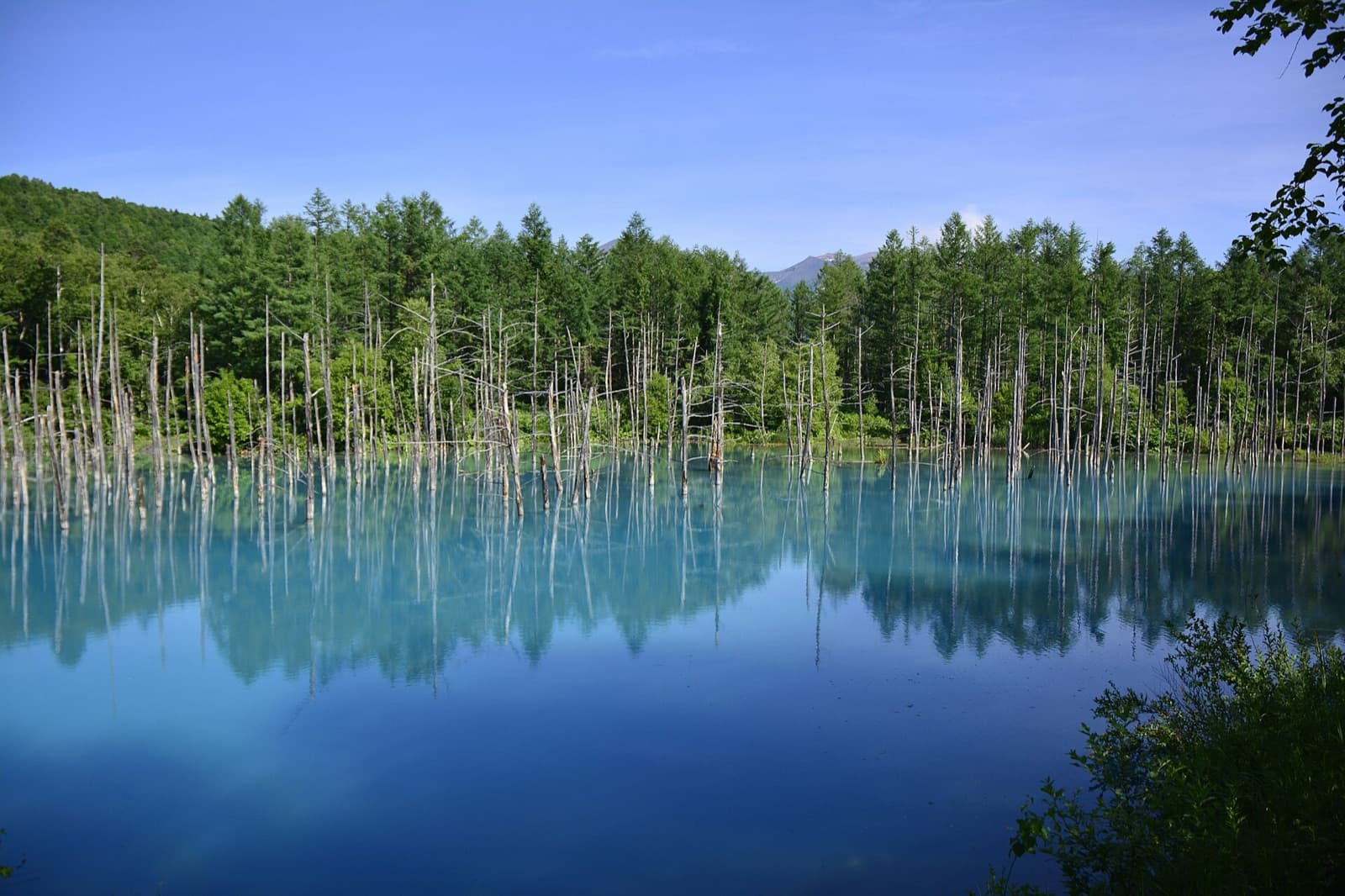
Biei is the next stop, and the Blue Pond is the big draw — the aluminum content in the water reflects sunlight to create a vivid blue. Parking is cheap, but get there early before the lots and the light fill up.
Sapporo and Hakodate as Bases
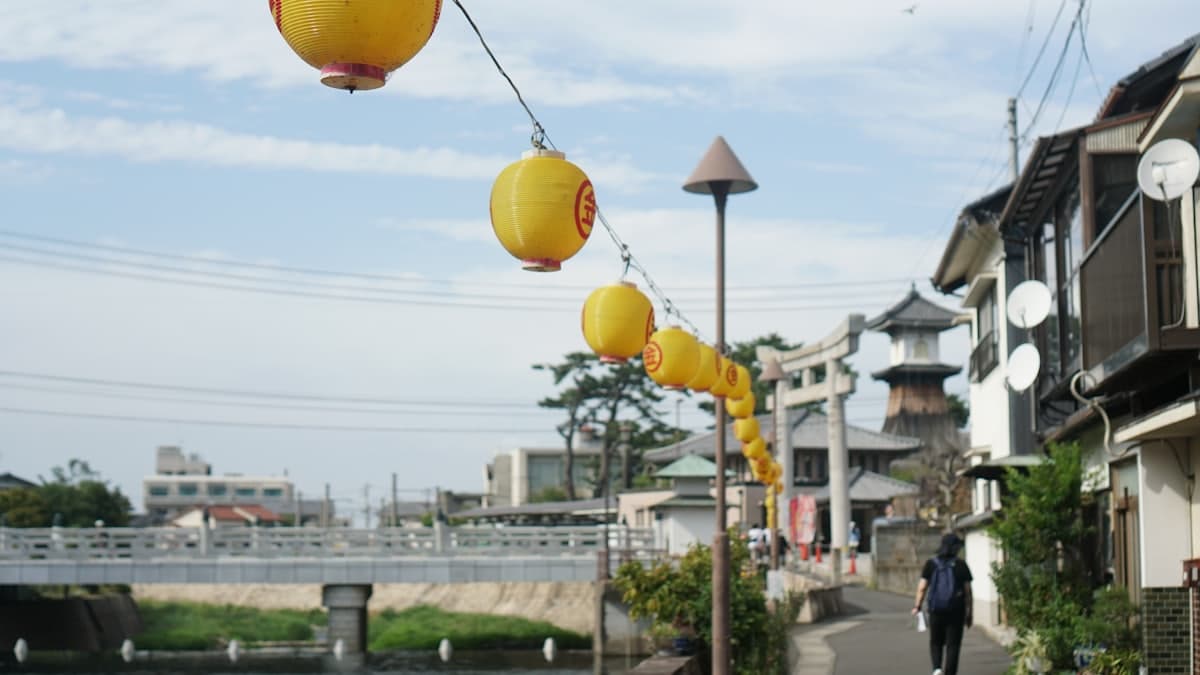
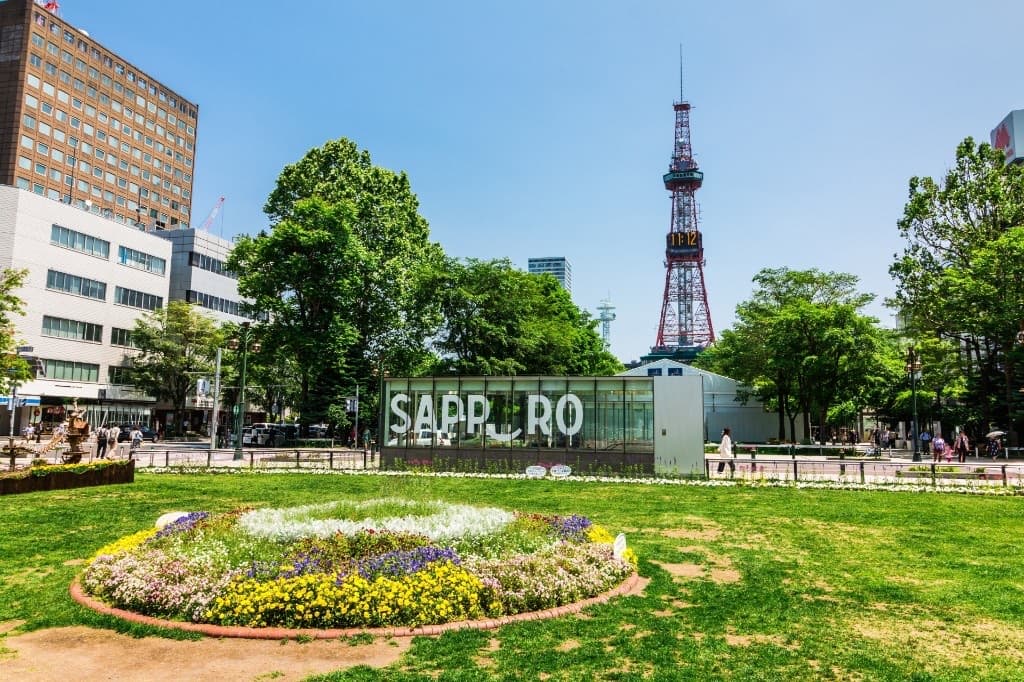
Sapporo is the obvious gateway, with food, festivals, and trains. From late July for about a month, the Sapporo Summer Festival takes over Odori Park, where a large beer garden serves Hokkaido beer and gourmet food outdoors, and the Hokkai Bon Odori dance event follows in mid-August. If your trip falls between roughly July 18 and August 16 in 2026, don't miss it. Down south, Hakodate offers the famous night view from Mount Hakodate, fresh seafood at the morning market, and a more relaxed pace.
Shiretoko, Daisetsuzan, and Wilder Hokkaido
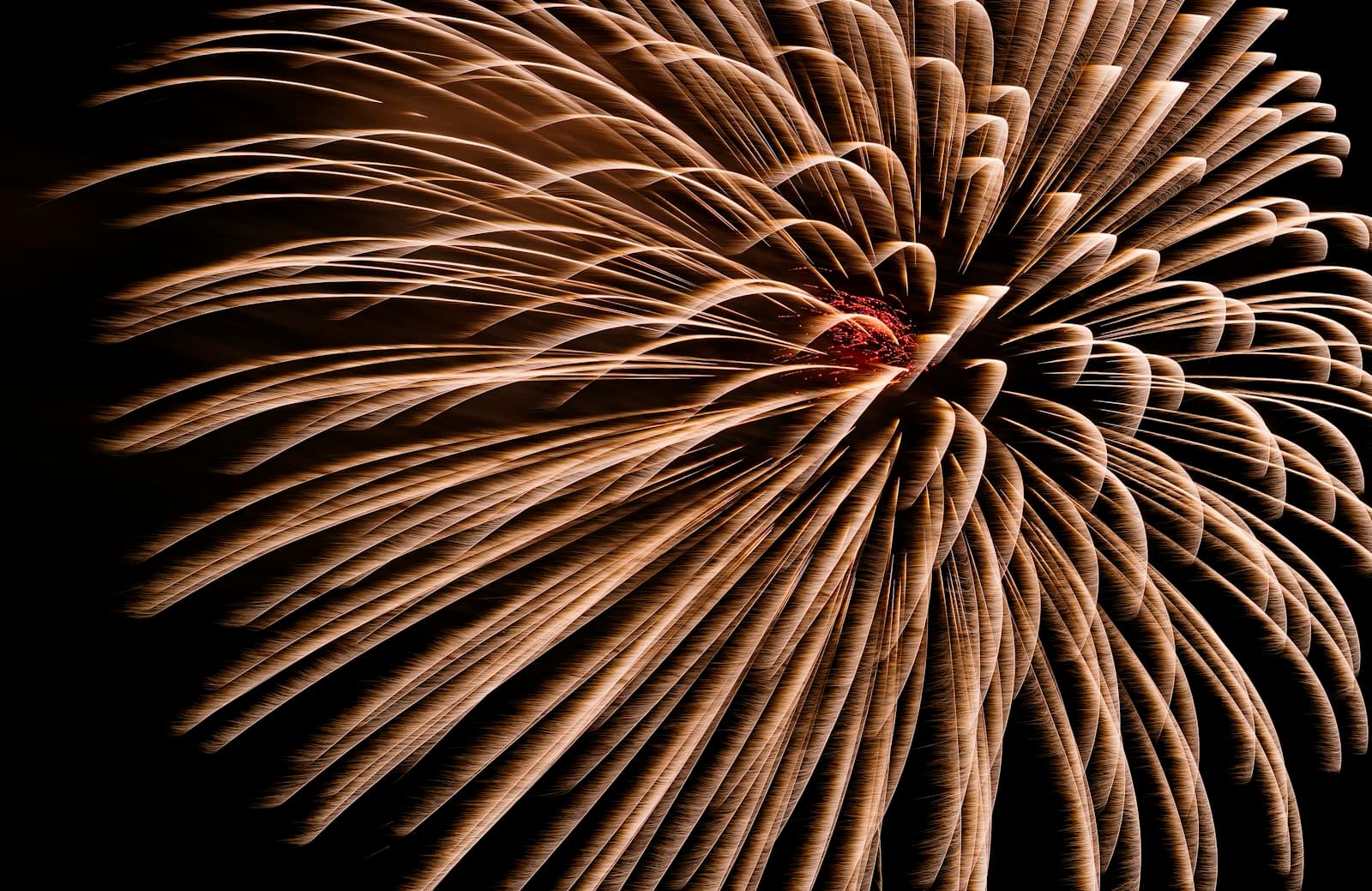
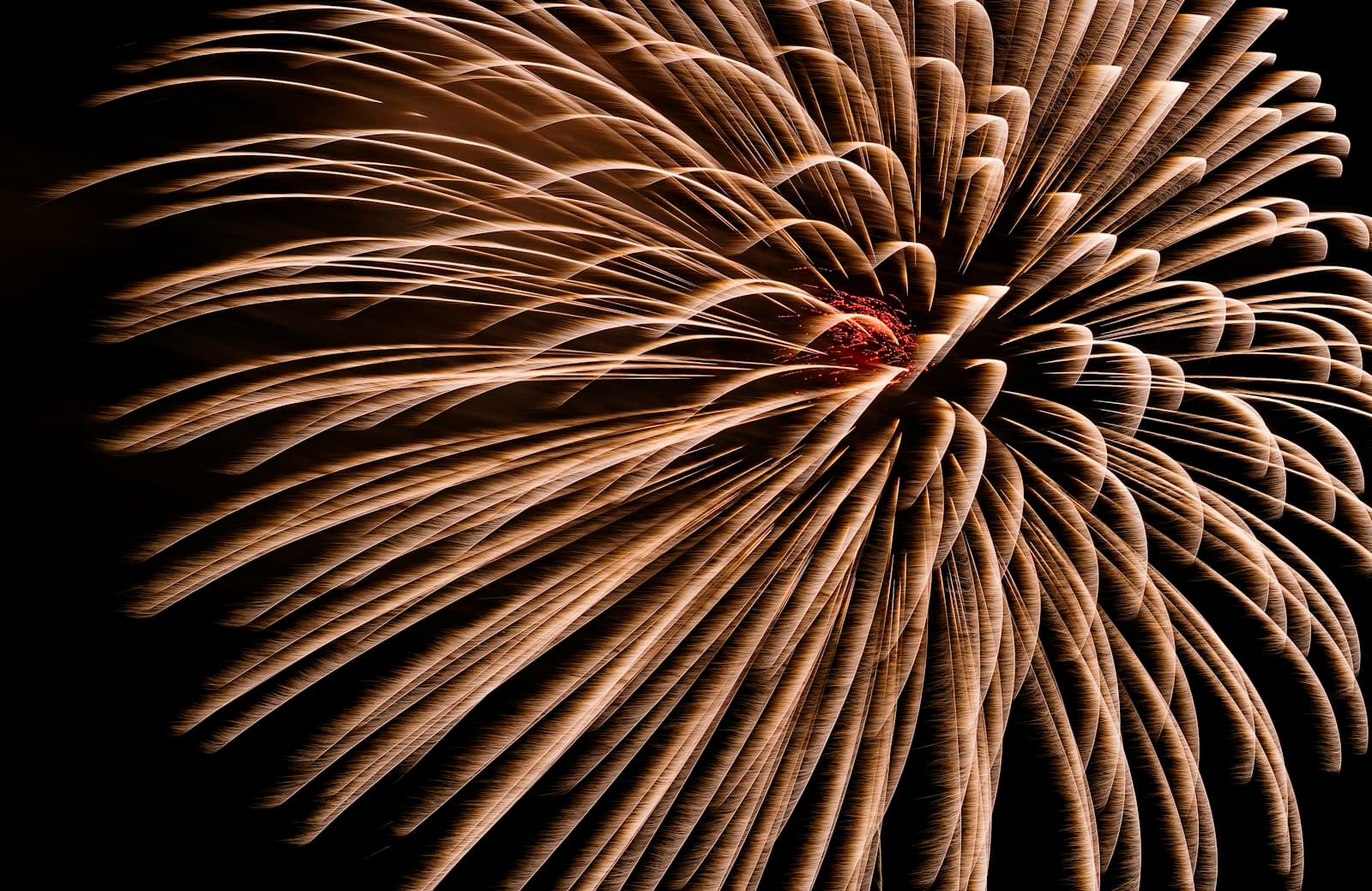
For travelers who want to get off the beaten path, head to the eastern half of the island. Daisetsuzan National Park — Japan's largest — offers well-marked trails through alpine meadows and volcanic peaks, an easy pairing with a Furano/Biei loop. The Shiretoko Peninsula is even further out: one of Japan's last untouched natural areas, where summer is when wildlife is most active. Take a boat tour to look for whales (with a chance of bears along the shore), or join a guided hike around the Shiretoko Five Lakes for wild deer and waterfalls. If you'd rather have a relaxed onsen base with water activities, Lake Toya runs fireworks every single night from late April through October — a fun way to end the day.
🧭 Long distances? Let the plan handle it
Sapporo to Shiretoko or Daisetsuzan is a real distance, and on a first trip to Hokkaido those long transfers can feel daunting. A self-guided tour smooths out the logistics with comfortable, efficient access to Hokkaido's highlights — so you worry less about how to get there and spend more of your energy actually enjoying the cool northern summer.
⚠️ Book early. Summer is peak in Hokkaido, especially early-to-mid August around the lavender bloom and Obon (Aug 13–16), when prices rise and hotel choices thin out. If you plan to drive, reserve a rental car at least three months ahead for popular pickup dates around Obon — three months is the bare minimum.
The Japanese Alps: The Mainland Escape
If you don't have time to fly all the way to Hokkaido, the Japan Alps are the next-best summer move. They're reachable by train from Tokyo Station, they cut the temperature dramatically, and they pair beautifully with Kyoto or Tokyo on either end.
Kamikochi: The Easy Centerpiece
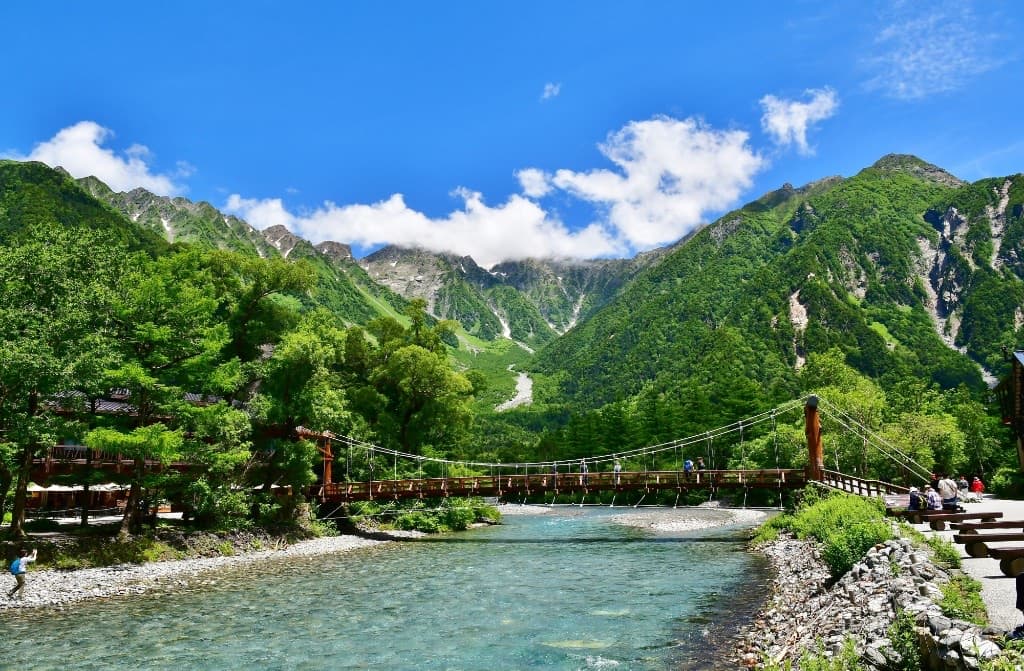
Kamikochi is the headline destination in the Northern Alps — a 15 km plateau along the Azusa River at about 1,500 m elevation in Nagano Prefecture, open from mid-April to mid-November. Crucially, private cars are banned; access is only by bus or taxi. From the Kappabashi (Kappa Bridge), a short walk from the bus terminal, hiking trails lead up and down the valley. Even in summer it stays much cooler than the city, averaging around 23°C in July, so it's a genuine escape from the heat.
How to Get to Kamikochi
From Tokyo, the easiest route uses Matsumoto as a hub: take the JR limited express Azusa (2.5–3 hours) or an Alpico highway bus (about 3 hours) to Matsumoto, then change to a local train and bus. From Matsumoto, ride the Matsumoto Electric Railway to Shin-Shimashima Station (30 min, ¥710 one way), then a bus to Kamikochi (60 min, ¥3,100 one way). A few direct buses also run from Matsumoto Bus Terminal (¥4,600–5,000 one way). From the Gifu side, take a bus from Takayama to Hirayu Onsen (60 min, ¥1,600), then on to Kamikochi (25 min, ¥1,500 one way / ¥2,800 round trip).
Reservations are required for the buses (not the train) and open one month before travel via Japan Bus Online or Alpico ticket offices. Note the local trains and buses into Kamikochi are not covered by the JR Pass, so budget for that. And avoid the Obon holidays (Aug 11–16) — you may wait hours just to board a returning bus.
Hiking Difficulty and Mountain Huts
Casual walkers, day hikers, and serious climbers all share the same valley. The flat walk between Taisho Pond and Kappa Bridge takes a few hours and shows you everything photogenic about the Azusa River — no serious hiking required. Day hikers can push up Mt. Yakedake, a volcanic summit doable as a day trip. For serious mountains, the Hotaka range includes some of Japan's most technical alpine terrain, and Oku-Hotaka-dake (3,190 m) is Japan's third-highest peak. Peak hiking season is July through September. One serious warning: afternoon thunderstorms are common in summer, so start early (5–6 AM from the huts) to reach passes and summits before the weather turns.
Matsumoto, Takayama, and the Quieter Towns
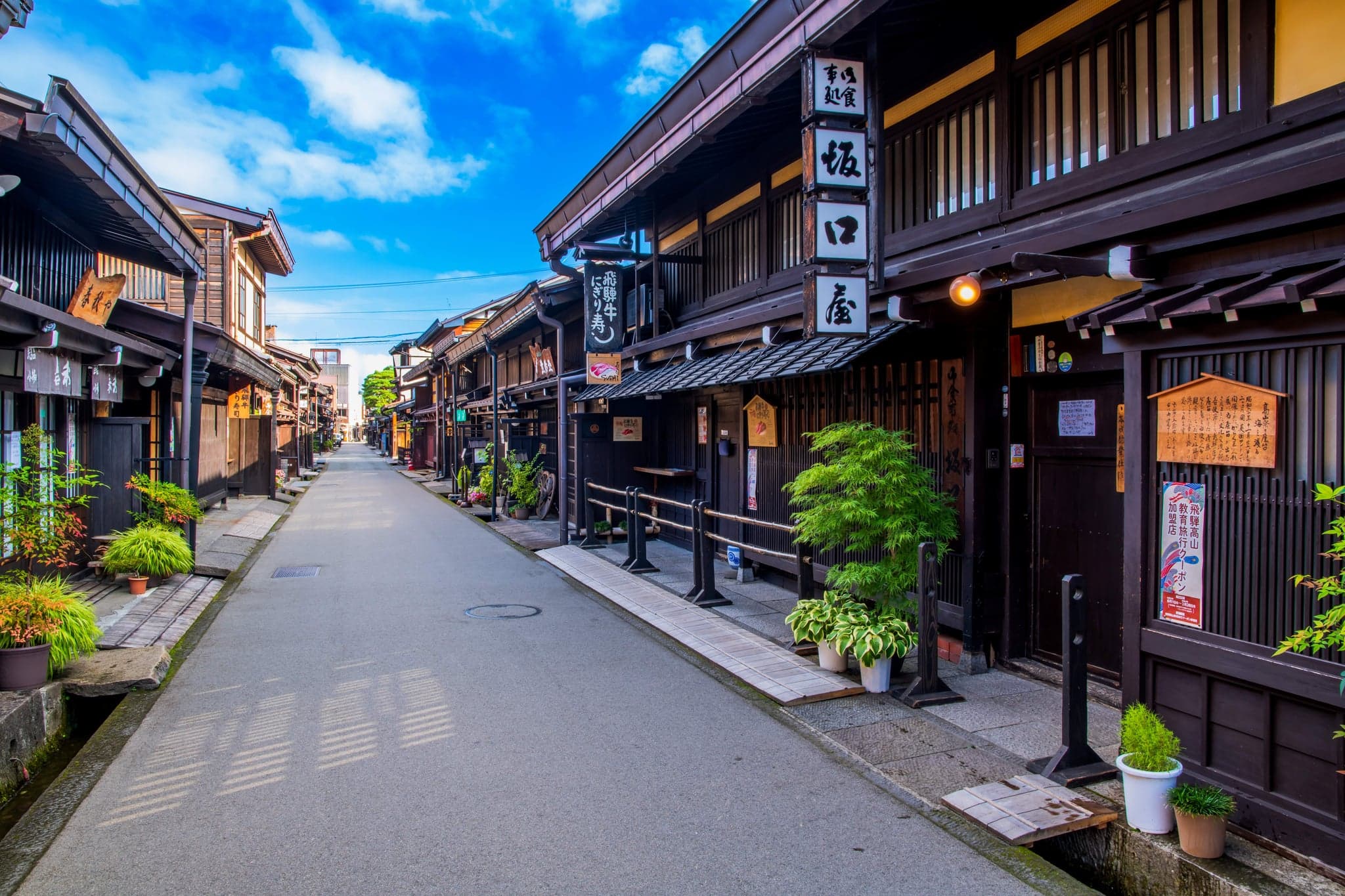
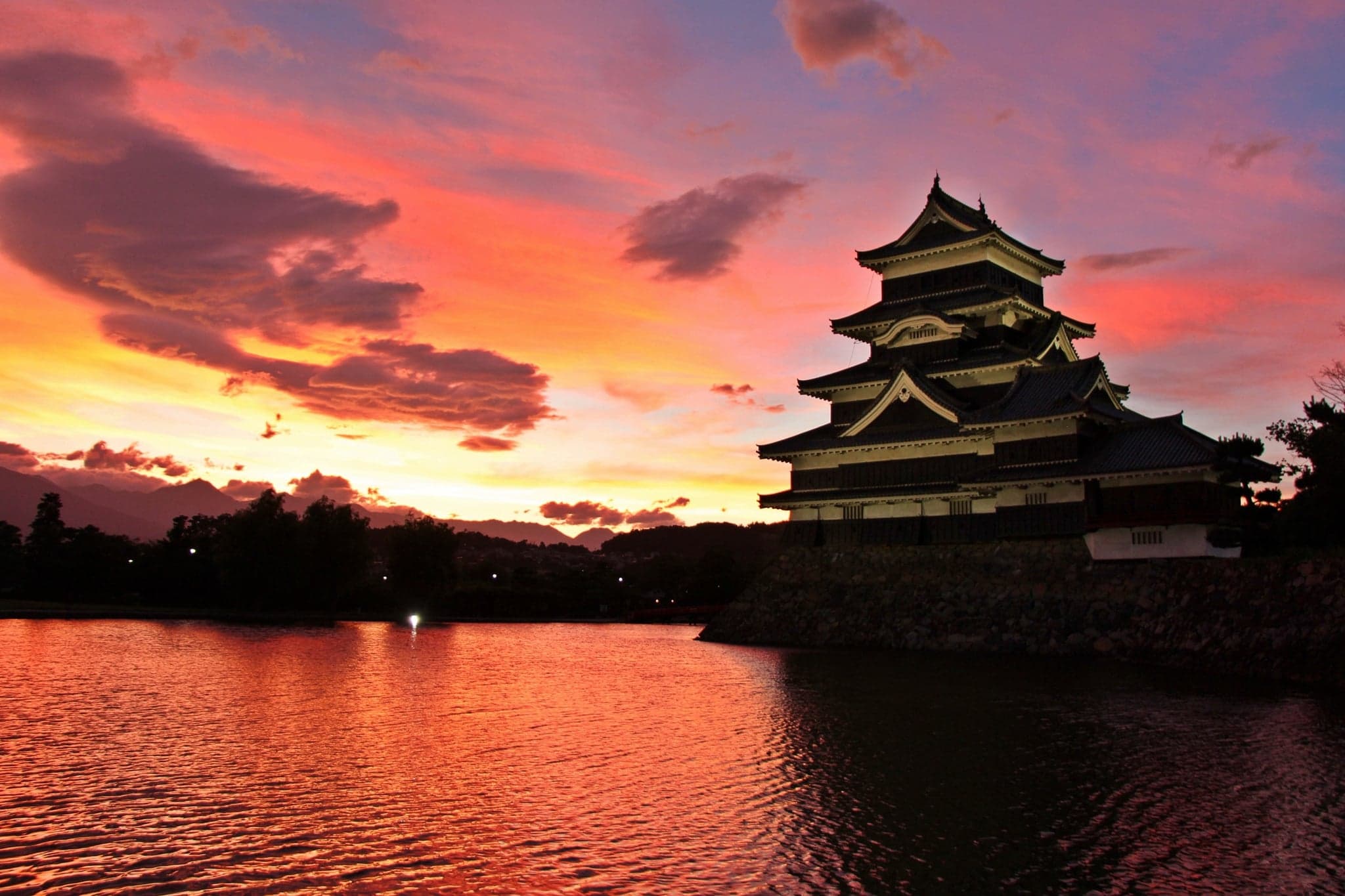
You don't have to sleep in Kamikochi itself. Staying in nearby Matsumoto (with its striking black castle) or Takayama (Edo-era streets, sake breweries, and Hida beef) and visiting Kamikochi as a day trip saves money and gives you a far wider choice of hotels. Both are lovely summer bases in their own right.
Kiso Valley: Walking the Nakasendo in Summer
The Kiso Valley, between Nagoya and Matsumoto, is where you walk the old Nakasendo post road. The famous stretch from Magome to Tsumago is a gentle, well-marked 8 km that takes 2–3 hours through forest and countryside — see our Nakasendo trail guide.
Be realistic about summer heat, though: mid-July to mid-September gets hot and humid here, with the worst August days near 35°C and a genuine heatstroke risk. If you go in summer, start at dawn, carry plenty of water, and use the luggage forwarding service (¥500/item between the Tsumago and Magome information centres). It's also bear country — ring the trail bells. Lovely in early June or September; brutal in mid-August.
🌳 A shady walk — but stay hydrated
Much of the Magome–Tsumago trail is wrapped in trees, so even on hot days you can walk in the shade and dodge the direct sun. Don't let your guard down in summer, though — keep sipping water regularly along the way!
Gero Onsen: A Slow Summer Night
Gero is small, and Gero is famous — in the Edo period it was named one of Japan's three best hot springs by the Confucian scholar Hayashi Razan. Why mention a hot spring town for summer? Because soaking outdoors on a cool mountain evening with the Hida River below is one of the most relaxing things you can do after a hot day of sightseeing, and the access works beautifully if you're already heading to Takayama or the Alps.
The one-way trip from Nagoya to Gero takes about 90 minutes (around ¥4,500) on the JR Hida limited express, with departures every 1–2 hours and the route fully covered by the JR Pass. From Takayama it's even closer — about 45 minutes by limited express (¥2,000) or an hour by local train (¥990). If you're there August 1–3, you'll catch the Ryujin Fire Festival, the highlight of Gero's year, with geisha dances, music, and fireworks (book accommodation well ahead).
If you're already in the Hida region, the World Heritage village of Shirakawa-go is an easy add-on from Takayama. The thatched gassho-style farmhouses look just as magical in green summer surroundings as they do under winter snow.
What About the Rest of Japan in Summer?
- Tokyo & Kyoto: Sweaty but plannable — temples and gardens early morning, indoors at midday (museums, department stores), back out in the evening for festivals and night markets.
- Hiroshima & the Seto Inland Sea: Worth any season. The Peace Memorial is sobering and important; the islands like Naoshima get a sea breeze that takes the edge off.
- Izu Peninsula: Beaches and fishing villages, easy from Tokyo by train — a good pick if you want sea over mountains.
- Okinawa: Hot, but a different, beachy hot. Better as a separate trip than tacked onto a mainland loop.
A Realistic Summer 2026 Itinerary Skeleton
A 12-day skeleton that handles a first trip without rookie mistakes:
- Days 1–3 — Tokyo. Land, beat jet lag, do the city in cooler morning and evening blocks.
- Days 4–5 — Hakone or Izu. A hot spring stay to ease in and break the city heat.
- Days 6–8 — Japanese Alps. Azusa express from Shinjuku to Matsumoto; a Kamikochi day trip or overnight, then on to Takayama via Hirayu Onsen.
- Days 9–10 — Gero Onsen & Shirakawa-go. Slow down, soak, eat, photograph.
- Days 11–12 — Hokkaido. Fly from Nagoya or via Tokyo; Sapporo plus a Furano/Biei loop, or extend to Lake Toya or Shiretoko.
Adjust for your actual days. Shorter trips should drop either Hokkaido or the Alps — don't cram both into a single week. For more structure, see our 2-week itinerary.
Practical Planning: The Stuff That Matters
- Booking order: international flights → domestic flights (Hokkaido legs) → rental cars → hotels in popular bases → Kamikochi bus reservations → Shinkansen seats. Lock anything around Obon (Aug 13–16) as early as possible.
- Trains & the JR Pass: covers most Shinkansen and the limited express Hida to Gero/Takayama, but not the local trains and buses into Kamikochi, and it helps little inside Hokkaido. For multi-region Hokkaido, a rental car often beats trains.
- Apps: a transit app (Google Maps, or Japan Travel by NAVITIME for buses), a translation app, and a Suica/PASMO IC card to pay.
- Packing: light clothes for cities, a thin long-sleeve and light jacket for Hokkaido nights and the Alps, proper trail shoes if hiking, sun hat, sunscreen, and a small towel.
- Cash: big cities take cards; smaller towns, mountain huts, and Kiso Valley villages often don't — in the Kiso Valley you may even pay train fares in cash. Carry some.
Common Mistakes That Wreck a Summer Trip
✅ Do:
- • Plan the day around dawn and dusk
- • Reserve Kamikochi buses and Hokkaido cars early
- • Give Hokkaido at least 4–5 days
⚠️ Don't:
- • Book a 2 PM walking tour of Kyoto in August
- • Try to drive into Kamikochi (you can't)
- • Hike the Nakasendo at noon without water
Summer vs Other Seasons: A Quick Reality Check
If you have flexibility on dates, here's how summer stacks up:
- Spring (mid-March–early May): Cherry blossoms move south to north — late March in Tokyo/Kyoto, early May in Hokkaido. Iconic but crowded, and Golden Week (late April–early May) is the busiest domestic travel week.
- Summer (June–August): This guide's focus. Cool escapes exist — Hokkaido and the Alps — festivals are everywhere, and daylight is long.
- Autumn (October–mid-November): Spectacular fall colors from Hokkaido to Kyoto; many travelers say it beats spring. The Alps glow through October — see our autumn in Japan 2026 guide.
- Winter (December–February): Powder snow, ski resorts, and onsen season, headlined by the Sapporo Snow Festival in February.
If you've got total flexibility, autumn arguably beats summer for comfort. But if summer is your only window, the regions in this guide make it work — compare months in our best time to visit Japan 2026 guide.
Planning a summer trip to Japan? Get in touch through Plan My Trip on our self-guided tours site, and we’ll suggest the tours that best fit your dates and plans.
FAQ: Japan in Summer 2026
Where should I go in Japan in summer 2026 to avoid the heat?
Hokkaido and the Japanese Alps are the two best regions. Hokkaido has no real rainy season and averages 20–25°C; Kamikochi runs roughly 5–9°C cooler than Tokyo at around 1,500 m elevation.
How many days do I need in Hokkaido in summer?
At least 4–5 days to make the flight worthwhile. With 7–10 you can do Sapporo, Furano/Biei, and one wilder spot like Daisetsuzan or Shiretoko. Two weeks covers the whole island comfortably.
When does lavender bloom in Furano?
Peak lavender at Farm Tomita runs mid-July to early August, with some risk of earlier fades in warmer years. Early August still catches late varieties.
Can I drive into Kamikochi?
No — private cars are banned. Park at the Sawando or Akandana lots and take the shuttle bus, or come directly by bus from Matsumoto or Takayama.
What dates should I avoid in August?
Obon Holiday, August 13–16. Trains, buses, hotels, and rental cars are all packed and expensive, and Kamikochi return buses can have multi-hour waits.
Is the JR Pass worth it for a summer Alps trip?
Often yes if you combine Tokyo, Matsumoto, Takayama, Gero, and Kyoto — but the local Matsumoto–Shin-Shimashima train and the Kamikochi bus aren't covered, so budget that extra.
Is Kamikochi good for non-hikers?
Absolutely. The flat valley walks from Taisho Pond to Kappa Bridge along the Azusa River take a few hours and are easy — you don't need to climb anything to enjoy the scenery.
Plan Your Self-Guided Summer Japan Trip
Self-guided travel in Japan is more rewarding than people expect — the trains run on time, the signs are clear, and the hot spring towns are walkable. You just need a plan that fits the summer heat, the Obon dates, and the long booking lead times for Hokkaido cars and Kamikochi buses. That's exactly what our self-guided tours are built for. Browse our route guides and sample itineraries to put together a summer trip that suits your pace, your group, and your dates.
Photos: Kamikochi and Sapporo by BluePlanet. Furano lavender by Kentagon, Blue Pond by AndyLeungHK — via Wikimedia Commons (CC BY-SA 4.0 / CC0). Last updated: June 2026.
Self-Guided Nature & Hot Spring Trips
Cool-climate trails, sacred mountains, and onsen towns — planned day by day with vetted inns, luggage forwarding, and rail connections sorted for you.