Tokyo to Osaka (and Back): Shinkansen vs Flight vs Bus — Times, 2026 Prices & When the JR Pass Pays
Nozomi in 2h30 for ¥14,720, Hikari on the JR Pass, a ¥4,000 night bus or a one-hour flight that isn't really one hour — which station to use, how to book, the peak dates when every seat is reserved, and how the leg fits a real itinerary.
If you're planning a self-guided Japan trip, the Tokyo to Osaka leg is almost always on the itinerary. It's the country's busiest travel corridor, and getting it right — the mode, the timing, the exact station — sets the tone for the rest of your journey.
🚄 Quick Answer: Tokyo to Osaka
Take the Nozomi shinkansen. Tokyo Station (or Shinagawa) to Shin-Osaka in about 2 hours 30 minutes, roughly ¥14,720 one way in a reserved seat, departures every few minutes. Flights are cheaper on paper but slower door to door once you count the airports; the night bus is the budget option at 8–9 hours overnight from about ¥4,000. Same answer in reverse for Osaka to Tokyo.
🚄 Nozomi
2h30 · ¥14,720
🎫 Hikari (JR Pass)
2h52 · covered
✈️ Flight
~4h door to door
🚌 Night bus
8–9h · from ¥4,000
The rest of this guide is the detail behind that answer — how to book, which seat to pick, how to fit it into a real itinerary, and the mistakes we see travelers make.
🧭 Tokyo ↔ Osaka: every option side by side
| Option | Time | One-way fare | JR Pass | Best for |
|---|---|---|---|---|
| Nozomi shinkansen | ~2h30 | ¥14,720 reserved · ¥13,870 non-reserved | +¥4,960 supplement | Almost everyone |
| Hikari shinkansen | ~2h52 | ¥14,400 reserved | Fully covered | JR Pass holders |
| Kodama shinkansen | ~4h | ¥14,400 reserved · ¥13,870 non-reserved | Fully covered | Breaking the journey |
| Flight HND → ITM | ~1h10 gate to gate · ~4h door to door | ¥6,000–20,000 | — | Same-day connection from a Haneda arrival |
| Night bus | 8–9h overnight | from ~¥4,000 (premium ~¥10,500) | — | Budget, solo travellers |
| Local trains | 9–10h, many changes | ~¥8,910 | Covered | Seishun 18 slow travel only |
💡 Shinkansen fares are the standard-season reserved price between Tokyo/Shinagawa and Shin-Osaka; the seat reservation fee moves by ¥200–400 in peak and off-peak periods. Green Car is roughly ¥5,000 more.
Why Tokyo to Osaka Matters for Your Itinerary
Osaka is Japan's second big draw for most first-timers. It's the base for Kyoto, Nara, Himeji, and Koya-san. It's also the gateway if you're flying home from Kansai International Airport rather than back through Narita or Haneda.
Stopping in Kyoto on the way, as most first-timers do? The Tokyo–Kyoto leg has its own guide — Tokyo to Kyoto covers the same comparison for that shorter run, including which seat gets you Mount Fuji. Once you are in Kansai, the short hop is covered separately in our Kyoto to Osaka guide — JR Special Rapid, Hankyu and Keihan compared by neighbourhood.
Suitcases over 160 cm in total dimensions need their own reserved baggage space on this line — one more reason to forward the big case; see our luggage forwarding guide for Yamato's rates and how it works.
For most travelers on a two-week trip, the Tokyo to Osaka move happens somewhere in the middle. You spend a few days in Tokyo, take the shinkansen west, and then use Osaka (or Kyoto) as a base for the Kansai region. Get this leg right and the rest of the trip just flows. Our two-week itinerary and 10-day itinerary both hinge on it.
Tokyo to Osaka Train: The Tokaido Shinkansen Explained
The Tokyo to Osaka train everyone talks about is the Tokaido Shinkansen.
It's a high-speed rail line operated by the Central Japan Railway Company (JR Central), connecting major cities like Tokyo, Yokohama, Nagoya, Osaka, and Kyoto. It's the world's original high-speed rail line and still one of the busiest.
Three services run the route: Nozomi, Hikari, and Kodama. They share the same track but stop at different numbers of stations, which changes your journey time significantly.
Nozomi: The Fastest Shinkansen Bullet Train
The Nozomi is the fastest and most direct bullet train service on the Tokaido Shinkansen and Sanyo Shinkansen lines. Operated by JR Central and JR West, it connects Tokyo to Hakata Station in Fukuoka and stops only at major cities. Between Tokyo and Shin-Osaka, it stops at Shinagawa, Shin-Yokohama, Nagoya, and Kyoto.
The Nozomi completes the trip in about 2 hours 30 minutes (the fastest runs are timetabled at 2h21), and at peak times a Nozomi leaves Tokyo Station for Shin-Osaka roughly every 5 minutes — up to a dozen an hour. That frequency is why most travelers don't bother pre-booking weeks ahead — you can usually walk up and catch the next one within minutes.
Hikari and Kodama: Slower but JR Pass Friendly
Hikari trains stop at more stations.
The Hikari takes approximately 2h 52min and is fully covered by the Japan Rail Pass. The Kodama stops at every station including Nagoya and Kyoto, taking around 4 hours — useful if you want to break the journey.
If you're not in a rush and you already hold a JR Pass, Hikari is honestly fine. You save the Nozomi supplement and only add about 20 minutes.
Where the Train from Tokyo Actually Leaves From
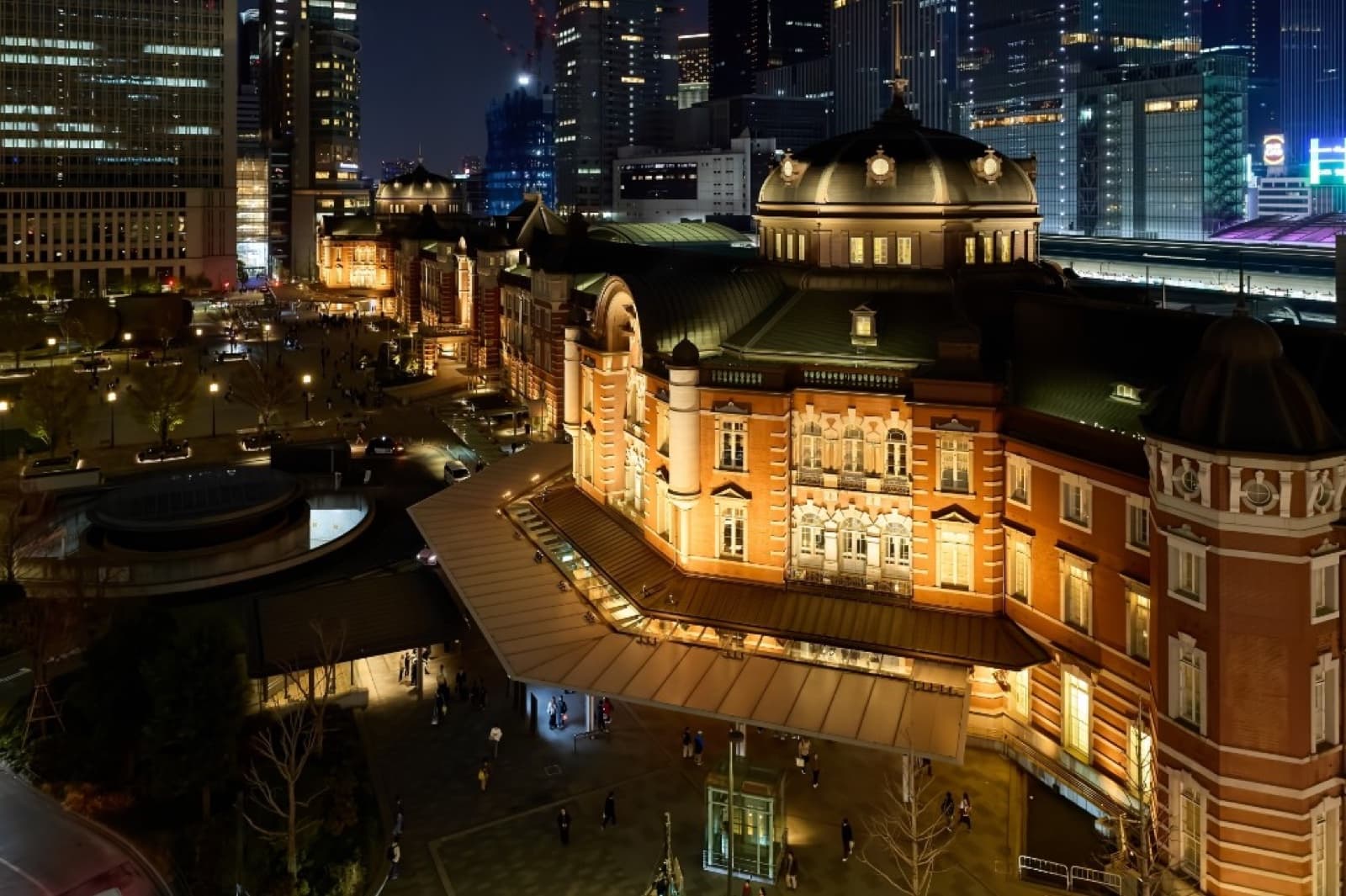
The train from Tokyo departs from either Tokyo Station or Shinagawa Station. Both are on the Tokaido Shinkansen line and both work — pick whichever is closer to your hotel.
Shinkansen platforms at Tokyo Station are located on the Yaesu side. Use the Yaesu Central, North, or South Exit for the fastest access to bullet trains.
The shinkansen bullet trains can only be accessed with special tickets and special ticket gates, and Tokyo Station has designated shinkansen ticket gates labeled as "Transfer Gate," located on the first floor near the Yaesu Exit area.
If you're staying near Shibuya, Meguro, or Roppongi, Shinagawa Station is often faster to reach than Tokyo Station. Same train, same fare, just a different starting point. The Nozomi calls at Shinagawa a few minutes after Tokyo. Our where to stay in Tokyo guide flags which neighbourhoods sit on which side.
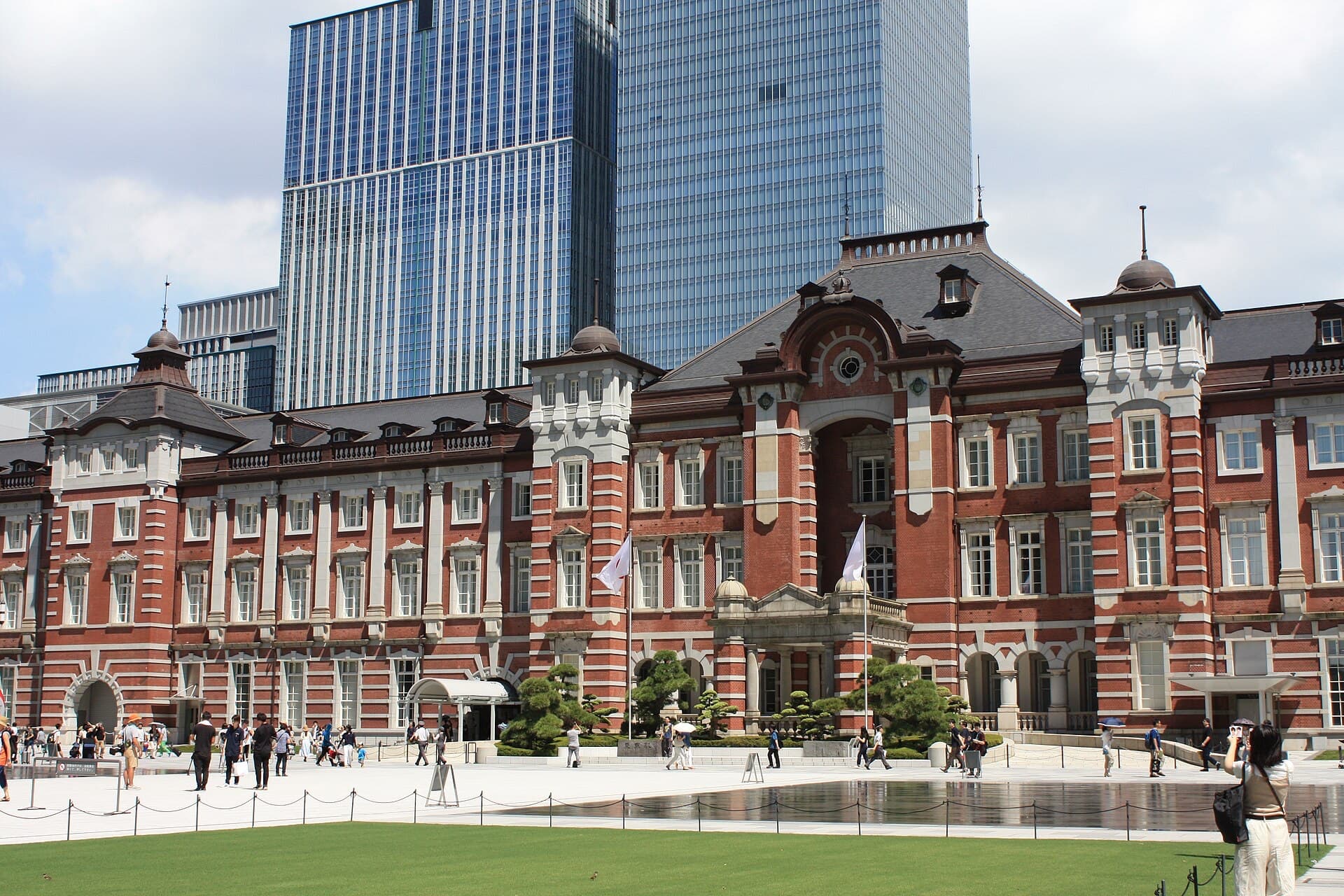
Finding the Right Platform at a Major Station
Tokyo Station is huge, and it's the terminus for several other shinkansen lines heading north. Don't just follow "shinkansen" signs blindly — look for "Tokaido Shinkansen" specifically, or the blue color coding. The Yaesu South Exit and Yaesu Central are the practical entry points if you're coming from a taxi or hotel shuttle drop-off on the east side.
Give yourself 20 minutes if it's your first time. Tokyo Station is one of those major stations where five minutes of wrong-direction walking can genuinely make you miss a train.
Shin-Osaka Station: What to Expect on Arrival
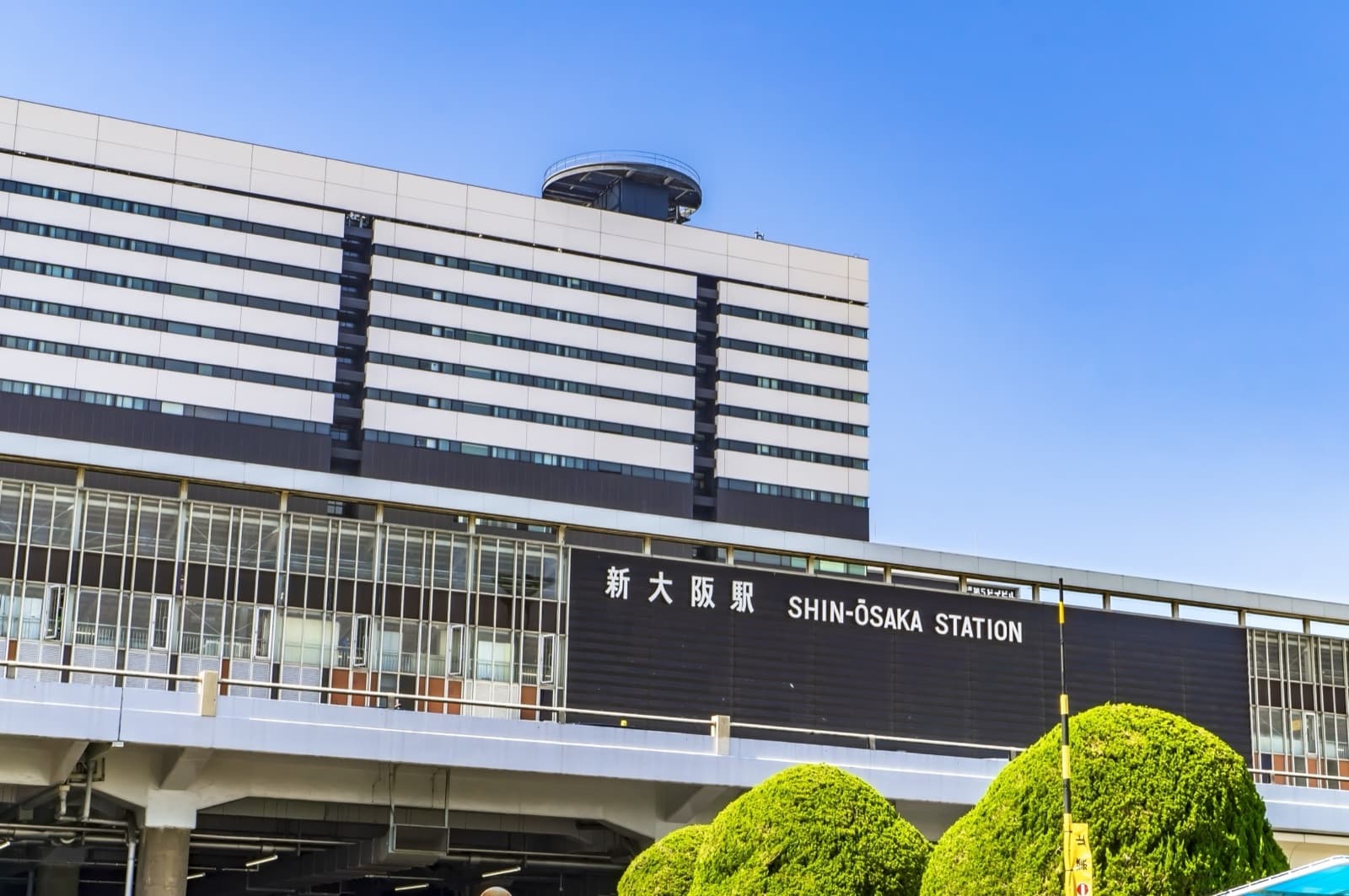
Shin-Osaka Station is where the shinkansen stops. It's not in the city center — it sits about 4 km north of Osaka Station (Umeda), on the way out towards Itami Airport, which is why it gets its own name.
From Shin-Osaka, transfer to the JR Kyoto Line or the Midosuji subway line to reach JR Osaka Station (in Umeda) or Namba. It's usually a 4-minute local train ride to JR Osaka Station, or about 8 minutes on the Midosuji subway to Umeda and around 15 to Namba. Simple.
If Kyoto is your next stop instead, you can stay on the same Nozomi and get off one stop earlier at Kyoto Station. A lot of self-guided travelers do exactly that — Tokyo to Kyoto first, Osaka as a day trip or second base.
💬 From our Japan travel team
The Tokaido Shinkansen runs frequently, but seats on Nozomi trains sell out around cherry blossom season, Golden Week in early May, and the mid-August Obon period. Hotels and trains in Tokyo, Kyoto, and Osaka fill up months in advance during these windows, so start planning early. Our self-guided tours handle the shinkansen bookings and the accommodation together, and we support you through the trip if anything shifts. Feel free to get in touch if you'd like us to slot this leg into a wider Japan route.
How to Book Train Tickets for the Tokyo to Osaka Shinkansen
You have three practical ways to book train tickets. All of them work; pick the one that matches your style.
💬 From our Japan travel team
Buy online if you possibly can. Ticket machines and station windows get badly congested in peak periods, and travellers regularly miss the train they were aiming for while queueing. On our self-guided tours we hand you every ticket you need, already issued — nothing to buy at a machine, nothing to queue for. Ask us if you would rather start the trip that way.
1. Smart EX (The Official App)
Smart EX is JR Central's official reservation service.
It's the official smartphone app for the online reservation services of the Tokaido, Sanyo and Kyushu Shinkansen. With the EX app you can reserve shinkansen seats easily and get a discount for early booking. You can queue a request up to a year ahead from the tentative timetable, but the train, time and seat are only confirmed at 10:00 Japan time one month before departure.
No service fee is required when using the official reservation service. You book, pay with a credit card, and either show a QR code at the gate or link an IC card (Suica, ICOCA, Pasmo) for tap-in boarding — a Welcome Suica works for this.
You can refund your reservation yourself before entering the shinkansen ticket gate using the QR code or IC card, or before receiving your ticket. After the departure time of the reserved train, refunds cannot be made by yourself. A full refund isn't guaranteed — there's a small fee — but it's usually a straightforward process before departure.
2. Third-Party Booking Sites (Klook, Trip.com, etc.)
These sites add a small markup but the interface is often easier for first-timers. If Smart EX's registration process gives you trouble, this is a fine backup.
3. At the Station Ticket Machines or Counter
You can always just walk up. The green ticket machines at Tokyo Station and Shin-Osaka have English menus. During rush hour or right before a national holiday, expect a queue.
For most travelers, we'd say book train tickets on Smart EX the day before, or on the day itself. The Nozomi runs so often that reserved seat availability is usually fine outside peak season.
Shinkansen Ticket Prices and Class Options
The standard price is roughly ¥14,720 for a reserved seat. That's for an ordinary (standard) car reserved seat on the Nozomi from Tokyo to Shin-Osaka in the regular season; Hikari and Kodama reserved seats are ¥14,400, and a non-reserved seat on any of them is ¥13,870.
Your seat types on the shinkansen:
- Non-reserved (unreserved cars): Slightly cheaper. You sit anywhere in cars 1–3 on a first-come, first-served basis. Fine off-peak; risky during Golden Week or Obon — and not available at all on Nozomi during the all-reserved peak periods below.
- Reserved seat (ordinary car): The standard choice. Assigned seat, guaranteed spot.
- Green Car: Similar to first class or business class on a train. Wider seats, 2+2 layout, quieter cars.
- Gran Class: Not available on the Tokaido Shinkansen — only on some northern lines. Don't get confused if you see it advertised.
For a one-way trip, the Green Car costs roughly ¥5,000 more than a standard reserved seat. Worth it? If you're tall, if you're traveling with heavy luggage, or if you just want a quieter cabin, yes. For a 2.5-hour ride, most people are honestly fine in ordinary class.
Grabbing a Window Seat with Mount Fuji Views
Book seat E — it is the Mount Fuji side in both directions. Seat letters are fixed to the carriage rather than to the direction of travel, and Tokaido Shinkansen trains keep the same orientation, so E stays on the mountain side whether you are heading to Osaka or back to Tokyo. On a clear day, Mount Fuji appears roughly 40 minutes into the journey, around Shin-Fuji. It's one of those iconic moments that surprises people who weren't expecting it; winter mornings give the clearest views, as our seasons guide explains.
Using a Japan Rail Pass on This Route
The Japan Rail Pass is JR's unlimited nationwide pass for foreign visitors.
A 7-day ordinary adult pass costs ¥50,000; 14 days is ¥80,000; 21 days is ¥100,000. From October 1, 2026 the prices sold through overseas agents rise to ¥53,000 / ¥84,000 / ¥105,000 — the details are in our JR Pass price increase guide.
Here's the catch that trips up so many first-timers: the Tokaido Shinkansen line is fully covered by the JR Pass on Hikari and Kodama services. Nozomi services are not included in the standard JR Pass coverage. However, as a passholder, you can travel on Nozomi trains by purchasing a special NOZOMI MIZUHO ticket before boarding.
The NOZOMI MIZUHO Ticket costs ¥4,960 for the Tokyo/Shinagawa to Shin-Osaka section. So if you have a JR Pass and want the fastest train, you're paying an extra ¥4,960 per one-way trip.
For most travelers doing Tokyo–Kyoto–Osaka–Hiroshima and back, the 7-day pass still pencils out — but only just, given the price increase in 2023 and the one coming in October 2026. Do the math on your specific route before you commit: a Tokyo–Kyoto–Osaka round trip costs about ¥30,600 in individual tickets, well under the ¥50,000 pass. If you're only doing Tokyo to Osaka round trip and not going further, individual tickets are usually cheaper. Run the numbers in our JR Pass calculator, and read when the pass is worth it.
Bullet Train vs Domestic Flight: Which Is Actually Faster?
The Tokyo to Osaka route is one of the most competitive corridors in Japan for flight vs rail. On paper, flying wins. In reality, it's usually a wash — or the shinkansen wins.
Flight Times and Airlines
The flight is scheduled at roughly 1 hour 10 minutes gate to gate — about an hour in the air — over a distance of around 400 km (250 miles). ANA (All Nippon Airways) and Japan Airlines are the major airlines flying nonstop from Tokyo to Osaka, and between Haneda Airport and Osaka Itami (ITM) the two big carriers dominate; low-cost carriers such as Peach and Jetstar fly Narita to Kansai instead.
Airports at Both Ends
On the Tokyo side, you have Haneda (closer, faster from the city) and Narita International Airport (farther out, mostly international). If you're coming from Narita straight to Osaka, factor in the Narita Express train ride into central Tokyo first, or a long airport transfer.
On the Osaka side, there are 2 airports: Osaka International Airport (Itami Airport, ITM) and Kansai International Airport (KIX). Itami is closer to central Osaka and handles the domestic flights; Kansai is farther out on its island and handles most international flights.
Why the Shinkansen Bullet Train Usually Wins
Taking the shinkansen is the fastest and most comfortable way to travel between the two cities — faster than flying city centre to city centre. Once you add airport travel time, security, boarding, and baggage claim, a 1h 10min flight becomes a 4-hour door-to-door journey. The shinkansen is city center to city center in 2h 30min.
The exception: if you're already flying into Haneda or Narita and continuing straight to Osaka the same day, a connecting domestic flight can make sense. Otherwise, the train ride wins on nearly every measure.
Comparing Prices Between Flight and Train
Compare prices honestly. Cheap flights on this route can dip to ¥6,000–8,000 during promotions. But add airport transfers (the Narita Express is ¥3,140 each way to central Tokyo), baggage fees, and time, and prices tend to even out with the shinkansen. Flight prices swing with demand; the shinkansen fare is stable.
The cheapest month to fly from Haneda to Itami is usually February, so if you're chasing the lowest fares, that's your window. Weekday mid-morning flights booked well ahead tend to be the best value. Both JAL and ANA are excellent — the best airline for this route is whichever schedule fits.
Night Bus: The Cheapest Way to Save Money
If budget matters more than time, the night bus is the answer.
Willer Express offers a wide variety of overnight routes such as Tokyo to Osaka, and the Tokyo-to-Osaka route is one of the most popular — a genuine alternative to air and bullet train transit.
The travel time on Willer Express overnight buses is approximately eight to nine hours, depending on traffic. The duration is ideal for an overnight trip, as it allows passengers to board in the evening in Tokyo and arrive in Osaka the following morning.
Fares start from about ¥4,000 for Relax standard seating and from about ¥10,500 for ReBorn premium seating on Willer Express. That's roughly a third of the shinkansen fare — you save money and skip a hotel night in one move.
Between Tokyo and Osaka there are more than 20 daily services, with convenient boarding points such as Tokyo Station, the Shinjuku Expressway Bus Terminal (Busta Shinjuku), Ikebukuro Sunshine City Bus Terminal, and Tokyo Disney Resort.
A night bus isn't for everyone. If you sleep badly on transport or you're traveling with kids, skip it. But for solo backpackers and budget travelers, it's a genuine lifesaver on the cost side.
Local Trains and Car Rentals: The Options You Can Skip
For completeness: yes, you can technically take local trains from Tokyo to Osaka. It takes about 9–10 hours with multiple transfers and costs around ¥8,910 — the base fare without any express charge. Fine if you're doing the Seishun 18 Kippu route in slow-travel style; otherwise ignore it.
Car rentals for this specific leg also make little sense. Highway tolls are steep, parking in central Osaka is expensive, and you can't use a car in central Tokyo effectively anyway. Save car rentals for rural regions like Hokkaido or the Noto Peninsula, not Tokyo to Osaka.
When to Travel: Cheapest Time and Seasonal Notes
The cheapest month for flights is February, as noted above. The shinkansen fare barely fluctuates — the base fare is the same year-round and only the seat reservation fee shifts by a few hundred yen between peak and off-peak dates — so lower prices on the train side come from booking a non-reserved seat or using the JR Pass.
Avoid these dates unless you've booked well ahead:
- Golden Week (April 29 – May 5 in 2027)
- Obon (mid-August, roughly August 13–16)
- New Year (December 29 – January 3)
During these peaks, unreserved cars fill up, and even reserved seats sell out days ahead. During peak travel periods such as long holidays, all Nozomi trains on the Tokaido–Sanyo Shinkansen operate with reserved seats only, and a reserved-seat ticket must be purchased in advance to ride the Nozomi.
📅 Nozomi all-reserved windows, 2026–27
| Window | Dates |
|---|---|
| Silver Week | September 18–23, 2026 |
| Sports Day weekend | October 10–12, 2026 |
| Labour Thanksgiving weekend | November 21–23, 2026 |
| New Year | December 25, 2026 – January 5, 2027 |
| Golden Week / Obon 2027 | Announced by JR Central closer to the date — expect late April to early May and mid-August |
💡 Reserved seats go on sale at 10:00 Japan time exactly one month before departure. How the rule played out in August is in our Obon shinkansen guide; the full holiday calendar is in Japan public holidays.
Rush Hour on the Shinkansen
The bullet train itself doesn't get uncomfortable during rush hour, but Tokyo Station and Shin-Osaka both get crowded around 7–9 am and 5–7 pm on weekdays. Just factor in a few extra minutes at the gates.
Getting to Tokyo Station from Narita or Haneda
If you're arriving from overseas, you'll come in through Narita International Airport or Haneda Airport. Here's how you connect to your Tokyo to Osaka shinkansen — and if you haven't booked flights yet, our Narita vs Haneda guide explains which airport to choose.
From Narita International Airport: The Narita Express (N'EX) runs directly to Tokyo Station in about 60 minutes for ¥3,140. Some Narita Express services split at Tokyo, so double-check the platform. The Narita Express is included with a JR Pass.
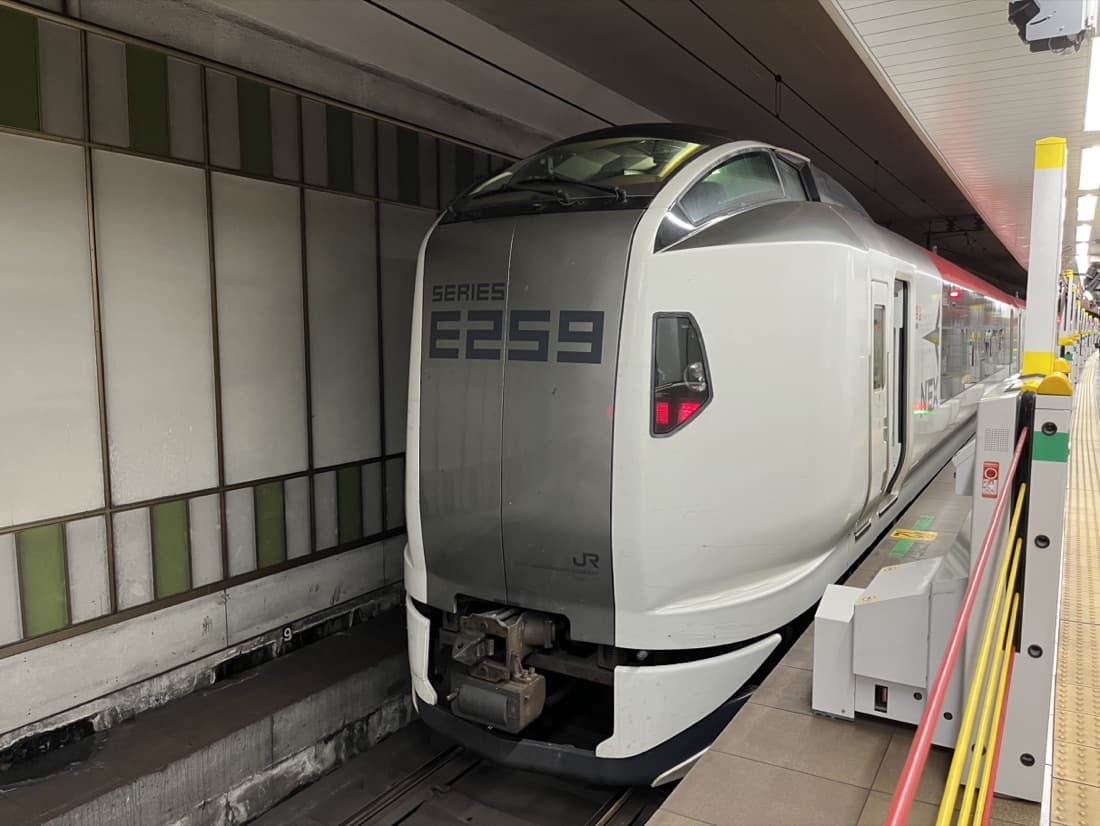
From Haneda Airport: The Tokyo Monorail (¥520) plus the JR Yamanote line gets you to Tokyo Station in about 30 minutes, or take the Keikyu line (¥330, 20 minutes) to Shinagawa Station and jump straight on the Tokaido Shinkansen from there. This is honestly the smoother option if you land at Haneda.
For most travelers landing tired and jetlagged, we wouldn't try to make the Tokyo to Osaka move on the same day as an international arrival. Give yourself a night in Tokyo first. Trust us on this one.
Building the Route into a Real Itinerary
Here's how the Tokyo to Osaka move actually fits into a realistic self-guided trip.
Classic 10-Day First-Timer Route
Days 1–4 in Tokyo. Day 5 shinkansen to Kyoto (Tokyo Station or Shinagawa → Kyoto, about 2h 15min on the Nozomi). Days 5–7 in Kyoto, with a day trip to Nara. Day 8 JR Special Rapid to Osaka Station (about 28 minutes from Kyoto for ¥580 — board the Special Rapid, not the Rapid or Local — or 40–45 minutes on the Hankyu limited express from Kyoto-Kawaramachi to Osaka-Umeda). Days 8–10 in Osaka, flying out of Kansai International Airport.
This route only uses the Tokyo to Osaka train corridor once, and you never backtrack.
14-Day Route with More Depth
Add Hakone or Kamakura in the first stretch, then shinkansen from Tokyo to Osaka via Kyoto, then side trips to Himeji (JR Special Rapid from Osaka Station), Koya-san (Nankai from Namba) or Hiroshima (shinkansen from Shin-Osaka).
Round Trip Considerations
If you're flying in and out of Tokyo, you'll do the shinkansen leg as a round trip. Book both directions separately on Smart EX — Nozomi tickets go on sale one month before departure, though you don't need to book that early. A round trip costs roughly double the one-way fare; there's no return discount on the Tokaido Shinkansen. Osaka to Tokyo is the mirror image: Shin-Osaka to Tokyo or Shinagawa, same times, same fares, Fuji on the left (seat A) this time.
💬 From our Japan travel team
Our self-guided tours include free days in Tokyo, Kyoto, and Osaka, so if your dates line up you can slot the Tokyo to Osaka shinkansen and a Kansai side trip in without rebuilding the itinerary. Osaka's fresh seafood scene at Kuromon market, Osaka Castle, and Dotonbori are easy to add as free-day activities. Just ask and we'll help you slot them into your route.
What to Do in Osaka Once You Arrive
Osaka is a food-first city. The top attractions cluster in two areas: Kita (around JR Osaka Station and Umeda) and Minami (around Namba and Dotonbori). The full list is in our what to do in Osaka guide.
Iconic spots to hit:
- Dotonbori for the neon and the Glico sign
- Osaka Castle for history and the surrounding park
- Kuromon Ichiba for fresh seafood and street food
- Umeda Sky Building for city views
- Shinsekai for old-school Osaka atmosphere
For fresh seafood, Kuromon Ichiba near Namba is the classic pick — grilled scallops, uni, tuna sashimi, the works. It's touristy now but the quality is still there.
Osaka's local trains are easy: the JR Loop Line circles the city (like Tokyo's Yamanote), and the Midosuji subway line connects Shin-Osaka, Umeda (JR Osaka Station), Namba, and Tennoji. Osaka trains all take ICOCA or Suica IC cards, so you don't need paper tickets for daily moves.
Common Mistakes First-Timers Make
A few patterns we see over and over:
- Confusing Osaka Station with Shin-Osaka Station. They're different stations. The shinkansen arrives at Shin-Osaka. JR Osaka Station is in Umeda, 4 minutes away by local train. Book your hotel with this in mind.
- Assuming the JR Pass covers Nozomi automatically. It doesn't. You need the extra NOZOMI MIZUHO ticket every time, or you take Hikari.
- Booking flights and forgetting airport time. Direct flights sound fast until you add the Narita Express plus check-in plus baggage claim. On the Tokyo to Osaka route, connecting flights make no sense at all — always fly direct if you fly.
- Overpacking. If your luggage dimensions (length + width + height) exceed 160 cm, you must reserve a seat with an "Oversized Baggage Area" in advance. If you bring it without a reservation, you will be charged a penalty fee of ¥1,000. The easier fix is to send the big case ahead by takkyubin and ride with a day bag — see our luggage guide.
- Trying to do too much in one day. Tokyo to Osaka same-day-return is possible but wasteful. Base yourself in one and do day trips.
Planning Your Next Trip with Self Guide Japan
If reading this and thinking about your next trip has your head spinning a bit, that's normal. Japan's transport system is world-class but not exactly beginner-friendly. That's where a self-guided tour splits the difference between winging it and joining a group.
At selfguidejapan.com, we build the shinkansen tickets, hotel bookings, and route planning into a package — then leave the days themselves flexible. You still explore on your own; we just make sure the Tokyo to Osaka train (and everything before and after) is sorted and stress-free. Have a look if that's the kind of trip you want.
Would you rather have your trains between cities arranged for you? Get in touch through Plan My Trip on our self-guided tours site, and we'll suggest the tours that best fit your dates and plans.
FAQ: Tokyo to Osaka
How long does the Tokyo to Osaka shinkansen take?
The Nozomi takes about 2 hours 30 minutes from Tokyo Station to Shin-Osaka (the fastest services 2h21). Hikari takes about 2h 52min, and Kodama around 4 hours.
Can I use the Japan Rail Pass on the Nozomi?
Yes, but only with a supplementary NOZOMI MIZUHO Ticket that costs ¥4,960 per one-way trip between Tokyo/Shinagawa and Shin-Osaka. Without it, JR Pass holders should take Hikari or Kodama instead.
Is it cheaper to fly or take the train from Tokyo to Osaka?
Cheap flights can undercut the shinkansen on the sticker price (¥6,000–8,000 in promotions), but once you add airport transfers from Narita or Haneda, baggage fees and the time at each end, the total cost and time are usually similar. The bullet train wins on convenience.
How do I book shinkansen tickets from abroad?
Use the Smart EX app or website. You can queue a request from the tentative timetable up to a year ahead, with a discount for early booking — but the train, time and seat are only confirmed at 10:00 Japan time one month before your departure date. Show a QR code at the gate or link your IC card for boarding.
Which side of the train has Mount Fuji views?
Seat E, in both directions. Seat letters are fixed to the carriage, not to the direction of travel, so E is the Mount Fuji side on the way down and on the way back. Mount Fuji appears about 40 minutes out of Tokyo on a clear day.
Should I use Tokyo Station or Shinagawa Station?
Both work — same trains, same fare. Use whichever is closer to your hotel. If you're on the west or south side of Tokyo, Shinagawa is often faster.
Is the night bus from Tokyo to Osaka safe?
Yes. Japanese highway buses are very safe and punctual. Willer Express in particular is well reviewed for comfort. Just don't expect a full night's sleep in a standard seat — pay up for the premium seat types if you can.
What's the cheapest way to get from Tokyo to Osaka?
The night bus, at around ¥4,000–5,000 with Willer Express standard seating. Local trains cost about ¥8,910 but take 9–10 hours and involve many transfers.
Do I need to book shinkansen tickets in advance?
Outside Golden Week, Obon, Silver Week and New Year, no. Trains run every few minutes and you can usually get a reserved seat the same day. During peak periods all Nozomi seats are reserved-only, so book the moment the window opens — 10:00 Japan time, exactly one month before your departure date. Peak departures can go within hours of release.
Can I bring luggage on the shinkansen?
Yes, but if the total dimensions (length + width + height) exceed 160 cm, you need to reserve an oversized-baggage seat in advance to avoid a ¥1,000 penalty. Forwarding the big case by takkyubin is the easier option.
Get the Shinkansen Booked as Part of the Trip
Tokyo, Kyoto and Osaka with the reserved seats, hotels and luggage transfers handled — and the free days left to you. Tell us your dates and we'll build the route around them.
Fares are regular-season adult prices between Tokyo/Shinagawa and Shin-Osaka; seat reservation fees vary by ¥200–400 in peak and off-peak periods. Bus and flight prices are indicative ranges. JR Pass prices rise via overseas sales channels from October 1, 2026. Last updated: August 31, 2026.