
Japanese New Year 2027: What's Open, What's Closed, and How to Plan a Trip Worth Taking
Shogatsu is Japan's most important holiday — a quiet, family week when the country hits pause. Core period Dec 30, 2026–Jan 3, 2027. What's open, what's closed, hatsumode, and a self-guided plan.
Thinking about visiting Japan for New Year 2027? Here's the honest version. Shogatsu (Japanese New Year) is the country's most important holiday, and it doesn't behave like New Year's Eve in London or New York. Instead of a loud public party, it's a quiet, family-centered week when the country hits pause. January 1 is the only official public holiday, but the functional shutdown runs roughly December 29 to January 4.
Can you still have a great trip? Absolutely — but you plan differently than for April or October. Quick answer: temples and shrines are open (and glorious), convenience stores and many chains keep going, department stores reopen on January 2 with lucky bags, and a chunk of museums and small restaurants close around January 1.
⛩️ Quick Answer: Japanese New Year 2027
- Core period: Dec 30, 2026 – Jan 3, 2027; Jan 1 is the only official public holiday, but closures run ~Dec 29–Jan 4.
- Open: temples & shrines (hatsumode), convenience stores, most hotel restaurants, many chains; department stores from Jan 2 (fukubukuro lucky bags).
- Closed: most museums on Jan 1, many independent restaurants, banks/post offices, food markets.
- Travel peaks: Dec 29–31 (out of cities) and Jan 2–4 (back) — reserve Shinkansen seats the moment bookings open.
What Japanese New Year 2027 Actually Looks Like
The core period runs Wednesday, December 30, 2026 through Sunday, January 3, 2027, with January 1 the only official public holiday. Shogatsu is comparable to Christmas in cultural weight: most people travel back to their hometowns to be with family, eat traditional foods, and visit a local shrine or temple. That mass movement matters for you — the travel peak is Dec 29–31 out of the big cities, and Jan 2–4 (especially Jan 3) back in. Shinkansen reserved seats sell out weeks ahead on those dates.
The trade-off is worth it: cities are the quietest you'll ever see them, and shrines are the most alive. A strange, brilliant combination.
New Year's Eve: What Actually Happens
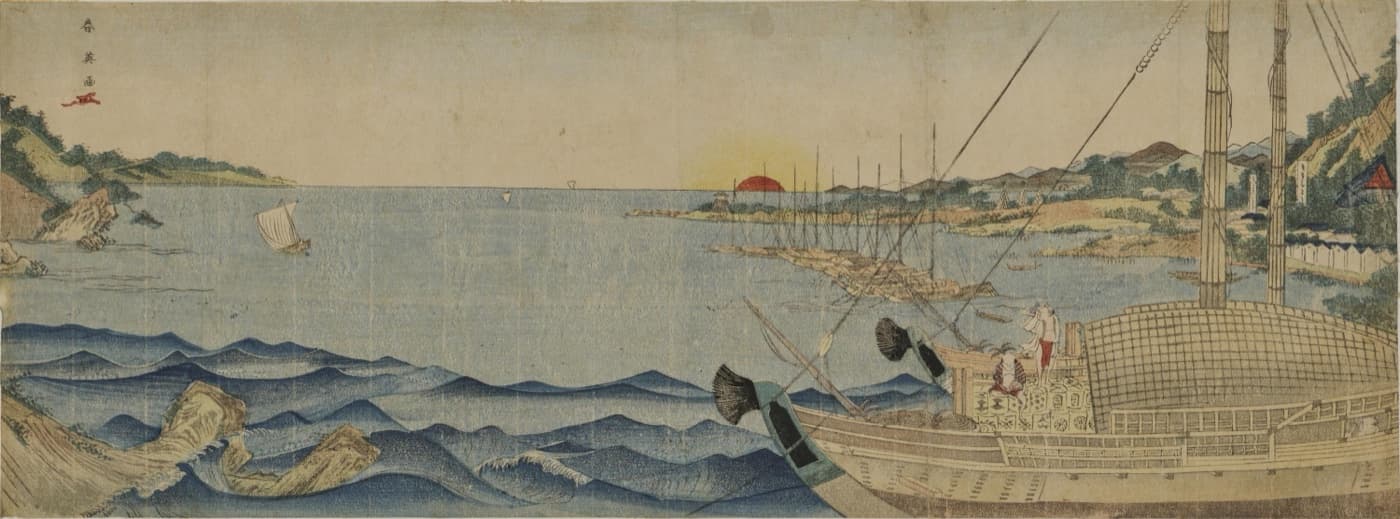
Forget fireworks over Tokyo Bay — year-end fireworks remain uncommon. New Year's Eve is about toshikoshi soba (buckwheat noodles for longevity), the Kohaku Uta Gassen music show on TV, and joya no kane — temple bells rung 108 times at midnight to purify the 108 earthly desires. At many temples you can queue to ring the bell yourself. If you want a countdown-party vibe, note that Shibuya now actively discourages the midnight Scramble crowd (fencing, extra security) — ticketed club or hotel countdown events are the smarter bet.
What Is Open in Japan During New Year
| Category | Status over New Year |
|---|---|
| Temples & shrines | ✅ Open — the star of the show; join hatsumode (first visit), busiest Jan 1 |
| Convenience stores | ✅ Open nationwide — food, ATMs, essentials; your lifesaver |
| Department stores | ⚠️ Mostly closed Jan 1; reopen Jan 2 with fukubukuro lucky bags (go early) |
| Museums | ⚠️ Most closed ≥ Jan 1; many reopen Jan 2 (Tokyo National Museum is traveler-friendly) |
| Restaurants | ⚠️ Many independents close (esp. Jan 1); hotel dining & chains most reliable; seafood menus reduced |
| Banks / post offices | ❌ Closed several days — withdraw cash before Dec 29 |
| Aquariums / observation decks | ✅ Many open (reservations); Shibuya Sky runs a paid first-sunrise event on Jan 1 |
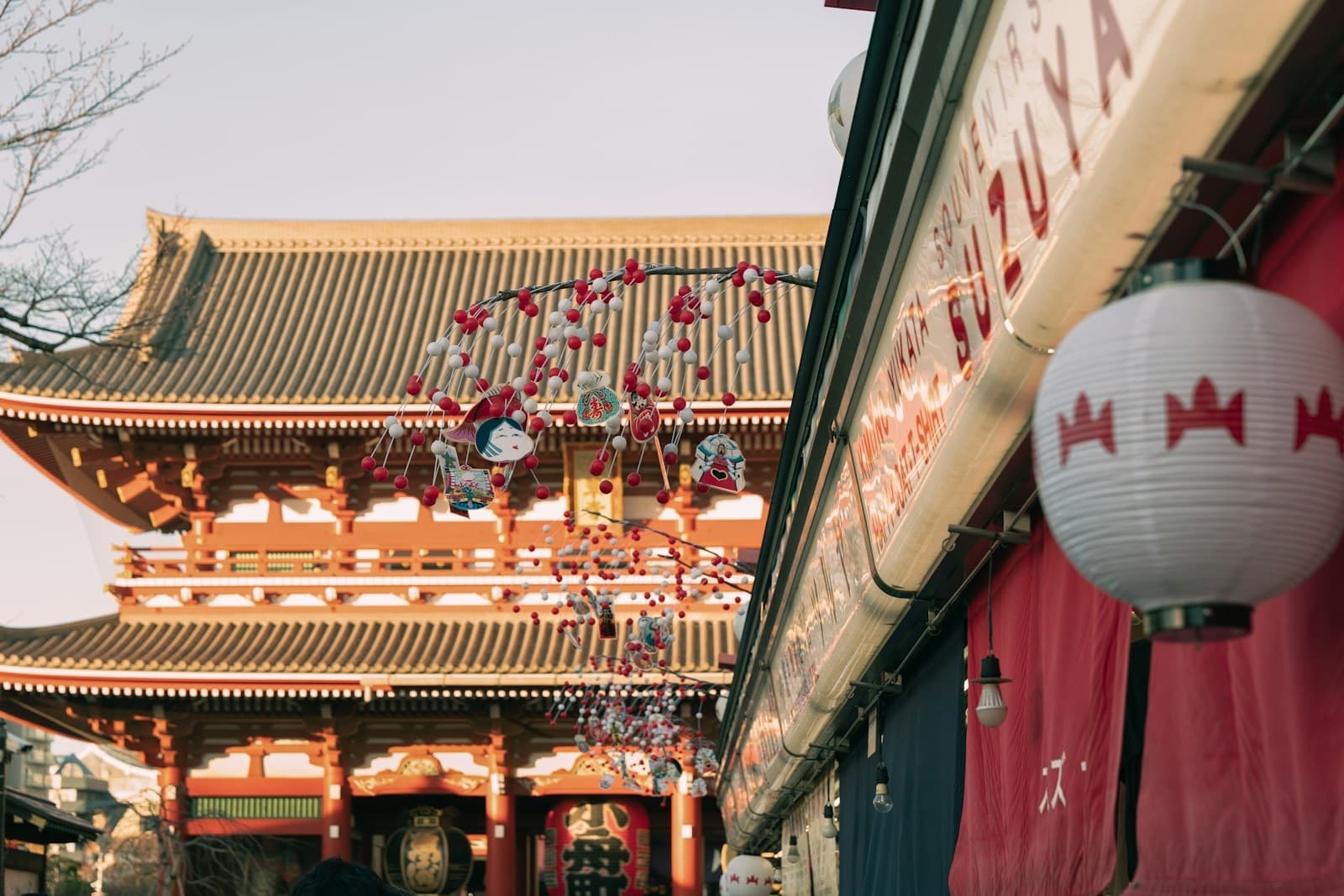
Hatsumode is the highlight — the year's first shrine visit. At Meiji Jingu the gates open from the morning of Dec 31 until 6 PM on Jan 1, with queues through Yoyogi Park; a neighborhood shrine has the same atmosphere at a fraction of the wait. On January 2, department stores open for hatsuuri (first sales) and the Imperial Palace opens its inner grounds — one of only two days a year. For hatsuhinode (first sunrise), the ticketed Shibuya Sky rooftop event is a bucket-list morning.
💬 From our Japan travel team
In Japan, New Year is when families gather and visit temples and shrines for hatsumode — so foot traffic on ordinary city streets is noticeably light. As long as you check online whether individual shops are open, sightseeing is quite manageable. Temples and shrines, however, are extremely crowded — plan accordingly.
A 5-Day Tokyo Plan Across the Peak
- Dec 31 (NYE): slow day; toshikoshi soba around 6–8 PM; a bell-ringing temple at midnight (Zojoji near Tokyo Tower, or Kanda Myojin) — leave plenty of time for managed station crowds.
- Jan 1 (Ganjitsu): hatsuhinode from a high point, then hatsumode at a shrine. Don't schedule museums or shopping — instead walk; the surreal quiet streets are one of the most memorable days you'll have.
- Jan 2 (Hatsuuri): department-store lucky bags in Shinjuku or Ginza; museums begin reopening; the Imperial Palace inner grounds are open.
- Jan 3: restaurants are mostly back — a food-heavy day (izakaya, a proper sushi lunch), plus museums that were closed on the 1st.
- Jan 4 onward: life is back to normal; day trips work again (Kamakura, Nikko, Hakone). See our December guide for the run-up.
Common Mistakes to Avoid
- Assuming only Jan 1 is affected. Plan around the whole Dec 29–Jan 4 window.
- Not withdrawing cash early. Bank and post-office ATMs go dark for days — take cash out before Dec 29.
- Booking your one big sushi dinner on Jan 1. Move it to Jan 3 or 4.
- Planning museums on Jan 1. Most are closed — do a temple, park, or observation-deck day.
- Ignoring transport peaks. Reserve inter-city seats the moment reservations open (usually one month prior).
- Not booking a hotel with breakfast. Hotel restaurants are among the most reliable places to eat during the shutdown.
After the New Year Period: The Rest of Winter
Normal service resumes around 4 January, and what follows is one of the most underrated stretches of the Japanese calendar. January and February are the coldest months but also the clearest, the least crowded and the cheapest — and they contain the events that genuinely require winter.
- Snow festivals. Sapporo Snow Festival 2027 in early February, plus Otaru Snow Light Path and Lake Shikotsu Ice Festival.
- Skiing. January is the best powder month of the season — see Japan ski season 2026-27.
- Illuminations still running. winter illuminations continue through winter and, at Nabana no Sato, to 31 May 2027.
- The month itself. Japan in January 2027 and winter in Japan.
Looking further ahead? The 2027 cherry blossom forecast starts firming up from January, and Japan's 2027 holiday calendar shows the rest of the year's crowd peaks.
Planning a trip to Japan over the New Year holidays? Get in touch through Plan My Trip on our self-guided tours site, and we'll suggest the tours that best fit your dates and plans.
FAQ: Japanese New Year 2027
When is Japanese New Year 2027?
The core period runs December 30, 2026 to January 3, 2027, with January 1 the only official national holiday. Many businesses close from around December 29 to January 4.
Is Japan worth visiting during New Year?
Yes, with the right expectations. You see the country's most important holiday firsthand, cities are quiet, and shrines are extraordinary — but restaurant and museum options are limited on Jan 1, so build around temples, hatsumode, first sunrise and Jan 2 sales.
What is open in Japan during New Year?
Temples, shrines, convenience stores, most hotel restaurants, many chains, some aquariums and observation decks (with reservations), and department stores from January 2 onward (with fukubukuro lucky bags). Most museums are closed on Jan 1 but many reopen Jan 2.
What's closed during Japanese New Year?
Most independent restaurants for one or several days, most museums for at least Jan 1, banks and post offices, some smaller shops, and food markets. Fresh-seafood restaurants may run reduced menus for several days.
Can I do hatsumode as a tourist?
Absolutely — it's welcoming and open to everyone. The basic form at a shrine is two bows, two claps, one bow. Follow the person in front of you and respect the line.
How far in advance should I book?
Hotels: three to six months. Shinkansen seats on peak days (Dec 30–31 and Jan 2–3): the moment reservations open, typically one month before travel.
Plan Your Self-Guided New Year Trip
New Year is one of the most rewarding times to visit — and the one that demands the most planning. We build a self-guided itinerary around the real closures, real crowds and the things you actually want to see, so the week works.
Closure patterns and dates are based on recent years and official venue notices; New Year hours are posted each December, so verify individual venues before you go. Last updated: July 2026.
Related Articles
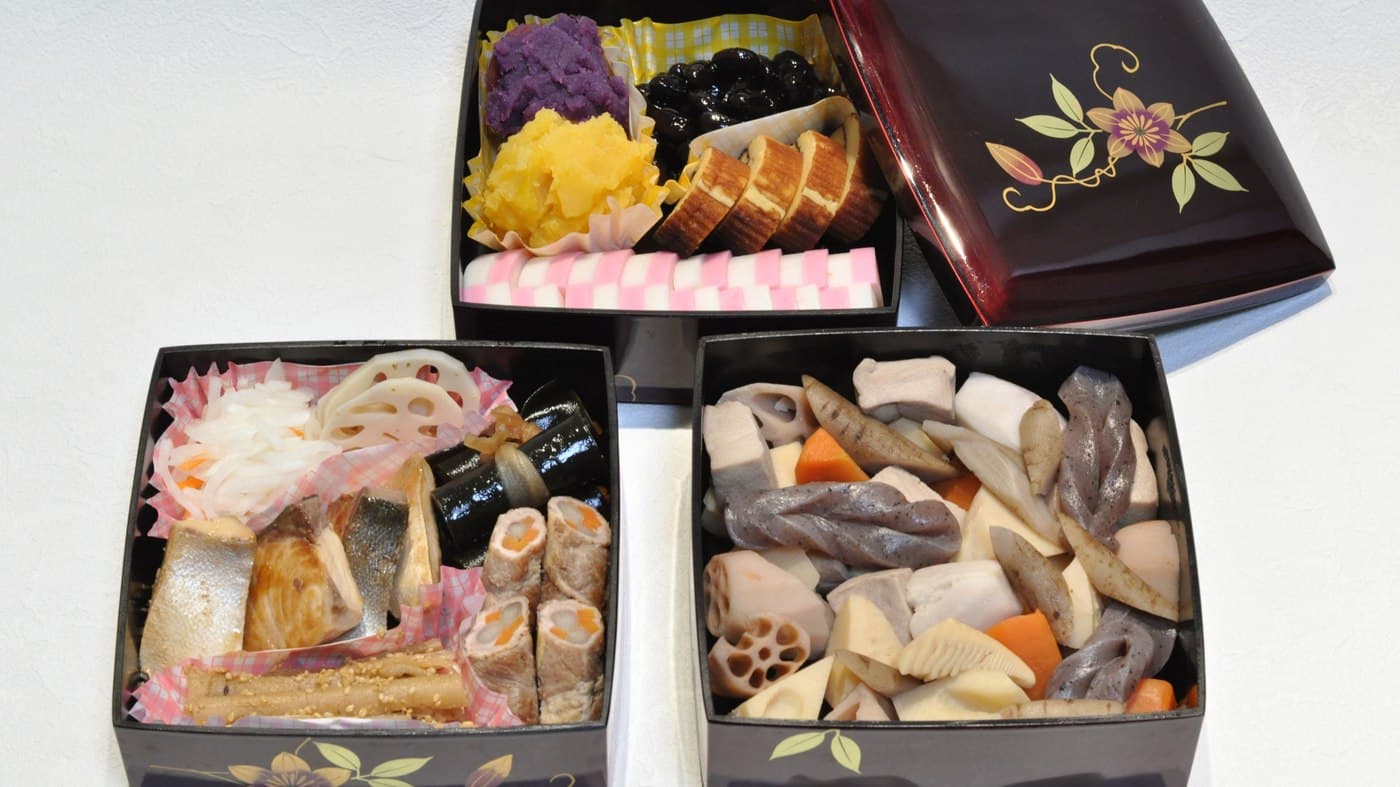
Osechi: A Traveler's Guide to Japanese New Year Food and How to Actually Try It
13 min read
Japan Holidays 2027: The Full Public Holiday Calendar & Which Weeks to Avoid
15 min read
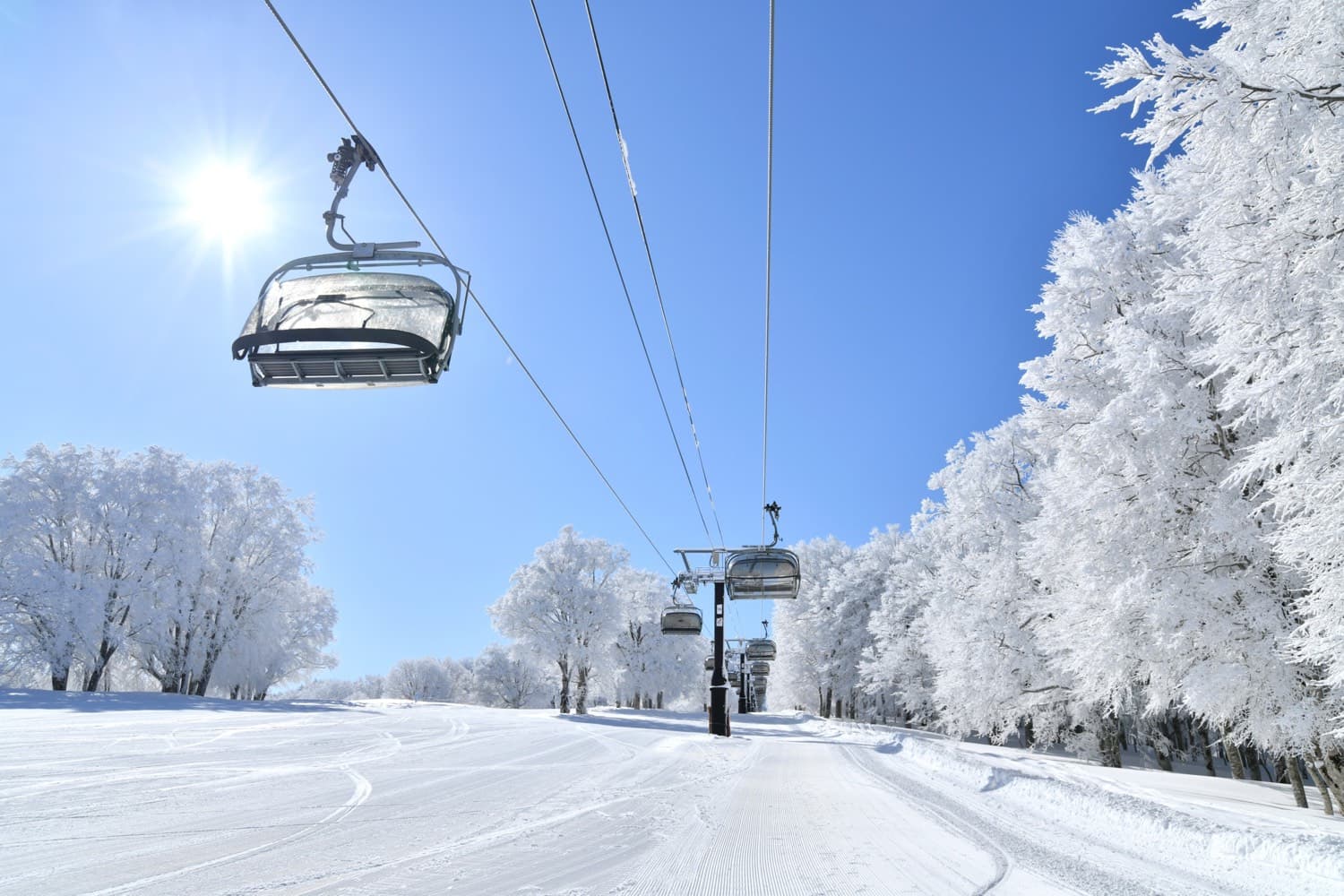
Japan in January: A Practical Guide to Weather, Snow, and Self-Guided Travel
12 min read