
Typhoon Season in Japan: When It Is, How Bad It Really Gets & How to Plan Around It
Typhoon season runs June to October, peaking in August and September — but about 25 storms form each year and only around three ever make landfall. What the risk actually looks like month by month and region by region, and the planning rules that make it a non-issue.
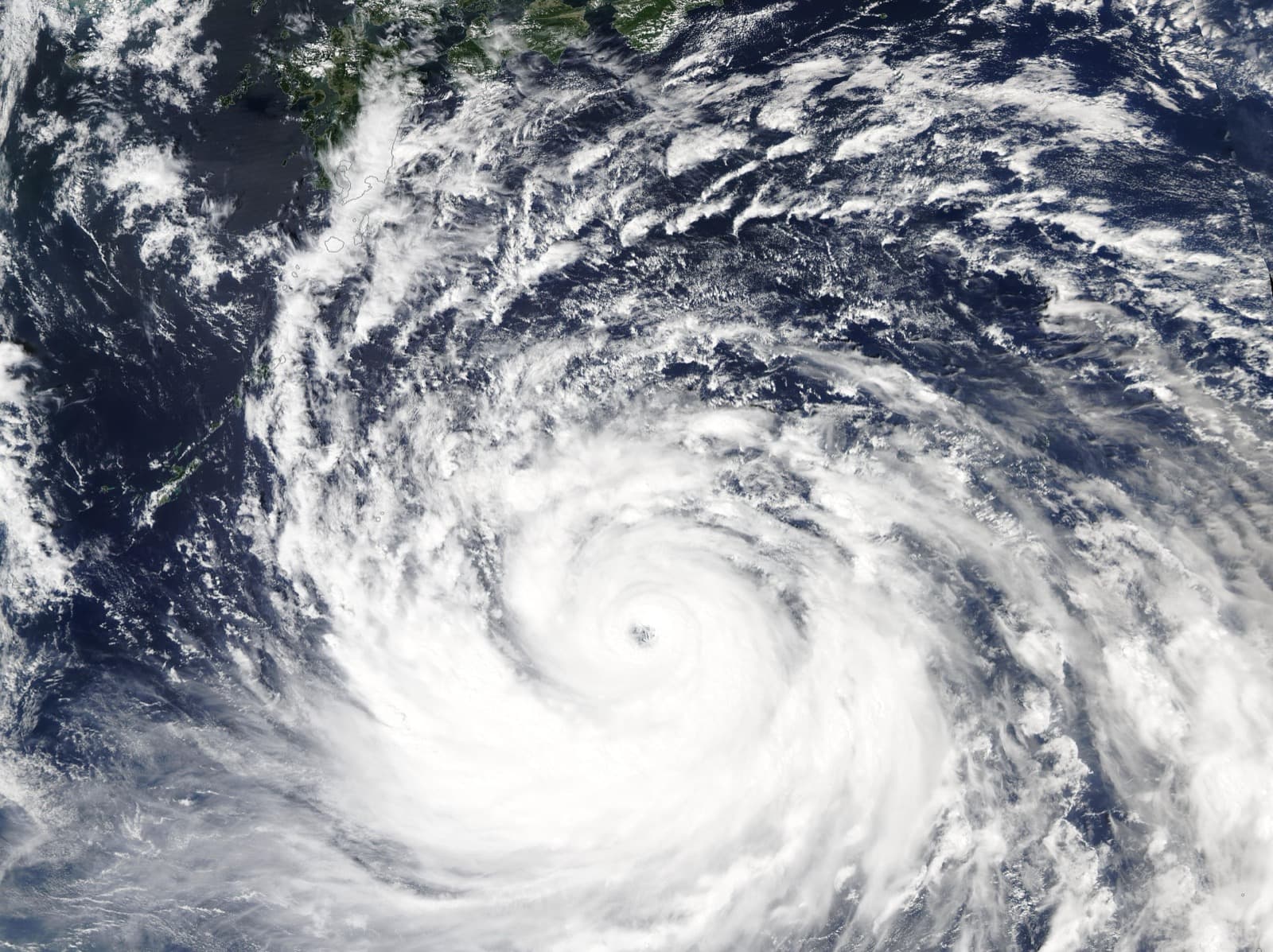
Typhoon season is the single most over-feared thing about travelling to Japan. Yes, the western Pacific produces more tropical cyclones than anywhere else on earth. And yes, Japan sits in their path. But the practical risk to a two-week trip is far smaller than the satellite images suggest — if you understand when the season actually runs, which regions carry the risk, and the handful of planning rules that turn a direct hit into a lost day rather than a lost holiday.
This is the permanent guide. It covers the pattern that repeats every year; for what this specific season is doing, jump to this year's season below.
🌀 Quick Answer: Typhoon Season in Japan
- When: June through October, with the sharp peak in August and September. By early November a landfalling typhoon is rare enough to make the news.
- How many: about 25 storms form in the western Pacific each year, roughly 12 approach Japan, and only around 3 make landfall.
- Where: Okinawa sees by far the most (about 7–8 approaches a year), then Kyushu and Shikoku. Tokyo and Kyoto get brushed a few times a season; Hokkaido almost never.
- Impact: a direct hit costs you one to two days — trains and flights stop, then restart remarkably fast. Buildings are engineered for it; hotels are among the safest places to be.
- Rule of thumb: never cancel a trip months ahead for typhoon risk. Decide 48–72 hours out, when forecasts actually mean something.
When Is Typhoon Season in Japan?
Technically, typhoons can form in the western Pacific in any month of the year. What travellers mean by "typhoon season" — the window in which a storm might plausibly affect a trip to Japan — runs from June to October. Within that window the risk is heavily lopsided: June and early July storms usually stay south of the main islands, while August and September account for the majority of the approaches and nearly all the memorable direct hits.
The season has a firm back edge. Through October the steering pattern shifts and storms increasingly curve out into the Pacific before reaching Honshu — on the long-term averages October sees about 1.7 typhoons approach Japan and only 0.3 make landfall. From November to May, typhoon risk is close enough to zero to ignore when planning.
One useful distinction the headlines blur: "forming," "approaching" and "landfall" are very different things. Around 25 storms form in an average year, but most live and die over open ocean. Roughly 12 come close enough to Japan to count as an approach, and about 3 actually cross the coastline. A "typhoon near Japan" headline usually describes rain on Okinawa, not chaos in Tokyo.
Month by Month: Where the Risk Actually Sits
Not sure which month suits you? Our guide to the seasons in Japan lines up all twelve months side by side — weather, crowds, prices and what is in bloom.
| Month | Avg storms forming | Risk to a Japan trip |
|---|---|---|
| November–May | 0–1/month | Negligible — plan freely |
| June | ~1.7 | Low — storms rarely reach the main islands; rainy-season fronts are the bigger factor |
| July | ~3.7 | Moderate — Okinawa exposure rises; Honshu hits still uncommon |
| August | ~5.7 | High — peak formation; slow-moving storms and Obon crowds are a bad mix |
| September | ~5.0 | Highest for Honshu — autumn storms move faster, track further north, and collide with the autumn rain front |
| October | ~3.4 | Declining fast — a late storm is possible in the first half, landfalls are rare |
Formation averages per JMA long-term climatology. September deserves its reputation not because more storms form than August, but because the ones that do are likelier to reach the Tokyo–Osaka corridor.

Region by Region: Who Actually Gets Hit
Okinawa is in a different category from the rest of the country: the island chain averages around 7–8 typhoon approaches a year, more than any other part of Japan. The flip side is that Okinawa is also the best-prepared place on earth for them — concrete construction, routine drills, and resorts that shrug off storms that would make national news elsewhere. See our dedicated Okinawa typhoon guide.
Kyushu and Shikoku take the most main-island landfalls — storms riding up from the south-west hit them first, often weakening before reaching anywhere else. Our Kyushu typhoon guide covers the regional pattern.
The Tokyo–Kyoto–Osaka corridor — where most first-time itineraries live — gets brushed by outer rain bands a few times a season and takes a genuine direct hit roughly once a year, usually in September. Hokkaido sees typhoons so rarely that a landfall there makes history books; by the time storms get that far north they have almost always weakened into ordinary low-pressure systems.
What Actually Happens When a Typhoon Hits
Japan does not improvise its typhoon response — it runs a rehearsed playbook, and knowing it removes most of the fear.
- Trains announce planned suspensions (計画運休) 24–48 hours ahead. JR publishes which lines stop and roughly when, so you can move your travel day before the storm, not during it. Shinkansen usually stop for hours, not days.
- Airlines cancel 12–24 hours ahead and rebook affected passengers without fees. Domestic carriers typically waive change charges for flights touching the storm window.
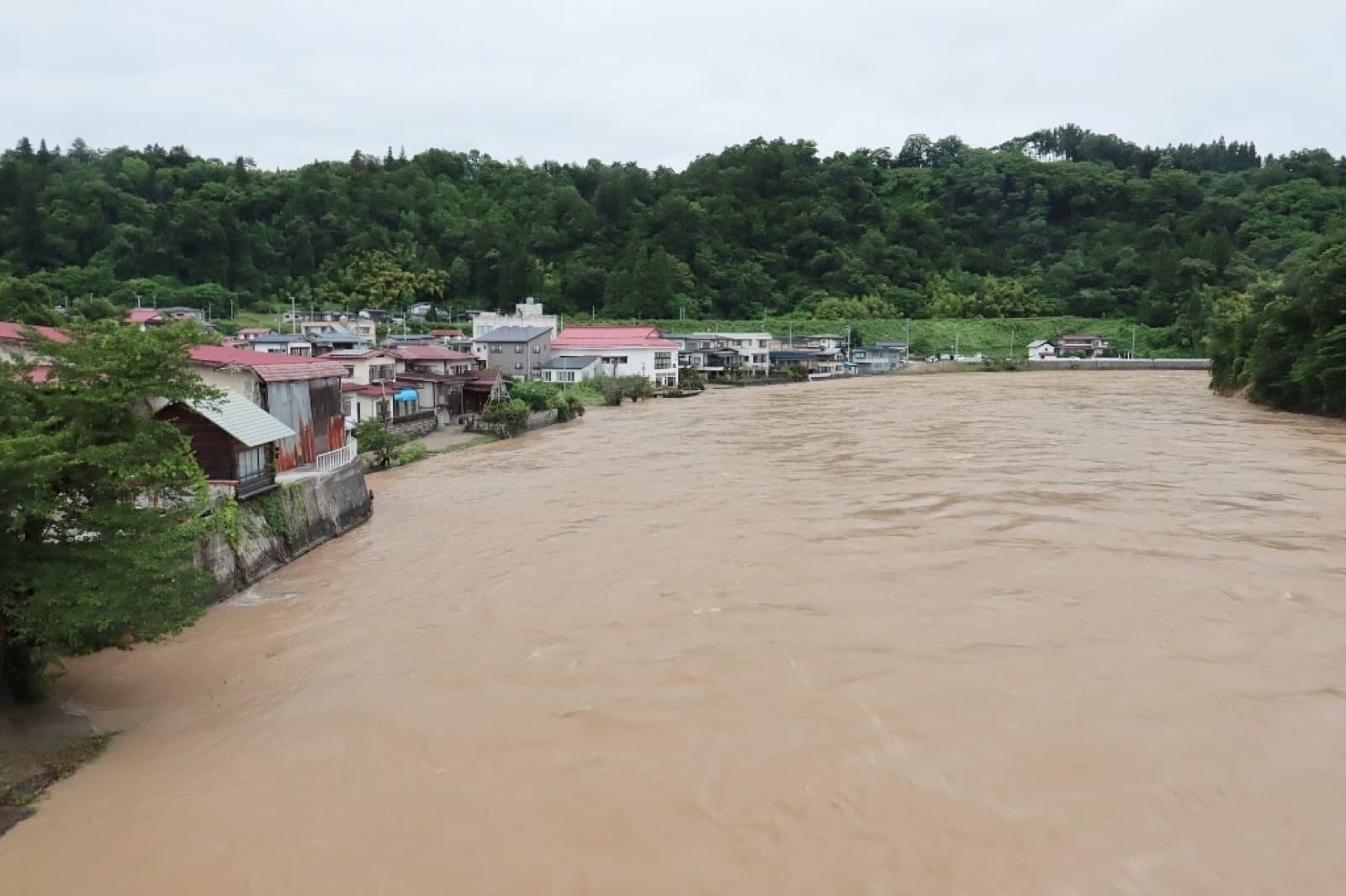
- Hotels stay open and are extremely safe. Japanese building codes are written for typhoons. The standard local response to a direct hit is to stay in, order konbini snacks, and wait out a loud night.
- The recovery is fast. The classic pattern is one wild evening, then blue skies by the next afternoon with trains restarting line by line.
The real cost of a typhoon to a traveller is almost never safety — it is one to two lost days, and occasionally a missed connection. That is what all the planning advice below is designed to absorb.
The Planning Rules That Make Typhoons a Non-Issue
- Never cancel months ahead. No forecast on earth can place a typhoon more than about a week out. Cancelling an August or September trip in March trades a real holiday for an imaginary storm.
- Decide at 72 hours, act at 48. Track forecasts only once you are inside three days of any given leg. Inside 48 hours, JMA's track cones are reliable enough to reroute around.
- Book flexible where it counts. Free-cancellation hotels for the first half of September, refundable or changeable domestic flights, and shinkansen seats you can move (reserved seats can be changed without fees before departure).
- Build one buffer day before any flight home. The classic typhoon casualty is the traveller who lands in Osaka the evening before an 8am departure from Tokyo.
- Buy insurance with weather-event cover. It pays for itself the first time a storm clips your dates.
- If a storm does line up with your dates, shift within the trip rather than cancelling it — swap the region (a Kyushu storm rarely touches Tokyo), or swap the days (museum-and-food day during the rain, big sights after).
Those rules are easier to keep if the itinerary was built with them in. Our 10-day Japan itinerary shows where the buffer day goes and which legs can swap; how much a trip to Japan costs lets you price a September or October trip with a spare night included; and on our self-guided tours the rebooking of trains and hotels around a storm is done by our team in Japan rather than by you at a station counter.
Japan Trip Cost Calculator (2026)
Set your trip below — the estimate updates instantly. Yen prices are converted at a rounded ¥150 to the dollar; the market rate is about ¥157 in September 2026, which makes yen costs a few percent cheaper than shown.
Intercity is priced as point-to-point tickets unless you add the pass — on the Tokyo–Kyoto–Osaka route the pass usually costs more than the tickets.
Estimated total
$4,530
$2,265/person · $453/day · 2 travelers, 10 days
Estimate only — a mid-range guide, not a binding quote. Peak season & specific hotels shift the total.
For comparison, our self-guided routes run about $270–390 per person per day with hotels, trains, luggage delivery and 24/7 support included — the difference from a DIY estimate is the hotel class and having it all arranged.
The Tools Locals Actually Use
- JMA (Japan Meteorological Agency) — the official source. English site with track forecasts, warnings and the five-day cone.
- Yahoo! Weather Japan / tenki.jp — what Japanese phones show; the rain radar is the best in the country.
- NHK World app — English push alerts for major weather events and transport suspensions.
- Rail operator sites and X accounts — JR Central / JR East post planned-suspension notices in English; airport and airline apps handle rebooking.
This Year's Season
The pattern above repeats every year; the details differ. For the current season we keep separate, dated pages up to date through the autumn:
- Japan typhoon forecast 2026 — this season's outlook, storm count so far and what the ENSO pattern is doing to tracks.
- Typhoons in September 2026 — the peak-month guide, updated with named storms as they form.
- Japan typhoon season 2026 — the season-wide 2026 edition.
And if your real question is the broader one — "is it safe to go right now?" — our continuously updated Is Japan safe to visit right now page covers typhoons alongside earthquakes and everything else, while best time to visit Japan weighs weather risk against crowds and cost for every month.
Planning a trip to Japan in typhoon season and want support if the weather turns? Get in touch through Plan My Trip on our self-guided tours site, and we'll suggest the tours that best fit your dates and plans.
FAQ: Typhoon Season in Japan
When is typhoon season in Japan?
June through October, peaking sharply in August and September. About 25 storms form in the western Pacific each year, roughly 12 approach Japan, and only around 3 make landfall. From November to May the risk is negligible.
What is the worst month for typhoons in Japan?
For the main islands, September — its storms move faster, track further north into the Tokyo–Osaka corridor, and coincide with the autumn rain front. August produces slightly more storms overall but more of them stay south.
Should I avoid visiting Japan during typhoon season?
No. The odds of a typhoon meaningfully disrupting any given two-week trip are low, and a direct hit typically costs one to two days, not the holiday. Book flexible hotels for early September, keep a buffer day before your flight home, and decide about specific storms only 48–72 hours out.
Do typhoons hit Tokyo and Kyoto?
A few times a season the corridor gets heavy rain from a storm's outer bands, and roughly once a year a typhoon passes close enough for a genuine stormy night, usually in September. Okinawa and Kyushu carry far more of the risk; Hokkaido sees typhoons only rarely.
What happens to trains and flights during a typhoon?
Rail companies announce planned suspensions 24–48 hours in advance so you can move your travel day; shinkansen usually stop for hours rather than days. Airlines cancel 12–24 hours ahead and rebook without fees. The recovery is fast — the classic pattern is one wild evening, then blue skies the next afternoon.
Related Articles

Japan Typhoon Season 2026: Aug–Sep Peak — Should You Cancel? (Month-by-Month Risk)
15 min read
Japan Typhoon Tracker 2026: Latest Track, Live Tools & the Season Outlook
15 min read
Japan Typhoon September 2026: A Traveler's Guide to Planning Around the Storms
15 min read