Hakone Day Trip from Tokyo 2026: Hour-by-Hour Itinerary
Mt Fuji, hot springs, a pirate ship across Lake Ashi, volcanic black eggs, and Hakone Shrine — all in one well-planned 12-hour day from Shinjuku.
A Hakone day trip is the single most rewarding day trip from Tokyo for first-time visitors. In one well-planned day, you can see Mount Fuji from a ropeway, soak in natural hot springs, ride a pirate ship across Lake Ashi, eat black eggs boiled in volcanic sulfur, walk through a centuries-old Edo period checkpoint, and stand under the iconic red torii gate at Hakone Shrine.
This guide gives you an exact hour-by-hour itinerary for visiting Hakone in 2026, including how to use the Hakone Free Pass to save money on every leg of transportation, where to find the best Mount Fuji views, and which onsen to choose if you want a hot spring bath before heading back to Tokyo.
By the end of the day, you will have experienced one of Japan's most concentrated mixes of natural beauty, Japanese culture, and traditional Japanese cuisine — without ever needing to stay overnight, and without spending a fortune on transportation. For more day trip ideas, see our best day trips from Tokyo guide.
Quick Answer: Hakone Day Trip in One Box
Travel time
85 min Shinjuku→Yumoto
Total cost
¥8,500-10,500/person
Day length
7 AM - 10 PM
Must-buy
Hakone Free Pass
Why Hakone Is the Best Day Trip from Tokyo
Staying a night? Forward the big suitcase to your next city and come up with a day bag — our luggage forwarding guide explains how.
Hakone sits about 90 minutes southwest of Tokyo in Kanagawa Prefecture, nestled inside an ancient volcanic caldera. The town has been a hot spring destination since the Edo period, when travelers on the Tokaido Highway between Tokyo and Kyoto would stop here to rest, bathe, and pass through the Hakone Checkpoint.
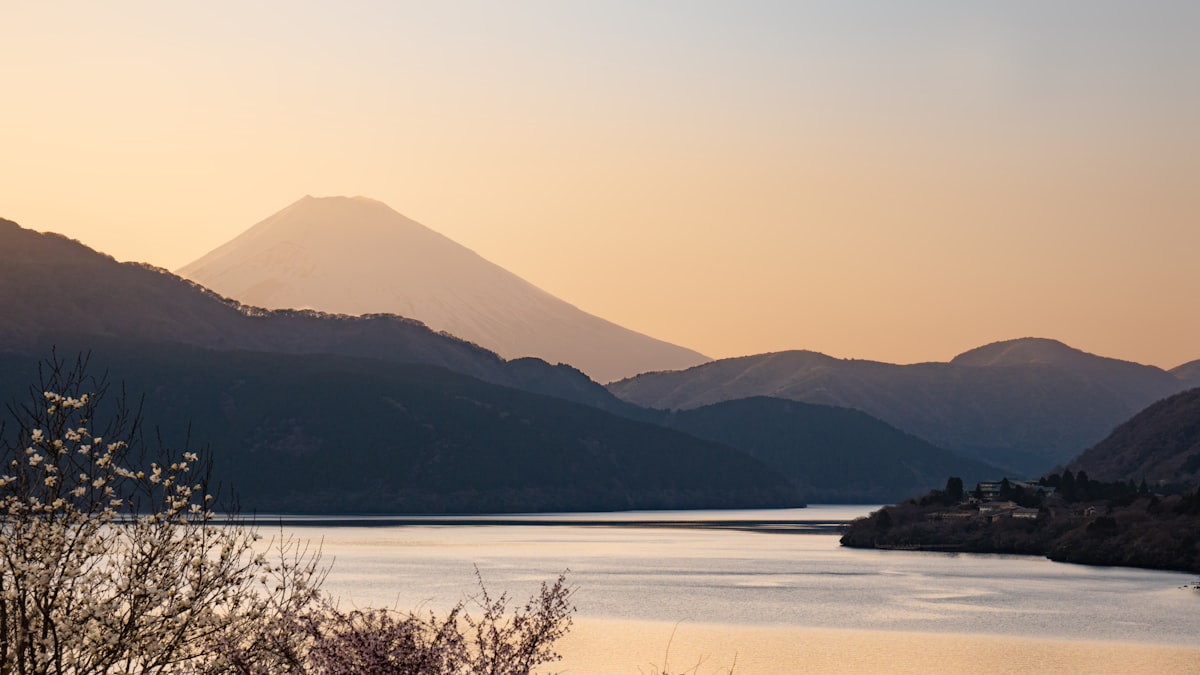
Today, Hakone delivers a complete sampler of Japan in a compact area: hot springs, mountain views, traditional shrines, museum culture, lake scenery, volcanic landscapes, and Mount Fuji. You can see all of it in a single day with smart planning.
For first-time visitors and returning Japan travelers alike, a Hakone day trip from Tokyo packs more variety into 12 hours than almost any other itinerary in Japan.
Quick Summary: What This Hakone Day Trip Includes
This hour-by-hour Hakone day trip itinerary covers:
- Transportation: Round-trip Odakyu Romance Car from Shinjuku Station, plus the Hakone Tozan mountain railway, cable car, ropeway, pirate ship, and shuttle bus — all included with the Hakone Free Pass
- Cultural sites: Hakone Open Air Museum, Hakone Shrine, Hakone Checkpoint
- Natural highlights: Owakudani volcanic valley with black eggs, Lake Ashi, Mount Fuji views from the Hakone Ropeway
- Onsen experience: A hot spring bath at Hakone Yumoto before returning to Tokyo
- Total cost: ¥8,500-10,500 per person depending on which Romance Car ticket and onsen you choose
The day runs from a 7:00 AM departure at Shinjuku Station to a 10:00 PM return — long but rewarding.
Hakone Free Pass: How It Works (and Why You Need It)
The Hakone Free Pass is the single most important purchase for any Hakone day trip from Tokyo. It bundles round-trip transportation between Tokyo and Hakone with unlimited rides on every form of transport inside the Hakone area for two consecutive days.
Without the free pass, individual tickets across the day's transit would cost ¥6,500+ per person. The Hakone Freepass costs ¥7,100 for adults (2-day version, departing from Shinjuku) and saves you significant money while removing the friction of buying tickets at every station.
What the Hakone Free Pass Includes
The Hakone Free Pass covers:
- Round-trip Odakyu line train between Shinjuku and Hakone Yumoto Station (express service, not the Romance Car premium service)
- Hakone Tozan mountain railway (Hakone Yumoto to Gora Station)
- Hakone Tozan cable car (Gora to Sounzan)
- Hakone Ropeway (Sounzan to Togendai)
- Hakone pirate ship boat ride across Lake Ashi
- Hakone Tozan and Izuhakone shuttle buses around the entire Hakone area
- Discounts at the Hakone Open Air Museum and other major attractions
The Romance Car (express limited) requires a separate ¥1,200 supplement for reserved seats — strongly recommend booking these in advance.
Where to Buy the Hakone Free Pass
The Hakone Free Pass is sold at Shinjuku Station's Odakyu ticket counter, online via the Odakyu English website, and at major travel agents. Buying online saves time at the station — useful for early morning departures. The pass is also available at the Odawara Station Odakyu counter for travelers who plan to arrive via shinkansen.
For visitors planning a longer stay, a 3-day Hakone Freepass costs ¥7,500 — only ¥400 more than the 2-day pass. Strongly recommend the 3-day version if you are considering one or two nights overnight in the area.
A "departure city" version of the pass is also available from select stations west of Tokyo (Yokohama, Machida) at slightly lower prices, useful if your hotel is not near Shinjuku.
Getting to Hakone from Tokyo
The fastest route from Tokyo to Hakone runs from Shinjuku Station via the Odakyu line. There are two ways to make the trip.
Odakyu Romance Car from Shinjuku Station
The Romance Car is a comfortable limited express service that runs directly from Shinjuku Station to Hakone Yumoto Station in about 85 minutes. All seats are reserved, and the train features panoramic windows for mountain views as you approach Hakone.
A Romance Car ticket supplement costs ¥1,200 on top of the Hakone Free Pass. For an early-morning departure, this is the best choice — you will arrive in Hakone alert and ready to start the day.
Cheaper Alternative via Odawara Station
For budget travelers, the standard Odakyu express train runs Shinjuku to Odawara Station in about 75 minutes, where you transfer to the Hakone Tozan line for the final 15 minutes to Hakone Yumoto. The total trip takes about 100 minutes — slightly longer than the Romance Car, but with no supplement fee.
For visitors with a JR Pass, you can also take the Tokaido Shinkansen from Tokyo Station to Odawara (35 minutes), then transfer to the Hakone Tozan line. This is the fastest option but more expensive. See our JR Pass 2026 worth-it guide if you are deciding on the rail pass.
Hour-by-Hour Hakone Itinerary
Here is the full hour-by-hour Hakone day trip itinerary. Times are realistic for a 2026 trip and include buffer for crowds during peak season.
7:00 AM - Depart Shinjuku Station
Take the 7:00 AM Romance Car from Shinjuku Station to Hakone Yumoto. The early start matters: arriving in Hakone before the day-tripper crowds gives you the best access to the Hakone Open Air Museum, the ropeway, and the pirate ship all morning.
Pack a daypack with water, snacks, sunscreen, and a small towel for the onsen later. Buy breakfast at the station — convenience store onigiri or coffee work fine on the train.
8:30 AM - Arrive Hakone Yumoto Station
Hakone Yumoto Station is the gateway to the Hakone area. The station sits at the entrance of Hakone Yumoto, the original hot spring town that has been welcoming visitors since the early 1600s.
Do not linger here on arrival — you will return in the evening for your onsen soak. Transfer immediately to the Hakone Tozan mountain railway, which leaves from the same station.
9:00 AM - Hakone Tozan Line to Gora Station
The Hakone Tozan line is one of Japan's most scenic mountain railways. It climbs nearly 500 meters in 9 kilometers, navigating three switchbacks where the train reverses direction to gain elevation.
The 40-minute ride passes through bamboo groves, hydrangea-lined tracks (spectacular in June), and dense forest. Choose a window seat on the right for the best views during the climb. For more on June's hydrangeas in Hakone, see our Japan in June 2026 guide.
10:00 AM - Hakone Open Air Museum
The Hakone Open Air Museum is one of Japan's most distinctive cultural attractions. It is a sculpture park spread across 70,000 square meters, featuring works by Henry Moore, Picasso (in a dedicated indoor pavilion), and over 100 modern sculptures set against forested mountains.
Allow 90 minutes here. The Symphonic Sculpture (a stained-glass tower you climb), the Picasso Pavilion, and the open-air bath for hands and feet (free with admission) are highlights.
Admission is ¥2,000 at the gate, or ¥1,800 with an advance online ticket. The opening time is 9:00 AM, so you will arrive when crowds are still light.
11:30 AM - Cable Car to Sounzan Station
After the museum, walk back to Gora Station and transfer to the Hakone Tozan cable car. This funicular climbs 200 meters in 10 minutes, connecting Gora Station to Sounzan Station.
The cable car runs every 15 minutes. The cable car station at Sounzan connects directly to the Hakone Ropeway — no walk between them.
12:00 PM - Hakone Ropeway to Owakudani: Black Eggs and Volcanic Views
The Hakone Ropeway is a 4-kilometer aerial gondola that crosses Mount Hakone's volcanic terrain. The first stop, Owakudani ("Great Boiling Valley"), is an active volcanic vent area with steaming sulfur springs and stark, otherworldly views.
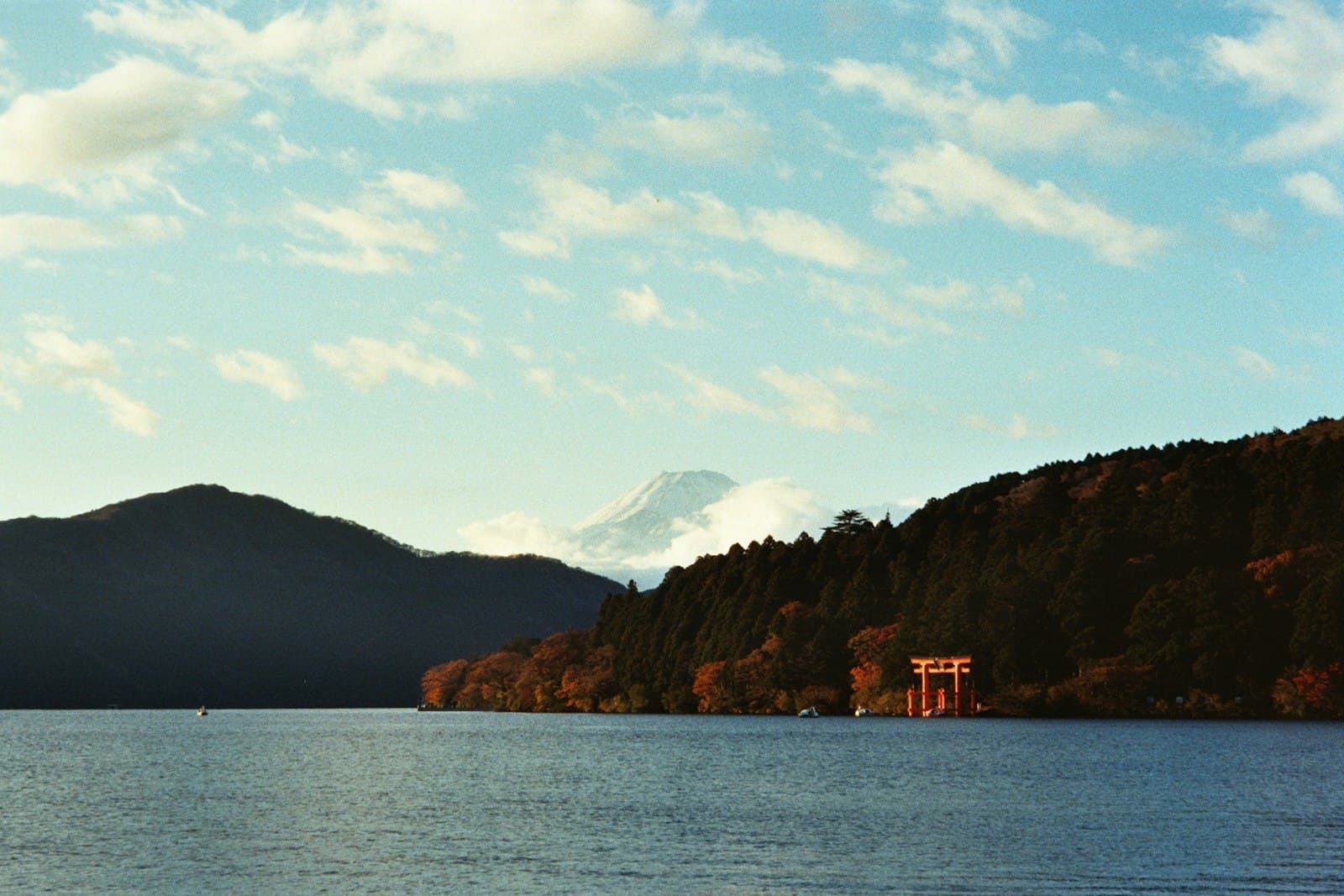
On clear days, this is one of the best Mount Fuji views anywhere in Japan. The white peak rises directly across the valley, framed by the volcanic landscape below.
The famous black eggs (kuro tamago) are sold at the Owakudani station — chicken eggs boiled in 80°C sulfuric hot springs, which turns their shells black. Local legend says eating one adds seven years to your life. They cost ¥500 for a bag of four eggs — sold by the bag only — and taste like normal hard-boiled eggs.
Allow 45 minutes at Owakudani. Walking is restricted to safety paths due to volcanic gas; respect the boundaries.
1:00 PM - Lunch with Mount Fuji and Lake Ashi Views
Continue the ropeway from Owakudani to Togendai, the northern port of Lake Ashi. The ropeway descends slowly with stunning views of the lake, the mountains, and (on clear days) Mount Fuji.
At Togendai, lunch options include the Togendai View Restaurant (Japanese cuisine with panoramic windows, ¥1,800-2,800), a cafeteria with reasonable prices, and a few souvenir-style snack shops. The restaurant view is genuinely worth the slight tourist trap premium.
For travelers seeking lighter or quicker fare, the cafeteria serves curry rice (¥1,200), udon and soba (¥900-1,400), and bento boxes (¥1,300) — all with the same panoramic view. A small convenience store inside the building stocks snacks and drinks for travelers wanting to save money and eat outside on the lakefront benches.
2:00 PM - Pirate Ship Boat Ride to Hakone Machi Port
From Togendai, board the Hakone pirate ship for a 30-minute boat ride across Lake Ashi to Hakone Machi Port (or the alternate Moto Hakone Port).
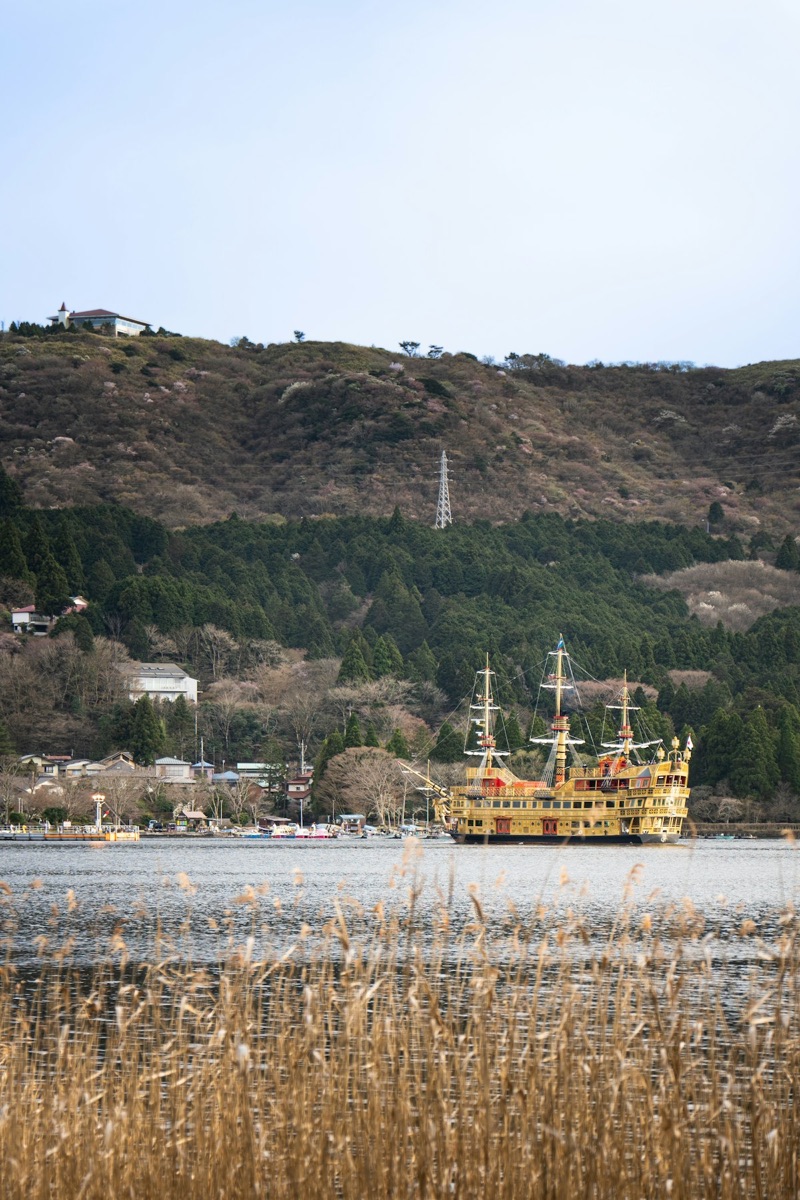
The ship is a replica galleon and looks more theme-park than authentic, but the cruise across Lake Ashinoko is spectacular regardless. Mount Fuji is most visible from the lake's south side, especially during the second half of the boat ride.
Disembark at Hakone Machi Port. From here, the next several stops are within walking distance.
3:00 PM - Hakone Shrine and the Red Torii Gate
Hakone Shrine sits in dense forest at the lake's south end. Its iconic red torii gate stands directly in the water, creating one of Japan's most photographed shrine images.
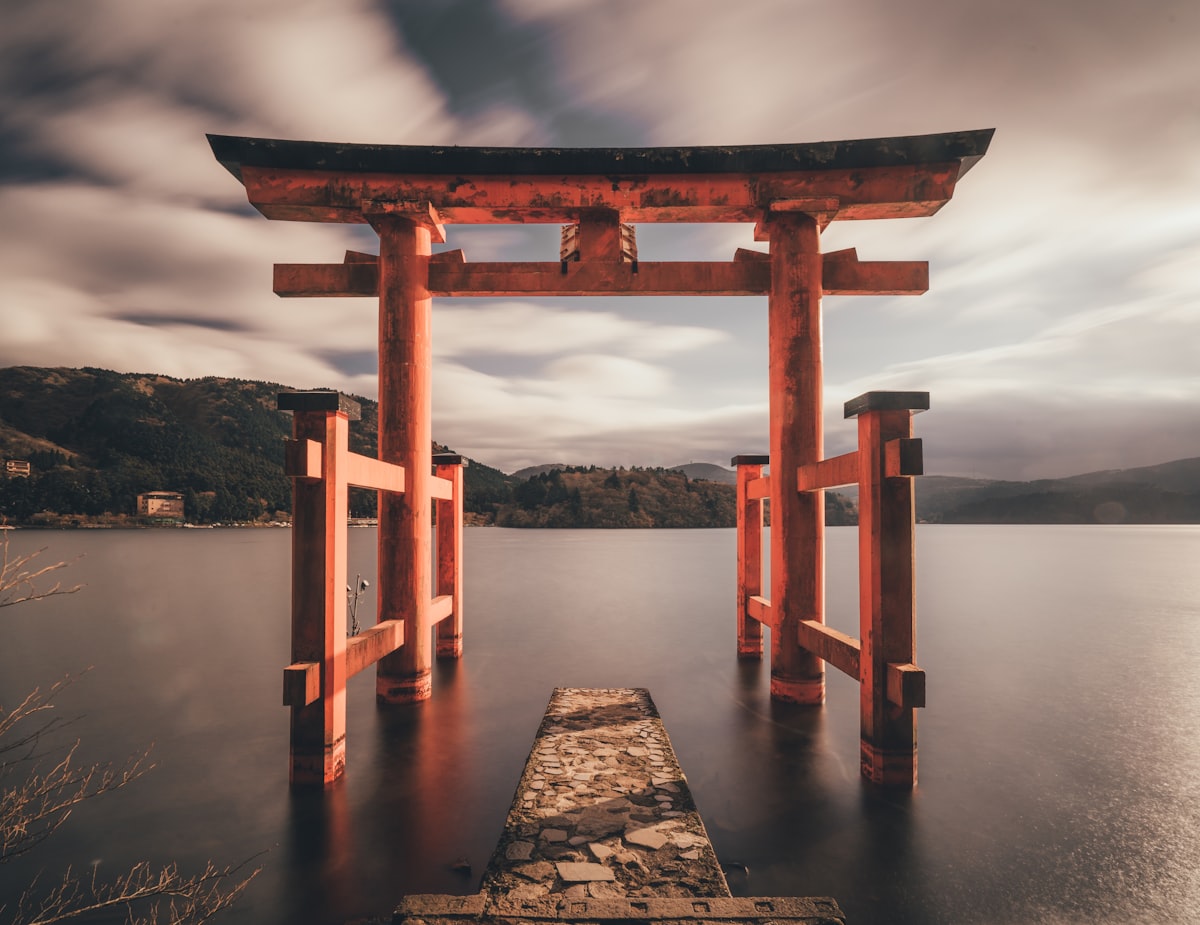
Walk from Hakone Machi Port to the torii gate (15 minutes through forest paths and along the lake shore). The main shrine building sits up a stone staircase in the forest behind the torii.
Hakone Shrine has been worshipped for over 1,200 years. The main hall, the giant cedars in the surrounding forest, and the lakefront torii gate make this the most atmospheric stop of the day.
4:00 PM - Hakone Checkpoint and the Old Tokaido Highway
A 10-minute walk from Hakone Shrine brings you to the reconstructed Hakone Checkpoint (Hakone Sekisho). During the Edo period, this was one of Japan's most important security checkpoints, controlling traffic on the Tokaido Highway between Edo (Tokyo) and Kyoto.
The reconstructed buildings include the inspection office, prison cells, and lookout towers. Admission is ¥500 (free pass discount available). Allow 30 minutes.
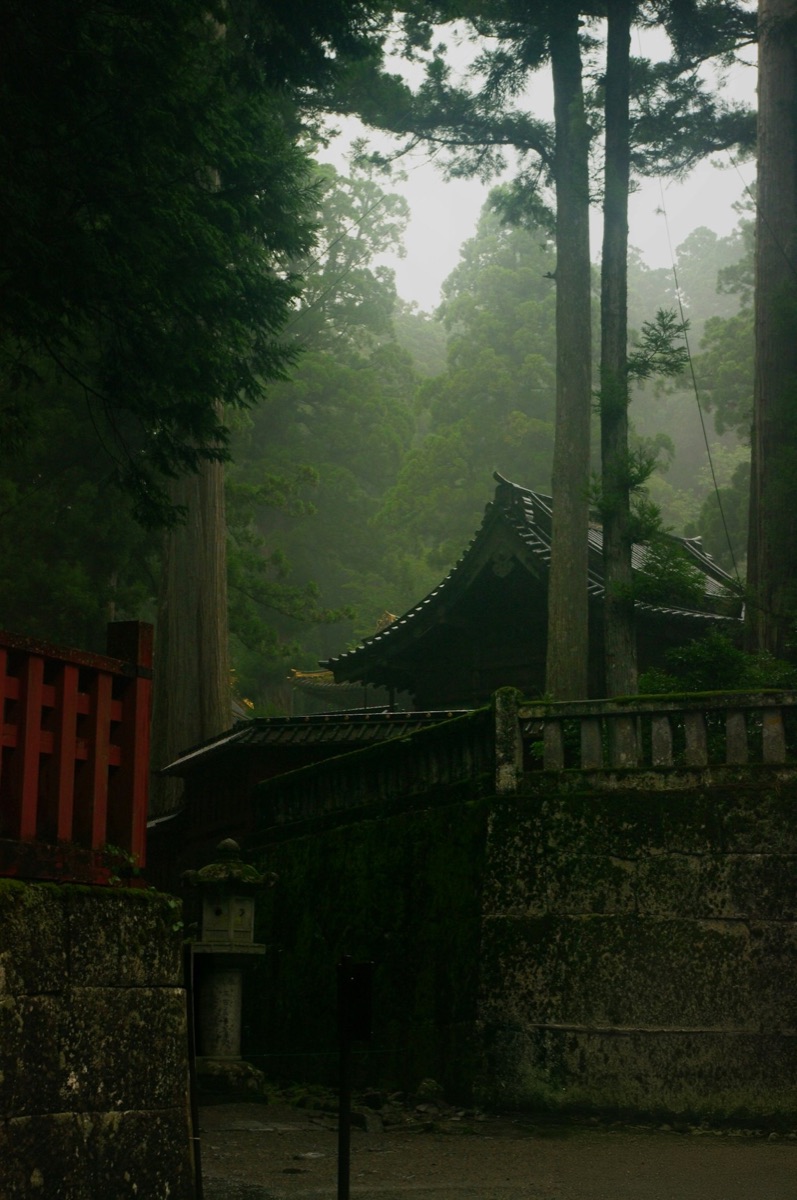
Walk a section of the Old Tokaido Highway behind the checkpoint — a stone-paved path lined with massive ancient cedars planted in the early 1600s. This is the same path samurai, daimyo, and merchants walked between Tokyo and Kyoto for over 250 years. For more on these historic walking routes, see our Nakasendo trail guide.
5:30 PM - Hot Spring Bath at Hakone Yumoto
Take a shuttle bus from Hakone Machi back to Hakone Yumoto Station (about 30 minutes). Hakone Yumoto is the original hot spring town, with dozens of public onsen and ryokan offering day-use bathing.
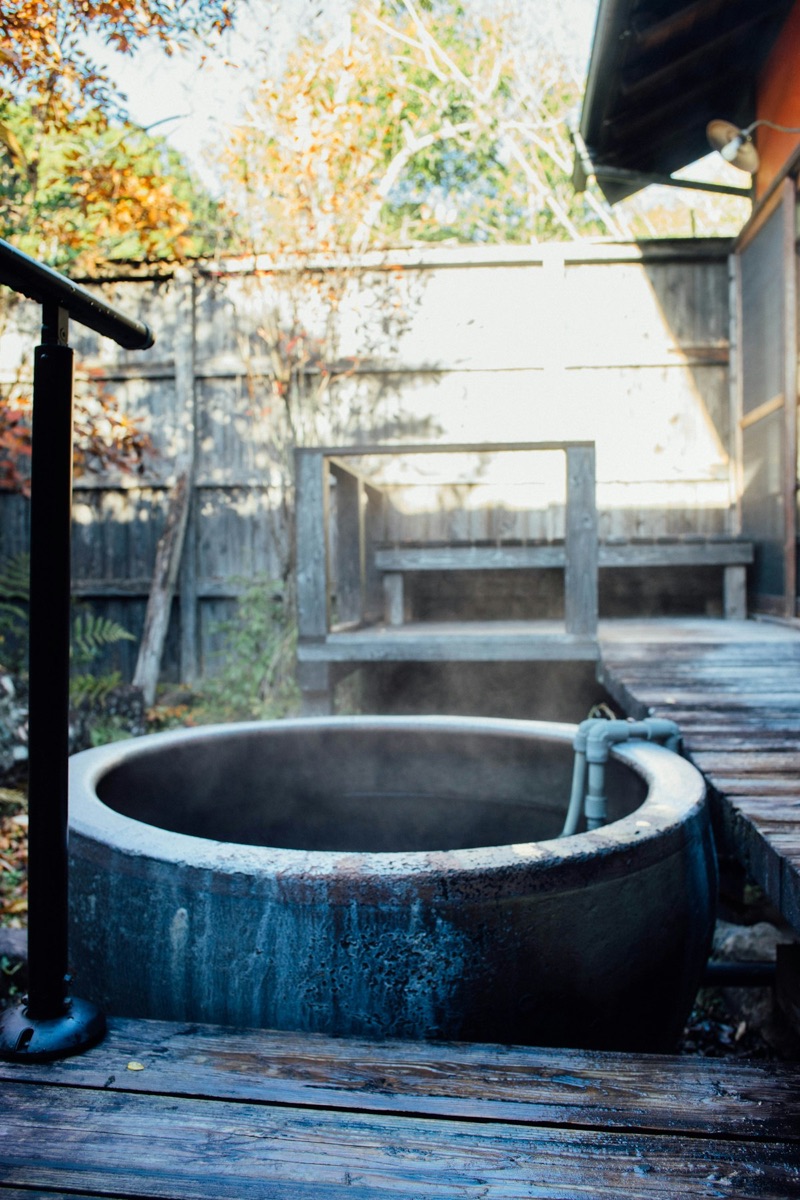
Two solid options for a day-use hot spring bath:
Hakone Yuryo (¥1,800-2,800): Modern, hilltop onsen with multiple indoor and outdoor baths. Free shuttle bus from Hakone Yumoto Station. Includes private onsen room rentals for travelers who prefer not to bathe publicly.
Tenzan Tohji-kyo (¥1,450): Traditional, slightly older facility with a wider variety of natural pools, including a stone-walled outdoor bath. More authentically Japanese atmosphere.
Allow at least 90 minutes for the full onsen experience: changing, bathing, post-bath relaxation in a yukata robe, and a cool drink in the lounge. For full onsen etiquette and tips, see our onsen guide.
7:00 PM - Dinner and Return to Tokyo
Hakone Yumoto's main street has dozens of restaurants serving everything from local soba and tempura to traditional kaiseki dinner sets. A typical dinner costs ¥1,500-3,500.
After dinner, board the Romance Car back to Shinjuku Station. The 8:30 PM departure arrives in Shinjuku at 9:55 PM. If you want to extend the day, later trains run until about 10:30 PM.
Best Time to Visit Hakone
Hakone has four distinct visiting seasons, each with its own appeal.
Cherry Blossoms in Spring
Cherry blossoms peak in Hakone in early to mid-April — about a week later than Tokyo due to the higher elevation. Onshi Hakone Park, the lakeside cherry trees near Moto Hakone Port, and the hillside paths near the Hakone Botanical Garden all bloom spectacularly.
Spring is peak season — expect huge crowds on weekends and book the Romance Car in advance. For more on planning around Golden Week and the post-Golden Week sweet spot, see our Japan in May 2026 guide.
Autumn Leaves Season
Autumn leaves peak in Hakone from late October through mid-November. The Hakone Tozan mountain railway runs through tunnels of red and gold maples; the Hakone Open Air Museum's grounds blaze with color; the lakeside paths near Hakone Shrine glow in afternoon light.
Autumn rivals spring as the most photogenic season in Hakone.
Off Season Visits (Winter and Early Summer)
Off season — January through early March, plus mid-June and early September — sees significantly fewer international tourists and lower hotel costs. Winter Hakone offers snow-dusted mountains and Mount Fuji often appearing more clearly thanks to crisp dry air. The natural hot springs feel especially good in cold weather.
Early summer (June) brings hydrangea blooms along the Hakone Tozan railway tracks. Locals call this the "Hydrangea Train" season — one of the prettiest off-peak visiting Hakone experiences. See our Japan rainy season 2026 guide for timing.
Should You Stay Overnight in Hakone Instead?
A Hakone day trip from Tokyo is doable but compressed. If your schedule allows, staying one night at a Hakone ryokan transforms the experience.
Benefits of staying overnight: a private onsen at your ryokan, traditional kaiseki dinner with breakfast included the next morning, slower pacing across the day, and the chance to see Mount Fuji at sunrise from a hilltop hotel.
Ryokan prices range from ¥18,000 per person for simple accommodations to ¥80,000+ for premium properties with private onsen. Book 2-3 months ahead in normal periods, 4-6 months ahead during cherry blossoms or autumn leaves season. See our Japan hotel prices 2026 guide for full breakdowns and our ryokan primer.
For travelers planning their next destination after Tokyo, a one-night Hakone stop fits naturally between Tokyo and Kyoto on the Tokaido route — strongly recommend visiting if you have an extra day.
Want Hakone built into a longer trip?
Most travelers do Hakone as one night between Tokyo and Kyoto on a self-guided Golden Route tour. Tell us your dates and we will recommend whether a day trip or overnight ryokan fits better, and slot it into the rest of the trip.
Other Hakone Attractions Worth Knowing About
If your day-trip schedule shifts or you stay overnight, a few additional attractions deserve mention.
Pola Museum of Art: A modernist art museum partially built underground, with a strong collection of French Impressionists (Monet, Renoir, Van Gogh) plus rotating contemporary exhibitions. About 15 minutes by shuttle bus from Gora Station. Admission ¥2,200. A serious art destination that complements the more sculpture-focused Hakone Open Air Museum.
Hakone Botanical Garden of Wetlands: Located near Sengokuhara, this small but well-curated garden showcases alpine plants, marsh species, and seasonal blooms. Hydrangeas peak in late June; alpine plants bloom in late spring. ¥700 admission, family-friendly.
Onshi Hakone Park: A free public park on a peninsula extending into Lake Ashi, originally an imperial summer resort during the late Meiji era. Beautiful cherry blossoms in spring and panoramic Lake Ashi views year-round. Easy 10-minute walk from Moto Hakone Port. A quiet alternative if Hakone Shrine feels too crowded.
Hakone Yumoto Hot Spring Town: Beyond the day-use onsen options, Hakone Yumoto's main streets and small alleys are worth exploring. Traditional gift shops sell local crafts (yosegi-zaiku marquetry woodwork is a Hakone specialty), and small bakeries offer onsen-themed sweets like onsen manju (steam-baked cakes).
Hakone Tozan Line in Hydrangea Season: From mid-June through early July, the Hakone Tozan mountain railway runs special "Hydrangea Trains" with slower pacing and dedicated photo stops along the flowering tracks. A unique seasonal experience that is worth visiting Hakone specifically for.
Hakone Day Trip Tips and Common Mistakes
A few practical tips that strongly recommend visiting travelers should know:
Buy the Hakone Free Pass before departure. Skipping the free pass and paying per leg of transportation costs significantly more and adds friction at every station.
Move counterclockwise around the Hakone loop. The standard Tokyo-arriving route goes Yumoto → Gora → Sounzan → Owakudani → Togendai → Lake Ashi → Hakone Machi → Yumoto. Going the opposite direction doubles waiting times during peak season.
Check the ropeway status. Owakudani's volcanic activity occasionally causes the Hakone Ropeway to close for safety. Check the official Hakone Tozan website morning-of for any closures. A shuttle bus replacement runs when the ropeway is down.
Reserve Romance Car seats both directions. Especially for the evening return — last-minute departures often sell out completely during peak season.
Bring small bills. Many smaller restaurants, gift shop counters, and the natural hot springs facilities accept cash only.
Mount Fuji visibility is weather-dependent. Even on a "clear" day, clouds can obscure the peak by midday. Early morning offers the best chance for clear Mount Fuji views from the ropeway.
Skip the tourist trap eats. Avoid the obvious souvenir restaurants right at major stations — walk 5 minutes off the main paths for better Japanese cuisine at lower prices.
Final Thoughts: Is Hakone Worth Visiting?
A Hakone day trip from Tokyo packs an unusual depth of experiences into a single day: hot springs, mountain views, modern art, traditional shrines, volcanic landscapes, lake scenery, and a chance to see Mount Fuji from multiple angles.
For first-time visitors to Japan, Hakone delivers a perfect summary of the country's variety in a manageable format. For returning travelers, it is a nice place to spend an unhurried day reconnecting with Japan's hot spring culture and natural beauty.
Whether you visit during cherry blossoms, autumn leaves, summer's hydrangea blooms, or the quieter winter months, Hakone is genuinely worth visiting and easily one of the best day trips you can take from Tokyo. With a Hakone Free Pass in hand, an early start from Shinjuku Station, and a few hours' flexibility built into the schedule, the entire loop comes together as one of the most memorable single days you will spend in Japan.