Japan Heatwave 2026: A Self-Guided Traveler's Survival Guide
JMA forecasts another extremely hot summer for 2026. Here's how to plan a real self-guided itinerary around the heat, with practical tips on what to wear, drink, eat, and when to actually be outside.
Everyone online is talking about the Japan heatwave 2026. Fair question to ask: is summer in Japan still worth it? Short answer, yes — but only if you plan around the heat rather than pretending it isn't there.
Here is the honest framing. According to the Japan Meteorological Agency's warm-season forecast, temperatures in summer 2026 (June–August) are expected to be above normal nationwide, with the Pacific High likely to strengthen after the end of the rainy season. Many regions may experience severe heat. That is the official line, not a hot take from a travel blog. Expect another extremely hot summer.
This guide is built for self-guided travelers — the kind who plan their own days, walk their own routes, and want practical Japan summer heat travel tips that actually land in a real itinerary. We cover what the forecasts say, how to dress, what to drink, how to time outdoor activities, and how to bake all of this into your trip without losing the magic of visiting Japan in summer.
Quick Answer: Japan Heatwave 2026
Summer 2026 is forecast to run above normal nationwide, on the heels of Japan's hottest summer on record in 2025. Late July through mid-August is the brutal core; very late June and early September are softer shoulders. Plan around the heat with a morning-evening rhythm, electrolytes, and indoor backup plans.
JMA Forecast
Above normal
Hottest Window
Late Jul–Mid Aug
Cooler Anchors
Hokkaido, Alps
Main Risk
Heatstroke
What the Japan Meteorological Agency Is Forecasting for 2026
The JMA's seasonal outlook for summer 2026 is pretty clear. Temperatures are expected to be higher than normal across a wide area of Japan, and as the Pacific High is expected to extend strongly over Honshu, the rainy season is likely to end earlier than usual, resulting in above-normal temperatures nationwide.
In plain English: the rainy season probably wraps early, then the heat dome parks itself over Honshu and refuses to leave.
There is also context from the ocean. ENSO-neutral conditions persisted through April 2026, but overall conditions in the atmosphere and ocean indicate the tropical Pacific is heading toward El Niño, with a 90% likelihood of El Niño developing by boreal summer. Rising sea surface temperatures around Japan tend to compound heat on land.
2025 Was the Benchmark, and It Was Brutal
To understand the 2026 forecast, you have to know what 2025 looked like. The JMA announced that the average temperature in summer 2025 (June–August) was 2.36°C higher than the 30-year normal, marking the hottest summer since records began in 1898 — far exceeding the previous record summers of 2023 and 2024.
It was not just averages either. On 5 August 2025 the city of Isesaki in Gunma Prefecture reached 41.8°C (107.2°F), setting a new national all-time record — beating the 41.1°C previously shared by Kumagaya and Hamamatsu. For more than a week, dozens of cities across 13 prefectures hit 40°C (104°F) or higher. Out of 153 weather stations, 132 recorded their highest summer averages since 1898, from northern Hokkaido to southern Kyushu.
A New Word for "Brutally Hot"
You will likely see this term pop up in 2026 forecasts. Japan now has a special name for days that are 40°C or hotter — 'kokushobi', which translates as cruelly hot, brutally hot, or severely hot. The JMA created it because the old vocabulary could not keep up.
The JMA categorises days with temperatures reaching 25°C or higher as natsubi (summer day), manatsubi (midsummer day, 30°C+), and mōshobi (extremely hot day, 35°C+). Kokushobi sits on top.
Why does that matter for travelers? Because if a forecast app shows kokushobi for the day you planned to walk the Fushimi Inari trails, you should change the plan. Not "tough it out." Change it.
When the Heat Hits: Reading the Calendar
The shape of Japanese summer is shifting. The start and end of the rainy season will be early, leading to an early onset of summer, with extreme heat expected, but rainfall higher than in 2025. From late summer into fall, caution is needed for prolonged rainfall and typhoons.
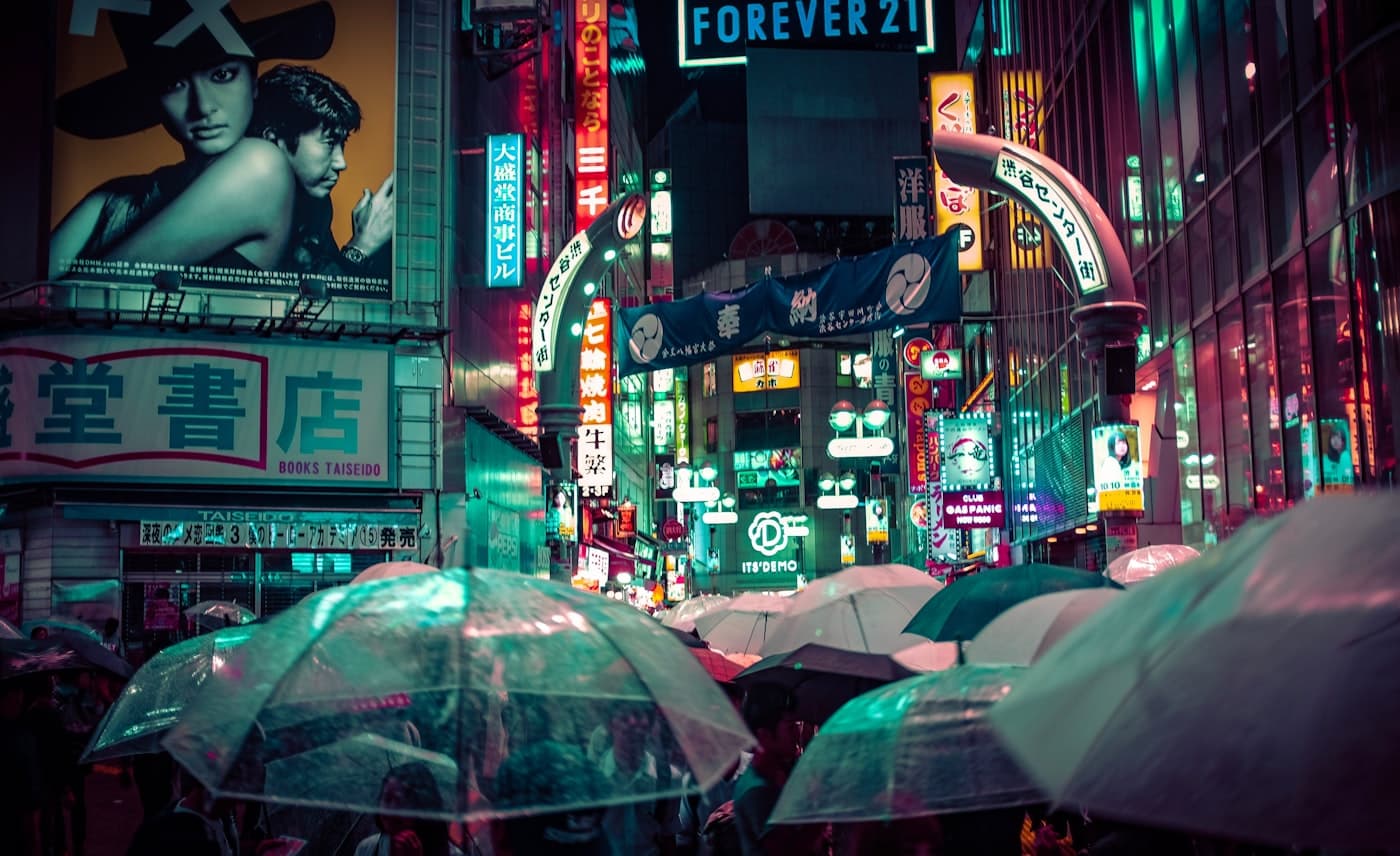
A rough mental model for visiting Japan in 2026:
- Late June: Rainy season tail end. Humid, sticky, but cooler peaks than July.
- Early July: Heat ramps fast once Baiu ends. Expect 33–36°C days in Tokyo.
- Late July to mid-August: The hottest summer window. Kokushobi territory possible.
- Late summer (late August–early September): Lingering heat plus typhoon risk.
If you are flexible, the shoulders of summer — very late June or early September — usually beat the brutal middle. For a deeper look at September trade-offs, read our Japan in September 2026 guide. For typhoon planning from late August onward, see our typhoon season 2026 guide.
How to Stay Cool When You're Actually Out There
This is the part people skim and then regret. Don't.
Dress for the Sun, Not the Photos
Lightweight clothing in breathable fabrics is the whole game. Loose linen, technical t-shirts, and quick-dry trousers beat denim every time. Revealing clothing actually backfires a bit in direct sun — covering your skin with light, airy fabric keeps you cooler than bare arms in 35°C heat. A wide-brim hat is a lifesaver.
Wear sunscreen. Reapply. Japanese drugstores stock some of the best sunscreen on the planet, often lighter than what is sold in the US or UK.
The Portable Fan Is Non-Negotiable
A handheld or neck-strap portable fan is not a gimmick in Japan anymore — it is a must-have. You will see locals of every age using them on platforms and in queues. Don Quijote, Bic Camera, and convenience store chains all stock them. Pair it with a cooling spray (look for "冷感スプレー" in drugstores) for instant relief on your neck and arms.
Drink Before You're Thirsty
Stay hydrated. Carry a water bottle and refill at hotels, train stations, or parks. A vending machine is genuinely never far away in any Japanese city. Pocari Sweat is essentially the Gatorade of Japan and can be found pretty much anywhere — konbinis, vending machines, grocery stores. It tastes mild and slightly salty, and it works. Alternate it with plain drinking water so you are not loading up on sugar all day. Aquarius (Coca-Cola Japan's version) is the other widely sold option.
Use Convenience Stores Strategically
The humble convenience store is your cooling station. 7-Eleven, FamilyMart, Lawson — all of them blast air conditioning, sell cold drinks, salty snacks (you lose salt in sweat, top it up), and umbrellas. Plan walking routes that pass a konbini every 20–30 minutes in July and August. Sounds excessive. It isn't.
Eating Your Way Through a Japanese Summer
Food is genuinely part of the cooling strategy in Japan, and it is one of the more enjoyable Japan summer heat travel tips.
Cold Noodles Are a Religion
Somen — thin wheat noodles — is the classic summer dish. These ultra-fine noodles, thinner than angel hair pasta, have been cooling down Japanese summers for centuries. The most common preparation is hiyashi somen: noodles chilled in cold water, dipped into a soy-based mentsuyu sauce.
If you want the experience version, look for nagashi somen — thin noodles flowing down a bamboo slide with cold, clear water. It is fun, it is cold, it is worth the detour. Also worth knowing: zaru soba (cold buckwheat noodles) and hiyashi chuka (chilled ramen-style noodles with toppings) are everywhere in summer menus. See our Japanese food guide for more.
Shaved Ice and Other Cold Wins
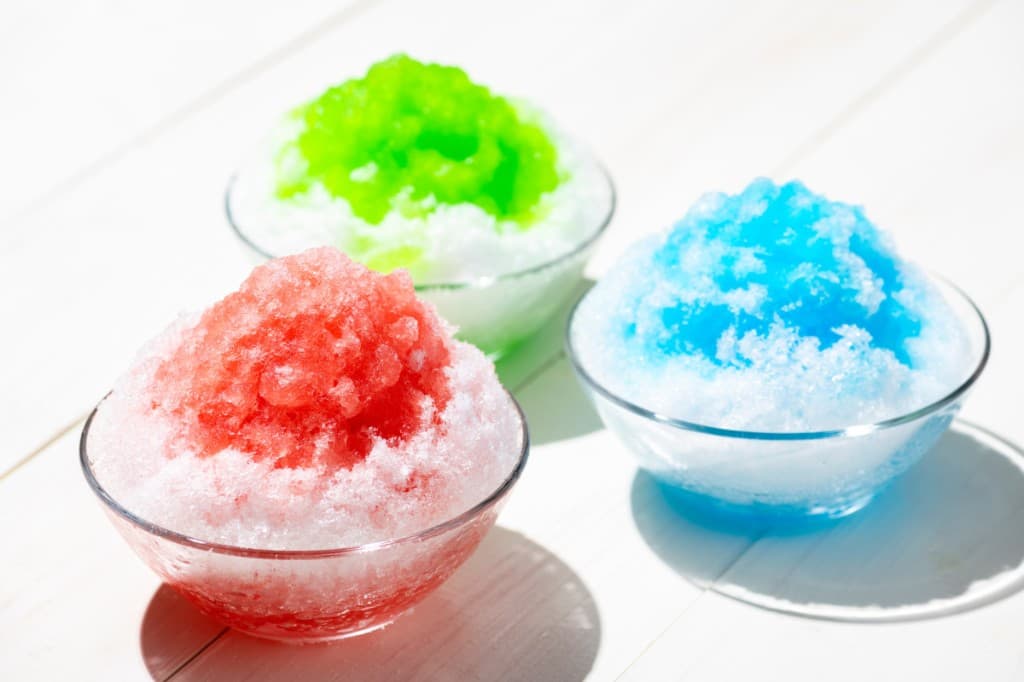
Kakigori — shaved ice — is everywhere from late June through September. Matcha, kinako, fresh fruit syrups, condensed milk on top. Five-minute break, body temperature drops, you are back in the game.
Building a Smart Self-Guided Itinerary Around the Heat
This is where the article earns its keep. Pretty pictures of Tokyo do not matter if your day collapses at 2 p.m.
The "Cool Sandwich" Day Structure
- Early morning (6–10 a.m.): Outdoor activities, shrines, gardens, photogenic walks. Cooler air, fewer tourists, soft light. This is when you do Fushimi Inari, Arashiyama bamboo, Meiji Jingu.
- Midday (11 a.m.–3 p.m.): Indoor with air conditioning. Museums, department stores, aquariums, cafes, long lunches. teamLab Planets and the Tokyo National Museum in Ueno are perfect anchors.
- Late afternoon to evening (5 p.m. onward): Back outside as temperatures dip. Summer festivals, riverside walks, izakaya hopping.
This is not soft. It is how locals actually move through Japanese summer.
Pick Higher and Cooler Destinations
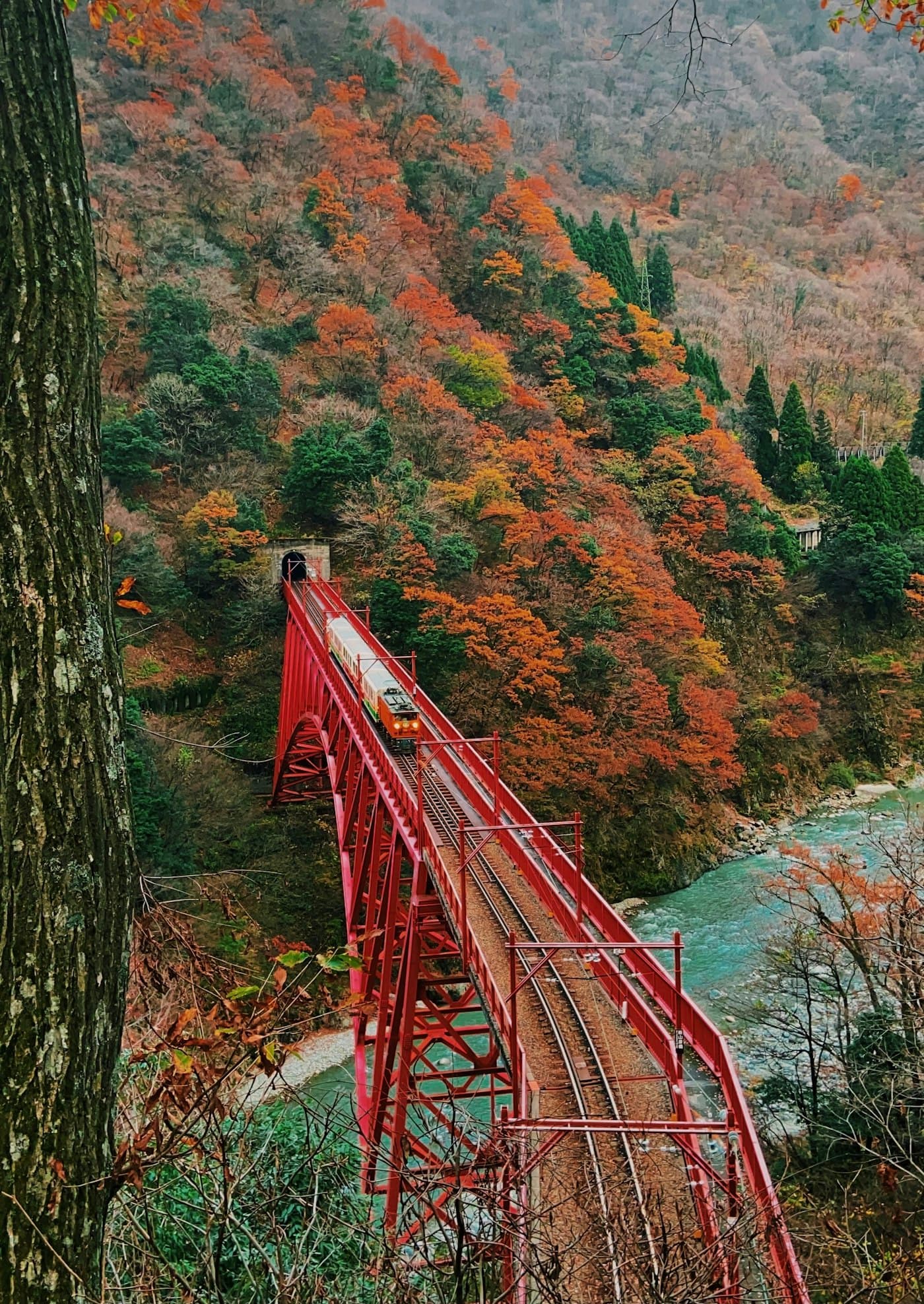
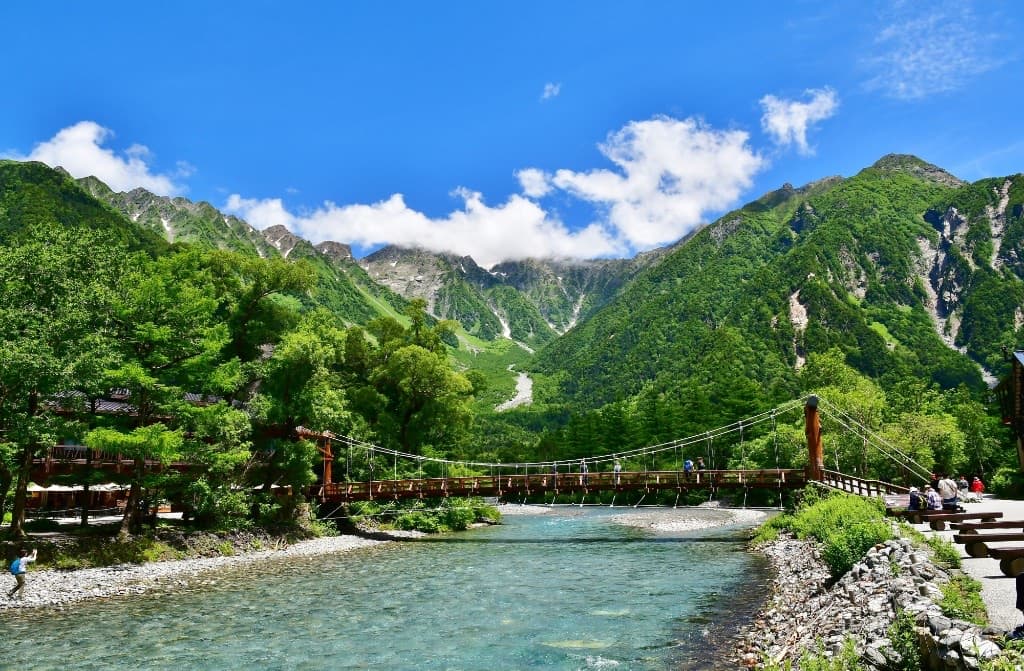
Northern Japan and elevation are your friends. Hokkaido (Sapporo, Furano, Hakodate), the Japanese Alps (Kamikochi, Takayama, Matsumoto), and Nikko all run noticeably cooler than the Kanto plain or Kansai cities. Even within a Tokyo–Kyoto itinerary, swapping in 2–3 days at Hakone or Karuizawa breaks up heat exposure. That said, even the north is not a guaranteed escape — in 2025, the heat showed no mercy from northern Hokkaido to southern Kyushu. Plan, don't assume.
Summer Festivals Are Worth It (With a Caveat)
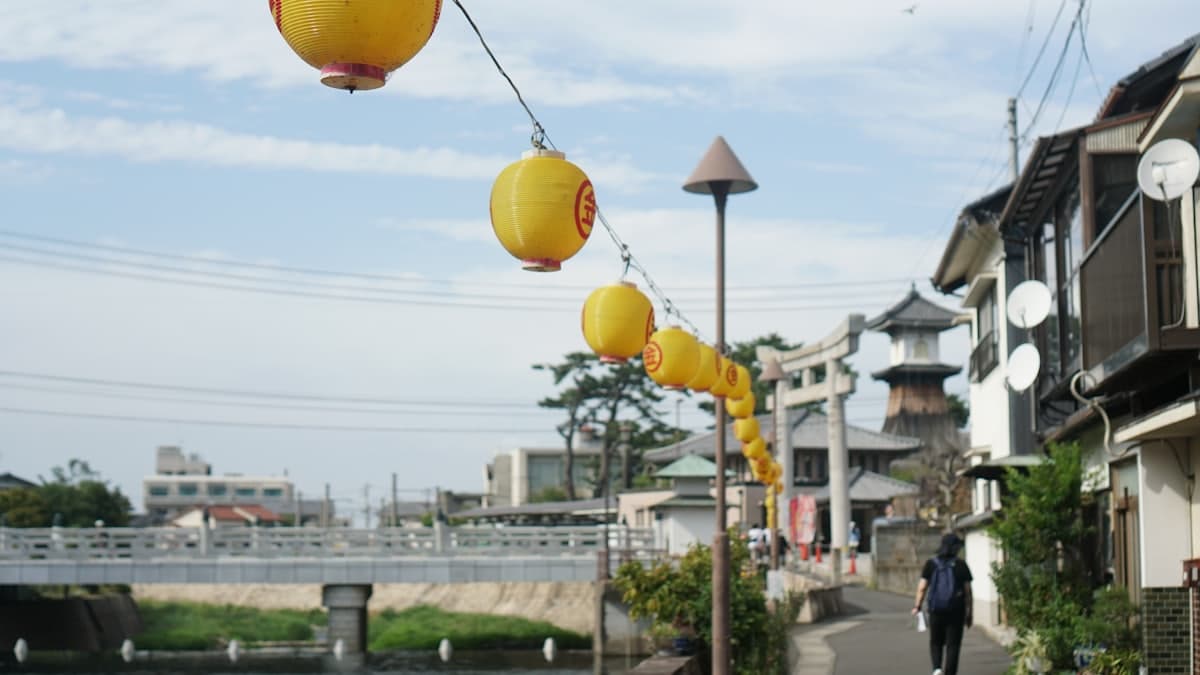
Japan's summer festivals are one of the best reasons to come in July or August. Tenjin Matsuri in Osaka, Gion Matsuri in Kyoto, Aomori Nebuta, the Sumida River fireworks in Tokyo. These are mostly evening events, which means you are outside when the sun is off duty. Bring water, wear a portable fan, accept that you will sweat. Worth it.
Catching a Baseball Game? Pick a Domed Stadium
Baseball is a huge part of Japanese summer, but a 14:00 first pitch under direct August sun can be genuinely dangerous. If you want to see a game, prioritise an indoor (domed) stadium: Tokyo Dome (Yomiuri Giants), Kyocera Dome Osaka (Orix Buffaloes), and Mizuho PayPay Dome Fukuoka (SoftBank Hawks). You skip the heatstroke risk, and a rain delay or cancellation never enters the picture. This is one of the easier wins you can plan into a summer trip.
Common Mistakes Self-Guided Travelers Make
- Booking 4-hour walking tours at noon. Don't. Move them to morning.
- Underestimating high humidity. It is not the temperature alone — it is the wet-towel feeling. Hot and humid is a different beast than dry heat.
- Skipping electrolytes. Plain water for 10 hours of walking will not cut it. Mix in Pocari Sweat or salty snacks.
- No backup indoor plan. Always have a museum, mall, or cafe lined up for each afternoon.
- Forgetting to rest. Build a midday rest into the itinerary. Yes, even on a 10-day trip.
If your dates are still flexible
Many travelers are happier in November, when temperatures are mild and autumn foliage peaks. Crowds are real, but the visual payoff in Kyoto in particular is hard to match.
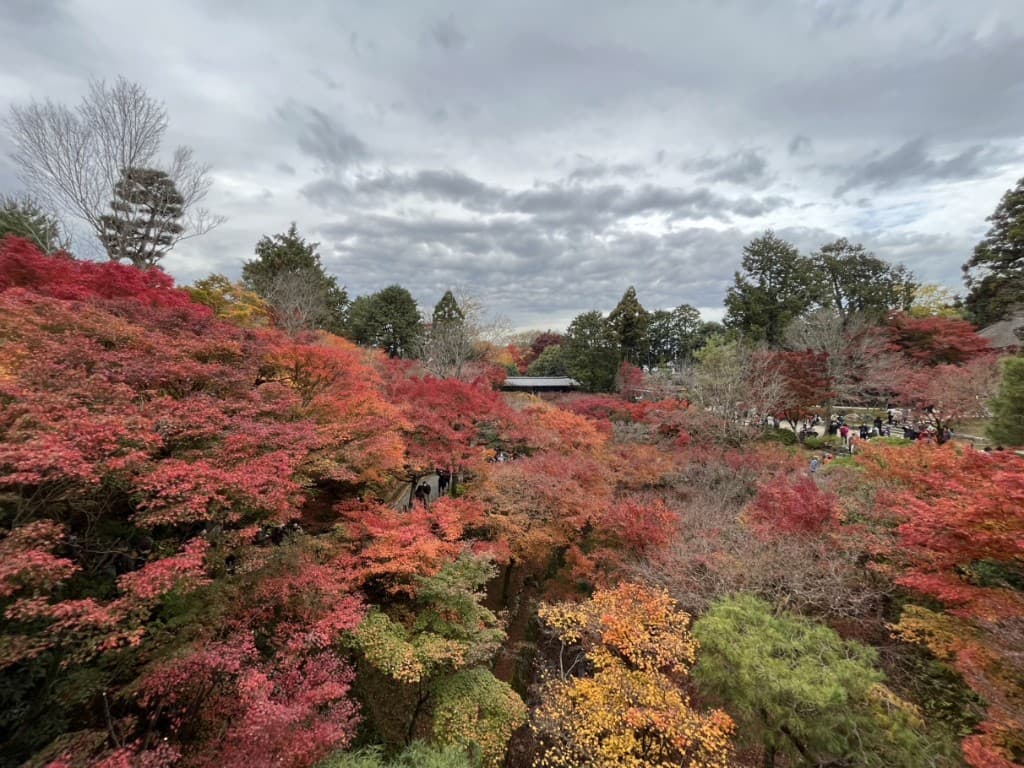
Reads to compare: Kyoto autumn leaves 2026, Autumn in Japan 2026.
Quick Packing Checklist
- 2–3 lightweight t-shirts in breathable fabrics
- One long-sleeve UPF shirt
- Wide-brim hat or cap
- Portable fan (handheld or neck-strap)
- Cooling spray and/or cooling wipes
- Reusable water bottle
- High-SPF sunscreen
- Compact umbrella (works for rain and sun)
- Spare socks (your feet will thank you)
- Electrolyte tablets or sachets as backup
Turning This Into a Real Trip
- Pick your cooler anchors first — Hokkaido, the Alps, Nikko, Hakone.
- Schedule cities second — Tokyo, Osaka, Kyoto. Limit to 2–3 nights each in peak heat.
- Lock outdoor highlights for mornings — sunrise at Inari, dawn at Arashiyama, early temple visits.
- Pre-book AC-heavy attractions for afternoons.
- Aim evenings at festivals, fireworks, and riverside spots.
For broader month-by-month context, see our Japan in August 2026 guide and best time to visit Japan 2026.
Planning a summer trip to Japan and want a route that works around the heat? Get in touch through Plan My Trip on our self-guided tours site, and we'll suggest the tours that best fit your dates and plans.
FAQ: Japan Heatwave 2026
Will the Japan heatwave 2026 be worse than 2025?
The JMA forecasts above-normal temperatures nationwide for June–August 2026, and independent forecasters like the Japan Weather Association expect another extreme heat summer, though potentially with more rainfall than 2025. Whether it tops 2025's record is uncertain — but planning for similar conditions is the safe move.
What month is the hottest in Japan?
Historically August, but recent years have seen July run extremely hot too. In 2025, June and July averaged 2.34°C and 2.89°C above normal — a record statistical high.
Is it safe to visit Japan in July or August?
Yes, with planning. Heatstroke is the real risk, not a theoretical one. Stay hydrated, stay cool indoors midday, and adjust outdoor activities to early morning and evening.
What should I drink to stay safe in the heat?
Alternate plain drinking water with electrolyte drinks like Pocari Sweat or Aquarius. Both are sold in every convenience store and vending machine.
Are summer festivals cancelled because of the heat?
Most still run. Some adjust schedules to evening hours. Check official event sites in advance — the heat has caused schedule changes in recent years.
Should I just travel in spring or autumn instead?
If you can, spring (cherry blossoms in late March–early April) and autumn (foliage in November) are more comfortable. But if summer is your only window, it is still a great trip with the right preparation.
How hot does it actually get in Tokyo?
Daytime highs frequently hit 33–37°C in July and August, with high humidity making it feel hotter. Nights often stay above 25°C.
Is northern Japan cooler in summer?
Generally yes, though 2025 broke records even in northern Japan. Hokkaido and the Japanese Alps remain your best bets for relief.