
Japan in August 2027: The Great Festivals, Obon Week & How to Beat the Heat
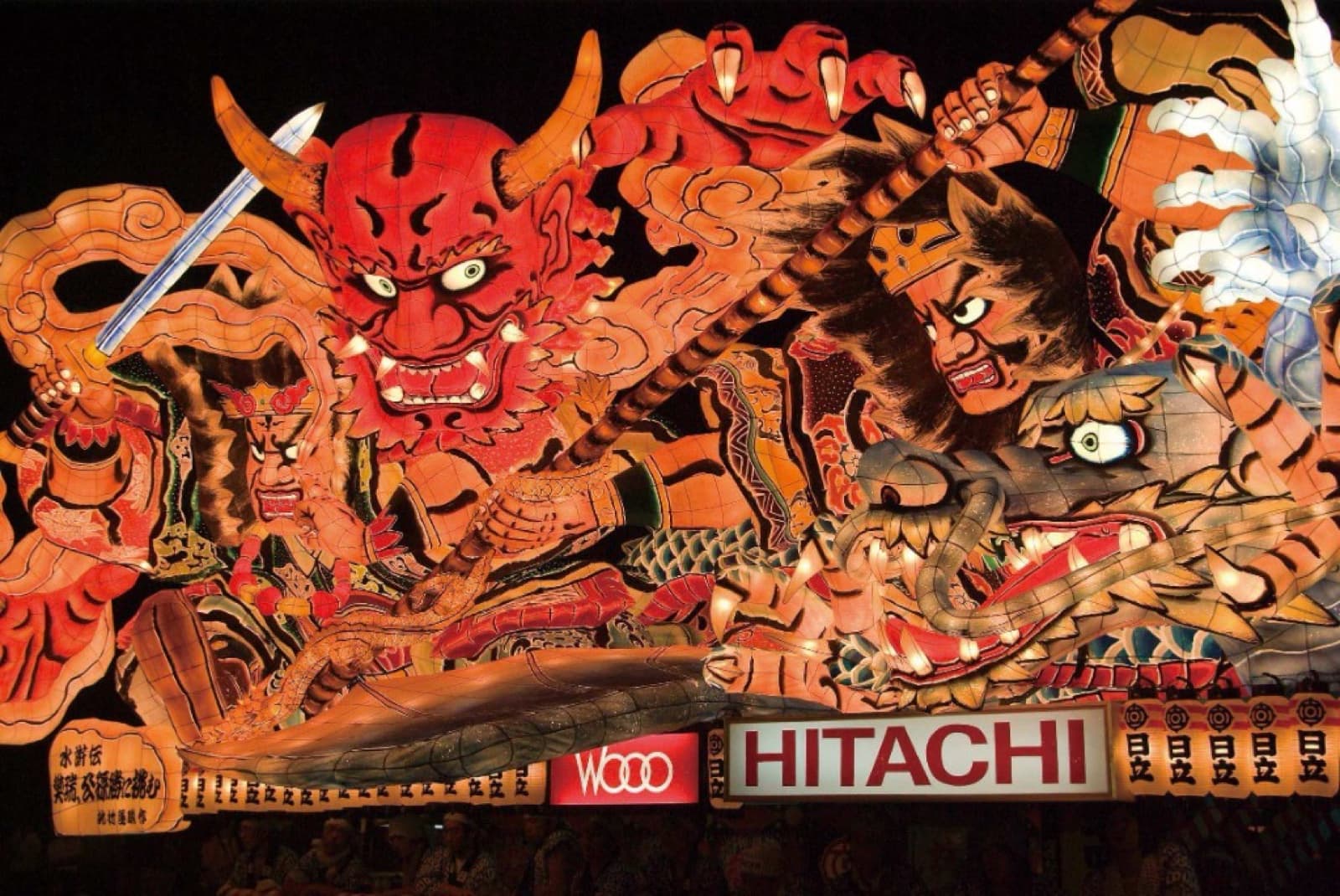
August is Japan at full volume: Nebuta, Sendai Tanabata, Awa Odori and the Kyoto send-off fires all inside three weeks, wrapped around Obon (13–16 August 2027) — the country's biggest travel week. It is also the hottest month and the start of peak typhoon season. Dates, heat tactics, and a route that gets the festivals without the crush.
August asks more of a traveller than any other month in Japan and gives more back. The heat is real — 31–34°C with humidity that makes the shade feel like a warm bath — and Obon, the mid-month homecoming, puts the entire country on the move at once. But the festivals that fall inside those same three weeks are the best the country has: Nebuta's illuminated floats, Sendai's streamers, Awa Odori's dancing, and the five bonfires on Kyoto's hills that close the season.
This guide covers Japan in August 2027 with the dates that are already fixed, the Obon logistics that decide whether you get a train seat, the heat tactics locals actually use, and a route that catches the festivals while stepping around the crush.
🎆 Quick Answer: Japan in August 2027
- Weather: the hottest month — Tokyo around 31°C by day and 24°C at night, Kyoto and Osaka often 33–34°C, high humidity everywhere on the main islands. Hokkaido is a comfortable 26°C.
- Obon: 13–16 August 2027 (Friday to Monday), with Mountain Day on Wednesday 11 August making the effective peak 11–16 August. Trains and expressways at their busiest of the year.
- The festivals: Aomori Nebuta (2–7 Aug), Sendai Tanabata (6–8 Aug), Awa Odori in Tokushima (11–15 Aug), Gozan no Okuribi in Kyoto (Monday 16 Aug), plus bon odori dances everywhere.
- Watch: August and September are peak typhoon season. Book flexible where you can and keep a buffer day before your flight home.
Japan Weather in August 2027: Heat, Humidity and How to Handle It
August is full summer from the first day to the last. The rainy season is long gone; what replaces it is sustained heat and humidity, with afternoon thunderstorms in the mountains and the occasional typhoon delivering a day or two of rain. The heat is worse in the cities than the numbers suggest because of the humidity and the concrete — Kyoto's basin is the hottest of all.
| Region | Day / Night | Notes |
|---|---|---|
| Tokyo / Kanto | ~31°C / ~24°C | Highs of 27–34°C; nights stay above 24°C — "tropical nights" are the norm |
| Kyoto / Osaka | ~33°C / ~25°C | The hottest big cities in the country; sightsee before 10am and after 5pm |
| Hokkaido (Sapporo) | ~26°C / ~19°C | Warm, drier days and cool nights — the mainland's escape hatch |
| Japanese Alps / Nikko | ~24°C / ~16°C | Kamikochi, Karuizawa and the high plateaus are 8–10°C cooler than Tokyo |
| Okinawa | ~32°C / ~27°C | Peak beach season and peak typhoon exposure — the two go together |
💡 The locals' August rules: morning and evening outdoors, midday indoors, a bottle of water always, and a hand towel for the sweat. Convenience stores sell cooling sheets, sun umbrellas and salt tablets for a reason.
Tokyo and the Kanto Region
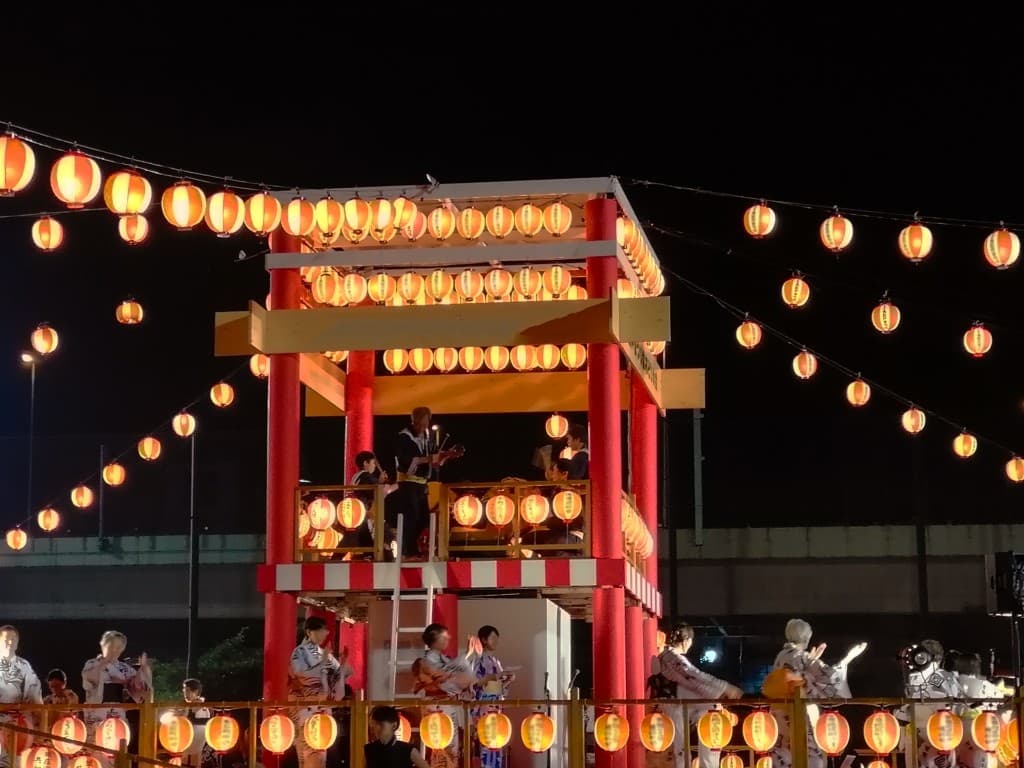
Tokyo in August is a city that lives at night. The heat drives sightseeing to the early morning and everything social into the evenings: rooftop beer gardens, fireworks, bon odori in neighbourhood parks. Between noon and four, the city retreats into air-conditioned museums, malls and food halls — and so should you.
Kyoto and Osaka
Kyoto is the hardest city in Japan in August, regularly over 33°C with a basin that holds the humidity overnight. Its reward is the 16th: Gozan no Okuribi, the send-off fires, when the Kamo River banks fill with people watching the character 大 burn on the hillside. Plan Kyoto around dawn temple visits, river-cooled evenings, and the night of the 16th.
Hokkaido and the Mountains
Hokkaido at 26°C with low humidity is why domestic travellers book it a year ahead for Obon. The Japanese Alps — Kamikochi, Karuizawa, the Tateyama route — are the mainland alternative, cool enough for proper walking. Both fill up in Obon week; both are quiet either side of it.
Obon 2027: 13–16 August, and the Week Around It
Obon is not a public holiday, but it behaves like the biggest one. Most of the country returns to family homes to honour ancestors, and the practical effect is a nationwide travel peak. In 2027 Obon falls on Friday 13 to Monday 16 August, and because Mountain Day is Wednesday 11 August, most workers bridge the Thursday and take the whole stretch — making 11–16 August the busiest travel week of the summer.
- Trains: in 2026, every Nozomi shinkansen ran all-reserved from 7 to 16 August — no unreserved cars at all. Expect a similar window in 2027 and reserve the moment bookings open, a month ahead. Our Shinkansen during Obon guide explains the mechanics.
- Outbound and return peaks: the pattern repeats every year — outbound on the first day of the break and the days just before Obon, return on the 15th and 16th. Travel against the flow if you can.
- Hotels: resort towns, onsen villages and Hokkaido are booked far ahead; big-city business hotels are the easiest beds in the country that week.
- What closes: small family businesses and some restaurants, especially outside the cities. Major sights, chains and konbini stay open.
Our Obon guide covers the customs, the closures and the day-by-day logistics.
The Great Festivals of August 2027
These run on fixed dates every year, so 2027 is already set.
- Aomori Nebuta Matsuri (2–7 August) — around 20 giant illuminated floats paraded through Aomori over six nights, with a daytime parade and fireworks on the 7th. Reserved seats go on sale in late June. Our Nebuta guide has the seating and hotel strategy.
- Akita Kanto Matsuri (3–6 August) — performers balance towering bamboo poles hung with dozens of lanterns. Pairs naturally with Nebuta on a Tohoku loop. See our Kanto Matsuri guide.
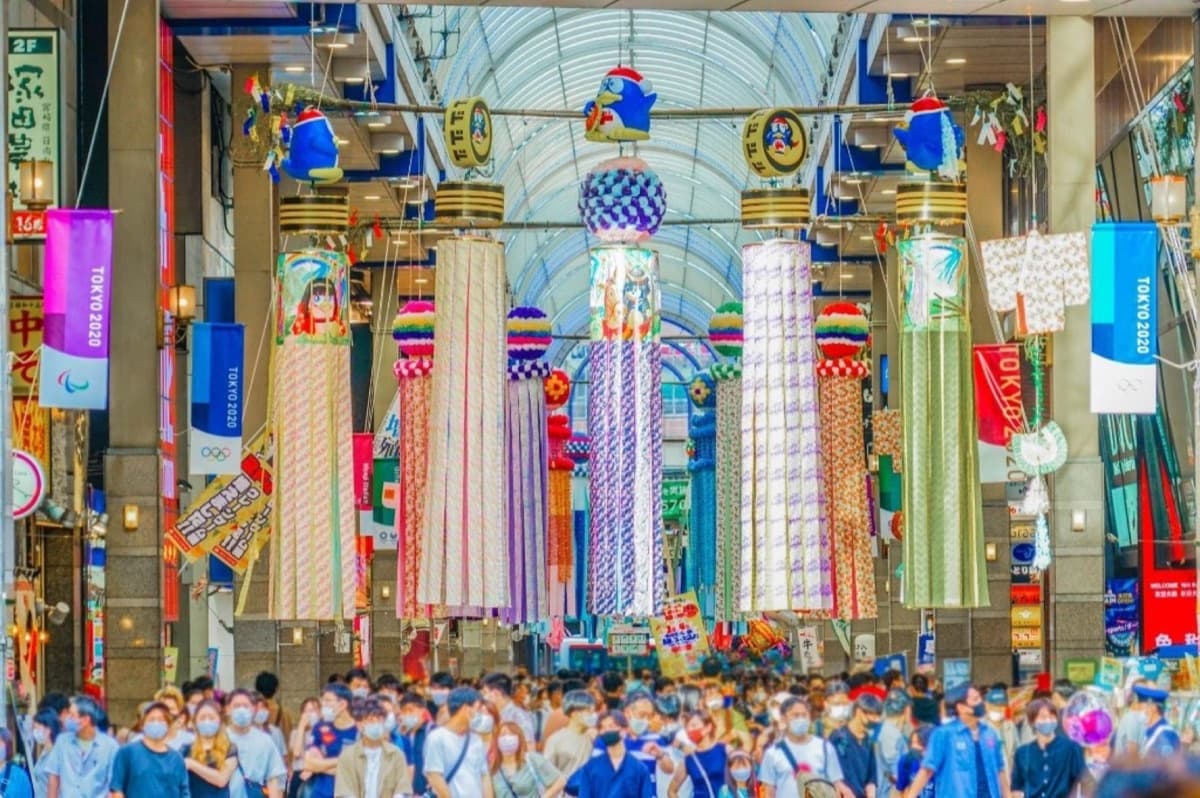
- Sendai Tanabata (6–8 August) — the covered arcades of Sendai hung with enormous paper streamers; fireworks on the evening of the 5th. See our Sendai Tanabata guide.
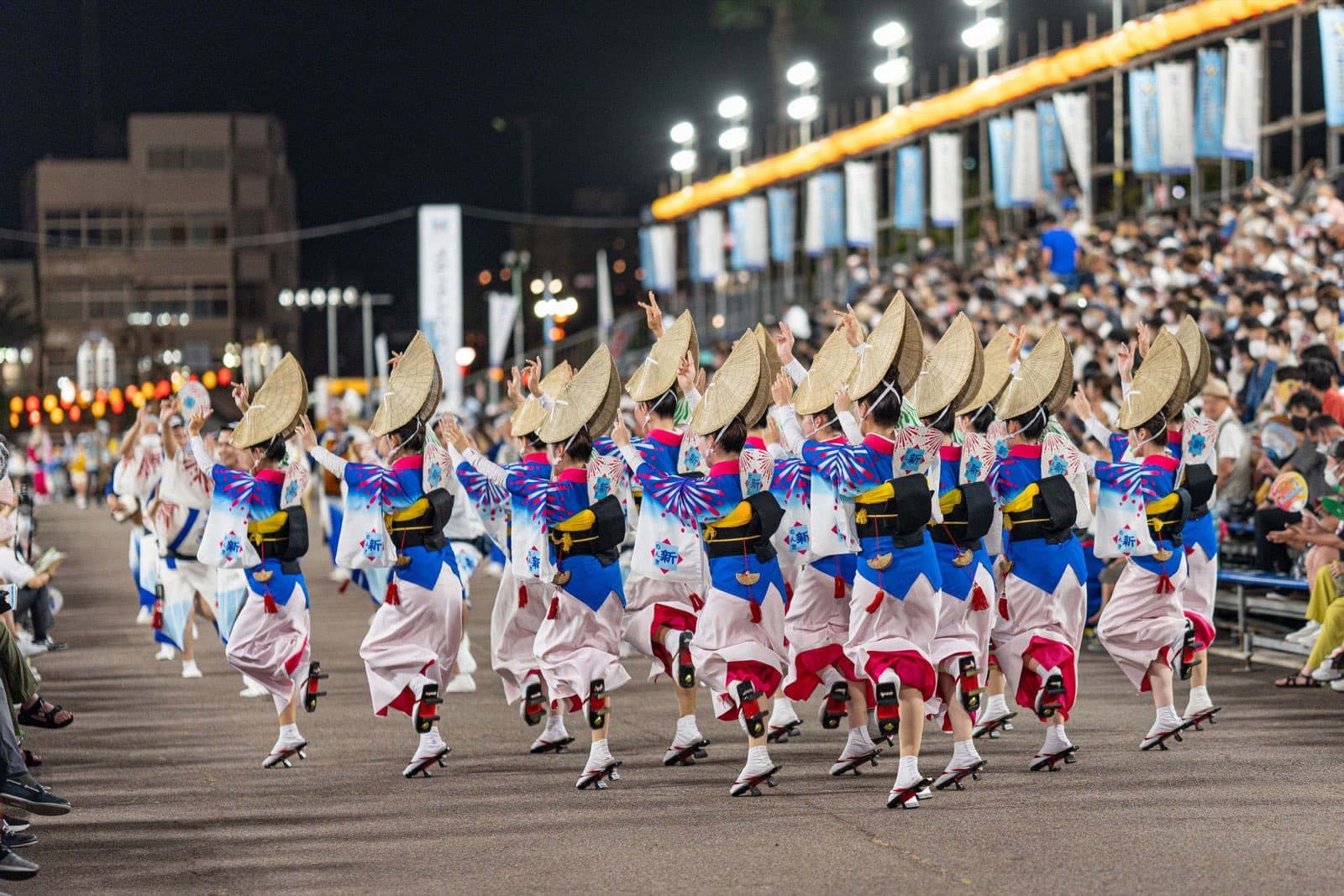
- Awa Odori, Tokushima (11–15 August) — Japan's largest traditional dance festival, with an indoor opening on the 11th and street dancing on 12–15 August, right through Obon. Book Tokushima hotels eight to twelve months ahead. See our Awa Odori guide.
- Gozan no Okuribi, Kyoto (Monday 16 August) — five giant characters burned on the hills at 8pm to send the ancestors home; the whole thing lasts about half an hour. See our Gozan no Okuribi guide.
- Toro nagashi (around 16 August) — lanterns floated on rivers to close Obon, in Tokyo, Arashiyama and dozens of towns. See our toro nagashi guide.
- Koenji Awa Odori, Tokyo (last weekend of August) — the capital's version, with around a million spectators over two evenings.
Fireworks in August
August is the heart of hanabi season. The biggest fixed date is Nagaoka (2–3 August), one of Japan's three great fireworks festivals, over the Shinano River in Niigata. Tokyo's Edogawa festival is traditionally the first Saturday of August, and Nebuta closes with fireworks on the 7th. Later in the month the Tokyo Bay and Kanagawa shows fill the weekends, and the season's two great judged competitions follow at Omagari (late August) and Tsuchiura in November. Our Japan fireworks guide and Tokyo fireworks guide cover viewing spots and paid seats.
Typhoons in August
August and September are the peak of typhoon season. On the long-run averages about 25 storms form in the western Pacific each year, roughly 12 approach Japan, and only around 3 make landfall — so the odds of a direct hit on any given fortnight are low, but August is when they are highest, and Okinawa and Kyushu carry most of the risk. The practical cost of a hit is one to two lost days, not the holiday.
The rules: never cancel months out, decide 48–72 hours ahead, book flexible where it counts, and keep a buffer day before your flight home. Our evergreen typhoon season guide covers the month-by-month risk and what actually happens when one arrives.
Where to Go in Japan in August
Tohoku: Aomori, Akita, Sendai
The first week of August in Tohoku is the best festival week in Japan — Nebuta, Kanto and Tanabata within a few hours of each other by shinkansen, and a few degrees cooler than Tokyo. Hotels sell out months ahead; base in a neighbouring city and commute in.
Hokkaido
The heat escape. Sapporo's Odori Park beer garden, Furano's last lavender, the Daisetsuzan mountains, and the coast. Avoid Obon week if you can — it is the one time Hokkaido is genuinely full.
Kyoto for the 16th
Arrive on the 15th, watch the send-off fires from the Kamo River banks on the 16th, and leave the heat behind on the 17th. It is worth the sweat.
The Alps and Nikko
Kamikochi, Karuizawa and the Nikko highlands are the classic domestic summer retreats — cool, green, and with afternoon thunderstorms that clear by evening.
Okinawa
Peak beach season and peak typhoon exposure. Wonderful if the weather holds, and worth the gamble with flexible bookings. See our Okinawa typhoon guide.
Price a August 2027 Trip Before You Ask for a Quote
The calculator below is the same one on our cost guide. Set the party, the length and the season, and use the button to turn the estimate into a real quote.
Japan Trip Cost Calculator (2026)
Set your trip below — the estimate updates instantly. Yen prices are converted at a rounded ¥150 to the dollar; the market rate is about ¥157 in September 2026, which makes yen costs a few percent cheaper than shown.
Intercity is priced as point-to-point tickets unless you add the pass — on the Tokyo–Kyoto–Osaka route the pass usually costs more than the tickets.
Estimated total
$4,530
$2,265/person · $453/day · 2 travelers, 10 days
Estimate only — a mid-range guide, not a binding quote. Peak season & specific hotels shift the total.
For comparison, our self-guided routes run about $270–390 per person per day with hotels, trains, luggage delivery and 24/7 support included — the difference from a DIY estimate is the hotel class and having it all arranged.
A Practical Two-Week Itinerary for August 2027
Built around the Tohoku festival week, ending in Kyoto for the fires, and finishing before the Obon return peak.
- Days 1–2 — Tokyo (arrive around 1 August). Adjust; early-morning sights; an evening bon odori if one is on.
- Days 3–5 — Aomori and Akita. Nebuta on the nights of 3–5 August (Kanto Matsuri in Akita on the 4th if you can manage the hop).
- Days 6–7 — Sendai. Tanabata on 6–8 August; Matsushima bay for a cooler afternoon.
- Days 8–10 — the Alps or Nikko. A cool-air break before the heat of Kansai.
- Days 11–14 — Kyoto (arrive 13 August, inside Obon). Dawn temples, river evenings, Gozan no Okuribi on the 16th, and out on the 17th — the day after the return peak passes.
Reserve every shinkansen leg the day bookings open. The Tokyo–Aomori and Sendai–Tokyo legs on 2–8 August are heavily booked even outside Obon.
Common Mistakes to Avoid
- Treating August like any other month for booking. Nebuta hotels, Tokushima during Awa Odori and Obon-week trains are booked months ahead.
- Walking around at 2pm. The heat is dangerous, not just uncomfortable; follow the local rhythm.
- Travelling on the Obon peak days. Outbound around 11–13 August and return on 15–16 August are the worst days of the year to be on a shinkansen without a reservation.
- Assuming Obon is a public holiday. It is not — but the country effectively shuts down anyway, and rural family businesses close.
- Forgetting typhoon flexibility. Keep the last leg changeable and a buffer day before flying.
August vs the Months Around It
Not sure which month suits you? Our guide to the seasons in Japan lines up all twelve months side by side — weather, crowds, prices and what is in bloom.
- vs July — July is just as hot after the 20th, has Gion and Tenjin, and avoids the Obon crush. See Japan in July 2027.
- vs September — September is still hot in the first half, peak typhoon month for Honshu, but quieter and cheaper once the school holidays end. See Japan in September.
- All the summer festivals in one place — our Japanese summer festivals guide.
- The whole year — best time to visit Japan and how much a trip costs.
Planning a trip to Japan in August 2027? Get in touch through Plan My Trip on our self-guided tours site, and we'll suggest the tours that best fit your dates and plans.
FAQ: Japan in August 2027
When is Obon in 2027?
Obon 2027 runs from Friday 13 to Monday 16 August. Because Mountain Day is Wednesday 11 August, most workers bridge the Thursday, making 11–16 August the busiest travel week of the summer. Obon is not an official public holiday, but the country effectively shuts down anyway.
How hot is Japan in August?
The hottest month of the year: Tokyo around 31°C by day and 24°C at night, Kyoto and Osaka often 33–34°C, with high humidity everywhere on the main islands. Hokkaido stays around 26°C with cool nights, and the Japanese Alps are 8–10°C cooler than the cities.
Which festivals are in Japan in August 2027?
Aomori Nebuta (2–7 August), Akita Kanto (3–6 August), Sendai Tanabata (6–8 August), Awa Odori in Tokushima (11–15 August), Gozan no Okuribi in Kyoto on Monday 16 August, toro nagashi lantern floats around the 16th, and Koenji Awa Odori in Tokyo on the last weekend of the month — all on fixed dates every year.
Is August a good time to visit Japan?
For festivals, yes — the first three weeks of August contain the best the country has. The trade-offs are the heat, the Obon travel peak of 11–16 August, and peak typhoon risk. Book trains and festival-town hotels months ahead, follow the local morning-and-evening rhythm, and keep the last leg flexible.
Do I need to reserve shinkansen seats for Obon 2027?
Yes. In 2026 every Nozomi ran all-reserved from 7 to 16 August with no unreserved cars; expect a similar window in 2027. Reserved seats open exactly one month before departure and sell out fast for the peak days, especially outbound around 11–13 August and return on 15–16 August.
Related Articles
Seasons in Japan: What Season It Is Right Now, Month-by-Month Weather & the Best Time for Each Trip
16 min read
Obon 2026 in Japan (Aug 13–16): What Closes, What Sells Out, Should You Go?
14 min read
Shinkansen Obon 2026: Nozomi Has No Unreserved Seats Aug 7–16
10 min read