Kawaguchiko: The Practical Guide to Seeing Mount Fuji from Tokyo
Under two hours from Shinjuku on the Fuji Excursion, and the one base that gives you the lake reflection, the ropeway and Chureito Pagoda without a car. Transport, the sightseeing bus lines, what is actually worth your time, and a 2-day plan.
If you are planning a self-guided trip to Japan and you want to actually stand in front of Fuji-san — not just glimpse it from a bullet train window — Kawaguchiko is where you go. It sits on the north shore of Lake Kawaguchi, roughly two hours from central Tokyo, and it is the easiest base for big, honest views of the mountain without joining a coach tour.
This guide is built for independent travelers: the real transport options, the stops that are worth your time, and how to slot Kawaguchiko into a wider Japan itinerary without wasting a day. Short version? Yes, it is worth going — but how you go matters a lot.
🗻 Quick Answer
- Fastest route: Fuji Excursion limited express, Shinjuku → Kawaguchiko in under 2 hours, 4 round trips daily, reserved seating only — book ahead.
- Cheapest simple route: highway bus from Shinjuku Expressway Bus Terminal, about 1h45m, hourly.
- JR Pass warning: it does not cover the private Fujikyu section — budget a separate fare.
- Once there: the Red / Blue / Green sightseeing bus lines cover almost everything; a 1- or 2-day unlimited pass is sold at the station bus terminal.
- Day trip or overnight? Doable in a day, much better with one night — sunrise light and an empty lakefront are the payoff.
Why Kawaguchiko Is the Best Base to Visit Mount Fuji
Mount Fuji is huge, and several towns claim a piece of the view. Kawaguchiko wins for most first-time visitors because it combines direct access from Shinjuku, a walkable lakefront, and a genuine cluster of attractions that do not require a car.
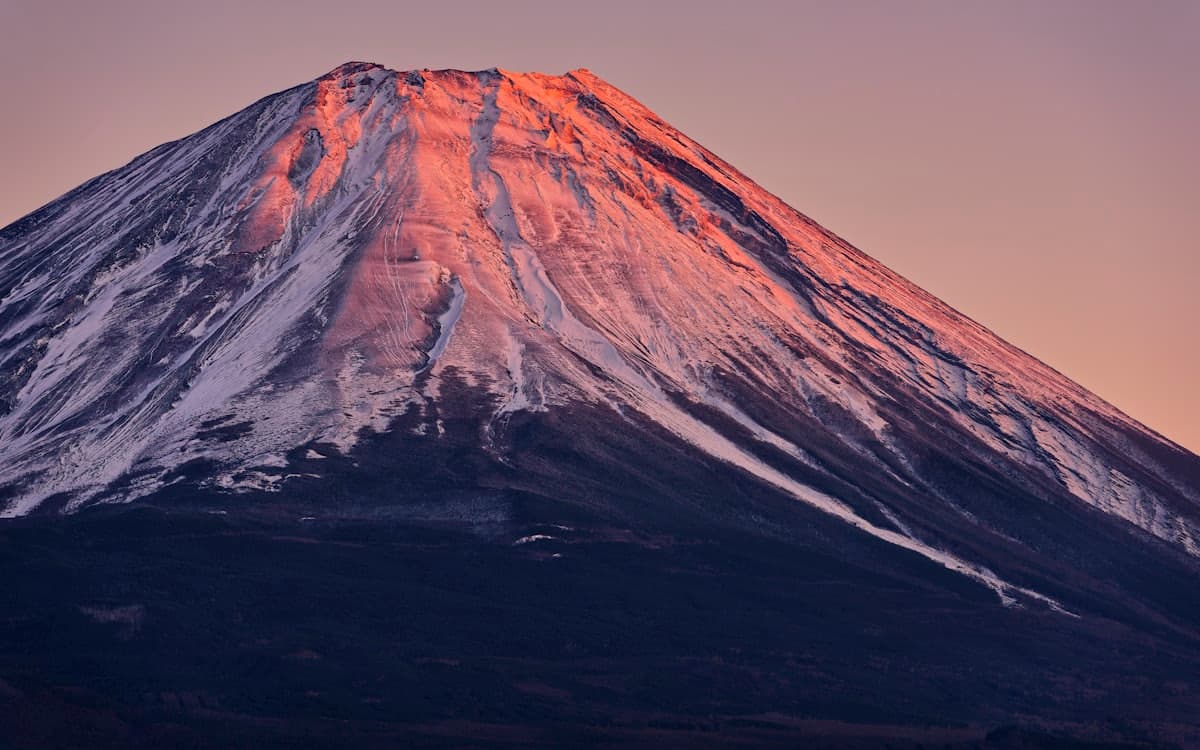
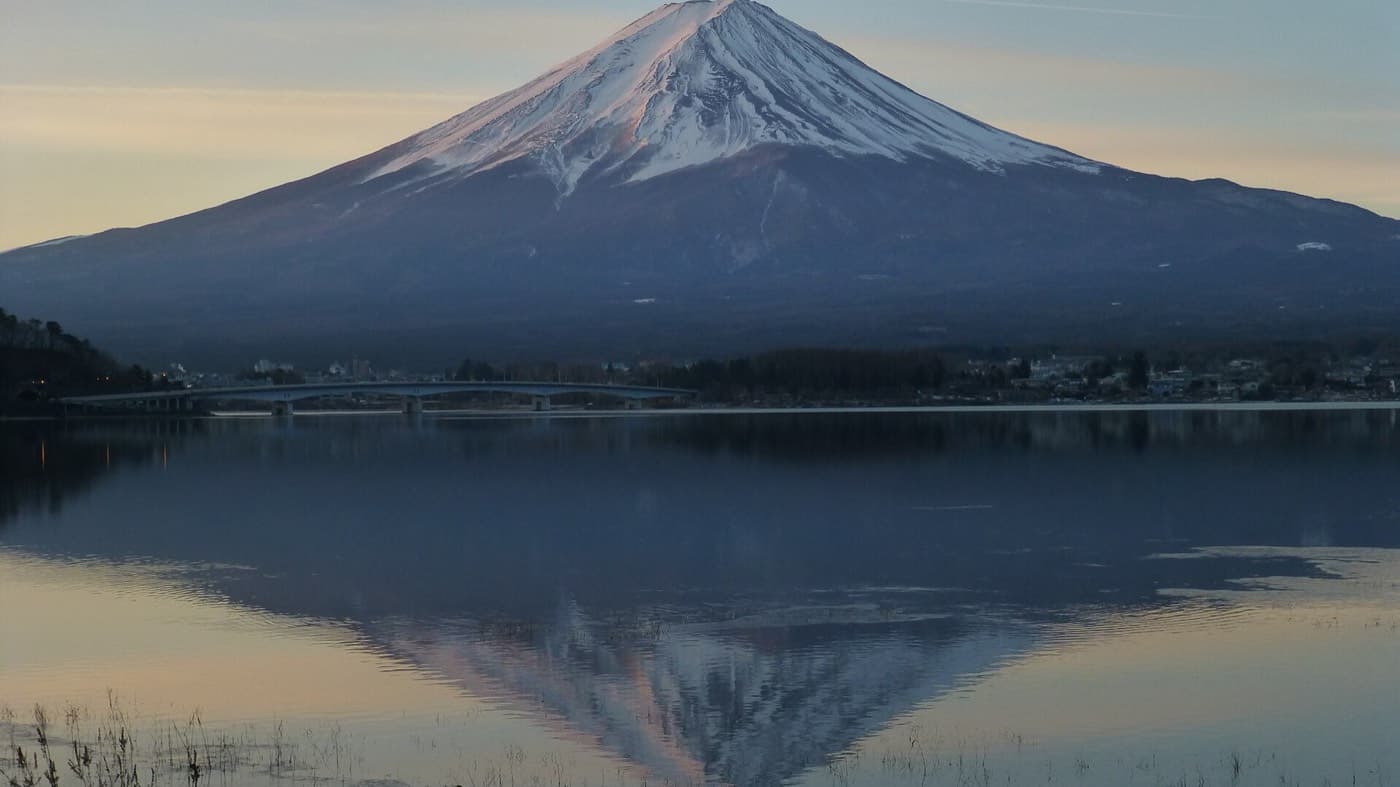
Mount Fuji is 3,776 m and a sacred mountain; Kawaguchiko sits on the north side, famous for the harmony between lake and peak. The water acts like a mirror on calm mornings — that is the shot you have seen a thousand times.
The other reason to pick Lake Kawaguchiko over the rival Fuji Five Lakes towns is infrastructure. Kawaguchiko Station is a proper bus terminal, the sightseeing network covers most stops you would want, and there are enough hotels, guest houses and ryokan to suit every budget.
Mount Fuji from Tokyo: How Long It Actually Takes
The Kawaguchiko area is genuinely a day trip if you leave early: two hours out, two hours back, and around six hours on the ground is enough for the highlights.
That said, one night is much better. You get sunrise light on the mountain, quieter attractions before the day-trippers arrive, and time for a proper hot spring bath in the evening.
💬 From our Japan travel team
Of all the places you can see Mount Fuji from, Kawaguchiko is the one travelers ask us about most — and the fact that it works as a day trip from Tokyo is why. You do not need to restructure a whole itinerary around it. Our self-guided tours build free days into the Tokyo leg, and Kawaguchiko is exactly what those days are for: book the tour, then spend one of your own Tokyo days at the lake and be back in the city that evening.
Getting to Kawaguchiko from Tokyo
Three sensible routes, each with trade-offs.
🚆 Tokyo → Kawaguchiko at a glance
| Route | Time | Notes |
|---|---|---|
| Fuji Excursion Shinjuku, direct | under 2 h | 4 round trips daily. Reserved seating only, luggage racks, power outlets, free Wi-Fi. Book ahead. |
| Highway bus Shinjuku, direct | ~1 h 45 m | Hourly from the Expressway Bus Terminal above Shinjuku's south exit. Add an hour on peak weekends; sells out — book online. |
| JR Chuo + Fujikyuko change at Otsuki | varies | The JR Pass fallback when the Fuji Excursion is full. Also the route if you want to stop at Shimoyoshida for Chureito Pagoda. |
💡 There are also direct buses from Tokyo Station and, less often, from Haneda Airport — handy if you land and head straight for the mountain.
One catch worth repeating about the Japan Rail Pass: it covers the JR portion but not the whole journey, because part of the route runs on the private Fujikyu line.
The Kawaguchiko Sightseeing Bus Network
Once you are at Kawaguchiko Station you have a proper hop-on hop-off system:
- Red Line — Kawaguchiko Station to the Pleasure Cruiser, Ropeway Entrance, and the Kawaguchiko Natural Living Center at Oishi Park.
- Blue Line — past the Ice Cave and Wind Cave to Lake Shojiko and Lake Motosuko.
- Green Line — to Fuji Omuro Sengen-jinja Shrine and Lake Saiko.
A 1- or 2-day unlimited pass covers the Kawaguchiko, Saiko and Motosuko areas; buy it at the ticket counter in the bus terminal next to the station. If you are only doing Oishi Park and the ropeway, single fares may be cheaper — do the maths at the window, the staff speak enough English.
The Views: What You Are Actually Coming to See
Oishi Park and the Natural Living Center
This is the postcard. Oishi Park sits on the lakeside with a clear view of Lake Kawaguchi and Fuji over the flower beds, and the Natural Living Center in the park has food, seating, and jam-making. Free, family friendly, open 24 hours. From Kawaguchiko Station take the Red Line to the Oishi Park stop — about 30 minutes depending on traffic.
The flower path is the reason to time your visit: tulips and canola from late April, lavender in full bloom late June to mid-July (the main venue for the Kawaguchiko Herb Festival), kochia August to September, sages and celosia from October.
Mount Fuji Panoramic Ropeway
Sometimes called the Kachi Kachi Ropeway. It climbs 400 m from the eastern shore to an observation deck near the peak of Mount Tenjo, over 1,000 m above sea level, in about 3 minutes. From the deck you get the lake below and Fuji across it.
Most people ride both ways, but there is a 30-minute forest trail down through the woods — a lovely way to escape the crowds at the top if you have decent shoes. Another trail leads 300 m uphill to a small shrine at the summit and on toward Mount Mitsutoge. The Red Line reaches the ropeway in 15 minutes; get off at Yuransen Ropeway Iriguchi.
Chureito Pagoda at Arakurayama Sengen Park
The other iconic shot: a five-storey red pagoda in the foreground, Fuji behind. It is technically in Fujiyoshida rather than Kawaguchiko, but it fits neatly into the same trip. Built in 1963 as a peace memorial, it stands above Arakura Fuji Sengen Shrine on the mountainside.
You reach it by climbing 398 stone steps from the bottom entrance — wear proper shoes, the stairs are no joke. Access: a ten-minute walk from Shimoyoshida Station on the Fujikyu Railway Line (35 min / ¥980 from Otsuki, or 10 min / ¥310 from Kawaguchiko). The composition is best during cherry blossom season in mid-April and in the first half of November for autumn colour.
Beyond the Big Two: Other Nearby Attractions
Itchiku Kubota Art Museum
A quiet, genuinely beautiful museum dedicated to the textile artist Itchiku Kubota, on the north shore near Oishi Park and served by the Red Line. This is the right answer when the weather turns and you want something indoors that still feels connected to the place rather than a shopping mall.
Fuji-Q Highland
The theme park with the world-famous roller coasters. If you are travelling with teenagers — or you simply enjoy frightening yourself — Fuji-Q is one stop before Kawaguchiko on the Fujikyuko Line, so it slots in without changing your base. Some bus operators sell discount combos covering both the bus fare and park admission.
Lake Saiko and the Wind / Ice Caves
Ride the Green or Blue Line out to Lake Saiko for a noticeably quieter feel. The area still shows the marks of Fuji's volcanic history — lava tubes, thick forest, and cool caves you can walk into, which are a genuine relief on a hot summer day.
Kawaguchiko Ohashi Bridge
The bridge crosses the lake between the north shore and the south side. On a clear morning, walking or cycling across gives you an uninterrupted line of sight to Fuji-san with water on both sides. Shops near the station rent bikes by the hour.
Climbing vs Sightseeing — Two Different Trips
Climbing Mount Fuji is a separate trip from a Kawaguchiko sightseeing day, and trying to combine them is the classic first-timer mistake. Climbing is an overnight, physically demanding undertaking; sightseeing here is a relaxed day out.
The essentials if you are weighing it up: the official season runs early July to mid-September, there is a ¥4,000 entry fee per trail plus advance registration, and the Yoshida Route caps at 4,000 climbers a day. Our dedicated Mt Fuji climbing guide covers the trails, huts, gate rules and kit list properly — start there if the summit is the goal.
If you are not climbing, the 5th Station is still worth a half day. Buses from Kawaguchiko Station take 50 minutes (¥2,000 one way, ¥3,400 return, hourly in season), you get above the tree line, there are shops selling ramen and udon, and no permit is needed to visit the 5th Station itself.
When to Visit: Season by Season
Fuji weather is picky. The mountain is often hidden behind cloud, especially in the afternoon and during the June rainy season. Mornings in autumn and winter tend to give the clearest skies.
🌸 Spring (Apr–May)
Cherry blossom at Arakurayama peaks mid-April. Everyone knows it, so the top of the pagoda steps gets rammed — go at sunrise.
☀️ Summer (Jun–Aug)
Green and warm. Lavender at Oishi Park late June to mid-July. Climbing season is on. Expect afternoon cloud.
🍁 Autumn (Oct–Nov)
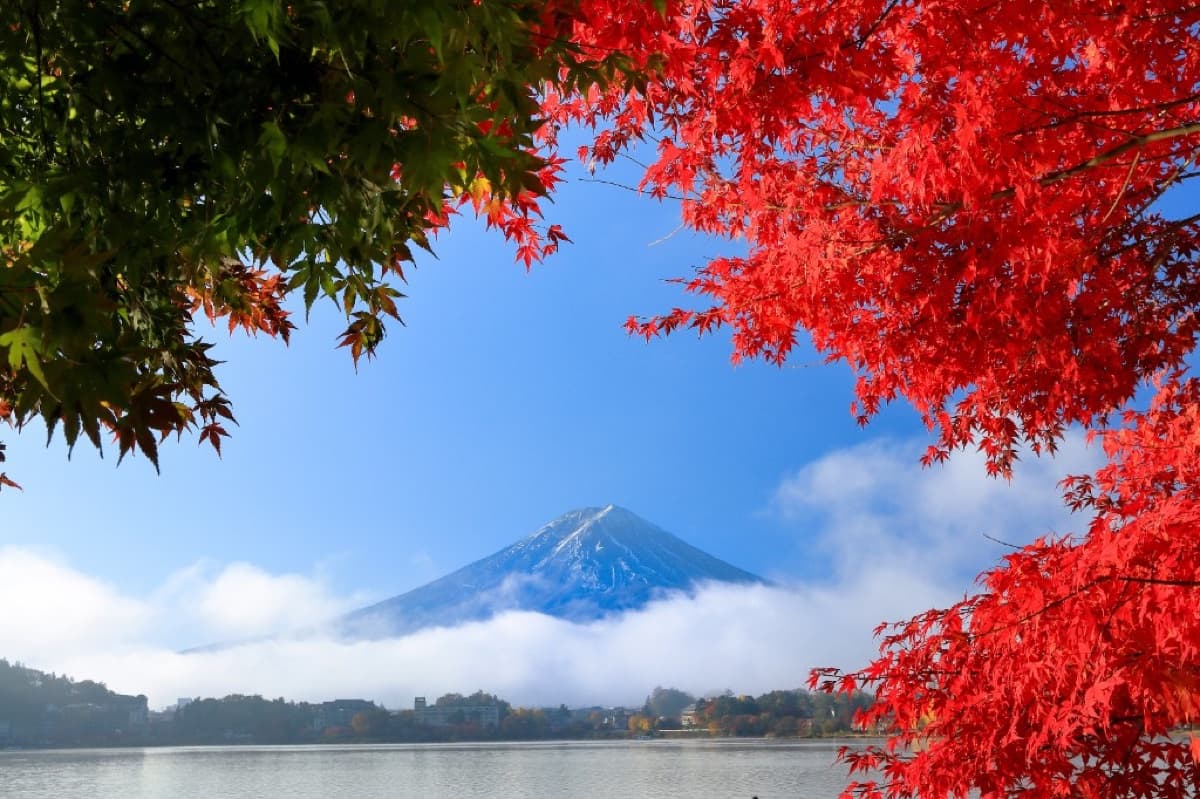
Arguably the best all-round window. The Momiji Kairo maple corridor lights up mid-November and Fuji often has fresh snow.
❄️ Winter (Dec–Mar)
Cold, dry and clear — the snow cap at its best, fewest crowds. Some buses run reduced timetables; the Red Line still operates.
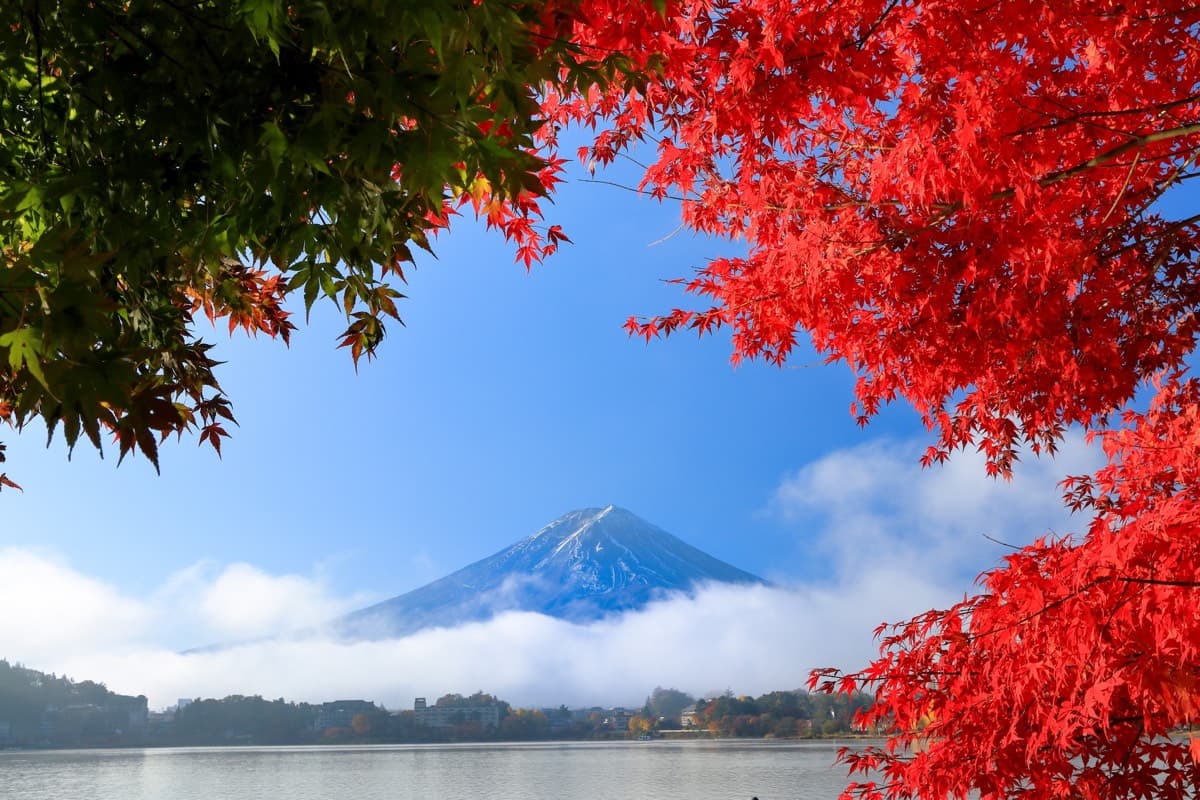
Coming for the maples specifically? Our Mount Fuji autumn leaves guide has the festival dates and the peak-timing detail for the Kawaguchiko foliage season.
Where to Stay in Kawaguchiko
Accommodation runs from budget guest house dorms to lakefront resorts with Japanese-style rooms and private onsen. For views, aim for the north shore or the eastern edge near the ropeway. Somewhere with an outdoor bath facing the lake is worth the splurge — a soak after a long walking day is the whole point.
Book early for cherry blossom season and Obon week. Kawaguchiko sells out earlier than most Japanese destinations.
Sample 2-Day Itinerary from Tokyo
Day 1: Tokyo to Kawaguchiko
Morning Fuji Excursion from Shinjuku Station. Drop your bags at the hotel, then buy a one- or two-day sightseeing bus pass at the terminal beside Kawaguchiko Station.
Take the Red Line to Oishi Park and the Kawaguchiko Natural Living Center, and have lunch there — the building sells local jam, blueberry soft serve and the kind of Fuji-shaped souvenirs you will actually be glad you bought. Continue on the Red Line to the Mount Fuji Panoramic Ropeway and ride up. Walk back down through the forest if you are up for it.
Evening: a hot spring bath at your ryokan, a proper Japanese dinner, and an early night — because tomorrow starts before the light does.
Day 2: Chureito Pagoda and Return
Early Fujikyuko Line train from Kawaguchiko Station to Shimoyoshida, then walk to Arakurayama Sengen Park and climb the 398 steps for the morning light on the pagoda.
Back at Kawaguchiko, rent bikes if the weather is holding and ride part of the lake loop, with a coffee stop somewhere on the north shore. Then the afternoon Fuji Excursion or a highway bus back to Tokyo.
Common Mistakes to Avoid
- Not booking the Fuji Excursion in advance. It is reserved seating. Turning up at Shinjuku on a Saturday morning without a reservation does not work.
- Skipping the bus pass. Single fares add up fast once you do more than one stop.
- Trying to combine climbing with sightseeing. Different trips, different days.
- Only checking the weather in town. Check the mountain's own visibility forecast — it is often clear in Kawaguchiko and cloudy at Fuji.
- Assuming the JR Pass covers everything. It does not cover the Fujikyu section.
- Going on a grim forecast anyway. If the outlook is bad, swap days. The museum, cafes and onsen are decent backup, but you came for the mountain.
Practical Tips
- Convenience stores at Kawaguchiko Station stock hiking snacks, hand warmers and umbrellas.
- Cash still helps at smaller shops and some stops, though PASMO and Suica now work on most sightseeing buses.
- Fujikyuko Line trains are far less frequent than Tokyo commuter lines — check the schedule before leaving a small station like Shimoyoshida.
- Fuji is almost always clearer before 9 a.m. Plan the day around that one fact.
How Kawaguchiko Fits Into a Bigger Japan Itinerary
On a classic Tokyo–Kyoto–Osaka loop, slot Kawaguchiko in as a two-day break between Tokyo and Kyoto. From here you can bus to Mishima and pick up the Tokaido Shinkansen, saving the backtrack to Tokyo.
With only a week, one overnight is enough. With two weeks or more, extend into the wider Fuji Five Lakes region for hiking, Lake Saiko and quieter guest house stays. The change of pace after Tokyo is real — it is the kind of place where you slow down without meaning to.
FAQ
How do I get to Kawaguchiko from Tokyo?
The Fuji Excursion limited express runs direct from Shinjuku in under two hours, eight round trips a day, reserved seating only. The Shinjuku highway bus takes about 1 hour 45 minutes and runs hourly. The JR Chuo Line to Otsuki plus the Fujikyuko Line is the fallback and lets you stop at Shimoyoshida for Chureito Pagoda.
Does the Japan Rail Pass cover the trip to Kawaguchiko?
Only partially. The pass covers the JR section, including the JR-run portion of the Fuji Excursion as far as Otsuki, but the Fujikyu Railway section is private and needs a separate ticket.
How many days should I spend at Lake Kawaguchi?
One night is the sweet spot. A day trip is possible but tight; two nights let you cycle the lake and add Chureito Pagoda comfortably.
Can I see Mount Fuji without going to Kawaguchiko?
Yes — from Hakone, Gotemba, Fujiyoshida, and even from the Shinkansen on a clear day. But Kawaguchiko gives the best combination of lake reflection, easy access and named viewpoints.
Can I use one ticket for the Red, Green and Blue Line buses?
Yes. The 1- or 2-day sightseeing bus pass covers all three lines and is sold at the bus terminal beside Kawaguchiko Station.
Is climbing Mount Fuji possible year-round?
No. The official season is roughly early July to mid-September, with a ¥4,000 entry fee and advance registration. Climbing outside that window is dangerous and strongly discouraged.
What if the weather is bad and Fuji is hidden?
Shift your plan if you can. The Itchiku Kubota Art Museum, north-shore cafes and a long onsen soak still make a good day — but build flexibility in, because Fuji does not always cooperate.
When is cherry blossom season at Chureito Pagoda?
Typically mid-April, shifting about a week either way. Check the bloom forecast a couple of weeks ahead.
Is Kawaguchiko accessible from Haneda Airport?
Yes, via a highway bus connection, usually transferring at Shinjuku or Tokyo Station. Allow around three to four hours door to door — worth considering if you land early and want to start the trip at the mountain rather than in the city.
Are there hot springs in Kawaguchiko?
Yes. Many hotels and ryokan have their own hot spring bath, and there are standalone onsen and public baths around the lake. An evening soak after a full walking day is the standard way to end the first night.
Is Fuji-Q Highland worth combining with Kawaguchiko?
If you like roller coasters, yes. It is one Fujikyuko Line stop before Kawaguchiko, so you can add it without changing where you stay.
Planning a Trip Around Mount Fuji?
Kawaguchiko is one of the easiest places in Japan to do independently — but the Fuji Excursion sells out and the mountain only shows itself on its own schedule. Our self-guided itineraries handle the timetables and leave you the flexibility to move a day when the forecast does.
Transport times, the Fuji Excursion service pattern and Fujikyu fares per JR East and Fujikyu Railway published information; sightseeing bus lines and pass coverage per Fujikyu Bus; ropeway, Oishi Park and Chureito Pagoda details per the operators and Fujiyoshida/Fujikawaguchiko city tourism. Climbing season dates, the ¥4,000 fee and the Yoshida Route daily cap per the Yamanashi Prefecture 2026 announcements — see our climbing guide for the full rules. Timetables and fares change; confirm before travelling. Photo: Mount Fuji and Lake Kawaguchi (CC0). Last updated: August 2026.