
Japan in July 2027: Gion Matsuri, Fireworks Season & Surviving the Heat
July is when Japan's festival calendar ignites — Gion Matsuri all month with parades on Saturday 17 and Saturday 24 July, Tenjin Matsuri, the first fireworks — and when the rainy season ends and the heat begins. Weather, dates, Fuji climbing season, and a route that dodges the worst of it.
July is a month of two halves in Japan. The first belongs to the tail of the rainy season — humid, grey, occasionally spectacularly wet. The second, once the front lifts around the 19th or 20th, is full summer: 30°C-plus days, cicadas, yukata in the streets, and the festival calendar switched fully on. Gion Matsuri runs the whole month in Kyoto, Osaka's Tenjin Matsuri closes it, and the fireworks season opens.
This guide covers Japan in July 2027 honestly: the heat and how to work around it, the festival dates that are already fixed, Mount Fuji's climbing season, and a two-week route that puts you in the right city on the right night.
🏮 Quick Answer: Japan in July 2027
- Weather: hot and humid — Tokyo around 30°C by day and 23°C at night, Kyoto often over 30°C. The rainy season typically ends around 19–20 July; the second half is full summer. Hokkaido is a comfortable 25°C.
- The draw: Gion Matsuri (all of July; parades Saturday 17 and Saturday 24 July 2027), Tenjin Matsuri in Osaka (24–25 July), the Sumida River fireworks (expected Saturday 31 July), Furano's lavender at its peak.
- Fuji: climbing season opens 1 July on the Yoshida and Subashiri trails and 10 July on the Fujinomiya and Gotemba trails, running to 10 September.
- Watch: Marine Day on Monday 19 July makes a three-day weekend that fills beach towns; typhoon risk starts to rise in the second half.
Japan Weather in July 2027: What to Actually Expect
Early July is the wettest, muggiest stretch of the year on the main islands — the rainy season's last act, when the front produces its heaviest rain before dissolving. Then, usually around the 19th or 20th in Tokyo, the JMA declares the season over and summer arrives overnight: sunshine, 30°C-plus, and humidity that makes it feel hotter. From that point the weather is stable apart from the occasional thunderstorm and the beginning of typhoon season.
| Region | Day / Night | Notes |
|---|---|---|
| Tokyo / Kanto | ~30°C / ~23°C | Rainy season to ~19–20 July, then hot and sunny; high humidity throughout |
| Kyoto / Osaka | ~32°C / ~24°C | Kyoto's basin is the hottest big city in Japan; plan mornings and evenings outdoors |
| Hokkaido (Sapporo / Furano) | ~25°C / ~17°C | No rainy season; warm, dry days — lavender peaks mid-to-late July |
| Japanese Alps | ~22°C / ~14°C | Kamikochi and the high valleys are the mainland's escape from the heat |
| Okinawa | ~32°C / ~27°C | Beach season proper; typhoon approaches become likelier through the month |
💡 Kyoto in July is hot and humid, often over 30°C — carry water, wear light clothing and plan breaks. The city's covered arcades and temple halls are your friends.
Tokyo and the Kanto Region
Late July sees daytime temperatures hit 30°C with intense humidity. The city copes with it by moving indoors between noon and four — and so should you. Early mornings are the time for shrines and gardens; evenings are for the festivals, the beer gardens on department-store roofs, and the fireworks.
Kyoto and Osaka
Kyoto's basin traps heat; July afternoons are the hardest in the country. The pay-off is Gion Matsuri, which turns the city's central streets into an evening festival for the three nights before each parade. Osaka is a degree or two less oppressive and has the better night-time food scene.
Hokkaido
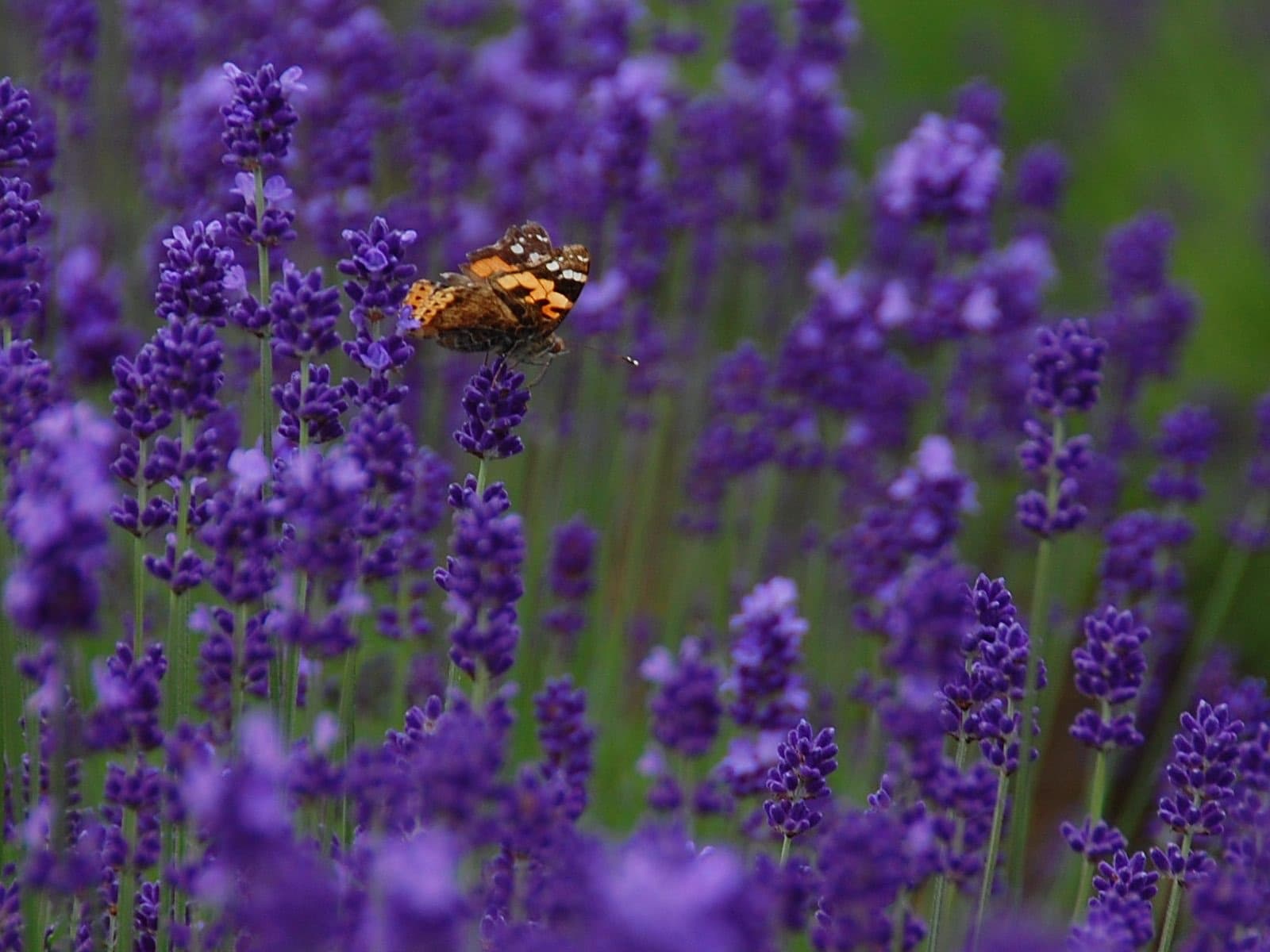
The place to be in July if the heat worries you. Sapporo sits around 25°C with low humidity, and the lavender fields of Furano and the flower farms of Biei are at their peak in the second half of the month.
Gion Matsuri 2027: The Whole Month in Kyoto
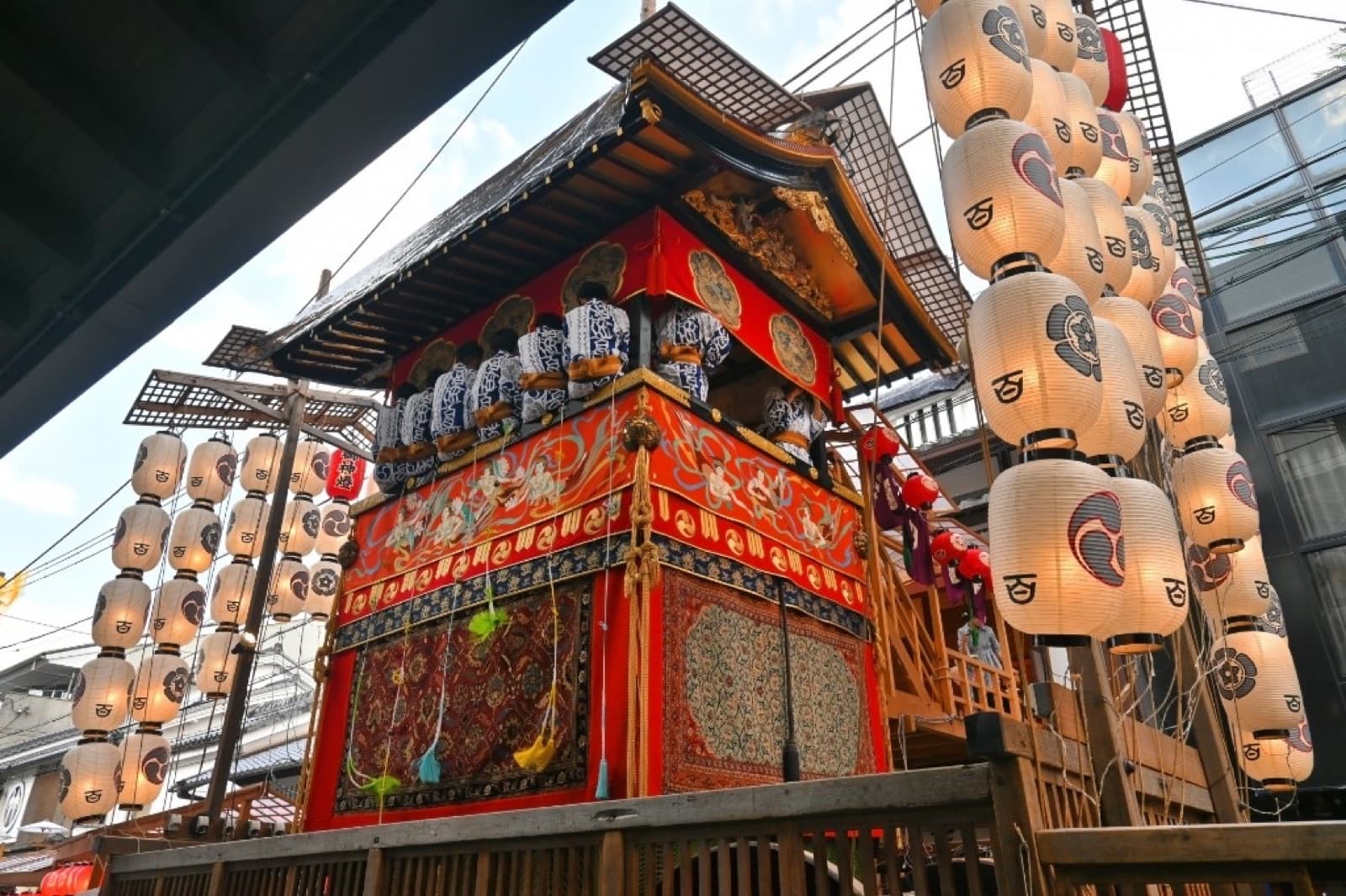
Gion Matsuri runs from 1 to 31 July every year, and its schedule is fixed: the two great Yamaboko Junko float parades are always on 17 and 24 July. In 2027 those fall on Saturday 17 July (Saki Matsuri) and Saturday 24 July (Ato Matsuri) — weekend dates, so expect larger crowds than in years when they land midweek.
- Yoiyama evenings (14–16 and 21–23 July): the three nights before each parade, when the floats are lit with lanterns and the streets around Shijo and Karasuma close to traffic. For most visitors these evenings are the highlight, not the parades.
- Paid seats: reserved viewing seats on Oike-dori sell out fast; in 2026 general seats were ¥6,000, or ¥8,000 for the front row. Expect similar in 2027 and book as soon as they go on sale.
- Hotels: Kyoto for 14–17 and 21–24 July should be booked months ahead.
Our Gion Matsuri guide covers the float routes, the best corners to stand, and how to combine the parade with the rest of Kyoto.
Fireworks and Other Dates in July 2027
- Tanabata (7 July) — the star festival; paper wishes on bamboo in stations and shopping streets nationwide. Sendai holds its version a month later, on 6–8 August.
- Marine Day (Monday 19 July) — a public holiday and three-day weekend that fills beach towns, the Izu Peninsula and Okinawa. Book coastal ryokan weeks ahead.
- Tenjin Matsuri, Osaka (24–25 July) — Japan's great water festival: a procession of boats on the Okawa river and fireworks on the evening of the 25th. Held on the same dates every year, so it clashes with Gion's second parade; you cannot easily do both.
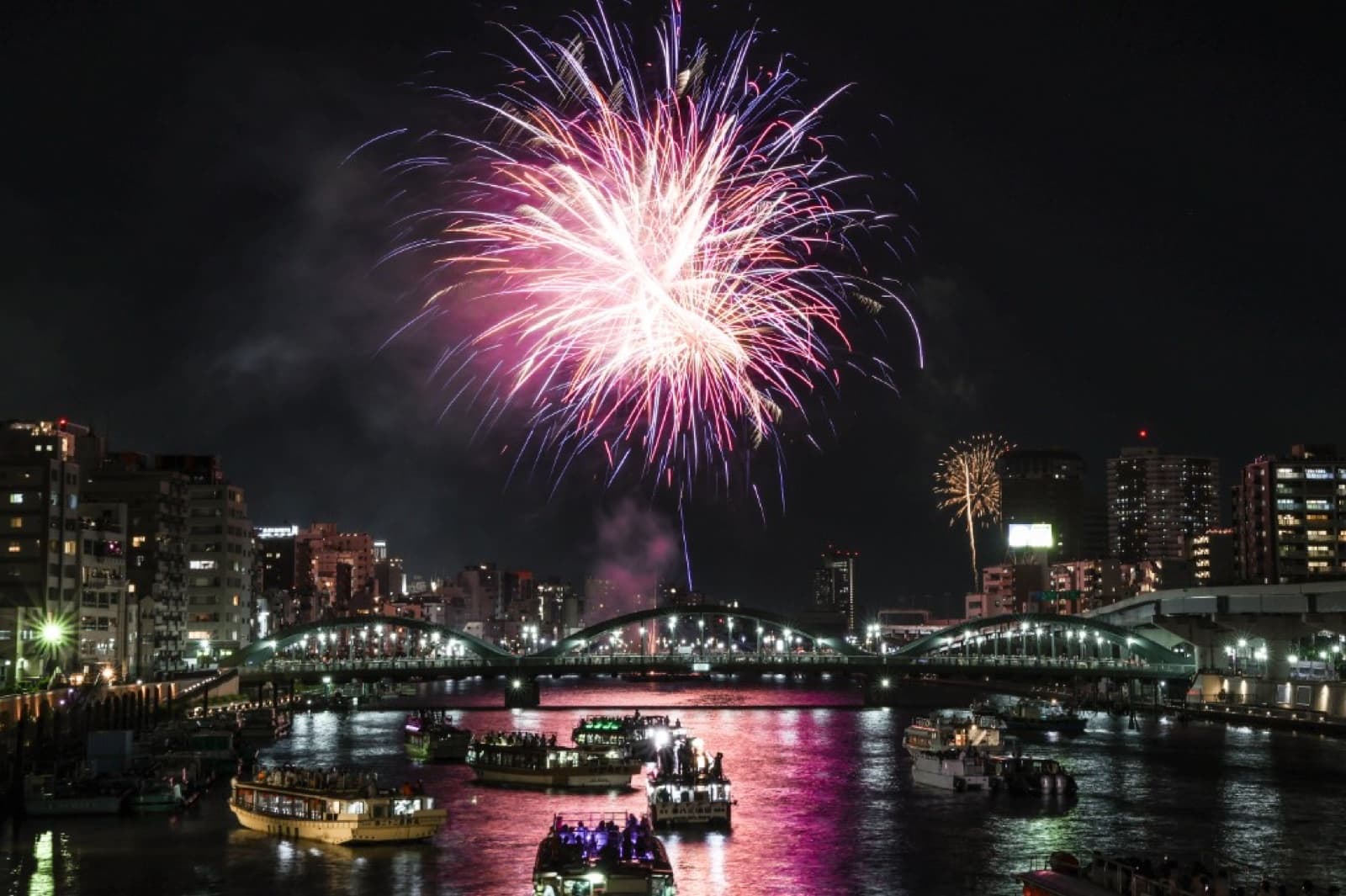
- Sumida River Fireworks, Tokyo (last Saturday of July — Saturday 31 July 2027, pending the official announcement) — around 20,000 shells over Asakusa. Free along the riverbanks; arrive hours early or book a paid seat.
- Fuji Rock (late July) — Japan's biggest music festival, in the mountains of Niigata. Naeba-area accommodation sells out far ahead.
- Furano Lavender (peak mid-to-late July) — Farm Tomita and the surrounding hills; combine with Biei's flower farms and the Blue Pond.
Climbing Mount Fuji in July
Fuji's official climbing season opens in July: the Yoshida and Subashiri trails from 1 July, the Fujinomiya and Gotemba trails from 10 July, all running until 10 September. Since 2026 all four trails require online registration and a ¥4,000 fee, with daily caps on the busiest routes — expect the same framework in 2027.
July is the quieter of the two climbing months; August, and especially Obon week, is the crowded one. Weekdays in the second half of July, after the rainy season ends, are the sweet spot. Our Mount Fuji climbing guide covers trails, huts and the rules.
Where to Go in Japan in July
Kyoto
For Gion Matsuri, and only if you can handle the heat. Plan around the Yoiyama evenings and the two Saturday parades, spend the afternoons indoors or in the northern hills, and book early.
Tokyo
Fireworks season begins, department-store rooftop beer gardens open, and the city's indoor life carries the hot afternoons. Sumida on the 31st is the set-piece.
Hokkaido
The heat escape with a reward attached: Furano lavender, Biei, and the coast. Combine with Sapporo's beer gardens in Odori Park.
The Japanese Alps
Kamikochi, Norikura and the Tateyama route are 8–10°C cooler than the cities and at the start of the alpine flower season. Takayama and Shirakawa-go are green and manageable in the mornings.
Okinawa
Beach season at its best, with the caveat that typhoon approaches become more likely as the month goes on. See our Okinawa typhoon guide.
Price a July 2027 Trip Before You Ask for a Quote
The calculator below is the same one on our cost guide. Set the party, the length and the season, and use the button to turn the estimate into a real quote.
Japan Trip Cost Calculator (2026)
Set your trip below — the estimate updates instantly. Yen prices are converted at a rounded ¥150 to the dollar; the market rate is about ¥157 in September 2026, which makes yen costs a few percent cheaper than shown.
Intercity is priced as point-to-point tickets unless you add the pass — on the Tokyo–Kyoto–Osaka route the pass usually costs more than the tickets.
Estimated total
$4,530
$2,265/person · $453/day · 2 travelers, 10 days
Estimate only — a mid-range guide, not a binding quote. Peak season & specific hotels shift the total.
For comparison, our self-guided routes run about $270–390 per person per day with hotels, trains, luggage delivery and 24/7 support included — the difference from a DIY estimate is the hotel class and having it all arranged.
A Practical Two-Week Itinerary for July 2027
Built around the second half of the month, after the rainy season, with Gion and Tenjin on the right nights.
- Days 1–3 — Tokyo (arrive around 14 July). Early-morning sights, afternoons indoors, evening yakitori alleys.
- Days 4–5 — the Alps (Kamikochi or Takayama). Cool air and mountain walks; a full break from the city heat.
- Days 6–9 — Kyoto (arrive 20 July). Yoiyama evenings on 21–23 July, the Ato Matsuri parade on Saturday 24 July.
- Day 10 — Osaka. Tenjin Matsuri's boat procession and fireworks on the evening of 25 July.
- Days 11–14 — Hokkaido. Fly from Osaka to Sapporo; Furano's lavender at its peak, Biei, and out from New Chitose.
To catch the Sumida fireworks instead, reverse the route and finish in Tokyo on Saturday 31 July.
Common Mistakes to Avoid
- Scheduling temples for 1pm. July sightseeing happens before 11am and after 5pm.
- Trying to see both Gion's second parade and Tenjin. Both are on 24 July; pick one.
- Arriving in the first week expecting summer. Early July is the rainy season's wettest stretch.
- Booking Kyoto late. Gion week (14–17 and 21–24 July) sells out months ahead.
- Ignoring typhoon flexibility. Risk rises from mid-July; keep the last leg changeable. Our typhoon season guide has the planning rules.
July vs the Months Around It
Not sure which month suits you? Our guide to the seasons in Japan lines up all twelve months side by side — weather, crowds, prices and what is in bloom.
- vs June — June is cooler, cheaper and wetter throughout; July trades the rain for heat and the festivals. See Japan in June 2027.
- vs August — August is just as hot, adds Obon crowds and peak typhoon risk, but has the biggest festivals of the year. See Japan in August 2027.
- The festivals in one place — our Japanese summer festivals guide.
- The whole year — best time to visit Japan.
Planning a trip to Japan in July 2027? Get in touch through Plan My Trip on our self-guided tours site, and we'll suggest the tours that best fit your dates and plans.
FAQ: Japan in July 2027
How hot is Japan in July?
Hot and humid on the main islands: Tokyo around 30°C by day and 23°C at night, Kyoto and Osaka often over 30°C. The first half is still the rainy season, ending around 19–20 July; the second half is full summer. Hokkaido stays a comfortable 25°C, and the Japanese Alps are 8–10°C cooler than the cities.
When are the Gion Matsuri parades in 2027?
Saturday 17 July (Saki Matsuri) and Saturday 24 July (Ato Matsuri) 2027 — the dates are fixed every year. The Yoiyama evenings on the three nights before each parade (14–16 and 21–23 July) are the highlight for most visitors.
Can I climb Mount Fuji in July 2027?
Yes. The Yoshida and Subashiri trails open on 1 July and the Fujinomiya and Gotemba trails on 10 July, all running to 10 September. Online registration and a ¥4,000 fee have applied on all four trails since 2026; expect the same in 2027. Weekdays in the second half of July are the quietest window.
Is July a good time to visit Japan?
Yes for festivals — Gion Matsuri, Tenjin Matsuri and the start of the fireworks season — and for Hokkaido, which is at its best. The trade-offs are the heat and humidity on the main islands after the rainy season ends, and rising typhoon risk in the second half.
When are the Sumida River fireworks in 2027?
The festival is always held on the last Saturday of July, which in 2027 is Saturday 31 July — pending the official announcement. Around 20,000 shells are launched over Asakusa; the riverbanks are free but fill hours ahead.
Related Articles
Seasons in Japan: What Season It Is Right Now, Month-by-Month Weather & the Best Time for Each Trip
16 min read
Gion Matsuri 2026: The Self-Guided Traveler's Guide to Kyoto's Greatest Festival
14 min read
Tenjin Matsuri 2026: Osaka's Greatest Festival — Dates, Boat Procession & Fireworks
11 min read