
Best Time to Visit Japan: A Month-by-Month Guide to Weather, Crowds and Prices (2026–27)
When to go to Japan, month by month: average temperatures and rain from the Japan Meteorological Agency, the busiest and quietest months for visitors, cherry blossom and autumn leaf dates, the rainy and typhoon seasons, and the 2027 holidays to plan around.
For most travelers, the best time to visit Japan is spring (late March to May) or autumn (October to November): mild weather, easy walking temperatures and Japan's two big seasonal shows, cherry blossoms in spring and fall foliage in autumn.
The longer answer depends on what you want from your trip. The cheapest time to go to Japan is usually mid-January to February, plus June. Skiers want January and February; festival fans want the summer, heat and all. If avoiding crowds matters most, three holiday periods outweigh everything else: Golden Week, Obon in mid-August and the New Year break. Japan welcomed a record 42.7 million visitors from around the world in 2025, on top of its own domestic travelers, so timing matters. This guide uses the Japan Meteorological Agency's 1991–2020 averages and JNTO's monthly visitor numbers, checked on October 9, 2026.
Quick Answer: When Is the Best Time to Visit Japan?
- Cherry blossoms: late March to early April in Tokyo, Kyoto and Osaka (average first bloom March 24 in Tokyo).
- Mild weather, fewer crowds: mid-May, or mid-October to early November.
- Fall colors: mid-November to early December in Tokyo and Kyoto.
- Skiing and snow: January and February; resorts open from late November.
- Festivals and mountain hiking: July and August.
- Lower prices: mid-January to February, and June. February was the quietest month for visitors in 2025, April the busiest.
Best overall
Apr, May, Oct, Nov
Cheapest
Feb, June
Golden Week 2027
Apr 29, May 1–5
Rainy season
early June–mid-July
For first-time visitors with flexible dates, a good ranking is autumn first, spring a close second, winter as the value pick, and summer only if festivals or mountains are the whole point. Fall edges spring because the temperatures are just as comfortable, the weather is more settled, and cherry blossom season is a narrow target to hit.
Best Time to Visit Japan, Month by Month
Japan stretches a long way from north to south, so this table uses Tokyo as the baseline: average temperature (and the average daily high in the hottest and coldest months) and monthly rain from the Japan Meteorological Agency, and international visitor arrivals for 2025 from JNTO.
| Month | Tokyo weather | Crowds (2025 visitors) | Highlights |
|---|---|---|---|
| January | 5.4°C (high 9.8°C) · 60 mm | Busy Jan 1–3, then quiet (3.78M visitors) | Ski season, hot springs, clear Fuji views |
| February | 6.1°C (high 10.9°C) · 57 mm | Quietest month (3.26M) | Sapporo Snow Festival, plum blossoms |
| March | 9.4°C · 116 mm | Rising fast late in the month (3.50M) | Cherry blossoms from late March |
| April | 14.3°C · 134 mm | Busiest month (3.91M); Golden Week from April 29 | Peak cherry blossoms in Tokyo and Kyoto |
| May | 18.8°C · 140 mm | Busy to May 5, then calmer (3.69M) | Fresh greenery, great walking weather |
| June | 21.9°C · 168 mm | Low (3.38M); no national holidays | Rainy season, hydrangeas, moss gardens |
| July | 25.7°C (high 29.9°C) · 156 mm | Moderate (3.44M); school holidays start late July | Gion Matsuri and summer festivals, Mt Fuji climbing season |
| August | 26.9°C (high 31.3°C) · 155 mm | Moderate (3.43M), but domestic travel peaks at Obon | Summer festivals and fireworks |
| September | 23.3°C · 225 mm | Quiet (3.27M) | Typhoon peak, first leaves in Hokkaido |
| October | 18.0°C · 235 mm | Busy (3.90M) | Autumn festivals, foliage in the north and mountains |
| November | 12.5°C · 96 mm | Busy, especially Kyoto (3.52M) | Autumn colors in Tokyo and Kyoto |
| December | 7.7°C · 58 mm | Quiet, then the New Year rush (3.62M) | Winter illuminations |
Two surprises in the numbers: Tokyo gets more rain in September and October than in the June rainy season, mostly from typhoons and autumn rain fronts, and the busiest months for visitors are April and October, not August.
Japan Weather by Month in Four Cities
Average monthly temperature, 1991–2020. Sapporo in Hokkaido and Naha in Okinawa show how different the north and south can be in the same week.
| Month | Tokyo | Kyoto | Sapporo | Naha (Okinawa) |
|---|---|---|---|---|
| January | 5.4°C | 4.8°C | -3.2°C | 17.3°C |
| February | 6.1°C | 5.4°C | -2.7°C | 17.5°C |
| March | 9.4°C | 8.8°C | 1.1°C | 19.1°C |
| April | 14.3°C | 14.4°C | 7.3°C | 21.5°C |
| May | 18.8°C | 19.5°C | 13.0°C | 24.2°C |
| June | 21.9°C | 23.3°C | 17.0°C | 27.2°C |
| July | 25.7°C | 27.3°C | 21.1°C | 29.1°C |
| August | 26.9°C | 28.5°C | 22.3°C | 29.0°C |
| September | 23.3°C | 24.4°C | 18.6°C | 27.9°C |
| October | 18.0°C | 18.4°C | 12.1°C | 25.5°C |
| November | 12.5°C | 12.5°C | 5.2°C | 22.5°C |
| December | 7.7°C | 7.2°C | -0.9°C | 19.0°C |
Kyoto is a little colder than Tokyo in winter and hotter in summer: its average daily high in August is 33.7°C. For a single month in detail, see our month guides, for example Japan in November, December and March 2027.
Spring in Japan (March to May): Cherry Blossoms and Golden Week
Spring is the most popular time to visit Japan, and popular opinion isn't wrong. Spring brings mild temperatures, a light jacket covers most afternoons, and cherry blossoms turn Ueno Park and Kyoto's Maruyama Park pink. The catch: it's peak season, hotel rates climb, and the famous sites are packed by mid-morning.
When the Cherry Blossoms Actually Bloom
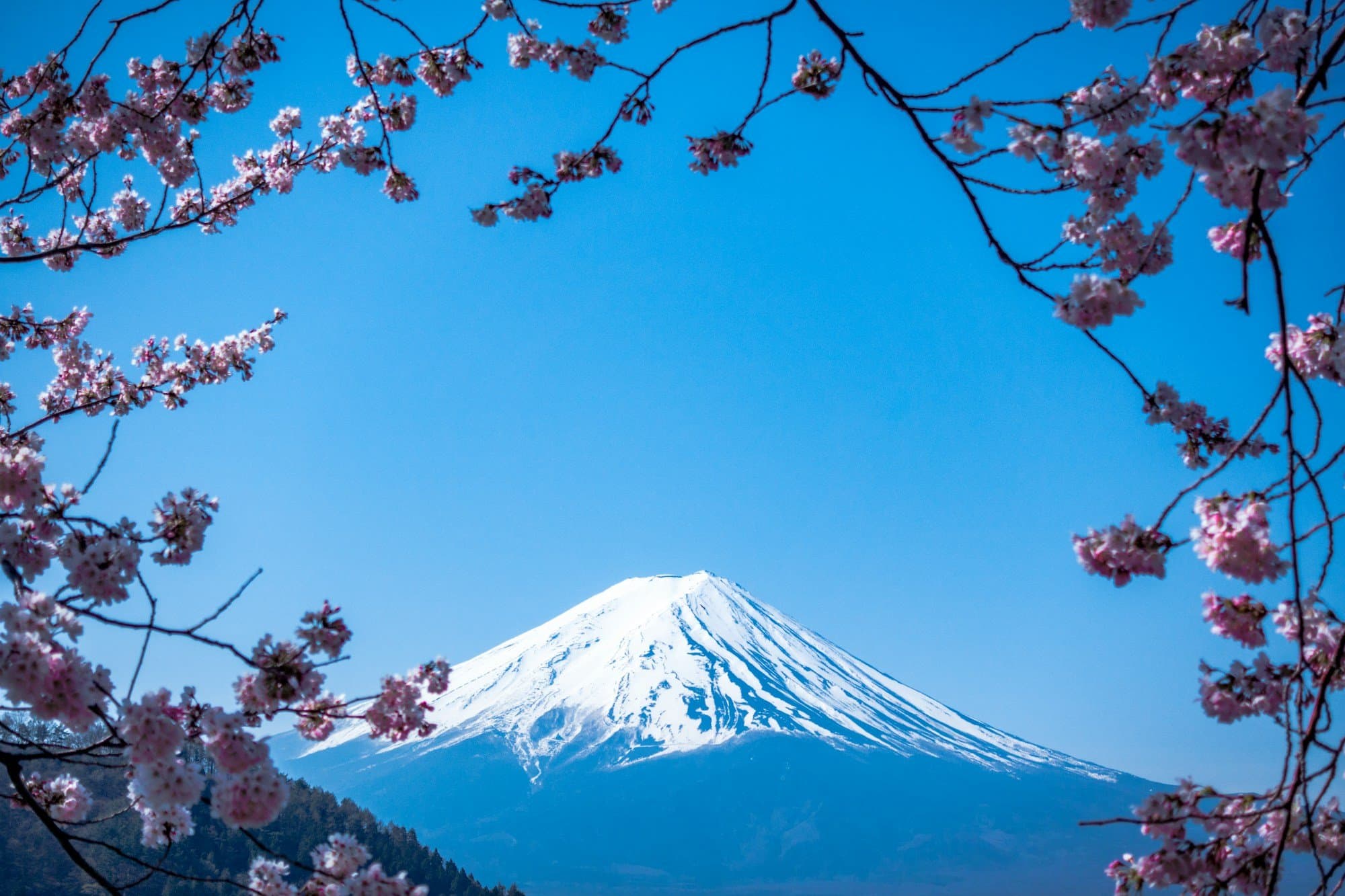
Cherry blossom season moves north up Japan. Average first-bloom and full-bloom dates for Somei-yoshino trees, from the Japan Meteorological Agency:
| City | First bloom (average) | Full bloom (average) |
|---|---|---|
| Fukuoka | March 22 | March 31 |
| Tokyo | March 24 | March 31 (2026: bloomed March 19, full March 28) |
| Hiroshima | March 25 | April 3 |
| Kyoto | March 26 | April 4 |
| Osaka | March 27 | April 4 |
| Kanazawa | April 3 | April 8 |
| Sendai | April 8 | April 13 |
| Sapporo | May 1 | May 6 |
Dates shift every year — 2026 came early, with Tokyo's first blossoms on March 19 — and full bloom usually follows about a week after the first blossoms. Give yourself a window of several days rather than one target date, and watch the 2027 forecasts in our cherry blossom forecast. Our spring in Japan guide covers the whole season.
Golden Week: The One Spring Week to Plan Around
Golden Week strings together Showa Day (April 29), Constitution Memorial Day (May 3), Greenery Day (May 4) and Children's Day (May 5). In 2027, April 29 falls on a Thursday and May 1–5 runs Saturday to Wednesday. It's the peak of domestic tourism: millions of Japanese people travel at once, hotel prices jump and day-trip favorites like Hakone get very crowded. In its 2026 fiscal year (April 2026 to March 2027), JR Central made every Nozomi train on the Tokaido and Sanyo Shinkansen reserved-seat only over Golden Week, Obon, the New Year and several three-day weekends, so book seats early. Mid-May, after the holidays, is an underrated time to visit, with fresh green maples and noticeably fewer crowds.
From our Japan travel team
The cherry blossom weeks and Golden Week are the two busiest stretches of a Japan spring trip, and popular hotels in Tokyo and Kyoto can fill months ahead. Hotels and trains fill up fast, so it's worth starting your plans as soon as you have rough dates; our self-guided tours book the hotels and trains and support you through the trip, so feel free to get in touch if spring is your season.
Early Summer: How the Rainy Season Affects Your Trip
The rainy season, tsuyu, moves north too. Average start and end dates (1991–2020):
| Region | Starts | Ends |
|---|---|---|
| Okinawa | about May 10 | about June 21 |
| Northern Kyushu | about June 4 | about July 19 |
| Kinki (Kyoto, Osaka) | about June 6 | about July 19 |
| Kanto (Tokyo) | about June 7 | about July 19 |
| Northern Tohoku | about June 15 | about July 28 |
| Hokkaido | No official rainy season | — |
It doesn't pour all day, every day: expect gray skies, drizzle, the odd heavy downpour and high humidity, with temperatures that are warm rather than hot. June is honestly underrated if you want to visit Japan with fewer tourists — there are no national holidays, domestic trips drop off, hydrangeas bloom around Kamakura and along the Hakone Tozan Railway, and Kyoto's moss gardens look their best when wet. Forgot your umbrella? Every convenience store sells one.
Summer in Japan (July and August): Festivals, Heat and High Mountains
Once the rain clears, summer arrives in full force: Tokyo's average daily high in August is 31.3°C and Kyoto's 33.7°C, and high humidity makes it feel hotter. So why go? It's a lively time, with fireworks, food stalls and neighborhood festivals almost every weekend, and some of Japan's most beautiful festivals.
Summer Festivals Worth Planning Around
- Gion Matsuri, Kyoto: all of July, with float processions on July 17 and 24.
- Aomori Nebuta Matsuri: giant illuminated floats in early August.
- Awa Odori, Tokushima: a huge dance festival in mid-August.
- Sumida River Fireworks, Tokyo: usually late July.
The summer months are also the best time to visit the northern parts of Japan and the mountains: Hokkaido stays cooler, Furano's lavender usually peaks in July, and the Japanese Alps around Kamikochi offer cool air and good hiking.
From our Japan travel team
July and August are the hottest months in major cities like Tokyo, Kyoto and Osaka, and heatstroke alerts are issued often. With proper preparation it's manageable: stay hydrated, carry a hat or folding parasol and a small towel, and plan outdoor sightseeing for early morning or evening, keeping the hottest hours for museums, shops and train rides. If you're thinking about a summer trip, just ask and we'll help you shape a route that works with the heat.
Typhoon Season and Obon
On average, the most typhoons form in August, and August and September each see about three typhoons come close to Japan, with landfalls most likely in September. Okinawa and the southern regions see the most, but a storm can suspend trains and flights across much of Japan, so keep some slack in late-summer plans; our typhoon season guide explains what to do. Obon falls around August 13–16 (Friday to Monday in 2027), when families head to their hometowns and trains and highways jam.
Mount Fuji: Best Time to Climb vs Best Time to See It
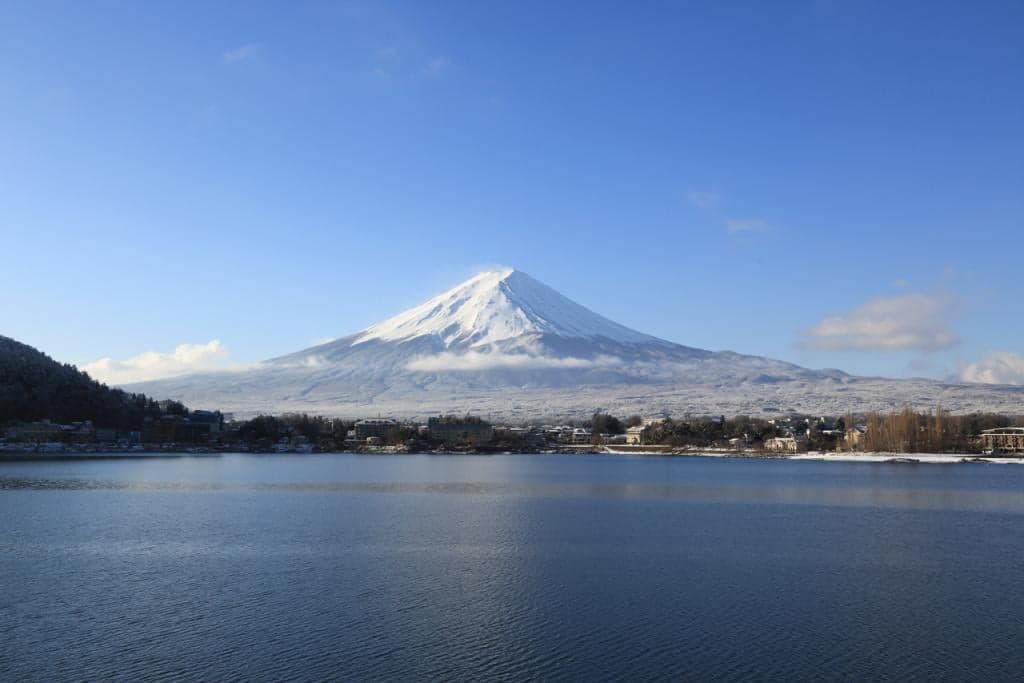
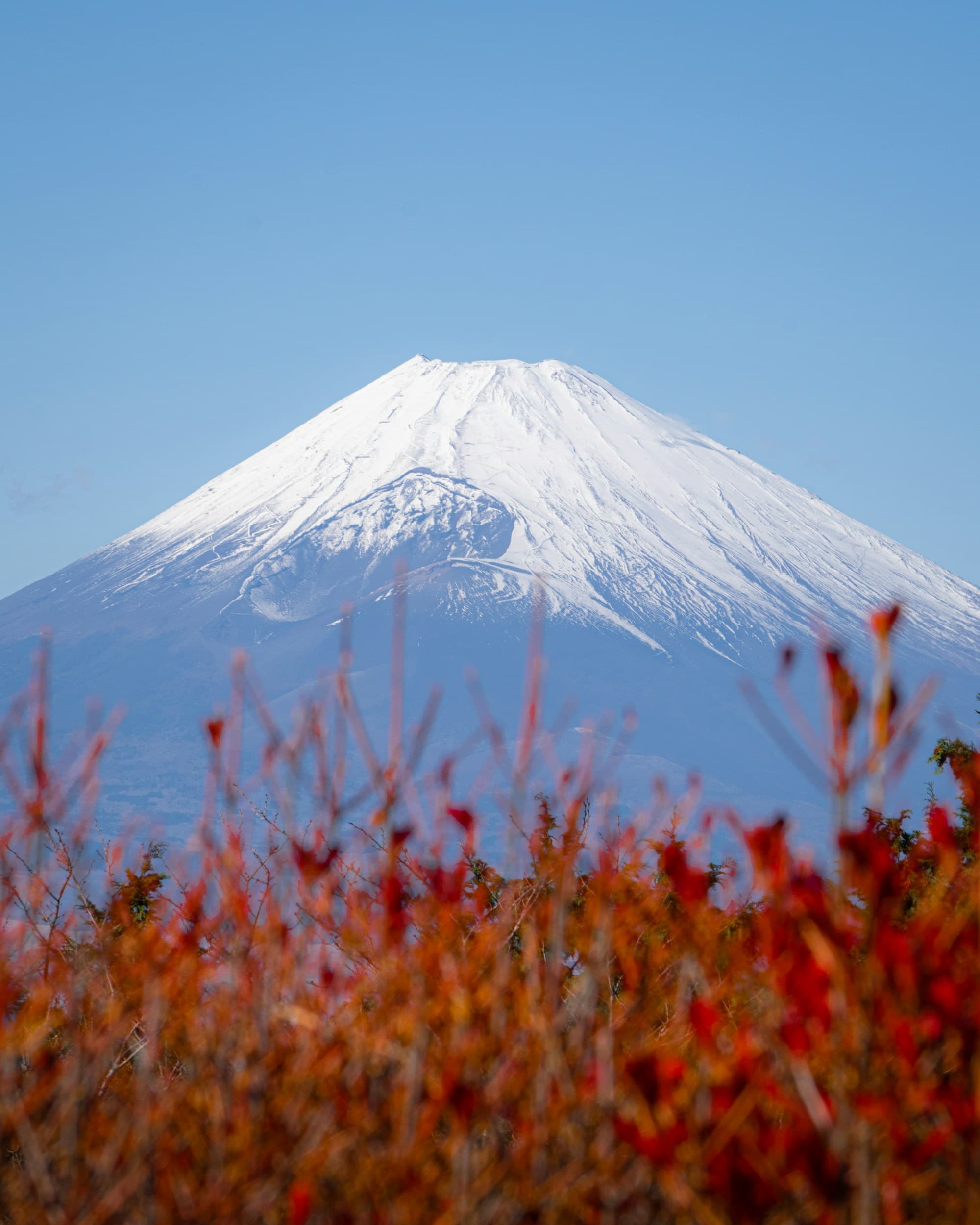
You can only climb Mount Fuji during the official season — in 2026, July 1 to September 10 (from July 10 on the Fujinomiya and Gotemba trails) — with online registration and a ¥4,000 fee per climber on every trail. The rules change most years, so check our Mt Fuji climbing guide and the official sites before you go. If you just want to see Mount Fuji, visit in winter: cold, dry weather from roughly November to February gives the clearest views from Lake Kawaguchi, Hakone and even high-rise Tokyo, while in summer the mountain can hide in haze for days. See our Kawaguchiko guide.
Autumn in Japan (September to November): Fall Colors and Comfortable Temperatures
The fall season is a strong pick for a first trip: comfortable temperatures, mostly settled weather once the typhoons ease, and maples that make temple gardens look unreal. September can still be hot and is peak typhoon month; by October it's lovely.
When Do the Fall Leaves Change?
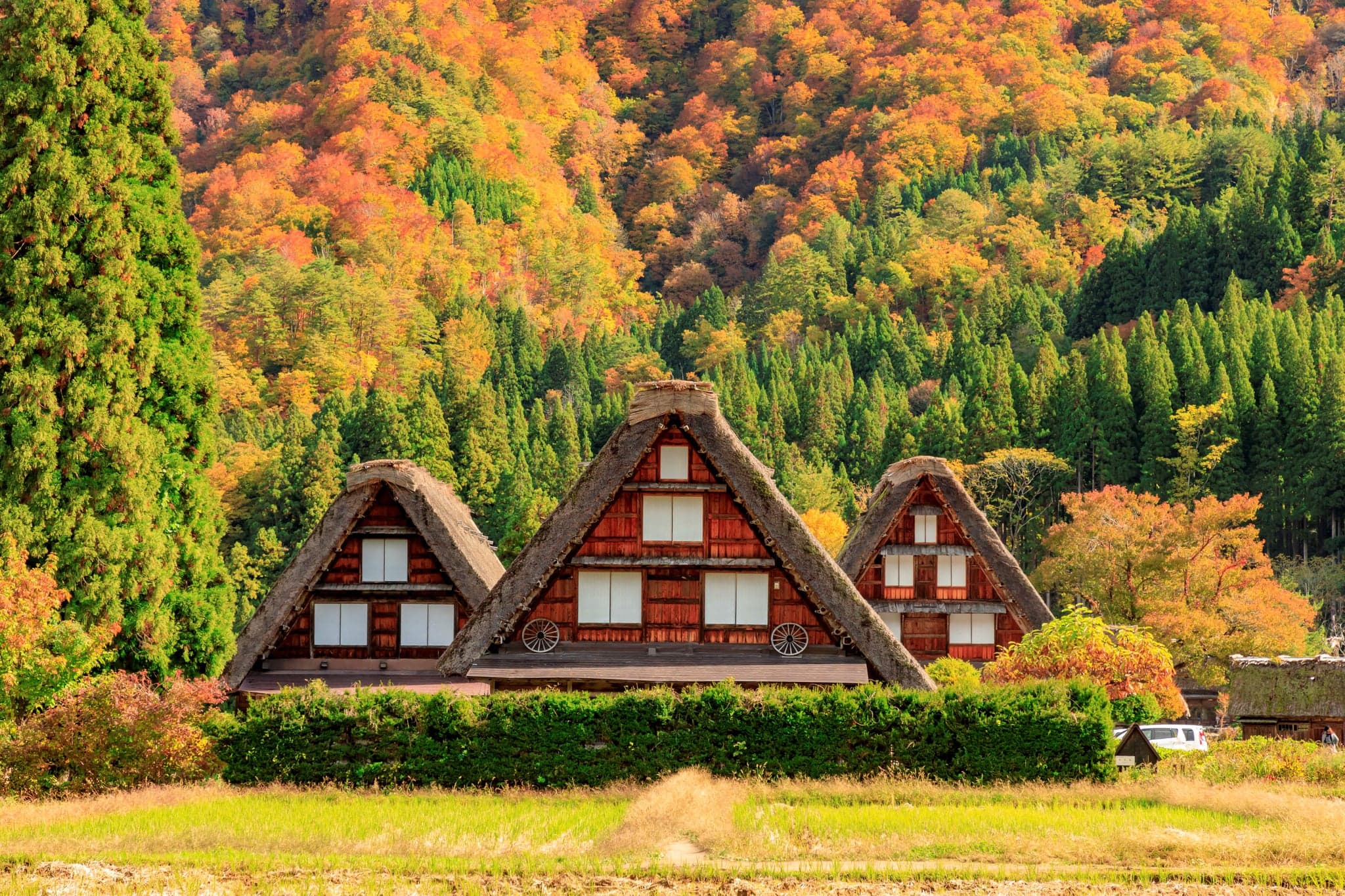
The fall leaves travel the opposite way to cherry blossoms, moving south and downhill. Hokkaido's Daisetsuzan mountains usually turn from mid to late September, the high mountains of central Japan and Nikko's higher ground follow in October, and Tokyo and Kyoto typically peak from mid or late November into the first week of December. The Japan Meteorological Agency's average dates for maples turning at its own observatories are October 28 in Sapporo, November 28 in Tokyo, December 1 in Fukuoka and December 5 in Kyoto; the famous temple gardens usually peak a little before that. For 2026, the Japan Meteorological Corporation's second forecast (October 1) calls the color about normal, with Tokyo's maples around November 28 — follow the updates in our autumn leaves forecast.
Autumn Festivals and Holidays
October is prime time for autumn festivals: Takayama's autumn festival takes place every October 9–10, and local shrine festivals pop up across the country. In 2027, Sports Day makes October 9–11 a three-day weekend and Culture Day falls on Wednesday, November 3, and there is no "Silver Week" in September.
Winter in Japan (December to February): Snow, Hot Springs and Lower Prices
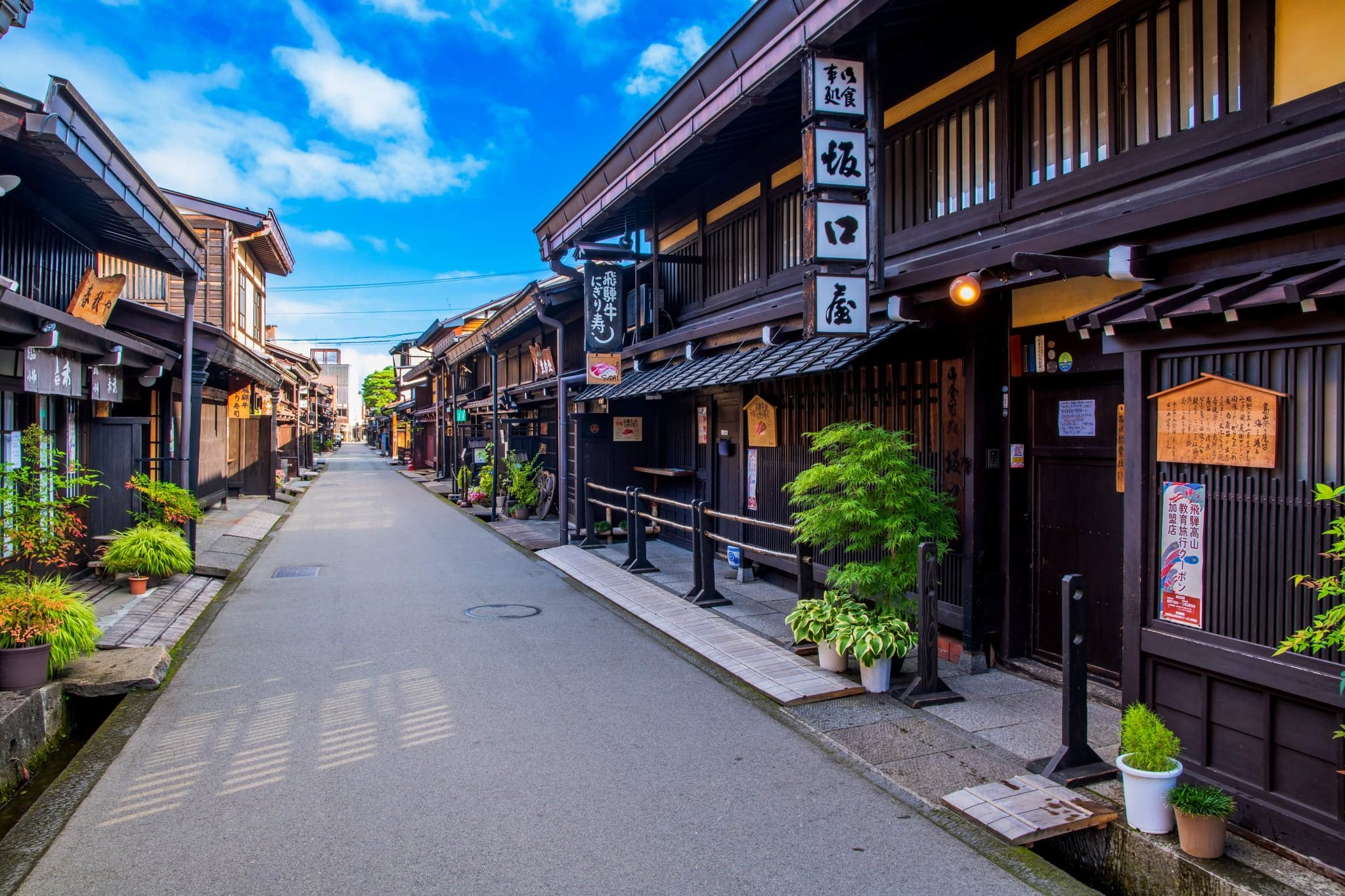
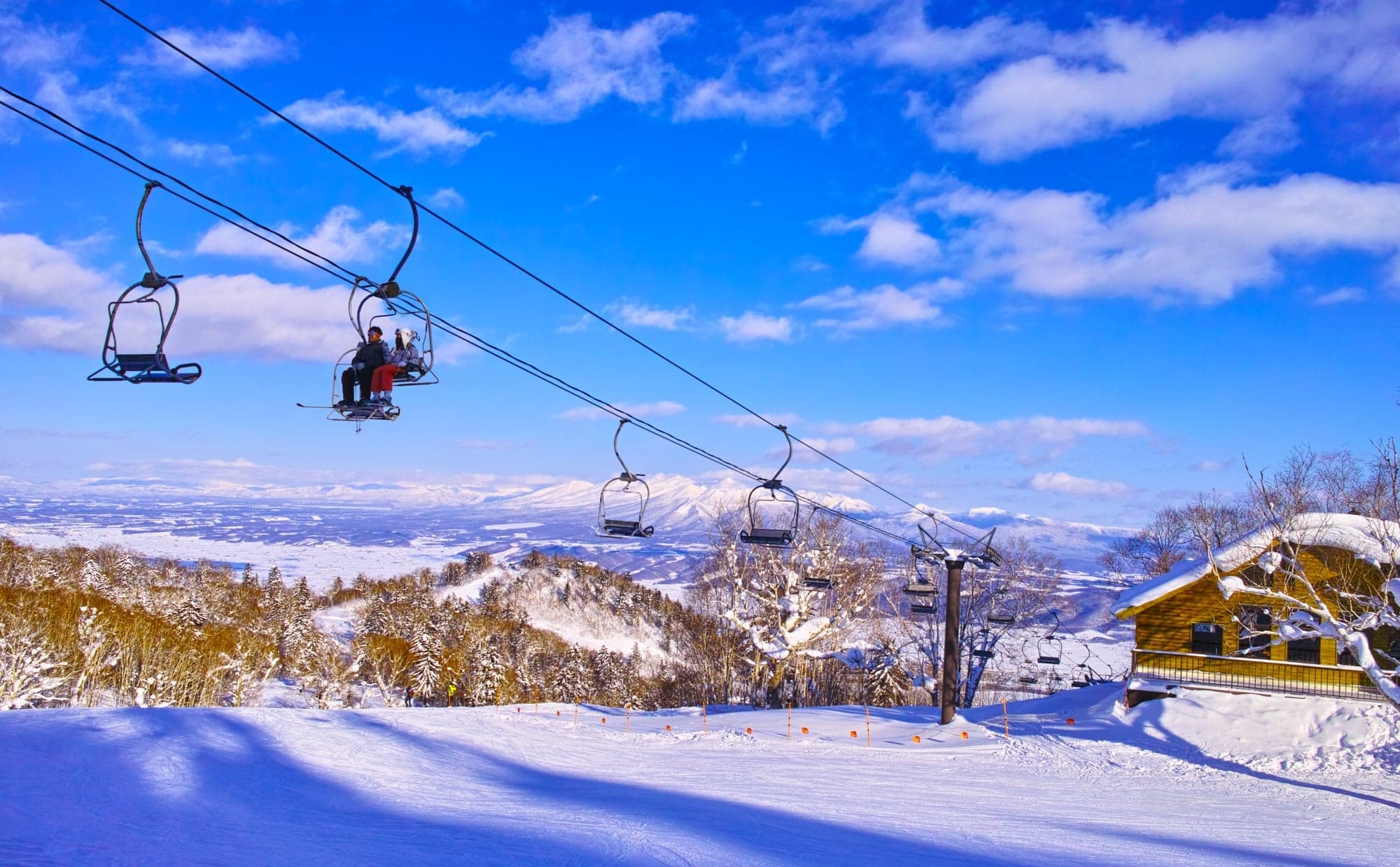
Winter is the most underrated time to visit Japan. Tokyo's average January high is 9.8°C, with lots of crisp, blue-sky days, and outside the New Year rush hotels are often cheaper, temples calmer and natural hot springs at their best. The ski season starts early: for 2026–27, the big ski resorts plan to open from late November (Niseko, Rusutsu, Furano and Nozawa Onsen on November 28), the Sapporo Snow Festival runs February 4–11, 2027, Shirakawa-go lights up its farmhouses on January 11, 17, 24 and 31 (reservations only), and among Tokyo's winter illuminations, Marunouchi runs from November 12, 2026 to February 14, 2027. Our winter in Japan guide covers where to go.
New Year and Other Winter Holidays
New Year (roughly December 29 to January 3) is Japan's biggest family holiday: many small restaurants, museums and banks close for several days, every Nozomi seat is reserved-only from December 25 to January 5, and the most expensive Shinkansen days are December 29–30 and January 2–3. Other winter holidays include Coming of Age Day (January 11, 2027), National Foundation Day (February 11) and the Emperor's Birthday (February 23).
The Cheapest Time to Visit Japan
Prices are usually lowest from mid-January through February, plus June. Airfares and hotel rates tend to dip after the New Year rush, and June's wet weather keeps prices down; in 2025, February (3.26 million visitors), September and June were the quietest months for international arrivals. There are exceptions: Lunar New Year (February 6, 2027) brings visitors from across East Asia, ski resorts charge top rates in midwinter, and Sapporo prices jump during the Snow Festival. Our Japan trip cost guide has budgets by season.
How to Avoid Crowds: Dates to Avoid in 2027
- Golden Week: April 29 and May 1–5, 2027.
- Obon: around August 13–16, 2027.
- New Year: about December 29 to January 3.
- Three-day weekends in 2027: January 9–11, March 20–22, July 17–19, September 18–20 and October 9–11.
- Cherry blossoms and Kyoto's fall colors: the peak blossom week, and the second half of November, when Kyoto's World Heritage temples are busiest.
Smaller tricks work too: visit big sights before 9 a.m. or late in the afternoon, put Fushimi Inari and Arashiyama on weekdays, and swap one headline spot for a quieter neighbor. Our Japan public holidays 2027 guide has the full calendar.
Best Time to Visit Japan by Region
- Hokkaido and northern Japan: June to September, when Hokkaido stays mild and has no official rainy season, or December to February for snow sports.
- Tokyo, Kyoto and central Japan: late March to May and October to early December. Summer is hot and sticky; winter is cold but dry and bright.
- Okinawa: subtropical, averaging 17°C even in January. Its wet season runs from about May 10 to June 21 and typhoon risk peaks in August and September, so April and October to November are good months.
| Spring | Summer | Autumn | Winter | |
|---|---|---|---|---|
| Weather | Mild, sometimes changeable | Hot, humid, rain early | Settled, comfortable | Cold, dry, clear |
| Crowds | Very busy | Busy around Obon | Busy in November | Quiet outside New Year |
| Prices | Highest | Mid to high | High | Lowest (except ski towns) |
| Best for | Blossoms, first trips | Festivals, mountains | Foliage, hiking, food | Skiing, onsen, Fuji views |
If you'll only visit Japan once, spring and autumn are the best seasons for a classic first trip. Winter is the bargain. Summer is for people who know exactly why they're going.
Turning Your Dates Into a Real Japan Itinerary
The best time to visit Japan is really the season that matches your main reason for going, so work backwards from that:
- Pick one priority — blossoms, leaves, snow, festivals or price — and let it set your dates.
- Check holidays and forecasts: Golden Week, Obon and New Year first; blossom forecasts appear in winter and foliage forecasts in early autumn.
- Book the hard parts first: Kyoto hotels, festival towns and timed events like the Shirakawa-go light-up. Reserved Shinkansen seats go on sale at stations at 10 a.m. one month before travel, and the smartEX app takes Tokaido–Sanyo Shinkansen bookings up to a year ahead for some seats.
- Leave one flexible day in typhoon or blossom season.
For a ready-made plan, see our 2 weeks in Japan itinerary.
Common Mistakes When Picking Your Japan Travel Dates
- Betting everything on one sakura week. Bloom dates shift by a week or more.
- Forgetting national holidays. They affect prices and trains more than weather does.
- Underestimating summer. It's not warm, it's hot; plan indoor breaks.
- Tight connections in typhoon season. Keep a spare day before your flight home.
- Treating Japan as one climate. Sapporo averages 7°C in April; Okinawa is wet in June.
Self-Guided Routes by Season
Whichever month you choose, these self-guided routes are built around a season. Our staff meet you at the airport with your trip documents, the tickets for the legs we book and, on most routes, a loaded IC card; no guide comes with you day to day, but a local guide can be arranged as an option. Prices are per person and move with the departure date and room type.
| Route | Best for | Length · from (USD per person) | Shape |
|---|---|---|---|
| Hidden Cherry Blossom & Ancient Temple of Nara (KR003) | Spring | 4 days · $900–1,500 | A short cherry blossom route; 2027 departures April 8–17 only. |
| Japan Highlights & World Heritage (GR002) | Spring and autumn | 12 days · $3,300–4,800 | Tokyo, Takayama, Shirakawa-go, Kyoto and Nara; runs year-round, at its best in the mild seasons. |
| Discover Hokkaido: Nature & Scenic Views (HD001) | Summer (runs May–October) | 7 days · $3,700–4,300 | Sapporo, Sounkyo and Lake Akan, with sightseeing taxis to Shiretoko and Lake Mashu. |
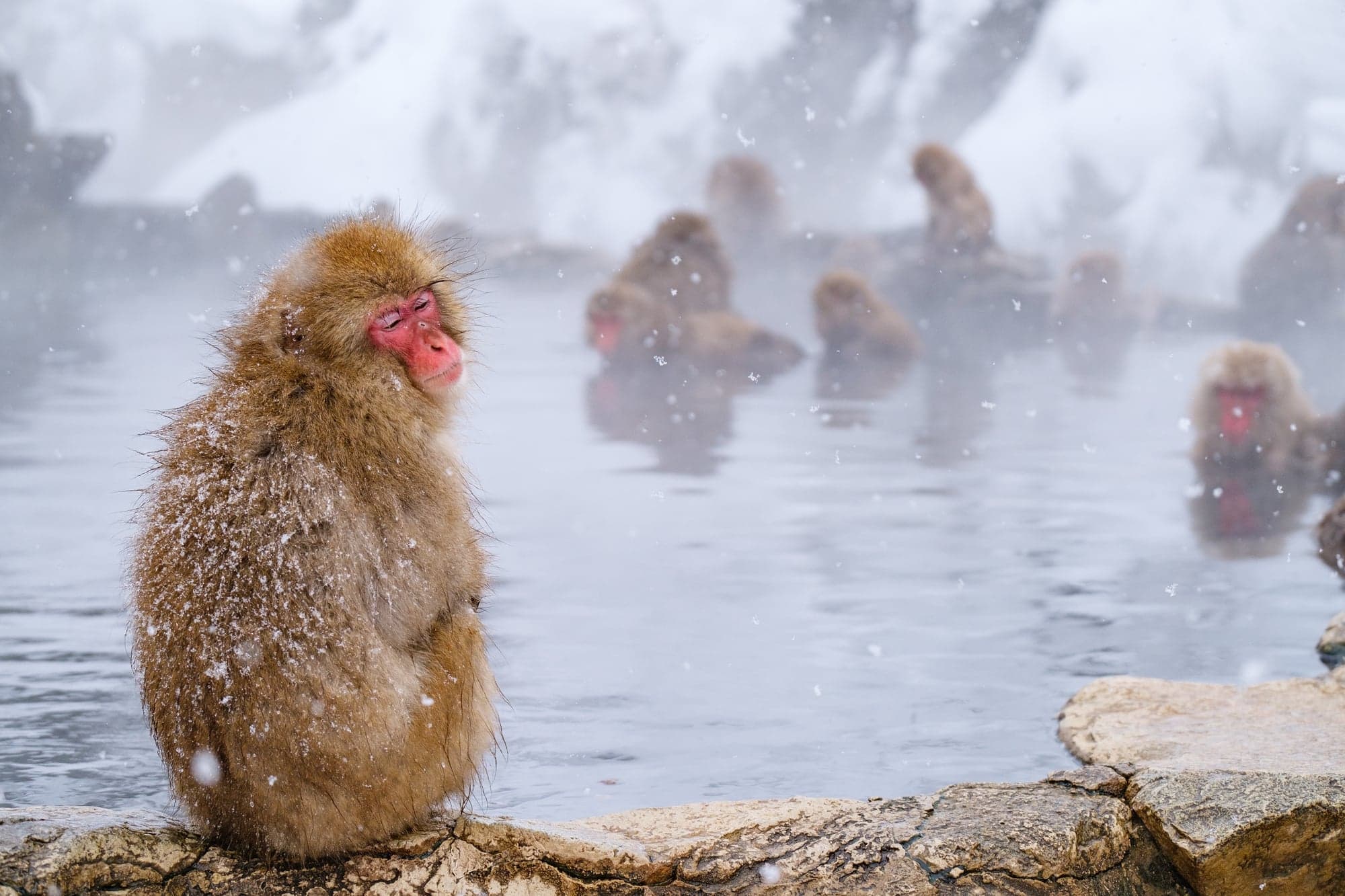
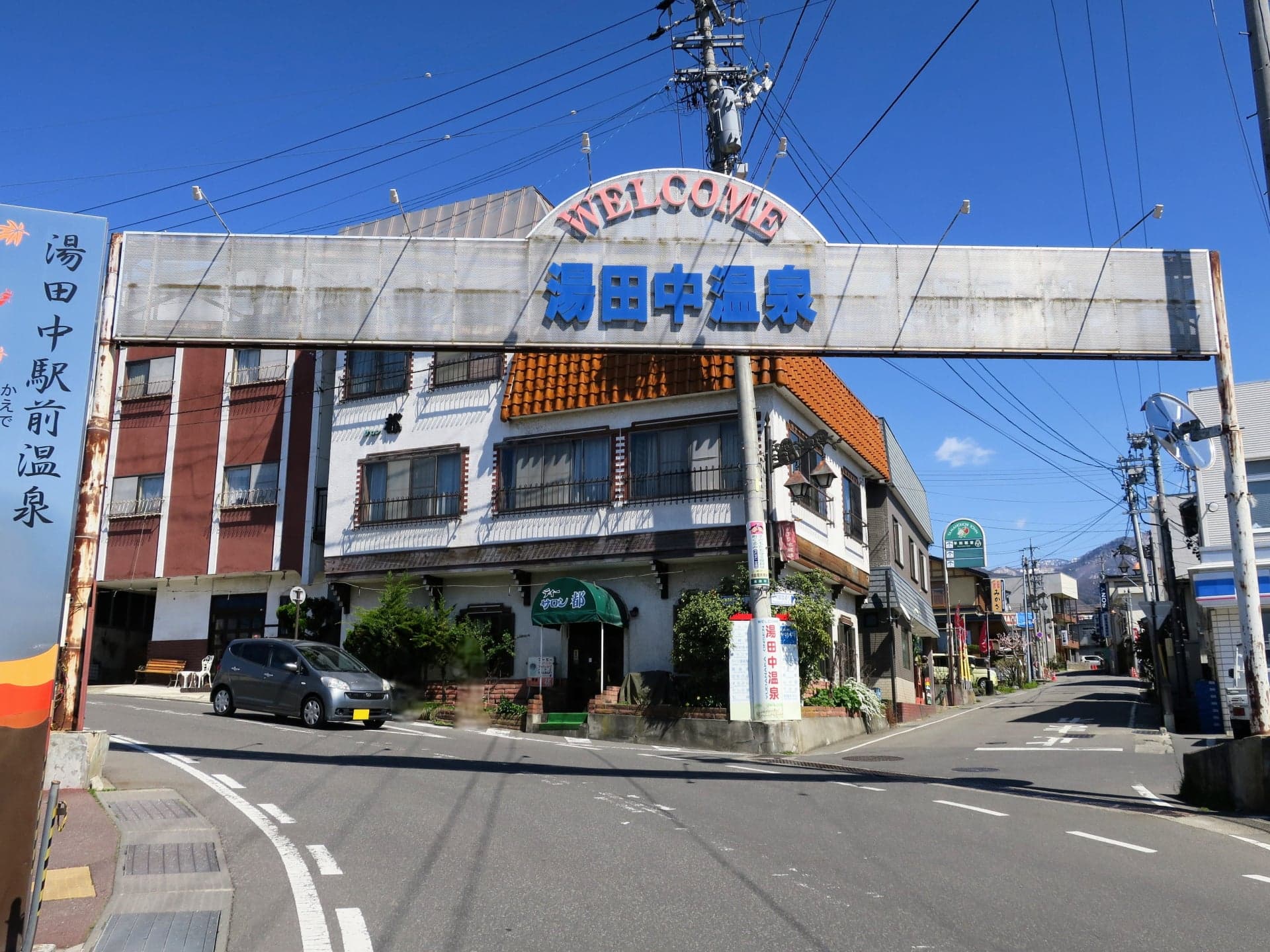
| Japan Winter Journey with Ski and Cities (SK010) | Winter | 9 days · $3,100–3,900 | Three nights at Yudanaka Onsen near the snow monkeys with two days at Shiga Kogen (lift tickets extra), then Takayama and Shirakawa-go. |
| Sapporo City Break & Furano Ski (HK004) | Winter | 8 days · $3,200–3,600 | Three nights in Sapporo, then four in Furano with three ski days (lift pass extra). |
Interested in a tour? Click the route name above, or search by route code in the top-right Search bar.
Want to see Japan at its seasonal best? Get in touch through Plan My Trip on our self-guided tours site, and we’ll suggest the tours that best fit your dates and plans.
FAQ: Best Time to Go to Japan
What is the best month to visit Japan?
April for cherry blossoms or November for autumn foliage. For pleasant weather with fewer crowds, try mid-May or late October. April and October were also the busiest months for international visitors in 2025.
When is the cheapest time to go to Japan?
Usually mid-January to February, plus June. February was the quietest month for international visitors in 2025; avoid Lunar New Year (February 6, 2027), ski towns in midwinter and Sapporo during the Snow Festival if price matters.
When is cherry blossom season in Japan?
Late March to early April in Tokyo, Kyoto and Osaka; on average Tokyo's first blossoms open on March 24 and Kyoto's on March 26, with full bloom about a week later. Sapporo blooms around May 1.
When is the rainy season in Japan?
On average from about June 7 to July 19 in Tokyo and June 6 to July 19 in Kyoto and Osaka. Okinawa's runs from about May 10 to June 21, and Hokkaido has no official rainy season.
When is Golden Week in 2027?
April 29 (Thursday) and May 1–5 (Saturday to Wednesday). Trains, hotels and day-trip spots are at their busiest, and Nozomi trains are reserved-seat only.
When is the best time to see autumn leaves in Japan?
Fall colors peak from mid-November to early December in Tokyo and Kyoto, earlier in the mountains and Hokkaido (from mid-September). The 2026 forecast calls the color about normal, with Tokyo's maples around November 28.
Is winter a good time to visit Japan?
Yes, for skiing, hot springs, clear Mount Fuji views and lower prices. Tokyo averages 9.8°C by day in January. Just skip New Year week if you want things open and calm.
Checked on October 9, 2026: monthly temperature and rain normals (1991–2020), rainy-season normals, typhoon statistics and cherry blossom and maple normals from the Japan Meteorological Agency; 2025 international visitor arrivals from JNTO; 2027 national holidays from the Cabinet Office; Nozomi reserved-seat and peak-fare calendars from JR Central; the 2026 autumn leaves forecast from the Japan Meteorological Corporation. Nozomi all-reserved periods from JR Central's Nozomi page; ski openings from the Niseko United, Rusutsu, Furano and Nozawa Onsen sites; other event dates from the organizers, checked between September 23 and October 9, 2026. Routes and prices are from our catalog on October 9, 2026. Photos: Unsplash (hero, Mt Fuji) and our own.
Self-Guided Routes by Season
Hotels, intercity trains, luggage delivery on the routes that list it, and 24/7 support arranged by a Japan-based operator. Entry fees are paid on the spot.
Black Friday Sale20% comes off these prices when you book online by November 30. The discount is already in the total shown on the tour page.See sale tours
Destinations Mentioned in This Article
Related Articles
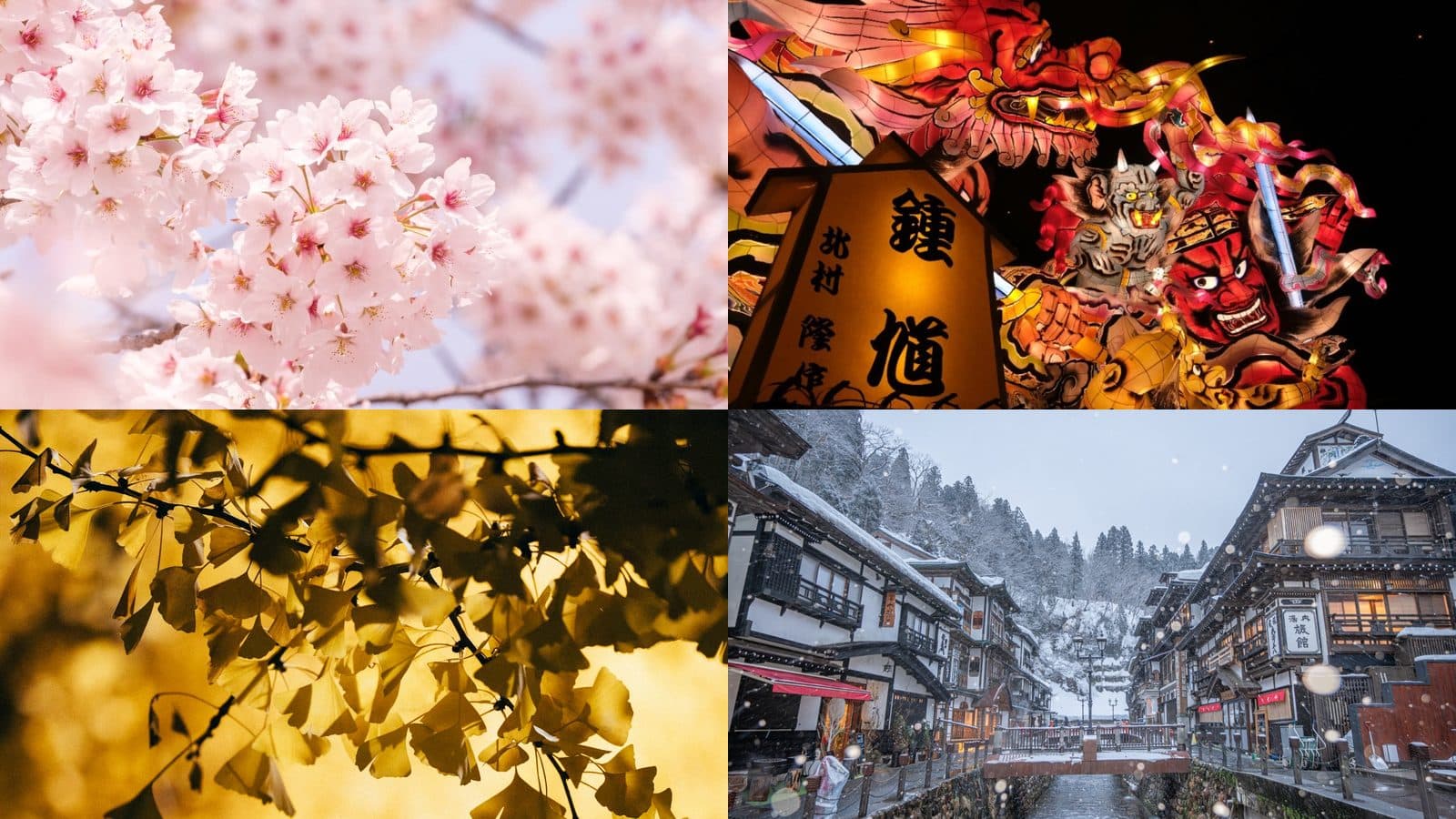
Seasons in Japan: What Season It Is Right Now, Month-by-Month Weather & the Best Time for Each Trip
16 min read
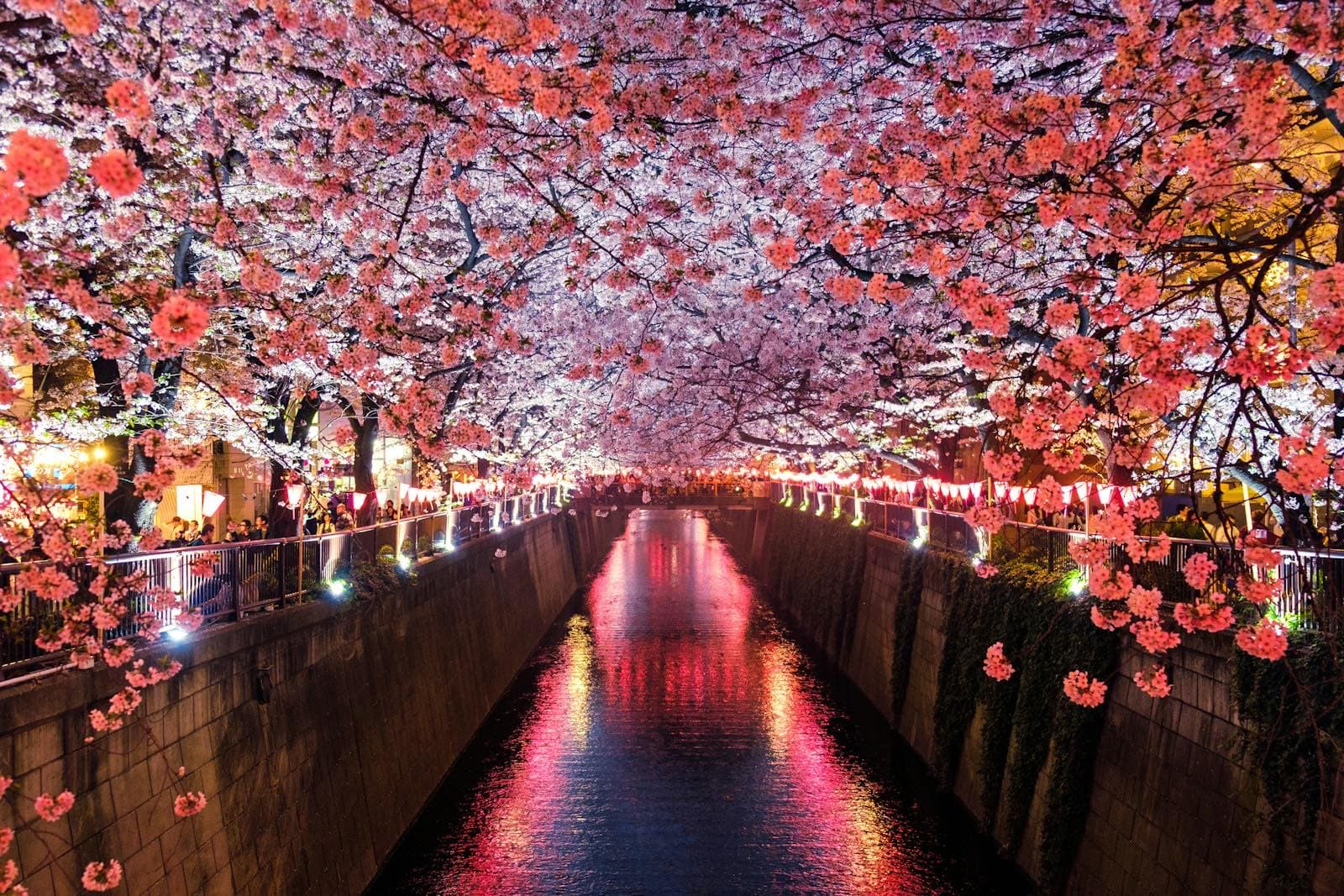
Japan Cherry Blossom Forecast 2027: The Practical Planning Guide for Self-Guided Travelers
14 min read
Japan in September 2026: Typhoons, Silver Week, Weather & Fewer Crowds
14 min read