
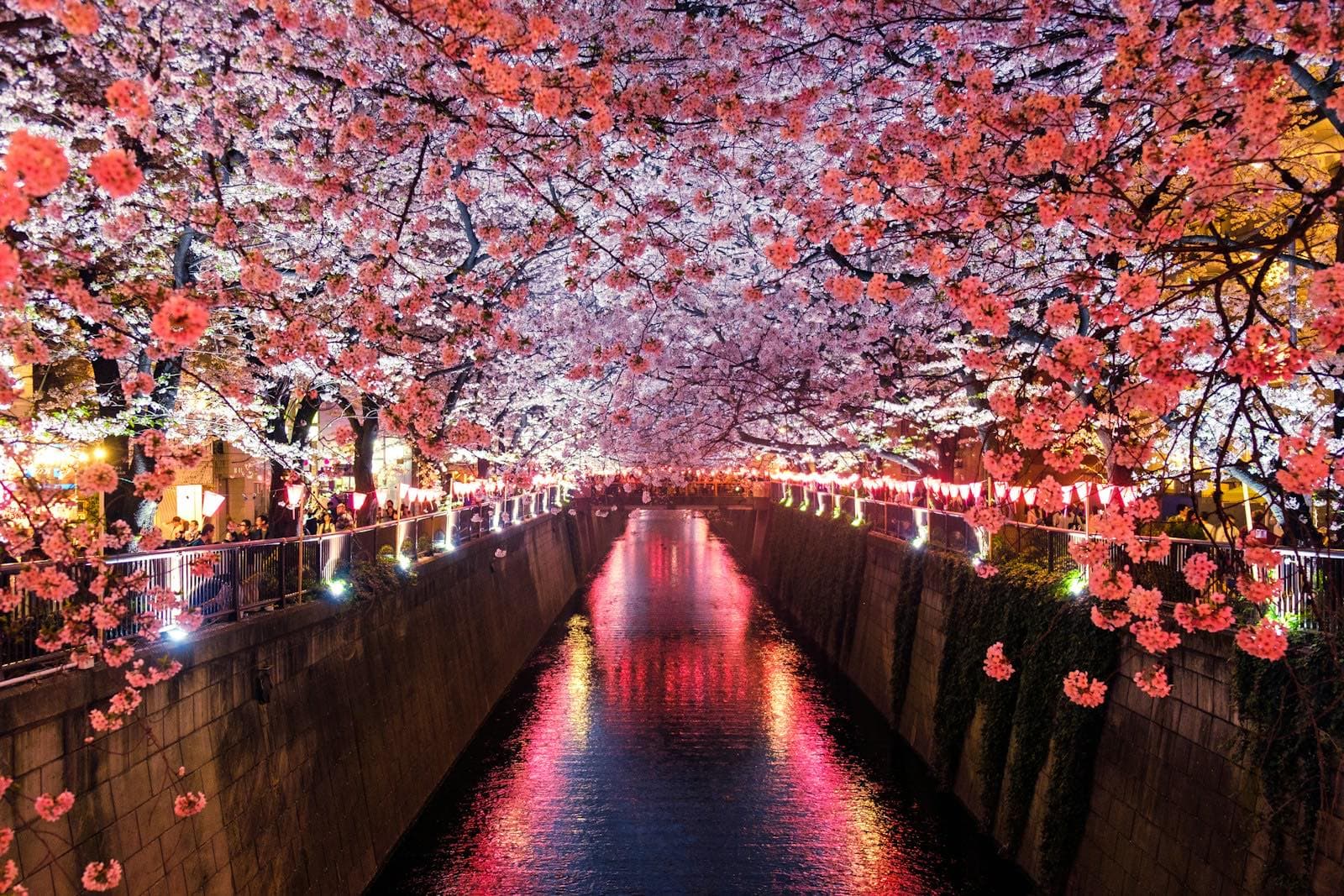
Japan Cherry Blossom Forecast 2027: The Practical Planning Guide for Self-Guided Travelers
Expect Tokyo, Kyoto and Osaka to peak roughly March 28 to April 5, 2027, with the full sakura season running early February to early May. How to read the forecasts, region-by-region timing, and a flexible self-guided plan.
Planning a spring trip to Japan next year? Here's the short answer up front: the Japan cherry blossom forecast 2027 won't be published in detail until the first official forecasts drop, but based on how the season has behaved recently, you can expect Japan's cherry blossom season in the central areas — Tokyo, Kyoto, Hakone, Osaka — to fall from the end of March to early April, roughly March 28 to April 5. That's your rough window for the big-name hanami spots. For the full picture of each month — weather, crowds, holidays — see Japan in March 2027 and Japan in April 2027.
The season overall is much longer than that. Generally, the Japanese cherry blossom season 2027 will last from about the beginning of March to May, starting in mid-March around Kyushu in the southern region, and around May in Hokkaido in the north. Add early-blooming Kawazu-zakura in February and you actually have a viewing runway that stretches from early February to early May. Below is how to actually use that forecast. Not the poetic version. The version that gets you standing under peak-bloom trees at the right park on the right morning, with a hotel you didn't overpay for.
🌸 Quick Answer: Japan Cherry Blossoms 2027
- Main peak (Tokyo/Kyoto/Osaka): roughly March 28 – April 5, 2027 — plan the last week of March through the first week of April.
- Full season: early February (Kawazu, Okinawa) to early May (Tohoku, Hokkaido).
- Forecasts: Japan Meteorological Corporation from ~December 2026; japan-guide.com around February 2027; weekly updates as spring approaches.
- Heads-up: full bloom (mankai) lasts only 5–7 days per location — book hotels 6–12 months out; rates peak in the last week of March through the first week of April.
What the 2027 Sakura Forecast Actually Is
The sakura forecast isn't one document. It's a rolling series of updates from a handful of Japanese weather organizations. Japan-guide.com's first forecast for 2027 is expected to be published around February. The Japan Meteorological Corporation (JMC) usually releases its first predictions even earlier, in December. Forecasts are based on temperature patterns from the previous autumn and get updated on a weekly basis as spring approaches.
So the picture sharpens gradually. In late January you'll get first estimates. By early February the numbers start moving. From early March the forecasts become genuinely useful for booking last-minute train seats and pinning down which hanami spots to hit on which day. (The autumn equivalent works the same way — see our Japan autumn leaves forecast 2026 guide if you're weighing a fall trip instead.)
Why the Forecast Matters for a Self-Guided Trip
If you're on a package tour, someone else worries about this — and if you're still weighing one up, our Japan cherry blossom tours guide compares what spring 2027 departures really cost. If you're planning independently — which is what selfguidejapan.com is built for — the forecast decides three things: where you go, when you go, and which cities you overnight in.
Miss the peak by four days and you're staring at green leaves. From the first bloom to falling petals, the entire cycle takes about two weeks at each location, but the "mankai" or full bloom period lasts only 5–7 days, and strong winds, rain, or sudden temperature changes can shorten this even further.
That's why locking in dates 12 months out and then hoping is risky. Smart travelers build flexibility into the itinerary. For the broader seasonal trade-offs — weather, crowds, prices month by month — our best time to visit Japan guide is a good companion read.
The 2027 Bloom Timeline You Can Sketch Right Now
Until the official sakura forecast 2027 Japan numbers land, use historical averages plus recent trends as your working draft.
🌸 Sakura bloom windows by region (2027 working draft)
| Region | Typical window | Notes / 2026 reference |
|---|---|---|
| Okinawa | late Jan – Feb | Different variety from Somei Yoshino; blooms in tropical warmth |
| Kawazu (Izu Peninsula) | early Feb – early Mar | 2026 festival ran Feb 7 – Mar 8; ~850 trees along a 4 km river tunnel |
| Fukuoka / Kyushu | mid – late Mar | 2026: flowering ~Mar 20, full bloom ~Mar 29 |
| Tokyo | late Mar – early Apr | 2026: flowering Mar 19, full bloom Mar 26; averages closer to Apr 1 |
| Kyoto / Osaka | late Mar – early Apr | 2026: both flowered ~Mar 24, full bloom ~Mar 31 |
| Kanazawa / Niigata | early – mid Apr | 2026: Kanazawa full bloom Apr 6; Niigata full bloom Apr 10 |
| Fuji Five Lakes | mid Apr | Shifts later thanks to elevation; Chureito Pagoda postcard shot |
| Tohoku (Hirosaki) | late Apr – early May | Festival Apr 23 – May 5; full bloom ~Apr 25, petal moat ~May 1 |
| Hokkaido | late Apr – May | Sapporo's first bloom typically 5+ weeks after Tokyo's |
💡 From first bloom to falling petals the cycle takes about two weeks per location, but mankai (full bloom) lasts only 5–7 days — wind and rain can cut it shorter.
Late January to Early February: Okinawa and Kawazu
The cherry blossoms start in southern Japan (Okinawa) in February. These aren't Somei Yoshino — they're a different variety altogether, and they bloom in tropical warmth. The bigger story for most travelers is Kawazu on the Izu Peninsula. Kawazu Sakura is a natural hybrid of the Kanhizakura and Oshima Zakura varieties, with large pink blossoms that start in early February, about a month earlier than other cherry blossom varieties.
Mid February to Early March: Kawazu Cherry Blossom Festival
The Kawazu Cherry Blossom Festival is your February target. In 2026, the festival ran from February 7 to March 8. Expect similar timing in 2027, though confirm on the official Kawazu Zakura site before you book. The festival is centered on the banks of the Kawazu River, where a 4-kilometer-long tunnel of approximately 850 cherry trees creates a stunning spectacle, with pink blossoms combined with yellow rapeseed flowers along the riverbanks.
Getting there is easy. From Tokyo, the most direct route is the JR Limited Express Odoriko train, which runs directly from Tokyo Station to Kawazu Station in about 2.5 to 3 hours. Alternatively, take the Tokaido Shinkansen to Atami Station, then transfer to the Izu Kyuko Line for the final leg.
Mid March to Late March: Kyushu Kicks Off the Main Season
Fukuoka is usually the first major mainland city to see Somei Yoshino open. In 2026, Fukuoka's flowering came around March 20, with full bloom around March 29. Kyushu and Shikoku give you an early jump on the main bloom if your dates are locked to mid March.
Late March to Early April: Tokyo, Kyoto, Osaka — The Peak
This is the sweet spot. This is what most people picture when they say cherry blossom viewing in Japan. In 2026, Tokyo flowering was around March 19 with full bloom around March 26, and Kyoto and Osaka both flowered around March 24 with full bloom around March 31. That was an earlier-than-usual season, though. Historical averages put Tokyo full bloom closer to late March to April 1. For 2027, plan a flexible window: last week of March through the first week of April.
Mid April: Central Japan and the Japanese Alps
Mountainous regions see cherry blossoms slightly later than Tokyo — Kanazawa flowering around March 31 with full bloom around April 6, and Niigata flowering around April 5 with full bloom around April 10. The Fuji Five Lakes area around Lake Kawaguchi also shifts later thanks to elevation.
Late April to Early May: Tohoku and Hokkaido
If your trip falls late in the season, head north. The front is expected to reach the southern tip of Hokkaido in late April; Sapporo's first bloom typically comes more than five weeks after Tokyo's.
The star up here is Hirosaki Castle in Aomori. Over 2,000,000 visitors come to the park during the Hirosaki Cherry Blossom Festival, held annually between April 23 and May 5. The petal-carpeted moats are honestly the most photogenic thing I've seen in Japan. In most years, the flowers reach full bloom at or just before the beginning of Golden Week, around April 25, while the petal moat forms toward the end of the holiday, around May 1.
Best Tools to Track the Japan Cherry Blossom Forecast 2027
You need current data, not last year's blog posts. These are the sources locals and repeat visitors actually use.
- Japan Meteorological Corporation (JMC) — makes its predictions based on somei-yoshino cherry trees at some 1,000 viewing spots around the country; you can see updates for different places at the Otenki Navigator site. The main site is in Japanese, but browser translation handles it fine.
- Sakura Navi app — shows the forecast of flowering and full bloom dates and each spot's progress towards flowering (the "Flowering Meter") all over Japan, with proximity notifications for cherry blossom spots and a stamp card for locations you've visited.
- Japan-Guide's sakura reports — great for English-language on-the-ground reports during the season. Their reporters actually visit each spot and post photos with commentary.
- Weathermap.jp — their forecast is based on the bloom timeline of the official observation trees located at the 58 Japan Meteorological Agency offices across the country.
Building a Real 2027 Itinerary Around the Forecast
Here's the workflow I use with clients planning their own Japan cherry blossom trip. For the whole season around the blossoms — March to May weather, Golden Week and the spring festivals — see our spring in Japan guide.
Step 1: Pick Your Anchor Week
Choose one 7–10 day window. Don't try to chase blooms nationwide — most travelers don't have 3 weeks. If you're a first-timer, aim for early April in the Tokyo–Kyoto corridor. If you've already done the classics, look at late April in Tohoku.
Step 2: Book Accommodation Early
This is not optional. Book 6–12 months in advance to get a better hotel; no later than December if you can't fix your schedule earlier, because hotels in good locations get booked out easily. I've seen Kyoto machiya rentals triple in price between January and March. Trust me on this.
Step 3: Leave Buffer Nights
Many experienced travelers plan to stay in each city for 2–3 nights, which gives you a better chance of catching the peak bloom even if the forecast shifts by a day or two. If Tokyo peaks on March 30 instead of April 2, you want to already be there — not still sightseeing in Osaka.
Step 4: Add a "Chase" Option
Keep one flexible day or two. A two-hour Shinkansen ride can often transport you from a city where the flowers have already bloomed to a higher altitude or a more northern location where the peak is just beginning. If Tokyo blooms early and you arrive late, hop the Shinkansen up to Fukushima or Sendai. Problem solved. (Riding it this much? Weigh a rail pass with our is the JR Pass worth it breakdown.)
Step 5: Avoid Weekends at Famous Spots
Locals hanami hard. The real crowds happen on weekends when locals travel, causing traffic jams and busy attractions. Save Ueno Park, the Philosopher's Path, and Mount Yoshino for Tuesday through Thursday. Avoid weekends at these top destinations if you can.
The Best Cherry Blossom Spots for a Self-Guided 2027 Trip
Tokyo
The best cherry blossom viewing spots in Tokyo are all located in the city centre. Our team's top three for a first sakura trip: the Sumida River, Ueno Park, and Shinjuku Gyoen. All three are worth it — and all three get crowded at peak.
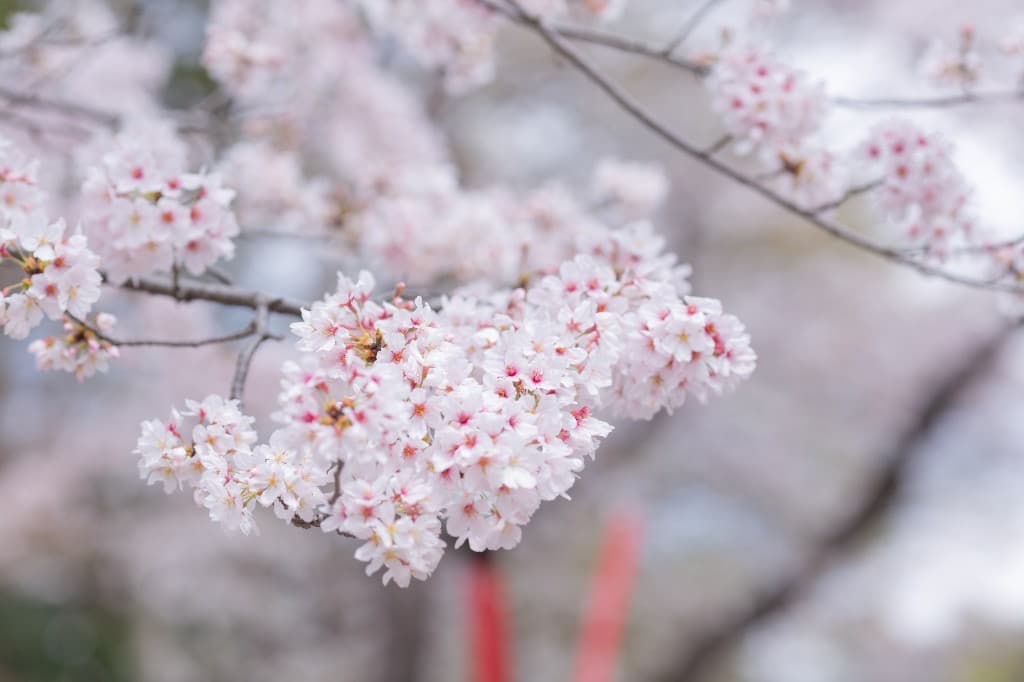
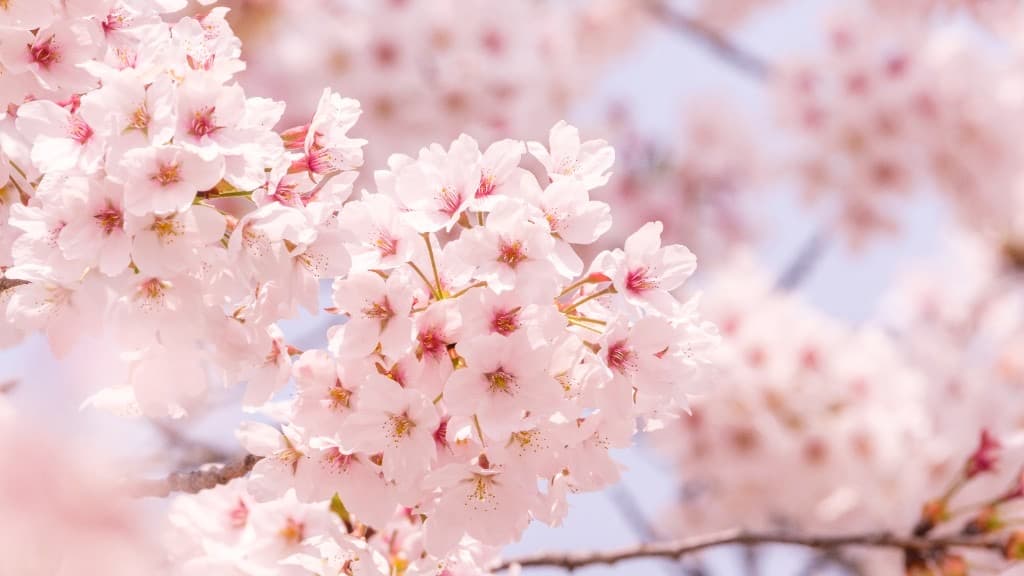
Ueno Park is the classic loud-and-lively hanami experience — bento boxes on tarps, sakura beer in hand, salarymen singing off-key by mid-afternoon. Shinjuku Gyoen is the opposite: ticketed entry keeps the crowds thinner, and with over 1,000 cherry trees of many varieties, the blooming window stretches by a week or more. During a visit in 2025, Shinjuku Gyoen was quite empty at 8:30 a.m. Show up early. The Sumida River lines up cherry trees with Tokyo Skytree in the background — river cruises and riverside walks are the signature move here. Chidorigafuchi Moat lets you paddle a boat under the blossoms, and the Meguro River is Tokyo's Instagram darling.
💬 From our Japan travel team
If you stay in Japan from the last week of March through the first week of April, you should be able to see cherry blossoms. This is also when hotel rates hit their peak — book as early as you can.
In Tokyo, the Sumida River, Ueno Park, and Shinjuku Gyoen are the classic sakura spots — but all get packed. If you want special experiences like a Sumida River cruise, a sakura-view room, or a restaurant with blossom views, start planning and reserving early.
Kyoto
The Philosopher's Path — a stone canal walk lined with hundreds of cherry trees — is the signature Kyoto experience. Maruyama Park is where locals throw hanami parties late into the night around a massive weeping cherry. Arashiyama's Randen tram line runs through a short cherry-tree tunnel that's worth photographing. Kyoto does get crowded — it tends to be more crowded than Tokyo or Osaka, especially around midday in hotspots like Ninenzaka, Sannenzaka, and Kiyomizu-dera.
Mount Yoshino
If I had to pick one cherry blossom experience over all others, it would be Mount Yoshino in Nara Prefecture. Mount Yoshino has been Japan's most famous cherry blossom spot for many centuries. The first trees were planted along its slopes more than 1300 years ago, and today the mountain is covered by approximately 30,000 cherry trees of many different varieties.
Yoshinoyama's cherry blossoms typically start opening in late March or early April and reach full bloom around early to mid April, and because of the range of elevation, the blooming season is staggered by a couple of days between the Shimo (lower), Naka (middle), and Kami (upper) Senbon areas. It's about a 90-minute train ride from Osaka on the Kintetsu line. Our full Mount Yoshino guide covers the four groves, the ropeway schedule and why an overnight beats a day trip.
Himeji Castle
Himeji Castle framed by pink blossoms is one of the most iconic shots in Japan. Easy day trip from Osaka or Kyoto on the Shinkansen. Aim for the last week of March.
Fuji Five Lakes
Lake Kawaguchi in the Fuji Five Lakes region gives you cherry blossoms with Mount Fuji looming behind. Bloom here is later than Tokyo — usually mid April. The Chureito Pagoda shot with sakura and Fuji is the postcard. Warning: cable cars can have long wait times due to limited capacity — for example, the panoramic ropeway at Lake Kawaguchi often has an hour-long queue. Arrive at opening.
Hirosaki Castle
Already covered above. Late April, up in Aomori. The cherry tree management uses the "Hirosaki Method," which adapts local apple pruning techniques, enabling even century-old trees to maintain healthy blooming, with roughly 2 million visitors during the festival each year. Book Shinkansen seats early — Hirosaki collides with Golden Week.
Festivals like Kawazu, Hirosaki, and Yoshino are absolutely worth attending, by the way — food stalls, illuminations, and a very different energy than a quiet garden visit. Just book train seats in advance.
Weather, Wardrobe, and Practical Prep
Spring in Japan is not warm. Not really. In popular destinations like Tokyo and Kyoto, expect mild, crisp days with average temperatures from 10°C to 18°C (50°F to 65°F), and don't be caught off guard because the temperature often drops significantly after sunset. Layers. A light jacket. Something waterproof, because heavy rain can flatten petals in one afternoon.
Also: cash. Rural hanami spots like Kawazu and Yoshino still lean cash-heavy for food stalls and small vendors. IC cards handle transport, but the food stalls selling grilled squid and cherry-blossom mochi? Bring yen.
Common Mistakes Travelers Make
- Booking too rigidly. People lock in one city per night with no wiggle room, then discover the bloom shifted by five days. Give yourself buffer.
- Ignoring Golden Week. The March 29 to April 7 window avoids Japan's Golden Week holiday crowds in early May. If you're chasing late blooms in Hokkaido or Hirosaki, you're smack in Golden Week — book everything, trains especially, months out. (See our Japan public holidays guide for the full calendar.)
- Trying to see every famous spot. You can't. Sakura season rewards depth, not breadth. Two spots done well beat six done in a rush.
- Skipping the countryside. Some of the loveliest hanami spots are unnamed riverbanks in small towns, an hour's drive from anywhere famous. If you're renting a car for one day, the countryside pays off.
- Forgetting that cherry blossoms are cultural, not just visual. Cherry blossoms are a symbol of spring in Japan, and their short blooming period has also made them a metaphor for fleeting beauty within the country's literature and culture. Slow down. Sit under a tree. Buy a sakura beer from a street-stall vendor. That's the point.
How the 2027 Season Might Differ From Recent Years
Recent seasons have skewed early. 2026's blooms were among the earliest on record due to warm weather, and bloom dates can shift 1–2 weeks based on that year's winter and spring temperatures. Nobody can tell you in July 2026 whether 2027 will be early, late, or average. What you can do is watch the JMC's December preview forecast, then adjust hotel dates if needed while cancellation windows are still open.
Kawazu 2027 is the first thing to watch. The 2026 Kawazu Sakura had its earliest bloom in the last five years — a significant shift. If 2027 follows the same warming trend, expect February to bring early-blooming cherry blossoms on the Izu Peninsula again.
Sample 10-Day Itinerary: Following the 2027 Bloom
Here's a realistic self-guided template you can adapt:
- Days 1–2 — Tokyo: Ueno Park at sunrise, Meguro River after dark, Shinjuku Gyoen on day two. City parks dominate here.
- Day 3 — Day trip: Fuji Five Lakes or Kawaguchiko if bloom timing lines up. Otherwise Kamakura.
- Day 4 — Travel day: Shinkansen to Kyoto. Afternoon at Maruyama Park.
- Days 5–6 — Kyoto: Philosopher's Path at dawn on day five. Arashiyama and the Randen tram day six.
- Day 7 — Nara and Mount Yoshino: long day but worth it. Yoshino gets your first bloom at Shimo Senbon and later blooms up the mountain.
- Day 8 — Himeji + Osaka: castle in the morning, Osaka Castle Park in the afternoon.
- Day 9 — Buffer day: chase whatever's peaking. Kanazawa if you want to go north, Hiroshima if south.
- Day 10 — Fly out from Osaka.
For a late April trip, replace Osaka with a Shinkansen up to Aomori and Hirosaki Castle.
Turning the Forecast Into Your Real Trip
The Japan cherry blossom season rewards travelers who plan the frame, not every detail. Book hotels early. Keep two flexible days. Watch the JMC forecast weekly from early March. Adjust one or two reservations if the front shifts. That's it.
If you'd rather have all of that handled without joining a group tour, that's exactly what selfguidejapan.com does — pre-built independent itineraries you can customize, with the transport, timing, and lesser-known cherry blossom spots already mapped for a couple weeks of self-guided travel. Our cherry blossom tours guide lists the spring 2027 routes with dates and prices, and where to stay in Kyoto names the hotels those routes actually book — the part of a blossom trip that sells out first. Take a look before you commit to dates.
Japan Trip Cost Calculator (2026)
Set your trip below — the estimate updates instantly. Yen prices are converted at a rounded ¥150 to the dollar; the market rate is about ¥157 in September 2026, which makes yen costs a few percent cheaper than shown.
Intercity is priced as point-to-point tickets unless you add the pass — on the Tokyo–Kyoto–Osaka route the pass usually costs more than the tickets.
Estimated total
$4,530
$2,265/person · $453/day · 2 travelers, 10 days
Estimate only — a mid-range guide, not a binding quote. Peak season & specific hotels shift the total.
For comparison, our self-guided routes run about $270–390 per person per day with hotels, trains, luggage delivery and 24/7 support included — the difference from a DIY estimate is the hotel class and having it all arranged.
If Spring Does Not Work: The Other Two Windows Worth Booking
Cherry blossom season is the most popular time to visit Japan and, for exactly that reason, the most expensive and the most crowded. It is also the hardest to book, because the bloom moves by up to two weeks and hotels do not. If your dates are not locked to spring, two other windows consistently deliver more for less.
- Late autumn, mid-November to early December. Comparable scenery, a longer and more predictable window than sakura, and materially cheaper. Track it with the autumn leaves forecast.
- Deep winter, January and February. The clearest air of the year for Mount Fuji, the best powder, snow festivals, and the lowest prices of any season. See winter in Japan and Japan ski season 2026-27.
- Comparing properly. best time to visit Japan weighs all twelve months on weather, crowds and cost, and how much a trip to Japan costs shows how much the season you pick changes the total.
Staying with spring? Note that Golden Week 2027 follows immediately after the blossom in most of Honshu, and is the single busiest domestic travel period of the year — worth checking before you fix your return date.
Planning a trip for the 2027 cherry blossoms, when hotels fill up months ahead? Get in touch through Plan My Trip on our self-guided tours site, and we'll suggest the tours that best fit your dates and plans.
FAQ: Japan Cherry Blossom Forecast 2027
When will the official Japan cherry blossom forecast 2027 be published?
Japan-guide.com's first forecast for 2027 is expected to be published around February. The Japan Meteorological Corporation typically issues its first estimate in December, with weekly updates through spring.
Is 2027 expected to bloom early or late?
Too early to say confidently in mid-2026. Recent years have trended earlier due to warm winters — 2026's blooms were among the earliest on record. Watch the December 2026 preview forecast for the first real signal.
When is the best time to visit Japan for cherry blossoms in 2027?
For most travelers hitting Tokyo, Kyoto, and Osaka, aim for the last week of March through the first week of April. For Tohoku and Hokkaido, target late April to early May.
Can I see cherry blossoms in Japan in February 2027?
Yes. Head to Kawazu on the Izu Peninsula. While most cherry blossoms bloom in late March or early April, Kawazu-zakura starts blooming as early as February — the festival ran February 7 to March 8 in 2026.
How long do the blossoms last at each location?
From first bloom to falling petals, the entire cycle takes about two weeks, but full bloom lasts only 5–7 days. Strong winds, rain, or sudden temperature changes can shorten it further.
Should I book before the forecast is out?
Yes for hotels and flights — cherry blossom season is Japan's busiest travel period. Keep individual restaurant and day-trip bookings loose until forecasts firm up in March. If you miss peak bloom in your chosen city, a two-hour Shinkansen ride north or into higher elevation can put you back into full bloom.
Turn the 2027 Forecast Into a Route
Reading forecasts is one thing; turning them into a working itinerary with trains, hotels and backup plans is another. We match your dates to the regions most likely to be peaking, build in flexibility around the forecast updates, and steer you clear of the worst crowd traps.
Bloom timing based on historical averages, 2026 season observations and Japan Meteorological Corporation patterns; the first official 2027 forecasts arrive from December 2026. Confirm current forecasts before booking non-refundable stays. Last updated: July 2026.
Related Articles
Seasons in Japan: What Season It Is Right Now, Month-by-Month Weather & the Best Time for Each Trip
16 min read
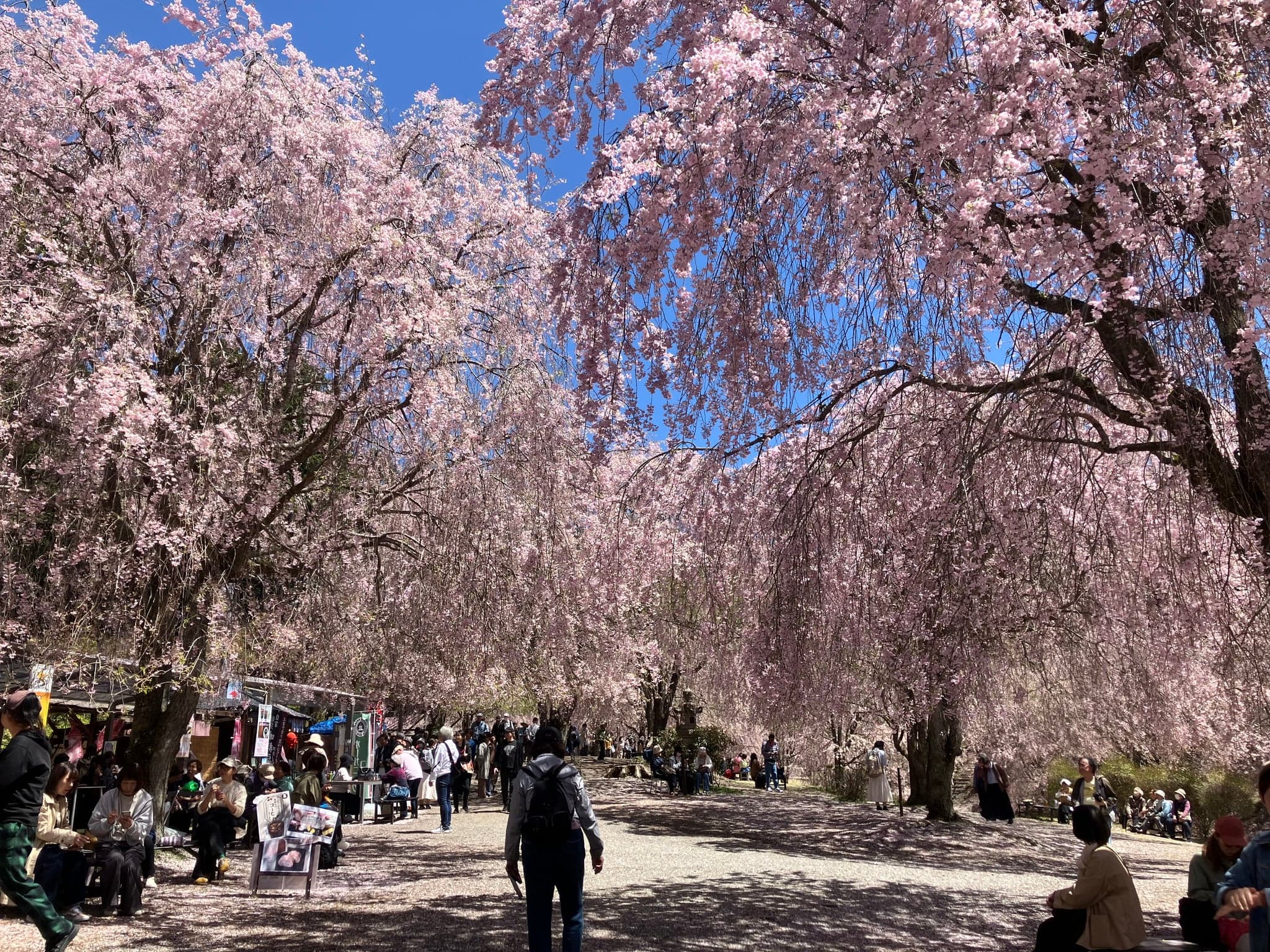
Japan Cherry Blossom Tours 2027: Peak Dates, Real Prices and Self-Guided Routes From $900
19 min read
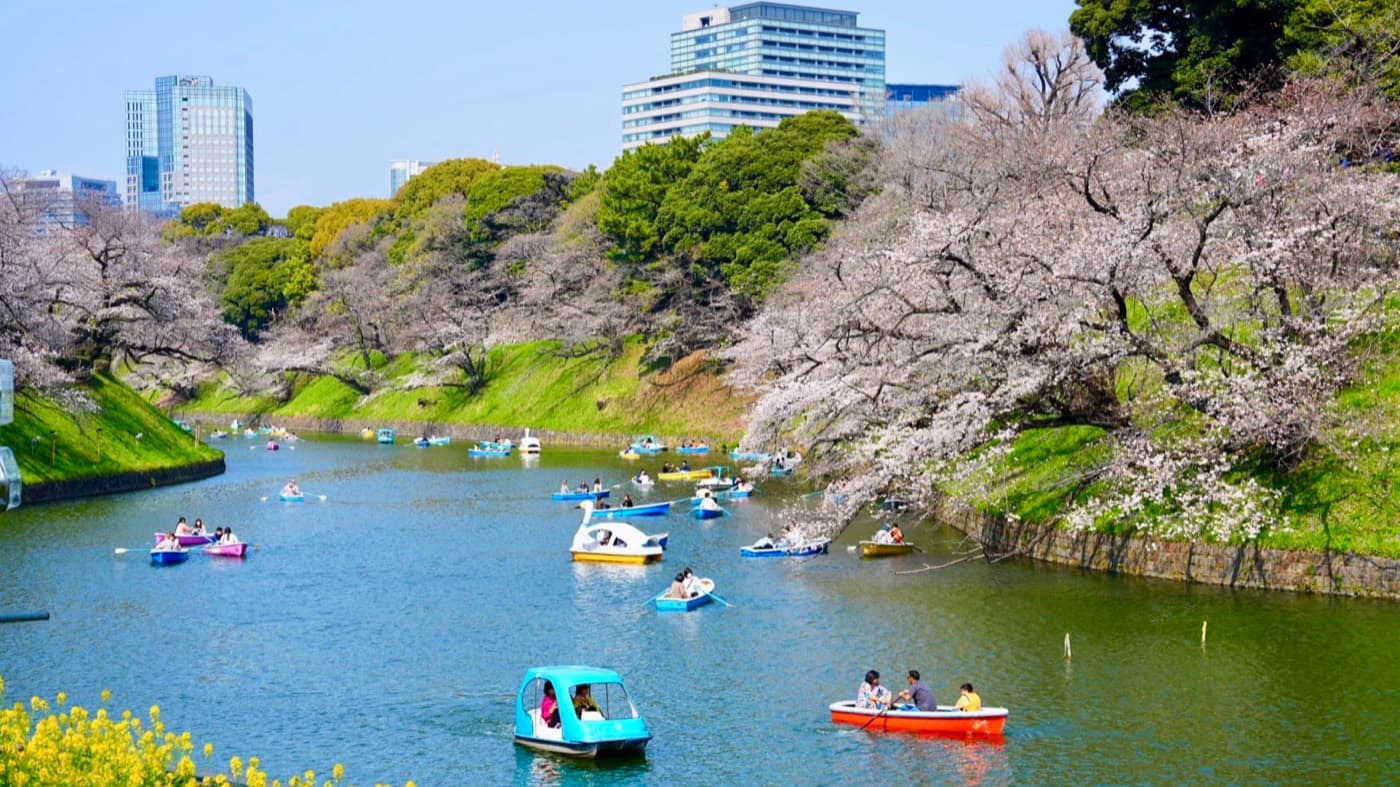
Tokyo Cherry Blossom 2027: A Self-Guided Traveler's Planning Guide
16 min read