
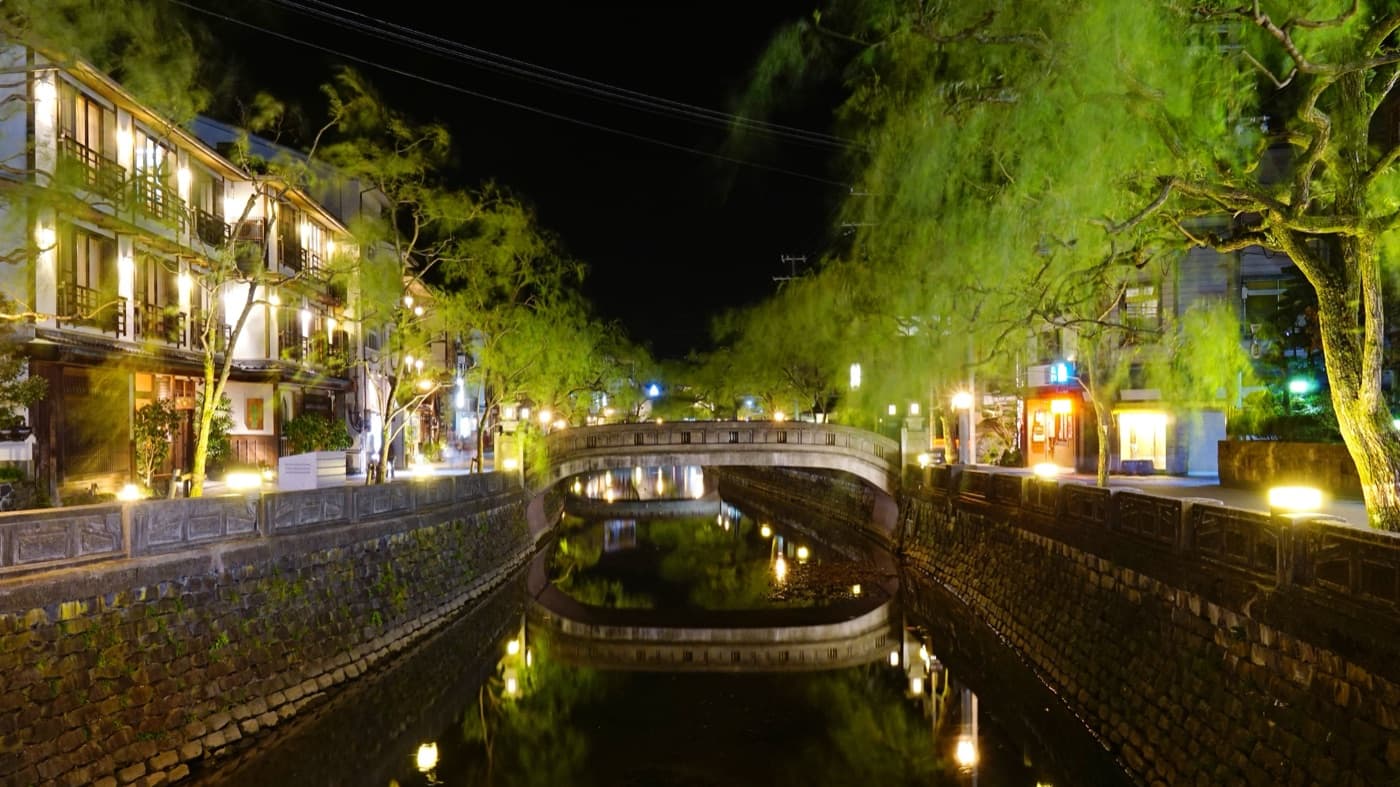
 Photo: 663highland via Wikimedia Commons (CC BY 2.5)
Kinosaki Onsen: A Practical Guide to Japan's Best Hot Spring Town for Self-Guided Travelers
A willow-lined town where the streets are your hallway: check into a ryokan, put on a yukata, and walk between the public bathhouses. Two and a half hours from Kyoto — and one important 2026 caveat about the seven baths.
If you've been mapping out a Japan itinerary and keep bumping into the name Kinosaki Onsen, here's the short answer: yes, it's worth the detour, and yes, you should sleep there. This is a small hot-spring town on the Sea of Japan side of Hyogo Prefecture where the whole point is to check into a ryokan, change into a yukata, and walk between the public bathhouses like the streets are your hallway.
You can reach it in roughly two and a half hours from Kyoto on a single direct train. One night is the minimum; two nights is better. Below we cover what actually makes the town tick, how to book a ryokan without regret, what to eat, what to skip, and how to slot it into a self-guided trip that also includes the big cities.
Why Kinosaki Onsen Is Worth a Detour
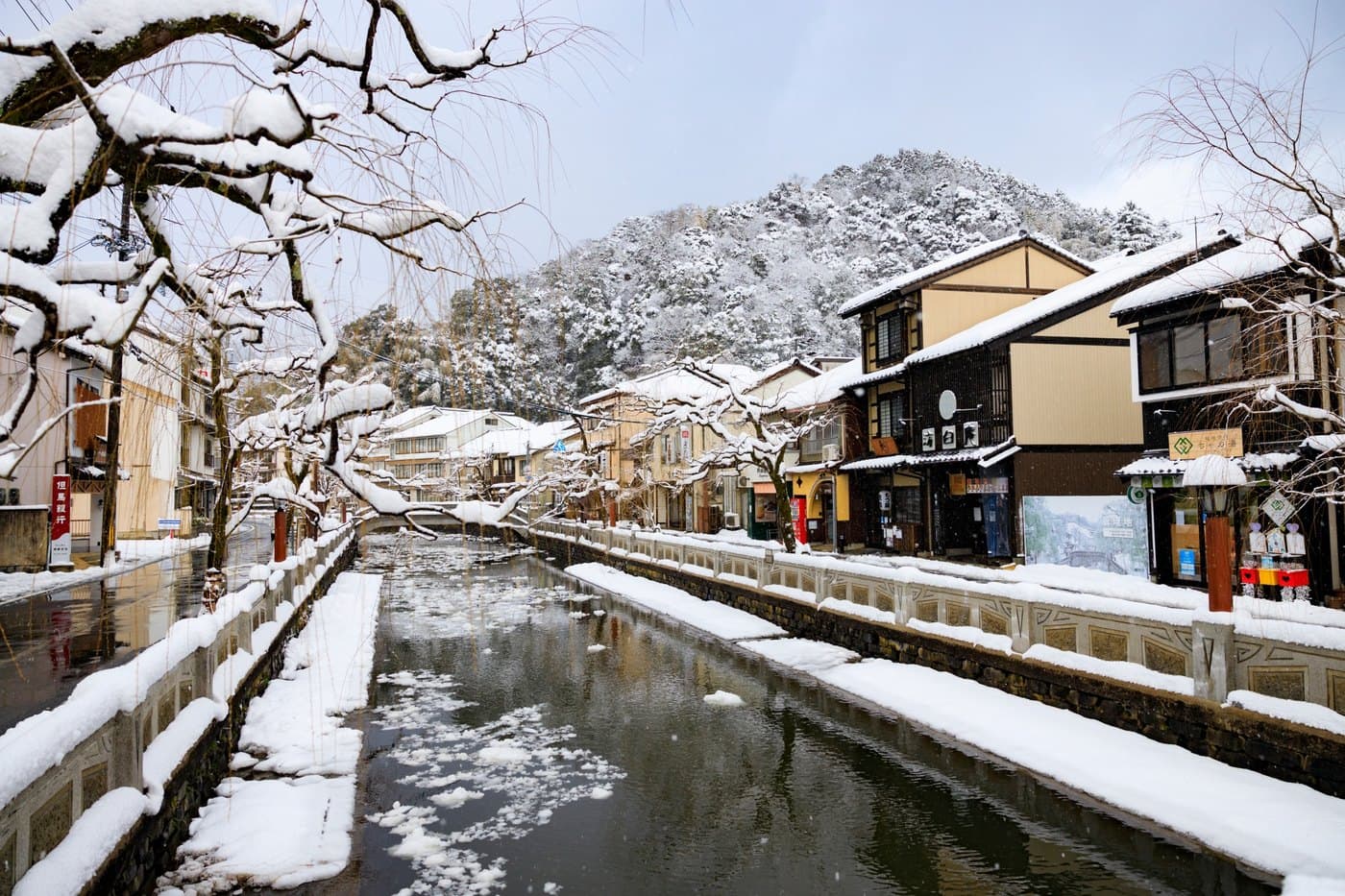
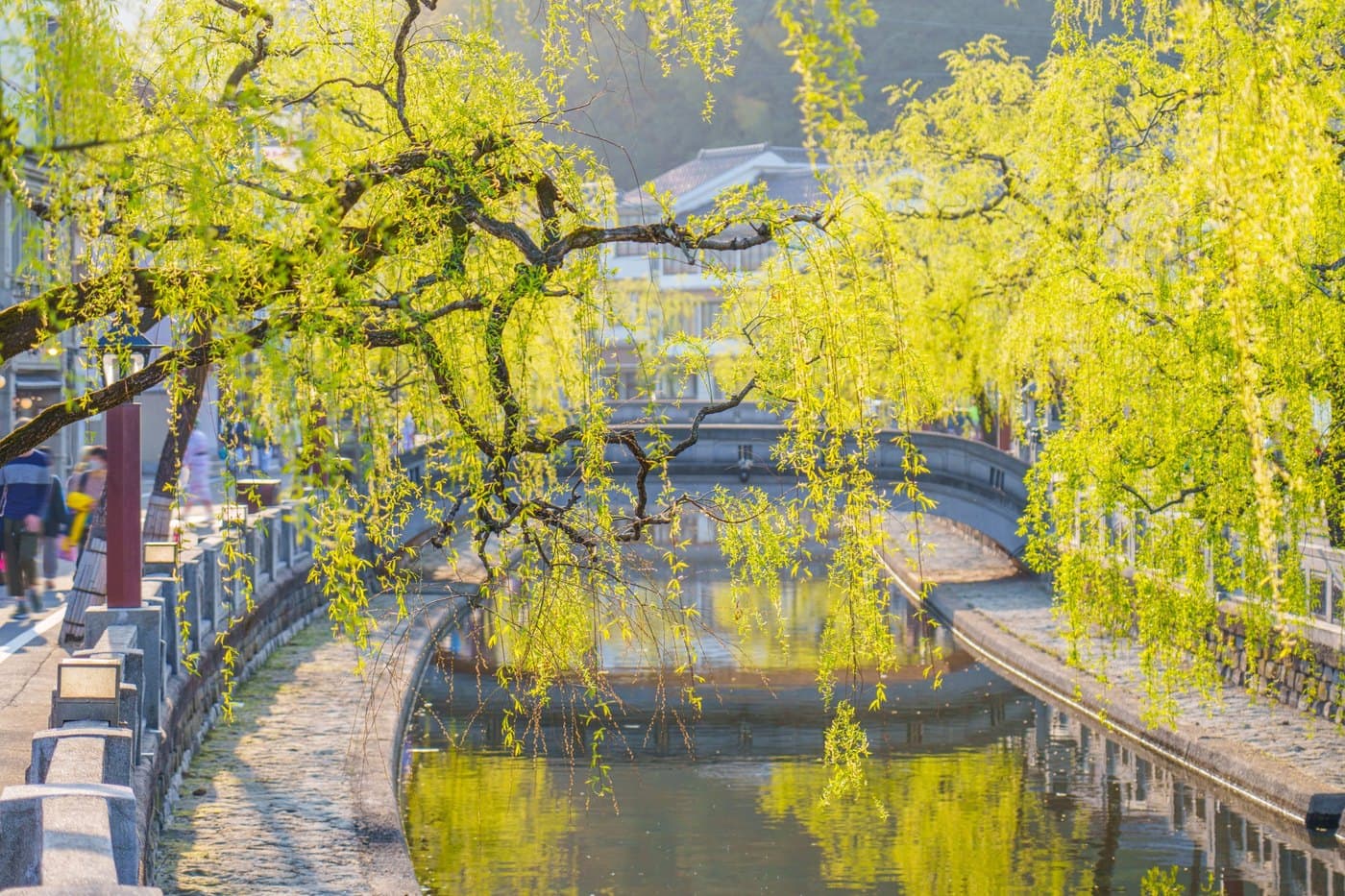
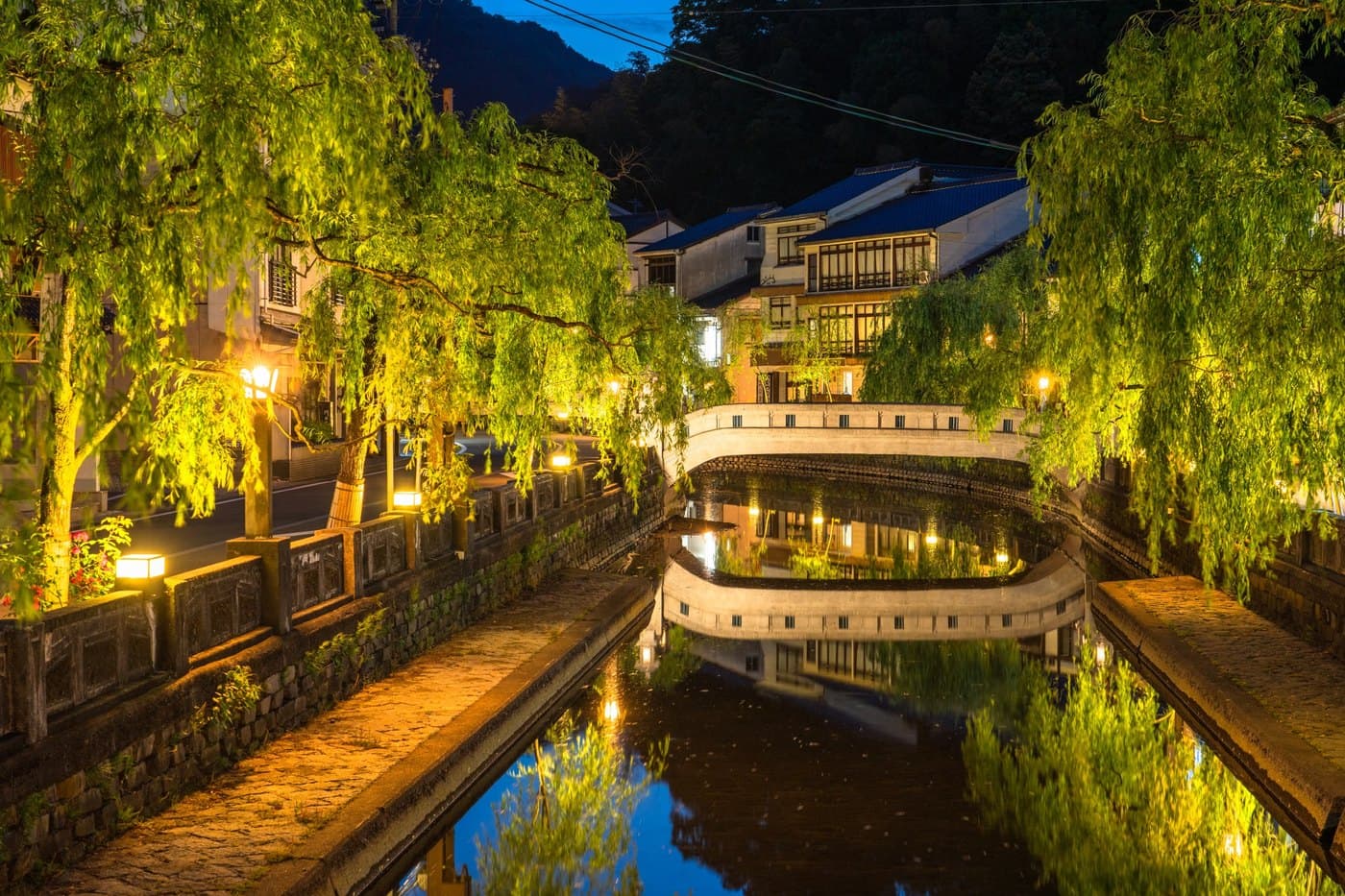
Kinosaki isn't a resort with a single big hotel and a spa attached. It's a town shaped like one giant ryokan. The Otani River runs through the centre, willows lean over both banks, stone bridges connect the lanes, and by evening almost everyone is out in a ryokan yukata, clacking along in wooden geta from one public bath to the next. The town has a 1,300-year history and seven soto-yu — public bathhouses — each with its own legend.
Honestly, that ritual is the reason to come. You don't stay in your room and order room service all evening. You go out.
Eighty percent of Kinosaki is in the overnight stay. A day visitor can buy a pass and hop the baths, but you miss the quiet, lantern-lit Kinosaki that only appears after the day-trippers leave — and the two perks reserved for guests, free bath-hopping and a whole-crab or Tajima-beef kaiseki at night, happen to be the town's two most signature experiences.
Getting There: JR Kinosaki Onsen Station
Most travellers arrive by limited express. From Kyoto, the JR Limited Express Kinosaki runs directly from Kyoto Station to Kinosaki Onsen Station in about 2 hours 20–30 minutes, around ¥5,200–5,800 one way depending on the day. From Osaka, the Limited Express Kounotori runs direct from JR Osaka Station.
🎫 Reserve before you board
The Limited Express Kinosaki is an all-reserved-seat train — there are no non-reserved cars, so you must buy a reserved seat ticket before boarding. Book online through JR West or at a green ticket window in Kyoto. This catches people out more than anything else on the route.
Coming from Tokyo, expect a longer day: Tokaido Shinkansen to Kyoto, then the limited express — 5 to 6 hours in total, around ¥18,000 one way. A JR Pass or the JR West Kansai Wide Area Pass covers the route (see our JR Pass breakdown before you buy).
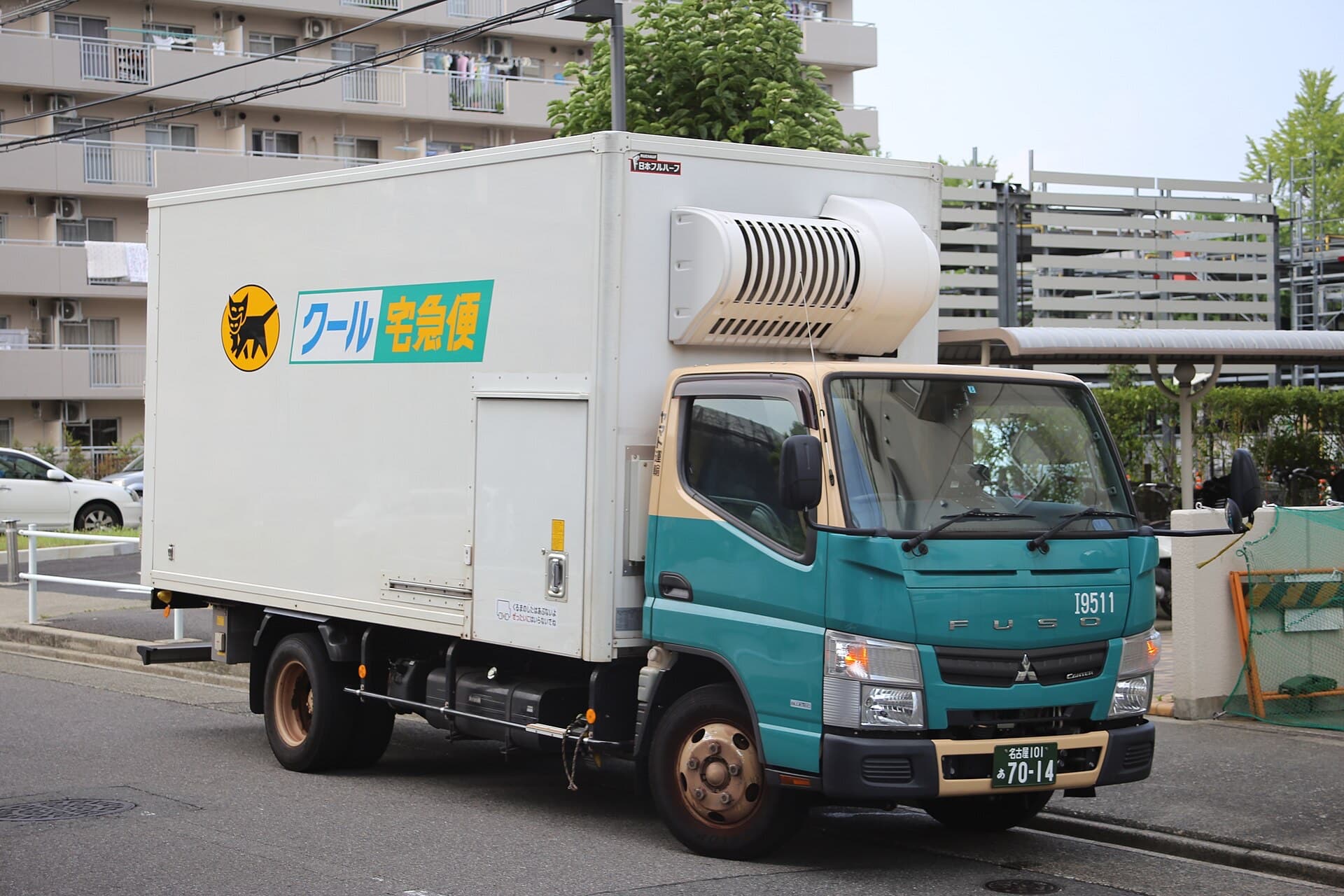
The station itself is small and staffed, and drops you a short stroll from most inns. Many properties offer a free shuttle, which is a lifesaver if you're hauling a big suitcase — or send the suitcase ahead by courier and travel with an overnight bag. You'll thank yourself.
The Town Layout in Two Minutes
Kinosaki is compact and fully walkable: about 15–25 minutes on foot from the station at the eastern end to Kono-yu at the western end. Willow trees, stone bridges, souvenir shops selling straw crafts and pickled crab. It looks like a film set, but it's a real working town. The station end also faces the Maruyama River, worth a wander at sunset.
Kinosaki Ryokan: What You're Actually Booking
A ryokan stay here is the whole product: room, robe, meals, bath pass. From the tatami flooring and futon bedding to the yukata and the kaiseki dinner, every part of it is the cultural experience — our ryokan guide covers the mechanics if this is your first.
There are over 74 ryokan in Kinosaki, ranging widely in size and price, so use a few filters: distance from the station, whether the property has its own private onsen for guests, and whether the menu leans crab or beef in your travel window. Rates run roughly ¥15,000–¥80,000 per person per night including two meals, and budget options exist too — a handful of guesthouses start around ¥8,000–12,000 with breakfast, with the bath pass usually included.
Inside a Japanese-Style Room
Most rooms are Japanese-style: tatami mat floors, shoji paper sliding doors, futon bedding laid out in the evening by staff, and a low table where you sit on cushions for tea. Typical facilities include a TV, small fridge and a kettle; Wi-Fi is standard in most modern properties. Some older inns have shared toilets down the hall rather than an in-room bathroom, so check the room description before booking.
Private Baths for the Bath-Shy
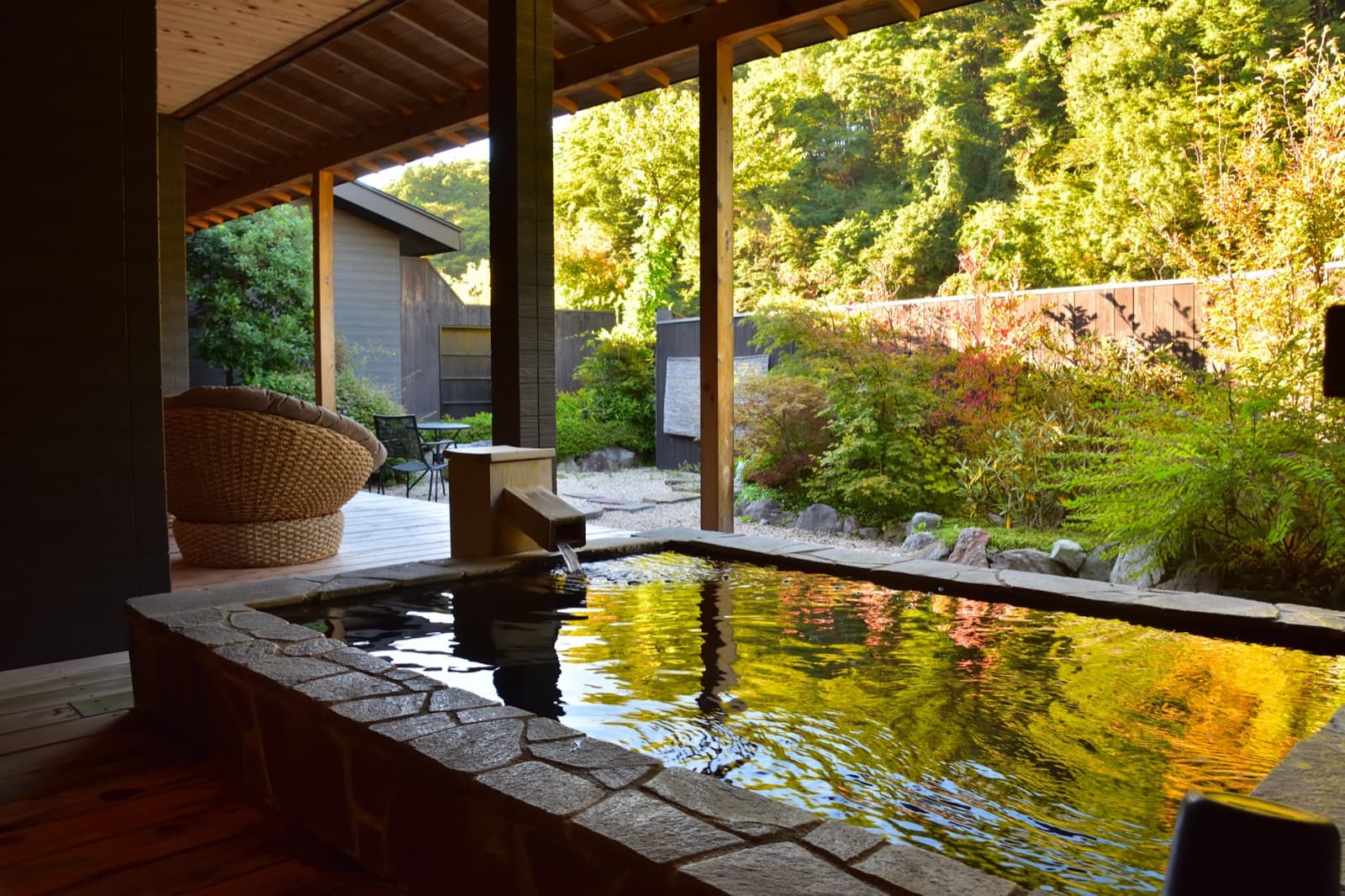
If sharing a public bath makes you uncomfortable, book a ryokan with private baths. For many guests — especially first-time onsen-goers — diving straight into a communal soto-yu is daunting, and plenty of inns provide private bathing for guests to use alone or with family. These are usually reserved on the spot by calling the front desk rather than in fixed slots. Our guide to a ryokan with a private onsen explains the difference between an in-room tub and a bath you rent by the hour, and what each costs.
At the top end, Nishimuraya Honkan — a traditional ryokan in the heart of town with a large Japanese garden and a member of Relais & Châteaux — is the splurge pick if you're only doing one ryokan on the whole trip.
The Seven Public Baths — and the 2026 Caveat
The whole experience is built around seven soto-yu: Satono-yu, Jizo-yu, Yanagi-yu, Ichino-yu, Goshono-yu, Mandara-yu and Kono-yu, scattered 100 to 400 metres apart across town. Each has its own personality — Ichino-yu is the most celebrated, with a grand Edo-style kabuki-theatre facade and a signature cave bath carved into natural rock; Gosho-no-yu is modelled on the Kyoto Imperial Palace and has an open-air bath with a waterfall view.
⚠️ Only five of the seven are open right now
- Satono-yu (next to the station) has been closed for a full reconstruction since April 2024. The rebuild was pushed back after asbestos was found during demolition, and Toyooka City now projects reopening around 2030.
- Kono-yu is closed for a safety renovation from 11 May to about 30 October 2026.
- That leaves five in operation at the time of writing — and each remaining bath closes one day a week on rotation, so on a typical day three to five are actually open.
- Grab a map at your ryokan and check the Visit Kinosaki site the week you travel. We update this page as the closures change.
If you only have one evening, choose by style rather than trying to tick off a list. Want an open-air bath? Gosho-no-yu. Want atmosphere? Ichino-yu's cave bath. Want a quick soak before the morning train? Jizo-yu is closest to the station. New to communal bathing, or travelling with tattoos? Our onsen etiquette guide covers the rules in two minutes.
The Yumepa Pass Explained
If you're staying overnight, the pass is free with your room. Yumepa is a digital bath-hopping pass handed to you at check-in: it carries a barcode you scan at the entrance of each public bathhouse, and you can enter as many times as you like until check-out. That unlimited re-entry is the real privilege of staying the night — a second soak after dinner costs nothing.
Day-trippers can still get a taste: a one-day pass costs ¥1,500 for adults and ¥750 for children, available from the visitor centre or any of the public baths.
What to Eat: Crab, Tajima Beef and the Kaiseki
Dinner is the other big reason people book here. Most ryokan build their entire reputation around the included half-board meal, served either in your room or a shared dining hall, using seasonal Tajima-region ingredients and Sea of Japan catches. Expect an 8-to-12 course progression, a firm check-in deadline tied to dinner service, and a few items billed separately from the room rate.
🦀 Matsuba crab season: 7 November – 31 March
Matsuba-gani is the local name for the male snow crab landed from the Sea of Japan. The official season runs 7 November to 31 March, with the boats landing the first catch of the year on 6 November — that opening week is a genuine event in town. In season, dinner usually means boiled whole crab plus a one-person crab sukiyaki hot pot. Outside it, Tajima beef takes over as the main grilled course, and the same kitchens are just as good at it.
Breakfast the next morning is a Japanese breakfast: grilled fish, rice, miso, pickles, tofu, an egg, green tea to finish. If you can only choose one window, winter wins on food — but off-peak spring and autumn are quieter and cheaper, with cherry blossoms in late March and foliage in November drawing their own crowds.
The Yukata and Geta Ritual
At check-in you're handed a yukata, a light outer jacket, and wooden clogs called geta. You can and should wear them both inside and outside the ryokan — it is completely normal and expected to walk to the bathhouses, shops and restaurants dressed like this. That tradition is what gives Kinosaki its atmosphere, especially in the evening when the lanterns come on and the streets fill with the soft collective clacking of geta on stone.
Many ryokan let women choose from a range of coloured yukata patterns for a small extra fee. If you're unsure how to tie the sash, ask staff — they do it fifty times a day and are happy to help.
A Simple 1-Night Itinerary
Day 1, afternoon
Arrive around 3 pm, drop bags at the ryokan, change into yukata. Hit two public baths before dinner — Ichino-yu and Yanagi-yu are a good pair.
Evening
Kaiseki dinner at the ryokan around 6 pm — don't be late, kitchens run tight schedules. Afterwards, wander the willow-lined streets and stop for matcha or the local pudding. One more soak before bed.
Day 2
Morning bath, Japanese breakfast, checkout, a quick stroll along the Maruyama River, then back on the train to Kyoto or Osaka.
Two nights lets you reach more baths, ride the ropeway up Mount Kuruhi, and actually relax rather than sprint.
How Kinosaki Fits Into a Real Japan Trip
Slot it after Kyoto and before Osaka, or as a two-night pause between the Kyoto temple grind and the neon overload of Osaka. It's the easiest onsen town to reach from Kansai, and the coastal setting gives you a different flavour of Japan than the big cities. If you're in Kansai in late January, pair it with the Kobe Luminarie; for a different kind of hot-spring town entirely, compare it with Tohoku's Ginzan Onsen.
💬 From our Japan travel team
Kinosaki is the onsen town we recommend most often to first-timers, because it does the work for you: the bath-hopping is built into the town, the yukata is handed to you at check-in, and everything is walkable. Several of our self-guided tours include Kinosaki Onsen in the Kansai leg — tell us your dates and whether you want crab season, and we'll build the rail timings and the ryokan night around it.
Common Mistakes to Avoid
- Arriving too late. Ryokan dinner starts around 6 pm sharp. Miss check-in and you may miss the meal.
- Skipping the seat reservation. The Limited Express Kinosaki has no unreserved cars. Book ahead.
- Trying to hit all seven baths in one night. Even before the current closures this was rushed — and right now only five are open. Aim for three.
- Overpacking. You'll live in a yukata. Bring less than you think, and courier the big bag ahead.
- Booking a Western-style hotel. You can, but you'd be sleeping in Kinosaki without doing Kinosaki.
FAQ: Kinosaki Onsen
Are all seven public baths open?
No. Satono-yu has been closed for reconstruction since April 2024 and is now projected to reopen around 2030 after asbestos was found during demolition, and Kono-yu is closed for renovation from 11 May to about 30 October 2026 — leaving five. Each remaining bath also closes one day a week on rotation, so expect three to five open on any given day.
Is one night in Kinosaki Onsen enough?
One night works if you're tight on time. Two nights is more enjoyable, especially if you want several baths and a slower pace.
How much is the Yumepa pass?
Free with an overnight stay, with unlimited re-entry to the public baths until check-out. Day visitors can buy a one-day pass for ¥1,500 (¥750 for children) at the visitor centre or any of the baths.
When is crab season in Kinosaki?
Matsuba (snow) crab season runs 7 November to 31 March, with the first catch landed on 6 November. Outside that window, Tajima beef is the main event on the kaiseki dinner.
How do I get there from Kyoto?
The direct JR Limited Express Kinosaki takes about 2 hours 20–30 minutes for roughly ¥5,200–5,800 one way. It is all-reserved, so buy a seat before boarding. From Osaka, take the Limited Express Kounotori.
Are tattoos allowed?
All seven public bathhouses in Kinosaki allow guests with tattoos — unusually welcoming by Japanese onsen standards. Individual ryokan policies can vary, so check when booking.
Can I use a Japan Rail Pass to get there?
Yes. The JR Pass and the JR West Kansai Wide Area Pass both cover the Kinosaki and Kounotori limited express services.
Do I need to speak Japanese to stay at a ryokan?
No. Larger and mid-range properties have English-speaking staff or translation tools. Smaller family-run inns may have less English, but staff are patient and used to international guests.
How far ahead should I book?
Two to four months for crab season and weekends. Off-peak, a few weeks out is usually fine.
Build Kinosaki Into Your Kansai Route
Kinosaki is one of those rare towns where the culture, the food and the setting all point the same way: slow down, take a bath, eat well, sleep on a futon, do it again. If you're stitching it into a larger self-guided trip and want help sequencing trains, ryokan picks and day-by-day pacing, that's exactly what selfguidejapan.com is built for.
Bath closures per Toyooka City and Visit Kinosaki: Satono-yu closed for reconstruction since April 2024 with reopening projected around 2030 following the discovery of asbestos during demolition; Kono-yu closed for renovation 11 May – approx. 30 October 2026. Yumepa day pass ¥1,500 adult / ¥750 child. Matsuba crab season 7 November – 31 March (first landing 6 November) per Hyogo prefectural fishery information. Rail times and fares per JR West; the Limited Express Kinosaki is all-reserved. Ryokan rates are indicative and vary by season and property. Confirm bath opening days and any new closures on the official Visit Kinosaki site the week you travel. Hero photo: 663highland via Wikimedia Commons (CC BY 2.5). Last updated: August 21, 2026.
Related Articles
Ryokan With a Private Onsen: What It Costs, How It Works, and the Rooms We Actually Book
13 min read
Luggage Forwarding Japan: The Practical Guide to Takkyubin for Self-Guided Travelers
14 min read
Japan Onsen Etiquette: A Practical Guide for First-Timers (Including Tattoos)
11 min read