Ginzan Onsen: A Practical Guide for Self-Guided Travelers
The gas-lit Taisho-era hot spring town that winter photos made famous — how to actually get there, the winter entry rules that catch day-trippers out, and whether to stay the night.
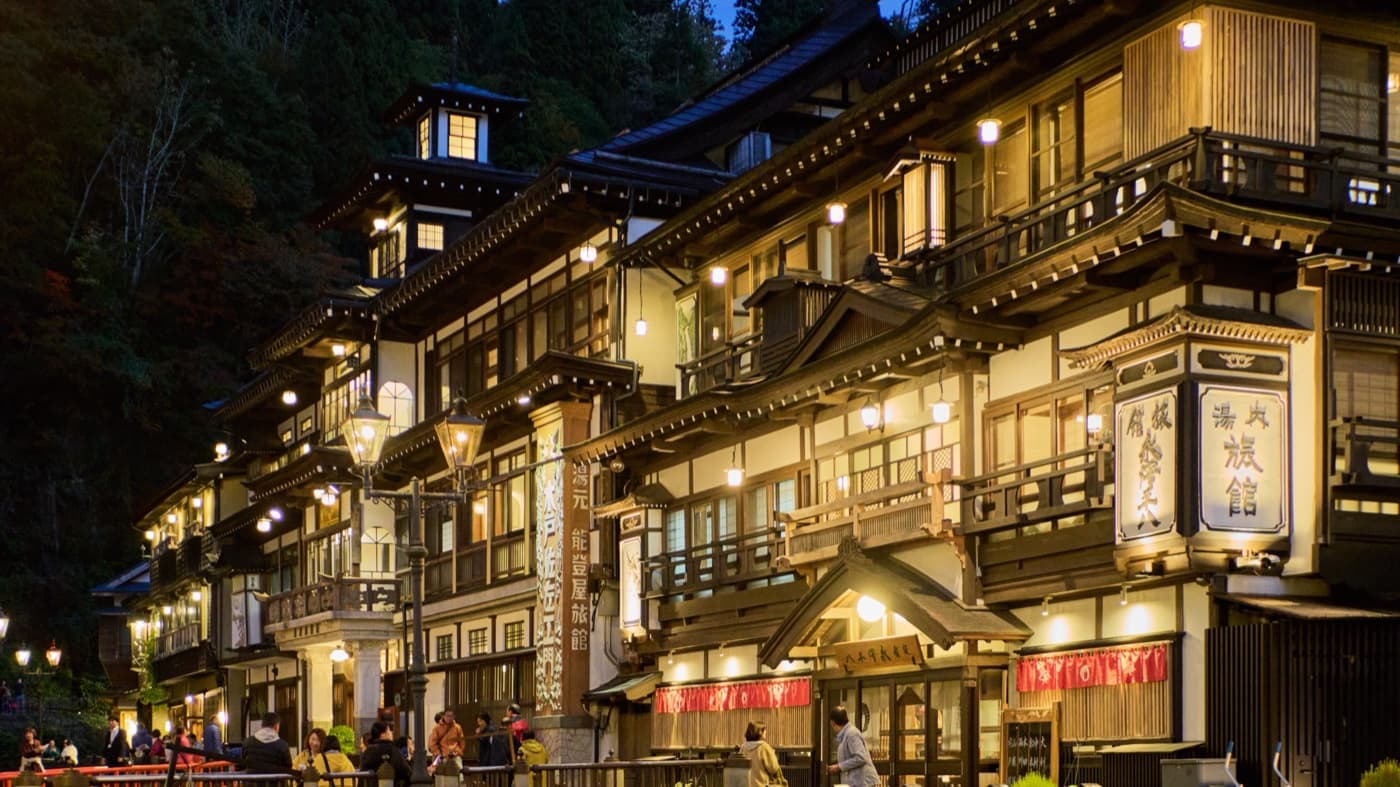
Ginzan Onsen is a small hot spring town in Yamagata Prefecture that looks like it stepped straight out of the early 20th century. Wooden ryokan line both sides of the Ginzan River, gas lamps flicker at night, and in winter the whole place gets buried under thick snow. If you've seen a photo of a snow-covered Japanese onsen street that looks almost too pretty to be real, chances are that was here.
This guide is written for independent travelers building their own Japan itinerary. No tour bus, no group. Just you, a train ticket, and a plan. Below you'll find how to get there, when to go, where to stay, the winter entry rules that catch most first-timers out, and the mistakes that trip people up.
📅 A note on the 2026–27 winter rules
Since winter 2024–25, Ginzan Onsen has restricted evening access for day visitors during the snow season, and the exact dates and booking mechanics are announced each autumn. The details below reflect the most recent season (2025–26); the 2026–27 rules had not been published as of August 2026. We update this page when they land — treat the pattern as a planning baseline and confirm the current rules before booking anything non-refundable.
Why Ginzan Onsen Is Worth the Detour
The town developed around a silver mine in the 16th century — ginzan literally means silver mountain — and the hot spring waters were reportedly discovered by the miners themselves. The mines are long closed, but the atmosphere along the river feels frozen in the Taisho era. The ryokan occupy beautiful three- and four-storey wooden buildings whose exposed woodwork and white plaster walls evoke a bygone Japan. There's a modern exception too: the Fujiya ryokan at the centre of town was rebuilt by the architect Kengo Kuma.
It's compact. You can walk from one end of the town centre to the other in about five minutes. That's part of the charm — and honestly part of the challenge, because everyone wants to be there at the same time.
Ginzan Onsen in Winter vs Other Seasons
Let's be honest about the seasons. Winter is the money shot. Heavy snow piles up on the wooden rooftops, the gas lamps lit at dusk make the streets glow, and the sight of the buildings blanketed in white leaves a lasting impression summer can't match.
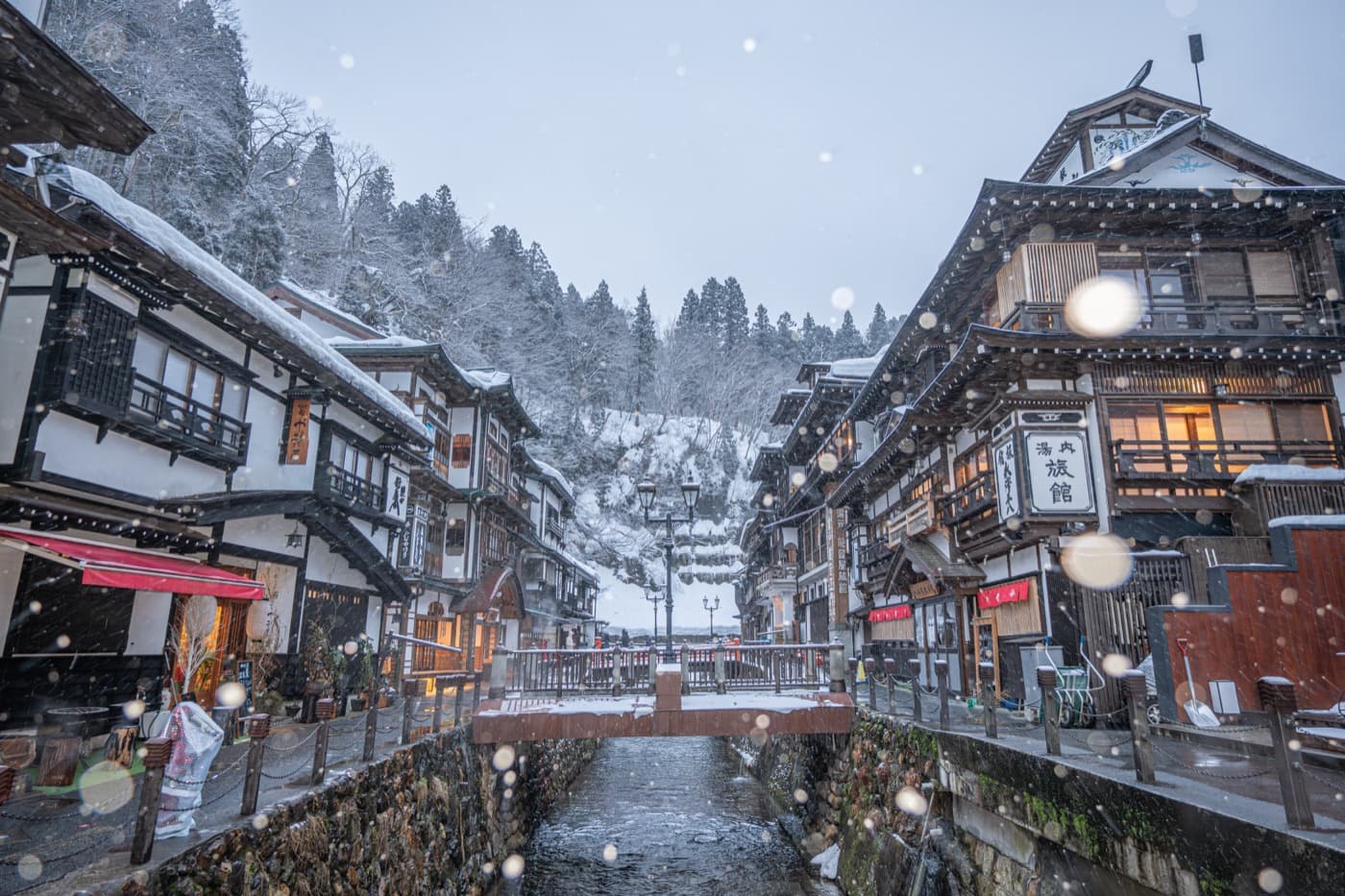
But the other seasons have their own case. Summer means yukata strolls and hiking: a nature trail continues up the valley past the waterfall for 10–15 minutes to a longer walkable section of the old silver mine. That trail is impassable in winter and early spring because of snow. If you want to combine hot-spring soaking with actual outdoor exploring, aim for late spring through autumn — Yamagata's Tohoku autumn colour makes October gorgeous here. If you want the postcard, go in January or February and prepare for logistics.
How to Get There
The Train Portion
Almost everyone arrives via the Yamagata Shinkansen: Tokyo to Oishida Station takes about 200 minutes and costs around ¥13,000 one way. The train portion is fully covered by the Japan Rail Pass and the JR East passes — the bus onwards is not. (Weighing a pass for the whole trip? Start with our JR Pass breakdown.)
Coming from Yamagata Station instead, you can stay on the Shinkansen up to Oishida, or take the local JR Ou Main Line — about an hour longer but more frequent.
From Oishida Station: the Hanagasa Bus
Oishida is where the train ends and the bus begins. The local Hanagasa Bus runs about 5 times a day, takes 35–40 minutes, and costs ¥1,000 one way (children ¥500). Cash only — IC cards aren't accepted, so have coins or small notes ready. Check the timetable in advance; departures are timed loosely to Shinkansen arrivals but the gaps between buses are long.
If you're staying overnight, ask your ryokan about their shuttle. Many run free pickups from Oishida Station timed to Shinkansen arrivals — a lifesaver in a blizzard. Shuttle reservations are mandatory and made directly with the ryokan after you confirm your room.
From Yamagata Airport
Flying in? There are two bus round trips per day between Yamagata Airport and Ginzan Onsen (75 minutes, ¥2,000 one way) with no reservation needed. Handy if your flight lines up — miss it and you're looking at a taxi or a train transfer, so double-check the timetable before booking flights.
Driving and the Parking Situation
A rental car gives you flexibility to combine Ginzan with Yamadera or Zao — but in winter, driving into the town centre is restricted. Day-trippers arriving by car leave the vehicle at the Taisho Roman-kan visitor centre, roughly 1.5–2 km out, and take the paid shuttle in. And snow here is no joke: cars parked out overnight have been found nearly buried by morning. If you're not confident on snow tires and icy mountain roads, take the train.
Visiting in Winter: The Entry Rules
This is the part most travelers get wrong. Since winter 2024–25, the town caps evening day visitors to manage crowds — the narrow riverside street simply can't hold everyone who wants the gas-lamp photo at dusk.
❄️ How the winter system worked in 2025–26
- Restriction period: December 20 to March 1.
- 9:00–16:00: no visitor limit — day trips in daylight stay simple.
- 17:00–20:00: capped at 100 visitors per hour, with an advance-reservation evening ticket required; entry is via the paid shuttle from the Taisho Roman-kan park-and-ride (around ¥1,150 in recent seasons).
- After 20:00: day visitors are not admitted — the town belongs to overnight guests, restaurant bookings and residents.
- Tickets are named and non-transferable; book well ahead if you want the illuminated evening view without staying overnight.
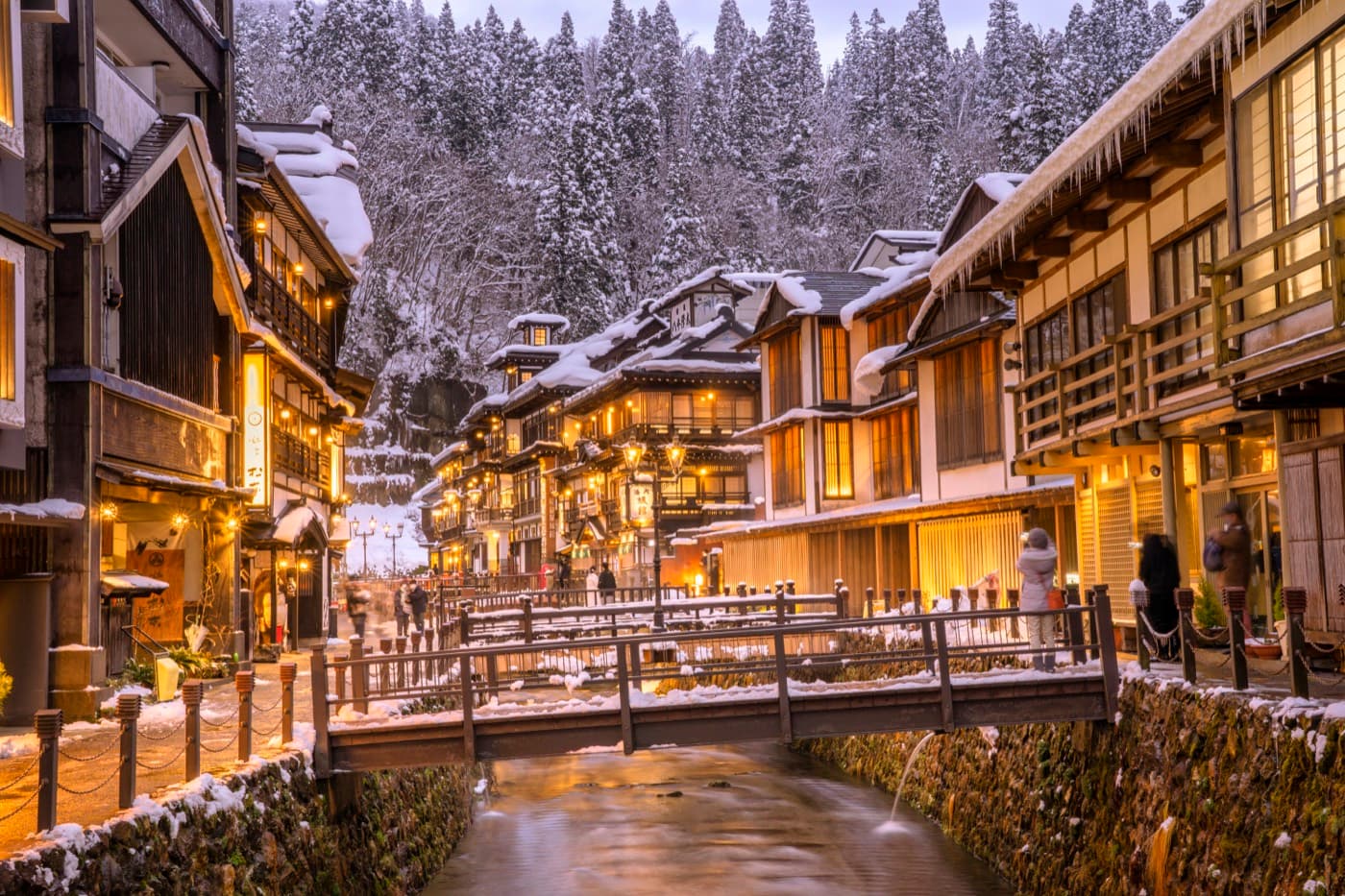
The practical read: daylight day trips are easy; the famous dusk view is rationed. If the evening scene is the whole reason you're going — and for most people it is — the reliable way in is an overnight stay.
Should You Stay Overnight?
Short answer: yes, if you can swing it. Rooms at the main-street ryokan often need booking up to a year ahead for peak winter dates. Fujiya, Notoya and Ginzanso are the marquee names. If everything's full, plenty of travelers base themselves in Yamagata City or nearby Tendo Onsen and visit as a day trip.
The upside of the overnight is huge: you get the illumination in peace after the day-trippers leave, meals are usually included, and your ryokan handles the transport headache. Miss the last bus as a day-tripper and you're stuck. New to ryokan stays? Our ryokan guide covers how the meals and baths work.
What to Do Once You're There
The town centre is pedestrian-only, so exploring on foot is the whole point. The three public baths — Shiroganeyu, Kajikayu and Omokageyu — can be entered for a small fee; Shiroganeyu, like Fujiya, was designed by Kengo Kuma, and entry runs around ¥500, cash only. If public bathing isn't your thing, free foot baths dot the town. (First onsen? Two minutes with our onsen etiquette guide and you're set.)
A short walk past the far end of the main street brings you to Shirogane Falls, a roughly 22-metre waterfall tucked into the mountains. Beyond it sits the entrance to what remains of the old silver mine, accessible in the warmer months. Give yourself two to four hours of free time on a day trip; longer if you're staying the night.
Building Ginzan Onsen Into a Real Itinerary
The classic self-guided route: Tokyo → Yamagata Shinkansen to Yamagata Station → one night in Yamagata City with a visit to the cliffside temple of Yamadera → next day up to Oishida and overnight at Ginzan Onsen → back to Tokyo the following day. Three days, two nights, and it works with a JR East Pass.
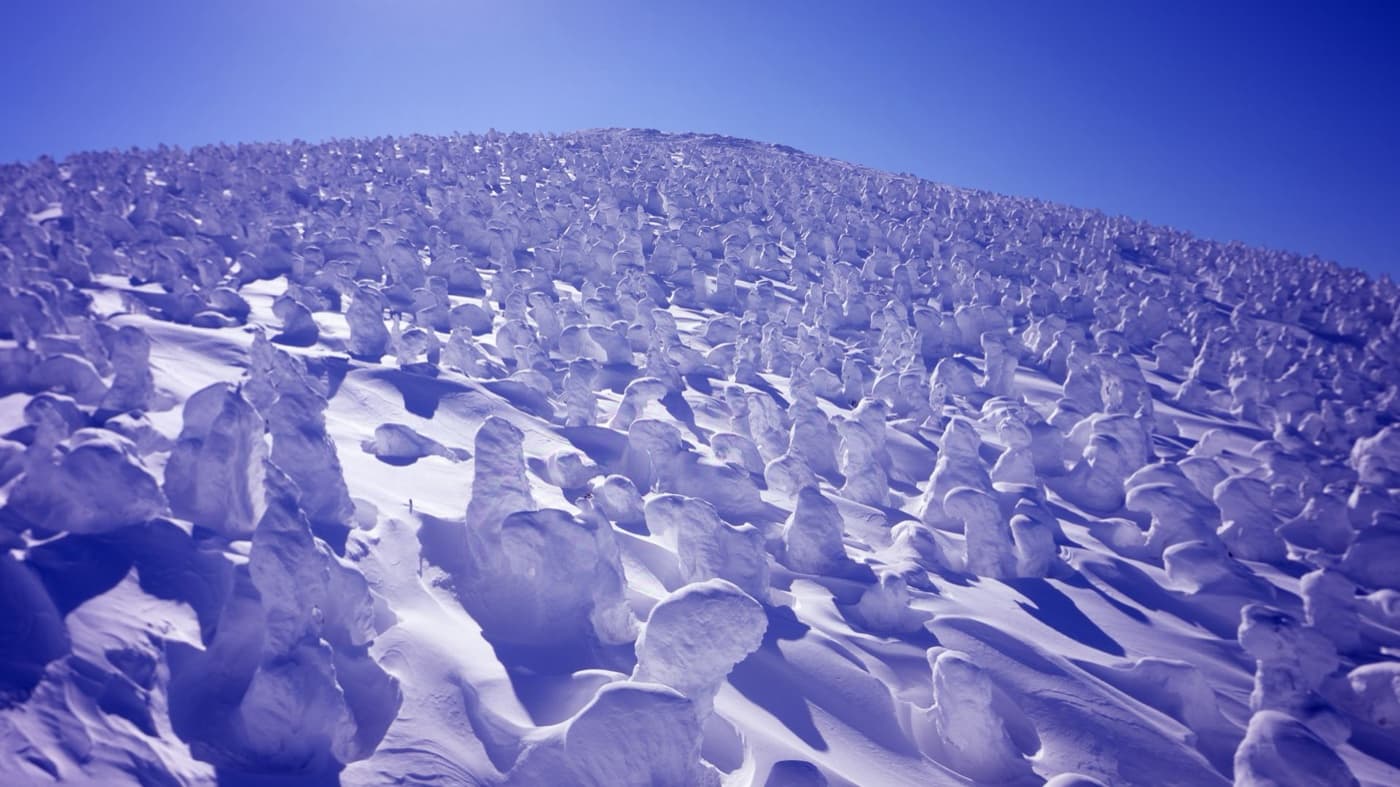
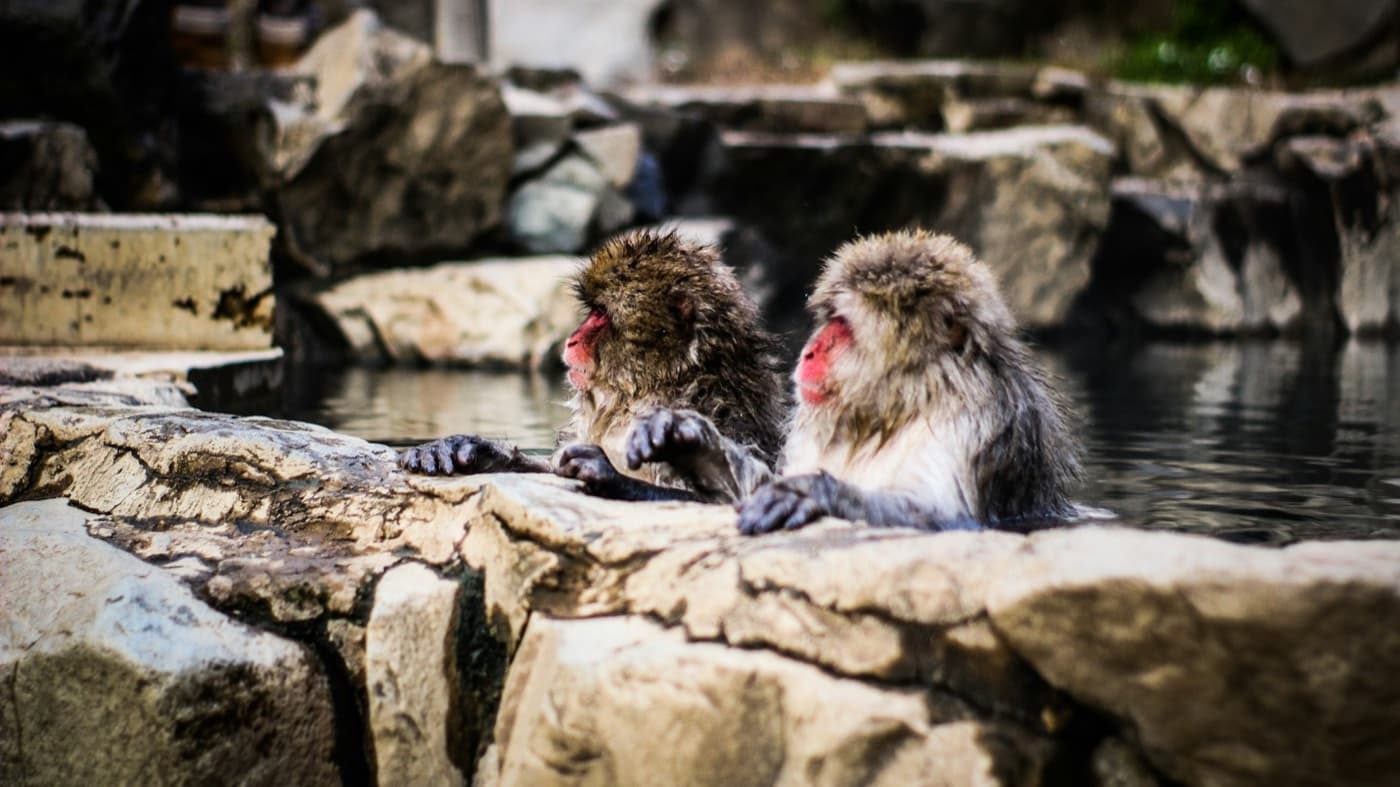
Want more? Add Zao Onsen for the ski slopes and the winter snow monsters — the frost-covered trees that make Zao famous — or continue north to Sendai. Several of our self-guided ski tours pair Zao with the Nagano snow monkeys, which makes a genuinely great two-region winter route; our ski season 2026–27 guide covers the timing. For the wider season, see winter in Japan and Japan in January 2027.
Common Mistakes to Avoid
- Arriving too late in winter and finding the last Hanagasa bus back to Oishida already gone — there are only about five a day.
- Skipping the evening ticket reservation and getting turned away at Taisho Roman-kan at dusk.
- Wearing sneakers in knee-deep snow.
- Assuming cards work. The bus is cash only, the public baths are cash only, and many shops and restaurants are too.
- Booking the ryokan too late. Peak winter weekends go up to a year out.
- Driving in January without snow experience. Take the train.
- Trying a same-day round trip from Tokyo. Technically possible; you'll spend nearly all day on trains for maybe two hours in the town.
💬 From our Japan travel team
Pair a winter Ginzan trip with Zao Onsen. Ginzan gives you the snow-buried hot-spring streetscape; Zao gives you the juhyo snow monsters and big-mountain winter scenery — two completely different faces of the Japanese winter in one route, and they sit in the same prefecture. If Ginzan is on your itinerary, it's worth extending to Zao: our self-guided tours include plans featuring Zao Onsen, and we're happy to help you fit the two together — just get in touch.
FAQ: Ginzan Onsen
Is Ginzan Onsen worth the trip from Tokyo?
Yes, especially in winter — but only if you can commit at least one overnight along the way. A rushed day trip barely does it justice.
Can I use my Japan Rail Pass all the way there?
The Shinkansen to Oishida Station is covered, but the Hanagasa bus from Oishida to the town is not — it's ¥1,000 each way, cash only. Budget cash for the bus and the public baths.
When do the winter access restrictions apply?
In 2025–26 they ran December 20 to March 1: unrestricted entry 9:00–16:00, a reserved-ticket cap of 100 visitors per hour from 17:00–20:00 via the paid park-and-ride shuttle, and no day visitors after 20:00. The 2026–27 dates are announced in autumn — check current rules before booking.
Do I need to speak Japanese?
Basic English works at most ryokan that take international guests. Signage at the station and on the buses is limited, so a translation app helps.
Can I visit as a day trip from Yamagata City?
Yes — about an hour by train to Oishida plus the bus. Watch the last bus back, and in winter reserve the evening entry ticket if you want the dusk view.
Which ryokan should I aim for?
Fujiya (the Kengo Kuma rebuild), Notoya and Ginzanso are the marquee names on the main street. For peak winter dates, book as far ahead as the calendar allows — up to a year for weekends.
Plan Your Tohoku Winter Route
Ginzan Onsen, Yamadera, Zao's snow monsters and the Shinkansen legs that tie them together — this is exactly the kind of route selfguidejapan.com builds. We handle the trains, hotels and timing, including the winter reservation windows that catch first-timers out; you travel at your own pace with 24-hour support behind you.
Access times and fares per JR East, Hanagasa Bus (Oishida–Ginzan ¥1,000, cash only, about five departures daily) and Yamagata Airport bus operators. Winter entry rules per the Ginzan Onsen tourism association's published system for 2024–25 and 2025–26 (restriction period December 20 – March 1; 100 visitors/hour 17:00–20:00 with advance reservation; no day visitors after 20:00); the 2026–27 details are announced in autumn and this page will be updated when they are. Fujiya and Shiroganeyu attribution to Kengo Kuma per the town's architectural records. Hero photo: Wikimedia Commons (CC0). Last updated: August 19, 2026.