
Japan in January 2027: A Practical Guide for Self-Guided Travellers
Cold, dry and surprisingly sunny — January weather by region, New Year closures and hatsumode, snow monkeys and peak ski season, the clearest Mount Fuji views of the year, and a practical two-week self-guided route.
Planning a trip to Japan in January 2027? Good call. It's cold, yes, but January is one of the most rewarding months to visit Japan if you know what you're doing. You get sunny days in Tokyo, deep powder in the north, quiet temples in Kyoto, and a real chance to see local traditions that only happen during the New Year period. This guide walks through what to expect, how to build a working itinerary, and where a self-guided approach genuinely pays off.
Here's the short version. Japan weather in January is cold and dry across most of the country, sunny in central Japan, and snowy along the Sea of Japan coast and in northern Japan. The New Year period brings a special festive atmosphere, and after roughly January 4 the crowds thin out and prices soften. For anyone who wants winter sports, snow monkeys, hot springs, and clear views of Mount Fuji, this is the sweet spot of the year. Let's get into the details.
❄️ Quick Answer: Japan in January 2027
- Weather: coldest, driest month — Tokyo ~11.6°C day / 2.6°C night with 20+ sunny days; the north averages -3°C with heavy snow; Okinawa a mild 15–20°C.
- Sweet spot: mid-to-late January — you miss the New Year crowds and price spikes, and the weather is stable.
- The draw: peak ski season, snow monkeys bathing in hot springs, quiet temples, and the year's clearest Mount Fuji views.
- Watch: Dec 29–Jan 3 closures for small shops and restaurants; Coming of Age Day (Mon Jan 11, 2027) can push hotel rates up by as much as 50%.
Japan Weather in January 2027: What to Actually Expect
January is mid-winter, and it's the coldest and driest month of the year. But "cold" varies wildly depending on where you are, so don't pack for one climate and assume it works everywhere.
| Region | Day / Night | Notes |
|---|---|---|
| Tokyo / Kanto | 11.6°C / 2.6°C | Dry and sunny — 20+ clear days; snow is rare and rarely settles |
| Kyoto / Osaka | ~9°C / 1°C | Cold mornings and evenings; occasional light snow on temple grounds |
| Hokkaido / Tohoku | ~-3°C avg | Heavy snowfall almost every week — full winter conditions |
| Japanese Alps | Sub-zero | Prime ski country; Takayama and Shirakawa-go look postcard-perfect |
| Kyushu / Okinawa | 15–20°C | Mild and comfortable — a different country, weather-wise |
💡 Tokyo sees only ~26mm of rain all month. Layers beat one heavy coat — Japanese buildings and trains are heated aggressively.
Tokyo and the Kanto Region
The temperature in January reaches highs of 11.6°C (52.8°F) and lows of 2.6°C (36.7°F) in Tokyo, with average daytime temperatures of around 6.6°C (43.9°F). It's particularly cold from mid- to late January, so wrap up warm before going outside. January has 26.0mm (1.0in) of rainfall on average, and little chance of snow — expect around 6 hours of bright sunshine a day.
Sunshine is the thing that surprises people. Sunny weather dominates the month: over 20 days are sunny or cloudy. That matters when you're walking between shrines, temples, and viewpoints all day.
Kyoto and Osaka
Kyoto weather in January is cold, especially in the mornings and evenings. The average high sits around 9°C, the low around 1°C. Occasional light snowfall transforms temple grounds into striking winter scenes, and tourist numbers are lower than peak cherry blossom or autumn foliage seasons, allowing more peaceful visits to historic districts.
Osaka runs a degree or two warmer than Kyoto but feels similar. Both cities are excellent bases if you want major cities without deep snow.
Northern Japan (Hokkaido and Tohoku)
Northern Japan, particularly the Hokkaido and Tohoku regions, averages -3°C (28°F) in January. Blessed with abundant snowfall, northern Japan becomes an excellent destination for skiers and photographers. Sapporo, Niseko, and Aomori get heavy snowfall almost every week. Expect real winter here, not the light chill of Tokyo.
Central Japan and the Japanese Alps
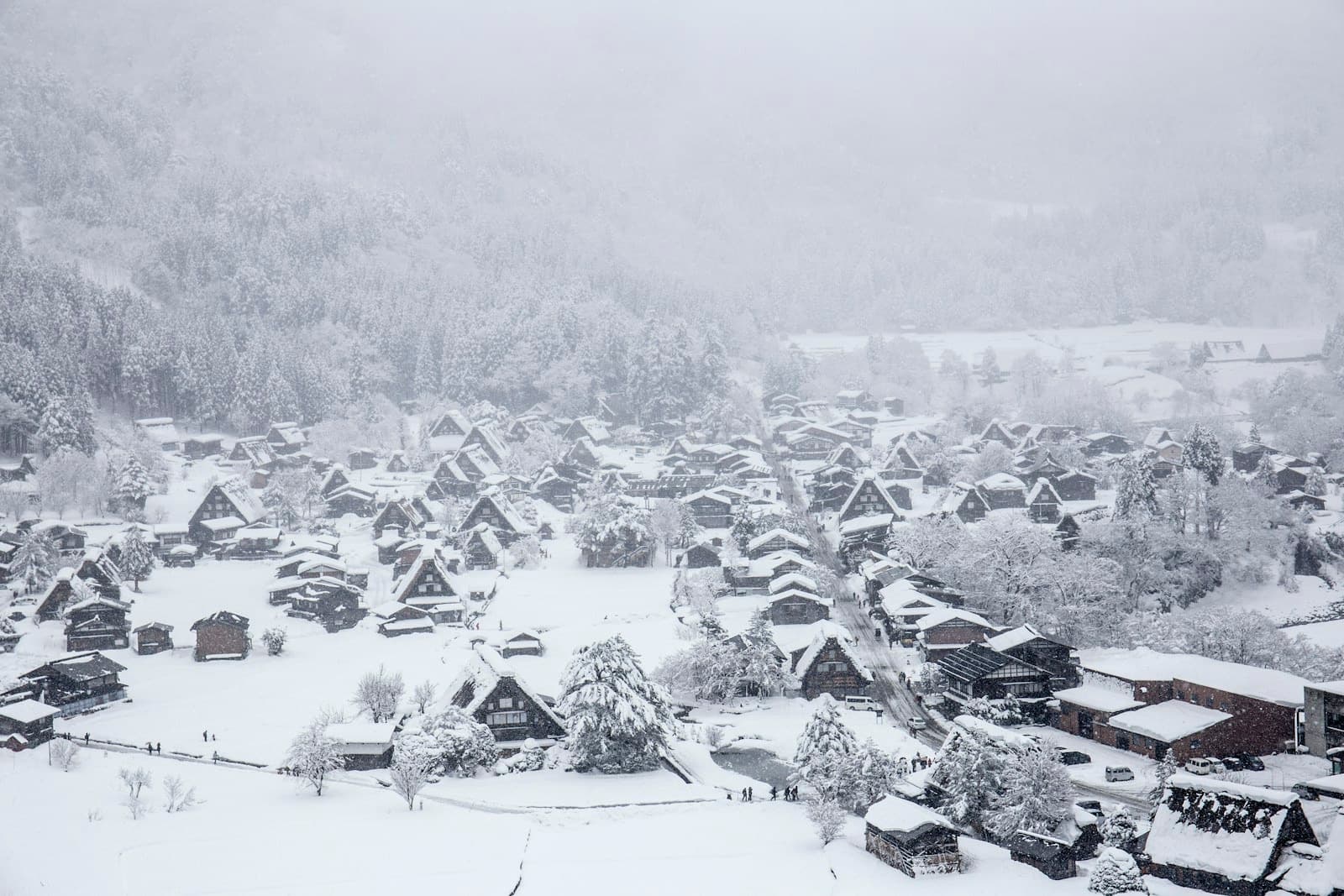
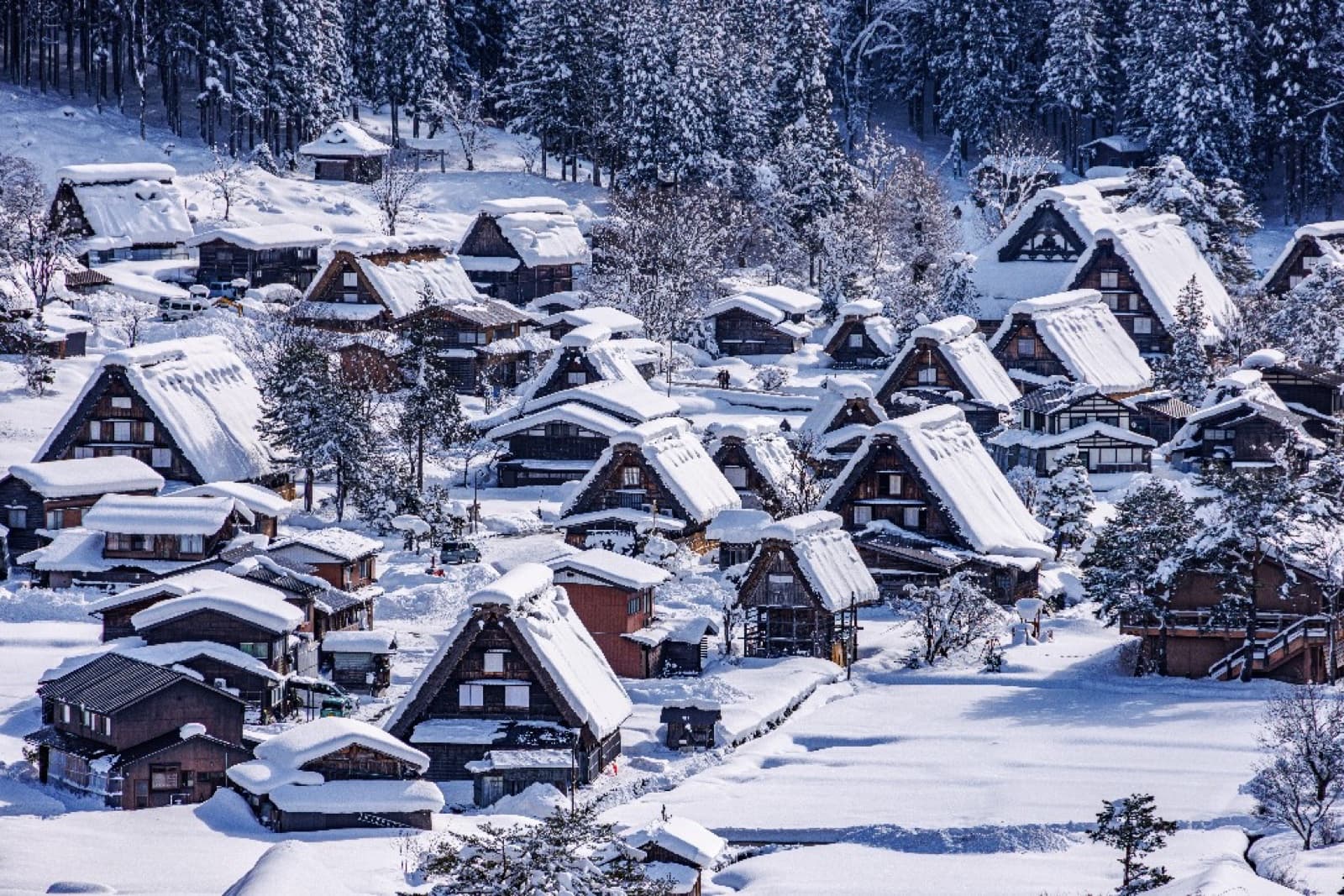
The Japanese Alps get slammed with snow from the Sea of Japan. Nagano, Hakuba, and Nozawa Onsen are prime ski country. Central Japan also gets cold enough for occasional snow in the lowlands, which is why places like Takayama and Shirakawa-go look so postcard-perfect in mid January.
Southern Japan
Although January is the coldest month, Southern Japan (Kyushu and Okinawa) still experiences mild and comfortable weather, with an average daily temperature range from 15°C to 20°C (59°F to 68°F). Okinawa is honestly a different country in winter, weather-wise.
Is January a Good Time to Visit Japan?
Short answer: yes, if you understand the trade-offs.
The upsides are big. The cold weather brings the benefits of the lowest prices and the least crowding after the New Year holiday. Sunny days mean clear views of Mount Fuji from the Fuji Five Lakes or from a Shinkansen window. Winter illuminations light up Tokyo, Osaka, and Kobe. And ski resorts across the country are in peak condition.
The downsides are worth knowing. Days are short: in January, the sun rises at 06:42–06:53 and sets at 16:39–17:08, creating a daylight of 10.1 hours. Attractions close earlier than in spring. And the first few days of January have their own rhythm you need to plan around.
The New Year Period: What Closes, What Opens, What to Expect
This is the single biggest thing most first-time travellers miss when planning Japan in January 2027. Most people in Japan outside of the retail and emergency service professions are off work from December 29 until January 3 every year. Small restaurants, family-run shops, some museums, and many neighbourhood businesses close. In big cities you'll still find plenty open, especially in tourist areas. But in remote towns, expect a much quieter scene.
You're also advised to stay in major cities, like Tokyo, Kyoto, and Osaka, because shops and restaurants are likely to be closed during the New Year holiday (December 29 to January 3) in remote areas. For a day-by-day breakdown of what's open, closed, and worth doing over the holiday itself, see our Japanese New Year 2027 guide — and if your trip starts before the year turns, our Japan in December 2026 guide covers the run-up.
Hatsumode: The First Shrine Visit
If you're in Japan during the New Year period, don't miss hatsumode. Hatsumode is one of the major Japanese traditions of the new year: the first visit to a Buddhist temple or Shinto shrine of the Japanese New Year. Typically taking place on the first, second, or third day of the year, it is meant to bring a fresh start to the year.
Expect crowds. Huge ones. Meiji Shrine, for example, had 3.45 million visitors in 1998, and in the first three days of January 2010, 3.2 million people visited Meiji Jingu, 2.98 million Narita-san, 2.96 million Kawasaki Daishi, 2.7 million Fushimi Inari-taisha, and 2.6 million Sumiyoshi Taisha.
If you want the atmosphere without the two-hour queue, visit a smaller neighbourhood shrine on January 2 or 3. Or wait until January 5–7, when things calm down but the new year's atmosphere is still in the air.
💬 From our Japan travel team
Japan's New Year feels different from any other time of year — shrines fill up for hatsumode, and shops buzz with fukubukuro lucky-bag sales and New Year bargains. When Japanese people visit a shrine, they often draw an omikuji fortune slip to see what the year holds, and buy an omamori charm for luck, health, or safe travel. Join in — it's one of the easiest ways to feel the season.
Coming of Age Day
In 2027, Coming of Age Day falls on Monday 11 January (the holiday will be on Monday 10 January in 2028). This is a public holiday, and you'll see young women in stunning long-sleeved furisode kimonos gathered at local city halls and shrines for photos. It's a lovely thing to witness. Just note that during public holidays, tourist attractions and public transport are generally more crowded, and hotels may charge a holiday pricing premium of up to 50% on normal rates. Our Japan public holidays guide maps out the full calendar.
What to Pack: The Layer Question
Forget "one heavy winter coat solves it all." Japanese buildings and trains are heated aggressively. You'll roast in a parka on a subway. Layers are the answer.
- Base layer — thermal top and bottom, especially if you're heading to northern Japan or ski country
- Mid layer — a hoodie or thin knit
- Outer shell — a down jacket or heavy winter coat for outdoors
- Waterproof shoes with grip, especially if you're going to Nagano or Hokkaido
- Gloves, scarf, hat
- Non-slip shoe grips — the one thing most people forget; icy sidewalks around temples, ski towns, and the snow monkey trail catch a lot of visitors out
Remember to pack lip balm and moisturising cream. Masks are also worth carrying because the flu virus is often active in January. Air humidity is very low in January, and your skin will feel it.
Where to Go in Japan in January 2027
Here are the destinations that shine in the winter season. Pick two or three — don't try to do them all.
💬 From our Japan travel team
January is the season when you can enjoy snow scenery with just a short extension from Tokyo. Our self-guided tours include routes that combine skiing and sightseeing, and itineraries built around direct-flight schedules. If you want an easy way to experience Japan in winter, take a look at the tours below.
Tokyo
Winter illuminations, sumo tournaments, department store New Year sales, and hatsumode at Meiji Jingu or Sensoji. Tokyo in early January is quiet compared to spring. Great for walking, museums, and food.
Kyoto
Fewer tourists than in cherry blossom season, and temples with a light dusting of snow look extraordinary. Visit Fushimi Inari early morning to avoid crowds and skip the biggest hatsumode queues.
Hakone and the Izu Peninsula
The perfect scene for hot springs with a view. Hakone has seven onsen areas, with Hakone Yumoto Onsen as the biggest. Bathing in an open-air Hakone onsen, visitors can see the scenery of Mount Fuji clearly. The Izu Peninsula is milder than Tokyo and good for a two-day escape from the city, with sea views, sushi, and small ryokan. First time in a Japanese bath? Read our onsen etiquette guide before your first soak.
Nagano and the Snow Monkeys
Jigokudani Wild Snow Monkey Park is the one you've seen on Instagram. The park is open year-round, and during winter from December to March, snow covers the valley and monkeys can often be seen soaking in the hot spring bath in the middle of the park.
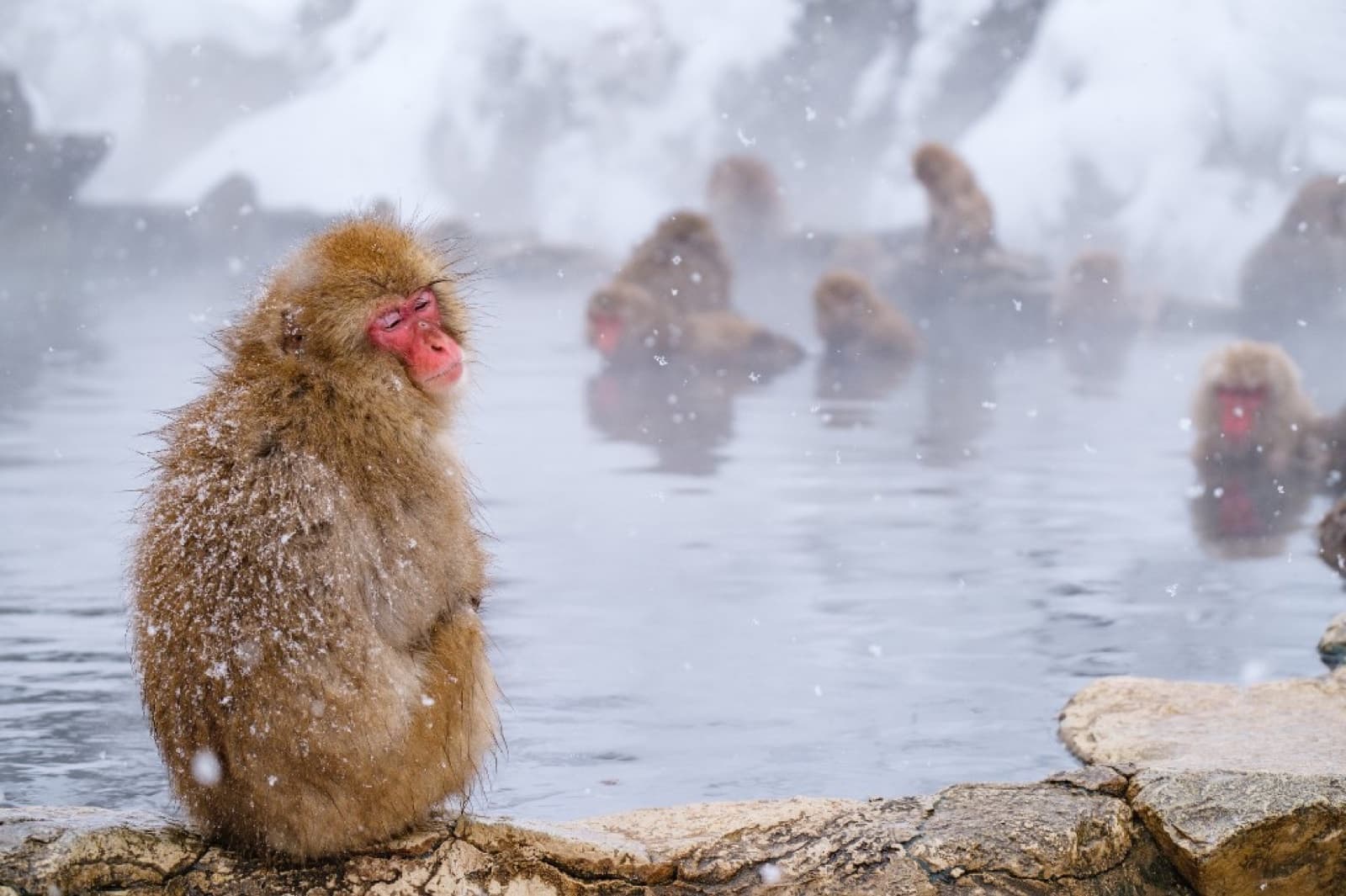
Access takes a bit of planning. The most common route from Tokyo takes approximately 2.5 to 3 hours: from Tokyo Station to Nagano Station, take the JR Hokuriku Shinkansen — the ride is roughly 1 hour and 35 minutes. From Nagano Station, take the Nagaden express bus (about 40 minutes) or the Nagano Dentetsu train to Yudanaka. Then, from the bus stop or parking area, you must walk a 1.6 km forest trail to reach the monkey park. The walk takes 25 to 40 minutes depending on conditions and your pace. In winter, the trail can be icy, snowy, and slippery.
Bring proper boots. Regular sneakers on that trail is a bad idea.
Hokkaido: Skiing and Snow Festivals
Hokkaido is where Japan weather in January goes full winter. Niseko, Rusutsu, and Furano have some of the best powder in the world. Sapporo makes a great city base.
If you can stretch your trip to early February, the Sapporo Snow Festival is worth it. The 77th Sapporo Snow Festival is scheduled to take place from February 4–11, 2027 in Odori Park. Expect impressive snow sculptures and interactive activities, and don't forget to come with an empty stomach — there are plenty of food stands offering a mixture of dishes to try. If your dates slide into February, the festivals and the deepest powder are covered in Japan in February 2027.
Prefer to stay in January? Look at Lake Shikotsu. The Lake Shikotsu Ice Festival (Shikotsuko Hyoto Matsuri) runs for about three to four weeks each winter, from late January into late February. In 2027, the festival will run from January 30 to February 23. The ice sculptures glow a deep blue during the day and shift to colourful illuminations at night.
Ski Resorts Worth the Trip
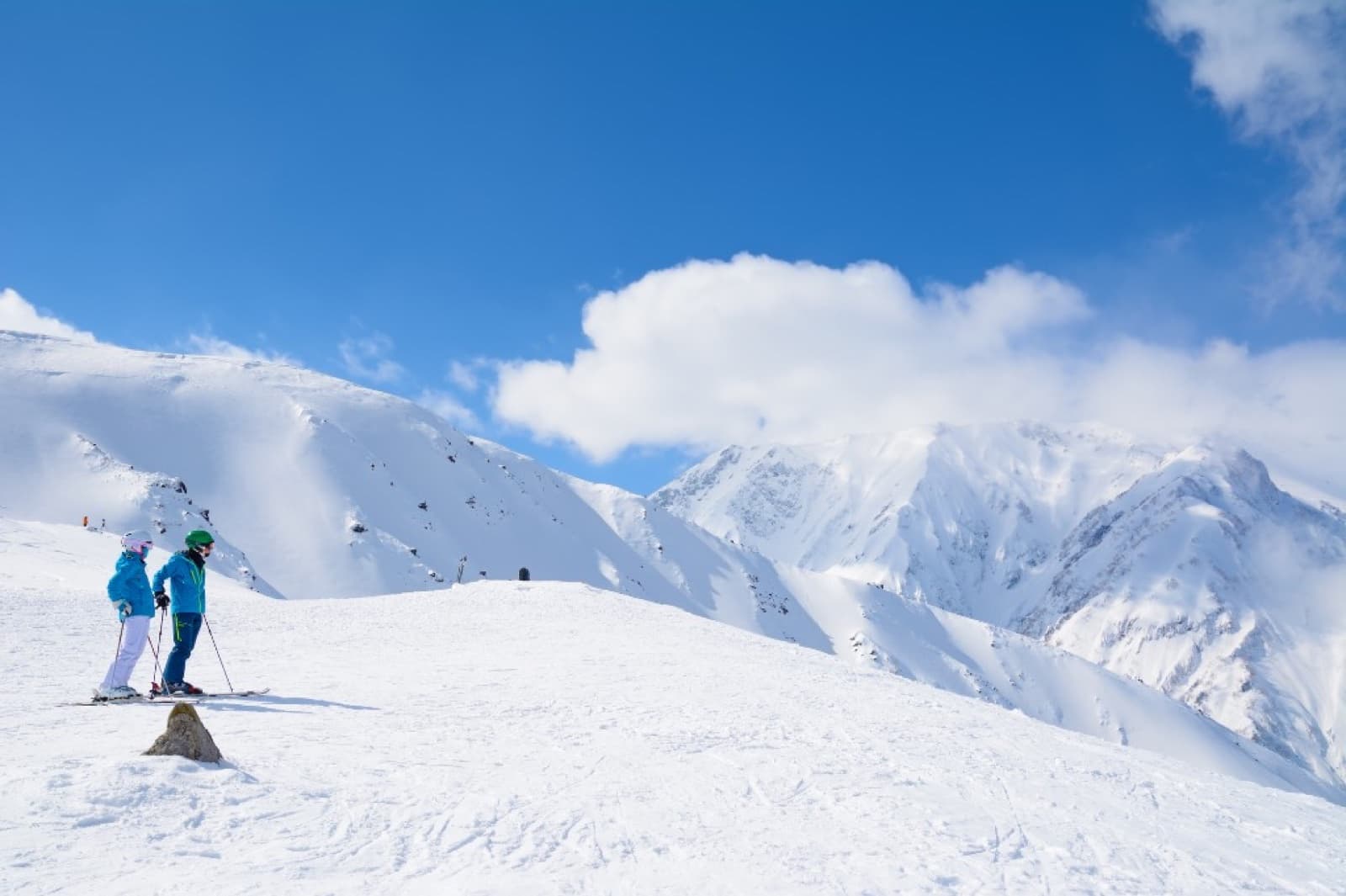
Beyond Niseko, consider Hakuba (easy from Tokyo via Nagano), Nozawa Onsen (village skiing with an onsen town attached), and Shiga Kogen. Rising above the town of Yamanouchi and Jigokudani, the highlands of Shiga Kogen reach altitudes of over 2,000 meters. During winter, it is one of Japan's largest ski resorts, offering skiing and snowboarding from late December to early May.
Mount Fuji Viewing
January is the best month of the year for Mount Fuji photos. Clear, dry air means the mountain is visible on most days from Lake Kawaguchiko, Hakone, and even parts of Tokyo. Just get up early — clouds tend to move in after mid-morning.
Southern Japan for Warmth
If cold really isn't your thing, plan around Kyushu (Fukuoka, Beppu, Kagoshima) or Okinawa. Whale watching season starts around the Kerama Islands off Okinawa in January and runs through early spring. It's a completely different Japan trip.
Self-Guided Routes That Fit January 2027
January is the most reliable snow month of the winter and the one the ski routes are built around. The 1–3 January closures are the only thing to plan around; after that, every route below is in its best month.
| Route | Length | From (per person) | Why January |
|---|---|---|---|
| Hakuba Ski & Popular City Journey (SK009) | 13 days | $4,700–6,000 | Gear included. Hakuba in its deepest month, then Kanazawa, Kyoto and Hakone for the second week. |
| Zao Snow Monsters – Resort Plan (SK008) | 11 days | $3,800–5,100 | The snow monsters are usually at their fullest from late January into February. |
| Hakuba Tsugaike & Zao with Snow Monkeys (SK002) | 14 days | $4,800–6,000 | Two resorts and the Jigokudani monkeys in one trip, in the month the monkeys spend longest in the bath. |
| Shiga Kogen with Snow Monkeys (SK006) | 11 days | $2,900–3,500 | The lowest-priced ski route we run. Shiga Kogen is Japan's highest resort and holds its snow. |
| Rusutsu Ski with Sapporo & Noboribetsu Onsen (HK008) | 8 days | $2,900–5,100 | Hokkaido powder at its most reliable, with an onsen night. Priced for the 2026–27 winter. |
| Hop Through Japan's Hot Springs & Highlights: Kinosaki & Gero (HS002) | 14 days | $4,300–5,700 | For a non-ski January: Kinosaki in crab season (to 31 March) and Gero's baths in the cold. |
Interested in a tour? Click a route code above, or search for it in the top-right Search bar.
Prices are per person on a twin-share basis from our current price list and move with the departure date; departure windows are as the catalogue listed them on 22 September 2026. Ask us for an exact quote for your dates.
Price a January 2027 Trip Before You Ask for a Quote
The calculator below is the same one on our cost guide. Set the party, the length and the season, and use the button to turn the estimate into a real quote for the routes above.
Japan Trip Cost Calculator (2026)
Set your trip below — the estimate updates instantly. Yen prices are converted at a rounded ¥150 to the dollar; the market rate is about ¥157 in September 2026, which makes yen costs a few percent cheaper than shown.
Intercity is priced as point-to-point tickets unless you add the pass — on the Tokyo–Kyoto–Osaka route the pass usually costs more than the tickets.
Estimated total
$4,530
$2,265/person · $453/day · 2 travelers, 10 days
Estimate only — a mid-range guide, not a binding quote. Peak season & specific hotels shift the total.
For comparison, our self-guided routes run about $270–390 per person per day with hotels, trains, luggage delivery and 24/7 support included — the difference from a DIY estimate is the hotel class and having it all arranged.
A Practical Two-Week Itinerary for January 2027
Here's a working framework you can adapt. This assumes a mid January arrival to avoid the busiest New Year period.
- Days 1–3: Tokyo. Base in Shinjuku or Ueno. Hatsumode at a smaller shrine if you're there before January 7. Winter illuminations at Shibuya, Marunouchi, and Roppongi. Day trip to Kamakura or Yokohama.
- Days 4–5: Hakone or Fuji Five Lakes. Ryokan stay, onsen, Mount Fuji views. Book a ryokan with dinner included.
- Day 6: Snow monkeys. Take the Shinkansen to Nagano, visit Jigokudani, stay overnight in Yudanaka or Shibu Onsen.
- Days 7–8: Ski add-on or Kanazawa. Either head up to Hakuba/Nozawa for skiing, or take the train west to Kanazawa for gardens, the samurai district, and seafood.
- Days 9–11: Kyoto. Fushimi Inari at dawn, Arashiyama bamboo grove, Nishiki Market for indoor food hunting. Day trip to Nara.
- Day 12: Osaka. Dotonbori, the castle, Kuromon Market. Overnight.
- Days 13–14: Return to Tokyo or fly out from Osaka (KIX). If you're flying out of Haneda or Narita, the Shinkansen back to Tokyo takes about 2.5 hours.
Adjust as needed. If you want more winter sports, drop Kyoto for more nights in the Japanese Alps.
Common Mistakes to Avoid
- Booking flights and hotels too late. Make reservations for flights, bullet trains and hotels early if you plan a trip to Tokyo during the 2027 New Year — otherwise you may fail to get one or have to pay more. Prices spike hard around December 28 to January 3.
- Ignoring early closing times. Most attractions adopt a winter timetable due to short daylight. They may stop ticket checking as early as 15:30–16:00, so plan your itinerary well in advance.
- Underestimating the walking trail to the snow monkeys. People show up in fashion sneakers and regret it within 10 minutes.
- Planning too much in the first three days of January. Assume some restaurants will be closed. Book New Year dinners in advance or plan on department store food halls and hotel restaurants.
- Skipping travel insurance for ski trips. If skiing is on your list, buy a policy that covers off-piste and ski injuries. Hospital bills in Japan are cheaper than in the US, but still not something you want out of pocket.
- Assuming one heavy winter coat handles everything. As covered above, the layer approach beats a single bulky coat for indoor comfort.
Tools and Resources That Actually Help
- Google Maps for transit routing in cities. Reliable for trains, buses, and walking directions.
- Navitime for Japan Travel for detailed train timetables and Shinkansen bookings.
- Japan Meteorological Agency (JMA) website for weather forecasts. More accurate than most international apps for local conditions.
- JR Pass calculator to work out whether a rail pass makes sense for your specific route. For a two-week trip crossing Tokyo–Kyoto–Nagano–Hokkaido, it usually does. For a Tokyo-only or Tokyo–Kyoto-only trip, it usually doesn't — run the numbers first.
- Snow monkey park livestream to check if the monkeys are actually at the pool before making the trip.
Winter vs Other Seasons: A Quick Comparison
Not sure which month suits you? Our guide to the seasons in Japan lines up all twelve months side by side — weather, crowds, prices and what is in bloom.
Not sure whether January is your season? Here's the honest picture.
- Cherry blossom season (late March to mid April). Cherry blossoms peak in Tokyo and Kyoto from late March to early April, sometimes into mid March for early varieties in southern Japan. Beautiful, but crowded and expensive.
- Rainy season (June). Skip if you can. Lots of rainy days.
- Summer months (July–August). Hot, humid, and fireworks festivals. Great for northern Japan, brutal in Kyoto.
- Golden Week (late April to early May). Domestic travel peak. Prices and crowds go through the roof.
- Winter (December–February). Quieter, cheaper outside the New Year period, best for hot springs and winter sports. See our full winter in Japan guide for the season overview.
For a first winter trip, January hits the balance right: full winter atmosphere, but with a couple of quieter weeks after the New Year period ends. Many travellers who've done spring return specifically for the winter season.
Turning This Into a Real Itinerary
The self-guided approach works especially well in January. Japan's transit system is reliable even in heavy snowfall (bar the very worst storms in northern regions). English signage in major cities is solid. And you get to move at your own pace, which matters when winter days are short.
Start with your two "anchor" experiences (say, snow monkeys and Kyoto in winter). Book those hotels first. Then build the connective tissue: train routes, day trips, and a couple of unplanned days for weather flexibility.
Give yourself a rest day after long travel days. January is tiring in a way spring isn't. Cold air, layers, early sunsets. You'll want the downtime.
If you'd rather have someone else handle the route logic, station navigation, and ryokan bookings while you keep the freedom of travelling independently, that's exactly where selfguidejapan.com comes in. We build custom self-guided itineraries with pre-booked trains, hotels, and detailed day-by-day directions, so you get the structure without the tour bus. Reach out to start planning your January 2027 trip.
FAQ: Japan in January 2027
Is Japan too cold to visit in January?
No. Tokyo, Kyoto, and Osaka sit around 8–10°C during the day with sunny days more often than not. Only northern Japan and the Japanese Alps get seriously cold. Dress in layers and you'll be fine.
Will it snow in Tokyo in January 2027?
Probably lightly, once or twice. The city experiences 1–2 snowfalls in January, but it often snows lightly and lasts for a short period each time. Especially downtown, the snowflakes melt immediately as they fall to the ground, so it's not common to see snow cover.
When is the best time in January to visit Japan?
Mid January to late January. You miss the New Year period crowds and price spikes, and the weather is stable. Coming of Age Day (January 11, 2027) brings a nice cultural bonus.
Can I see cherry blossoms in January?
Not the main varieties. Kawazu-zakura in the Izu Peninsula bloom from early February, and a handful of early-blooming trees in Okinawa flower in January. For the main cherry blossom season, plan for late March to mid April.
Are ski resorts open for the whole month?
Yes. All major Japanese ski resorts are in full swing throughout January. Conditions typically peak from mid January through February.
Do I need cash in Japan in January?
Yes, some. Cards are widely accepted in cities, but shrines and temples during hatsumode, small food stalls at winter festivals, and rural ryokan often want cash. Carry ¥20,000–30,000 as a buffer.
Plan Your Self-Guided January Trip
Snow monkeys, onsen nights, peak powder and the clearest Mount Fuji views of the year — we line up the trains, ryokan and day-by-day route so you get the freedom of independent travel without the planning headache.
Weather figures are long-term averages; festival dates and holiday schedules per official sources — confirm before booking, as New Year hours and closures change. Last updated: July 7, 2026.
Related Articles
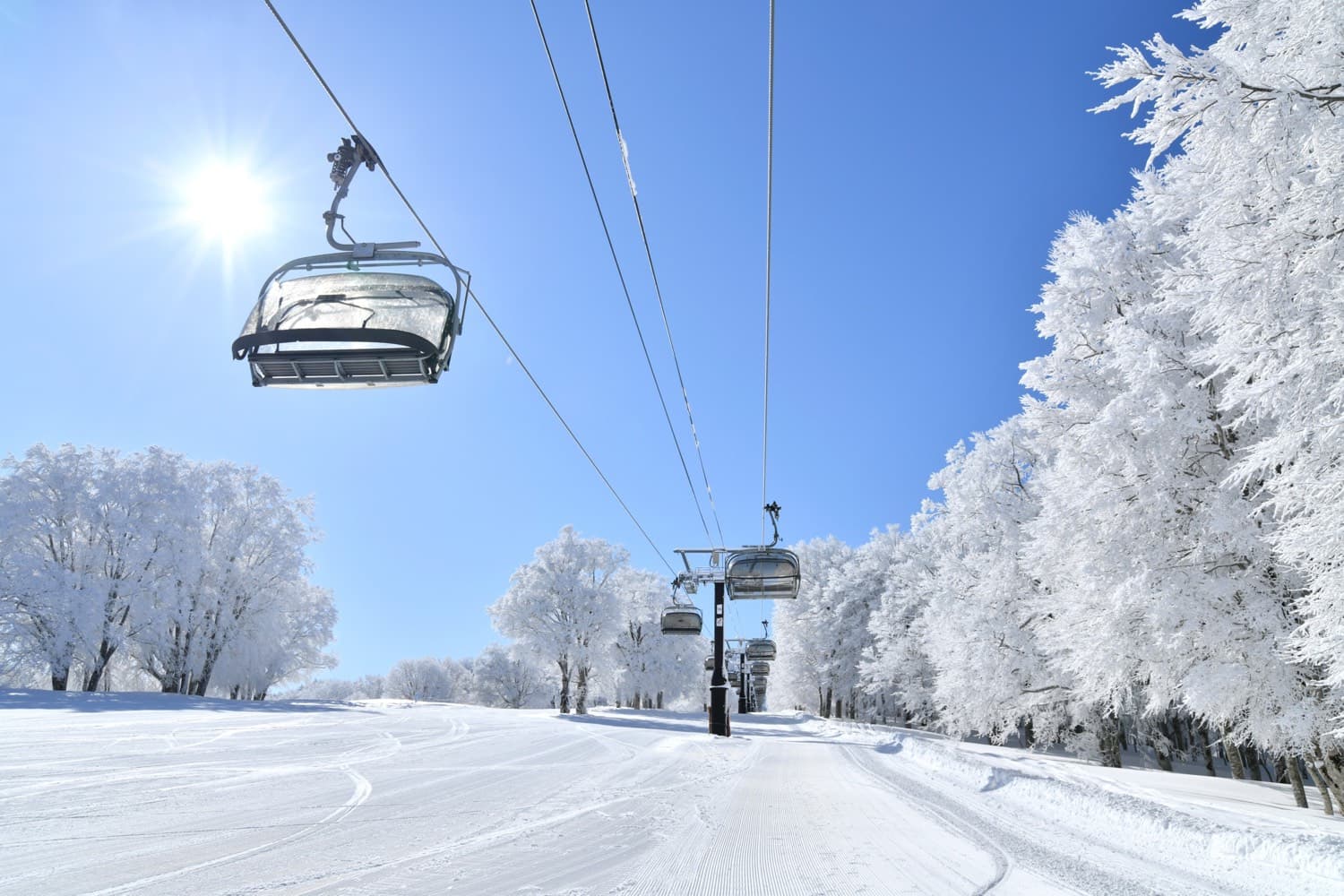
Japan in January: A Practical Guide to Weather, Snow, and Self-Guided Travel
12 min read
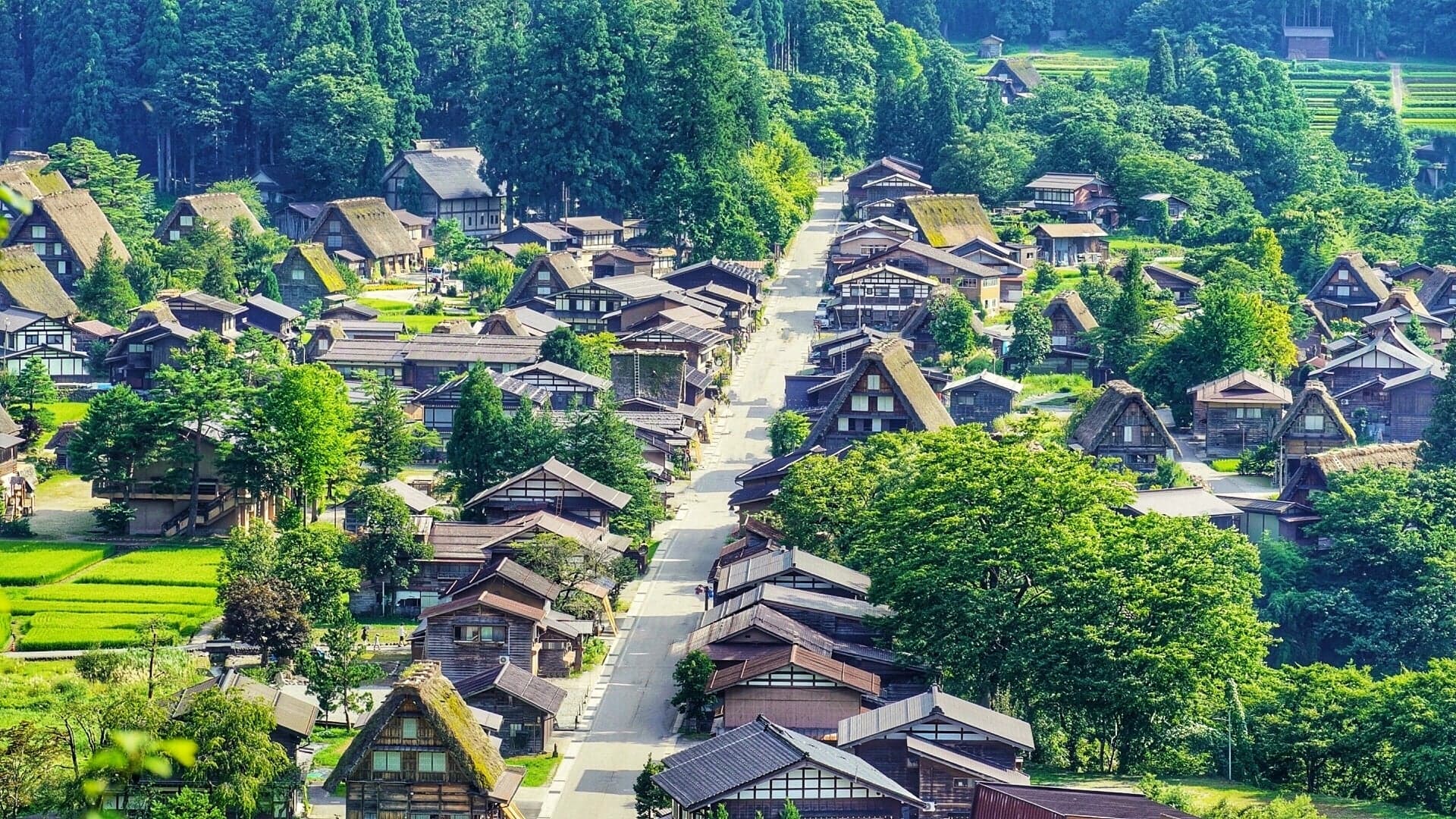
Shirakawago (Shirakawa-go) Guide: Getting There, the 2027 Winter Light-Up and What to See
14 min read
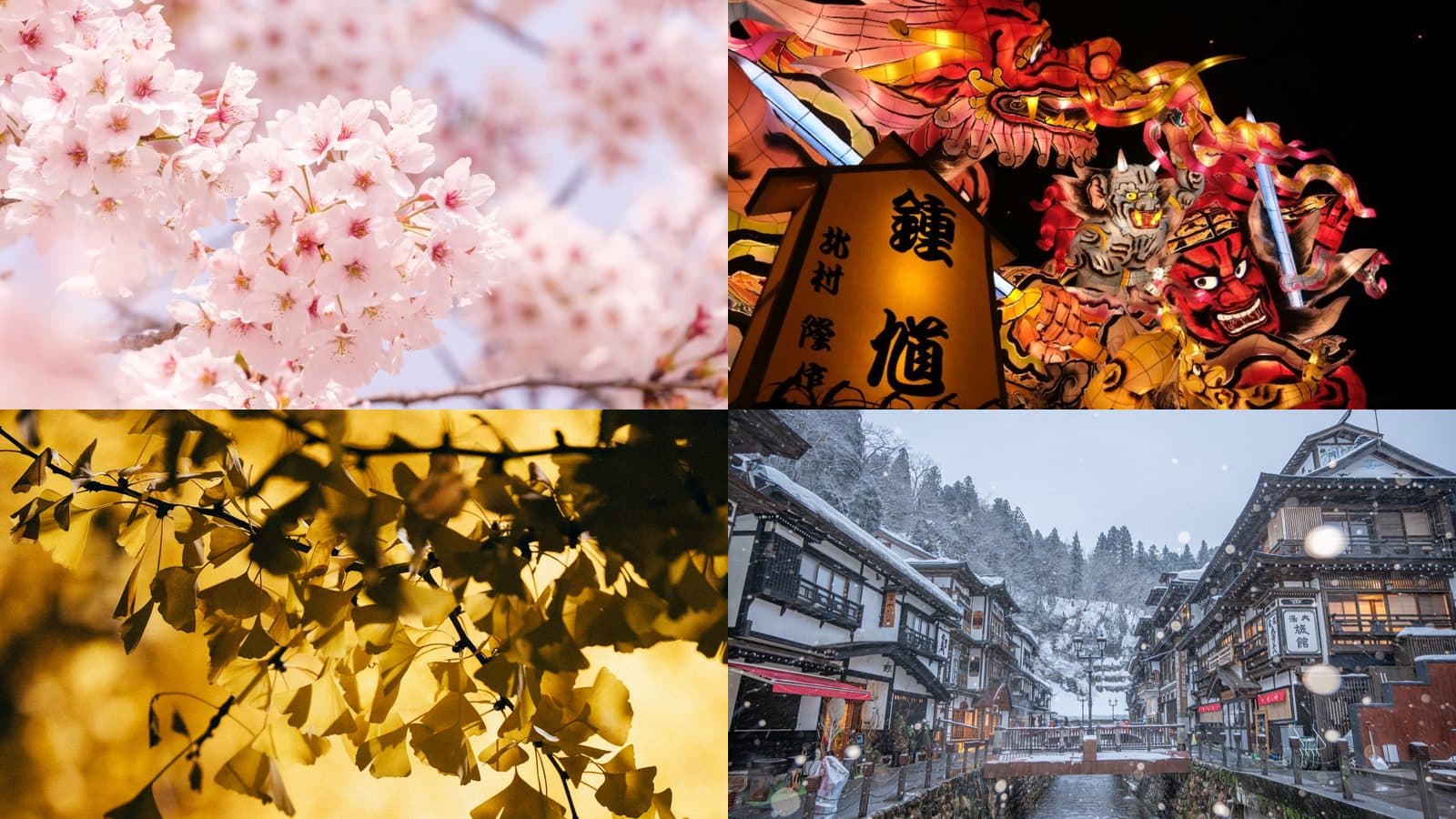
Seasons in Japan: What Season It Is Right Now, Month-by-Month Weather & the Best Time for Each Trip
16 min read