
Japan Winter Itinerary: 12 Days of Snow Monkeys, Onsen, Shirakawa-go and Quiet Temples
A 12-day winter route by train — Tokyo, the Jigokudani macaques, Nozawa Onsen, Kanazawa and Shirakawa-go under snow, then Kyoto — with this winter's prices and bus rules, a Hokkaido add-on for Sapporo's February festival, and the winter routes we run.
The short answer: a good Japan winter itinerary for a first time in the snow is three nights in Tokyo, two in the hot-spring towns of Nagano near Jigokudani, one in Nozawa Onsen, two in Kanazawa with a day at Shirakawa-go, then Kyoto to finish. That's 12 days, all by train and bus — no car needed. Traveling in early February? Add three nights in Hokkaido for the Sapporo Snow Festival.
Why this shape? The best things to do in Japan in winter aren't spread evenly across the country. Tokyo and Kyoto are cold, dry and mostly sunny, which makes winter a great time for temples, gardens and long city walks without the spring crowds. The deep powder, the hot springs and the macaques are in the mountains of central Japan, along one shinkansen line. Plan around that line and the trip almost plans itself.
Faress and opening hours below were checked on each operator's own site on September 29, 2026. Some winter timetables are published only in December, and we say where.
Quick Answer: A Japan Winter Itinerary
- Route: Tokyo 3 nights → Nagano / Yudanaka Onsen 2 → Nozawa Onsen 1 → Kanazawa 2 (Shirakawa-go day) → Kyoto 4.
- Snow monkeys: open 9:00–16:00 in winter; from December 1, 2026 entry is ¥1,000 (¥880 online). Dated online tickets go on sale three months ahead, and on busy days visitors without one may wait or be turned away.
- Shirakawa-go light-up 2027: Jan 11, 17, 24 and 31, 17:30–19:30, advance reservation only.
- Sapporo's snow festival: Feb 4–11, 2027, at Odori, Susukino and Tsudome.
- Avoid: Dec 29 to Jan 3 unless you want holiday crowds and closures.
Length
12 days
Best months
Jan–Feb
Car needed
No
Ski needed
No
When to Go: Early December to February
Winter in Japan runs from December to February, but each month feels different on a real trip.
Early December to Christmas
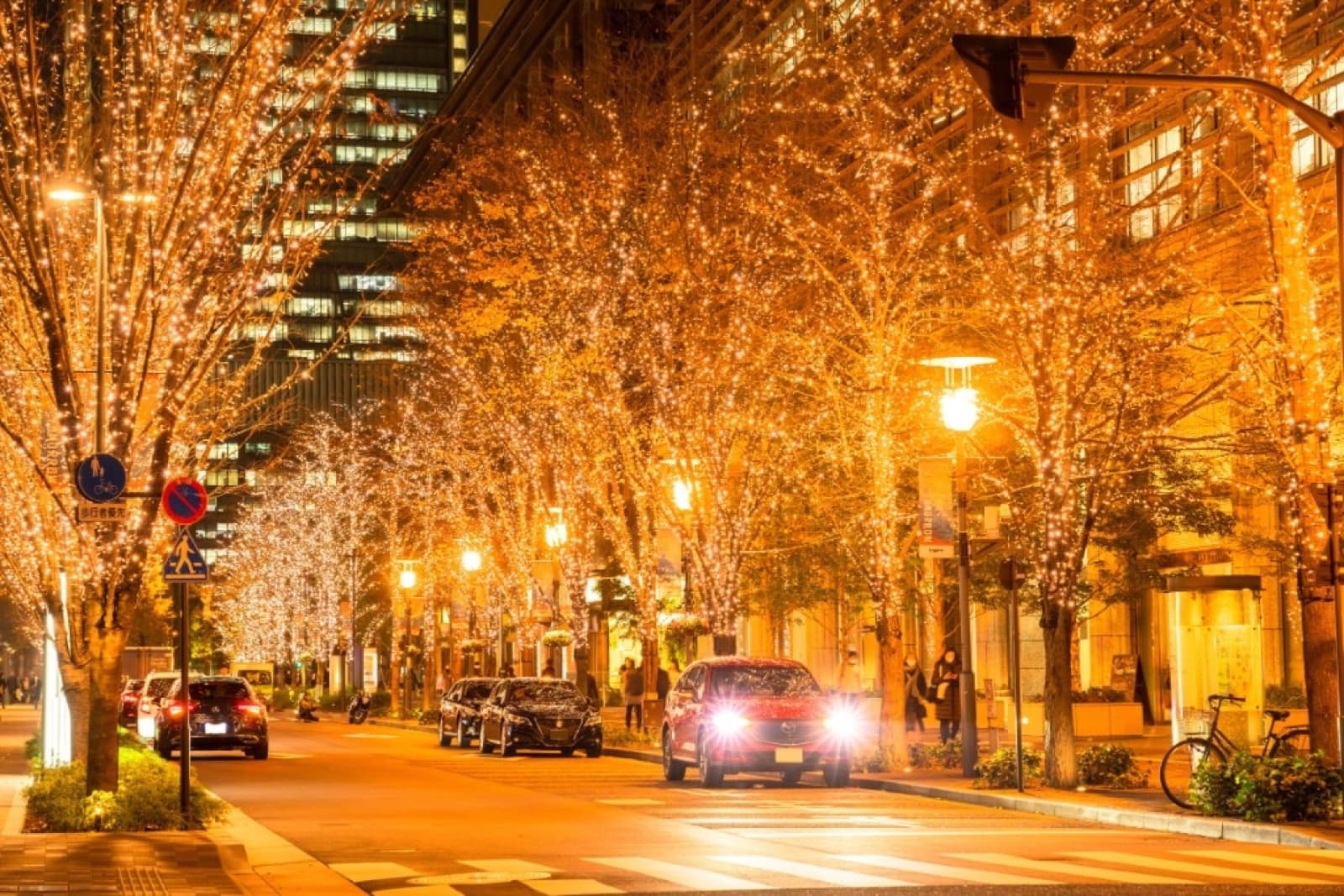
Early December is underrated. Autumn leaves often hang on in Tokyo, the city's illuminations switch on, and room rates haven't spiked yet. Christmas isn't a public holiday in Japan, and for many couples Christmas Eve is date night, so almost everything stays open. At Roppongi Hills, the Keyakizaka lights are the classic: last winter they ran from November 4 to December 25, 17:00–23:00, with a winter version continuing to February 22. This winter's schedule hadn't been announced when we checked. The catch? Snowfall in the mountains is less reliable this early.
Late December and the New Year
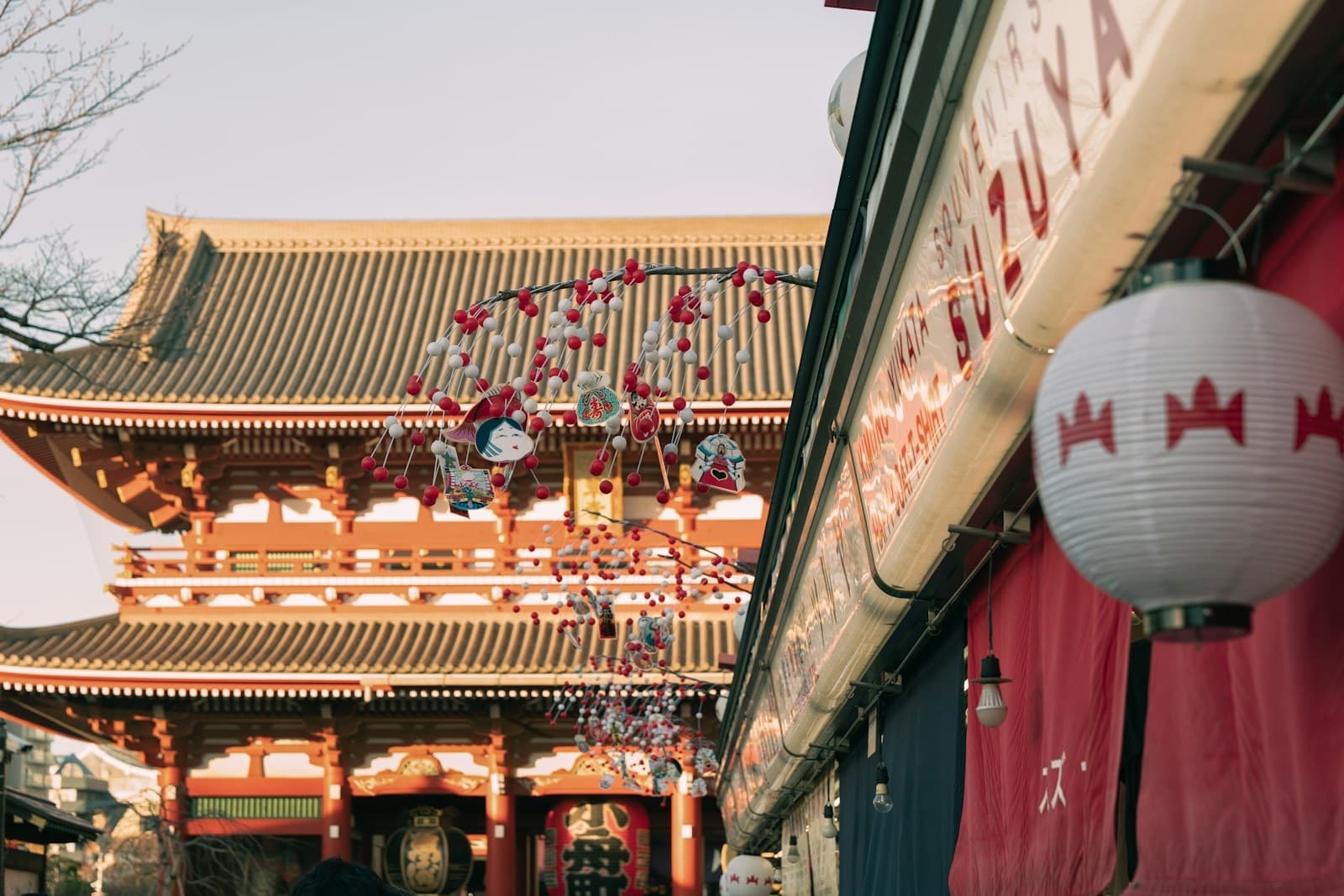
Late December is when locals head home. From about December 29 to Jan 3, trains are packed, many museums close and shrines fill up for hatsumode, the first shrine visit of the new year. Meiji Jingu shrine draws enormous crowds. The Tokyo National Museum, for example, closes from December 26 to 31, 2026 and reopens on New Year's Day. It's a fascinating slice of Japanese life, but you pay for it in queues and room rates. Our Japanese New Year guide covers what opens and when.
From our Japan travel team
The holiday week, roughly December 29 to Jan 3, is one of the busiest travel weeks in Japan, because many locals go back to their hometowns. Hotels and shinkansen seats fill up fast, so start planning early. Tell us your dates and we will help you pick travel days that work around the rush.
January and February
This is peak snow. The monkeys are at their most photogenic, the ski resorts are in full swing and Shirakawa-go sits under deep snow. The key dates are Nozawa's Dosojin Fire Festival on January 15, the gassho village light-up evenings and Sapporo's snow festival from Feb 4. On Feb 3, 2027, Setsubun brings bean-throwing to temples and shrines, where locals toss roasted soybeans to drive out bad luck. Mid-January is one of the quieter times to visit the big cities; our January and February guides have the month-by-month detail.
Winter vs Other Seasons
- Spring: cherry blossom season, usually late March to early April, is gorgeous, busy and pricey. Golden Week follows from late April.
- Summer: the rainy season arrives in June, then heat and humidity.
- Autumn: November foliage in Kyoto is spectacular, and everyone knows it.
- Winter: cold, clear and cheaper outside the holidays. You swap blossoms for snow, onsen and emptier temples.
Already seen Japan in spring? Winter is a good reason to come back. It feels like a different country.
A 12-Day Japan Winter Itinerary for Your First Time
| Days | Base | Plan |
|---|---|---|
| Days 1–3 | Tokyo | Temples early, gardens and illuminations; hotel near Tokyo or Ueno station |
| Days 4–5 | Nagano and Yudanaka | About 80 minutes by Hokuriku Shinkansen; ryokan night and the macaques |
| Day 6 | Nozawa Onsen | Ski or walk the village and its 13 free public baths |
| Days 7–8 | Kanazawa and Shirakawa-go | Kenrokuen in its snow ropes, Omicho crab, the thatched village under snow |
| Days 9–12 | Kyoto | About two hours from Kanazawa via Tsuruga; quiet temples, day trip to Nara or Osaka |
Tokyo, Nagano, Iiyama and Kanazawa are all on the Hokuriku Shinkansen. From Kanazawa, carry on to Tsuruga and change to the Thunderbird limited express for Kyoto.
Days 1–3: Tokyo in Winter
Winter in Tokyo is dry and bright, which is perfect for walking. Visit Senso-ji in Asakusa on your first morning, before the tour groups arrive, then explore the quiet streets of Yanaka, full of small temples and shops where locals still run their daily errands. On clear winter days, Mount Fuji often appears from Tokyo's observation decks.
By day, Shinjuku Gyoen is a calm national garden with a warm greenhouse: ¥500 for adults, open 9:00–16:30 (last entry 16:00) through the winter, and closed on Mondays and over the year-end break. By night, Shinjuku has neon and tiny izakaya alleys, and before Christmas the illuminations are worth an evening walk.
If you love Studio Ghibli, the Ghibli Museum in Mitaka is a must do, but only if you plan ahead: tickets go on sale at 10:00 Japan time on the 10th of each month for the following month, through Lawson Ticket, and sell out fast. Pick a hotel conveniently located near Tokyo or Ueno station — both have Hokuriku Shinkansen platforms, so day 4 starts with one train. Our things to do in Tokyo guide has the rest.
Days 4–5: Nagano and the Jigokudani Snow Monkey Park
The Hokuriku Shinkansen gets you from Tokyo to Nagano in about 80 minutes on a Kagayaki. Nagano hosted the 1998 Winter Olympics and is still the gateway to the northern Japanese Alps. Spend the afternoon in the city, then head out to a ryokan in the hot-spring towns around Yudanaka.
That ryokan, a traditional Japanese inn, is half the point: tatami, a long dinner in your yukata, a soak in the hot springs before bed while snow falls outside, and a Japanese breakfast in the morning. It's a cozy environment to relax after a cold day, and you wake up close to the park entrance.
The Snow Monkeys at Jigokudani
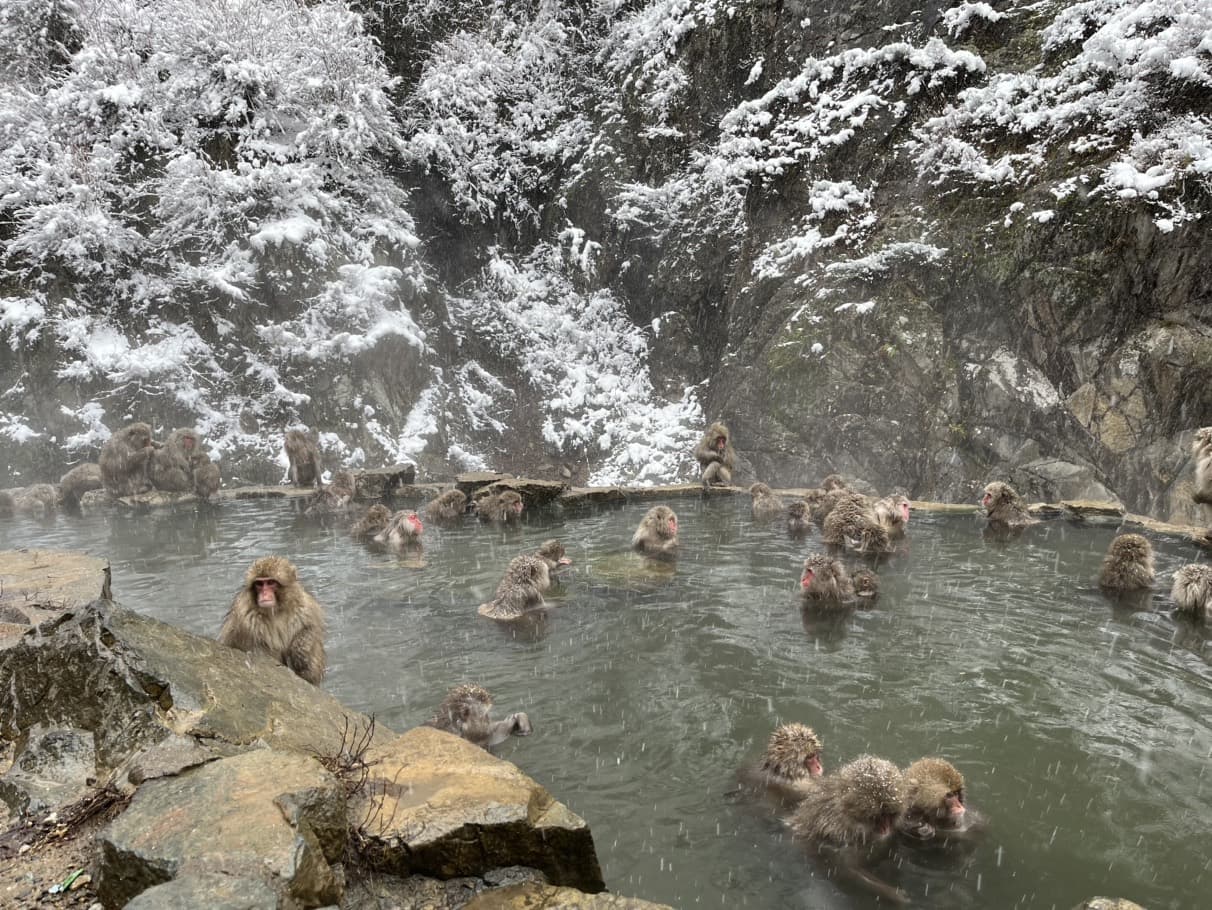
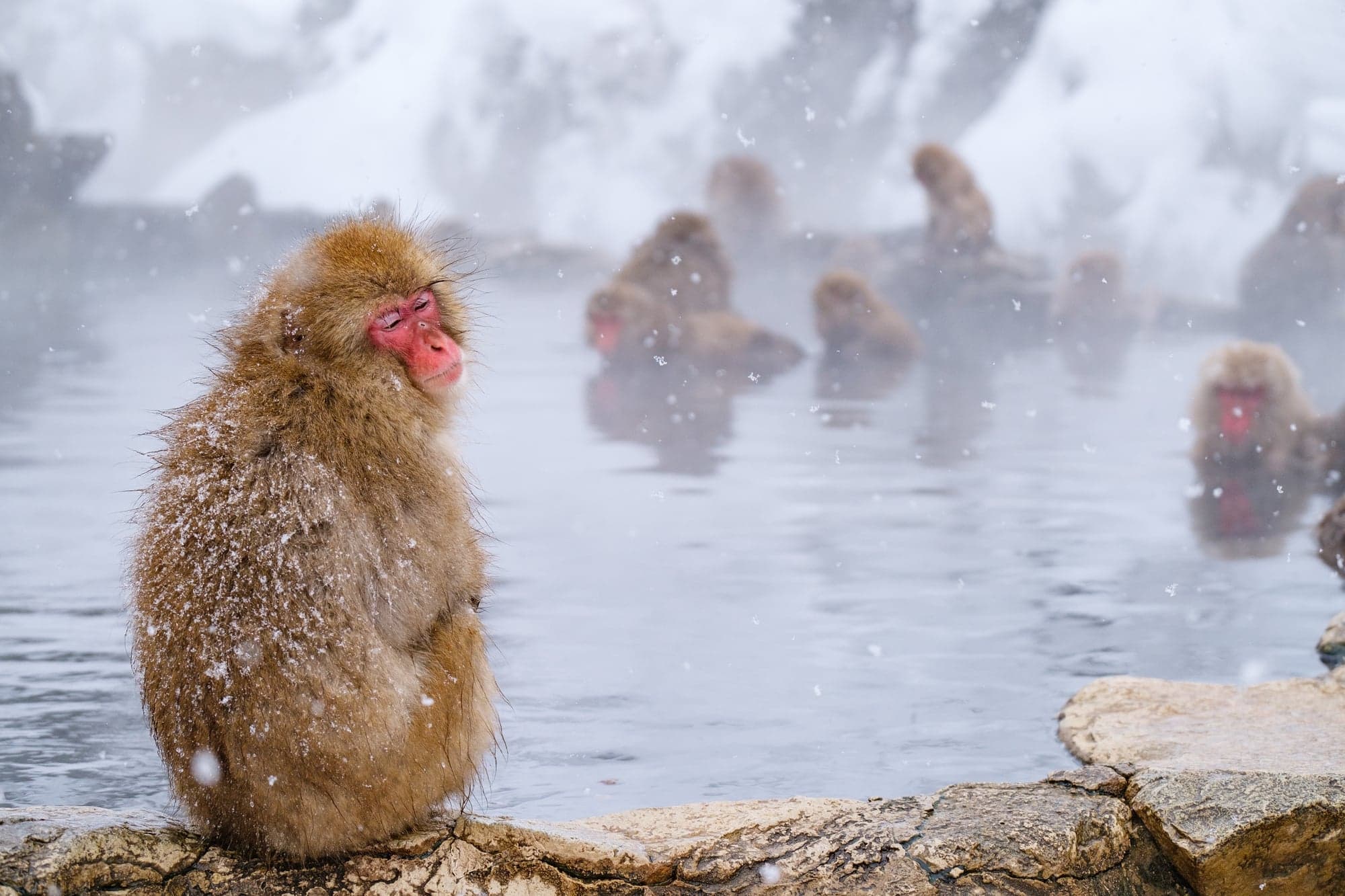
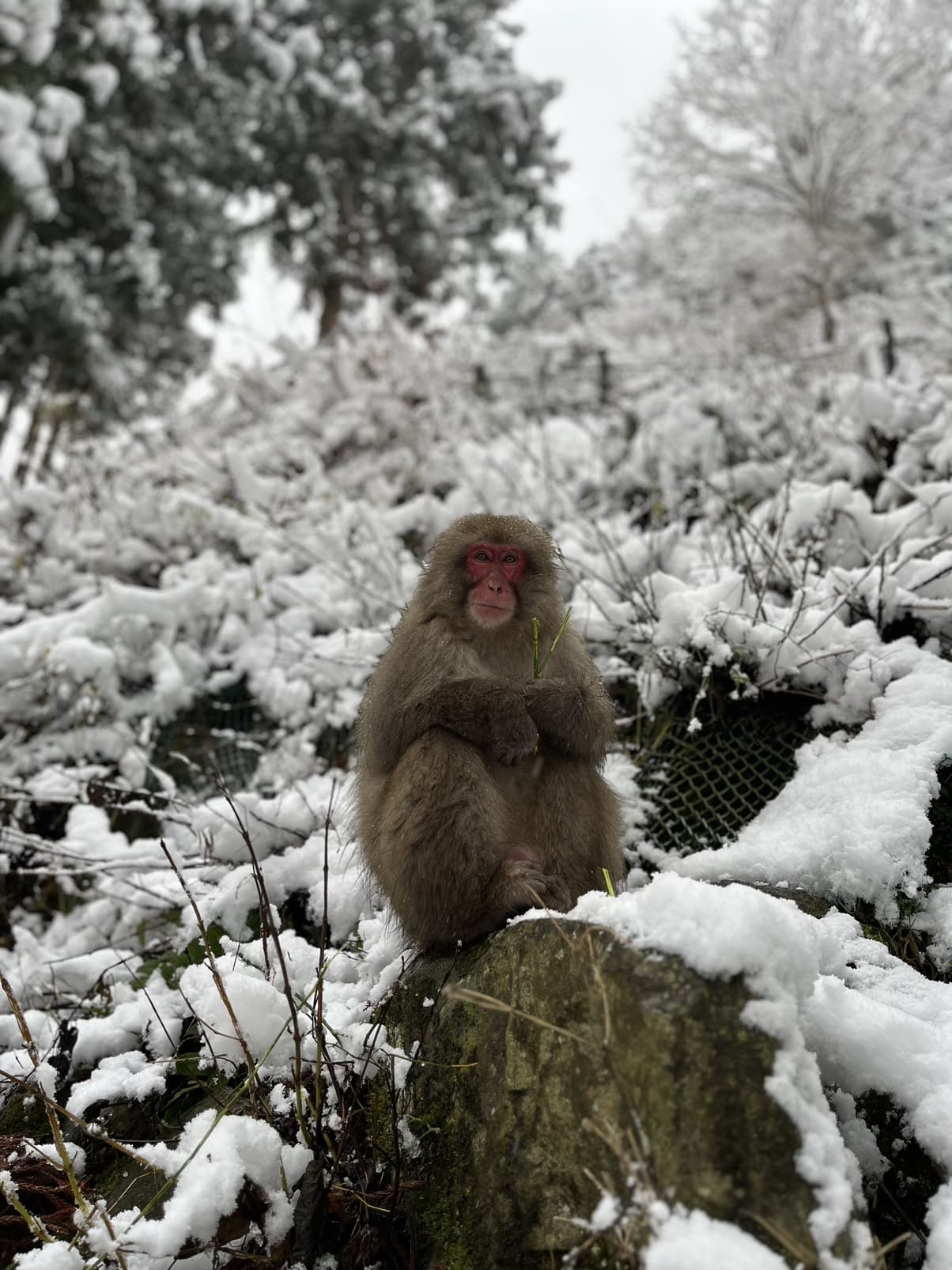
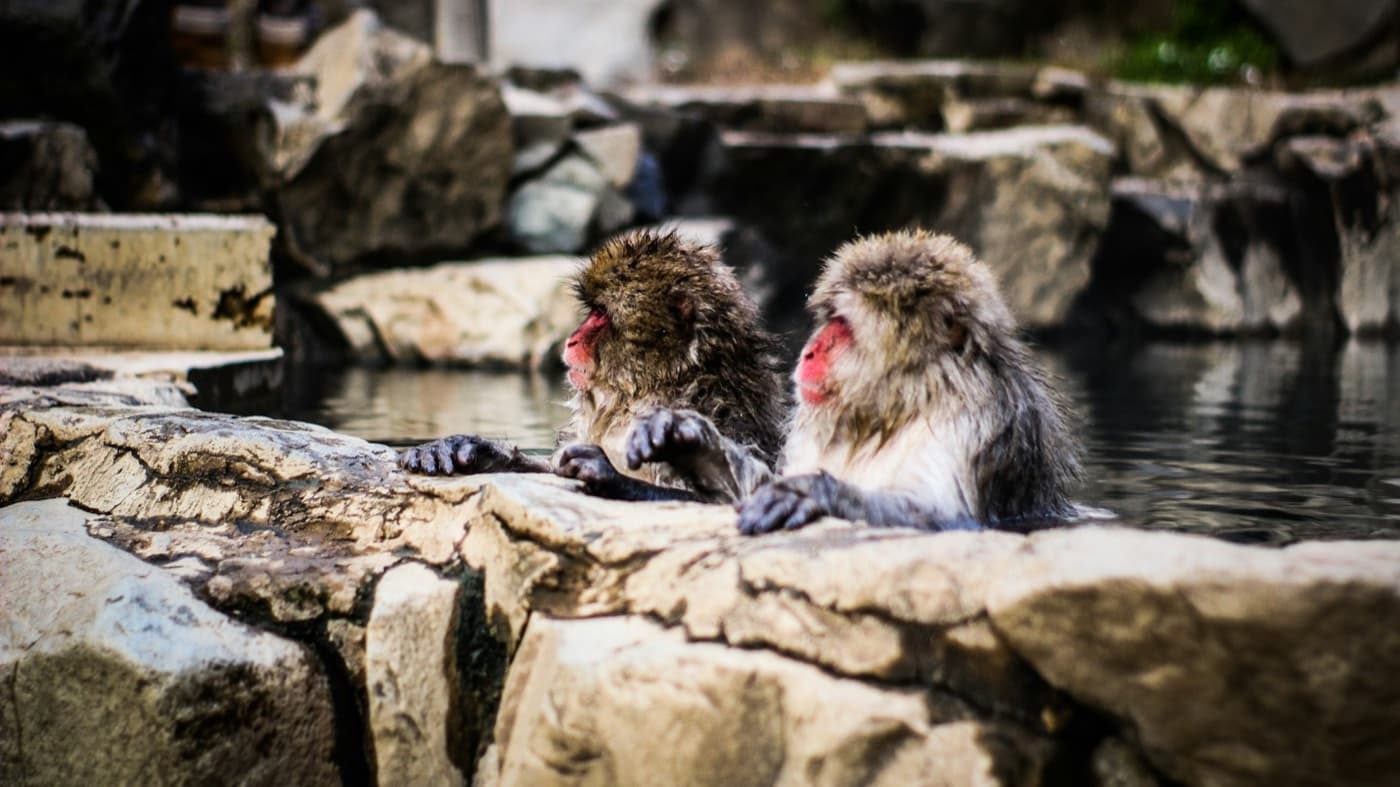
Jigokudani Yaen-koen, roughly "Hell's Valley Wild Monkey Park", is where wild Japanese macaques come down from the forest to sit in a steaming hot-spring pool. It isn't a zoo: the monkeys are free to come and go, and on some days they don't show up at all. When they do, a macaque with snowflakes on its head, eyes half-closed in the steam, is ridiculous and wonderful. Give it an hour.
Tickets, Hours and Getting There
- Hours: 9:00–16:00 from November to March, open every day. Aim to arrive at least 30 minutes before closing.
- Price: from December 1, 2026, ¥1,000 for adults and ¥500 for children (elementary to high school), or ¥880 and ¥440 online; under-6s go free with a parent.
- Online tickets: dated, on sale three months ahead. Without one you may have to wait, and on the busiest days — weekends and holidays from December to March — you may not get in.
- Getting there: Nagaden's express bus from Nagano Station's East Exit reaches the Snow Monkey Park stop in about 45–60 minutes (¥3,000 last winter), then a 1.6 km forest trail takes about 30 minutes each way. From Yudanaka it's a short local bus ride.
The trail gets icy; you can rent boots and buy crampons near the park, and honestly, crampons are a lifesaver. Don't touch or feed the monkeys. Our Jigokudani snow monkey park guide covers the visit in detail.
Day 6: Nozawa Onsen for Winter Sports, Free Baths and Fire
Nozawa is the pick if you want winter sports and old-school bathing culture in one village. Take a Hakutaka shinkansen from Nagano to Iiyama, the next stop (11–12 minutes), then the Nozawa Onsen Liner bus: about 25 minutes, ¥600 for adults and ¥300 for children aged 7 to 12, no booking needed, and Suica accepted.
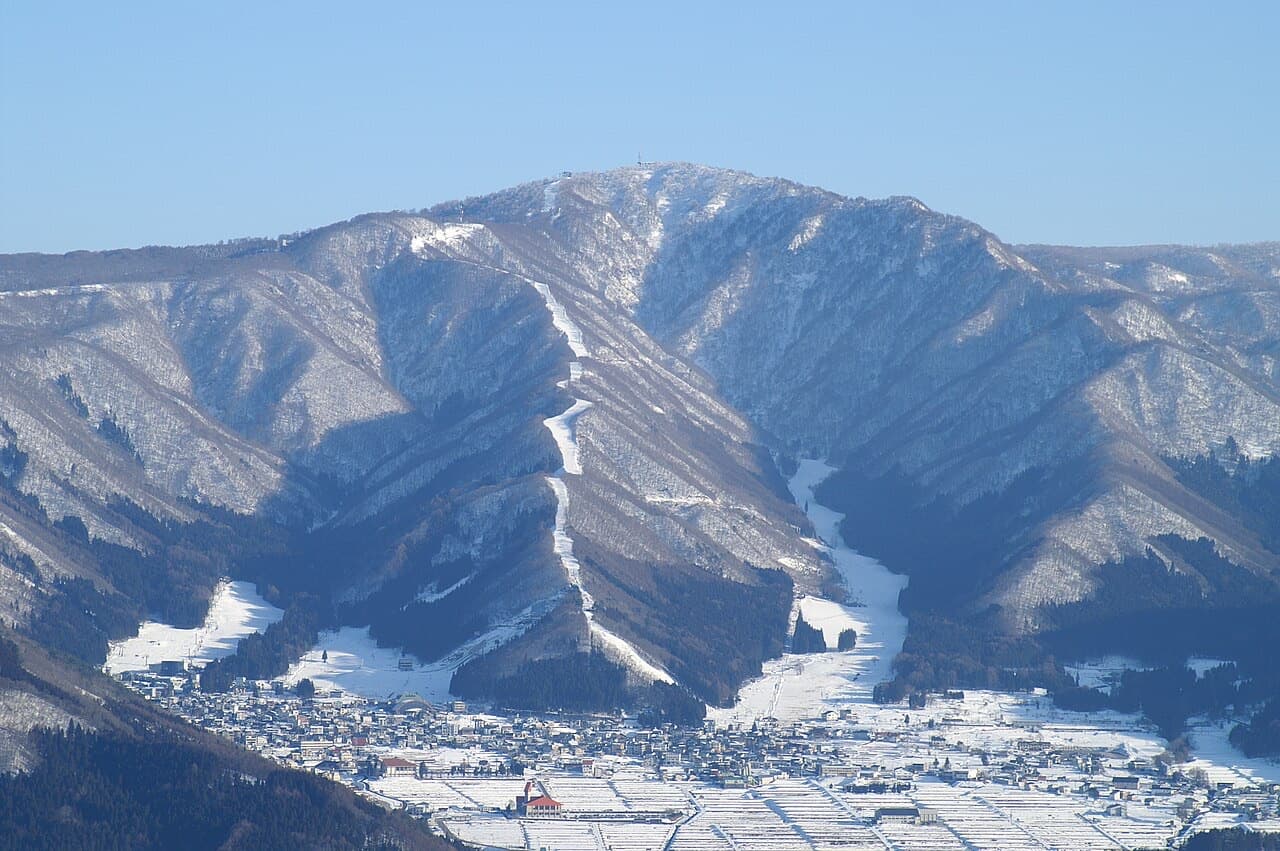
The slopes rise right above the village, so you can go skiing in the morning and bathe in the afternoon. The real draw, though, is the village's 13 soto-yu, free public bathhouses spread through the streets and looked after by the local community. Leave a coin in the donation box and follow basic bath etiquette: wash first, keep your towel out of the water and keep your voice down. Then brace yourself. The water is hot. Very hot.
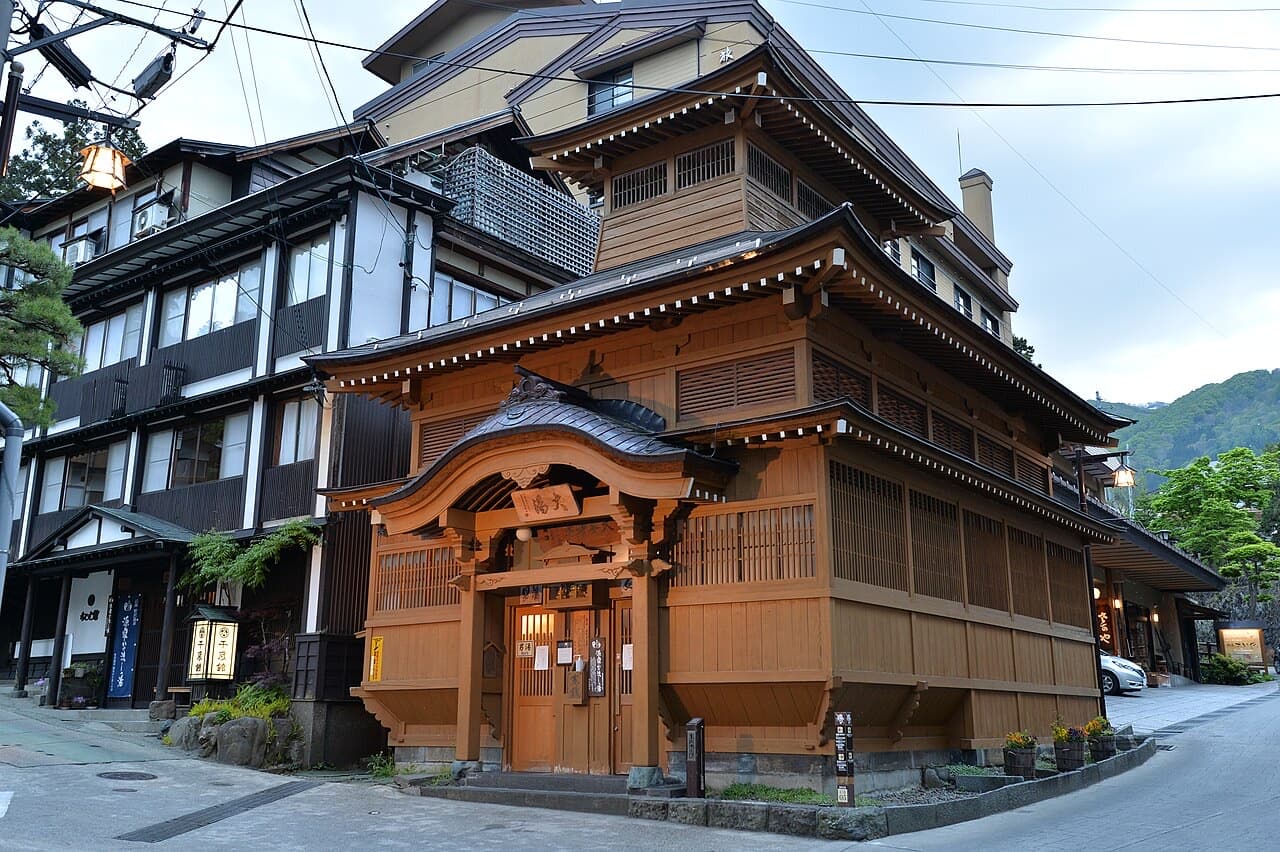
Every year on January 15 the village holds the Dosojin Fire Festival, one of Japan's best-known fire festivals: the wooden shrine structure is set alight at about 20:50 after a long defense by the village men, and beds book out early. Not a skier? Nozawa still works — explore on foot, bathe, eat and sleep.
Or Ski Shiga Kogen or Hakuba Instead
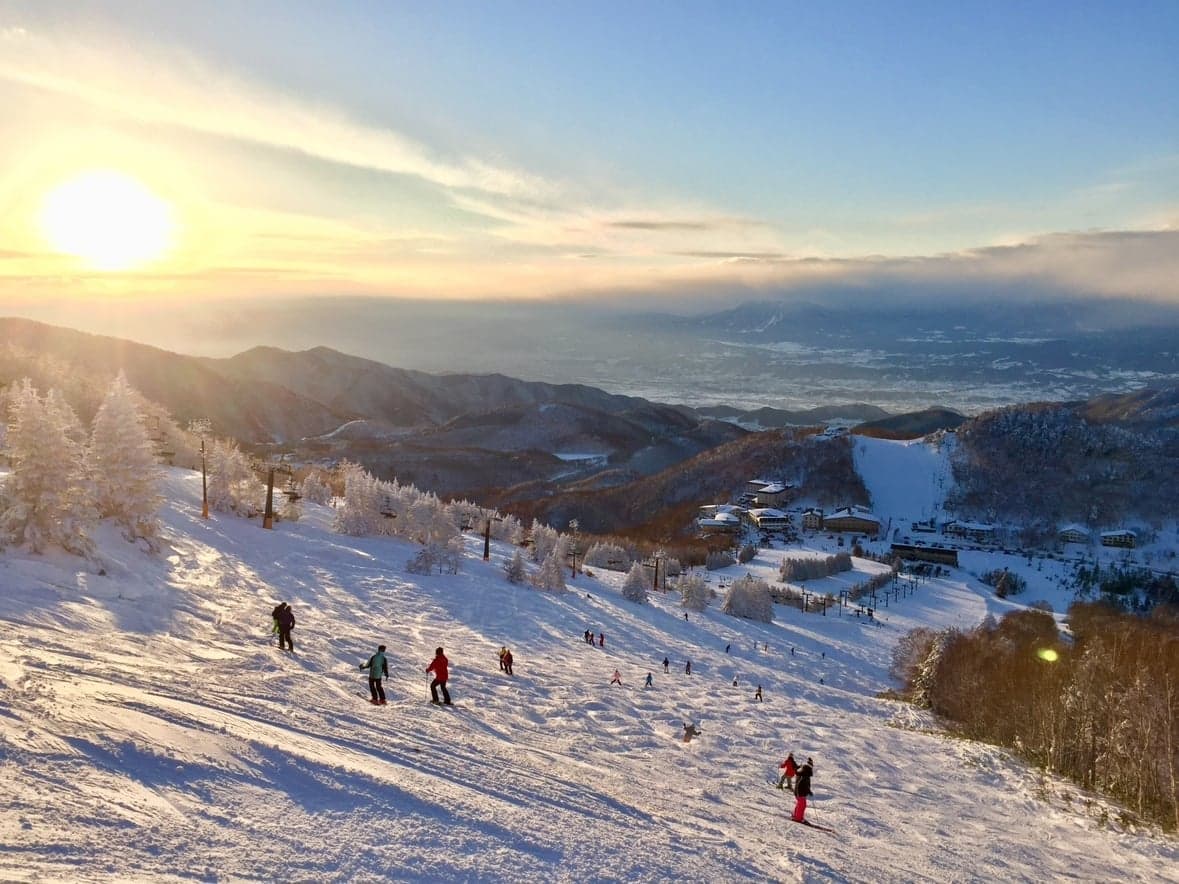
Shiga Kogen, above Jigokudani, is one of Japan's biggest ski areas, and Hakuba is the Alps resort most skiers know. Both are on our ski routes; see our Hakuba guide and Japan ski packages.
Days 7–8: Kanazawa and Shirakawa-go in the Snow
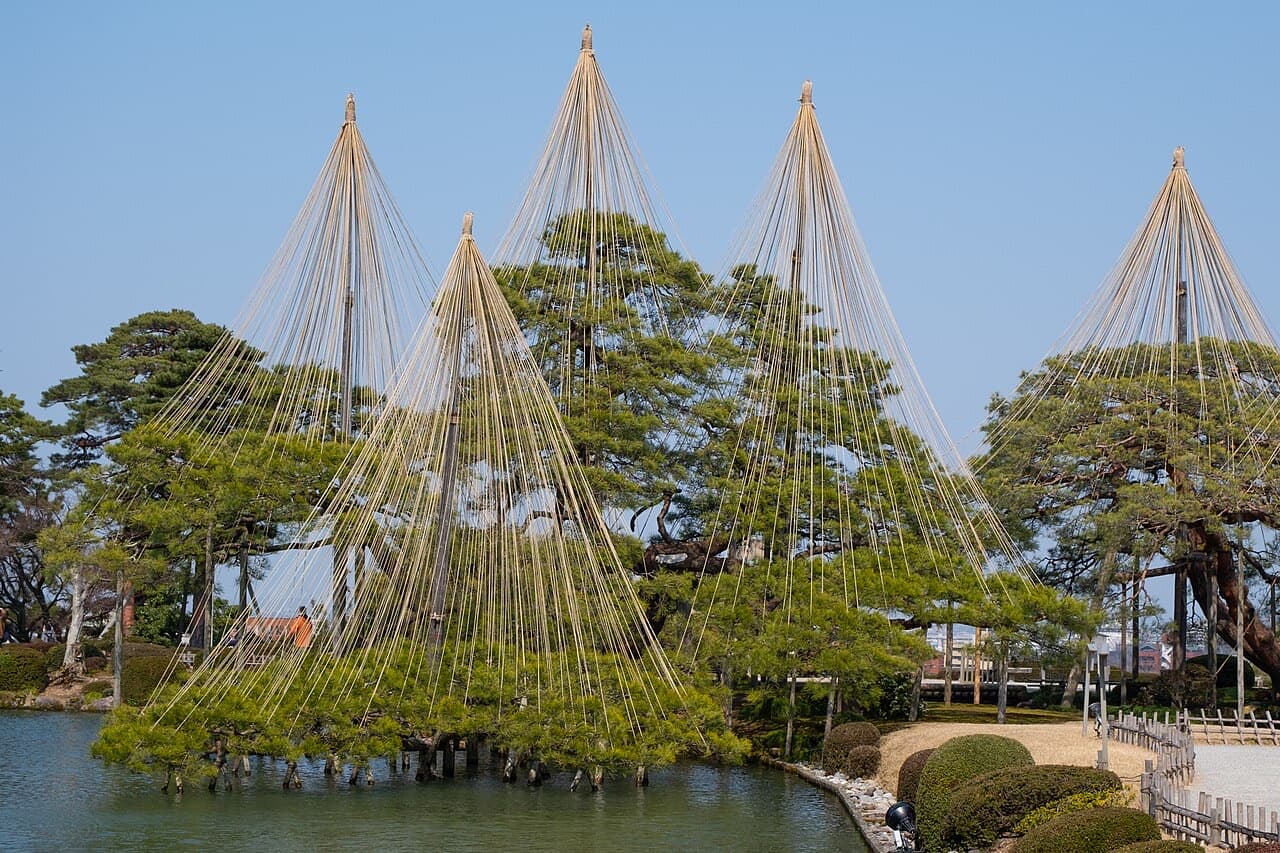
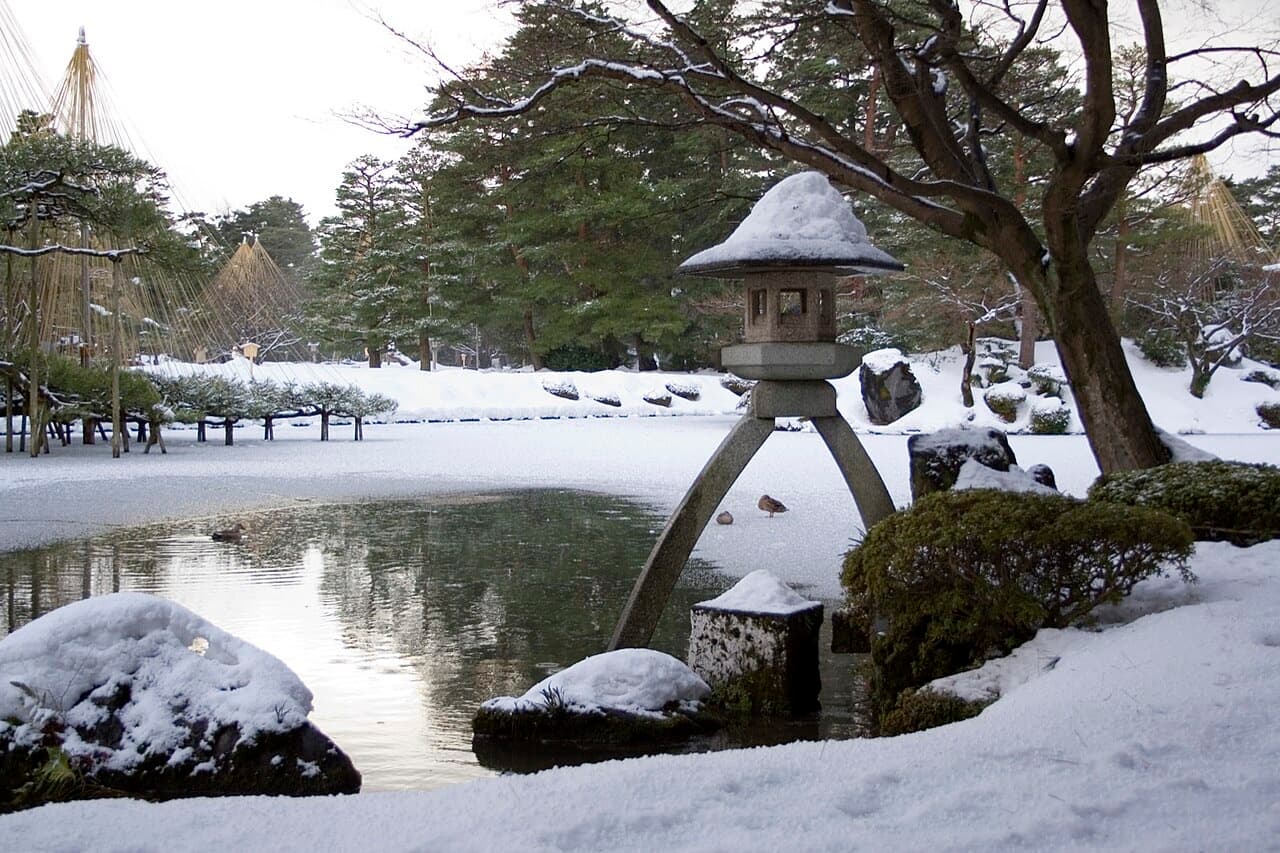
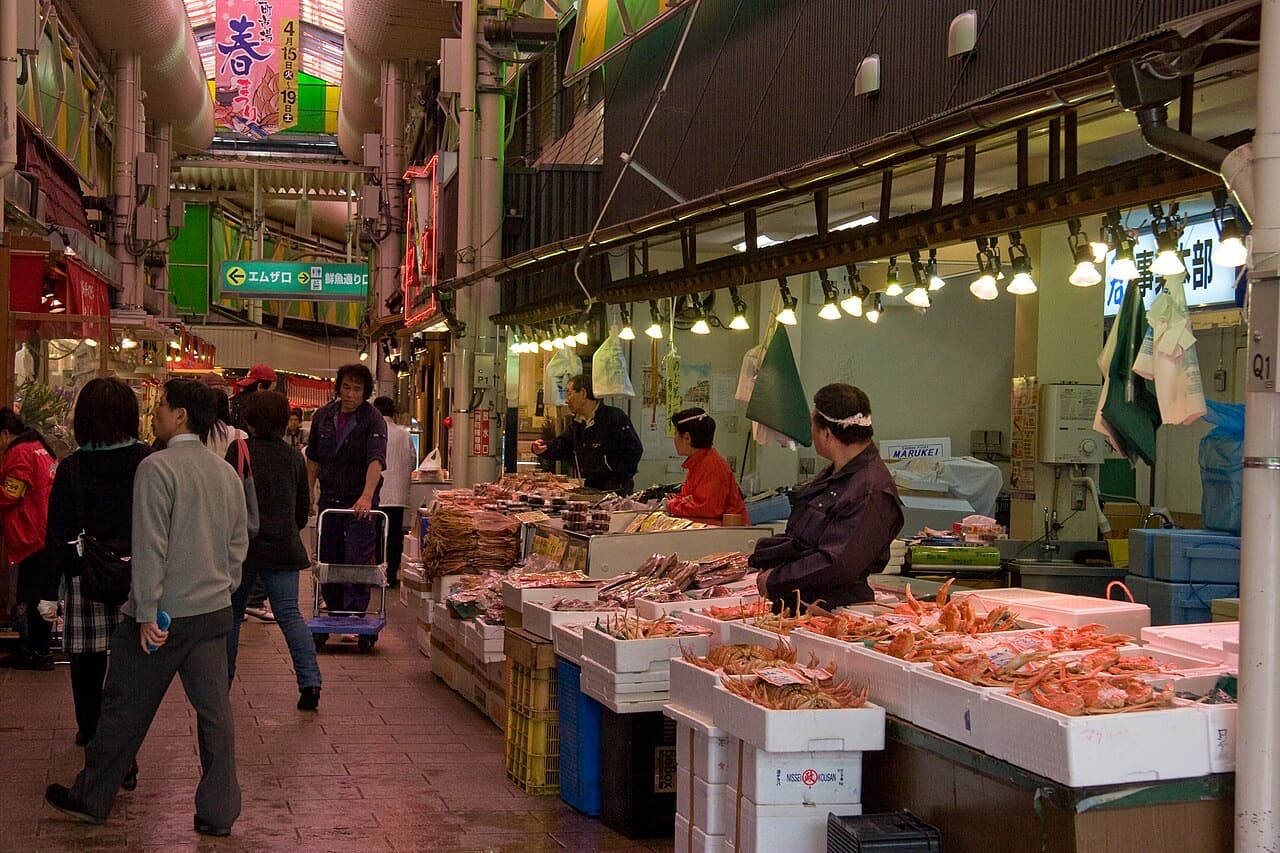
Kanazawa is a proper winter city. Kenrokuen garden, one of Japan's three great gardens, hangs its pines with yukitsuri — rope supports fanned out from a central pole that protect the branches from heavy snow — from early November, and it's the classic winter image of the city. Add the 21st Century Museum of Contemporary Art for modern art, Omicho Market for Sea of Japan crab, which is in season in winter, and the Higashi Chaya teahouse district at dusk, where locals still run small shops. Our things to do in Kanazawa guide has the prices and hours.
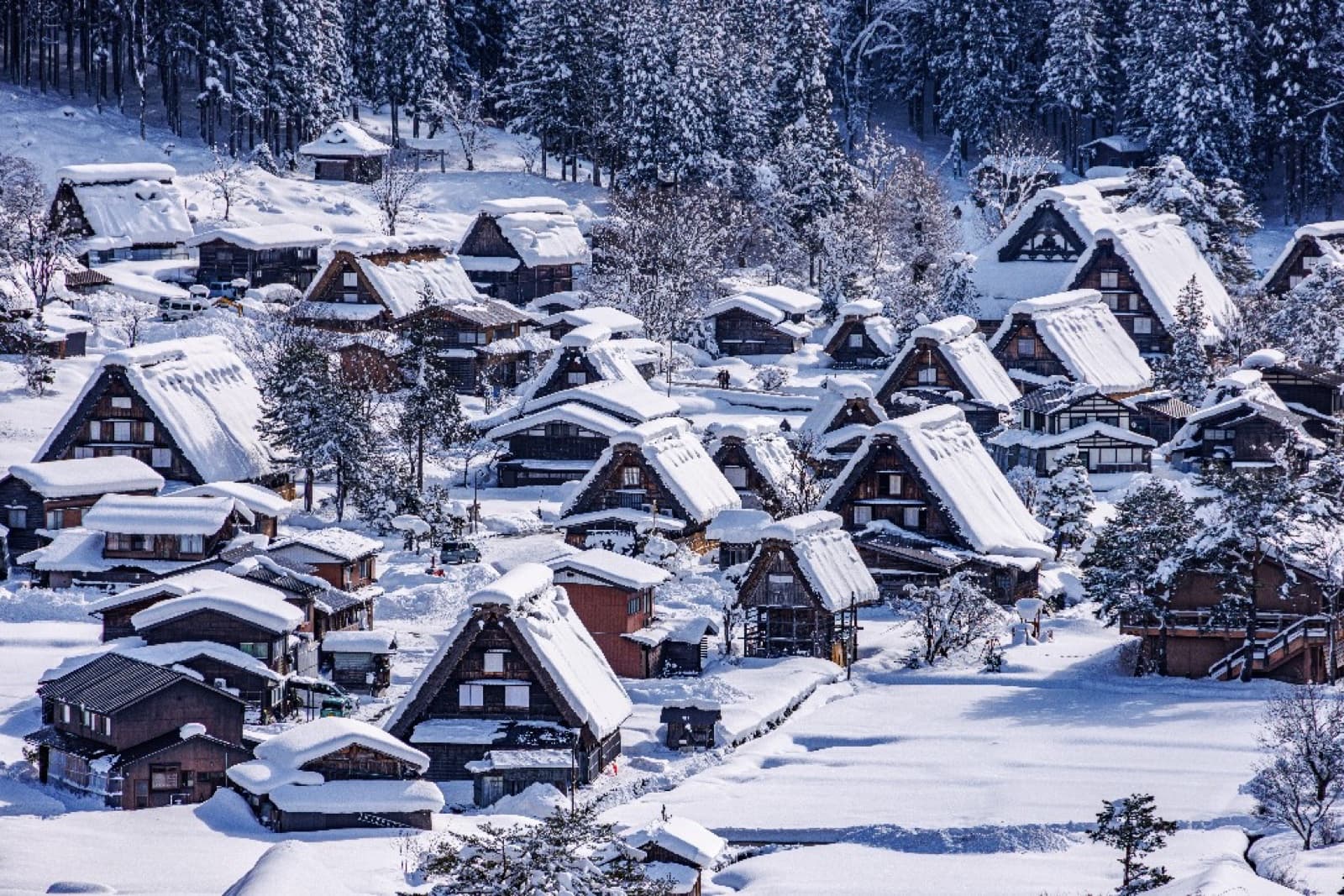
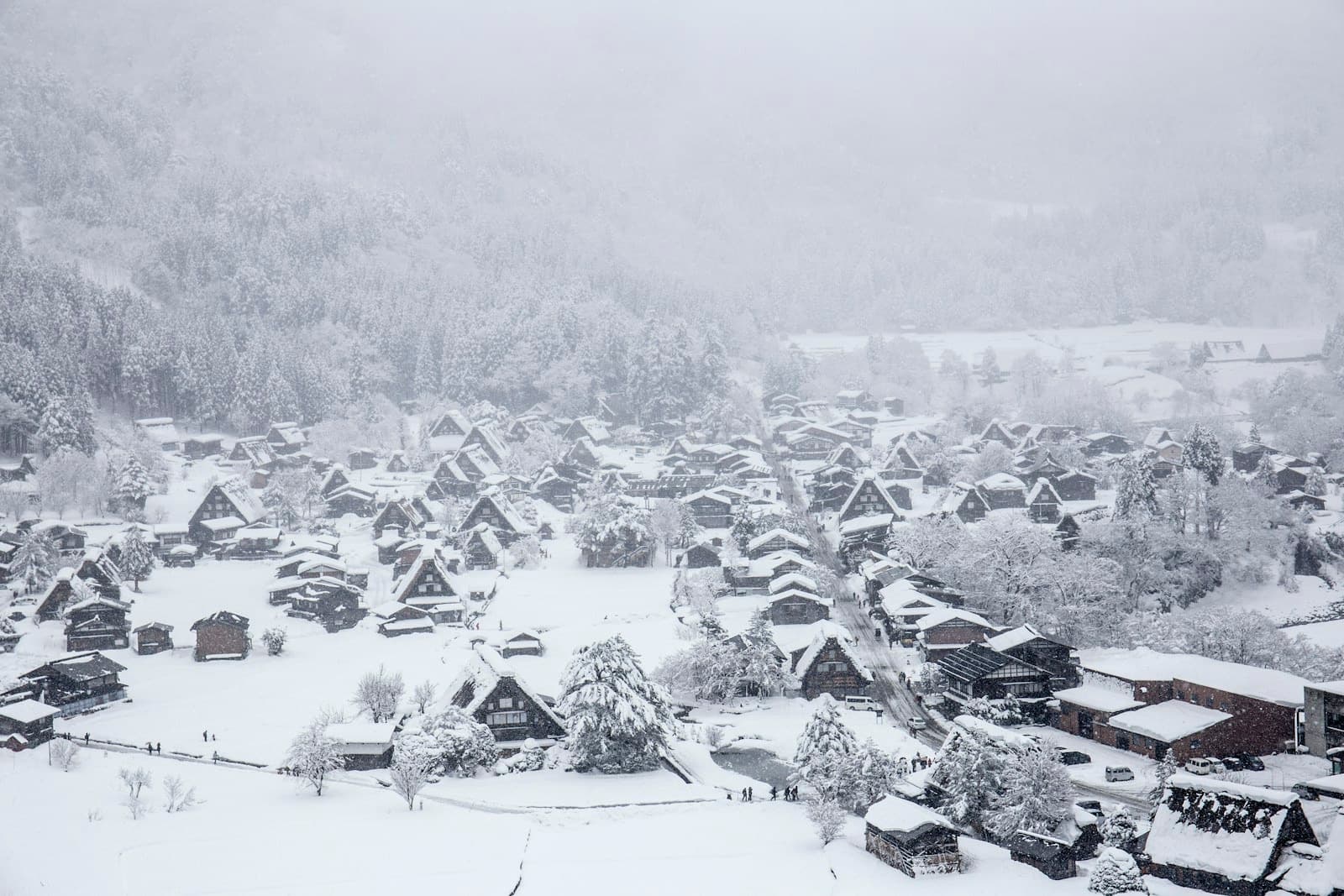
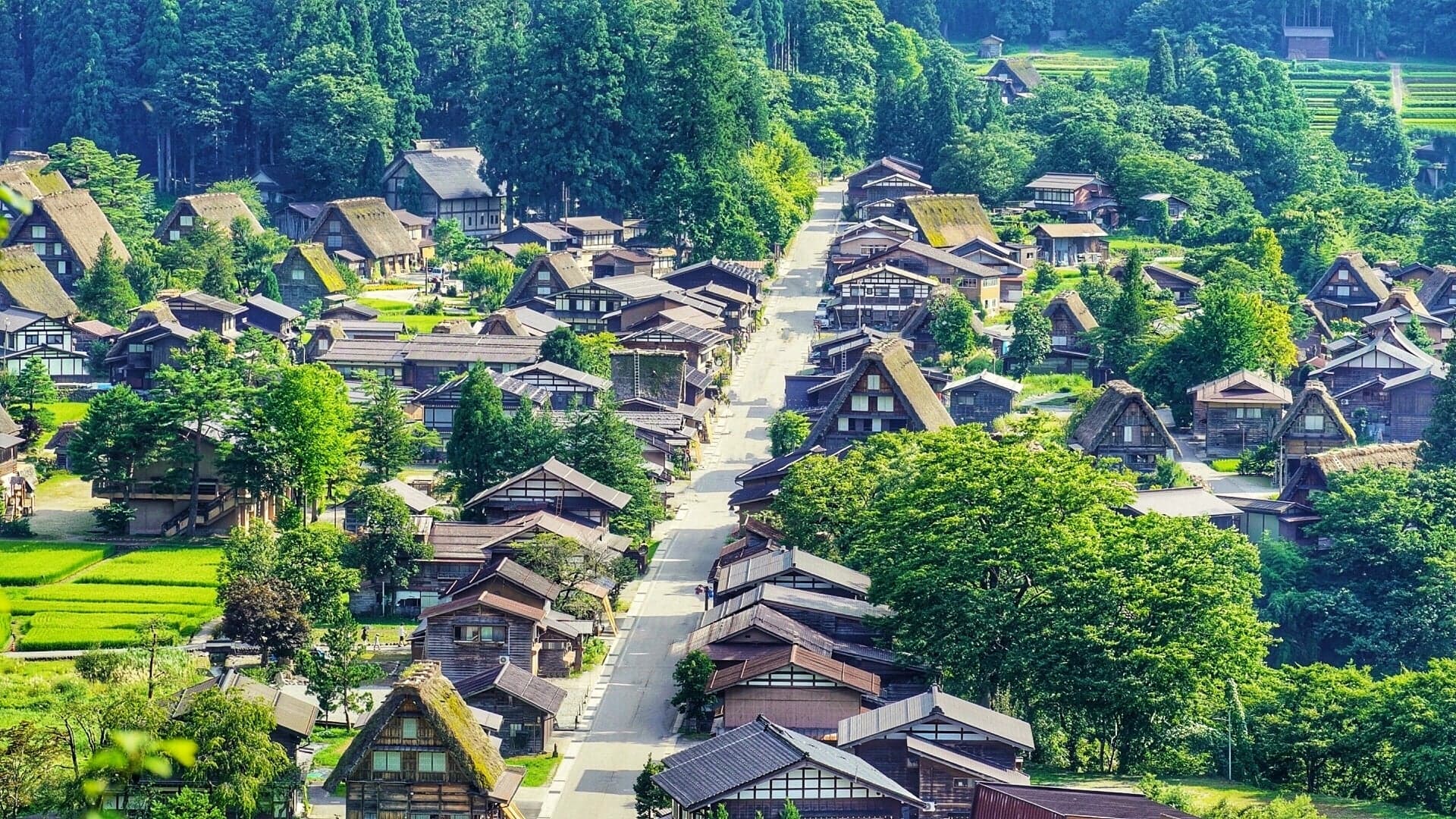
On day 8, take the highway bus from Kanazawa to Shirakawa-go: about 1 hour 15 minutes, ¥2,800 one way, and a seat reservation is required (sales open one month before the travel date). The gassho-zukuri farmhouses and their steep thatched roofs are a UNESCO World Heritage Site, and under deep snow they barely look real. Walk up to the viewpoint above the village for the classic shot, and give yourself a bit of time to relax in a cafe before the bus back.
The Shirakawa-go Winter Light-Up
For 2027 the light-up is on four evenings only — Jan 11, 17, 24 and 31, 17:30–19:30 — and entry is by advance reservation only, with no tickets on the day. To see it you need to stay overnight in the village, book a designated parking space, or join a bus plan from a bus company or travel agency. For more info, check the tourist association's official site; our Shirakawa-go guide explains each option.
From our Japan travel team
Heavy snow is normal in the mountains of Gifu and Nagano through midwinter, and buses on mountain roads can run late or be cancelled. Take trains and scheduled buses rather than a rental car, and don't plan a flight or a tight connection for the same day. Ask us and we will build some slack into your route.
Days 9–12: Kyoto Temples in the Quiet Season
From Kanazawa to Kyoto takes about two hours: the shinkansen to Tsuruga, then the Thunderbird, with a standard eight-minute transfer. Kyoto in winter is the Kyoto most people hope for: temples without shoulder-to-shoulder crowds. It's never empty, but compared with cherry blossom season or November, it's calm.
Spend a morning at Fushimi Inari, an afternoon in Arashiyama, and if snow falls overnight, go straight to Kinkaku-ji (¥500 for adults) — snow in the city is only occasional, so treat it as a bonus. Temple floors are freezing, so pack thick socks, and a moss garden under frost is worth the cold. Kyoto's local buses get slow and crowded; choose a hotel near Kyoto Station or a subway line and take the train where you can. Save day 12 for Nara, Osaka or a slow morning before your flight. See our Kyoto guide.
Adding Hokkaido: Is the Sapporo Snow Festival Worth It?
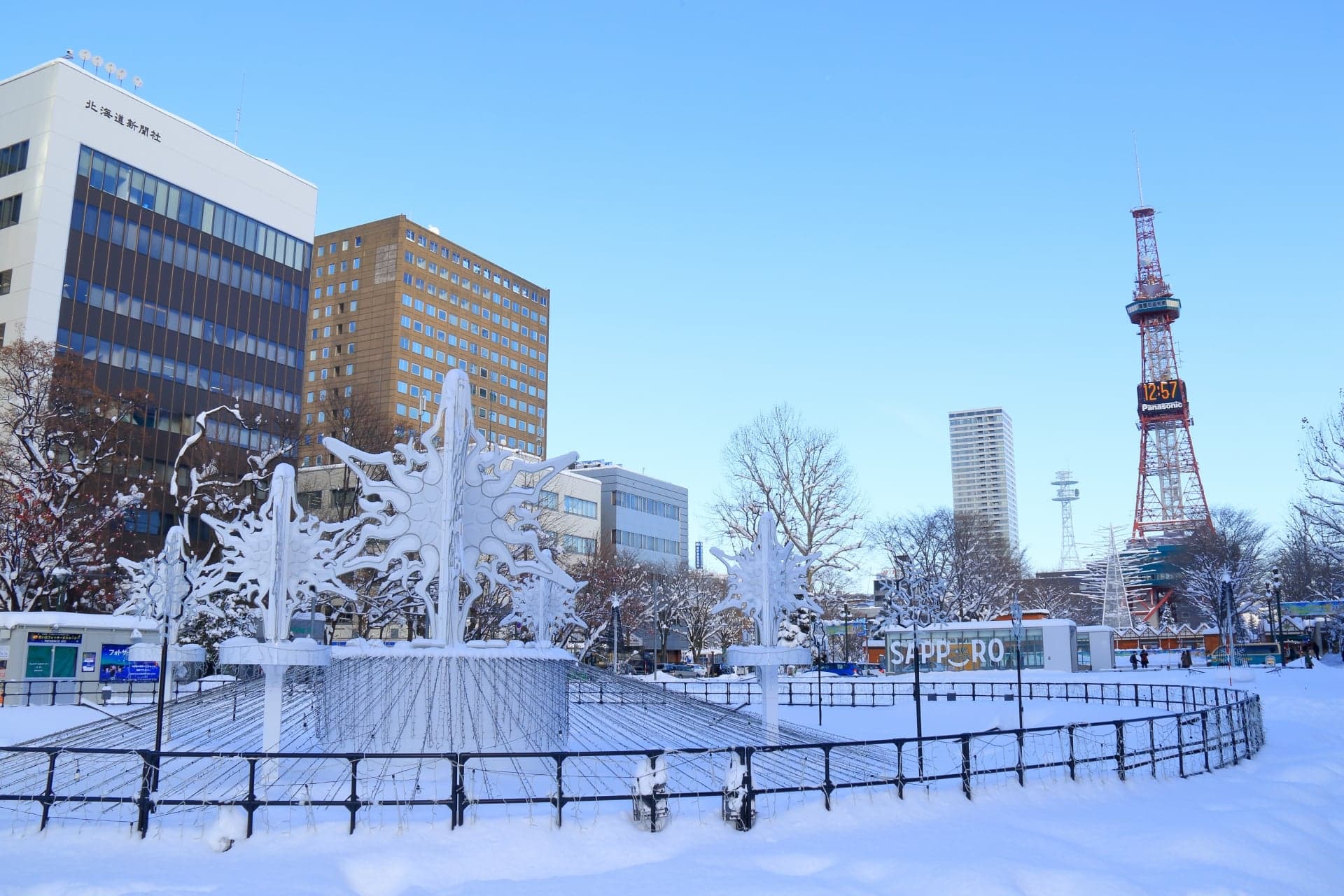
If your dates fall in early February, yes. The 77th festival, which draws visitors from around the world, runs Feb 4–11, 2027 at all three sites: huge snow sculptures along Odori Park, ice sculptures in Susukino, and snow slides at Tsudome, the family site (10:00–16:00). The organizers update the site details in mid-December.
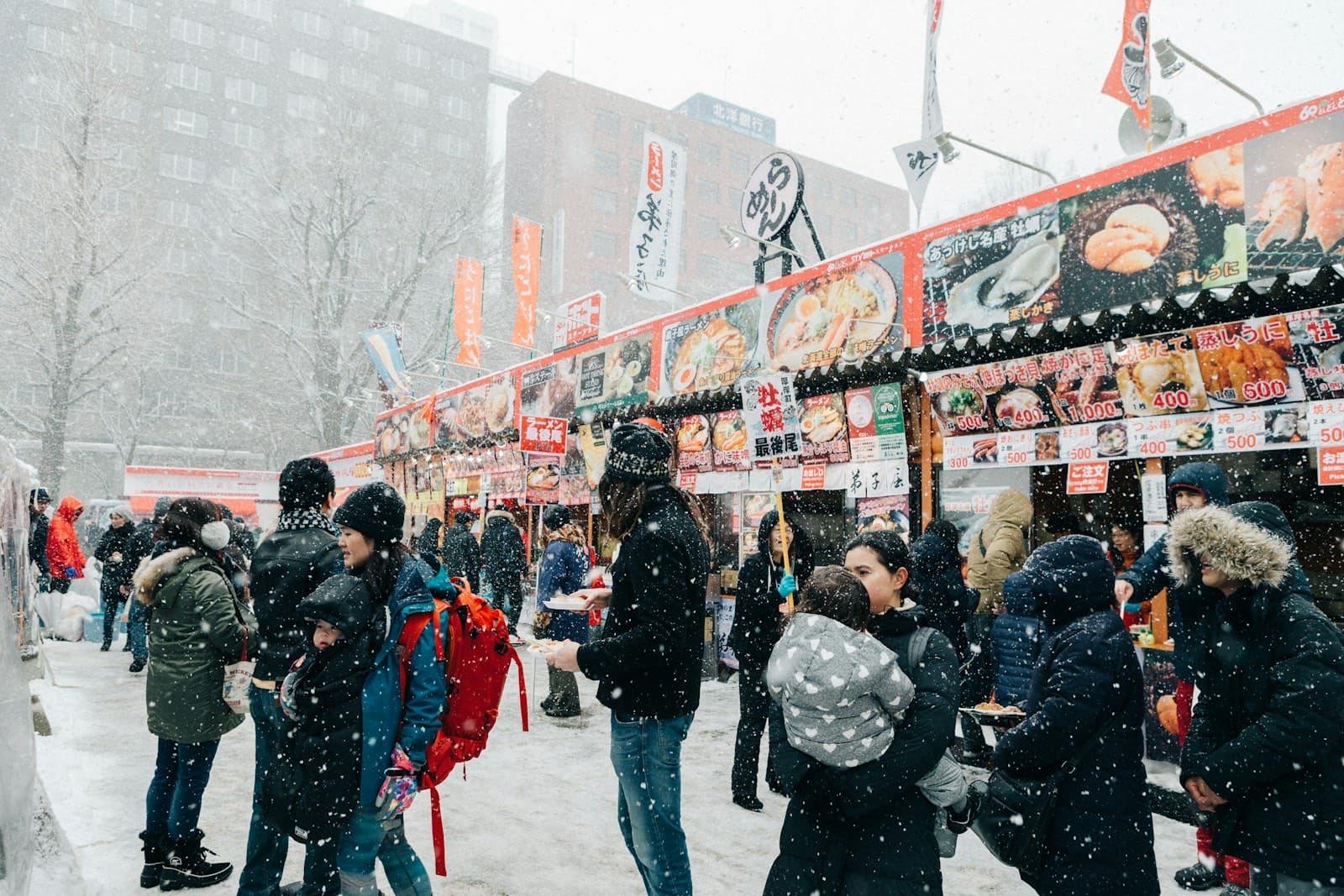
The catch is that Hokkaido is a flight from Tokyo, and rooms in Sapporo fill up well ahead of festival week. Fly up at the start of your trip, spend three nights, then fly back and carry on with the route above. Our Sapporo Snow Festival 2027 guide and Hokkaido in winter guide have the detail.
The Best Things to Do in Japan in Winter
- Watch the snow monkeys soak at Jigokudani.
- Spend a night in a Japanese inn with its own hot springs.
- Bathe in the free soto-yu at Nozawa Onsen.
- See the gassho village under snow — and, with a reservation, on a light-up night.
- Walk Sapporo's snow sculptures at night.
- Ski in Nagano or Hokkaido.
- Visit Kenrokuen in its yukitsuri ropes.
- See the snow monsters of Zao or Ginzan Onsen's lamp-lit street.
- Explore Kyoto's temples in the low winter light.
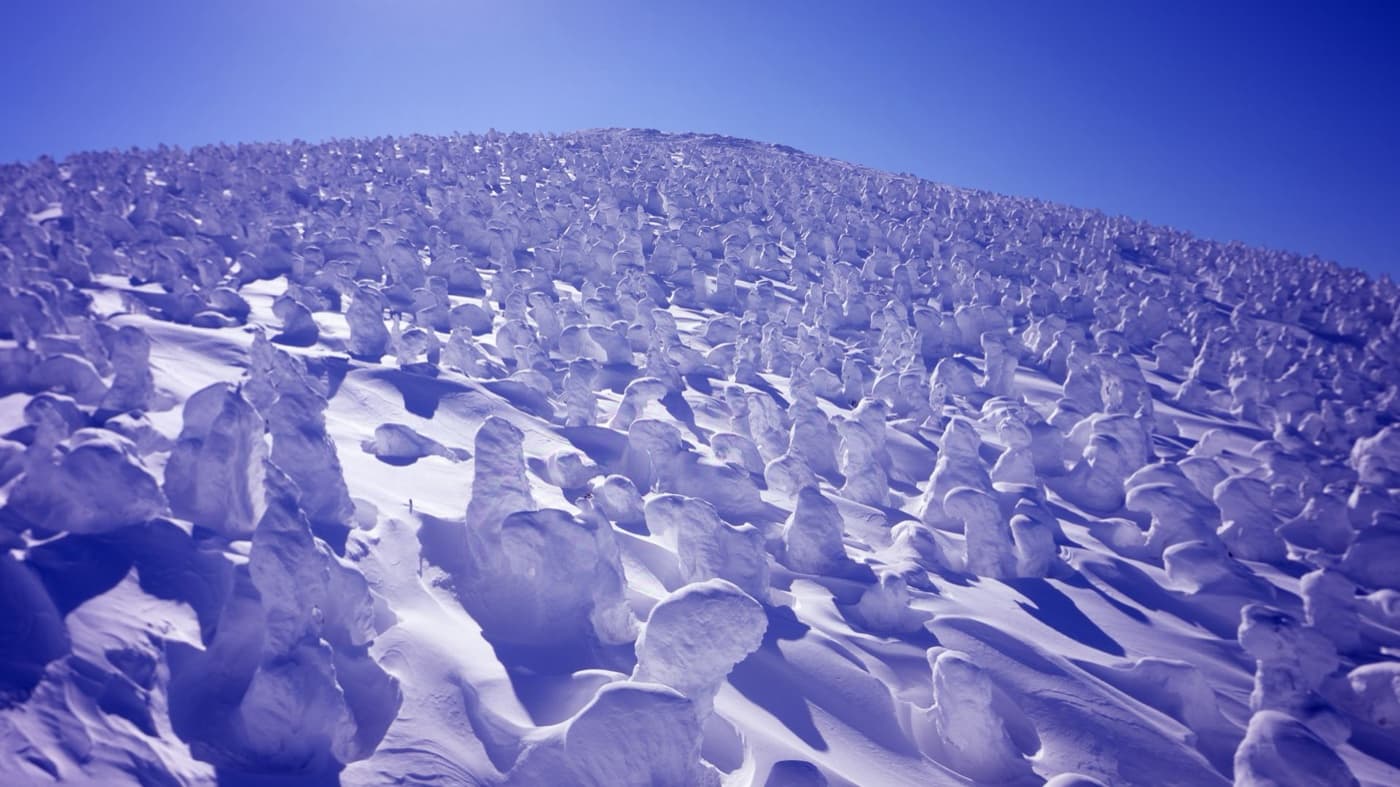
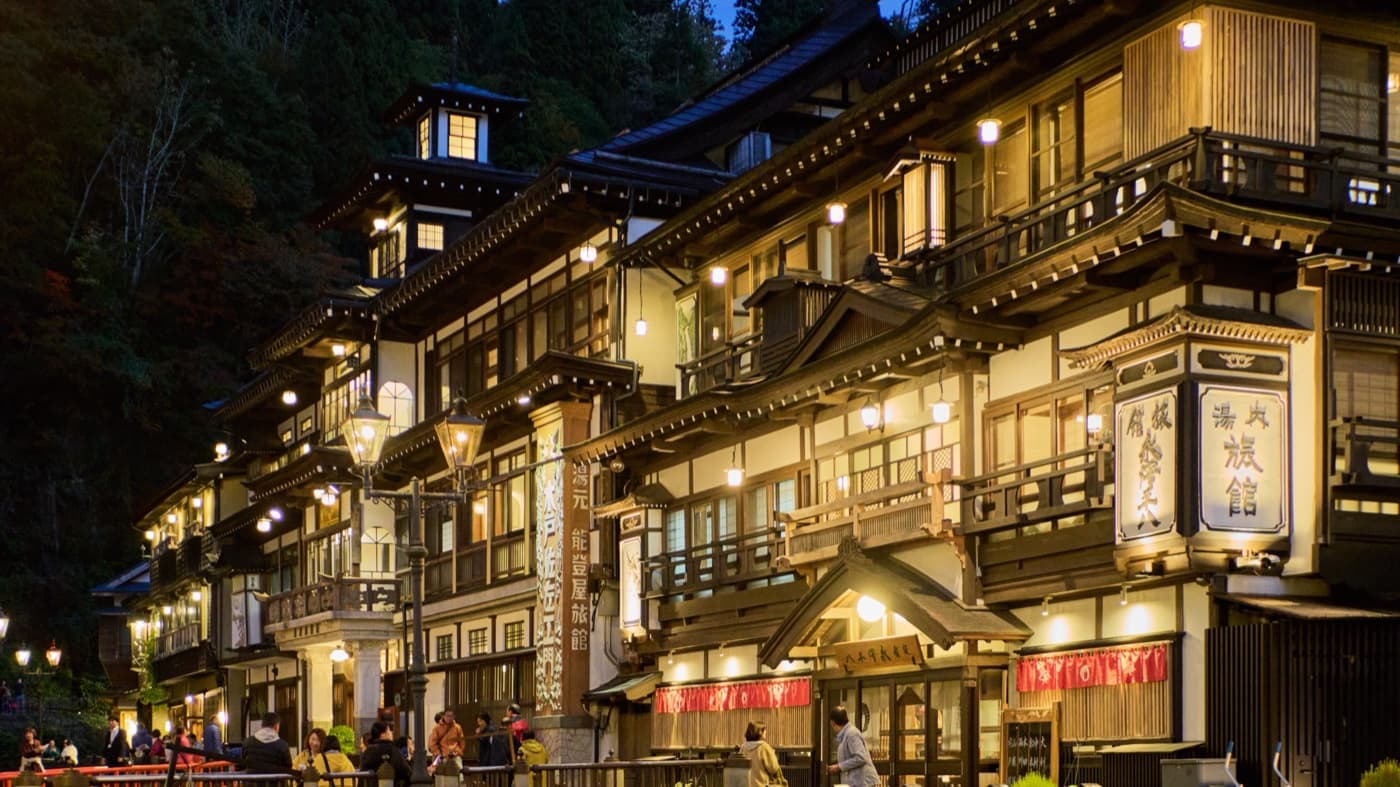
For Zao and Ginzan, see our Zao Onsen and Ginzan Onsen guides.
Practical Planning: Trains, Buses and Tools
| Leg | Time | Good to know |
|---|---|---|
| Tokyo → Nagano (Hokuriku Shinkansen) | From 1 h 17 min on the fastest Kagayaki | Covered by the Japan Rail Pass |
| Nagano Station → Snow Monkey Park (Nagaden express bus) | About 45–60 min | ¥3,000 last winter; the 2026–27 winter timetable was not yet out |
| Nagano → Iiyama (Hakutaka) | 11–12 min | Then the Nozawa Onsen Liner bus, about 25 min, ¥600 (children 7–12 ¥300), no booking |
| Kanazawa → Shirakawa-go (highway bus) | About 1 h 15 min | ¥2,800 (child ¥1,400); seat reservation required, sold from one month before |
| Kanazawa → Tsuruga → Kyoto | About 40–60 min + 52–57 min on the Thunderbird | Standard transfer time at Tsuruga is 8 minutes |
- Trains: compare a Japan Rail Pass with single tickets; for this route the pass doesn't always win. Our JR Pass guide does the sums.
- Local buses: mountain buses run on seasonal timetables, and several winter timetables are published only in December. Check the operator's site, not an old blog post.
- Google Maps: excellent for city trains and walking, less reliable for rural winter buses.
- Luggage: hotels and ryokan can forward bags, so you ride the mountain buses with just a day bag — see our luggage forwarding guide.
- Clothing: layers, gloves and waterproof boots with grip. The mountains can drop to around −10°C.
- Book early: the ryokan near the monkeys, Nozawa for January 15, Sapporo festival week, Ghibli tickets and the light-up night.
Winter Routes We Run
If you'd rather not juggle ryokan, shinkansen seats and mountain-bus reservations yourself, these of our self-guided routes cover the same winter ground — for skiers and non-skiers alike. Prices are per person and move with season and room type.
| Route | Length | From (per person) | Shape |
|---|---|---|---|
| Japan Winter Journey with Ski and Cities (SK010) | 9 days | $3,100–3,900 | Three nights in Yudanaka Onsen with dinner, a ski day at Shiga Kogen with gear rental, the snow monkeys, then Takayama and a chartered-taxi day to the thatched village. |
| Shiga Kogen with Snow Monkeys (SK006) | 11 days | $2,900–3,500 | A night near Jigokudani, then six nights at Shiga Kogen for skiers. |
| Hakuba Ski & Popular City Journey (SK009) | 13 days | $4,700–6,000 | Yudanaka Onsen, three nights skiing in Hakuba, then two nights in Kanazawa, Kyoto and Hakone. |
| Hop Through Japan’s Hot Springs & Highlights (HS002) | 14 days | $4,300–5,700 | Hakone, Kyoto and Kinosaki, two nights in Kanazawa, a night in Shirakawa-go and one in Gero, with ryokan dinners. |
| Signature Japan Experiences & Scenic Stays (EX002) | 9 days | $4,000–4,700 | Takayama and a Yudanaka Onsen night with dinner, with chartered-taxi sightseeing days. |
| Sapporo City Break & Furano Ski (HK004) | 8 days | $3,200–3,600 | Three nights in Sapporo, four in Furano; airport and hotel transfers by chartered taxi. |
| Rusutsu Ski with Sapporo & Noboribetsu Onsen (HK008) | 8 days | $2,900–5,100 | Two nights in Sapporo, an onsen night in Noboribetsu, four nights in Rusutsu. |
Interested in a tour? Click the route name above, or search by route code in the top-right Search bar.
Every route includes the trains between cities, the hotels and ryokan, luggage forwarding on the travel days, travel insurance and 24/7 support from our team in Japan. SK010 is the closest to this itinerary in nine days, with ski gear rental included and dinners at the Yudanaka ryokan. Our ski routes to Zao, Hakuba and Hokkaido are in the ski packages guide.
From our Japan travel team
Most people planning a winter trip ask us the same two things: whether they need to ski, and whether the snow will cooperate. You don't, and in midwinter it usually does. Tell us your dates and whether anyone in the group skis, and we will suggest the route and where to put the free days.
Common Mistakes on a Winter Trip to Japan
- Doing too much. Hokkaido, the Alps and Kyushu in ten days means a trip spent on the train. Pick one snow region.
- Renting a car without winter driving experience. Trains and buses cover this whole route.
- Ignoring year-end closures. Check opening days for anything you plan between December 29 and Jan 3.
- Turning up at Jigokudani on a busy day without a ticket. Buy the dated online ticket.
- Expecting snowy cities. Tokyo rarely gets much snow. If you hope to walk through it, head to the mountains.
- Carrying no cash. Small onsen, donation boxes and rural buses still need coins.
Turning This Into Your Own Trip
Start with your anchor days: January 15 in Nozawa, a Shirakawa-go light-up night, or Sapporo festival week. Then fit Tokyo and Kyoto around them. Most people who want to see a bit of everything find 12 to 14 days about right. For the wider picture of the season, see our winter in Japan guide and winter illuminations.
Winter Trip FAQ
Is Japan worth a visit in winter?
Yes, if you like snow, hot springs and quieter temples. Outside the year-end holidays, crowds are smaller than in spring or autumn, and the deep-winter months bring the macaques, thatched villages under snow and Sapporo's snow festival.
How many days do I need for a Japan winter itinerary?
Ten to 14 days covers Tokyo, Nagano, Kanazawa and Kyoto. Add three or four days for Hokkaido.
Can I visit the snow monkeys as a day trip from Tokyo?
Yes, but it's a long day: about 80 minutes by shinkansen to Nagano, 45–60 minutes by bus and a 30-minute forest walk each way. One night nearby is far more relaxing. From December 1, 2026 entry is ¥1,000 for adults, and dated online tickets go on sale three months ahead.
Do I need to ski to enjoy winter in Japan?
Not at all. The macaques, the hot-spring villages, the thatched village and Tokyo's illuminations don't need skis.
When is the Shirakawa-go light-up in 2027?
On Jan 11, 17, 24 and 31, 2027, from 17:30 to 19:30, by advance reservation only.
Will Tokyo and Kyoto have snow?
Sometimes, but don't count on it. Both cities are usually cold and clear.
Fares and hours were checked on September 29, 2026 against JR West timetables, Nagaden Bus, Jigokudani Yaen-koen, the Nozawa Onsen tourism association, Hokutetsu, the Shirakawa-go Tourist Association, the Sapporo festival office, Shinjuku Gyoen, the Tokyo National Museum, Roppongi Hills and the National Astronomical Observatory of Japan. Routes and prices are from our catalogue on the same date.
Your Winter Trip, Arranged
Our winter routes give you the ryokan, the trains and the mountain transfers, with luggage sent ahead and our team in Japan on call if the snow changes the plan. You travel at your own pace.
Related Articles
Jigokudani Monkey Park: The Honest, Practical Guide to Seeing Japan's Snow Monkeys
16 min read
Shirakawago (Shirakawa-go) Guide: Getting There, the 2027 Winter Light-Up and What to See
14 min read
Sapporo Snow Festival 2027: The Practical Self-Guided Planning Guide
14 min read