
Hakuba: A Practical Self-Guided Guide to Japan's Biggest Ski Valley
Ten linked resorts, eleven metres of snow a year, three hours from Tokyo. What each Hakuba resort is actually good for, how the lift ticket system works, and how to build the trip without a tour operator.
If you're planning a self-guided winter trip to Japan and the word Hakuba keeps popping up, here's the short version: Hakuba is a valley in Nagano Prefecture with ten linked ski resorts, roughly three hours from Tokyo, and it's one of the easiest places in the country to build a multi-day ski holiday around without a tour operator holding your hand.
This guide is written for independent travelers. You'll get the real logistics, what each Hakuba ski resort is actually good for, how the lift ticket system works, how it compares with Japan's other ski resorts, and how to slot Hakuba into a wider Japan itinerary without losing days to bad transfers. Let's get into it.
What and Where Is Hakuba?
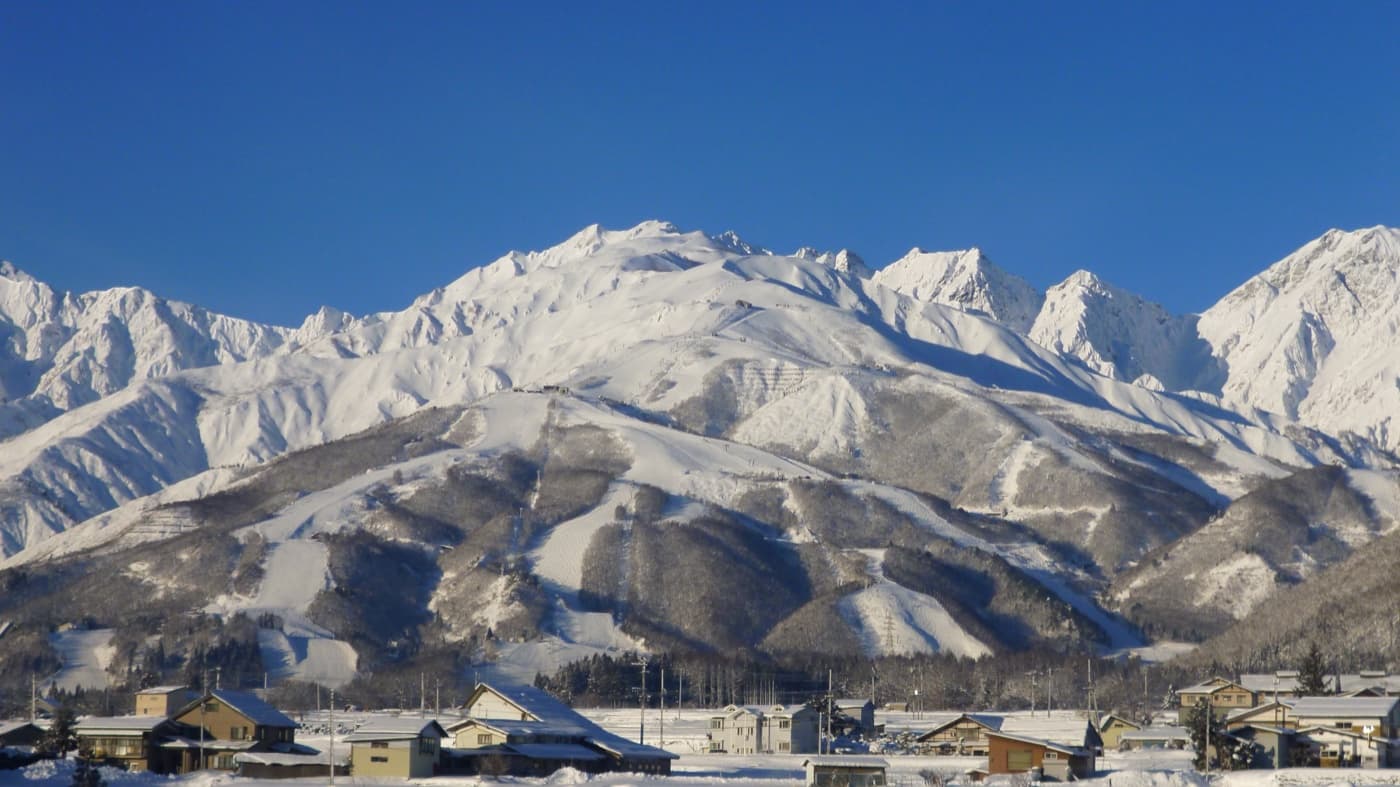
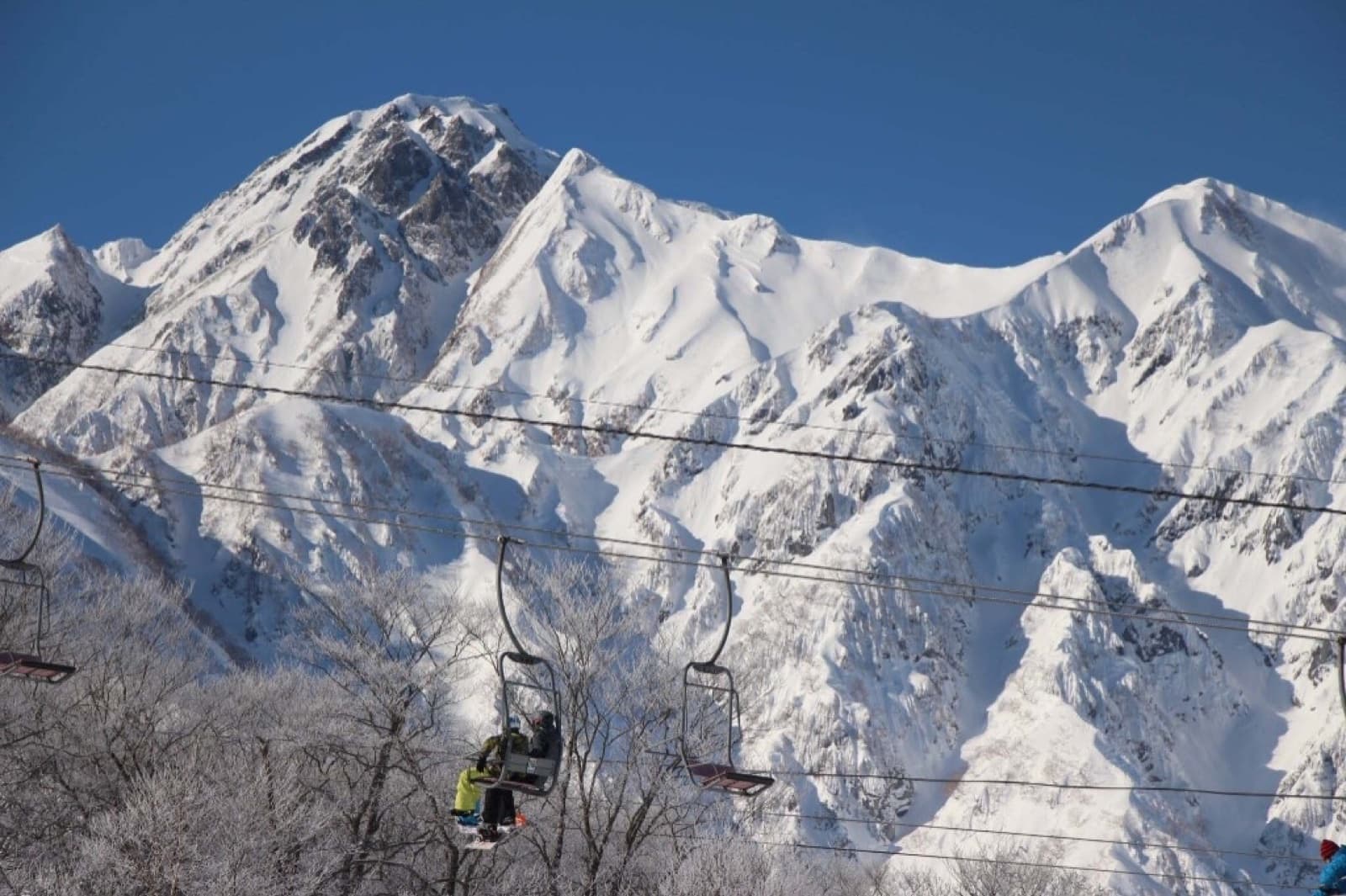
Hakuba is a mountain village and valley system in northwestern Nagano, sitting at the base of the Northern Japan Alps. It became a household name after the 1998 Nagano Winter Olympics, and it has been a magnet for international skiers and riders ever since.
Hakuba Valley features 10 resorts: Jigatake, Kashimayari, White Resort Hakuba Sanosaka, ABLE Hakuba Goryu, Hakuba 47 Winter Sports Park, Hakuba Happo-one, Hakuba Iwatake, Tsugaike Mountain Resort, Hakuba Norikura Onsen and Hakuba Cortina. Together they offer terrain for every level across more than 140 trails and some of the longest vertical skiing in Japan, served by around 100 lifts — with abundant snowfall averaging roughly 11 metres a season. It's a lot.
Why Hakuba Deserves a Slot in Your Japan Itinerary
Most travelers pick between Hakuba and Niseko. Both are great. Hakuba wins on access from Tokyo, variety across ten linked ski areas, and that Japanese Alps backdrop you'll actually remember when you're home.
The valley suits mixed groups. A single base village can put beginners on gentle greens and advanced skiers into tree runs on the same day. That flexibility is honestly rare.
Getting to Hakuba From Tokyo
The fastest route is Shinkansen plus bus: the JR Hokuriku Shinkansen from Tokyo to Nagano (77 minutes on the fastest Kagayaki, about 95 on the Hakutaka), then the Alpico express bus from Nagano to Hakuba (about 70 minutes to Hakuba; ¥2,900 to Hakuba Happo or Goryu and ¥3,200 to Tsugaike on the current fare table — the winter timetable and fares are published closer to the season). The bus calls at Hakuba Station and directly at the base of several resorts.
When you arrive in Nagano, follow the signs to the East Exit, Bus Stop No. 26. That's the one to remember — miss it and you're on the wrong side of the station. (Stop 23, two bays over, is the Snow Monkey Park express — more on combining the two below.)
Arriving from Shinjuku early in the morning? There's a direct Azusa limited express once a day from Shinjuku Station to Hakuba — a very pleasant ride, and it can be quicker and cheaper than going via Nagano. Weighing a rail pass for the whole route? Start with our JR Pass breakdown.
Traveling with gear? Use Takkyubin "Black Cat" luggage delivery to send skis or boards directly to your Hakuba accommodation — service desks at all major airports and cities. It's a lifesaver on the Shinkansen.
Hakuba Valley Resorts: The 10 at a Glance
The valley is genuinely varied — tiny family hills at the southern end, big-mountain terrain up north. Southern end: Jigatake, Kashimayari, Sanosaka. Central: Goryu, Hakuba 47, Happo-one, Iwatake. Northern end: Tsugaike, Norikura, Cortina. For most visitors, Happo, Wadano and Echoland are the most convenient bases — first-timers without a car should pick one of those.
Happo-one: The Flagship
Happo-one (pronounced Hap-poh-oh-nay) is an expansive resort near the centre of the valley and the closest to Hakuba Station, with around 16 courses and 19 lifts offering options for all levels as well as good backcountry access. This is the mountain from the 1998 Olympics — it hosted the men's downhill and super giant slalom, with the ski jumping and nordic combined events held at dedicated venues nearby in the valley — and it has hosted World Cup racing since. Its high elevation and vertical rise make it one of the steepest, longest fall-line mountains in Japan.
Happo-one is Hakuba's most iconic and challenging resort, offering the steepest vertical drop in the valley and long, continuous runs. It's a favourite among strong intermediate and advanced skiers: the terrain rewards confident riders with sustained, demanding descents.
The base area is less beginner-friendly, but confident riders get sustained, demanding descents, plus a lively village with restaurants and nightlife at the bottom. If long, perfectly groomed runs with a fantastic fall line are your thing, start here.
Goryu + Hakuba 47: The All-Rounder Combo
These two connect on-hill and share a lift ticket, which basically doubles your terrain. Because the resorts are connected, Goryu and Hakuba 47 provide a whole day of family fun — beginner to advanced runs, groomed daily, with plenty of variety between them.
Goryu has three areas of alpine skiing — Alps-daira, Toomi and Iimori — with 15 courses in total. Toomi and Iimori are ideal for beginners, kids and families, while Alps-daira stays open late into spring, often until the end of Golden Week, with incredible snow quality and panoramic views of the North Alps. The gondola gets you up fast.
Hakuba 47, meanwhile, is where the park crowd goes. For those looking to catch some air, Hakuba 47 Snow Park is easily the valley's best terrain park — a must-visit for park skiers and snowboarders.
Tsugaike: Beginners on the Bottom, Trees Up Top
The valley's largest, most expansive field: gentle slopes and wide runs at the base that are perfect for beginners, families and little ones at the Kids Park — and up top the TSUGA POW DBD, an ungroomed zone reserved for those who've taken the proper briefing. With backcountry options and terrain for everyone from first-timers to experts, there's something for every level here.
The tree skiing is a genuine draw. Tsugaike's DBD area is lauded for some of Hakuba's best lift-accessible powder tree skiing — big drops, steep terrain and tight tree runs for those who live for fresh tracks and deep powder.
You can't roll straight into the trees, though: DBD access requires a safety briefing, a signed disclaimer and an armband, arranged at the designated registration point near the top lift station — do it first thing on a powder morning, and confirm the current sign-up location when you arrive.
Cortina: Powder Days Without the Chaos
Cortina sits at the northern end and is known for its powder tree runs. The resort is shaped like a bowl and therefore catches a lot of powder when there is snowfall — the highest annual accumulation records in the valley are here. Because tree runs are the predominant offering, Cortina suits strong intermediate to advanced skiers and snowboarders best.
The attraction isn't only the mountain: the ski-in ski-out Hotel Green Plaza Hakuba, with 253 rooms and onsen facilities, is the largest in the area and anchors the base. If deep powder is the whole reason you're going, stay a night or two here rather than day-tripping — the pre-dawn shuttle from Happo is fine but eats time.
Iwatake: Views, Cafés, and a Chill Vibe
The sightseeing star — worth visiting for the 360° panorama of the Hakuba mountain range alone. While smaller than the valley's majors, Iwatake offers fun side hits, rolling runs and a relaxed overall vibe, and the summit area's cafés and viewing platforms make it popular with skiers and non-skiers alike. It's ideal for riders who value scenery, atmosphere and social spaces over steep, technical terrain. Bring your non-skiing partner; they'll actually enjoy the day.
Kashimayari: The Family Debut Hill
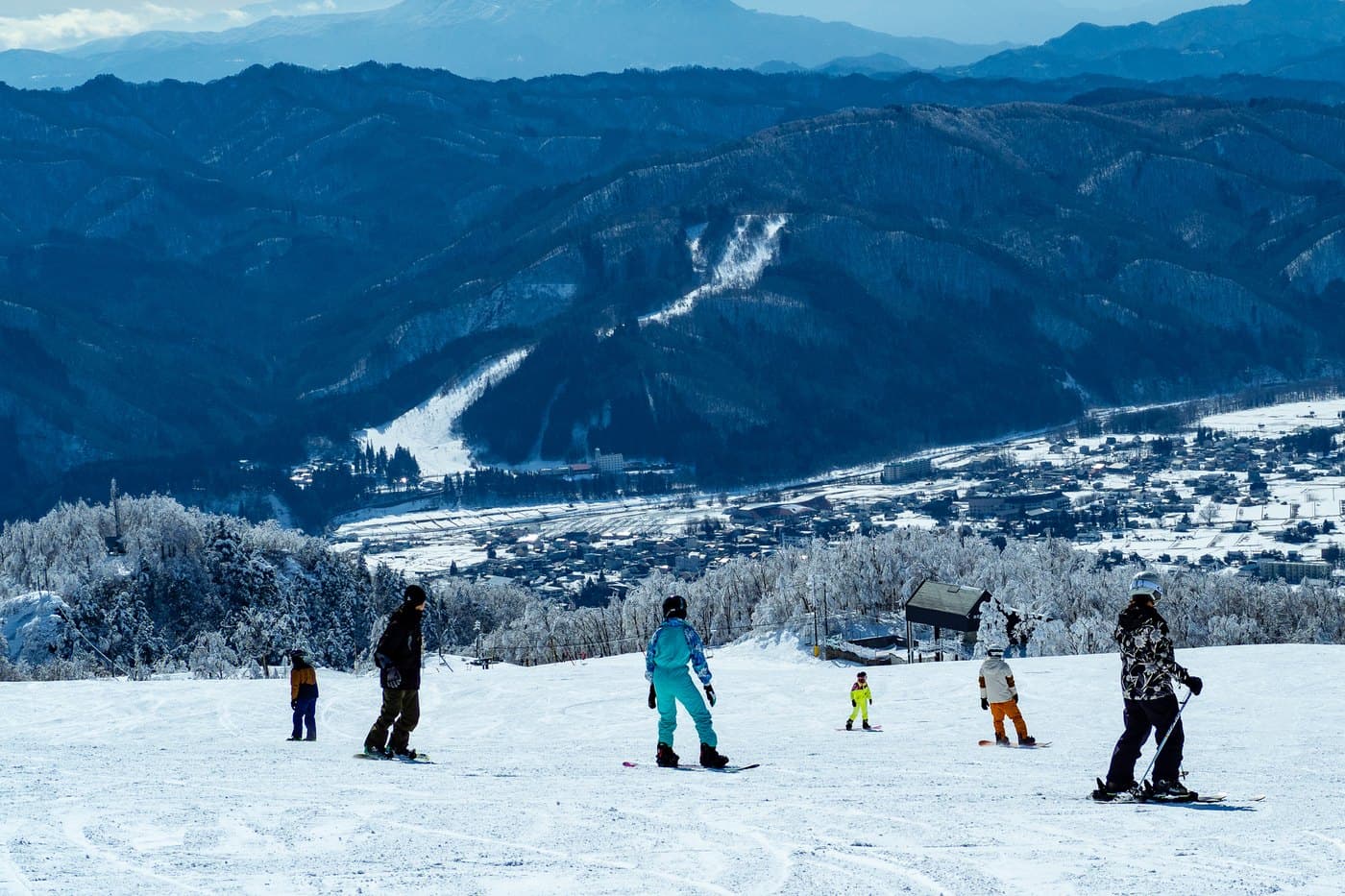
At the southern end, broad gentle slopes built for first-timers, and there's a Pokemon-themed snow park with a 150 m tubing run and a snow escalator. Kids lose their minds. It's great. It's also one of the easiest places in the valley to dodge the Happo-one crowds, with a distinctly Japanese feel that caters primarily to the local ski community.
Sanosaka and Jigatake: Quiet Alternatives
Want to duck the crowds? Look south. Sanosaka offers stunning views of Lake Aoki and suits beginner and intermediate skiers and riders — generally less crowded than the more central areas, which makes it a great place to improve your skills, and it's even dog-friendly: you can bring your furry friend on the slopes. Jigatake, the southernmost ski area of the ten, is smaller again — gentle, local and quiet, and the one resort the Hakuba Valley pass doesn't open the gates at. Neither will blow your mind on terrain; both are worth a half-day if you've got a week.
Lift Ticket Strategy: Valley Pass, Epic Pass, or Single Resort?
This is where planning matters — getting it wrong costs real money.
🎿 The three options (2026–27 prices)
- Hakuba Valley ticket — ¥11,100/day (¥53,400 for 5 days): one card for all 10 resorts, plus free rides on the valley shuttle on the days you ski. On sale on the Hakuba Valley web shop from around November.
- Epic Pass holders: 5 consecutive complimentary days at all 10 resorts. Bring the physical card + photo ID and redeem at a ticket window — the My Epic mobile pass does not scan at Hakuba gates, and night skiing isn't included.
- Single-resort day tickets: skiing 1–2 days from one base? Happo-one (¥9,800 in high season), Tsugaike (¥9,800), Goryu with Hakuba47 (¥10,000, cheaper online) and Iwatake (¥7,500) are all cheaper than the valley ticket; Cortina and Norikura sell a shared ¥6,500 ticket.
Prices are up this winter: the valley ticket was ¥10,400 last season, Tsugaike ¥8,200 and Happo-one ¥8,700. Tsugaike has also cancelled night skiing for 2026–27. The all-mountain season pass went on sale on 14 July 2026, with a new youth band for ages 13–18.
Getting Around the Valley
The Hakuba Valley shuttle bus network connects all 10 resorts. It's free with a valid All-Mountain Day Pass; without one, expect a small per-ride fare (around ¥500). Buses get crowded on powder mornings — build in buffer. Most hotels also run their own pick-ups to the nearest base.
Lessons: Group vs Private
English instruction is easy to find here, which is not always true elsewhere in Japan — schools across the valley teach in English, and English-language childcare is available at Happo-one, Goryu, Cortina and other bases.
Group lessons work well for solo travelers and confident beginners on a budget. Private lessons are the move if you're on a tight itinerary, mixed abilities are in play, or you want your kids progressing fast — book well ahead of peak weeks, they sell out. For advanced skiers wanting off-piste guidance, a private with a backcountry-qualified instructor is honestly the best value in the valley: local knowledge, safe zones, no wasted time.
Season and Timing
Slopes open in late November and run until the beginning of May at higher elevations. January and February are peak powder; the year-end holidays and Chinese New Year are the busiest weeks. Early December and mid-March are the sweet spots for value and fewer crowds, and late season into Golden Week still skis well up high at Alps-daira and Tsugaike. The wider season picture is in our Japan ski season 2026–27 guide.
Winter vs Green Season
Most people think Hakuba equals winter. The green season is honestly under-rated: spring and summer bring a load of other activities — hiking, mountain biking, paragliding — under endless blue skies and crisp mountain air, and the valley has trails and rides for every level.
Lake Aoki, the largest of Hakuba's three Nishina lakes, is known for calm, clear water — perfect for paddleboarding, kayaking and firefly viewing. If you're building a longer Japan trip, a summer visit stacks nicely with hiking in the North Alps and a night in a traditional ryokan with hot springs.
Onsen and Après
Off the slopes, the valley runs deep: dozens of izakaya, a genuinely lively après scene, and natural hot springs everywhere. Norikura and Cortina have onsen on-site; Happo village has several public bathhouses within walking distance of most accommodation. An onsen soak after a full ski day, surrounded by the North Alps, is one of those "I get why people come back every year" moments. First time? Two minutes with our onsen etiquette guide and you're set.
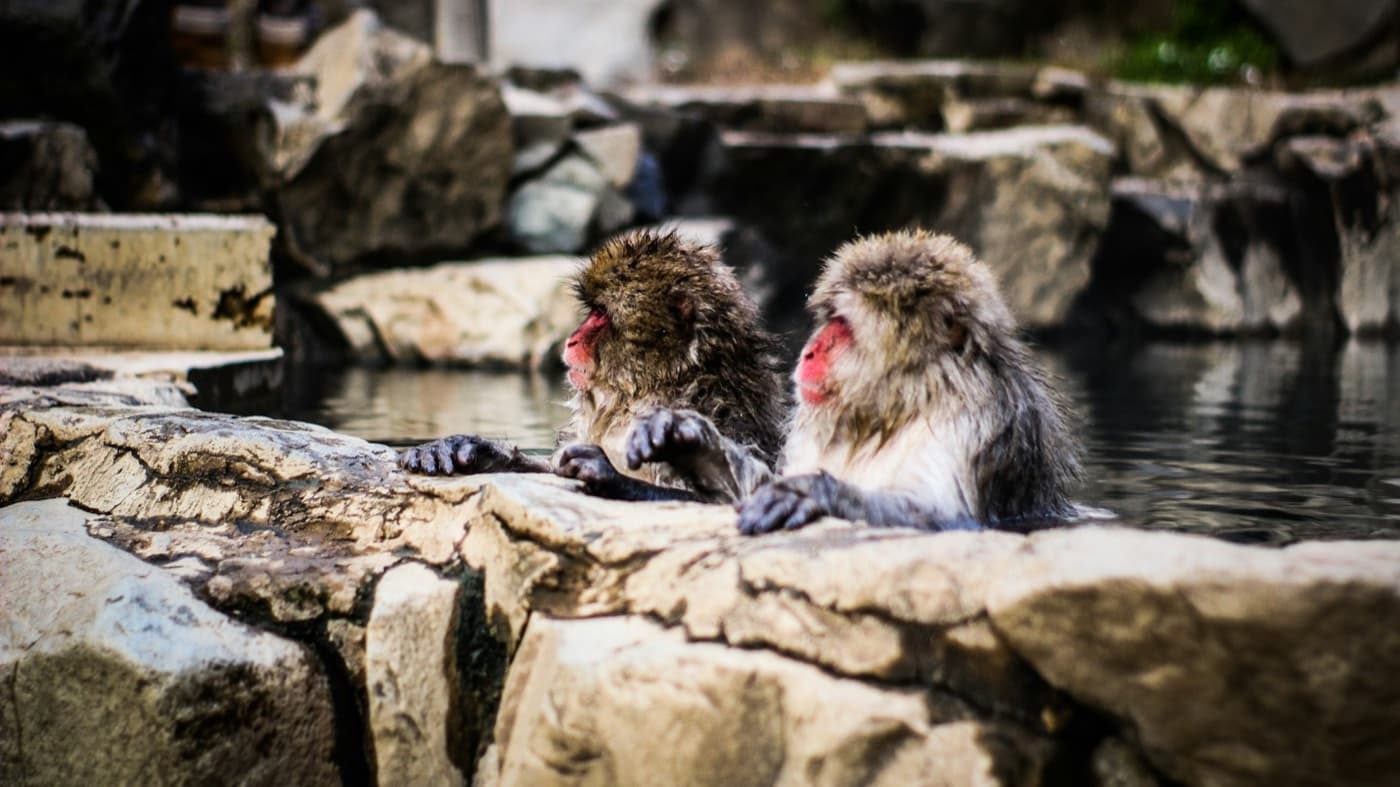
And the classic pairing: Hakuba sits 90 minutes from the Jigokudani snow monkeys via Nagano — several of our self-guided ski tours combine the two, and it's the best rest-day excursion in the region.
A Sample 5-Day Self-Guided Itinerary
Day 1 — Tokyo → Hakuba
Shinkansen and bus. Check into Wadano or Happo village. Walk Echoland for dinner and a first onsen.
Day 2 — Happo-one
Warm up on Sakka and the Skyline courses. Long groomers, stunning views.
Day 3 — Goryu + Hakuba 47
Full day riding the connection between the two. Terrain park optional.
Day 4 — Tsugaike
Morning gondola for the tree zones (DBD briefing first). Afternoon at the base for less confident group members.
Day 5 — Cortina or Iwatake
If it dumped overnight: Cortina. If it's bluebird: Iwatake for the panorama, café stops and mellow trees.
Common Mistakes Travelers Make
- Buying a 5-day valley pass for three ski days. Do the math first.
- Basing in Tsugaike or Cortina and expecting Happo nightlife. The shuttles don't run late enough.
- Forgetting the physical Epic Pass card. Mobile passes don't scan at Hakuba gates.
- Booking accommodation without checking the shuttle stop distance. Some pensions are a solid uphill trudge in ski boots.
- Skipping onsen. Don't.
💬 From our Japan travel team
Hakuba is the ski destination we book most for travellers who also want the rest of Japan. The same trip carries Tokyo, the snow monkeys and the Golden Route without a single backtrack — and because our self-guided ski tours bundle the rail legs, hotels and ski-luggage delivery, the only thing you queue for is the gondola. Peak-week accommodation sells out by late autumn, so if January is your window, start now.
Planning a ski trip to Hakuba and not sure how to fit it around Tokyo or Kyoto? Get in touch through Plan My Trip on our self-guided tours site, and we'll suggest the tours that best fit your dates and plans.
FAQ: Hakuba
Is Hakuba good for beginners?
Yes. Kashimayari, Sanosaka and the lower slopes of Tsugaike are excellent for beginners and small children, and group or private lessons in English are widely available.
How many days do I need in Hakuba?
Three days minimum to justify the trip from Tokyo. Five is the sweet spot for exploring multiple resorts on a valley pass. Seven if you're chasing powder days.
Is Hakuba better than Niseko?
Different, not better. Hakuba has bigger mountains, steeper terrain and easier Tokyo access; Niseko has more consistent light powder and a more built-out international village. If you value variety and the Alps backdrop, choose Hakuba.
Can I use my Epic Pass at Hakuba?
Yes — 5 consecutive days at all 10 resorts — but you must redeem the physical card with photo ID at a ticket window. The My Epic mobile pass doesn't work at the lift gates, and night skiing isn't included.
How do I get to Hakuba from Tokyo?
Hokuriku Shinkansen to Nagano (77–95 minutes), then the Alpico express bus from the East Exit, Bus Stop 26 — about 70 minutes, ¥2,900 to Hakuba Happo on the current fare table. Or the once-daily direct Azusa limited express from Shinjuku (8:00 to 11:40 in the October timetable).
Do I need to rent a car?
No. Shuttle buses connect all ten resorts and most hotels run pick-ups. A car helps if you're basing in Tsugaike or Cortina and want flexibility, but it's not required.
Can non-skiers enjoy Hakuba?
Absolutely. Iwatake's gondola and the Hakuba Mountain Harbor viewpoint, snowshoe tours, onsen villages and cafés give non-skiing guests a real day out — and the snow monkeys are a rest-day trip away.
When does the season run?
Late November or early December through late March at most resorts, with higher areas like Goryu's Alps-daira and Tsugaike holding on until Golden Week in early May.
Build Your Hakuba Winter, Self-Guided
Hakuba plus Tokyo, the snow monkeys, and maybe Kyoto on the back end — that's exactly the kind of route selfguidejapan.com builds. Our self-guided ski tours handle the trains, hotels, transfers and ski-luggage delivery, with 24-hour support while you're on the road. You choose the resorts and the pace.
Resort roster, common-gate coverage and shuttle rules per Hakuba Valley official information; 2026–27 Hakuba Valley ticket and single-resort prices checked on each resort's site on October 3, 2026. Epic Pass terms per Vail Resorts / Hakuba Valley (physical card required; mobile pass not accepted; night skiing excluded). Access times per JR East's October 2026 timetable; bus fares per Alpico's current fare table (¥2,900–3,200 one way; winter fares not yet published). 1998 Olympic events per Nagano 1998 records. Confirm current prices, timetables and DBD registration details before travel. Hero photo: Wikimedia Commons (public domain). Last updated: October 3, 2026.
Related Articles
Zao Onsen: How to Plan a Real Trip to Japan's Snow Monster Mountain
12 min read
Japan Ski Season 2026-27: A Practical Niseko & Hakuba Powder Guide for Self-Guided Travelers
13 min read
Jigokudani Monkey Park: The Honest, Practical Guide to Seeing Japan's Snow Monkeys
16 min read