
Winter in Japan 2026-27: A Practical Guide to Planning a Self-Guided Trip
When winter actually runs in Japan, where the snow and festivals are, what to pack, and how to build a self-guided route that fits your dates.
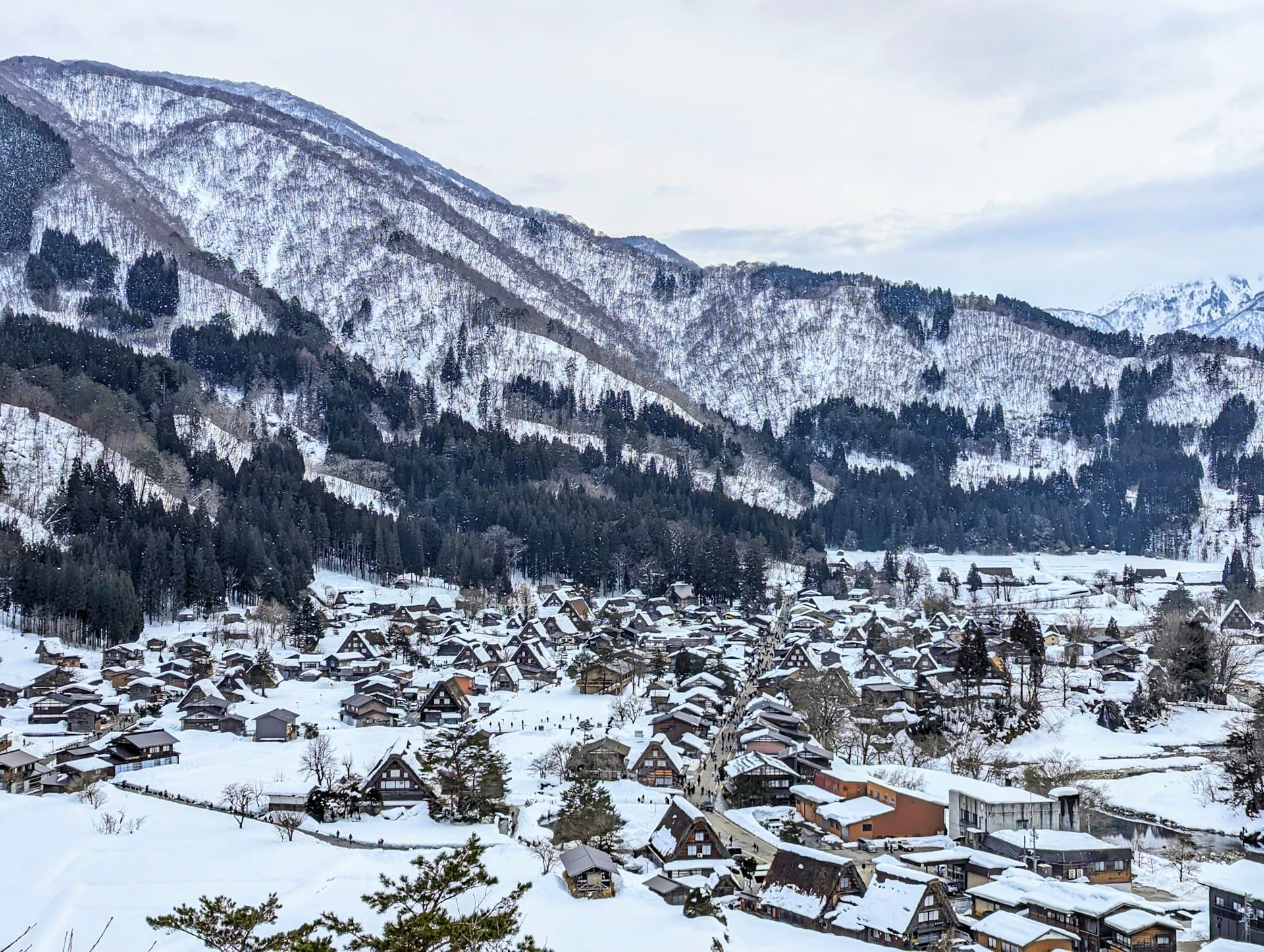
Winter in Japan runs from December through February, with snow lingering into March across the north and the mountains. It is one of the quietest peak-experience seasons: fewer tourists in Kyoto, powder piling up in Hokkaido and Nagano, and steam rising off outdoor hot spring baths while snow falls on your shoulders.
This guide is built for travelers planning an independent, self-guided trip. We cover when winter actually starts, what the weather looks like region by region, what to do, what to skip, and how to turn it into a real itinerary.
Quick Answer: Winter in Japan 2026
The 2026-27 Japan winter season runs mid-December through mid-March, with the coldest stretch from early January to mid-February. For snow-covered landscapes, ski resorts in full swing, and the Sapporo Snow Festival, target late January or early February. The 77th Sapporo Snow Festival is scheduled for February 4–11, 2027. For fewer crowds and milder weather in Tokyo and Kyoto, aim for early December.
Season
Dec–Feb (+ Mar north)
Peak Cold
Jan–mid-Feb
Sapporo Festival
Feb 4–11, 2026
Book Sapporo
3–6 mo ahead
For a day-by-day plan, see our 12-day Japan winter itinerary. For broader season planning, pair this article with our best time to visit Japan 2026 guide and autumn in Japan 2026 guide.
When Is Winter in Japan 2026?
The Calendar in Plain Terms
Officially, winter in Japan lasts from December to February, but locals will tell you the cold drags on. Japan is known for long winters, starting from mid-December until the middle of March, when most other countries are already welcoming spring.
When planning, treat the Japan winter months 2026 as roughly:
- Early December: late autumn shoulder, occasional snow up north
- Mid-December to mid-March: true winter
- Late March onward: spring begins and cherry blossom season kicks off
What Each Month Actually Feels Like
December sees bright skies and cold temperatures across most of the country. Snowfall hits northern Japan more frequently in late December as the skiing season approaches. In Tokyo and Kyoto you can expect crisp sunny days; in Sapporo you are already in proper winter.
January is the coldest month. Tokyo winters are sunny with little rain or snow, and dry air with humidity typically around 30%. Up in Yamagata's Zao area, temperatures at altitude can hit brutal lows.
February is still winter, but the festivals peak. Hokkaido is very cold with frequent snow and icy conditions, and inland or higher-elevation areas are even colder. The Sapporo Snow Festival and other ice-sculpture events are usually held in February.
Winter Weather by Region
Japan is not one climate. It is a long, mountainous archipelago, and the difference between Sapporo and Okinawa in January is wild.
Northern Japan: Hokkaido and Tohoku
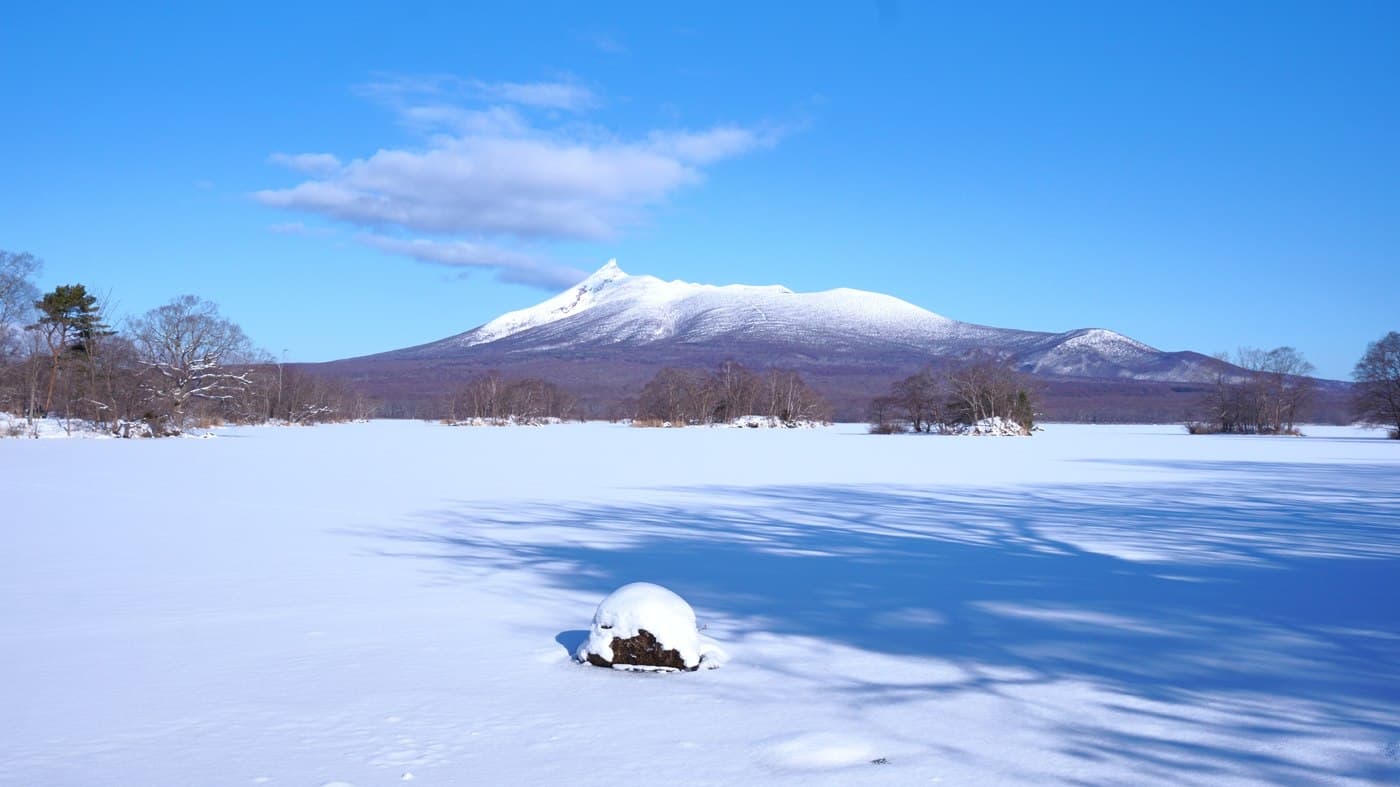
Hokkaido is extremely cold in winter, with frequent snowfall and heavy accumulation. Sapporo, one of the world's snowiest cities, receives an average of 485 centimeters of snow annually, transforming into a winter wonderland from November to March.
Tohoku, the northern part of Honshu, gets walloped too. Yamagata's Zao area in particular gets the right mix of cold air and moisture to produce its famous snow monsters.
Central Japan: Tokyo, Kyoto, Osaka, and the Japanese Alps
Central Japan is cold and dry in December, averaging around 43°F (6°C). Sunny weather softens daytime cold in Tokyo, Kyoto, and Osaka. You will want a warm coat and layers, but not Arctic gear. December and February are typically the driest months in Tokyo.
The Japanese Alps are a different story. Coastal areas have mild winters, while mountainous regions like the Japanese Alps have cold, snowy winters. Mountain temperatures can drop to around -10°C (14°F) in winter.
Southern Japan: Kyushu and Okinawa
The warmest places in Japan during winter are in the southern and southwestern regions. Okinawa's islands enjoy a subtropical climate, with mild temperatures typically ranging from 15 to 20°C (59 to 68°F). Kyushu sits in between: cool, sometimes drizzly, but rarely freezing. Oita, home to hot spring resorts like Beppu and Yufuin, is a strong pick if you want a warmer winter base.
Why Visit Japan in Winter?
Fewer Tourists, Better Prices
Winter is officially the low season for international travel into Tokyo and Kyoto, and you will feel it. International airfares to Japan are often at their lowest from mid-January to February, with prices from the US typically 20–30% cheaper compared with other months. Two exceptions: Hokkaido (its own peak season) and the Christmas/New Year window, when domestic demand spikes.
Hot Springs in the Snow
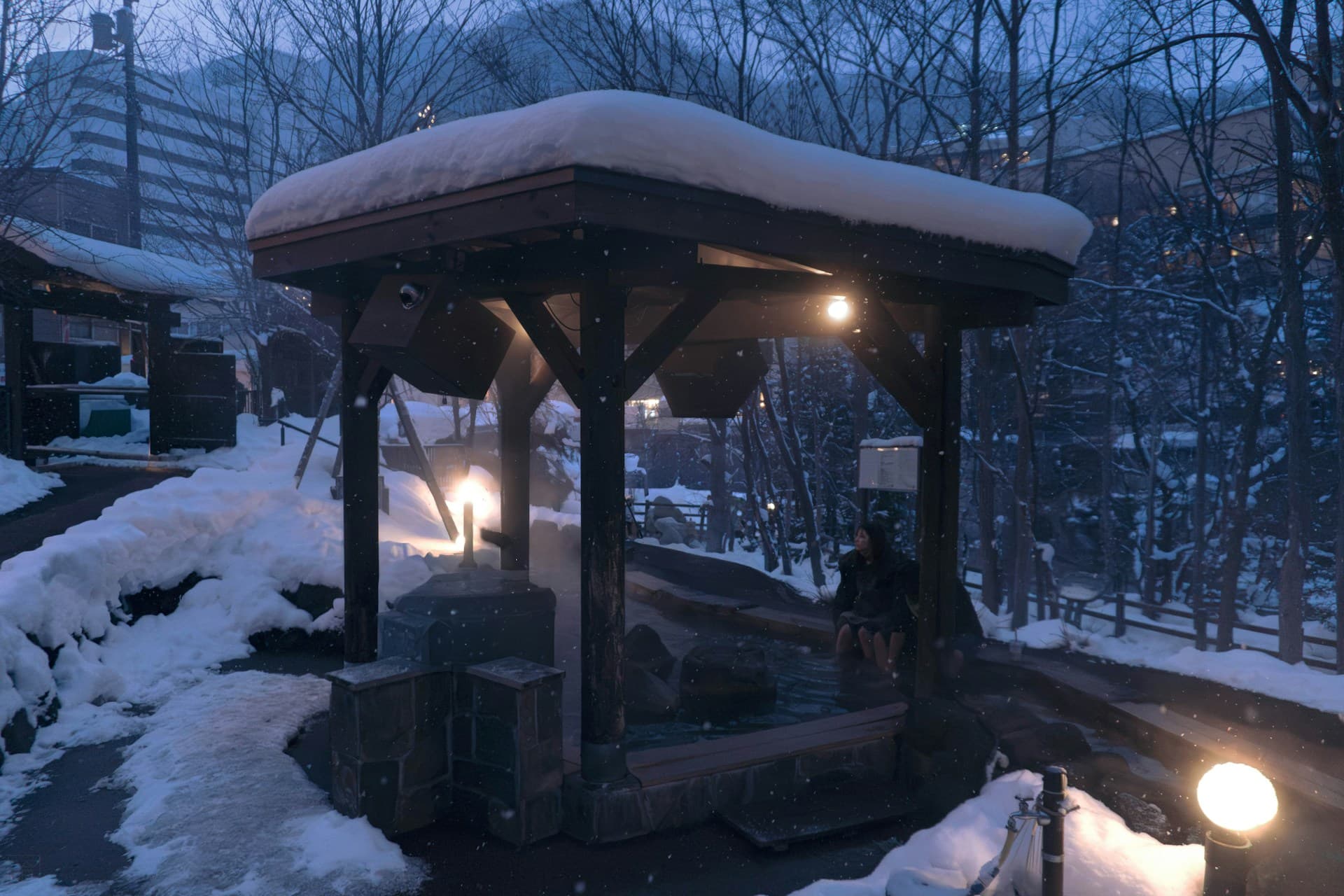
This is one of the best arguments for a winter trip. Lowering yourself into a 42°C outdoor bath while snowflakes land on your hair is hard to beat. Hakone, Kusatsu, Nozawa Onsen, Beppu, Noboribetsu, and Kinosaki Onsen in northern Hyogo all work — Kinosaki in particular gets real snow on its willow-lined canals from late December through February. If you have never tried an onsen, winter is the time. Our onsen Japan guide covers etiquette and what to expect, and our Art of Onsen (HS003) route is built around premium ryokan stays including Kinosaki.
Powder Snow That Is Genuinely World-Class
Japanese ski resorts get light, dry snow thanks to Siberian air picking up moisture over the Sea of Japan. The East Asian winter monsoon drives cold air across the sea and dumps abundant snowfall on Japan's mountainous western shores.
Winter Illuminations
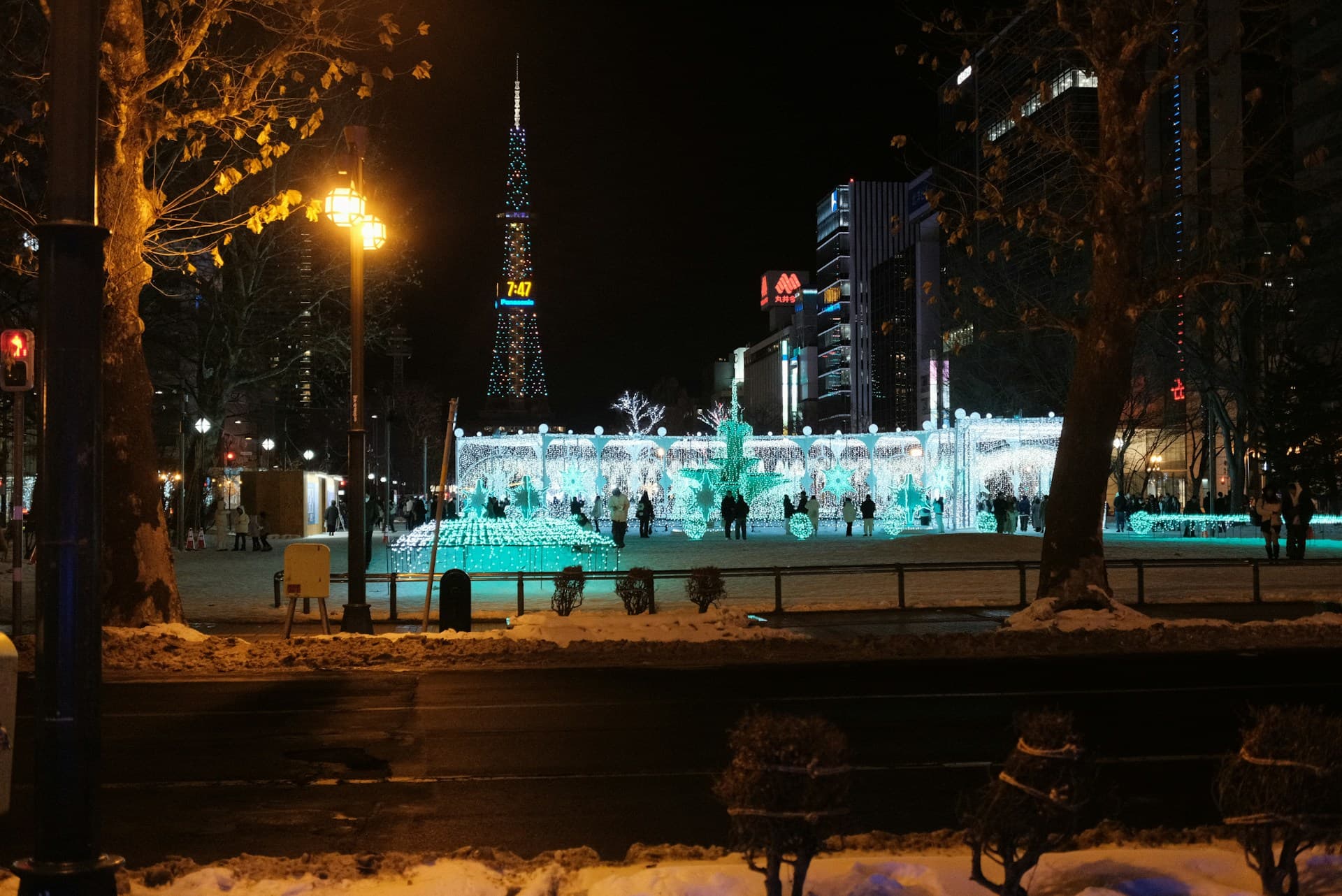
From mid-November through February, major cities run elaborate light displays. Tokyo's Marunouchi, Roppongi, Shibuya, and Yebisu Garden Place are reliable bets. Kobe Luminarie and Nabana no Sato in Mie are larger-scale options.
Standout Winter Experiences for 2026-27
Snow Monkeys at Jigokudani
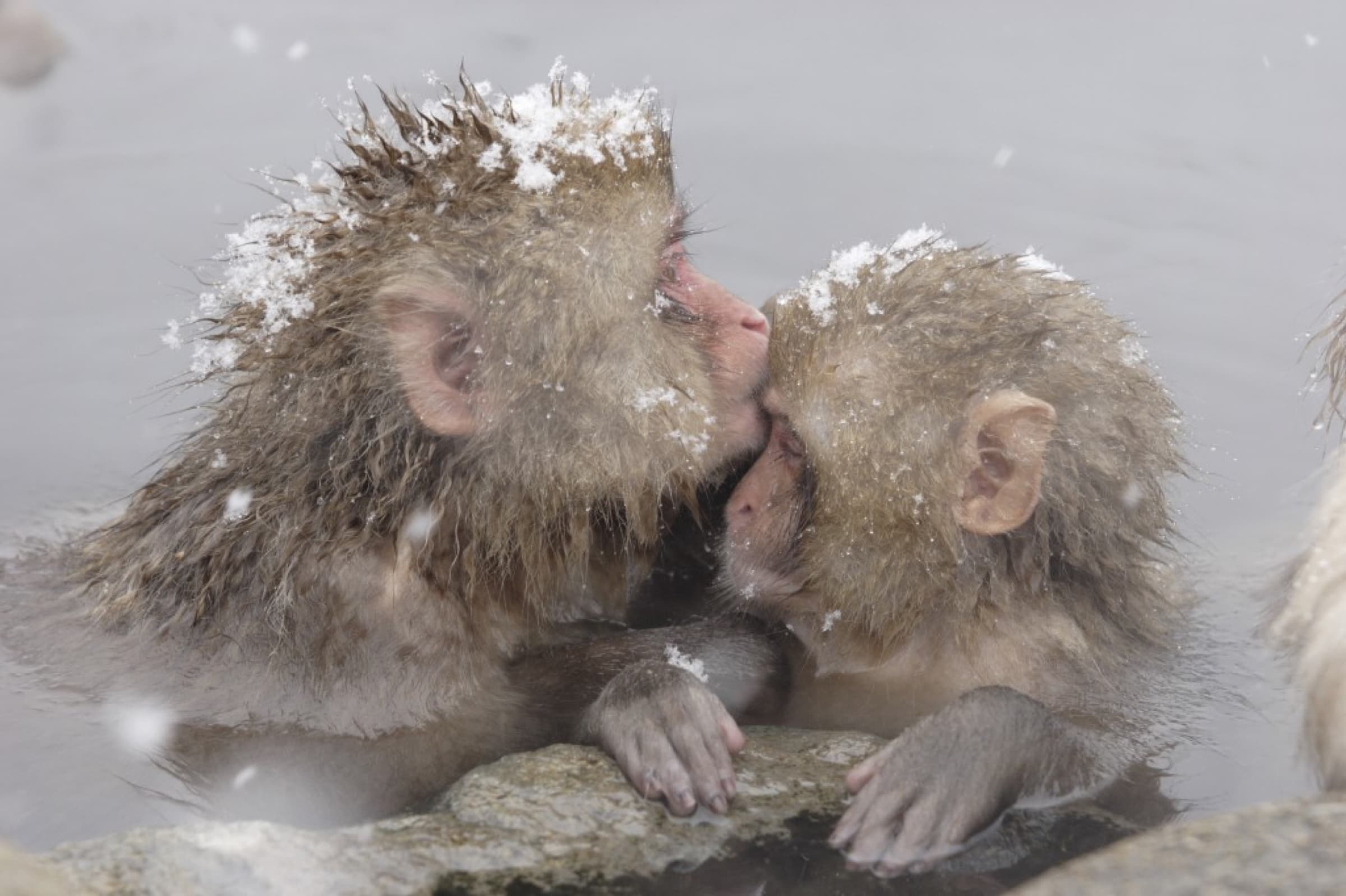
Probably the most photographed wildlife in Japan. Jigokudani Monkey Park is open 9:00 to 16:00 in winter (November to March). You can reach it easily from JR Nagano Station, about 1.5 hours by Shinkansen from Tokyo. Note that since August 2026 the park sells dated online tickets and busy winter days are capped — our full Jigokudani Monkey Park guide covers the new system, the trail and where to stay.
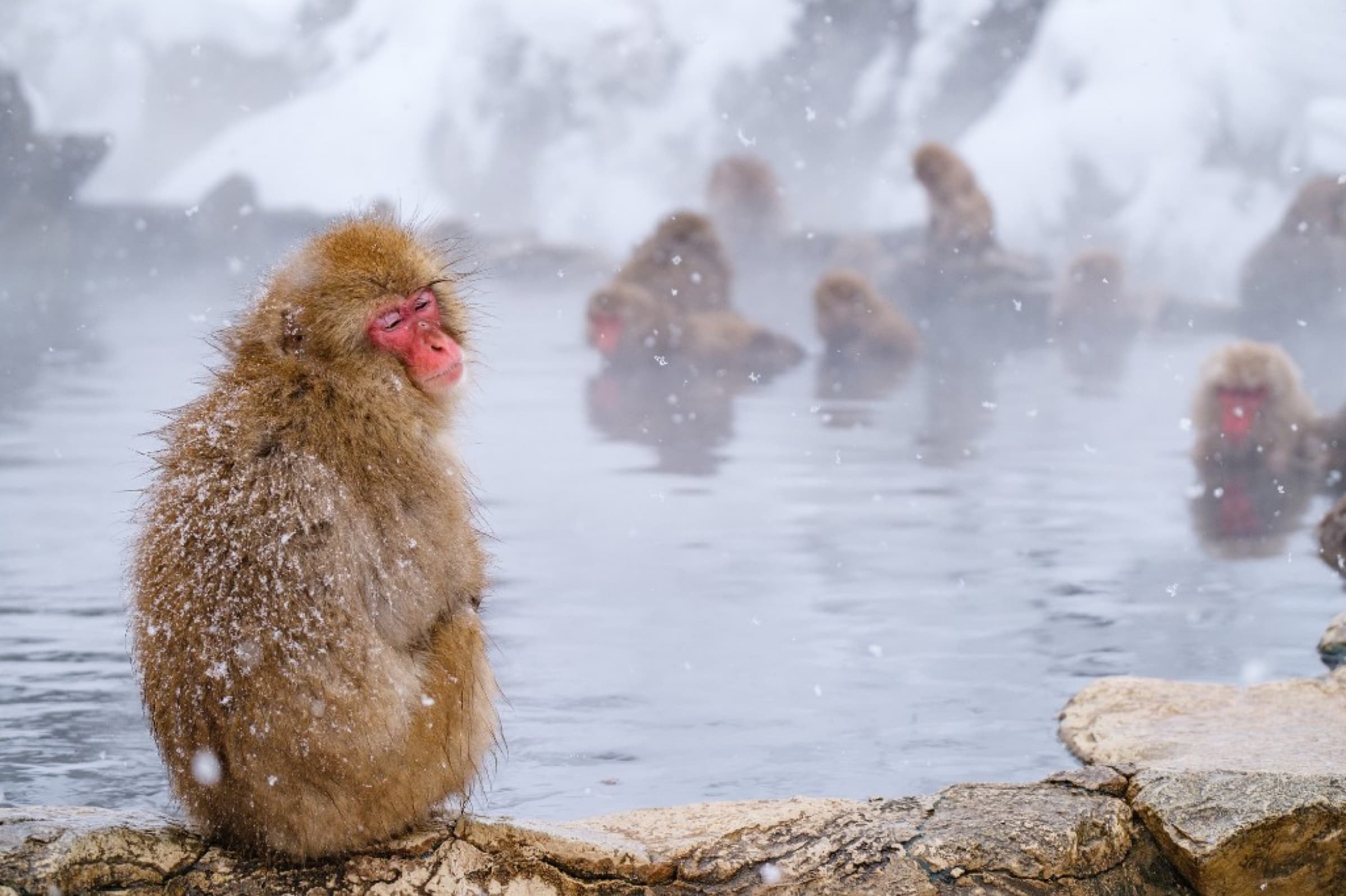
The monkeys are wild, not zoo animals. Staff attract them with a regulated feeding routine during operating hours, but they may not appear every day. Cold temperatures and heavy snow encourage them to spend time in the onsen. Winter behavior is very reliable.
The walk in matters. The park is at the end of a 30-minute trail that can be very slippery in winter. Bring winter boots and rent crampons and/or a walking stick at the trailhead. Stay overnight in Shibu Onsen or Yudanaka rather than day-tripping from Tokyo.
A note from our team in Japan
At Jigokudani Monkey Park, the macaques walk right past you at arm's length — that proximity is what makes the place unforgettable. Beyond the famous bathing scenes, you can see plenty of baby monkeys clinging to their mothers, which is honestly the cutest part. Stay overnight in Yudanaka Onsen and you can be at the trailhead first thing in the morning, when the monkeys are most active. Highly recommended.
Sapporo Snow Festival (February 4–11, 2027)
The headliner of Japan's winter festival calendar. The 77th edition is scheduled for February 4 to February 11, 2027. Odori Park and Susukino run that full window; the Tsudome site is on its own calendar — it usually opens a few days earlier and closes earlier, and it shuts at 16:00. See our Sapporo Snow Festival 2027 guide for the detail.
- Odori Site: impressive snow sculptures and night illuminations
- Susukino Site: ice sculptures and night illuminations
- Tsudome Site: snow activities, especially for families
Snow sculptures line the 1.5-kilometer stretch of Odori Park and are lit from sundown to 10:00 p.m. Hotels in the city center book up quickly. Make reservations 3–6 months in advance for good prices and locations.
Zao Snow Monsters in Yamagata
One of the most surreal sights in northern Japan. Aomori fir trees on Mount Zao get blasted with super-cooled water and Siberian wind until they turn into towering, ice-coated juhyo (snow monsters).
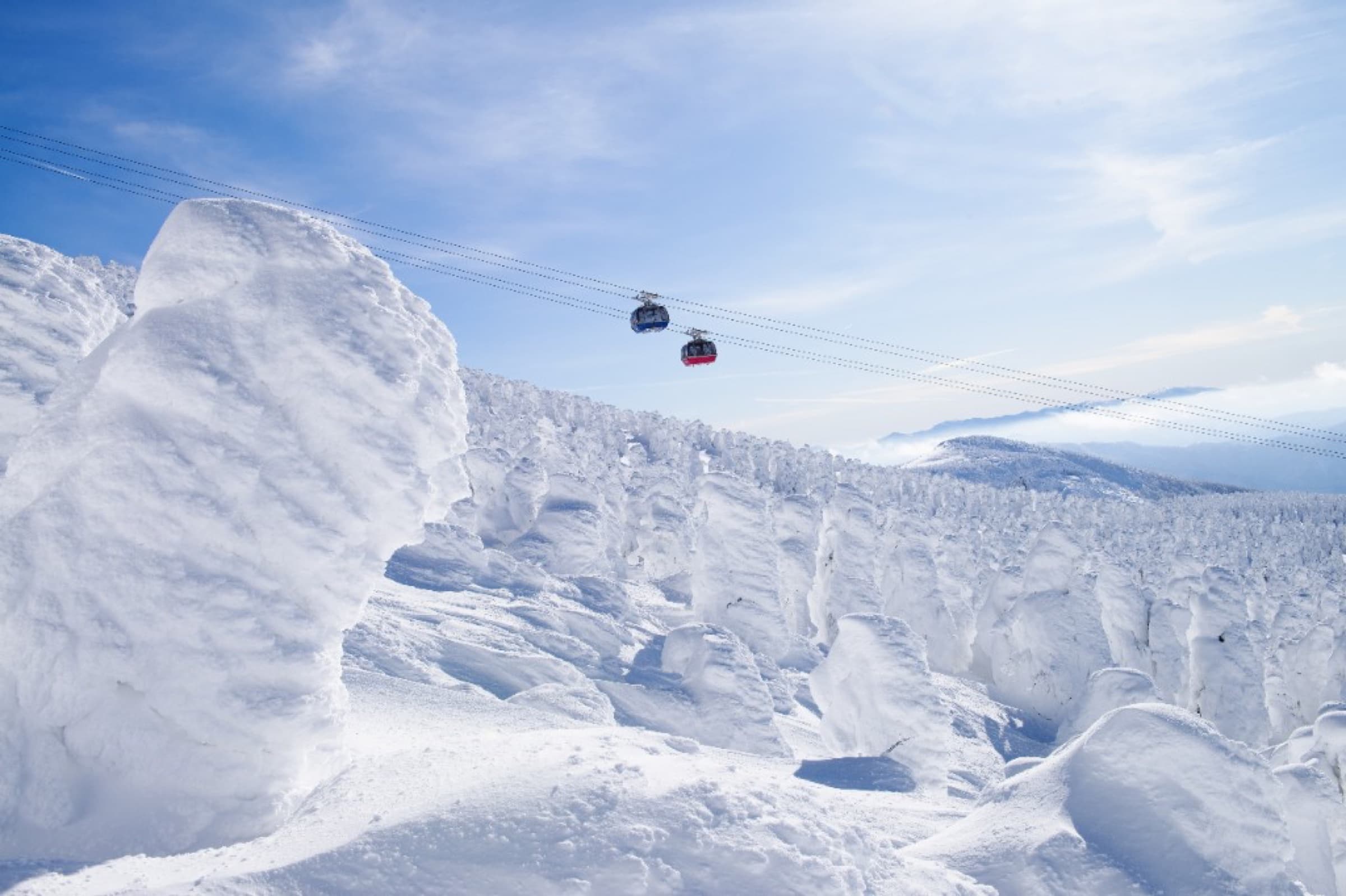
Peak juhyo season runs from mid-January to mid-February. During this window, the upper slopes around Paradise Slope and the ropeway summit at Jizo Sancho Station (1,661 m) transform into a surreal forest of white shapes. Skiing through the juhyo in clear weather is unlike any other run in Japan.
Do not show up in December expecting full-sized monsters. Mid-February to early March brings the most dramatic formations; late December to January shows early-stage growth. From Tokyo, take the Yamagata Shinkansen to Yamagata Station (2.5–3 hours), then a bus to Zao Onsen (about 40 minutes).
Ski Resorts and Winter Sports
For winter sports enthusiasts, the choices run deep:
- Niseko (Hokkaido): internationally famous, lots of English, the deepest powder
- Hakuba Valley (Nagano): former Olympic host, ten interconnected resorts
- Nozawa Onsen (Nagano): classic onsen-village vibe with proper ski terrain
- Shiga Kogen (Nagano): Japan's largest interconnected ski area
- Zao (Yamagata): mid-size resort with snow monsters as a bonus
December to March is the skiing season in Japan, and self-guided ski packages run 8 to 14 days. December often means fewer crowds and lower costs. January and February are peak periods with larger crowds and higher prices. The JMA publishes its cold-season outlook in September, so the 2026-27 snowfall projection is not out yet — check it before committing to a specific month if snow depth matters to you.
Winter vs Other Seasons: A Quick Comparison
Not sure which month suits you? Our guide to the seasons in Japan lines up all twelve months side by side — weather, crowds, prices and what is in bloom.
It is worth being honest about what you trade off by choosing winter over other times.
Spring (Late March to Late April)
Cherry blossoms arrive in late March to mid-April. On the 1991–2020 averages Tokyo reaches full bloom around 2 April and Kyoto around 4 April; in 2026 both ran early, Tokyo on 26 March and Kyoto on 31 March. Trade-off: peak crowds, peak hotel prices, and overlap with Golden Week prep. Avoid Golden Week (April 29–May 6), Obon (mid-August), and New Year if you want easier logistics.
Summer (June to August)
The rainy season hits Honshu in June. Then the heat: temperatures regularly exceed 30°C (86°F) with high humidity. Summer festivals are spectacular, but if you do not love sweating, this is not your best season. See our Japan rainy season 2026 guide for June planning.
Autumn (Mid-October to Early December)
Probably the other best season alongside spring. Pleasant weather, fall foliage, and far fewer tourists than cherry blossom season. By early November, color peaks in northern Japan and the Japanese Alps; by mid-November it hits Kyoto. Early December can still catch late color in southern Japan with mostly clear skies. Our autumn in Japan 2026 guide covers foliage timing in detail.
Why Winter Wins for Some Travelers
- You want snow-covered landscapes, not cherry blossoms
- You want fewer crowds at temples and shrines
- You are a skier or snowboarder
- You want long hours in hot spring baths
- You are working a tight budget outside the December holiday season
Skip winter if you hate cold weather and your only outdoor activities are beach ones. Late April or October are better fits.
What to Pack for a Japan Winter Trip
To stay warm, pack a down jacket, an overcoat, and a sweater. Layering helps you adjust between heated indoors and cold outdoors. For Hokkaido, add waterproof pants and shoes since it snows frequently.
A practical packing list for central Japan in December and January:
- One proper warm coat (down or insulated)
- Two or three thermal base layers
- A sweater or fleece for mid-layer
- Waterproof boots with grip — station platforms get icy
- Gloves, scarf, beanie
- Rain gear — a packable shell handles rain and wind
For Hokkaido or Tohoku in January–February, upgrade everything: thicker coat, thermal long johns, and heat packs (kairo), sold cheaply at any convenience store once you are in Japan.
The Slip Problem
Most travelers underestimate ice. On the snow monkey trail, continuous snowfall can make the path very slippery from compacted snow. Wear winter boots and use anti-slip devices like crampons. Crampon-style traction cleats fit over regular boots and cost almost nothing at the trailhead.
Sample Winter Itineraries
The Classic 10-Day Winter Route
A route that works for first-timers wanting a balanced winter trip:
- Days 1–3: Tokyo (winter illuminations, day trip to Nikko or Kamakura)
- Day 4: Hakone (hot springs and Mt. Fuji views — December has some of the clearest sightlines)
- Days 5–6: Nagano (snow monkeys plus a night in Shibu Onsen or Yudanaka)
- Days 7–8: Kyoto (temples without summer crowds)
- Days 9–10: Osaka and fly home
For the Nagano block, pair Hakuba Wadano with Shiga Kogen and the snow monkeys via Hakuba Wadano & Shiga Kogen with Snow Monkeys (SK003). For Yamagata juhyo, Zao Snow Monsters – Two Beds Resort Plan (SK008) covers the Zao Onsen base, ropeway, and night-illumination viewing. For an onsen-led winter trip, The Art of Onsen: A Premium Japan Experience (HS003) works year-round and includes Kinosaki Onsen, where the snow does fall.
The Snow-Focused 10-Day Route
- Days 1–2: Tokyo (acclimatize, grab rental gear if needed)
- Days 3–6: Hakuba or Nozawa Onsen (ski four days)
- Day 7: Travel to Nagano and see the snow monkeys
- Days 8–10: Tokyo or detour to Kyoto
The Festival Route (Early February)
Built around the Sapporo Snow Festival:
- Days 1–2: Tokyo
- Days 3–4: Yamagata for Zao snow monsters
- Days 5–7: Sapporo for the Snow Festival
- Day 8: Otaru day trip
- Days 9–10: Kyoto
Booking Order That Saves Money
- International flights as soon as your dates lock
- Domestic flights or Shinkansen seat reservations (especially around New Year)
- Festival-period hotels — Sapporo in early February books out fast
- Ski accommodation — Niseko and Hakuba sell out months ahead
- Day-tour bookings (snow monkey transport, Zao ropeway nights)
For multi-region train travel, see whether a JR Pass still makes sense for your route in our JR Pass worth it 2026 guide. If you prefer onsen and Kansai over deep snow, the Kinosaki-anchored Art of Onsen (HS003) route runs all winter and still delivers snow on rooftops in northern Hyogo.
Common Winter Trip Mistakes to Avoid
- Booking around New Year without knowing. Many shops, attractions, and restaurants close January 1–3. Prices can double during Christmas and New Year.
- Underestimating Hokkaido weather. Sapporo in February often runs -11 to 1°C (12 to 30°F) with snowfall almost every day. City sneakers are not enough.
- Day-tripping the snow monkeys from Tokyo. You will have limited time at the park after hours of transit. Stay overnight in Shibu Onsen or Yudanaka.
- Showing up at Zao in late December for snow monsters. You will get icy shrubs, not monsters. Aim for mid-January through mid-February.
- Skipping travel insurance for ski trips. Resorts are well-run, but mountain medical evacuations are not cheap.
- Assuming trains always run on snow days. Local mountain lines can suspend service during heavy snowfall. Build a buffer day before any flight out of Hokkaido.
Want a winter route built around snow, onsen, and festivals?
We design self-guided Japan trips that match your dates to the right regions, build in flexible onsen and ski days, and avoid the worst booking traps around Sapporo and New Year.
Planning a winter trip to Japan? Get in touch through Plan My Trip on our self-guided tours site, and we'll suggest the tours that best fit your dates and plans.
FAQ
When is winter in Japan 2026?
Winter in Japan 2026 officially runs December through February, with cold weather and snow extending into mid-March in northern Japan and mountainous regions. The coldest stretch is roughly early January through mid-February.
What are the best winter months to visit Japan?
Early December gives mild weather in Tokyo and Kyoto, fewer tourists, and clear Mt. Fuji views. Late January to early February is peak for ski resorts, snow monsters, and the Sapporo Snow Festival. Avoid December 28 through January 3 unless you want the holiday atmosphere.
Is Japan worth visiting in winter?
Yes, for most travelers. You get hot spring baths in the snow, world-class powder at ski resorts, winter illuminations, the Sapporo Snow Festival, snow monkeys at Jigokudani, and noticeably fewer crowds at temples in Kyoto. The trade-off is cold temperatures and shorter daylight.
How cold does it get?
Tokyo daytime averages hover around 8–10°C in January with cold nights near freezing. Sapporo in February often runs -11 to 1°C (12 to 30°F). Mountain resorts can drop well below -10°C at altitude.
Do I need snow boots in Tokyo?
Not really. Tokyo has occasional snow but mostly dry, sunny winter days. Waterproof boots with decent grip are plenty unless your trip includes Hokkaido, Tohoku, or the Japanese Alps.
When is the Sapporo Snow Festival 2026?
Japan's Sapporo Snow Festival is scheduled for February 4 through February 11, 2027. Book accommodation at least three months out.
Can I see snow monkeys without a tour?
Yes. Take the Hokuriku Shinkansen from Tokyo to Nagano, then the Nagaden bus or local train toward Yudanaka, then walk the 30-minute trail to the park. Bring traction cleats for the icy path.
Is it better to visit Japan in winter or during cherry blossom season?
Different trips entirely. Cherry blossoms bring pleasant temperatures, pink trees, and packed cities at peak prices. Winter brings snow, hot springs, ski resorts, and fewer crowds at lower cost outside Hokkaido and the holiday week. Choose based on what you want to do.
Are there crowds in winter?
Far fewer than in cherry blossom or autumn foliage season. The big exceptions are New Year's holiday, Chinese New Year (mid-February 2026), and Sapporo during the snow festival.
Related Articles
Seasons in Japan: What Season It Is Right Now, Month-by-Month Weather & the Best Time for Each Trip
16 min read
Japan in January: A Practical Guide to Weather, Snow, and Self-Guided Travel
12 min read
Hokkaido Winter: A Practical Self-Guided Guide to Snow, Ice and Onsen Season
17 min read