Things to Do in Tokyo: The Best Sights by Neighborhood, With Prices, Booking Rules and Day Trips
The best things to do in Tokyo for first-time visitors, one neighborhood at a time — Asakusa, Shibuya, Harajuku, Shinjuku, Ueno and the Imperial Palace — with this season's prices and opening hours, the tickets that sell out, sample itineraries, and Mt Fuji day trips.
Here's the short answer. On a first trip, the best things to do in Tokyo are: see Senso-ji in Asakusa before the tour groups arrive, walk across Shibuya Crossing and then look down on it from the Shibuya Sky rooftop, follow the forest path to Meiji Shrine, have breakfast at the Tsukiji Outer Market, spend an evening in Shinjuku's tiny bars, and take at least one day trip toward Mt Fuji.
None of that is a secret. What's hard is getting the order right. Japan's capital covers 23 wards before you even reach the suburbs, and sights that look close on a map can be 40 minutes and two train changes apart. Most wasted days in Tokyo come from zigzagging across the city, not from picking the wrong attractions.
So this guide follows the way you'll actually move around Tokyo, Japan: one neighborhood at a time, with the prices, hours and booking rules we checked on each attraction's own site on September 28, 2026. After that come day trips, sample itineraries, how to get around, and where our self-guided routes put you in the city.
Quick Answer: Things to Do in Tokyo
- How long: three full days cover the main neighborhoods; five let you add a Mt Fuji or Hakone day trip and one big experience.
- Don't miss: Senso-ji early, Shibuya Crossing and Shibuya Sky, Meiji Shrine, Shinjuku after dark, and the Tsukiji Outer Market.
- Book ahead: Shibuya Sky (online sales open two weeks ahead), the Ghibli Museum (the 10th of the month before), teamLab and Disney (about two months ahead).
- Watch the closing days: the palace East Gardens close Mondays and Fridays, Shinjuku Gyoen and the Ueno museums Mondays, the Ghibli Museum Tuesdays.
- Getting around: an IC card such as Suica covers almost everything; the Tokyo Subway Ticket is ¥1,000 for 24 hours.
Stay
3–5 nights
Rooftop view
from ¥2,700
Free sights
Senso-ji, Meiji
Day trip
Fuji, Hakone
The Best Things to Do in Tokyo, Ranked for a First Trip
If you're visiting Japan for the first time and have three or four days in Tokyo, these are the things worth protecting in your schedule, roughly in this order:
- Senso-ji and Asakusa — Tokyo's oldest temple, best before 8 a.m. or after dark.
- Shibuya Crossing and Shibuya Sky — cross at street level first, then go up to the rooftop.
- Meiji Shrine, Harajuku and Omotesando — forest, fashion and crepes in one walk.
- Shinjuku after dark — yakitori smoke, lantern-lit alleys and neon lights.
- Tsukiji Outer Market — the best breakfast in the city.
- One observation deck — the Shibuya rooftop, Tokyo Tower, Tokyo Skytree or the free one in Shinjuku.
- A day trip toward Mt Fuji or Hakone, if the forecast is on your side.
Everything else depends on who's traveling. Anime fans will want Akihabara and the Ghibli Museum. Families with young kids often build a whole day around Tokyo Disneyland. Sports fans should check the sumo calendar before booking flights, because Tokyo hosts only three tournaments a year.
And if you're mostly after fun things to do rather than landmarks? Tokyo is brilliant at that too: arcades, capsule-toy halls, karaoke boxes and themed cafés. We'll get to those.
How to Plan Things to Do in Tokyo by Neighborhood
Think in clusters, not individual sights. Four of them cover nearly every first trip:
- West: Shinjuku, Harajuku and Shibuya, a few minutes apart on the JR Yamanote Line.
- East: Asakusa, Tokyo Skytree, Ueno, Akihabara and Ryogoku.
- Central: Tokyo Station, the Imperial Palace, Ginza and Tsukiji.
- South and the bay: Roppongi, Tokyo Tower, Azabudai Hills and, across the water, Toyosu and Odaiba.
Give each day one main zone, or two if they're next to each other. Anything with a timed ticket goes in first — a sunset rooftop slot, a Ghibli Museum entry, teamLab — and the rest of the day fills in around it.
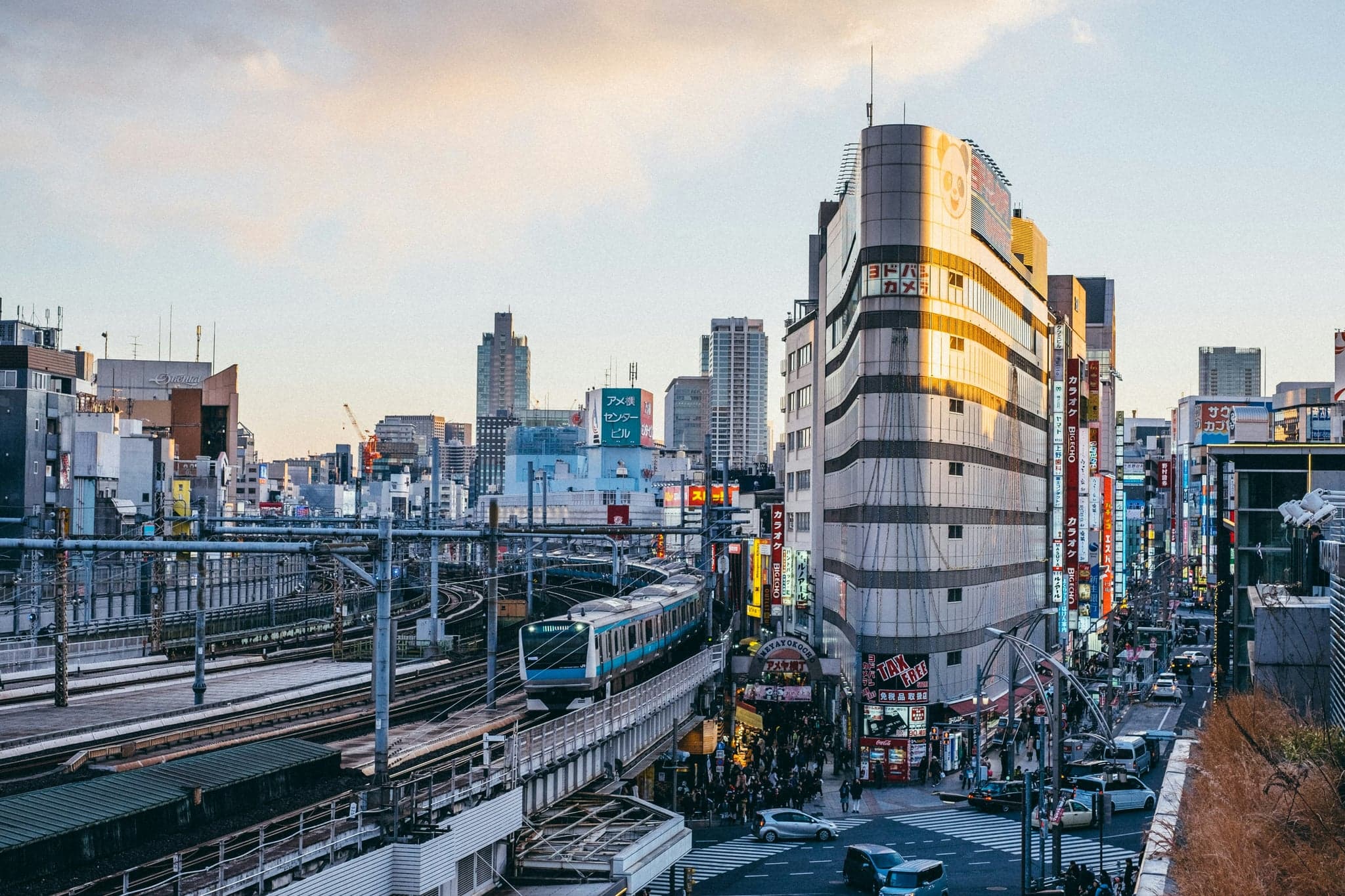
The Yamanote Line loops around the center and links Shinjuku, Shibuya, Harajuku, Tokyo Station, Akihabara and Ueno. The Tokyo Metro and Toei subway lines cover the places the loop misses, including Asakusa, Roppongi and Tsukiji.
One more rule: use your mornings well. Temples, shrines and markets are best early. Crossings, bars and observation decks come alive after dark. Start at Senso-ji at 7:30 a.m. and finish in Golden Gai at 10 p.m. It's a long day, but it matches how the city works.
Shibuya: The Crossing, the Rooftop and the Station Maze
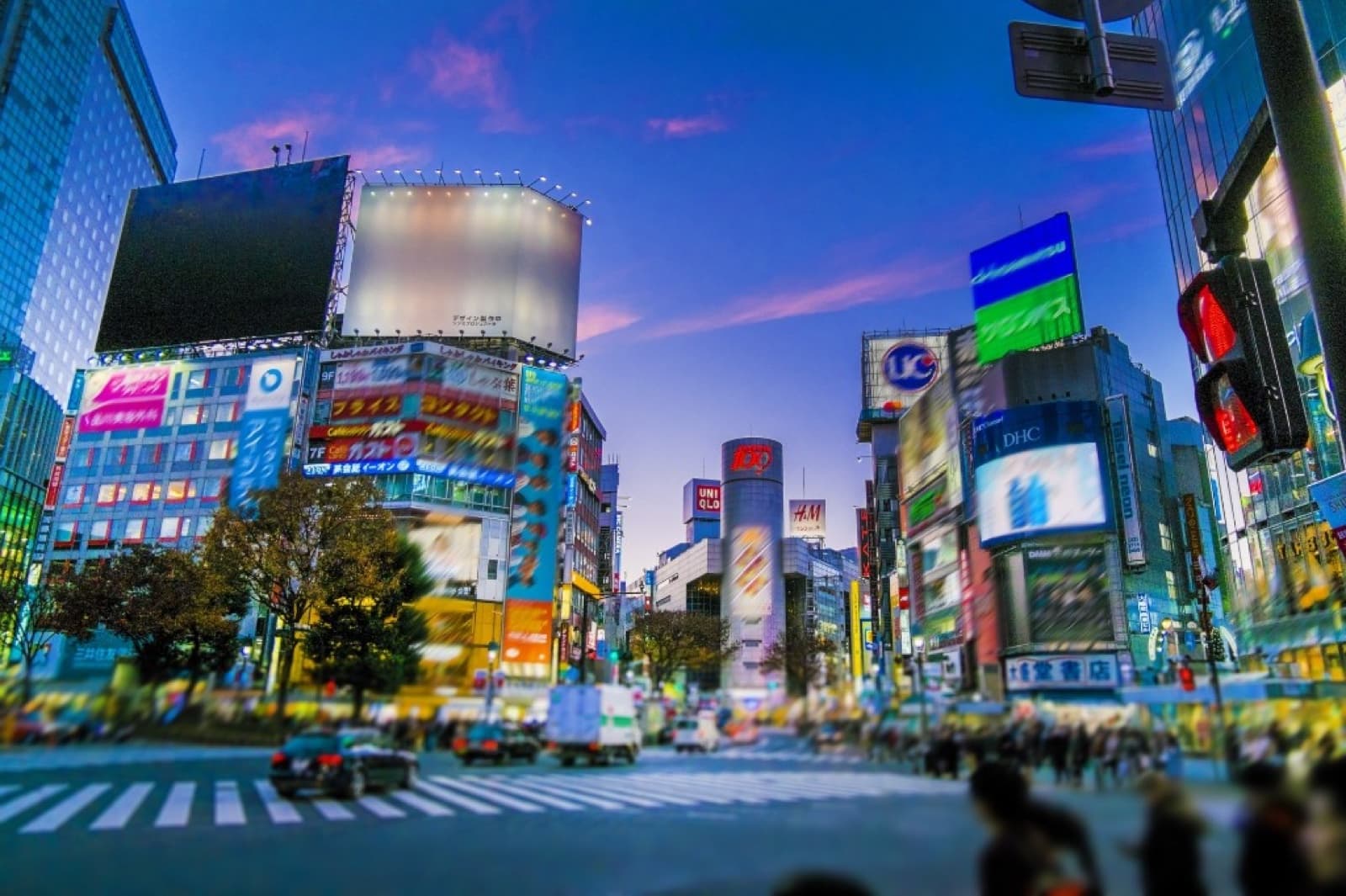
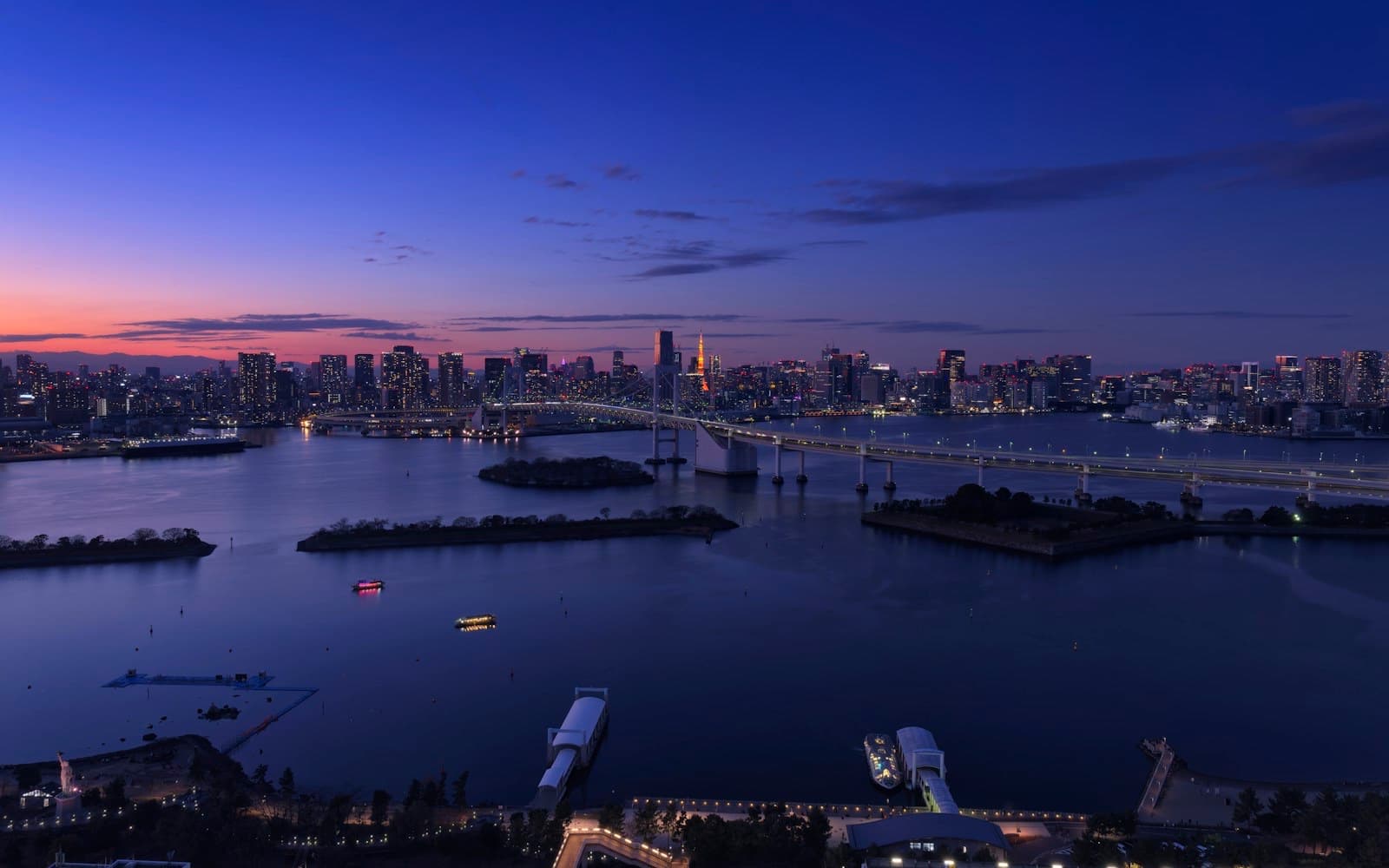
For many visitors, Shibuya is where the list of things to do in Tokyo starts. Most people's picture of modern Tokyo comes from here: giant screens, a sea of umbrellas, city lights reflected on wet pavement. It's loud and crowded, and a lot more fun than it looks in photos.
Shibuya Crossing: How to Actually Enjoy It
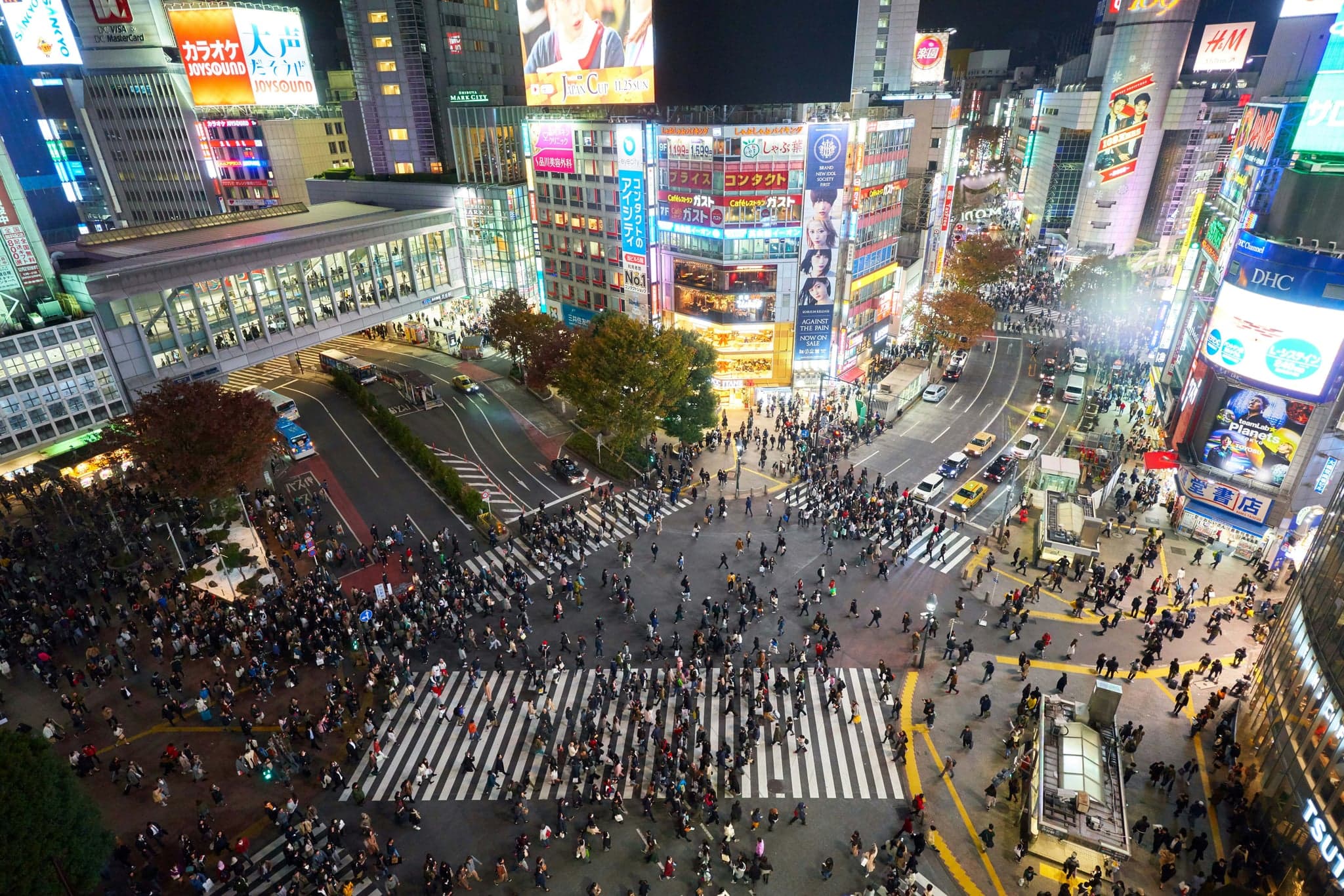
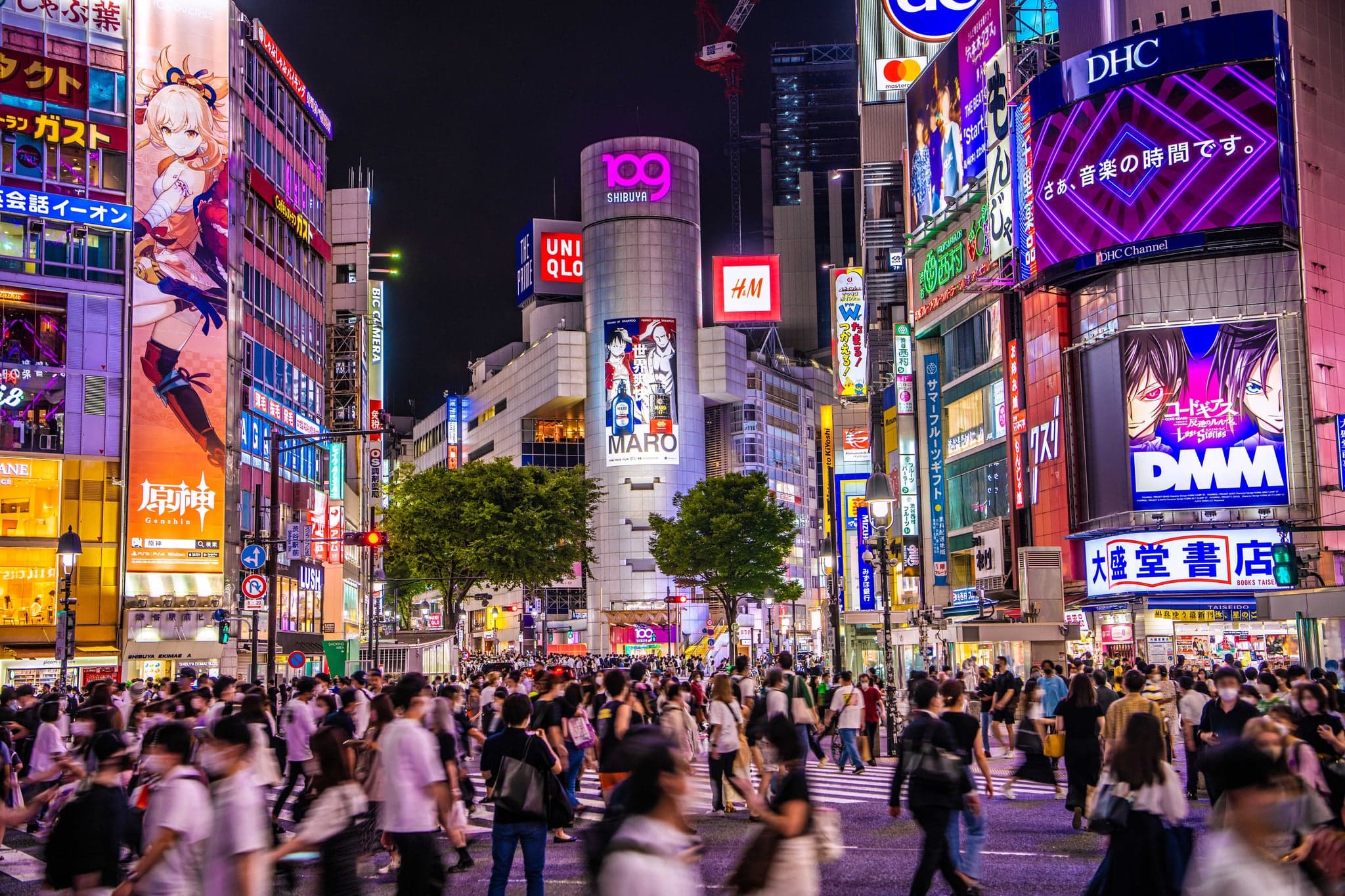
Shibuya Crossing, properly the Shibuya Scramble Crossing, is right outside the Hachiko exit of Shibuya Station. When the traffic lights turn red, every pedestrian signal turns green at once and people pour in from all directions — upwards of 1,000 people at a time at busy moments, according to the city's official tourism site.
It's the busy pedestrian crossing that shows up in every Tokyo montage, and it lives up to the hype. Cross it more than once. The first time is pure adrenaline; the second time you start to notice how it works — thousands of people, and somehow nobody collides.
The bronze statue of Hachiko, the famously loyal Akita dog, stands beside the crossing and makes an easy meeting point. On weekends, everyone else has the same idea.
Shibuya Sky: Booking the Open-Air Observation Deck
Shibuya Sky sits on top of the Shibuya Scramble Square building, directly above Shibuya Station. You step out onto an open-air rooftop with no glass between you and the view, and straight below you is the Shibuya Scramble Crossing. On clear days you can pick out Tokyo Tower and, in cold, dry weather, Mt Fuji.
- Prices depend on the time of day. Online, an adult ticket (12 and over) is ¥2,700 for slots before 15:00 and ¥3,400 from 15:00. At the counter it is ¥3,000 and ¥3,700.
- Online sales open two weeks ahead. Sunset slots sell out first, so book the day sales open for your date.
- Hours: 10:00 to 22:30, last entry 21:20.
- Weather matters. The rooftop can close in rain and strong wind.
Is it worth it? On a clear evening, yes — if you only book one observation deck in Tokyo, this is the one we'd pick. On a grey, drizzly day, save the money and use the free decks in Shinjuku instead.
Getting Out of Shibuya Station
Shibuya Station has been a building site for years, and you can tell. JR lines, three Tokyo Metro lines and the Tokyu and Keio railways all meet here, and the passageways keep changing as the redevelopment goes on. Choose your exit before you arrive (Hachiko for the crossing), let Google Maps tell you which exit matches where you're going, and follow the yellow exit signs rather than your instincts.
Harajuku, Meiji Shrine and Yoyogi Park
Harajuku is one stop from Shibuya on the Yamanote Line, or a 15- to 20-minute walk. Three very different experiences sit close together here: a shrine in a forest, youth fashion and one of the city's biggest parks.
Meiji Shrine: Go in the Early Morning
Meiji Shrine (Meiji Jingu) is dedicated to Emperor Meiji and Empress Shoken and sits inside a dense forest right next to Harajuku Station. The gates open at sunrise and close at sunset, so the hours change through the year: 5:40 to 16:40 in October, 6:10 to 16:10 in November and 6:40 to 16:00 in December. Entry to the grounds is free; the Meiji Jingu Museum costs ¥1,000 and closes on Thursdays.
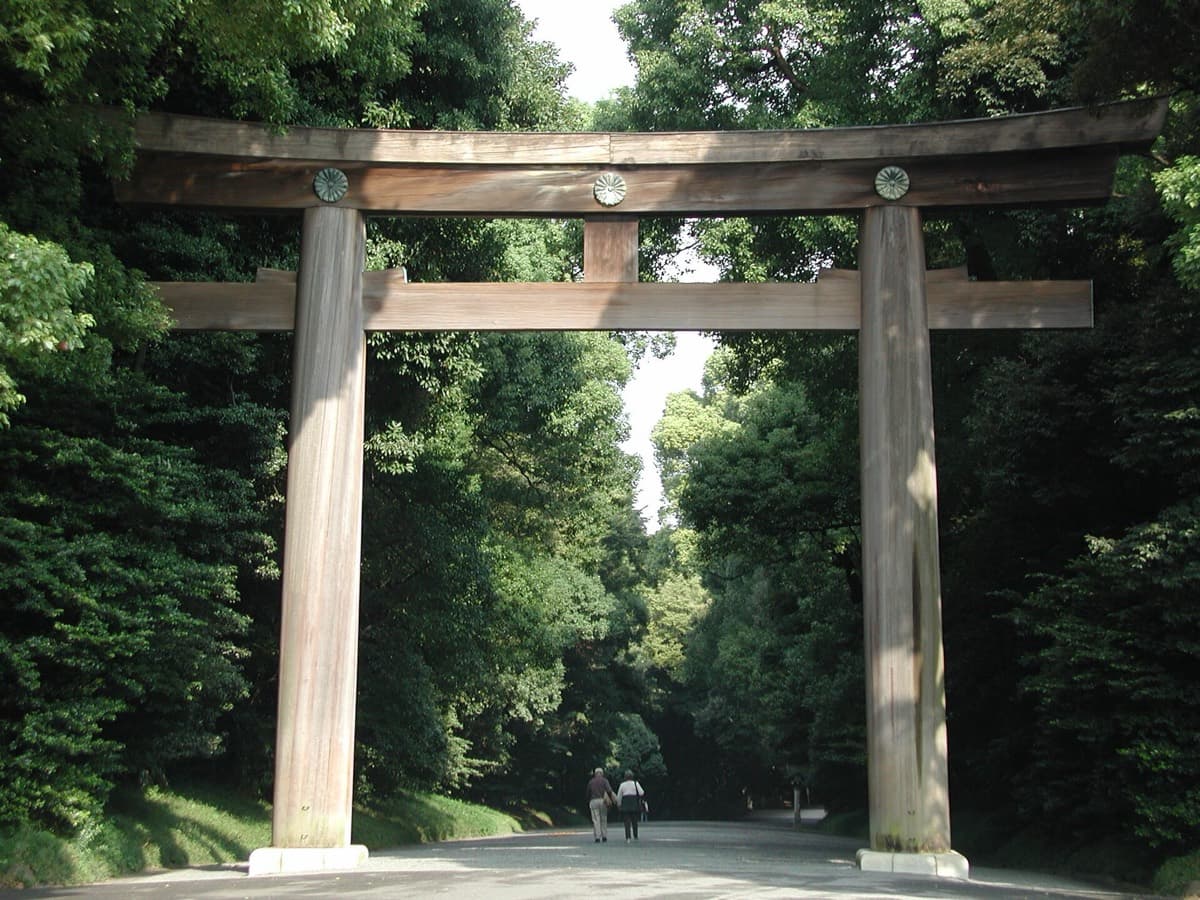
The first big torii is a minute from Harajuku Station. From there a wide gravel path runs through the trees to the main hall, about a 10-minute walk. At that hour it's one of the quietest places in the city center: crunching gravel, crows, maybe a priest sweeping leaves.
A little etiquette goes a long way. Bow once as you walk under a torii. At the water basin, rinse your left hand, then your right, then pour a little water into your cupped hand to rinse your mouth — never drink from the ladle. At the hall the usual pattern is two bows, two claps and one more bow. It's an easy way into Japanese culture, and on weekends you may see a wedding procession cross the courtyard.
Takeshita Street: Crepes, Candy and Crowds
Takeshita Street starts across from the Takeshita exit of Harajuku Station and runs about 350 meters: crepe stands, candy shops, idol merchandise, cheap accessories and secondhand clothes. For teens and anyone into kawaii culture, it's so much fun. For everyone else, 20 minutes is probably plenty.
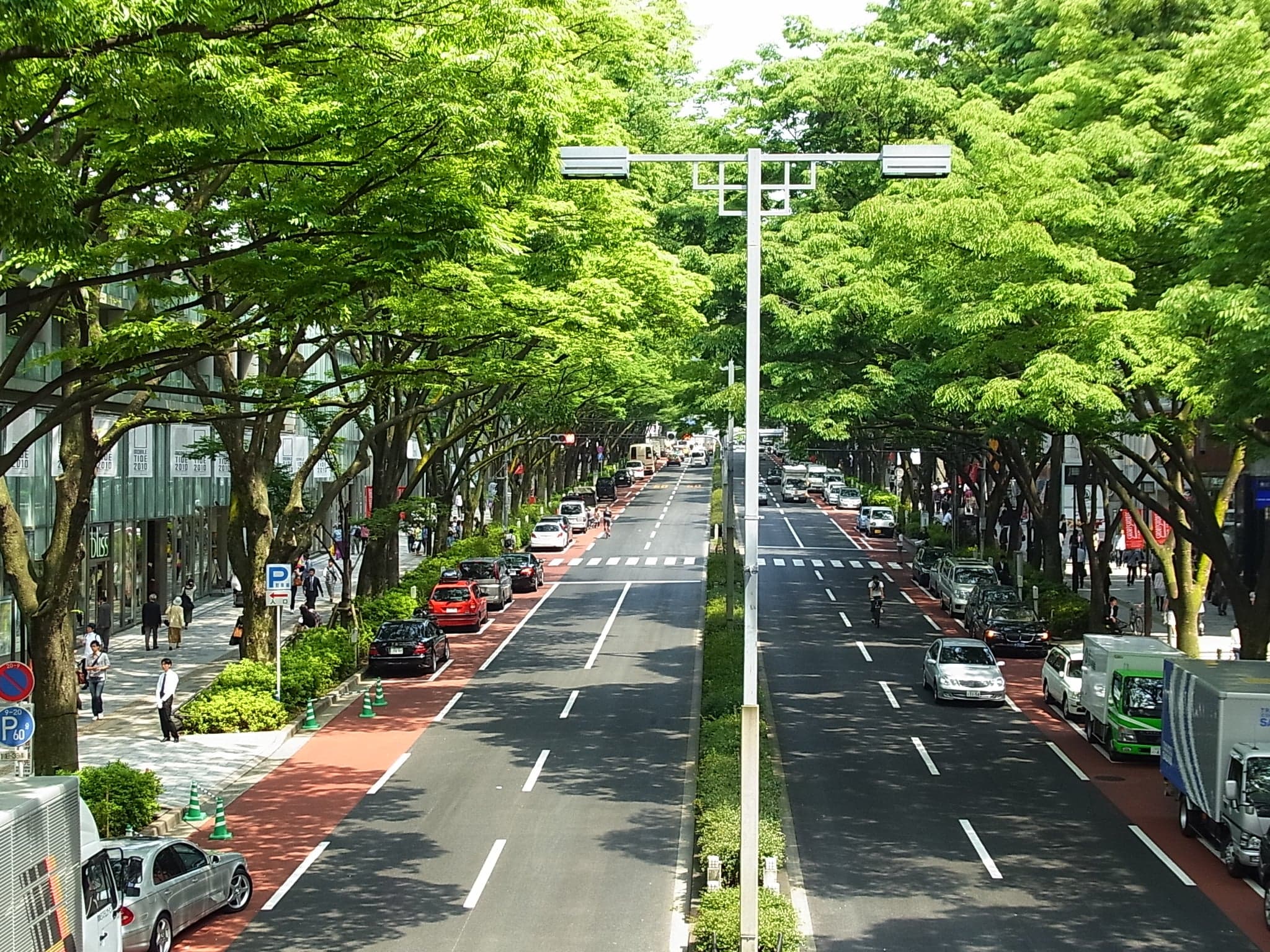
On weekend afternoons you'll be shoulder to shoulder. To browse, go on a weekday in the late morning, when the shops are opening. Then cross over to Omotesando, the tree-lined avenue that runs toward Aoyama — the grown-up version, with flagship boutiques, striking architecture and good coffee.
Yoyogi Park and the Walk Back to Shibuya
Yoyogi Park is right beside Meiji Shrine. On sunny weekends it fills with picnickers, joggers, buskers and dance groups, and in blossom season the lawns become one giant picnic. From the park, the backstreets of Cat Street make a pleasant walk back to Shibuya.
Shinjuku: Neon Lights, Tiny Bars and a National Garden
Everything in Shinjuku is turned up to full volume: skyscrapers on the west side, the neon lights of Kabukicho on the east, department stores, a huge national garden and some of the best cheap food in Tokyo, all within about a 15-minute walk of one station.
Shinjuku Station: Choose Your Exit First
Shinjuku Station is often called the world's busiest station. Several JR lines, the Odakyu and Keio railways and a number of subway lines meet here. You don't need to understand the station; you just need the right exit:
- East exit: Kabukicho, Golden Gai and the department stores.
- West exit: Omoide Yokocho, the skyscraper district and the Tokyo Metropolitan Government Building.
- South and New South exits: Busta Shinjuku, the highway bus terminal for Mt Fuji buses.
- Southeast side: the walk to Shinjuku Gyoen.
Lost inside Shinjuku Station? Go up to street level, find a landmark and work out your route again. Everyone does it.
Shinjuku Gyoen National Garden: An Hour of Calm in a Busy City
Shinjuku Gyoen National Garden is the opposite of everything else in Shinjuku. It combines a traditional Japanese landscape garden, an English-style garden with wide lawns and a formal French garden, plus a large greenhouse. Skyscrapers show above the treeline, which makes for a very Tokyo kind of photo.
- Admission: ¥500 for adults; free for junior high school students and younger.
- Hours: 9:00 to 16:30 from October 1 to March 14, later in spring and summer.
- Closed: Mondays (the next day if Monday is a public holiday).
- No alcohol, and bags are checked at the gates.
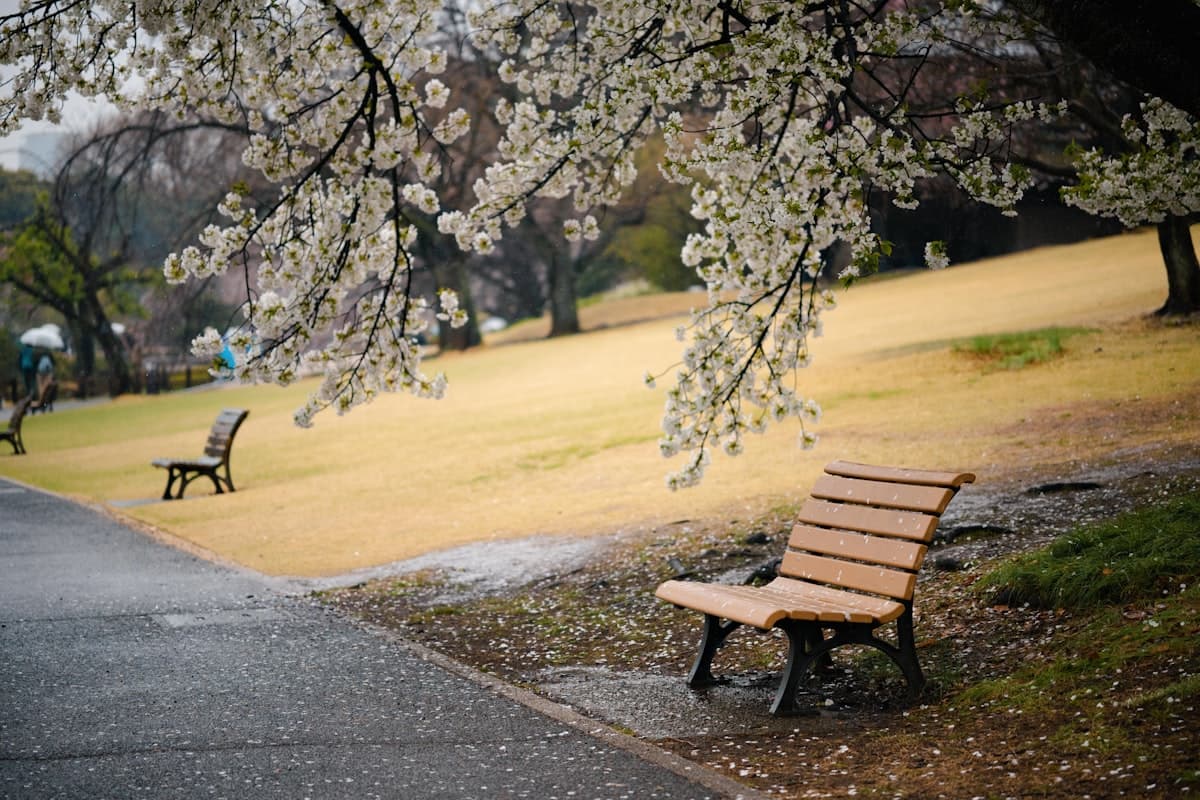
This national garden is one of the best places in Tokyo for cherry blossoms, and because of the entry fee and the alcohol ban it stays calmer than the rowdier picnic spots. The autumn maples are lovely too.
Omoide Yokocho ("Piss Alley") and Golden Gai
Just outside the west exit is Omoide Yokocho, "Memory Lane": narrow alleys of yakitori grills and noodle counters squeezed up against the railway tracks. Its old nickname, Piss Alley, dates from rougher days after the war. The alleys are cleaner now, but the smoke and charm are still there. Most places seat just a handful of people — five or six at a counter — so point at what your neighbor is eating, order a beer, and don't linger if people are queuing. Our Omoide Yokocho guide covers the etiquette.
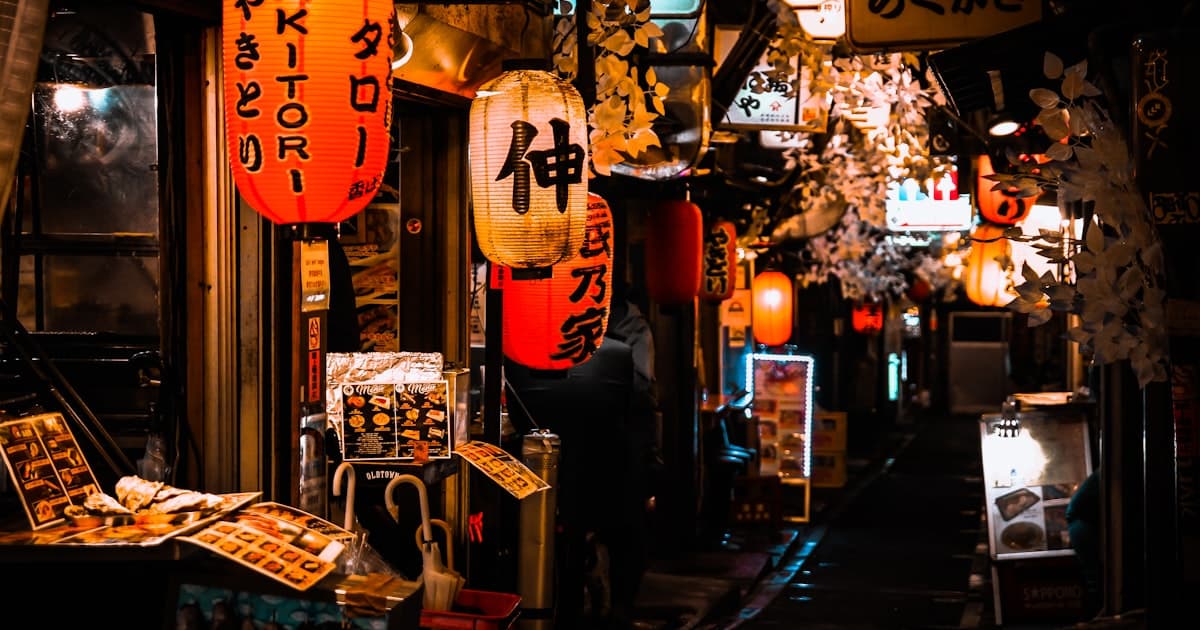
On the east side, near Kabukicho, Golden Gai fits around 280 tiny bars into a few narrow lanes. Most open from around 8 p.m. Each has its own personality — film bars, punk bars, jazz bars, bars that feel like someone's living room. Many charge a cover, some are for regulars only, and photos need permission: people live and work here. One drink in Piss Alley and one in Golden Gai makes a better night than any themed show in the city.
Free Views from the Tokyo Metropolitan Government Building
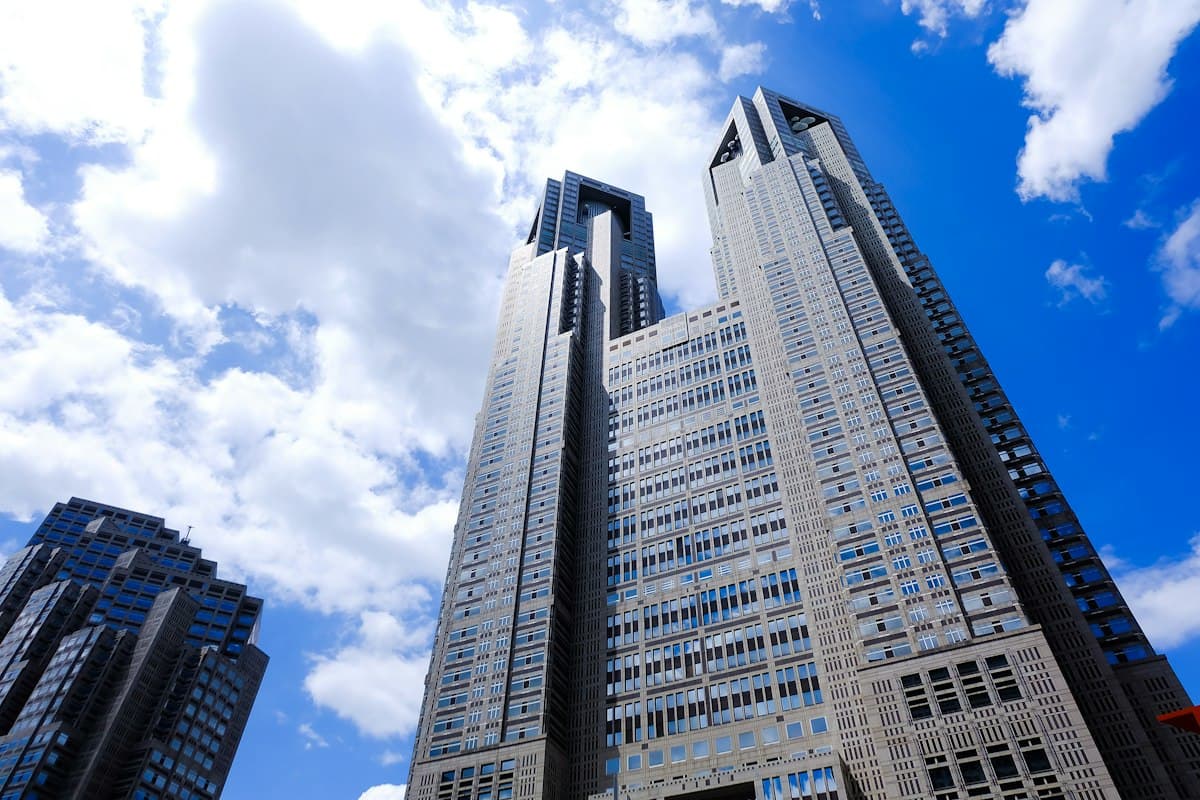
On the west side, the twin-towered Tokyo Metropolitan Government Building has free observation decks on the 45th floor; the South deck is open 9:30 to 22:00. It's less dramatic than the Shibuya rooftop, but it's free, and on clear winter days you can see Mount Fuji.
What Happened to the Robot Restaurant?
Older blogs still recommend the Robot Restaurant in Kabukicho. It closed in 2020. If you see it on a list, the list is out of date — a useful test for any Tokyo guide you're reading.
Asakusa and Senso-ji: Tokyo's Oldest Temple
If Shibuya is Tokyo's future, Asakusa is its past: incense smoke, rickshaw pullers, old snack shops and backstreets that feel decades older than the skyscrapers across the river. For history lovers, it holds some of the best things to do in Tokyo.
Senso-ji Temple: Why Timing Is Everything
Senso-ji Temple is Tokyo's oldest temple: it dates its founding to 628, and it's dedicated to Kannon, the bodhisattva of compassion. It's also one of the most visited religious sites in Japan, which is why timing matters so much.
The main hall opens at 6:00 (6:30 from October to March) and closes at 17:00, and the temple grounds never close. That gives you two great windows. Early morning, before about 8:00, the Kaminarimon and its giant red lantern are nearly empty, and locals stop to pray on their way to work. After dark, the shops are shuttered, the buildings are lit and the temple grounds go quiet.
Between about 10:00 and 16:00, especially on weekends, Senso-ji is packed. It's still worth seeing; just expect crowds. Asakusa Station (Tokyo Metro Ginza Line, Toei Asakusa Line and Tobu Railway) is about five minutes on foot from the gate. While you're there, try an omikuji fortune — if you get a bad one, tie it to the rack and leave the bad luck behind.
Nakamise Shopping Street and Local Street Food
Between the Kaminarimon and the inner Hozomon gate runs Nakamise shopping street, about 250 meters and 87 shops of souvenirs and snacks: folding fans, yukata, charms and local street food — ningyo-yaki (small cakes filled with red bean), crunchy senbei rice crackers and fried age-manju buns.
Many stalls ask you to eat in front of the shop, not while walking. For quieter snacks, wander into the side streets: the backstreets hide tiny shrines, small izakaya and the yakitori strip known as Hoppy Street.
From Asakusa to Tokyo Skytree on Foot
Tokyo Skytree looks close from Asakusa, and it is: about a 20-minute walk across the Sumida River, or one stop by train. Senso-ji in the morning and Skytree in the afternoon is one of the easiest half-days in Tokyo.
Tokyo Skytree, Tokyo Tower and Roppongi Hills: Picking an Observation Deck
Tokyo has more observation decks than you'll have evenings. Choose one, maybe two, based on what you actually want to see.
Tokyo Skytree: The Highest View in Japan
At 634 meters, Tokyo Skytree is the tallest structure in Japan. It has two viewing levels: the Tembo Deck at 350 meters and the Tembo Galleria at 450 meters, where a sloping glass corridor spirals upward. Since April 1, 2026 prices change by date: online, the Tembo Deck costs ¥1,800 to ¥3,600 for an adult and both decks together ¥3,000 to ¥4,800, and tickets bought on site cost ¥500 more.
The honest trade-off: at 350 meters the city flattens into an endless grey carpet. The scale is staggering, but you lose the street-level detail. Below the tower, the Tokyo Solamachi complex is handy for lunch or a wet afternoon.
Tokyo Tower: Inspired by the Eiffel Tower
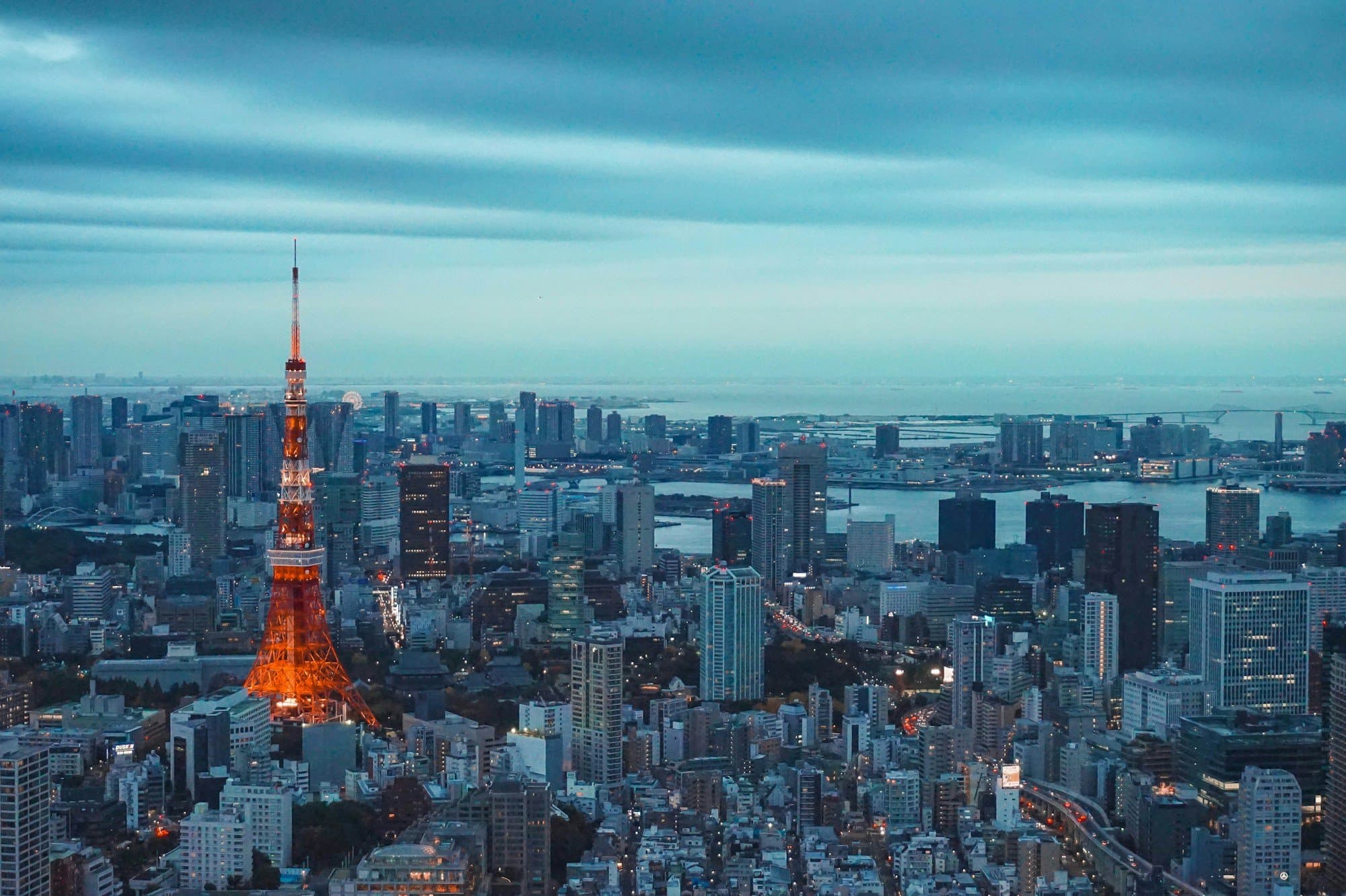
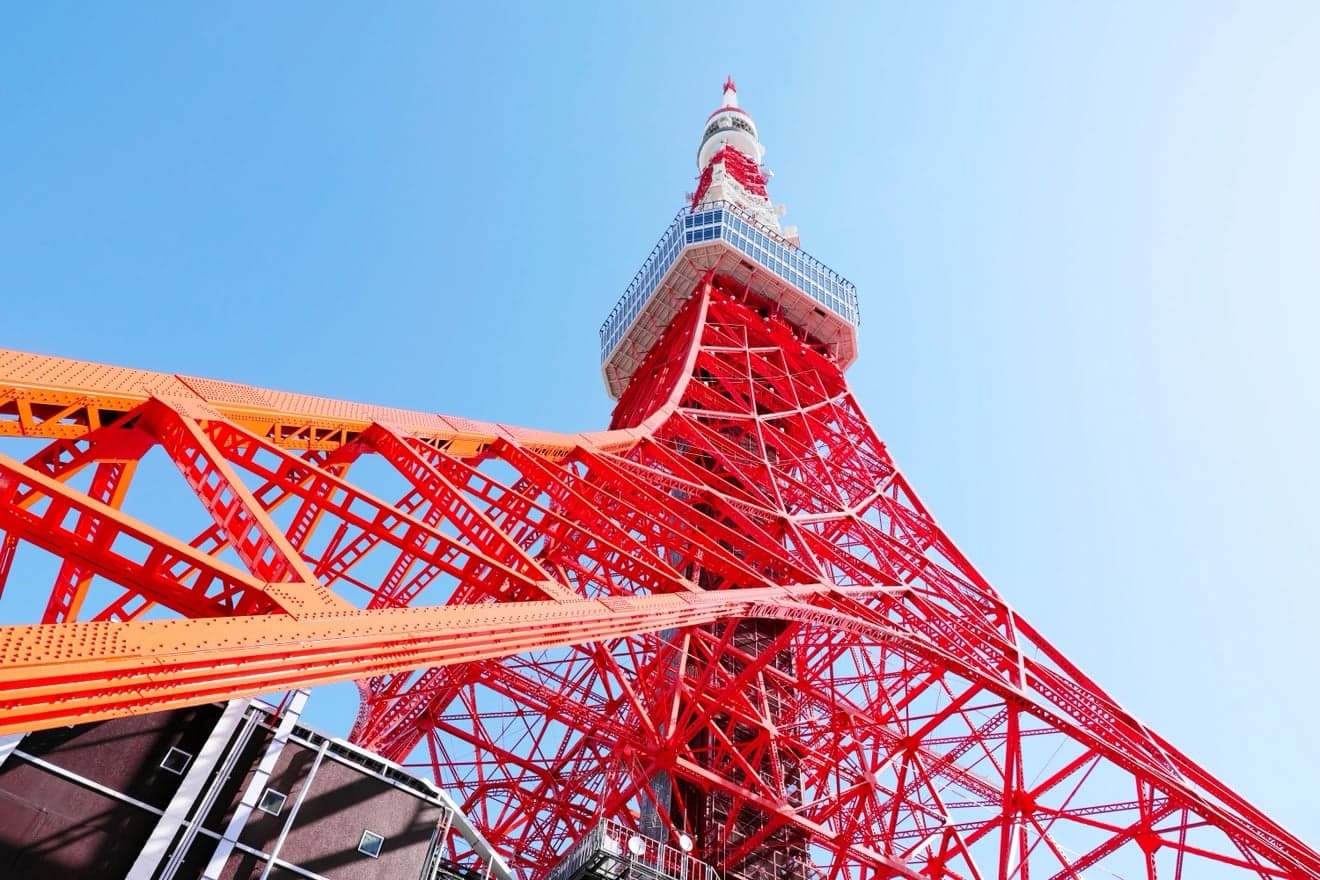
Tokyo Tower was completed in 1958. It's 333 meters tall, was inspired by the Eiffel Tower and is painted bright orange and white to meet aviation safety rules. The Main Deck at 150 meters costs ¥1,500 and is open 9:00 to 23:00. To reach the Top Deck at 250 meters you book the Top Deck Tour: ¥3,300 online or ¥3,500 at the counter.
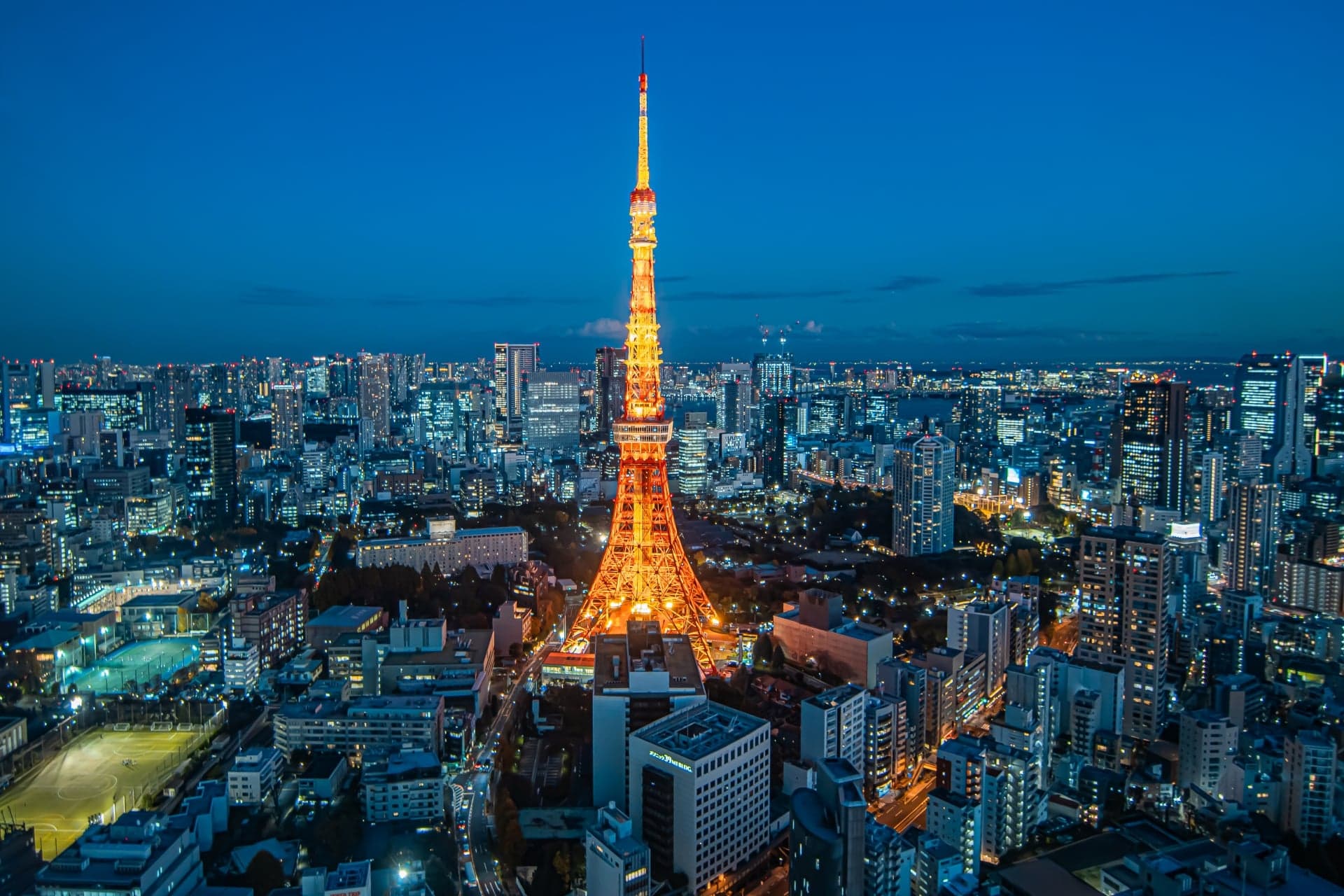
The best thing about Tokyo Tower, though, is looking at it. Walk through Shiba Park or past Zojo-ji Temple at dusk for the classic shot. Akabanebashi Station on the Toei Oedo Line is just a short walk away.
Roppongi Hills: Tokyo City View and the Mori Art Museum
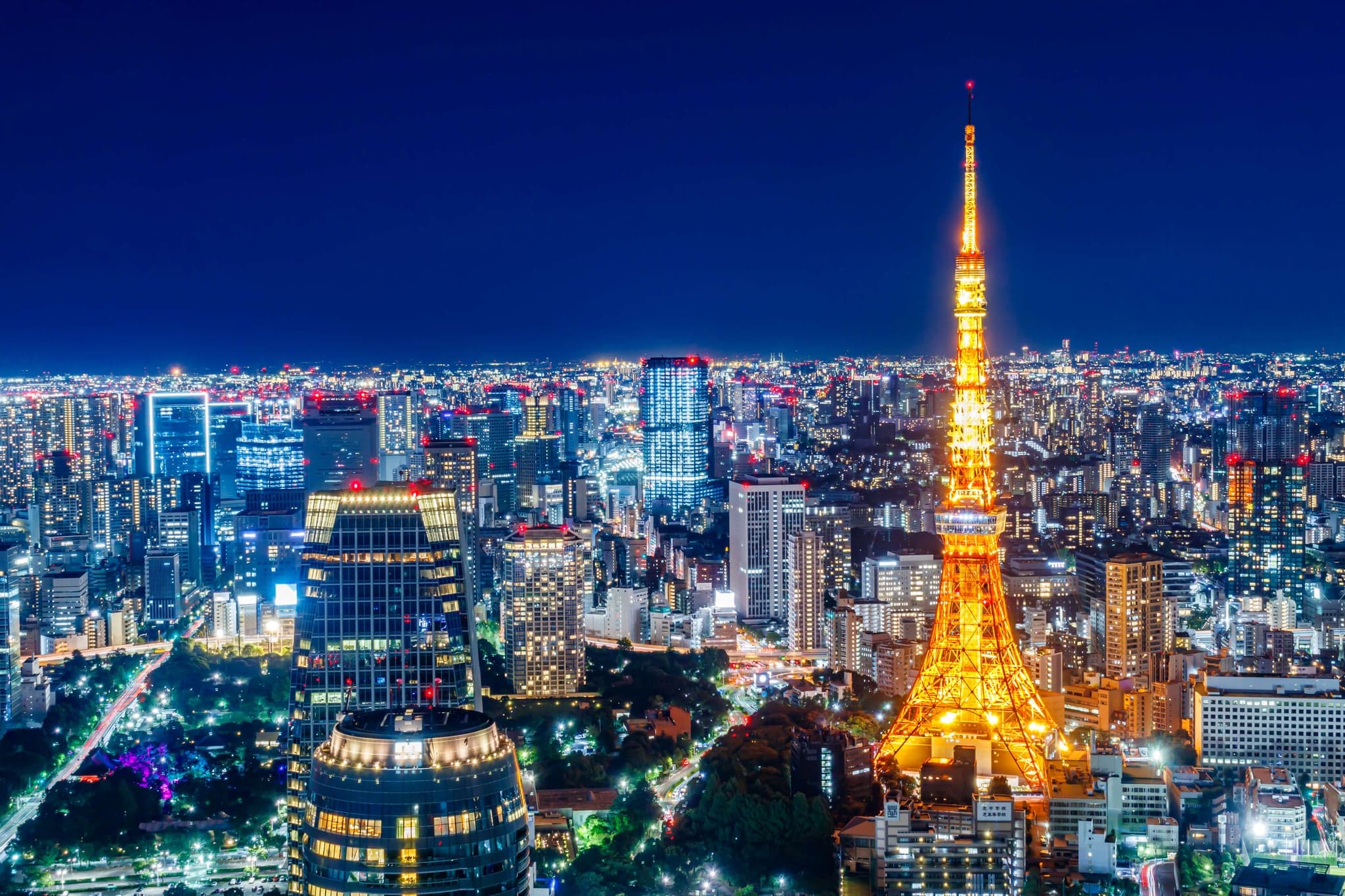
Tokyo City View, on the 52nd floor of Mori Tower, is the best place to see Tokyo Tower itself — it sits right in the middle of the view. The admission is tied to the exhibitions at the Mori Art Museum upstairs, which puts on strong contemporary art shows, so check the current ticket before you go.
Quick Comparison: Which Observation Deck Should You Choose?
| Deck | Height | Adult price | Best for |
|---|---|---|---|
| Shibuya Sky | Open-air rooftop above Shibuya Station | ¥2,700 online before 15:00, ¥3,400 from 15:00 (¥3,000 / ¥3,700 at the counter) | Looking straight down on the crossing; sunset |
| Tokyo Skytree | Tembo Deck 350 m, Tembo Galleria 450 m | Tembo Deck ¥1,800–3,600 online by date; both decks ¥3,000–4,800; ¥500 more on site | The sheer size of the city; pairs with Asakusa |
| Tokyo Tower | Main Deck 150 m, Top Deck 250 m | Main Deck ¥1,500; Top Deck Tour ¥3,300 online (¥3,500 at the counter) | A central, retro landmark; open to 23:00 |
| Tokyo City View, Roppongi Hills | 52nd floor of Mori Tower | Check the current exhibition price | The best view of Tokyo Tower itself |
| Tokyo Metropolitan Government Building | 45th floor, Shinjuku | Free (South deck 9:30–22:00) | Free views; Mt Fuji on clear winter days |
Tokyo Station, the Imperial Palace and Ginza
Most visitors pass through Tokyo Station on the way to a shinkansen and never look up. That's a mistake: this part of central Tokyo deserves a slow half-day.
Tokyo Station: Red Brick, Ramen and Character Shops
The Marunouchi side of Tokyo Station is a grand red-brick building. It opened in 1914 and was restored to its original design, domes included, in 2012. Walk out of the Marunouchi Central exit and turn around for the best view.
Under the Yaesu side is First Avenue Tokyo Station, an underground shopping area where you can easily spend hours: Tokyo Ramen Street has a row of well-known ramen shops, and Tokyo Character Street is full of stores for Pokémon and other favorites. Lunch queues are long, so eat early or late. Catching a shinkansen? Pick up an ekiben (station bento) and eat on board like everyone else.
The Imperial Palace East Gardens
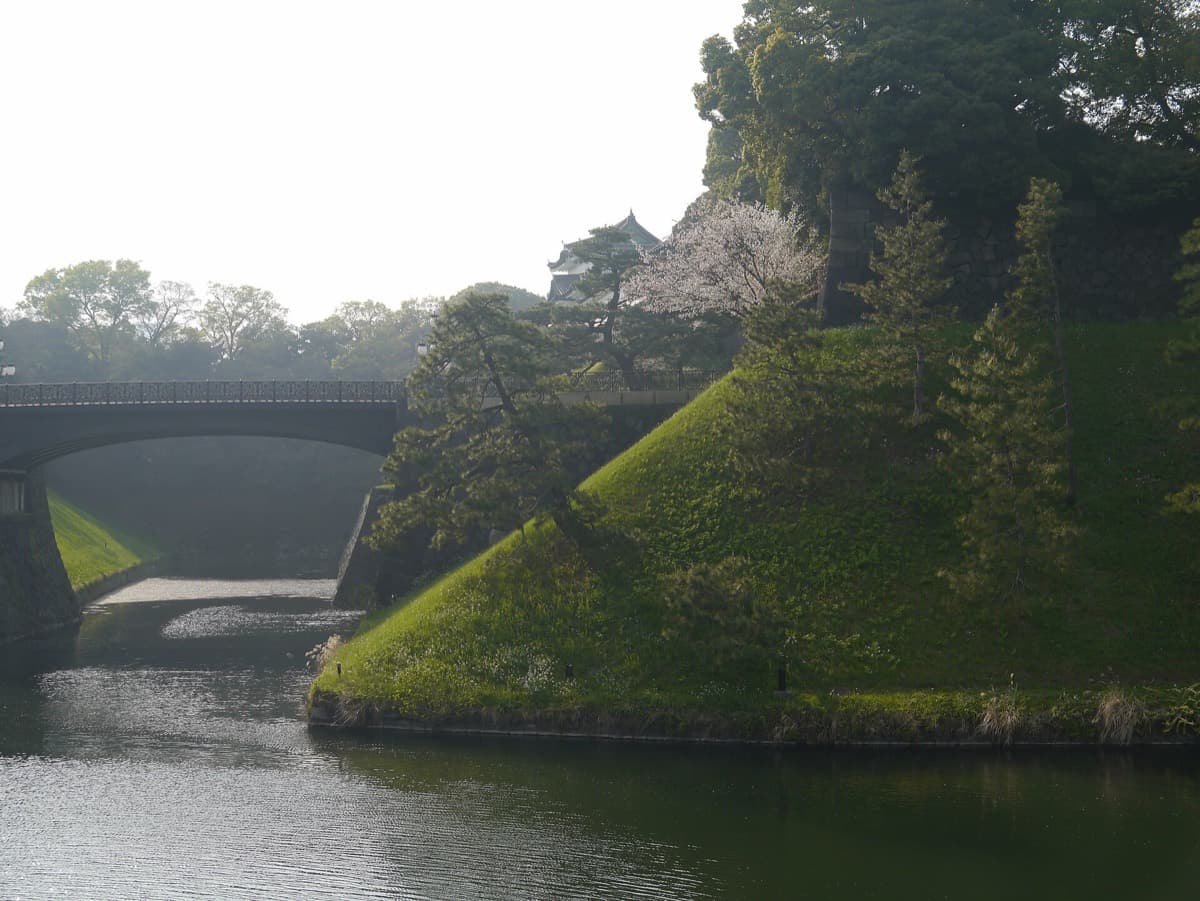
The Imperial Palace is a 10- to 15-minute walk from the Marunouchi side. It's where the Emperor lives, so most of the inner grounds are off-limits, but the East Gardens are open to the public for free: the huge stone foundations of Edo Castle's main keep, neat lawns and seasonal flowers.
Watch the closing days: the gardens close on Mondays and Fridays. Hours change with the season — 9:00 to 16:30 in October and 9:00 to 16:00 from November to February.
The Imperial Household Agency also runs guided tours of part of the inner palace grounds, about an hour long. Online booking opens on the 1st of the previous month, and some places are given out on the day at the Kikyo-mon gate — from 9:00 for the morning tour and from 12:30 for the afternoon one. The loop of roughly 5 kilometers around the palace moat is one of Tokyo's favorite running routes.
Ginza: Department Stores and Food Halls
From the palace, Ginza is an easy walk. The Wako clock tower marks the main crossing, and the department store basements (depachika) are food halls where you can spend hours tasting. On weekend afternoons the main street, Chuo-dori, is usually closed to cars.
Ueno: Museums, a Zoo and Ameyoko Market
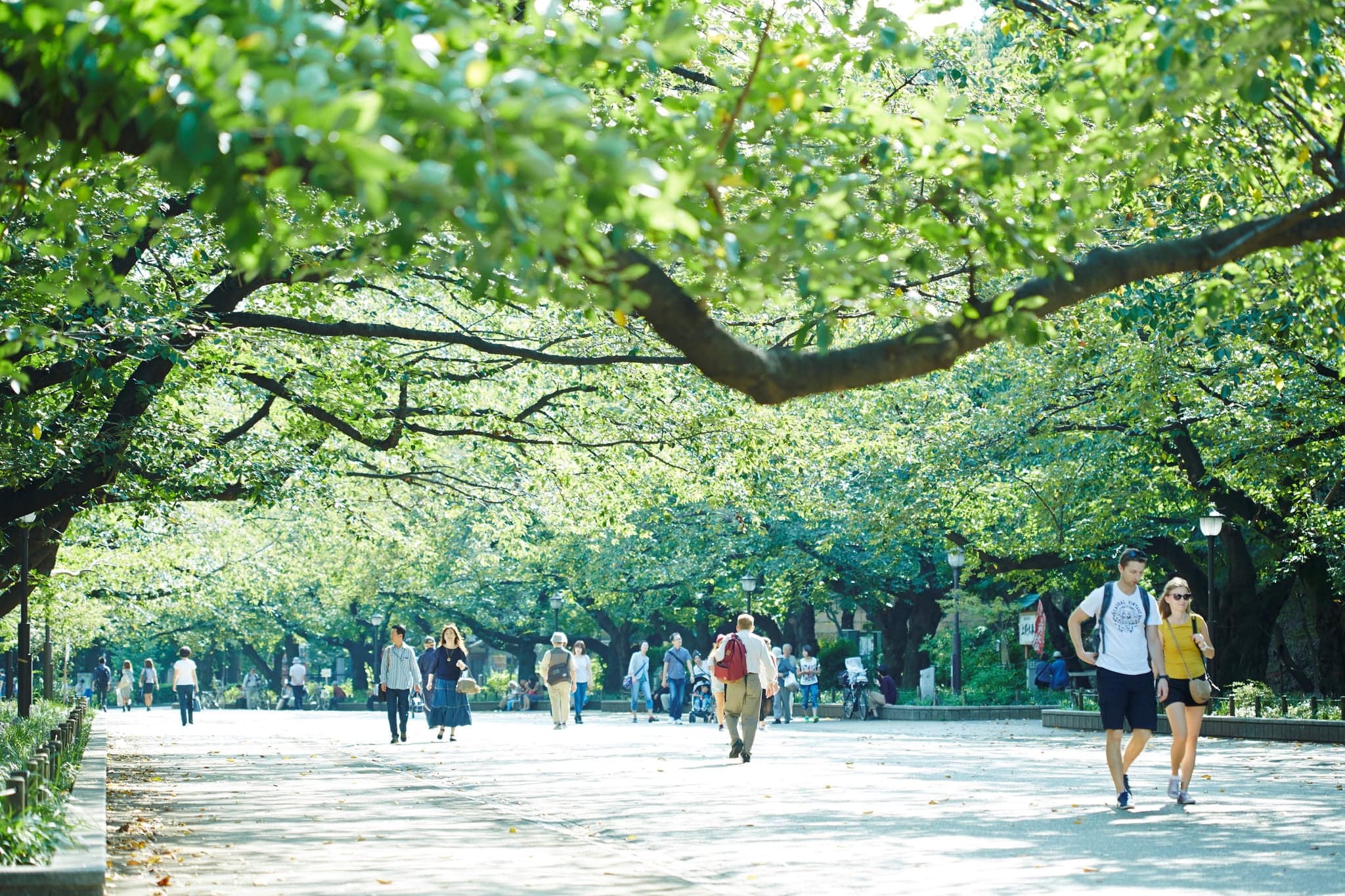
Ueno Park is a short walk from JR Ueno Station and free to enter. It has a zoo, several major museums, a pond with swan boats, and some of Tokyo's most famous cherry blossom paths.
Tokyo National Museum
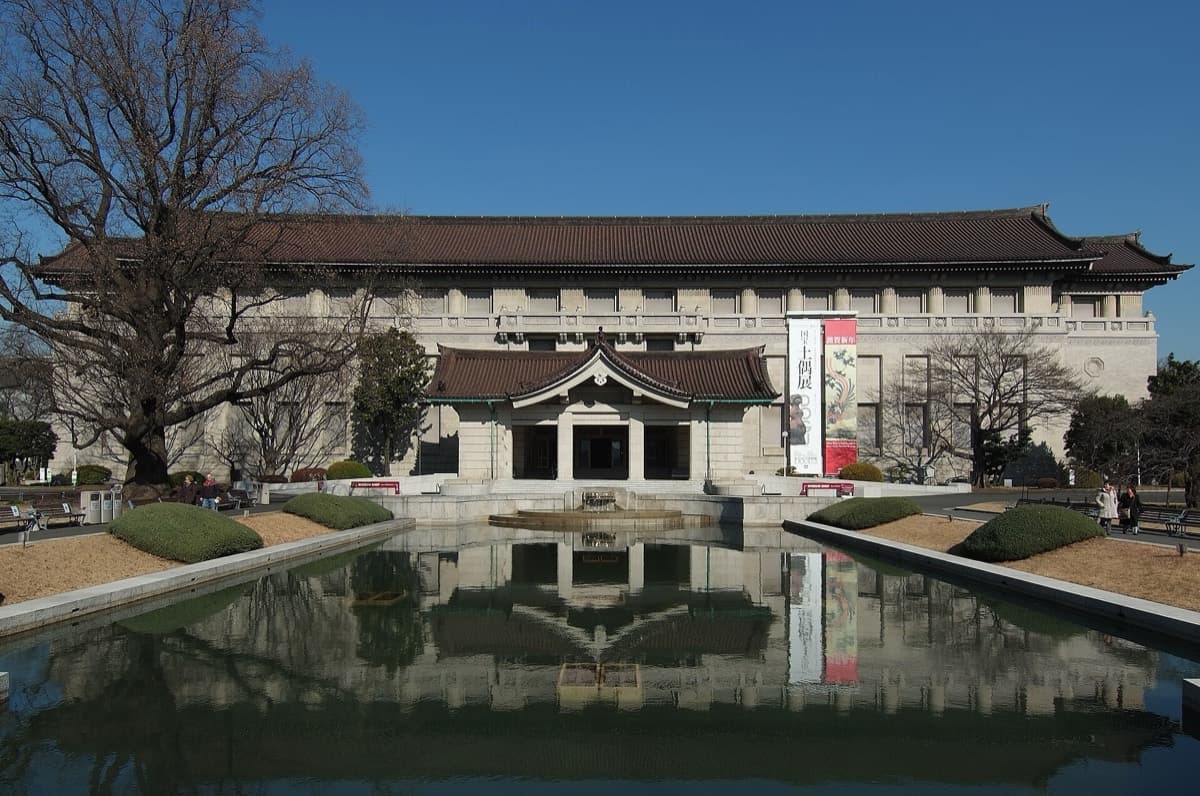
The Tokyo National Museum, at the north end of the park, holds the country's largest collection of Japanese art — samurai armor, swords, screens and Buddhist sculpture. Admission is ¥1,000, it closes on Mondays, and since August 1, 2026 suitcases are not allowed inside, so leave luggage at the station.
Ueno Zoo
Ueno Zoo costs ¥600 for adults and closes on Mondays. One heads-up: the giant pandas went back to China in January 2026, so there are none to see now.
Ameyoko Market
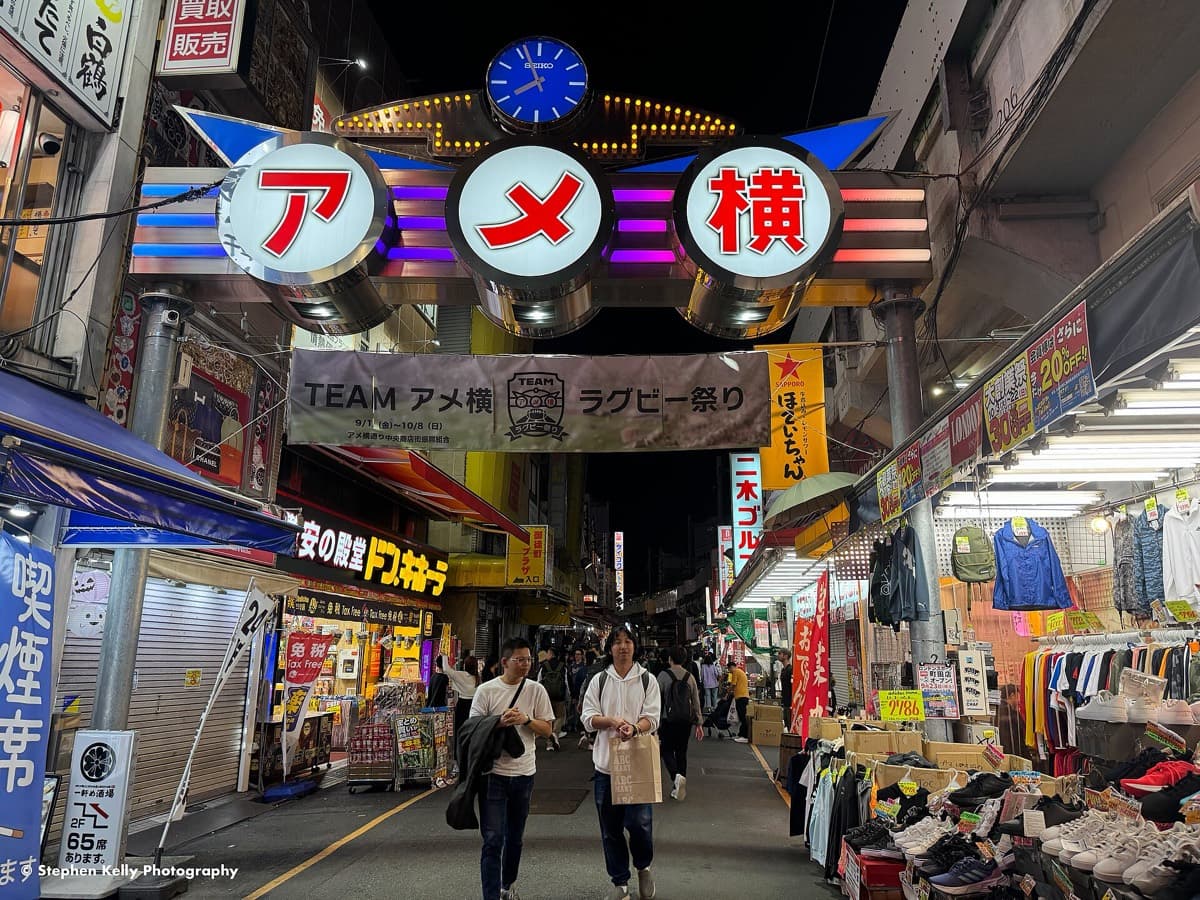
Ameyoko, the market street running south from the station under the railway tracks, is great for people watching, food stalls and cheap bars. It's one of the best places in Tokyo for a standing-room drink and grilled skewers after the museums close.
Food Lovers' Tokyo: Markets, Sushi and Ramen
Tokyo is a dream for food lovers. Eating well is one of the best things to do in Tokyo, and you don't need Michelin reservations to do it.
Tsukiji Outer Market: Breakfast Done Right
The wholesale fish market moved to Toyosu in 2018, but the Tsukiji Outer Market stayed where it was, and it's still one of the best places to eat in central Tokyo: hundreds of small shops and food stalls selling seafood, knives, kitchenware, tea and dried goods.
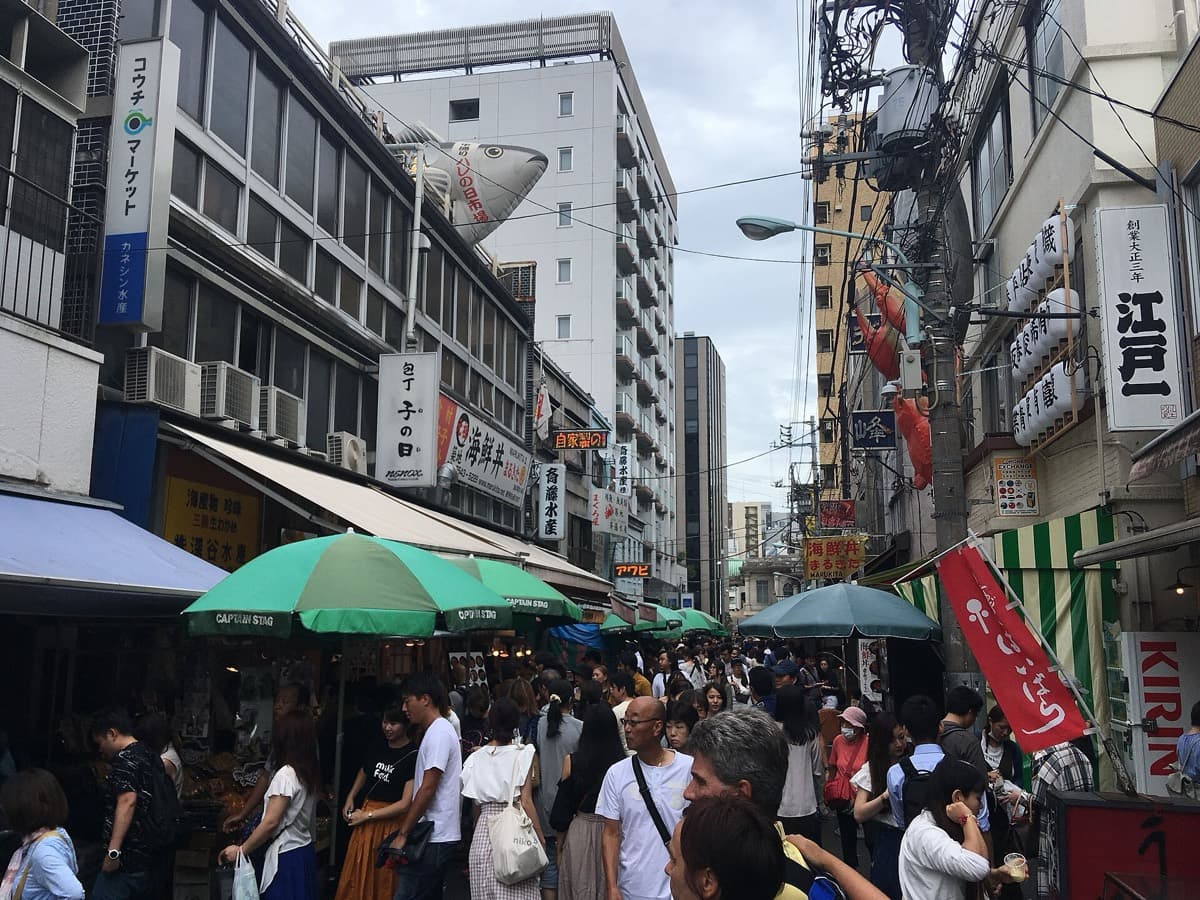
- What to eat: sweet tamagoyaki (rolled omelet) on a stick, grilled scallops, tuna and sea urchin rice bowls, oysters and strawberry mochi.
- When: the market's retail hours for the public are about 9:00 to 14:00. Go early.
- Check the calendar: it's closed on Sundays, national holidays and most Wednesdays when the wholesale market is shut.
- Don't eat while walking. Eat at the stall where you bought the food, and bring cash.
Toyosu Market: The Tuna Auction
For the tuna auction, go to Toyosu Market, by Shijo-mae Station on the Yurikamome Line. The upper-floor visitor corridor is open 5:00 to 17:00 without booking. The lower observation deck, right next to the auction floor, is free but allocated by an advance lottery with a small number of places each day. Toyosu follows the same Sunday, holiday and Wednesday closures, so check the calendar before you set a 4:30 a.m. alarm.
Conveyor Belt Sushi, Ramen and Vending Machine Culture
Conveyor belt sushi (kaitenzushi). Most big chains now take orders on a touchscreen, often in English, and send the plates straight to your seat. It's cheap, fast and a low-risk way to try fish you've never heard of.
Ramen. Many shops have a ticket vending machine by the door: choose your bowl, pay, then hand the ticket to the staff. If the buttons are only in Japanese, point Google Translate's camera at them — or press the top-left button, which is often the house specialty.
A vending machine on every block. Cold drinks in summer, hot canned coffee and tea in winter. Public bins are rare, so the recycling bin next to a vending machine is often your only chance to get rid of a bottle.
Convenience stores. The rice balls (onigiri), sandwiches and fried chicken at 7-Eleven, Lawson and FamilyMart are genuinely good, and many branches are open 24 hours.
Should You Book a Food Tour?
For first-time visitors, a food tour with a local guide is one of the best-value things to book. A good guide takes you to standing bars, izakaya with no English menu and market counters you'd walk straight past, and explains what you're eating. Shinjuku's alleys, Ueno's Ameyoko, the after-work izakaya of Shimbashi and Asakusa are all good areas for one. Book early in the trip and you'll order with more confidence for the rest of it.
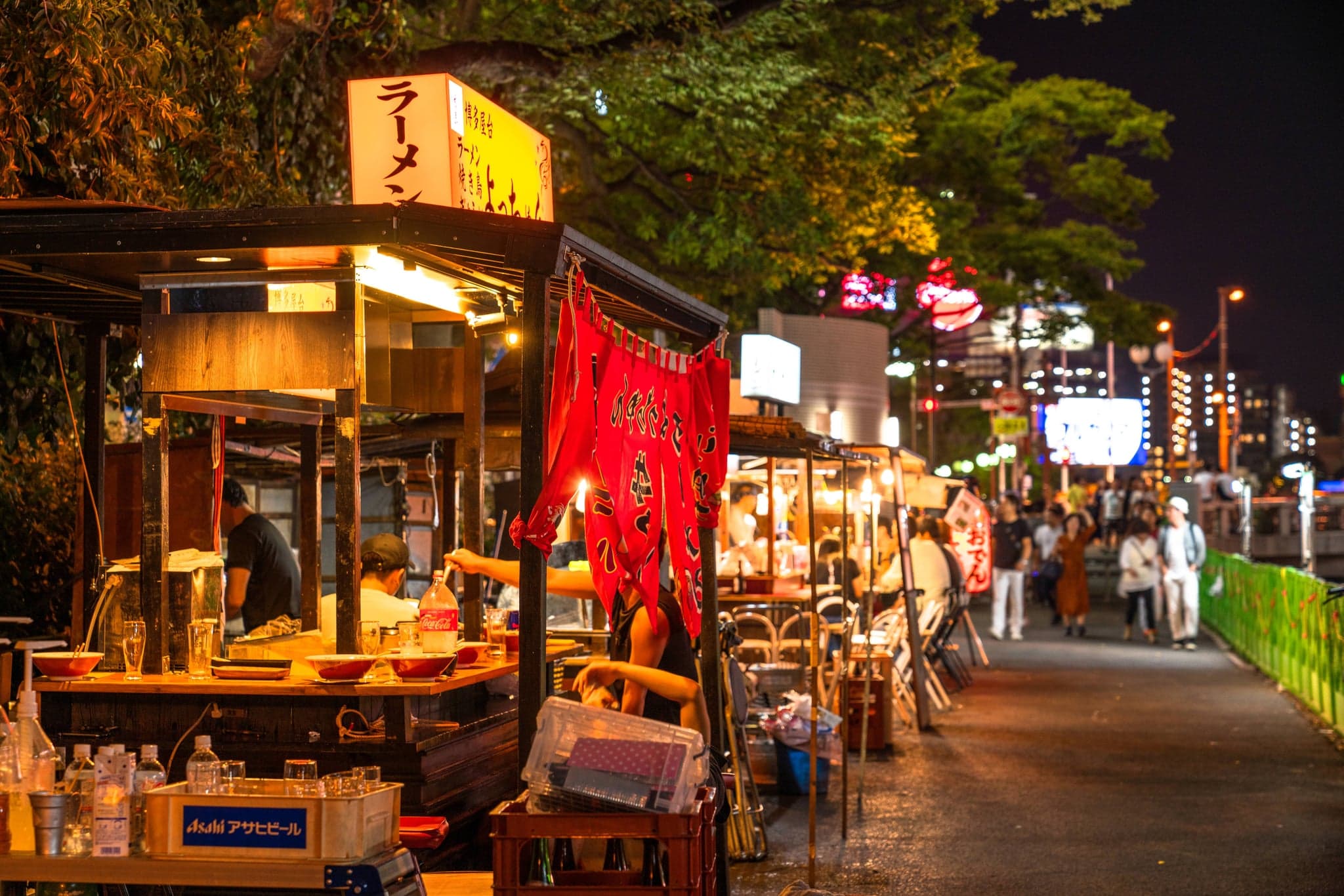
A note on street food: outside markets, festivals and a few shopping streets, you won't see many food stalls on the pavement. The good food is indoors, behind short cloth curtains (noren) hanging in the doorway.
Anime, Art and Pop Culture: Fun Things to Do in Tokyo
Akihabara Electric Town for Anime Fans
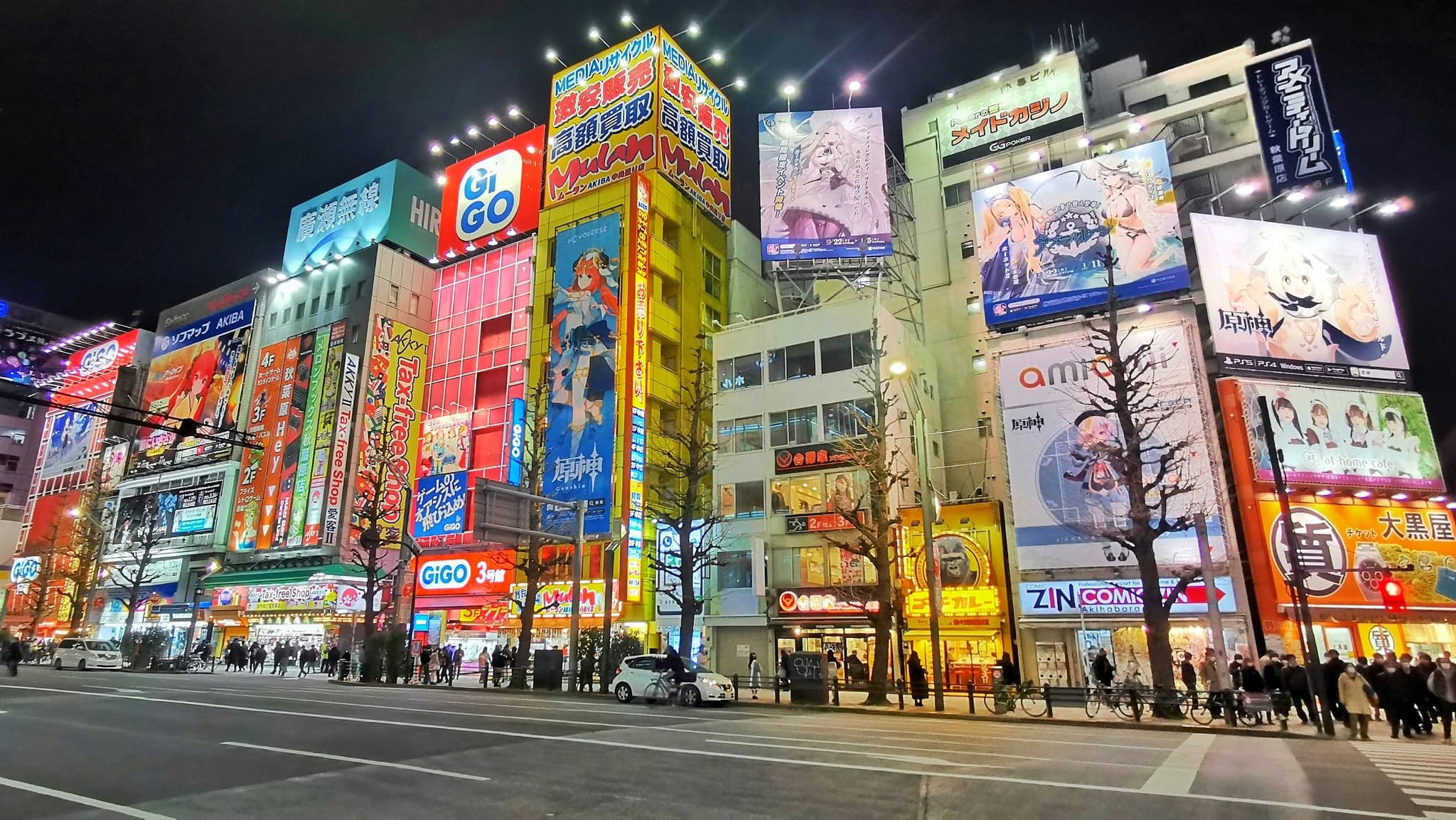
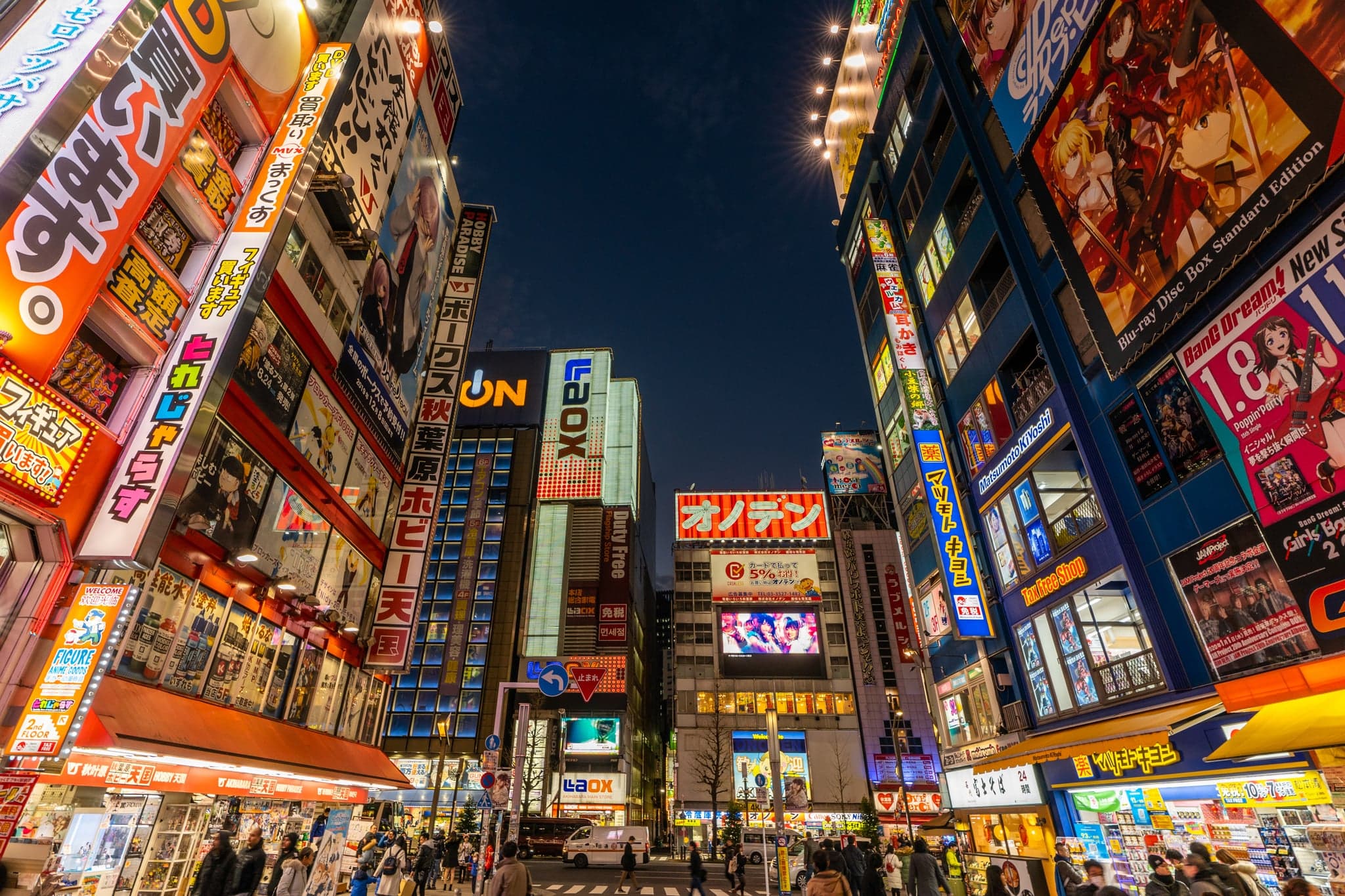
Take the Electric Town exit at JR Akihabara Station and you're right in it: anime and manga shops several floors high, retro game stores, capsule-toy halls, crane-game arcades and maid cafés. For anime fans, Akihabara Electric Town is a must; for everyone else it's an afternoon of glorious sensory overload, and one of the most fun things to do in Tokyo on a rainy day. Look up — the best shops are often on the fourth or fifth floor of narrow buildings. Our anime pilgrimage guide covers the places beyond Tokyo.
Ghibli Museum: How Tickets Actually Work
The Ghibli Museum in Mitaka is small, playful and completely charming, with original sketches and a short film you can't see anywhere else. It's also the Tokyo attraction people most often miss because they didn't understand the ticket system.
- Advance tickets only. Every ticket is for a specific date and entry time; nothing is sold at the door.
- Sales open on the 10th of each month at 10:00 Japan time for the following month, through Lawson Ticket.
- Price: ¥1,000 for adults.
- Closed on Tuesdays.
Weekend slots go fast, so be online at 10:00 JST on the 10th, even if that means a middle-of-the-night alarm at home. To get there, take the JR Chuo Line to Mitaka, or walk through Inokashira Park from Kichijoji. Is the Ghibli Museum worth the effort? For fans, definitely.
teamLab: Tokyo's Immersive Art Experience
teamLab runs two large digital art venues in Tokyo. At teamLab Planets in Toyosu you walk barefoot through water and rooms full of light; tickets start at ¥4,200 depending on the date, and it's scheduled to stay open until the end of 2027. teamLab Borderless at Azabudai Hills is a maze of rooms where the artworks move from one space to the next, from ¥3,600 (¥200 more if you buy on the day). Both use timed tickets and both sell out — a great immersive art experience for a rainy day.
Street Kart: Check the Permit Rules First
Driving a go-kart through real Tokyo traffic is exactly as silly as it sounds. But one rule ruins a lot of plans: Street Kart and similar operators require an International Driving Permit issued under the 1949 Geneva Convention, plus your home license and passport. You can't get one after you arrive in Japan, and no permit means no driving.
Gardens and Old Tokyo Neighborhoods
Once the headline sights are done, some of the best things to do in Tokyo are in quieter places.
Rikugien and Hamarikyu Gardens
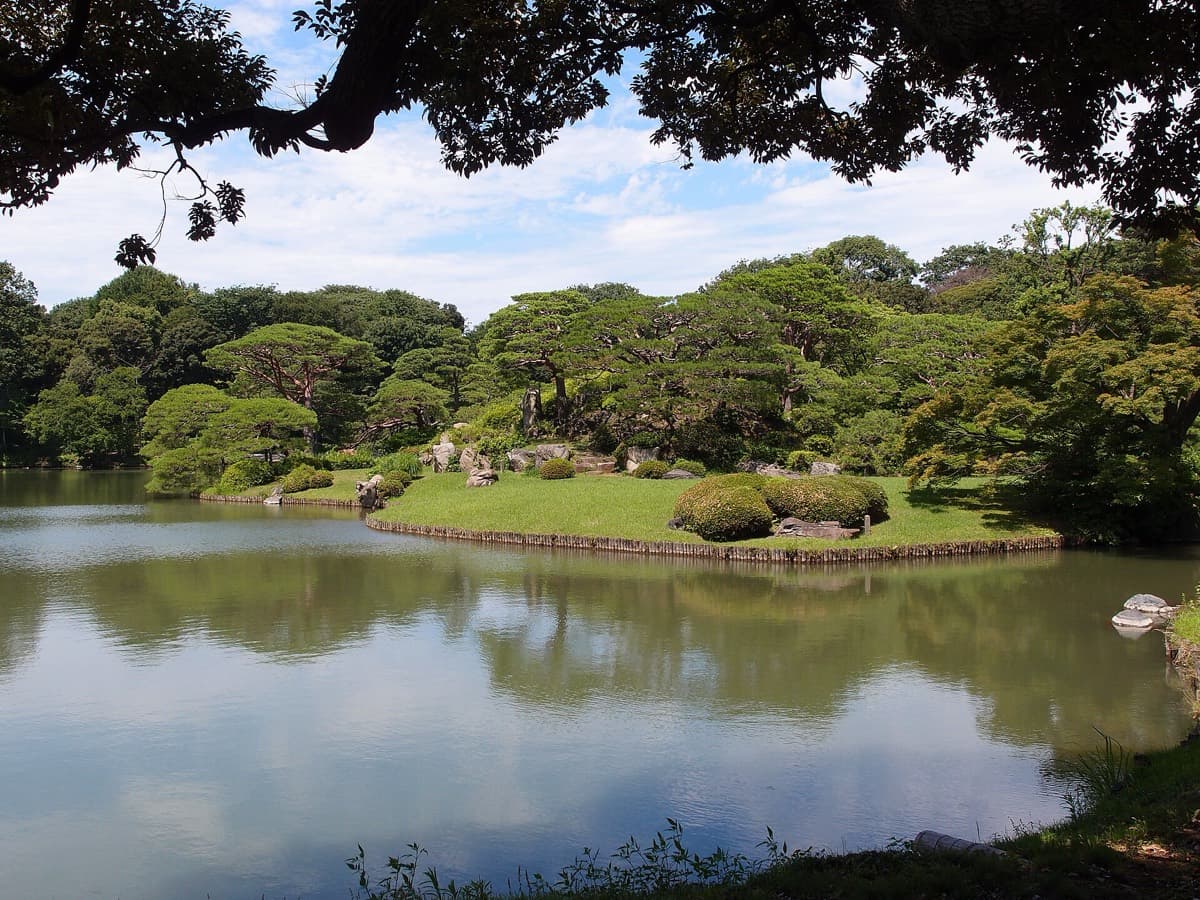
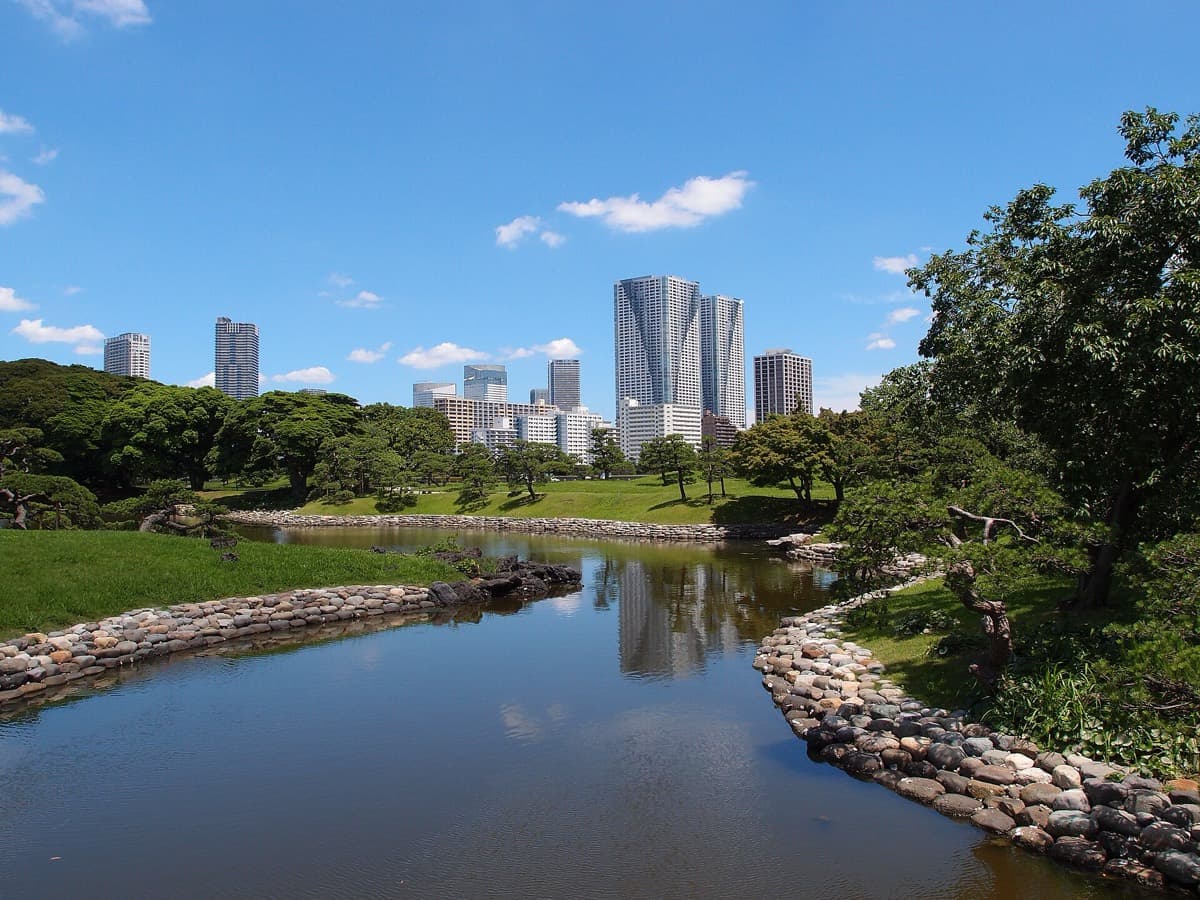
Rikugien, near Komagome on the Yamanote Line, is a classic Edo-period stroll garden around a pond; Hamarikyu, beside Shiodome, is a former shogun's garden with a tidal pond and office towers rising behind it. Both cost ¥300 and are open 9:00 to 17:00.
Yanaka, Shibamata and Shimokitazawa
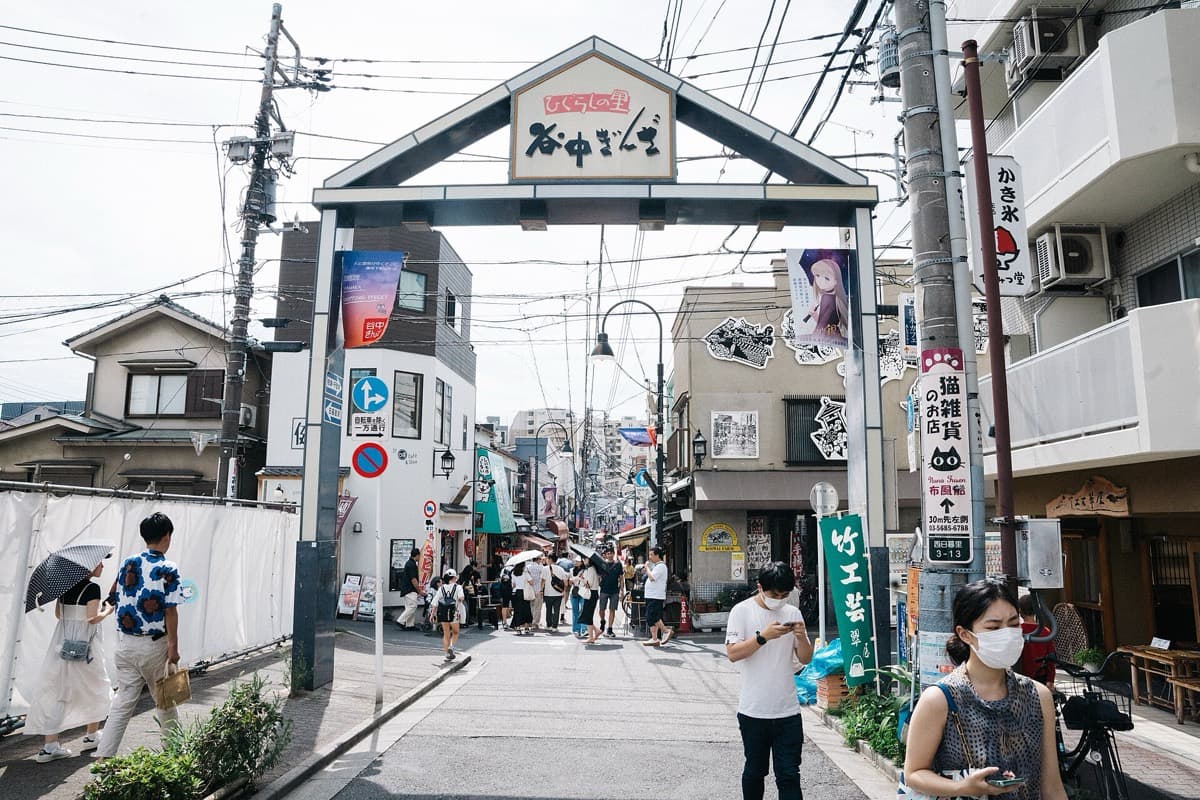
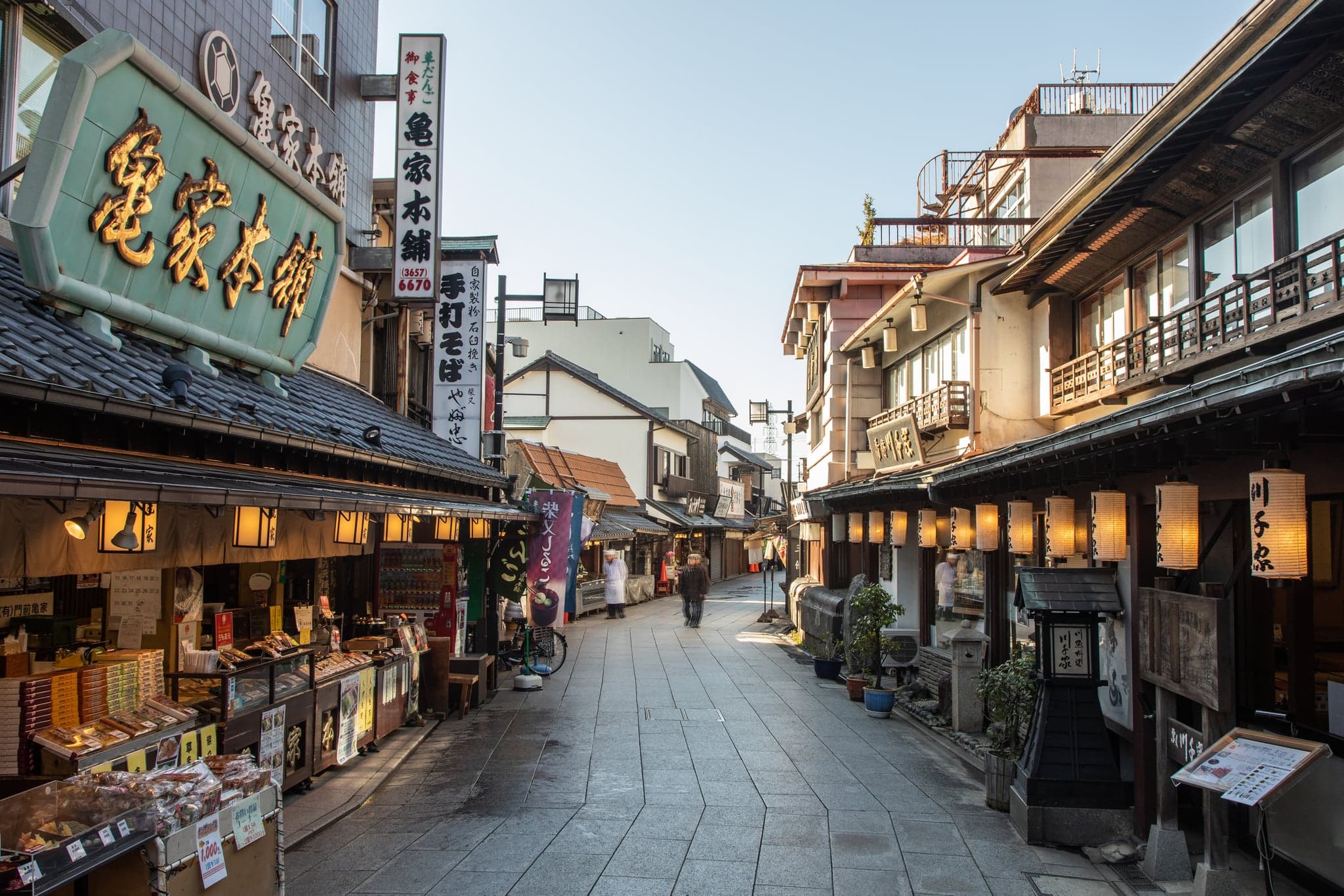
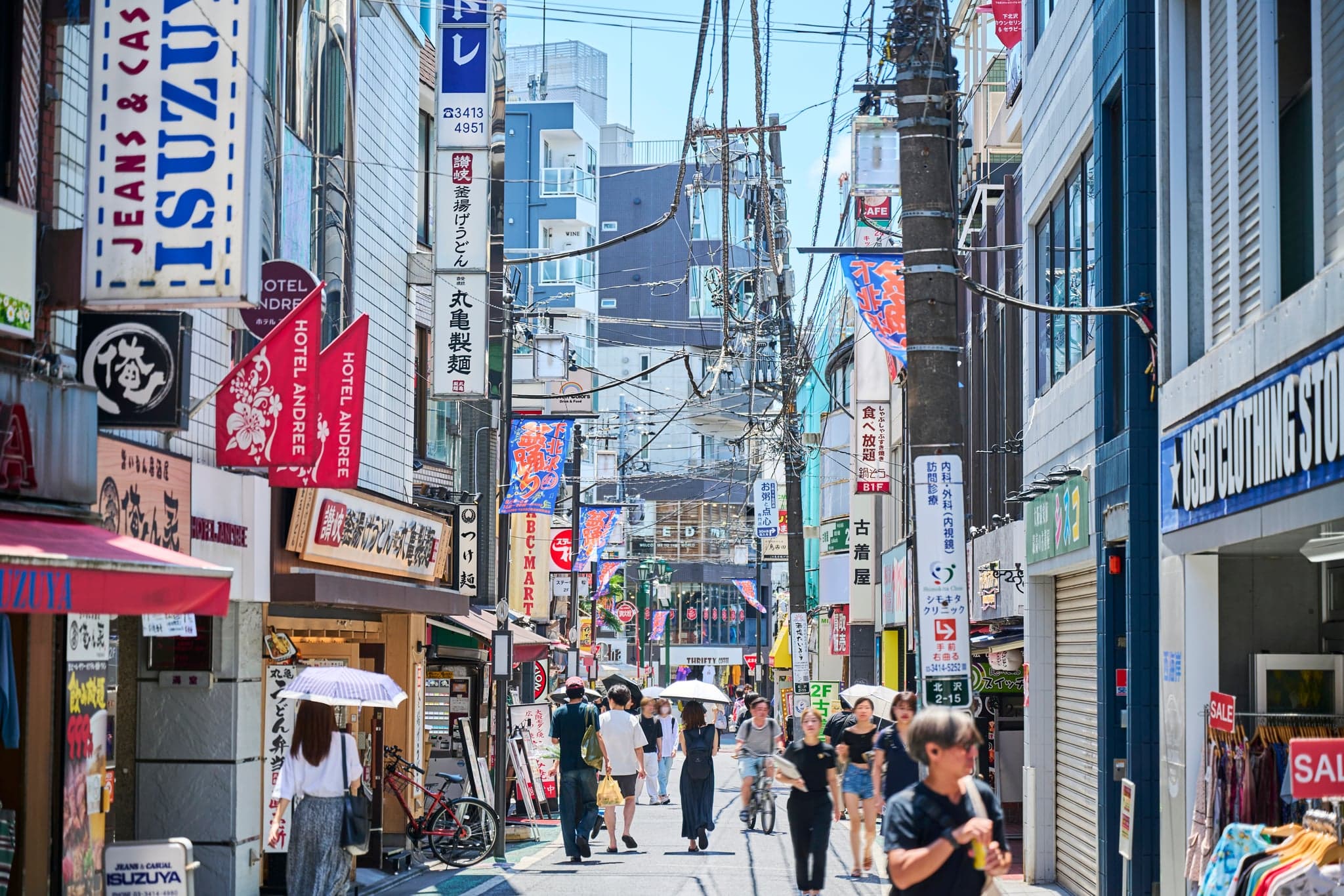
Yanaka, a short walk from Nippori Station, is one of the few areas that survived the war and the 1923 earthquake: temples, old wooden houses and the Yanaka Ginza shopping street. Shibamata has a temple approach lined with old sweet shops. Shimokitazawa is Tokyo's vintage-clothing and live-music neighborhood. All three are easy half-days away from the crowds.
Sumo Wrestling in Tokyo: Tournaments and Morning Practice
Seeing sumo wrestling live is one of the most memorable things you can do in Tokyo. It also takes planning.
When the Tokyo Tournaments Happen
Japan holds six Grand Sumo Tournaments a year, and three of them take place in Tokyo at Ryogoku Kokugikan: January, May and September. Each runs for 15 days. The September 2026 tournament has just ended; the next Tokyo tournament runs January 10–24, 2027, with tickets on sale from December 5. Our guide to the January tournament covers seats and prices.
Watching Morning Practice
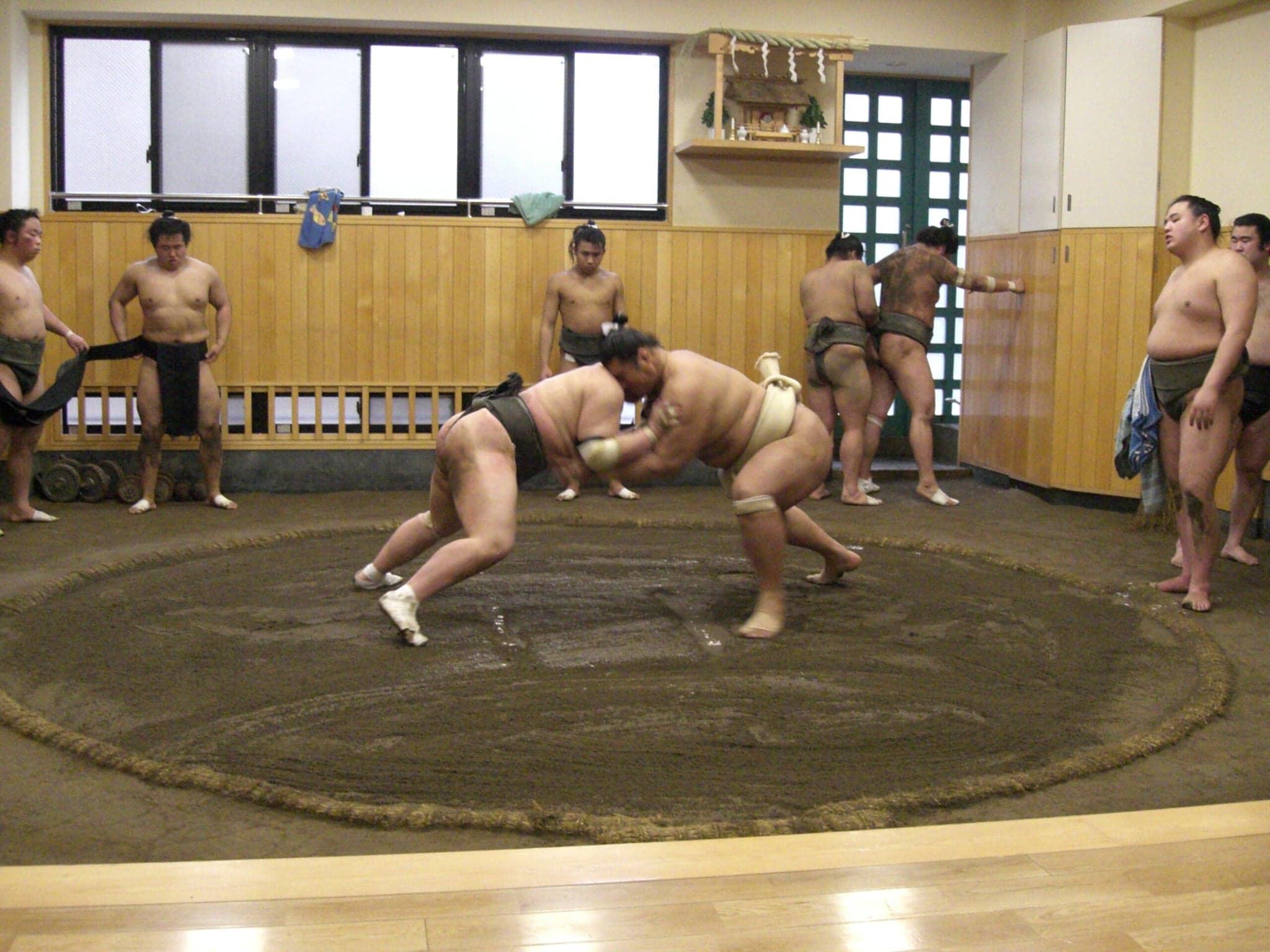
If your dates don't match a tournament, you can still watch the wrestlers train. Morning practice starts early and runs for a couple of hours. Some stables accept visitors, but the rules vary and change, and there's no practice to watch during tournaments. The easiest option is a small-group visit with a local guide who arranges access and explains the etiquette: stay silent, no flash, no eating.
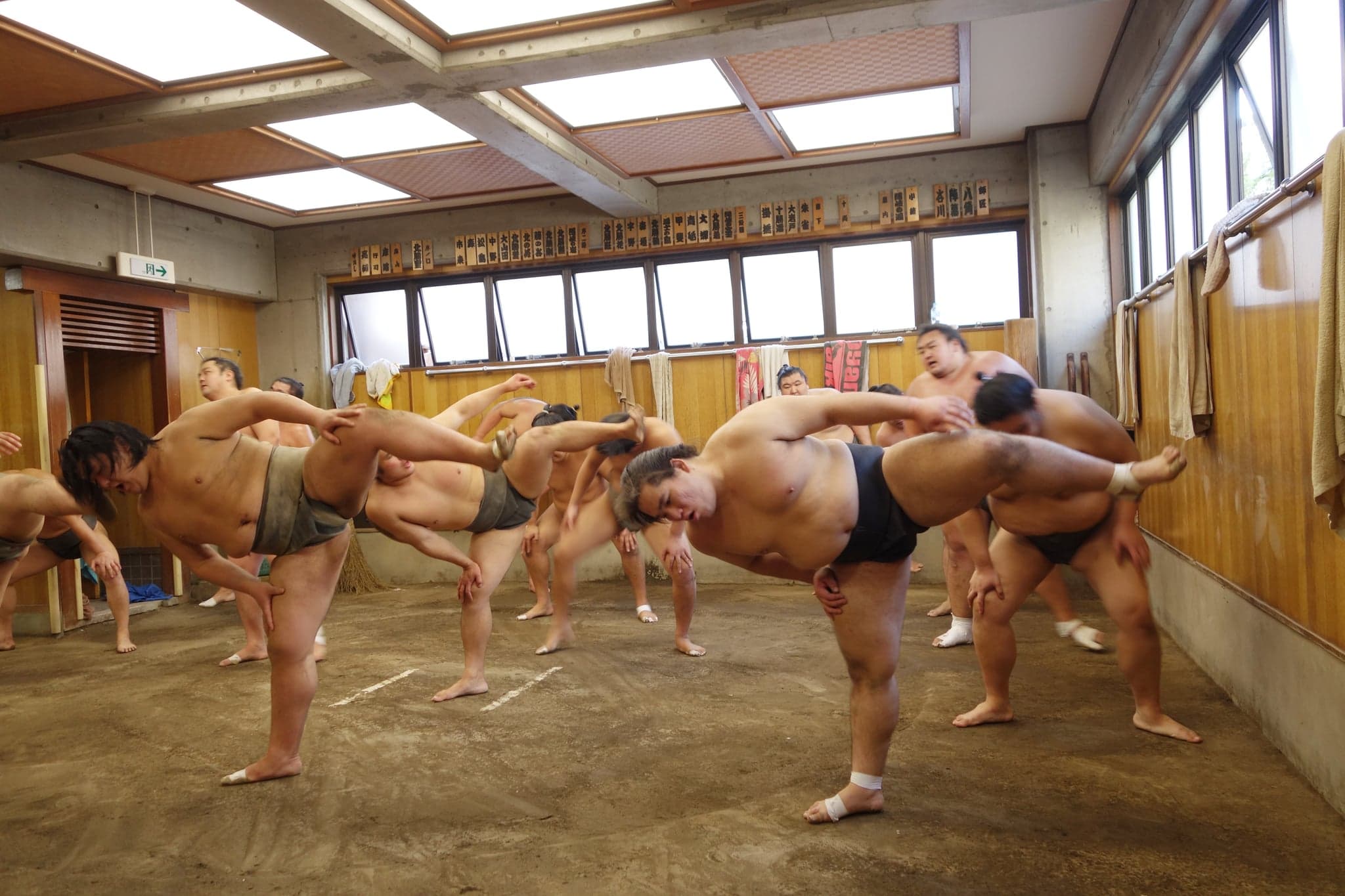
Ryogoku is worth a wander even without tickets. Try chanko nabe, the hearty hot pot associated with sumo wrestlers, and visit the Sumida Hokusai Museum, dedicated to the artist behind The Great Wave.
Tokyo Disneyland and Tokyo DisneySea
Tokyo Disney Resort is in Maihama, Chiba, just outside Tokyo: take the JR Keiyo Line from Tokyo Station, and allow an extra 10 minutes at Tokyo Station, because the Keiyo Line platforms are a long underground walk from the main concourse.
Which Park Should You Choose?
Tokyo Disneyland is the classic castle park, the closest in feel to the other Disney parks around the world and ideal for young kids. Tokyo DisneySea doesn't exist anywhere else: its themed harbors include a smoking volcano, and the Fantasy Springs area opened in 2024. Adults without kids should pick DisneySea.
Tickets, Crowds and the App
Tickets go on sale at 2:00 p.m. Japan time, two months ahead of the date. An adult 1-Day Passport for October 2026 costs ¥9,900 on the quietest weekdays and up to ¥12,400 on Saturdays; each ticket covers one park for one day. Download the Tokyo Disney Resort app before you go: you'll use it for paid Disney Premier Access and for the free Standby Passes. Fantasy Springs is open with a park ticket, but expect long waits for its rides without one of the two. Our Japan theme parks guide compares Disney with Universal Studios Japan.
The Best Day Trip Ideas from Tokyo: Mount Fuji, Hakone and More
Three or four days of things to do in Tokyo plus one day out makes a better trip than non-stop city sightseeing. Our day trips from Tokyo guide covers more options.
Mount Fuji Day Trip via Lake Kawaguchiko
For a close-up view of Mount Fuji, most people go to Lake Kawaguchiko in the Fuji Five Lakes area. The Fuji Excursion limited express runs directly from Shinjuku in just under two hours on the fastest trains; highway buses from Busta Shinjuku take about 1 hour 45 minutes. The Chureito Pagoda, with Fuji behind it, is a long climb of steps from Shimoyoshida Station.
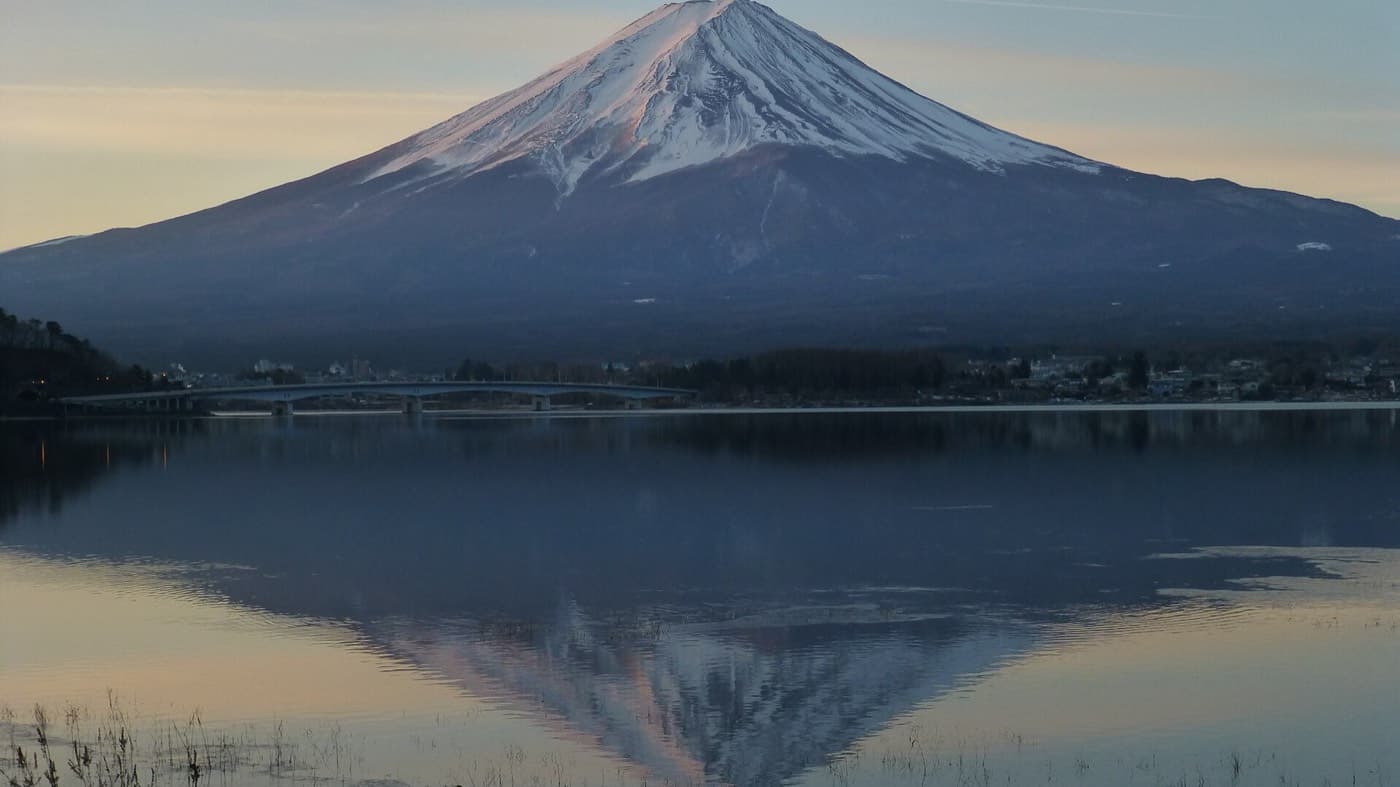
One warning: Fuji is often hidden. It's most likely to be visible on cold, clear mornings from late autumn to early spring, and it often disappears into haze in summer. Check a live camera the night before, and switch days if you can. Our Kawaguchiko guide has the timetable details.
Hakone: Hot Springs, Lake Ashi and Fuji Views
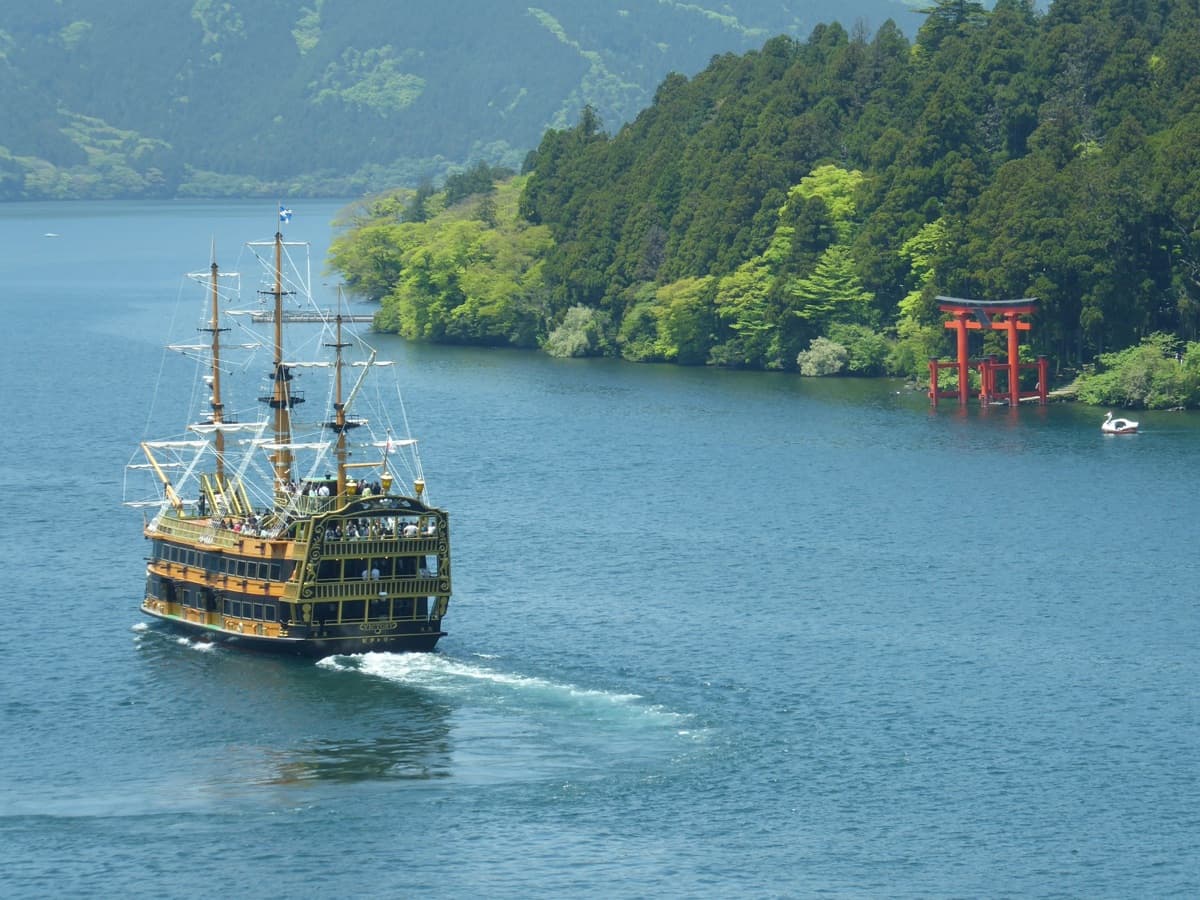
The Odakyu Romancecar runs from Shinjuku to Hakone-Yumoto in about 80 minutes. The Hakone Freepass covers the classic loop: mountain railway, cable car, ropeway, the sightseeing ship on Lake Ashi and local buses. Hakone is famous for its hot springs, and day-use baths let you soak without staying — but honestly, Hakone is better with a night in a ryokan than as a rushed day trip. See our Hakone guide.
Kamakura and Nikko
Kamakura, about 55 minutes from Tokyo Station on the JR Yokosuka Line, has the Great Buddha, Zen temples, hiking trails and a beach — see our Kamakura day trip guide. Nikko, about 1 hour 50 minutes from Asakusa on Tobu Railway's SPACIA limited express, has the ornate Toshogu Shrine in a cedar forest and is at its best in autumn.
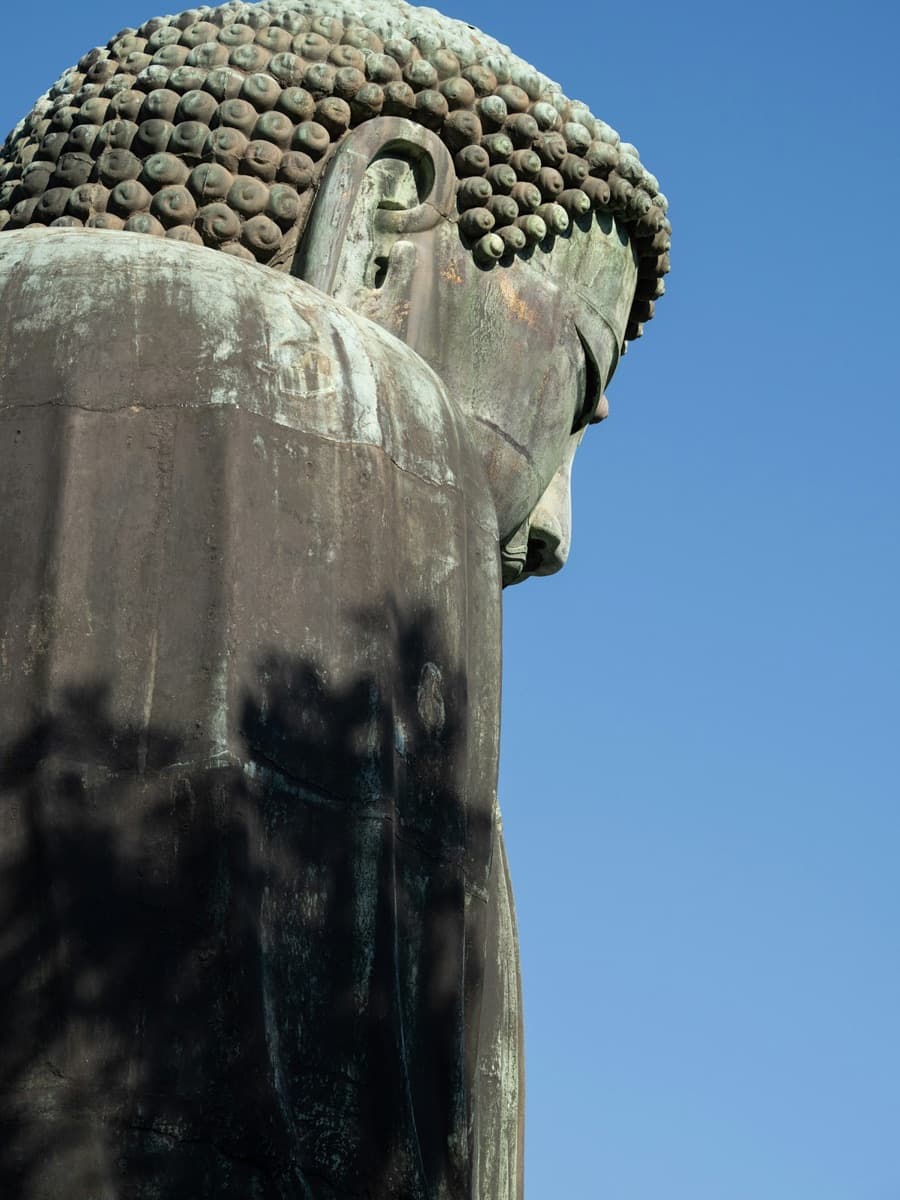
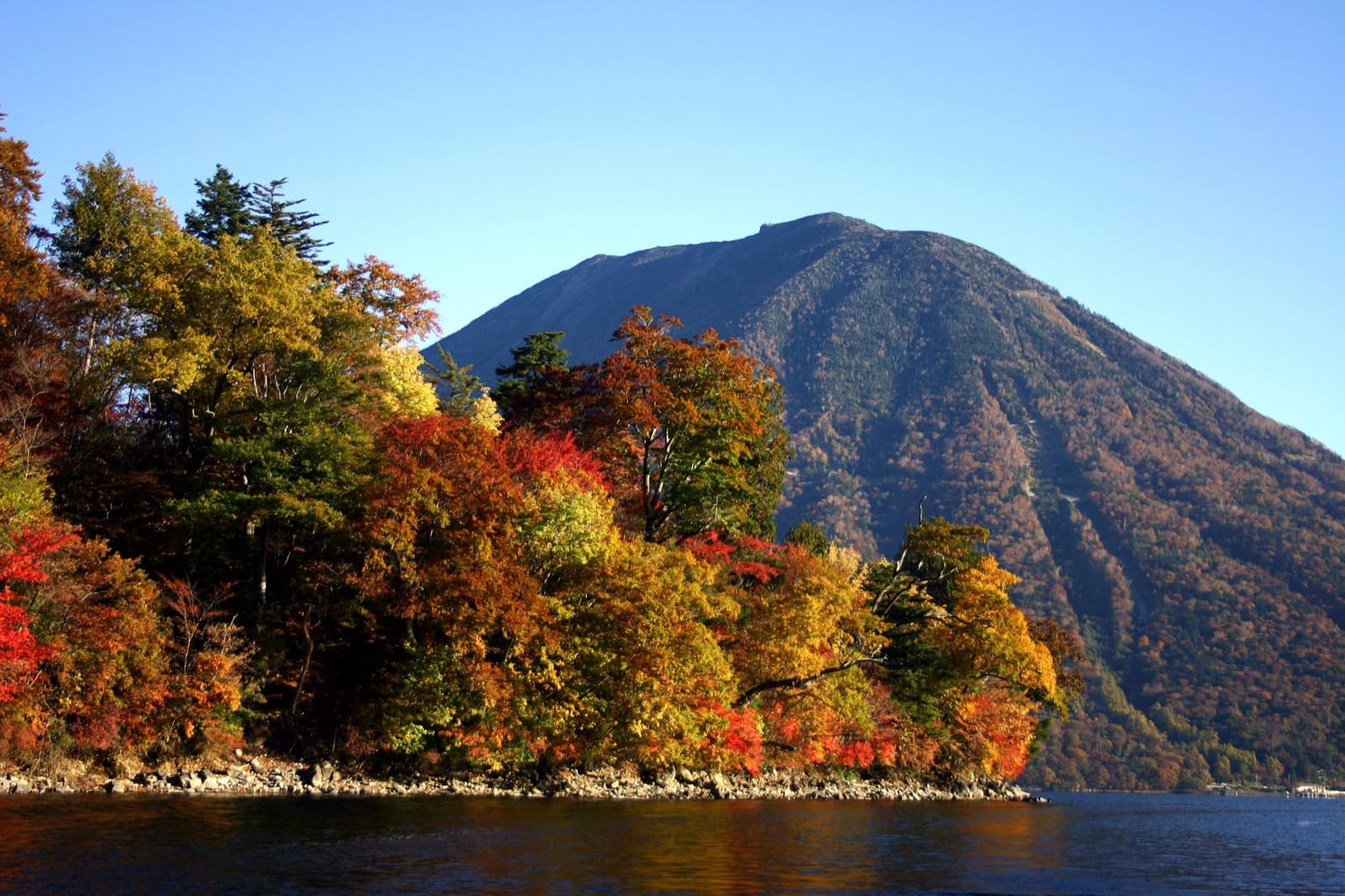
From our Japan travel team
Mt Fuji is easiest to see on clear, cold mornings from late autumn to early spring, and in summer it often hides behind cloud. Our self-guided routes leave free days in Tokyo, so if the forecast turns good you can take the Kawaguchiko or Hakone day trip that day instead of a fixed one. Tell us your dates and we will say how likely a clear view is.
When to Visit Tokyo: Seasons Compared
The season changes the things to do in Tokyo more than most visitors expect, so check what's on in your month before you fix the days.
Spring: Cherry Blossoms and Peak Crowds
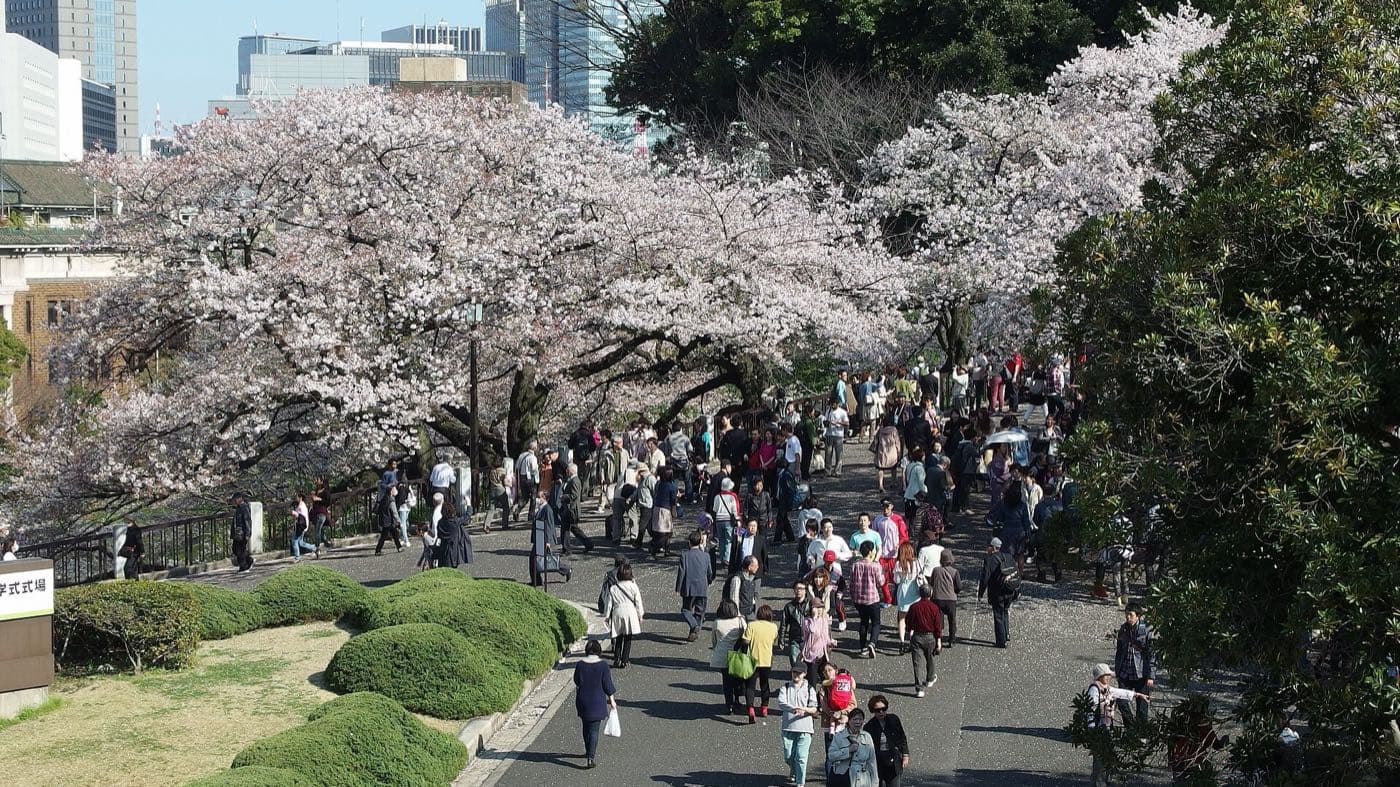
Cherry blossoms usually peak in Tokyo in late March or early April. Shinjuku Gyoen, Ueno Park and the Chidorigafuchi moat by the palace are classic spots. It's gorgeous, and it's also the most crowded and expensive time for hotels. Golden Week, a run of holidays from late April into early May, is Japan's busiest domestic travel period. See our Tokyo cherry blossom 2027 guide.
Rainy Season and the Summer Months
The rainy season usually runs from early June to mid or late July. It doesn't rain all the time, but have indoor backups ready. If you visit Tokyo in the summer months that follow, expect heat and humidity: sightsee early and late in the day, carry water, and use the air-conditioned underground passages. Summer also brings festivals and fireworks, including the Sumida River fireworks in late July.
Autumn and Winter
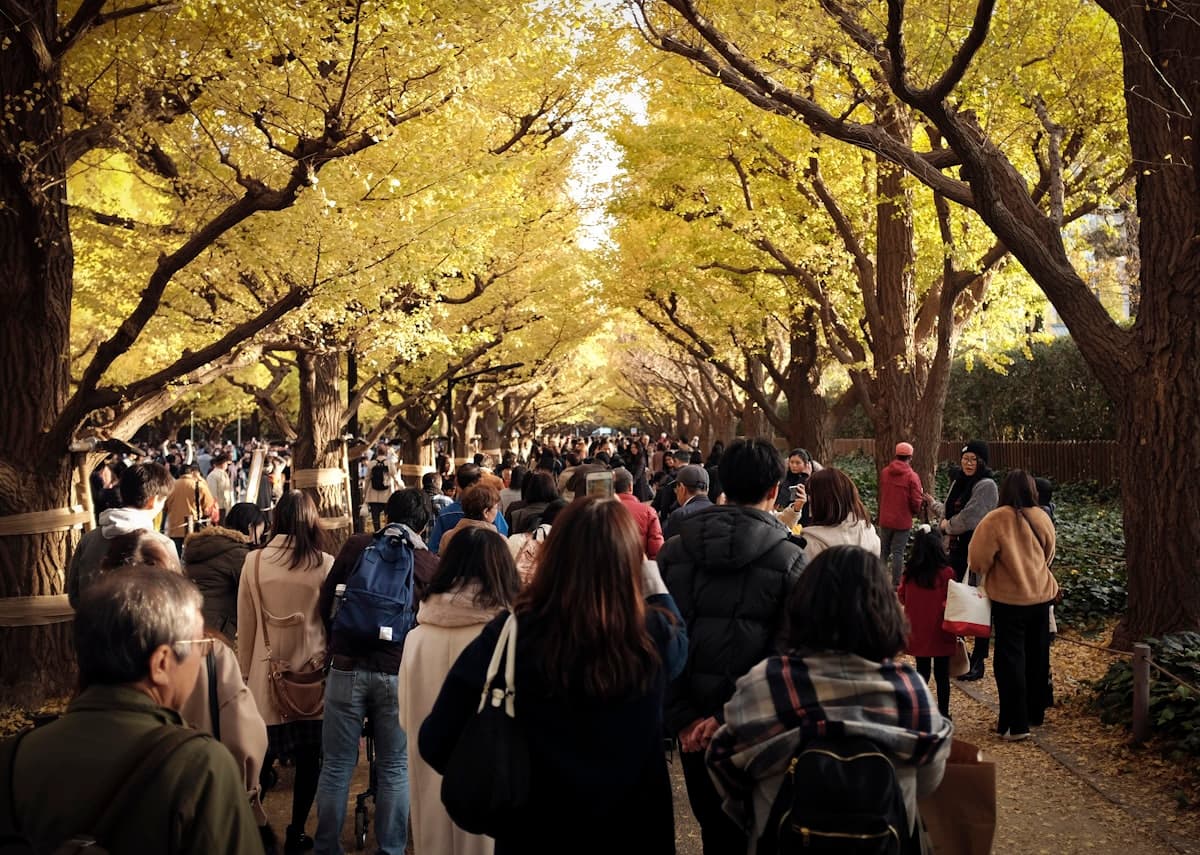
October and November may be the best months of all: comfortable temperatures, clearer skies and, from late November, golden ginkgo and red maples — see our Tokyo autumn leaves guide. Winter is cold but usually dry and sunny, with the best chance of seeing Mt Fuji from the city. Many attractions close for a few days around New Year. The full month-by-month picture is in our best time to visit Tokyo guide.
Tokyo Fees and Opening Hours at a Glance
Prices have gone up across Tokyo in 2026 and older guides still quote the old ones. These are the figures we checked on September 28, 2026:
| Sight | Adult fee | Hours and closures |
|---|---|---|
| Senso-ji | Free | Main hall 6:00–17:00 (from 6:30, October–March); grounds always open |
| Meiji Jingu | Free (museum ¥1,000) | Sunrise to sunset: 5:40–16:40 in October, 6:10–16:10 in November |
| Shinjuku Gyoen National Garden | ¥500 | 9:00–16:30 from October 1 to March 14; closed Mondays |
| Imperial Palace East Gardens | Free | 9:00–16:30 in October, to 16:00 November–February; closed Mondays and Fridays |
| Tokyo National Museum | ¥1,000 | Closed Mondays; no suitcases since August 1, 2026 |
| Ueno Zoo | ¥600 | Closed Mondays |
| Rikugien / Hamarikyu Gardens | ¥300 each | 9:00–17:00 |
| Ghibli Museum | ¥1,000 | Advance tickets only; closed Tuesdays |
| teamLab Planets | From ¥4,200 (by date) | Timed entry; scheduled to run to the end of 2027 |
| teamLab Borderless | From ¥3,600 (¥200 more on the day) | Timed entry; Azabudai Hills |
Sample Itineraries: Turning This List into a Real Tokyo Trip
First, plan around the closing days: the palace East Gardens close on Mondays and Fridays, Shinjuku Gyoen and the Ueno museums on Mondays, the Ghibli Museum on Tuesdays, and the markets on Sundays and most Wednesdays. Our Tokyo itinerary goes hour by hour.
3 Days in Tokyo for First-Time Visitors
- Day 1, old Tokyo: Senso-ji Temple at 7:30 a.m., Nakamise once the shops open, then across the river to Tokyo Skytree. Ueno Park or Akihabara in the afternoon; dinner on Tokyo Ramen Street.
- Day 2, the west side: Meiji Shrine early, Takeshita Street and Omotesando, lunch in Harajuku, a walk down to Shibuya, Shibuya Sky at sunset and one more walk across the crossing.
- Day 3, central Tokyo and Shinjuku: breakfast at Tsukiji, the Imperial Palace East Gardens and Ginza, Shinjuku Gyoen in the afternoon, then Omoide Yokocho and Golden Gai after dark.
5 Days: Add a Day Trip and One Big Experience
- Day 4: Kawaguchiko or Hakone. Leave early, come back late and keep dinner simple.
- Day 5: one big experience — Tokyo DisneySea, the Ghibli Museum with Kichijoji and Inokashira Park, teamLab and Toyosu, or sumo if a tournament is on.
Rainy-Day Swaps
If it rains, swap in teamLab, the Tokyo National Museum, the shops under Tokyo Station, Akihabara's arcades or a department store food hall. These are fun things to do in any weather, and most connect directly to stations. Traveling with children? Our Japan itinerary with kids builds a family version.
Getting Around Tokyo, Japan: Cards, Passes and Apps
IC Cards and the Tokyo Subway Ticket
A rechargeable IC card such as Suica or PASMO is the easiest way to pay fares, and it works in convenience stores and many vending machines too. Visitors can pick up a Welcome Suica, valid for 28 days with no deposit — see our Welcome Suica guide — and iPhone users can add Suica to Apple Wallet.
The Tokyo Subway Ticket gives unlimited rides on Tokyo Metro and Toei subway lines: ¥1,000 for 24 hours, ¥1,500 for 48 and ¥2,000 for 72 (the prices rose on March 14, 2026). It doesn't cover JR lines, including the Yamanote Line, so compare it with your plans before buying. A nationwide Japan Rail Pass rarely pays for itself on a Tokyo-only stay.
Google Maps, Google Translate and Other Apps
Google Maps handles Tokyo train routes well, including platforms, fares and which exit to use. A translation app's camera mode is a lifesaver for menus and ticket machines. Install official apps such as the Tokyo Disney Resort app before you go, and get an eSIM or pocket Wi-Fi rather than relying on free Wi-Fi.
Where to Stay: Choosing Tokyo Hotels by Neighborhood
For a first visit, stay near a Yamanote Line station or a major subway hub. Shinjuku has the best transport links and a huge range of Tokyo hotels, but it can feel hectic. Shibuya is similar and closer to Harajuku. The Tokyo Station, Ginza and Nihonbashi area is calmer and ideal on the day you catch a shinkansen. Asakusa and Ueno feel more traditional and often cost less, and Ueno connects to Narita Airport on the Keisei Skyliner. Our where to stay in Tokyo guide goes area by area.
Tokyo's accommodation tax is ¥100 to ¥200 per person per night now, and it is due to become 3% of the room rate from April 1, 2027, with rooms under ¥13,000 exempt. Avoid dragging suitcases through Shinjuku Station at rush hour; when you move between cities, luggage forwarding is worth every yen.
Where Our Self-Guided Routes Put You in Tokyo
85 of our routes include at least one night in Tokyo. The hotel depends on the route's grade and who it is built for:
| Area | Hotel (or similar) | Used on |
|---|---|---|
| Ginza | Hotel Monterey La Soeur Ginza, Hotel Monterey Ginza | Most standard routes, including GR002 |
| Shiodome | Mitsui Garden Hotel Shiodome Italia-gai | The 7-day routes (BF001, BF004) |
| Akasaka-mitsuke | Hotel New Otani Tokyo | The Deluxe versions of our routes |
| Hibiya | Imperial Hotel Tokyo | Premium routes such as HS003 |
| Mejiro | Hotel Chinzanso Tokyo | Luxury routes such as LX002 |
| Shinjuku | VIA INN Shinjuku | Solo routes such as SL004 |
| Tokyo area | MIMARU apartment hotels | Family routes (four beds or connecting rooms) |
| Maihama | Maihama View Hotel by HULIC | Theme-park routes such as TP004 and FG004 |
These routes cover the range, from a first week in Japan to a premium onsen trip. Prices are per person and move with season and room type; entrance fees are paid on the spot.
| Route | Length | From (per person) | Tokyo nights |
|---|---|---|---|
| Japan Golden Route Highlights (BF001) | 7 days | $1,200–1,800 | 2 nights in Shiodome, then Kyoto and Osaka |
| Japan History & Modern Cities (BF004) | 7 days | $1,400–1,900 | 2 nights in Shiodome, then Hiroshima and Osaka |
| Japan Highlights & World Heritage (GR002) | 12 days | $3,300–4,800 | 2 nights in Ginza at each end of the trip |
| Family Holidays: Shared Journey Through Japan’s Classics (FG001) | 13 days | $2,700–4,100 | 3 nights at the start and 2 at the end, family rooms |
| Family Holidays: Tokyo Bay, Creative Parks & Osaka Thrills (FG004) | 9 days | $2,000–3,500 | 3 nights in Maihama next to the Disney parks |
| The Art of Onsen: A Premium Japan Experience (HS003) | 11 days | $5,500–7,600 | 2 + 2 nights at the Imperial Hotel |
| SOLO Castles: Culture & Countryside (SL004) | 15 days | $4,600–6,100 | 2 + 2 nights in Shinjuku, single rooms |
From our Japan travel team
Most first-time visitors want three full days in Tokyo, and many routes split them: two nights when you land, two more at the end before flying home. That second stay is where people fit in the things they ran out of time for — a Ghibli slot, a Disney day or a Fuji day trip when the forecast is clear. If you already know which of these you want, tell us and we will place the Tokyo nights around them.
Common Mistakes on a First Japan Trip to Tokyo
These are the mistakes we see most often from people visiting Japan for the first time.
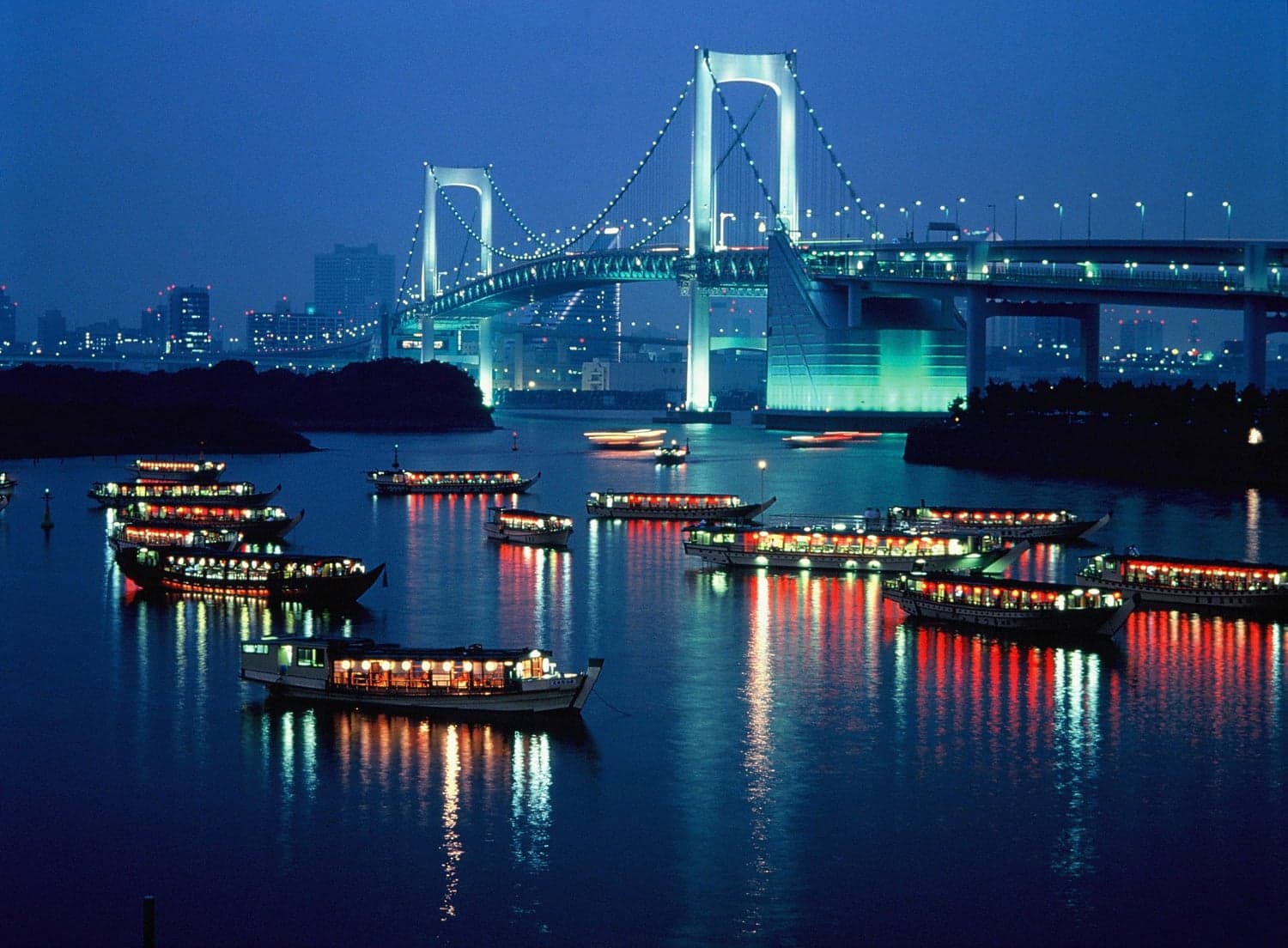
- Zigzagging. Shibuya in the morning, Asakusa for lunch, Shinjuku for dinner, Odaiba at night: every hop takes 30 to 45 minutes. Group your sights by area.
- Assuming everything is open every day. Monday and Tuesday closures catch people out all the time.
- Booking timed tickets too late. Sunset rooftop slots in Shibuya, the Ghibli Museum, teamLab, Disney on busy days and the Fuji Excursion can all sell out.
- Cramming the day trip. Fuji and Hakone in one day sounds efficient. It isn't.
- Forgetting it's a busy city. Weekday trains from about 7:30 to 9:30 a.m. are packed. Don't ride them with big luggage.
- Trusting old blog posts. The Robot Restaurant is gone, the inner Tsukiji market moved to Toyosu, and prices have gone up. Check the date on everything you read, including this.
- Trying to see everything. A few neighborhoods done properly beat a checklist of 30 sights. The best Tokyo moments are often unplanned: a tiny shrine between office blocks, a counter bar with six seats, a vending machine selling something you can't explain.
FAQ: Things to Do in Tokyo
How many days do you need in Tokyo?
Three full days cover the main neighborhoods for most first-time visitors. With four or five you can add a Mt Fuji or Hakone day trip and one big experience such as Tokyo DisneySea or the Ghibli Museum.
What are the best free things to do in Tokyo?
Senso-ji, Meiji Shrine, Shibuya Crossing, the Imperial Palace East Gardens, Yoyogi Park and the observation decks at the Tokyo Metropolitan Government Building are all free. Wandering Omoide Yokocho, Akihabara and Takeshita Street costs nothing until you start buying.
Is Shibuya Sky better than Tokyo Skytree?
They are good at different things. Shibuya Sky is an open-air rooftop looking straight down on the crossing, best at sunset, from ¥2,700 online. Tokyo Skytree is far higher and shows the size of the city, from ¥1,800 online by date. On a clear day, we would pick Shibuya Sky.
Can you see Mt Fuji from Tokyo?
Yes, on clear days — most often on cold, dry winter mornings — from high points such as Shibuya Sky and the Tokyo Metropolitan Government Building. For a close-up view, take a day trip to Kawaguchiko or Hakone.
Do I need to book the Ghibli Museum in advance?
Yes. Nothing is sold at the door. Tickets for the following month go on sale on the 10th at 10:00 a.m. Japan time through Lawson Ticket, and popular dates sell out quickly. The museum is closed on Tuesdays.
Where should first-time visitors stay in Tokyo?
Shinjuku or Shibuya for nightlife and transport, around Tokyo Station and Ginza for calm and easy shinkansen access, or Asakusa and Ueno for a traditional feel and better value. Anywhere close to a Yamanote Line station makes getting around easier.
Which of your routes include Tokyo?
85 of our routes have at least one Tokyo night. The 7-day BF001 gives you two nights in Shiodome before Kyoto and Osaka; GR002 gives two nights in Ginza at each end of a 12-day trip; the family and theme-park routes use family rooms in the Tokyo area or Maihama.
Prices, hours and booking rules were checked on September 28, 2026 against each attraction's own site, GO TOKYO (the Tokyo government's tourism site), the Imperial Household Agency, the Tokyo Metropolitan Government, the Japan Sumo Association, Tokyo Disney Resort and the rail operators. Routes and prices are from our catalogue on the same date.
Your Tokyo Days, Arranged
Our self-guided routes give you well-placed Tokyo hotels, the shinkansen tickets onward and your luggage sent ahead, with free days in the city for the things on this list — and our team in Japan on call throughout.