
Things to Do in Kanazawa: Kenrokuen, the Samurai and Geisha Districts, Omicho and a Two-Day Plan
The best things to do in Kanazawa with this season's fees and hours — Kenrokuen and its free early entry, the castle, the 21st Century Museum (closing for renovation in May 2027), Nagamachi, Myoryuji, Higashi Chaya and Omicho — plus getting there and around, Shirakawa-go and the routes that stay here.
Kanazawa is the city people squeeze into a Japan trip "if there's time", then wish they'd given it one more night. It sits near the Sea of Japan coast in Ishikawa Prefecture, largely escaped wartime bombing, and keeps its samurai lanes, teahouse streets and one of Japan's most famous gardens a short ride apart.
The short answer: the best things to do in Kanazawa are Kenrokuen Garden at first light, Kanazawa Castle Park next door, the 21st Century Museum of Contemporary Art, the Nagamachi samurai district, Myoryuji (the "Ninja Temple"), Higashi Chaya at dusk and a seafood breakfast at Omicho Market. Two full days is enough to cover it.
This post adds the prices, hours and booking rules that catch people out, checked on each attraction's own site on September 29, 2026. USD figures are approximate, at about ¥150 to the dollar.
Quick Answer: Things to Do in Kanazawa
- How long: two full days; one if you start at dawn and keep moving.
- Don't miss: Kenrokuen (¥320), the castle park (free), Nagamachi, Higashi Chaya at dusk and Omicho Market.
- Book ahead: Myoryuji Temple — guided tours only, reserved by phone.
- Timing: the 21st Century Museum closes for renovation from May 6, 2027 to March 2028; its Swimming Pool can't be seen from Oct 19 to 30, 2026.
- Getting there: from 2 h 24 min from Tokyo by Hokuriku Shinkansen; about 2 hours from Osaka via Tsuruga.
Stay
2 nights
Kenrokuen
¥320
Day pass
¥800
Our routes
17 stay here
Things to Do in Kanazawa, Mapped Out
Kanazawa is easy to explore on your own, and this post keeps it simple: its main attractions fall into neat clusters. Kenrokuen, the castle and the 21st Century Museum sit side by side in the city center; Nagamachi's samurai houses are a short walk west, with Myoryuji south across the Sai River; Higashi Chaya lies northeast across the Asano River, and Omicho sits between the station and the castle. This post follows that order.
Getting to Kanazawa and Getting Around
From Tokyo and Osaka by Train
The Hokuriku Shinkansen links Tokyo and Kanazawa in 2 hours 24 minutes on the fastest Kagayaki. From Osaka, take the Thunderbird to Tsuruga and change to the shinkansen there — the fastest connection is 2 hours 9 minutes, with an eight-minute standard transfer. JR Pass user? Both routes are covered by the Japan Rail Pass; the 7-day Hokuriku Arch Pass (¥35,000) is the regional alternative. Our JR Pass guide does the sums.
The Loop Bus and One-Day Pass
The Kanazawa Loop Bus leaves from the station's East Exit and circles the main attractions in both directions — the right loop about every 15 minutes, the left about every 20. A single ride is ¥220, and the one-day pass is ¥800 (about USD 5; children ¥400), covering the loop, the weekend Shopping line and the Flat line. Planning to hop on and off all day? Worth it.
Kenrokuen Garden: Get There Before the Crowds
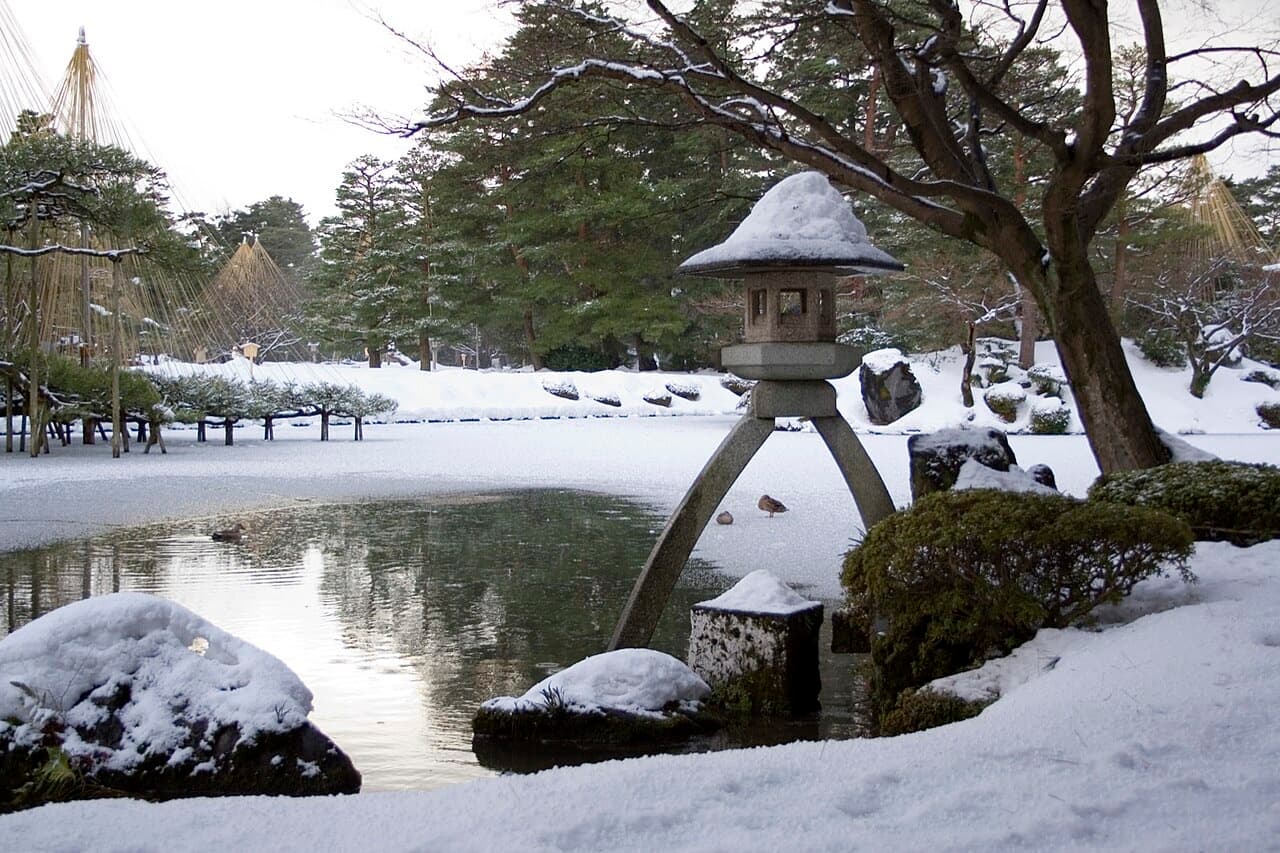
Kenrokuen, also written Kenroku-en Garden, is the headline sight among Kanazawa's attractions and one of Japan's three great gardens. Its history goes back to the 1600s. The Maeda lords who ruled here through the Edo period shaped it over generations: ponds, moss, stone lanterns and pines propped on wooden supports.
- Admission: ¥320 for adults (about USD 2), ¥100 for ages 6–17; visitors 65 and over enter free with ID.
- Hours: 7:00–18:00 from March 1 to Oct 15, and 8:00–17:00 from Oct 16 to the end of winter; last entry 30 minutes before closing.
- Free days: November 3 (Culture Day) and December 31 to January 3.
The useful bit: a free early-morning entry opens before paid hours, through the Renchi-mon and Zuishinzaka gates only — 5:00–6:45 until Oct 15, 5:00–7:45 later that month, and 6:00–7:45 from November to the end of winter. You have to leave 15 minutes before paid opening. That dawn walk in Kenroku-en Garden is the best hour you'll spend in the city.
Two notes for this season. The stone wall at Sazaeyama, damaged in the 2024 Noto earthquake, is being dismantled, so some paths are narrow. And from Oct 10 to 12 the Shiguretei and Gyokusen-an teahouses are booked for a tea event and closed to general visitors.
Yukitsuri and the Autumn Light-Up
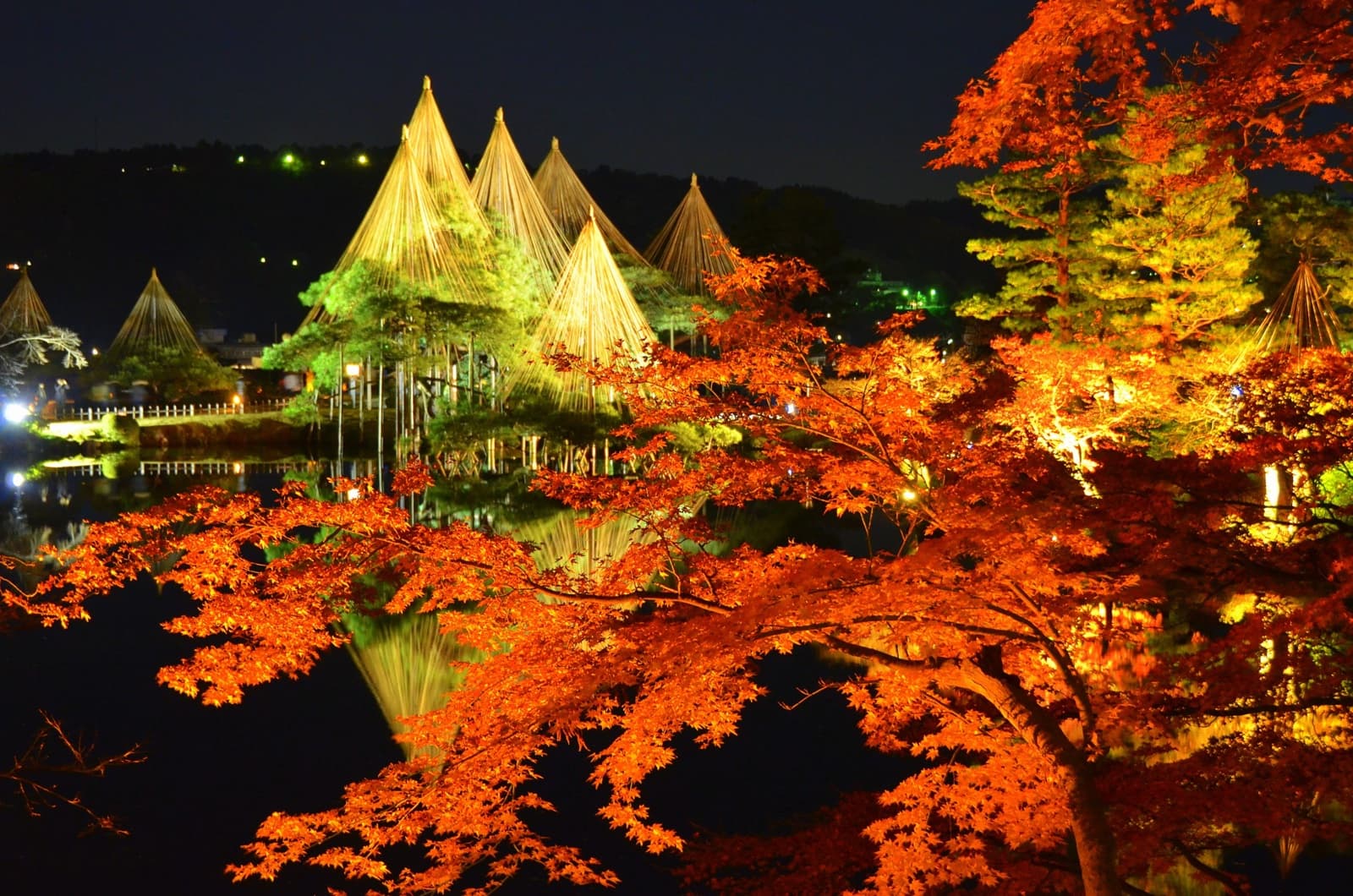
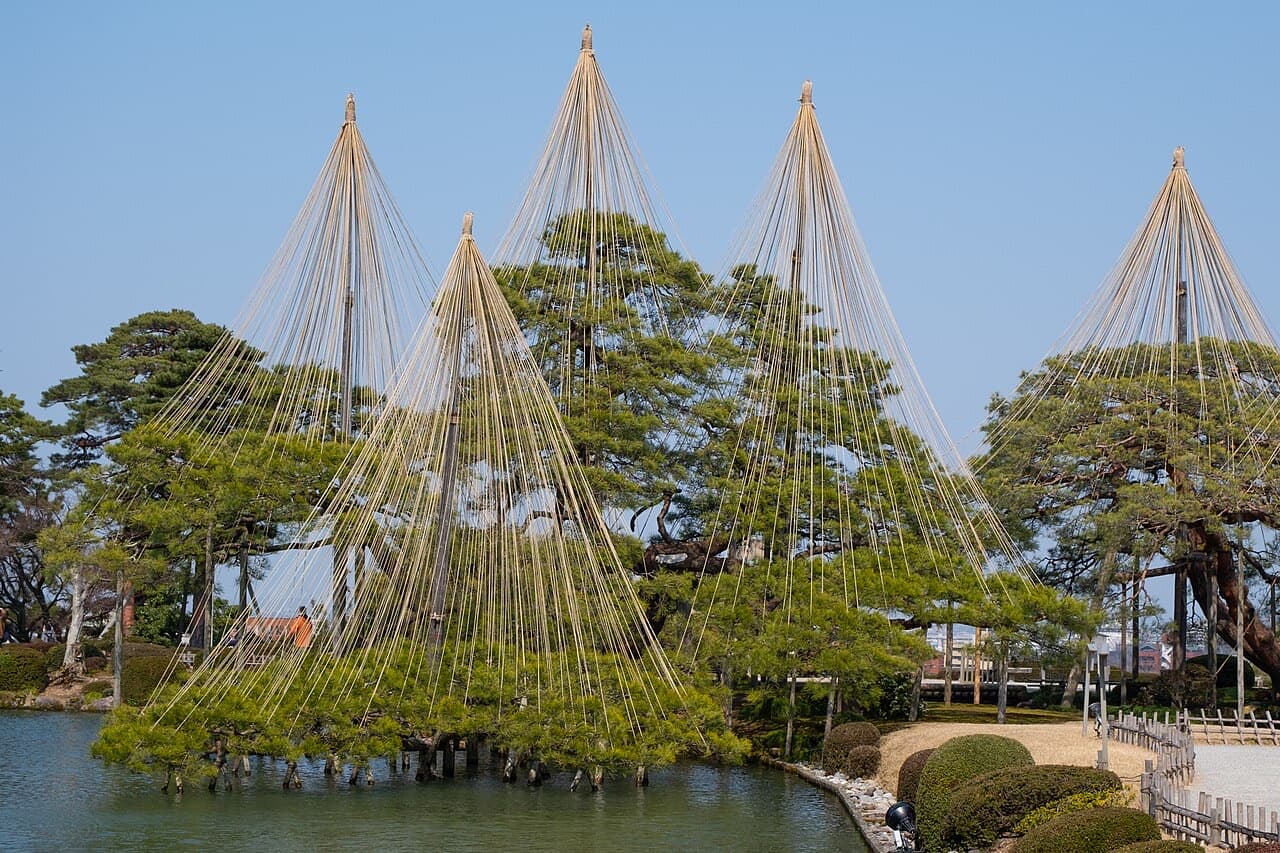
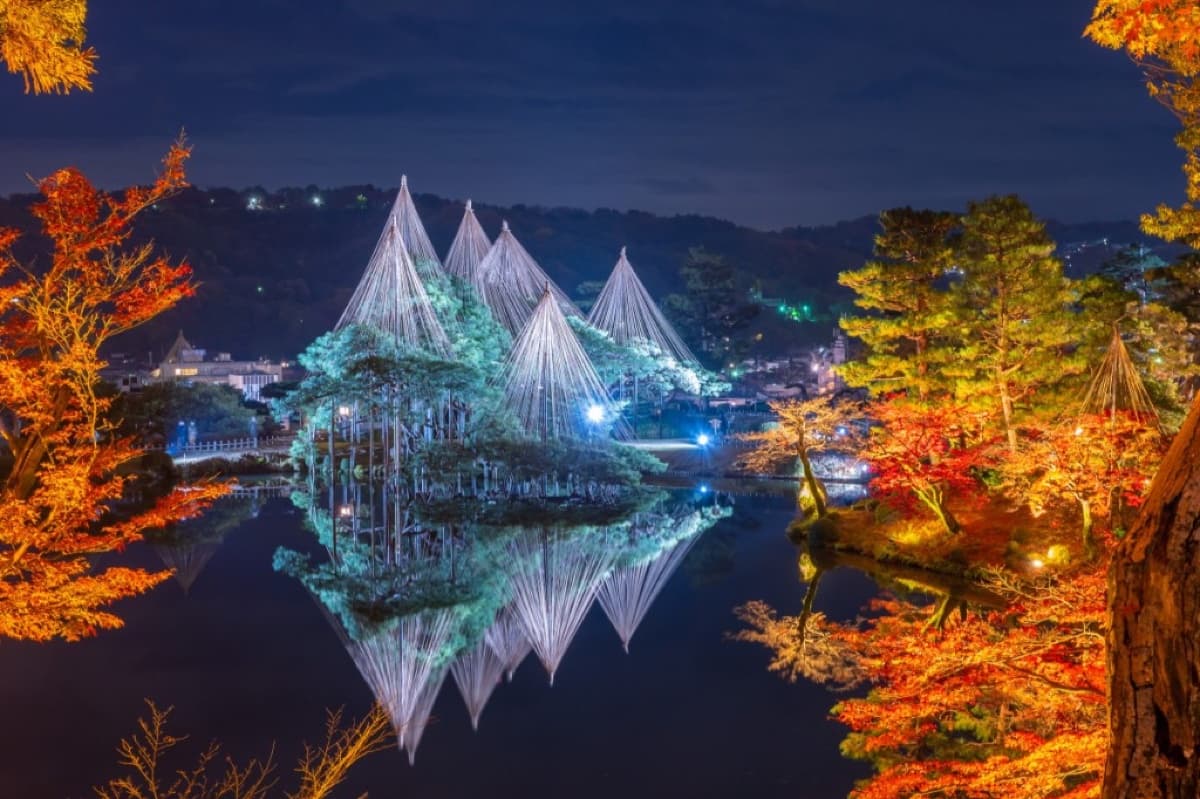
Every November, gardeners rig yukitsuri — rope supports fanned out from a central pole — over about 800 of the garden's trees to protect the branches from heavy snow. In recent years the work has started on November 1, beginning with the Karasaki pine, and runs into December; the ropes come down in March. The 2026 start date hadn't been announced when we checked.
In autumn 2026 the garden and the castle are lit on November 7, 14, 15, 21, 22, 28 and 29, 18:00–21:00 (last entry 20:45), and Kenrokuen is free during the light-up. See our Kanazawa autumn leaves guide for the timing of the color.
Kanazawa Castle Park: What's Left of Kanazawa Castle
From Kenrokuen, cross the bridge to the Ishikawa-mon gate and you're in Kanazawa Castle Park. The grounds are free and open every day, 8:00–17:00 from mid-autumn to the end of winter.
The original keep is long gone. What you'll explore are restored buildings and houses of the castle: the white Hishi Yagura turret, the long Gojikken Nagaya storehouse and the Hashizume-mon gate, rebuilt with traditional carpentry. Going inside costs ¥320 (9:00–16:30), or ¥500 on a combined ticket with Kenrokuen, and the Kahoku-mon and Nezumita-mon gates are free.
The castle's famous stone walls took damage in the 2024 Noto earthquake — five sections collapsed — and a viewing route around the Imori-bori stone yard has been open since July 2025 so you can see the repairs. Don't miss the Gyokusen-inmaru Garden inside the park: it's far less crowded than Kenrokuen, and it's lit from sunset to 21:00 every Saturday, free.
Contemporary Art and a Zen Garden in the City Center
21st Century Museum of Contemporary Art
A short walk from Kenrokuen, this round glass building shows contemporary art from around the world. The free community zone is open 9:00–22:00; exhibitions run 10:00–18:00 (to 20:00 on Fridays and Saturdays) and are priced per show — the special exhibition from Oct 31, 2026 to April 18, 2027 is ¥1,200 (¥1,000 online). It's closed on Mondays.
The star is Leandro Erlich's Swimming Pool. Going underneath needs an exhibition ticket and a same-day timed booking that opens at 9:00 on the day, online or at the kiosk, with a five-minute limit. The Swimming Pool can't be seen at all from Oct 19 to 30, 2026, and the whole building closes for major renovation from May 6, 2027 to March 2028 — plan accordingly.
D.T. Suzuki Museum
The small space dedicated to the Zen thinker D.T. Suzuki is mostly a building to sit in, with a reflecting pool that rewards a slow visit. Entry is ¥310, free for high school students and under; it's open 9:30–17:00 and closed on Mondays and from December 29 to January 3.
Nagamachi: Kanazawa's Samurai District
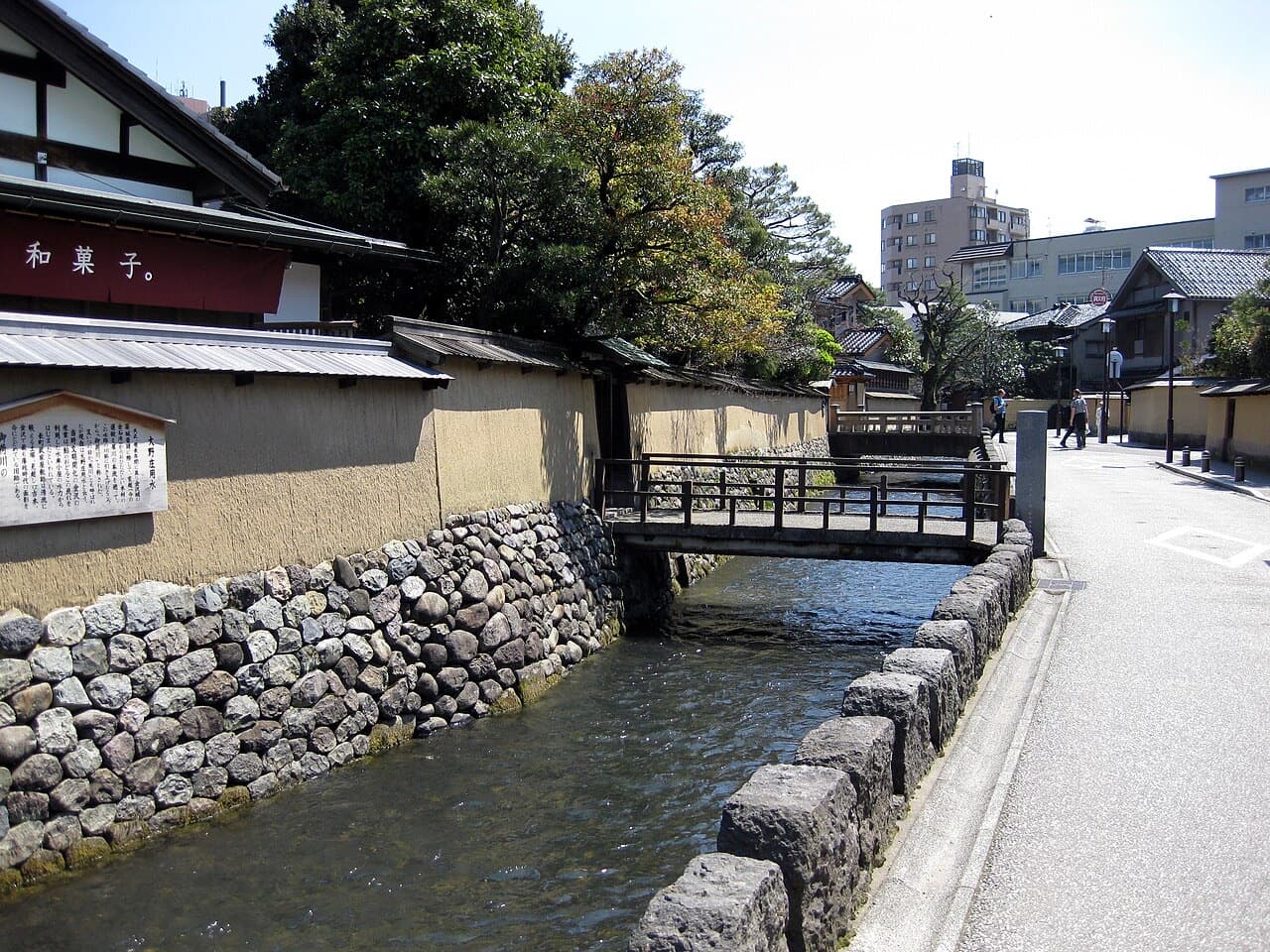
Nagamachi is a small neighborhood of earthen walls, stone lanes and narrow canals near Korinbo, where samurai families once lived. Many houses are still private homes, so keep your voice down; the history is in the walls and the water.
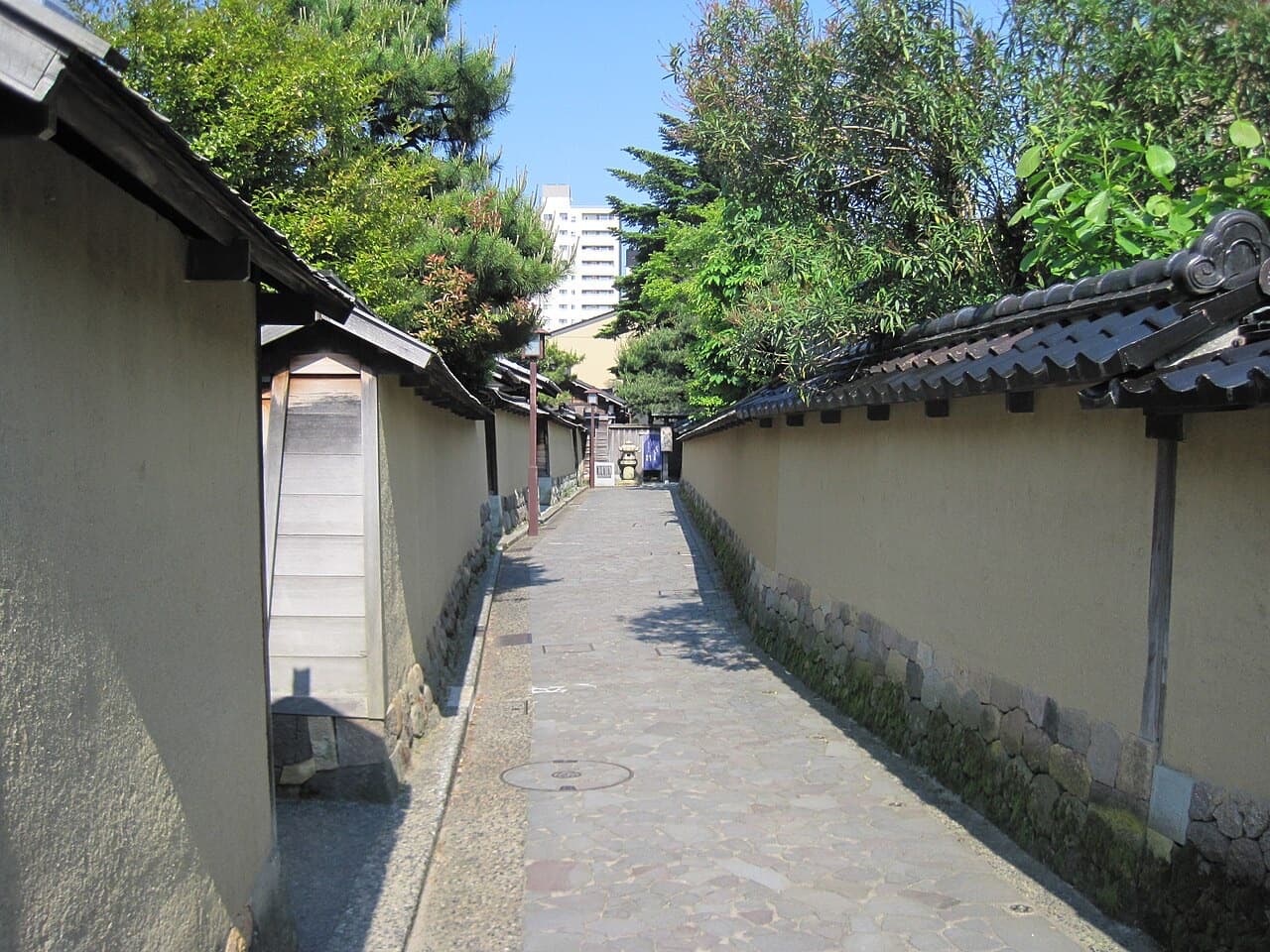
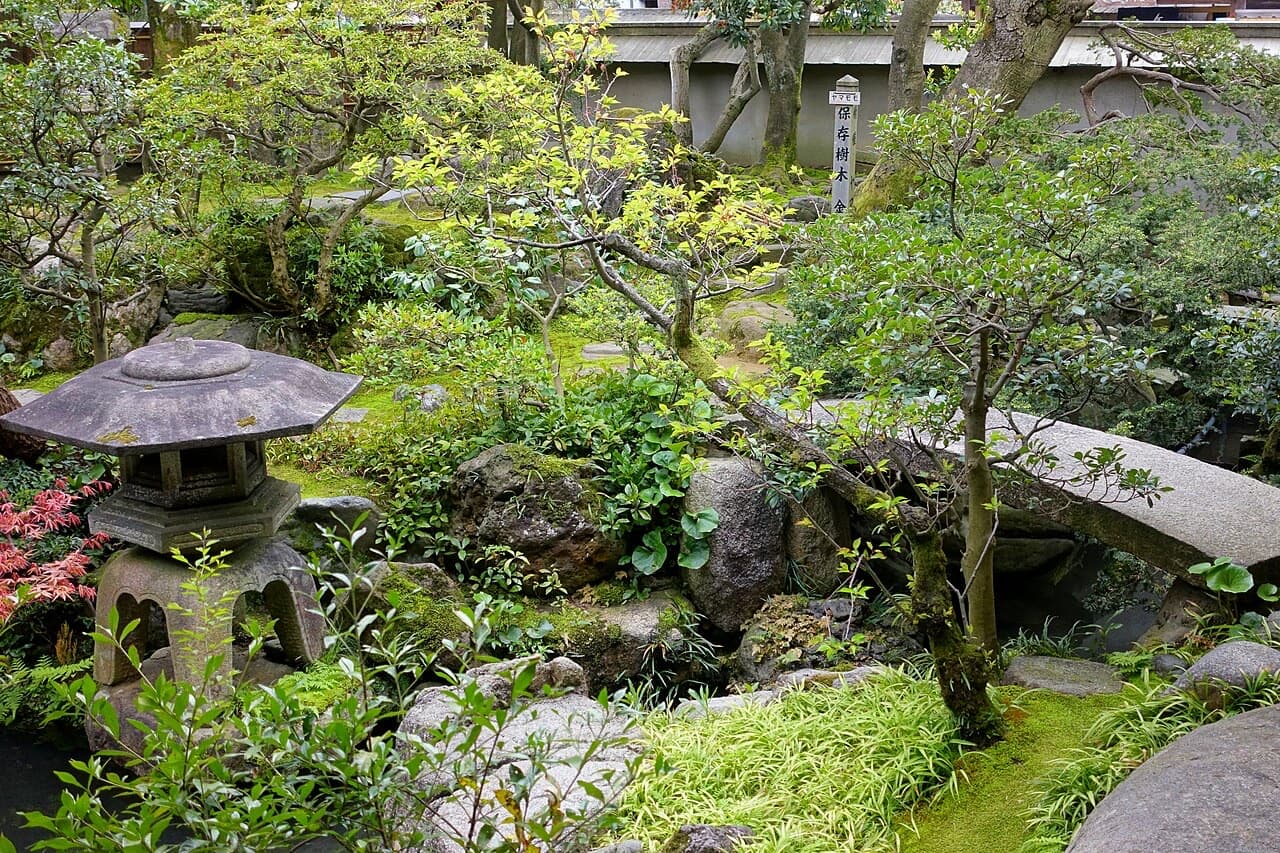
The one to go inside is the Nomura family's samurai residence: a restored house with a compact garden of stream, waterfall and stone bridge, plus a tea room serving matcha and a Japanese sweet for ¥500. Entry is ¥550 (about USD 3.50), 8:30–16:30 in the cooler half of the year and to 17:30 from April to September. Give it 45 minutes.
Myoryuji Temple: The Ninja Temple (Book Ahead)
The twist? Myoryuji Temple has nothing to do with ninja. It looked like a temple but worked as a hidden defensive outpost for the ruling Maeda clan, full of trap doors, secret rooms and maze-like stairs.
Entry is by guided tour only, about 40 minutes, and you must book by phone first — English is fine. Tours run 9:00–16:00; adults pay ¥1,200 (about USD 8), elementary school children ¥800, and preschool children aren't admitted. Heading to Kanazawa? Book this first.
Higashi Chaya District: Teahouses and Gold Leaf
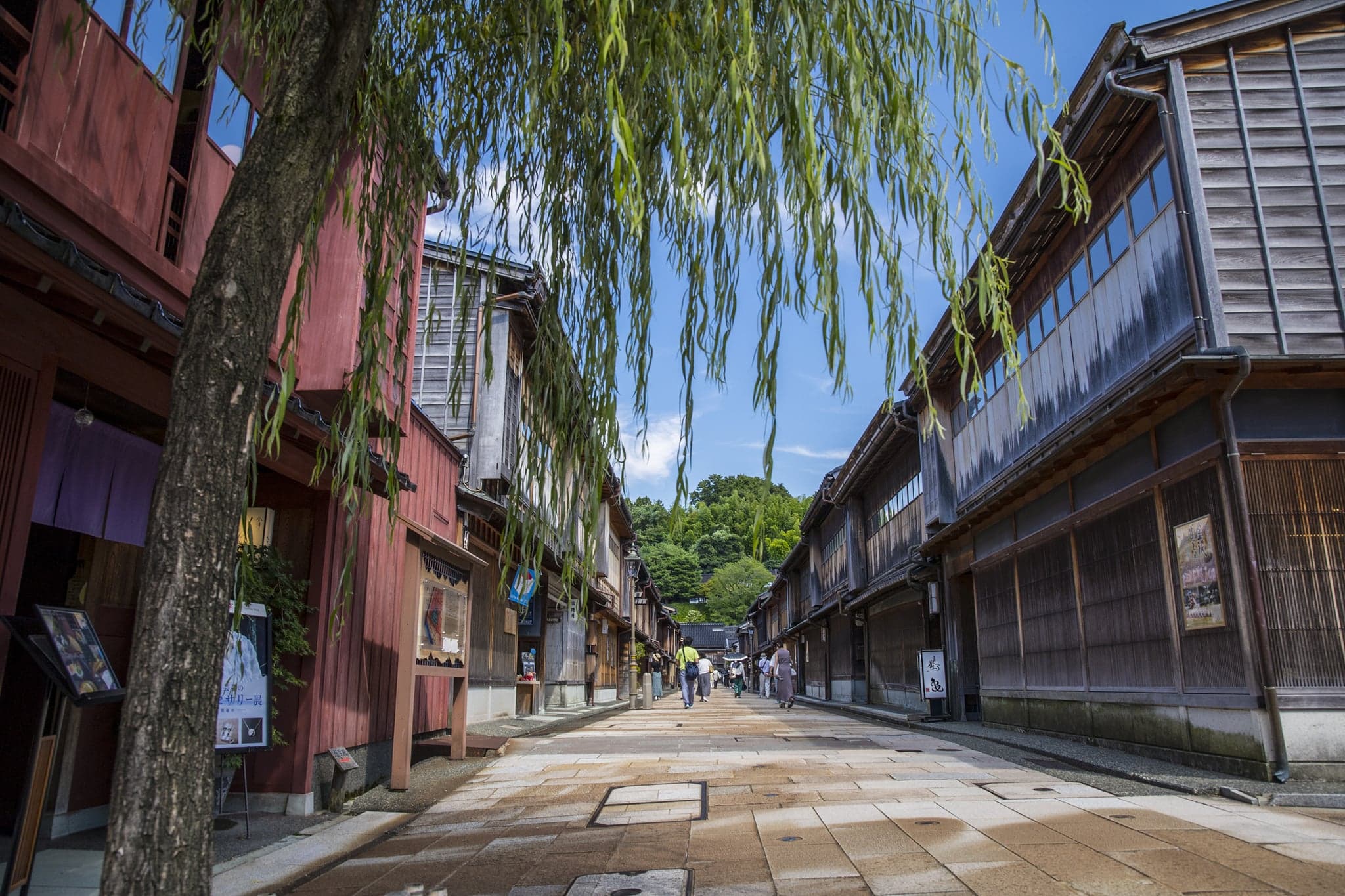
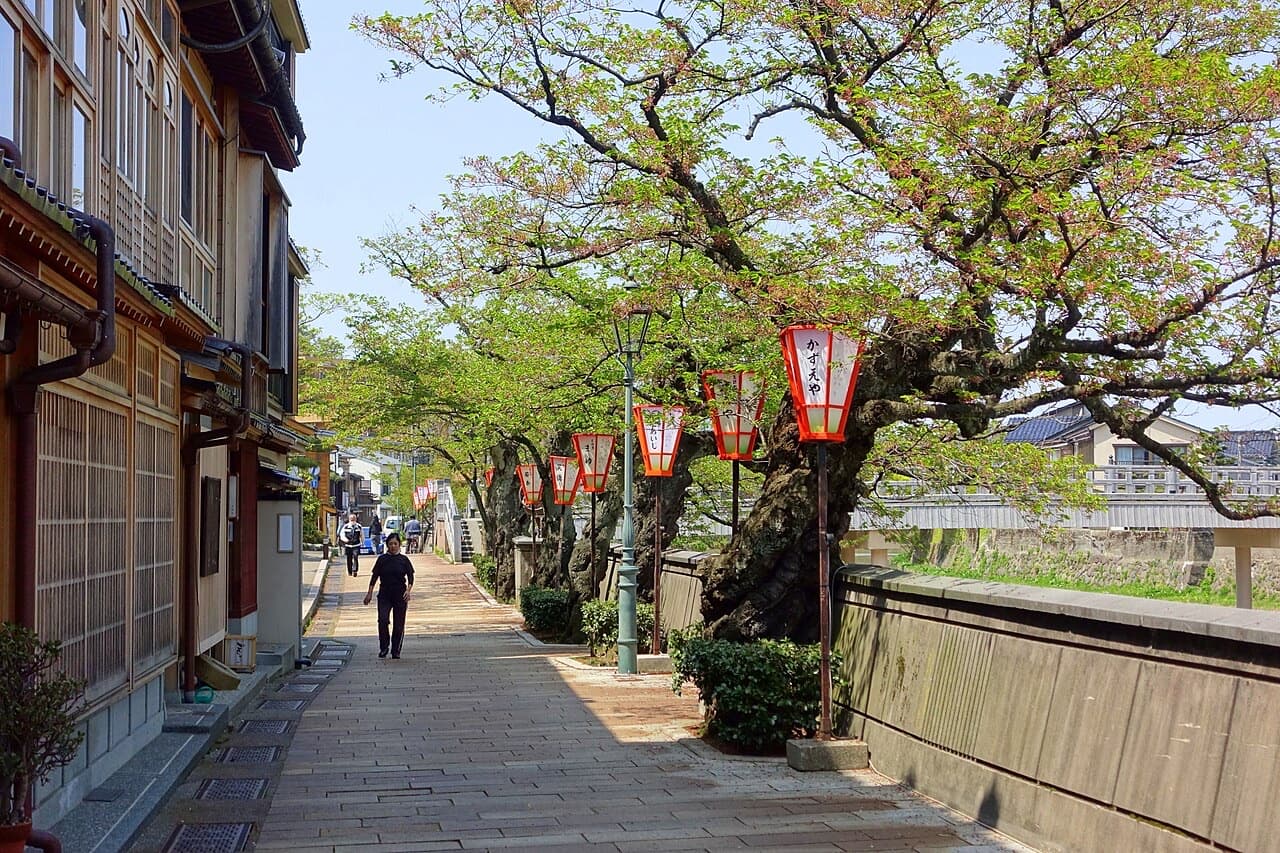
Higashi Chaya is the largest of the city's three teahouse districts, built for geiko — the local term for geisha — to entertain wealthy merchants. Its wooden houses with fine latticed fronts still line the streets.
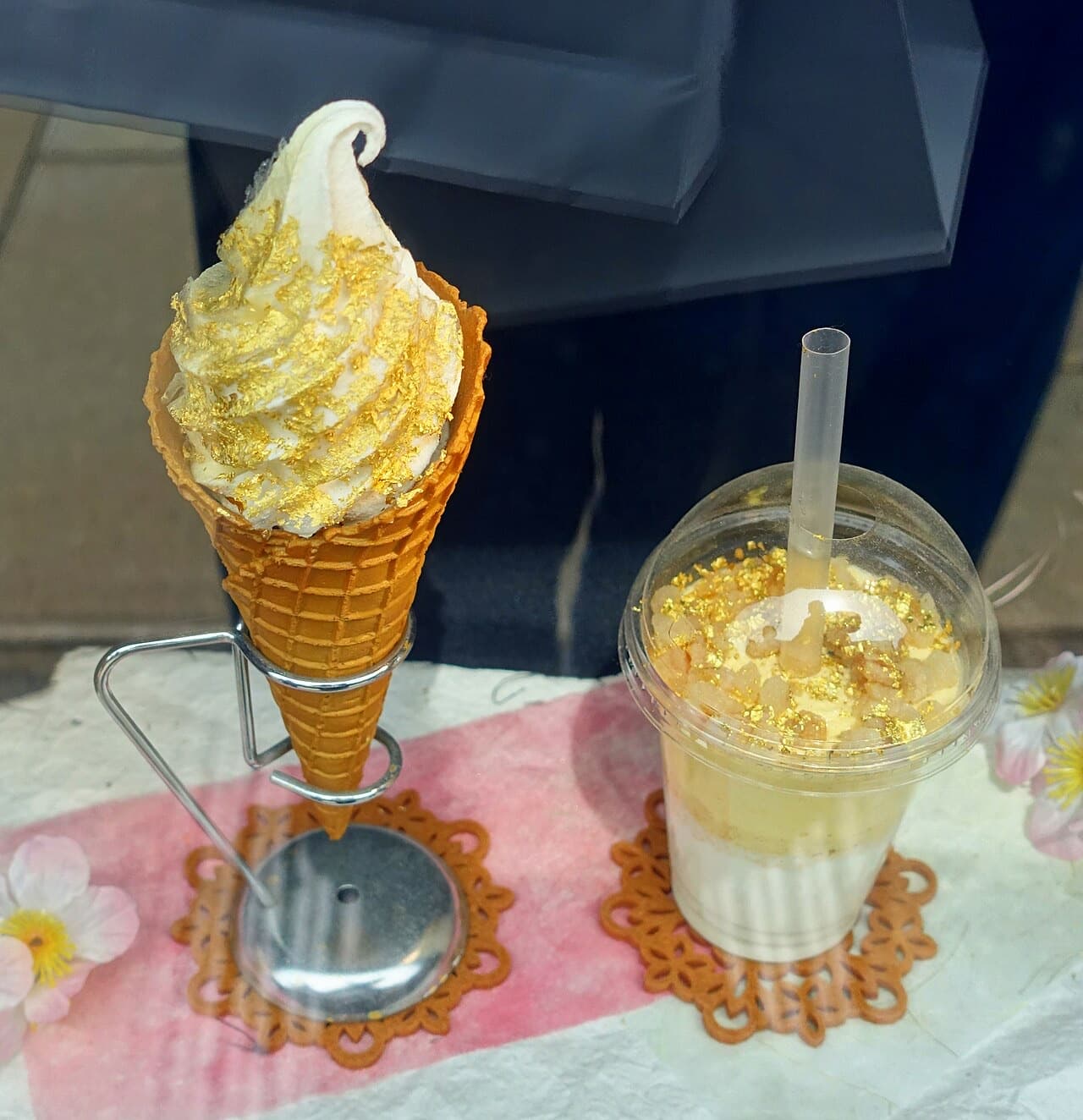
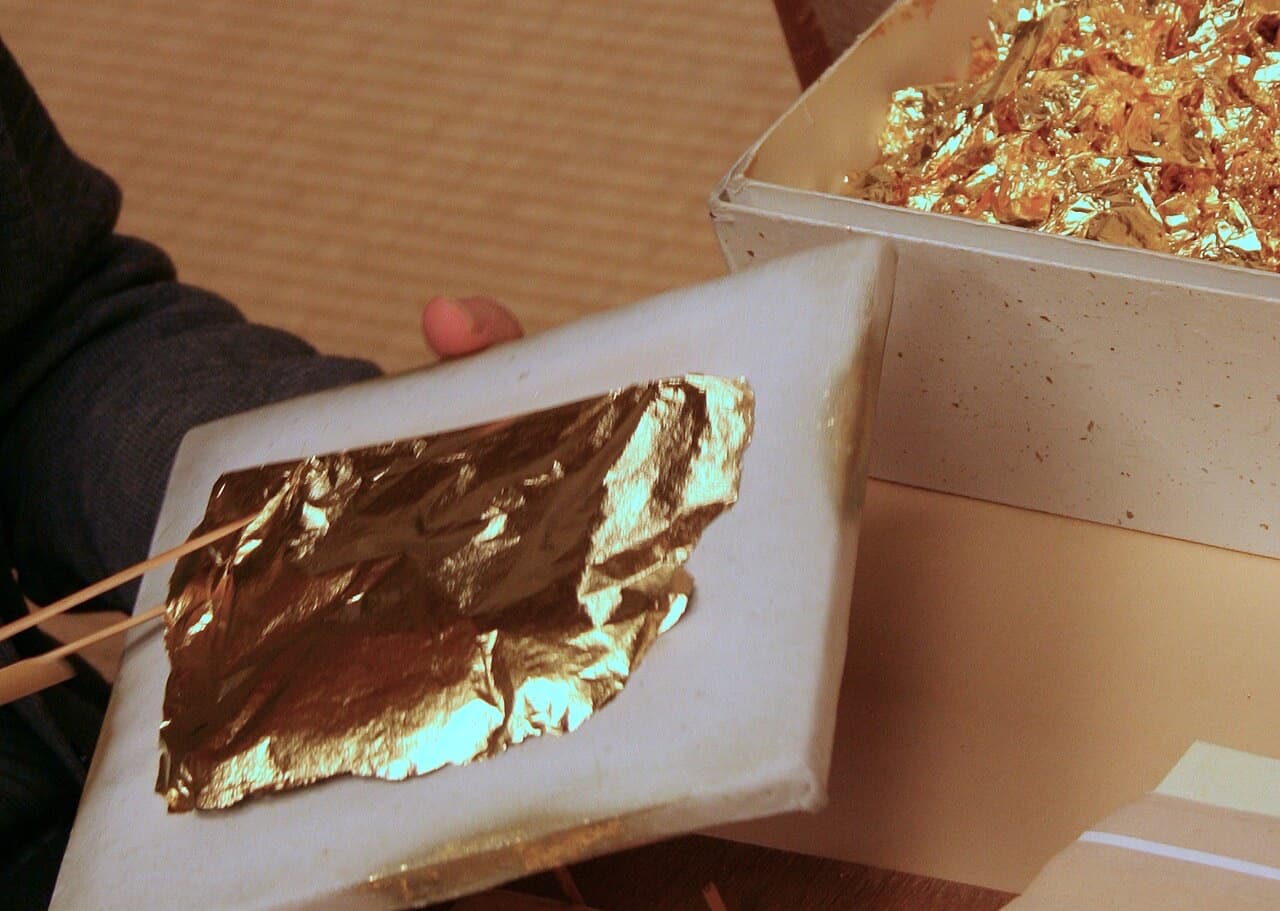
Two teahouses are open to visitors. Ochaya Shima, a former teahouse that now shows geiko culture, charges ¥600 and is open 9:30–17:30 (to 17:00 from December to February). Kaikaro's building tour is ¥750. The other houses hold craft shops, a cafe or two and gold-leaf stores: Kanazawa makes almost all of Japan's gold leaf, hence the soft-serve wrapped in it. Silly? Yes. Fun? Also yes. At Hakuichi you can gild your own chopsticks or a small box from ¥2,000 in about 20 minutes. The Yasue Gold Leaf Museum (¥310, closed Tuesdays) is closed for an exhibition change until Oct 4, 2026.
Higashi Chaya at Night, and Kazuemachi
By late morning the street is crowded; go before 10:00 or come back after dark. Most shops close by 17:00 or so, the day tours leave and the old wooden houses go quiet. You might catch a glimpse of a geiko heading to an appointment — give them space and skip the photo. Then cross the Asano River to Kazuemachi, lovely at night too.
Omicho Market: Sushi, Seafood Bowls and Snacks
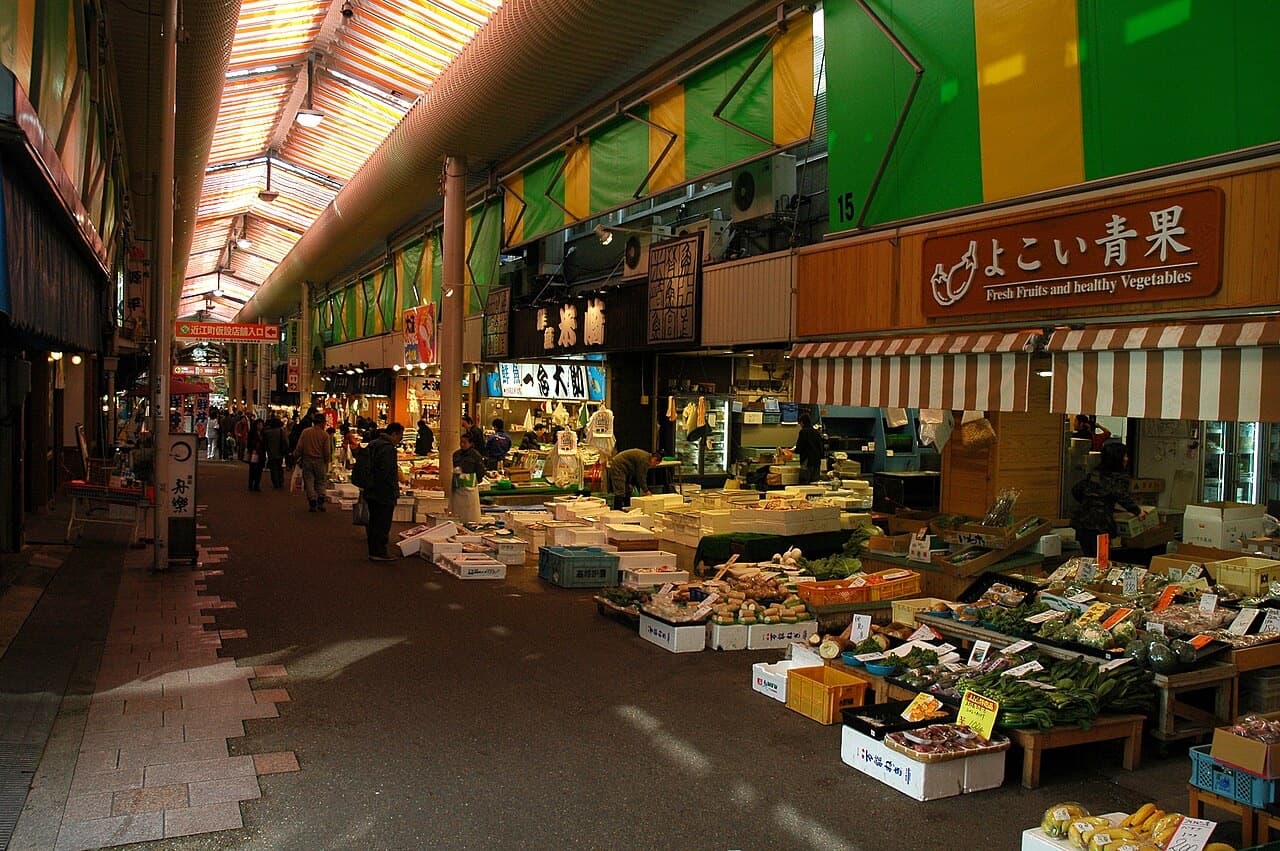
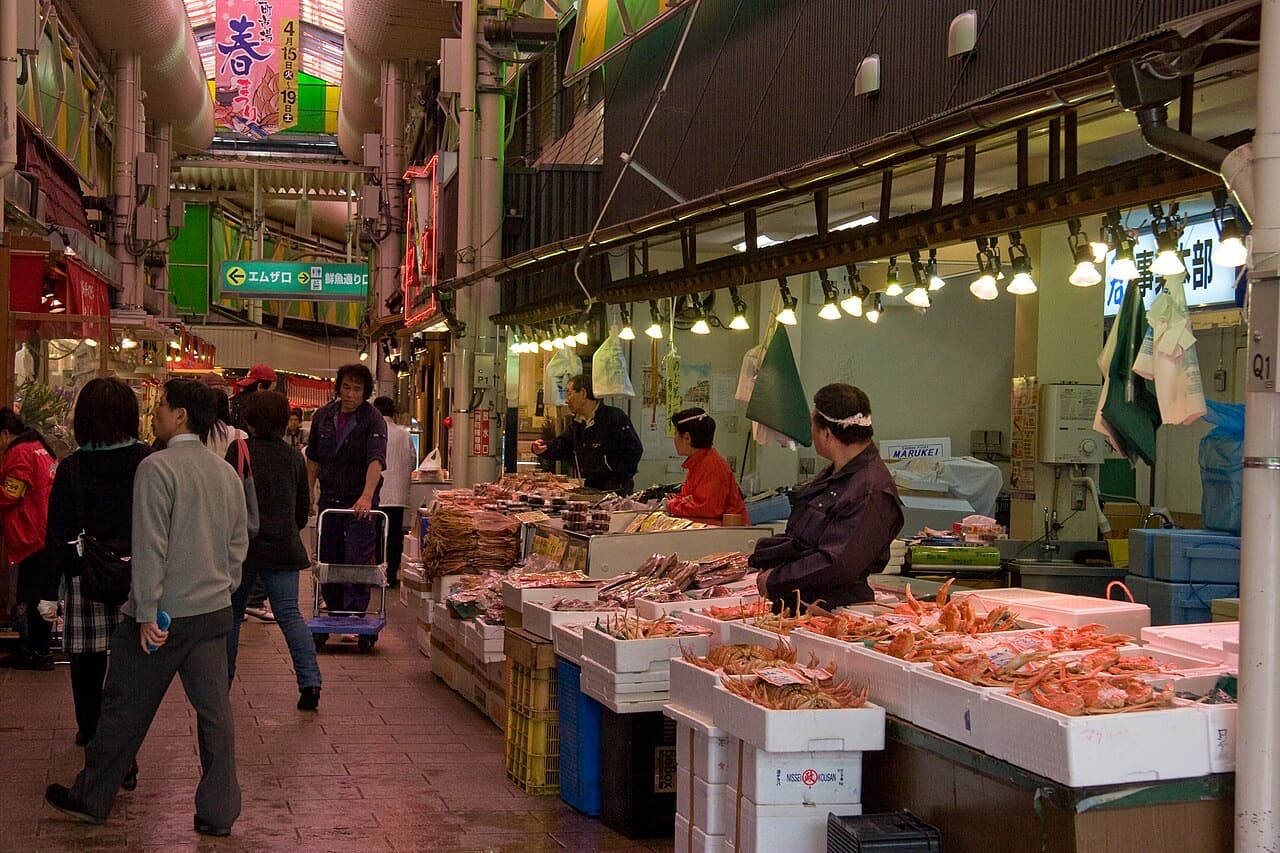
Omicho is Kanazawa's biggest fresh food market, a covered maze of fishmongers, produce stalls and tiny counters between the station and the castle. It's a great place to eat a late breakfast at a counter or grab a coffee at a small cafe — seafood rice bowls, sushi, grilled shellfish — and in the colder months, crab from the Sea of Japan. Omicho is a shopping street, so hours and closing days differ by shop; check before building a morning around one counter.
To eat dinner and head out for the night, try Katamachi and Korinbo, the city's main food and nightlife neighborhood.
Day Trips: Shirakawa-go and the Noto Peninsula
Shirakawa-go
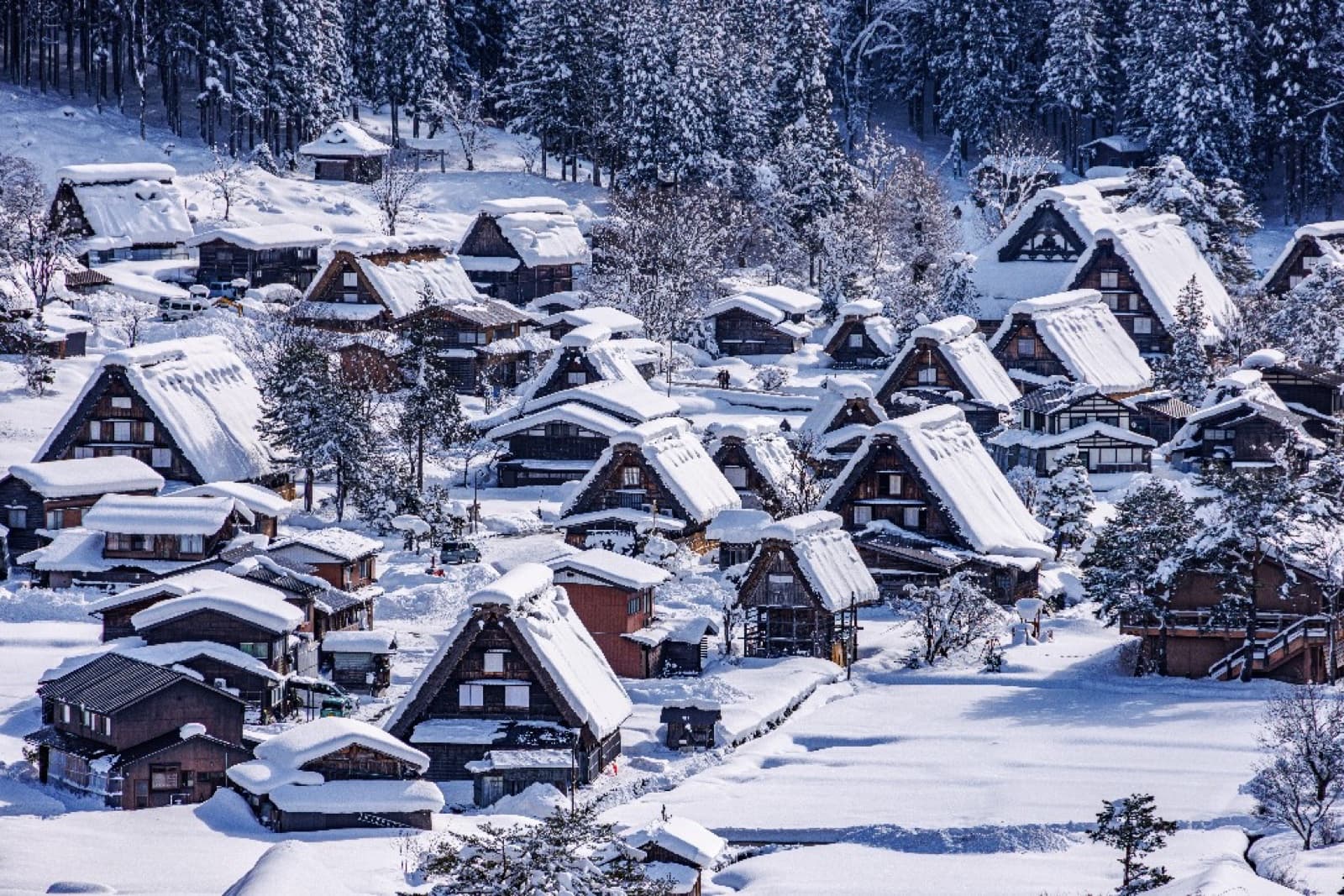
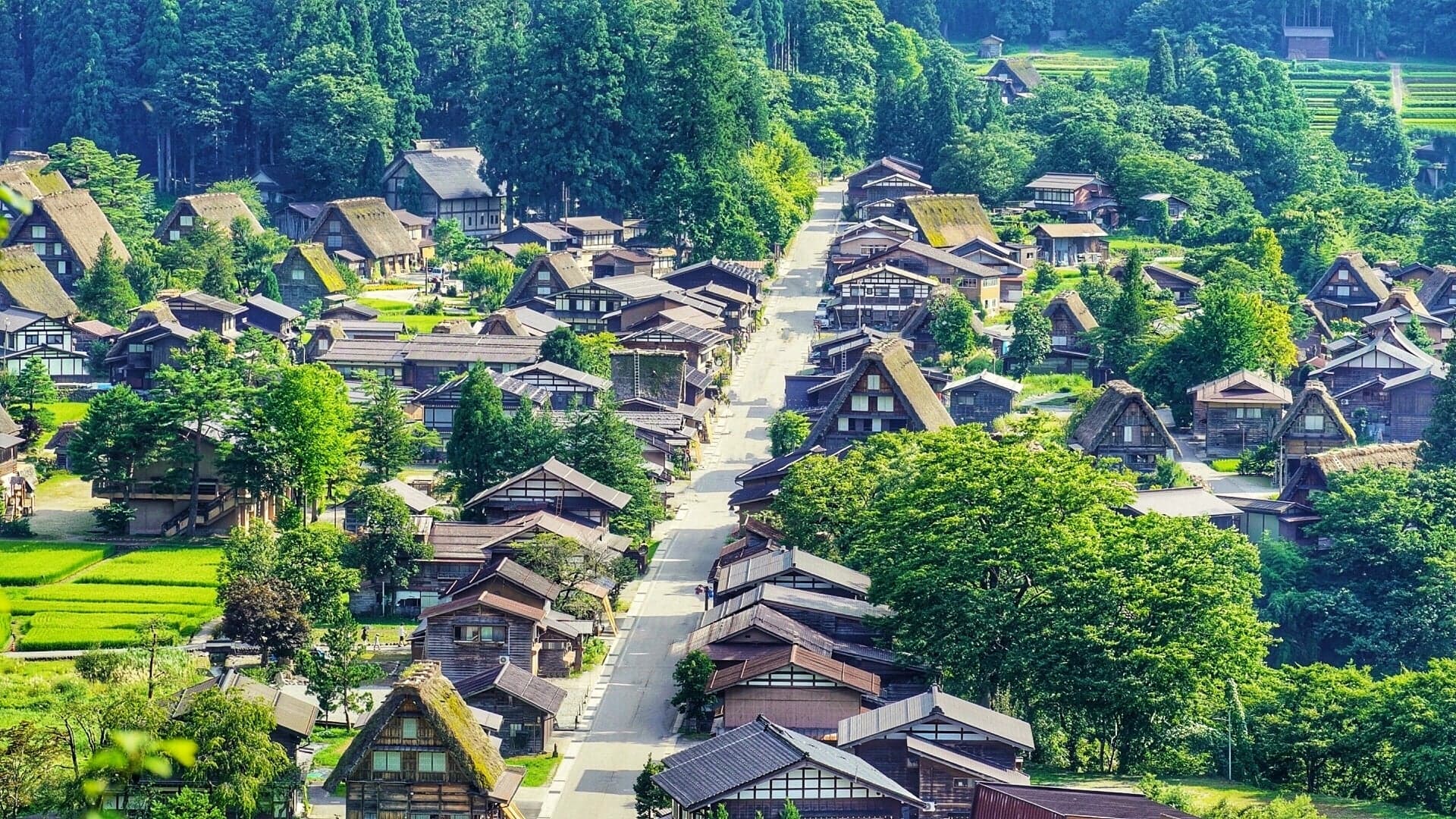
The thatched farmhouses of Shirakawa-go are 1 hour 15 minutes away by highway bus from the station's West Exit: ¥2,800 one way, with seat reservations required. It's the easiest World Heritage day trip from Kanazawa: the farmhouses are Japanese thatched houses built for heavy snow, and under snow they barely look real. See our Shirakawa-go guide and our Japan winter itinerary.
The Noto Peninsula
The Noto Peninsula, the northern part of Ishikawa Prefecture, is loved for its coast, rice terraces and the Wajima morning market. The January 2024 earthquake hit it hard, and rebuilding continues. Check current access on Ishikawa Prefecture's official travel site before you commit, and treat it as a full day, not an afternoon add-on.
From our Japan travel team
The Noto Peninsula is still rebuilding after the 2024 earthquake, and some facilities remain closed or run from temporary sites. Our self-guided routes don't go to Noto or stay overnight there, so plan it as your own day trip, ideally from a Kanazawa base of two nights or more. If you're unsure whether it fits, ask us and we will help you work out the timing around the rest of your route.
Kanazawa Fees and Opening Hours at a Glance
| Sight | Adult fee | Hours |
|---|---|---|
| Kenrokuen | ¥320 (about USD 2); ages 6–17 ¥100 | 7:00–18:00 Mar 1–Oct 15; 8:00–17:00 Oct 16–end Feb; free early entry |
| Kanazawa Castle Park | Grounds free; turrets and storehouse ¥320 (¥500 with Kenrokuen) | Grounds 8:00–17:00 in winter; buildings 9:00–16:30 |
| 21st Century Museum of Contemporary Art | Free zone; exhibitions priced per show (¥1,200 from Oct 31) | Exhibitions 10:00–18:00, to 20:00 Fri–Sat; closed Mondays |
| D.T. Suzuki Museum | ¥310 | 9:30–17:00; closed Mondays |
| Nomura Samurai House | ¥550 (matcha ¥500) | 8:30–16:30 Oct–Mar, to 17:30 Apr–Sep |
| Myoryuji (Ninja Temple) | ¥1,200 (about USD 8); elementary ¥800 | Guided tours by phone booking, 9:00–16:00; no preschoolers |
| Ochaya Shima teahouse | ¥600 | 9:30–17:30 (to 17:00 Dec–Feb); open daily |
| Kaikaro teahouse | ¥750 | 10:00–17:00 |
| Yasue Gold Leaf Museum | ¥310 | 9:30–17:00; closed Tuesdays; closed Sep 24–Oct 4, 2026 |
Where to Stay: Station Area or Korinbo
Kanazawa hotels cluster in two zones, and the hotels near the station are the easiest with luggage. Station-area hotels mean easy luggage and quick trains out; around Korinbo and Katamachi, you can walk to the castle, Nagamachi and dinner. Whichever hotels you shortlist, check they're located near a loop stop — location beats room size here — and book early for autumn weekends. Kanazawa's accommodation tax is ¥200 per person per night for rooms from ¥5,000 to ¥19,999 and ¥500 from ¥20,000.
These are the hotels our routes use in Kanazawa, always for one or two nights:
| Hotel | Routes |
|---|---|
| Kanazawa New Grand Hotel Prestige (or similar) | BF002, GR003, GR006, SL005 |
| Mitsui Garden Hotel Kanazawa (or similar) | GR005, KA002 |
| Hotel Nikko Kanazawa (or similar) | EX004, GR105, HS002, SK009 |
| ANA Crowne Plaza Kanazawa (or similar) | GR103, GR106, NT005, NT105 |
| THE HOTEL SANRAKU KANAZAWA | HS001, LX001, TP006 |
From our Japan travel team
Kanazawa gets busy on autumn weekends and over Golden Week, and hotels near the station and Korinbo fill up well in advance. Book rooms and shinkansen seats as soon as your dates are firm — on our routes the hotel and train bookings are done for you, with our team in Japan on call through the trip.
Kanazawa in One Day (and Why Two Is Better)
Only have one day? Try this:
- 7:00 Kenrokuen Garden (earlier and free if you use the dawn entry)
- 8:30 Kanazawa Castle Park
- 10:30 Omicho Market for an early lunch
- 12:00 21st Century Museum of Contemporary Art
- 14:00 Nagamachi and the Nomura house
- 15:30 Myoryuji (booked ahead)
- 17:00 onward Higashi Chaya into the night
With two days, split it: garden, castle and contemporary art on day one; Omicho, samurai houses, the temple and teahouses on day two. Save the indoor activities for whichever day looks rainy.
Autumn and Winter vs Other Seasons
October and November bring autumn color and the light-up evenings, and the snow ropes go up from November. Winter brings snow to Kanazawa and a quiet beauty, plus crab season at Omicho — pack waterproof shoes. Cherry blossom season and Golden Week are the busiest; summer is hot and humid, so plan outdoor activities for the morning.
Self-Guided Routes With Kanazawa Nights
Seventeen of our self-guided tours stay in Kanazawa, and these routes are the ones we get asked about most. These eight cover the range — a first week, the Kansai loop to the villages, the classic Kyoto-and-Kanazawa tours, an onsen route with a night in Shirakawa-go, the Alpine route, a luxury trip and a ski trip. Prices are per person and move with season and room type.
| Route | Length | From (USD per person) | Shape |
|---|---|---|---|
| Traditions & Gardens of Japan (BF002) | 7 days | $1,200–1,800 | Tokyo, two nights in Kanazawa, then Kyoto — the shortest way in. |
| Beyond Kansai: Villages & Timeless Japan (KA002) | 7 days | $2,000–3,000 | Starts and ends in Osaka: a night in Kanazawa, then two in Takayama. |
| Timeless Traditions: Kanazawa & Hida Journey (GR003) | 12 days | $3,200–4,700 | Tokyo, two nights in Kanazawa, three in Kyoto, two in Takayama. |
| Cultural Essence: Kyoto & Kanazawa Short Escape (GR006) | 12 days | $2,800–4,200 | Tokyo, Umeda, three nights in Kyoto, then two in Kanazawa. |
| Hop Through Japan’s Hot Springs & Highlights (HS002) | 14 days | $4,300–5,700 | Two nights in Kanazawa, then a chartered taxi to a night in Shirakawa-go and on to Takayama and Gero. |
| Alpine Routes & Cultural Japan (NT005) | 11 days | $2,800–4,000 | Matsumoto and Toyama on the way in, then Kanazawa, Kyoto and Osaka. |
| Luxury Japan Journey: Ise-Shima Escape (LX001) | 12 days | $8,100–11,700 | Ise-Shima and Kyoto, then two nights at THE HOTEL SANRAKU KANAZAWA. |
| Hakuba Ski & Popular City Journey (SK009) | 13 days | $4,700–6,000 | The snow monkeys and Hakuba skiing, then Kanazawa, Kyoto and Hakone. |
Click a route name or code to open its page, with the day-by-day itinerary, the hotels and the prices for each departure date. Any route code can also be typed into the Search button at the top of every page.
From our Japan travel team
Most travelers give Kanazawa one night, and most of them tell us afterwards it should have been two. The second night is what lets you see Kenrokuen at dawn and Higashi Chaya after dark — the two best hours in the city. Tell us your dates and we will say which route gives Kanazawa the time it deserves.
Common Mistakes to Avoid
- Showing up at Myoryuji unbooked. Tours are by phone reservation.
- Missing the Swimming Pool. It's closed Oct 19–30, 2026, and the building closes from May 2027 to March 2028.
- Doing Kanazawa as a day trip from Tokyo. Nearly five hours of trains for a rushed day isn't worth it.
- Paying for guided tours you don't need. The city is easy on your own; Myoryuji is the one place where guided tours are compulsory.
- Trusting old price lists. Ochaya Shima is ¥600 and a loop ride ¥220 now.
Turning This Into a Real Japan Itinerary
A simple Japan itinerary: Tokyo for three or four nights, the Hokuriku Shinkansen to Kanazawa for two, then via Tsuruga to Kyoto. It adds only a couple of hours of train time, and Kanazawa is a compact, beautiful city that feels a world away from Tokyo. Plan the fixed-time pieces first — your Myoryuji slot, the Monday closures, the light-up evenings — then fill the gaps. The city tourism association's official site, Visit Kanazawa, is the place for seasonal updates, and the Tourist Information Center at the station offers maps and a luggage service. Plan to visit at least one of the Japanese gardens early, and you'll have spent your time well.
Kanazawa FAQ
How many days do you need in Kanazawa?
Two full days is ideal: garden, castle and art on one, samurai and teahouse districts and Omicho on the other. One day works if you start at dawn and keep moving.
How much is Kenrokuen, and when is it open?
¥320 for adults and ¥100 for ages 6–17. It's open 7:00–18:00 from March 1 to Oct 15 and 8:00–17:00 from Oct 16 through winter, with free early-morning entry through two gates before paid hours.
Is the Kanazawa Loop Bus worth it?
Yes, with the ¥800 one-day pass, which also covers the weekend Shopping line and the Flat line. A single ride is ¥220.
Do I need to book the Ninja Temple in advance?
Yes. Myoryuji is visited only on guided tours, reserved by phone. Adults pay ¥1,200, and preschool children aren't admitted.
Is the 21st Century Museum open?
Yes, but its Swimming Pool can't be seen from Oct 19 to 30, 2026, and the building closes for major renovation from May 6, 2027 to March 2028.
Which of your routes stay in Kanazawa?
Seventeen. The shortest is the 7-day Traditions & Gardens of Japan (BF002, from $1,200); GR003 and GR006 pair Kanazawa with Kyoto and Takayama; HS002 adds a night in Shirakawa-go; SK009 combines it with skiing.
Fees, hours and rules were checked on September 29, 2026 against Kenrokuen and Kanazawa Castle Park (Ishikawa Prefecture), the 21st Century Museum, the D.T. Suzuki center, the Nomura house, Ochaya Shima, Kaikaro, the Kanazawa City Tourism Association, Hakuichi, the Yasue Gold Leaf Museum, Hokutetsu, JR West and Kanazawa City. Routes and prices are from our catalogue on the same date.
Two Nights in Kanazawa, Arranged
Our self-guided routes give you the shinkansen tickets, a hotel close to the sights and your luggage sent ahead, with free time for the garden at dawn and the teahouses after dark — and our team in Japan on call throughout.
Related Articles
Kanazawa Autumn Leaves 2026: The Self-Guided Traveler's Guide to Kenrokuen and Beyond
12 min read
Shirakawago (Shirakawa-go) Guide: Getting There, the 2027 Winter Light-Up and What to See
14 min read
Takayama, Japan: The Hida Old Town, Its Morning Markets, and How to Fit It Into a Trip
11 min read