Toro Nagashi 2026: A Practical Guide to Japan's Floating Lantern Ceremonies
Just after sunset in mid-August, hundreds of candle-lit lanterns slip onto the water and fade into the dark. That's toro nagashi — one of the most quietly moving evenings you can build a Japan trip around. Here's where to see it and how to take part.
There's a moment, just after sunset in mid-August, when a Japanese river stops being a river and turns into something else. Hundreds of candle-lit lanterns slip onto the surface, drift, and fade into the dark. That is toro nagashi — and if you're planning a trip next summer, it's one of the most quietly moving experiences you can build an evening around.
This guide covers everything you need to plan toro nagashi 2026 into a self-guided itinerary: what it is, where to see it, how to release your own paper lantern, and the mistakes first-timers make. It falls inside Obon week, so pair it with our Obon 2026 guide, the more social Bon Odori dance festivals, and Kyoto's Gozan no Okuribi bonfires.
🏮 Quick Answer: Toro Nagashi 2026
Obon floating-lantern ceremonies. Three do it best: Hiroshima Peace Park (Aug 6), Asakusa / Sumida River (Aug 15), and Kyoto Arashiyama (Aug 16, alongside Gozan no Okuribi). Watching is free; releasing your own lantern costs ~¥1,000–¥2,000. Arrive 90 minutes early — lanterns sell out.
🕯️ What
Lantern ceremony
📅 When
Aug 6 / 15 / 16
🎟️ Watch
Free
🏮 Lantern
¥1,000–2,000
What Is Toro Nagashi?
Toro Nagashi — "floating lanterns" — is a ceremony that's part of the Buddhist festival of Obon. Thousands of paper lanterns, each lit by a candle, are released onto rivers or the sea to symbolically guide the souls of ancestors back to the spirit world after their annual visit to the living during Obon. Families write messages to loved ones on the paper, light the candle, and set the toro afloat; the lights drift downstream. That's the whole event — and that's the point.
Because it falls inside Obon week, you're travelling when many Japanese return to their hometowns — trains get busy, hotel prices climb, some family-run restaurants close — but you get a side of Japanese culture most summer tourists miss. And it's genuinely easy to take part: no tour group, no Japanese needed, just show up at the right venue at the right time with a bit of cash.
Where to See Toro Nagashi in Japan
Three cities do it best, and each hits differently.
Tokyo: Asakusa on the Sumida River (Aug 15)
The easiest to slot into a mainstream itinerary. The Asakusa version takes place near Sumida Park, right by Senso-ji — Saturday, August 15, 2026. Around 2,500 lanterns with handwritten messages glide down a slope into the water on the east (Asakusa) side of the river, between Azuma-bashi and Kototoi-bashi bridges, from 6:30 p.m. It began to comfort the souls lost in the Great Kanto Earthquake and wartime devastation, and as a prayer for peace — history that matters when you're standing there.
Hiroshima: Peace Memorial Park (Aug 6)
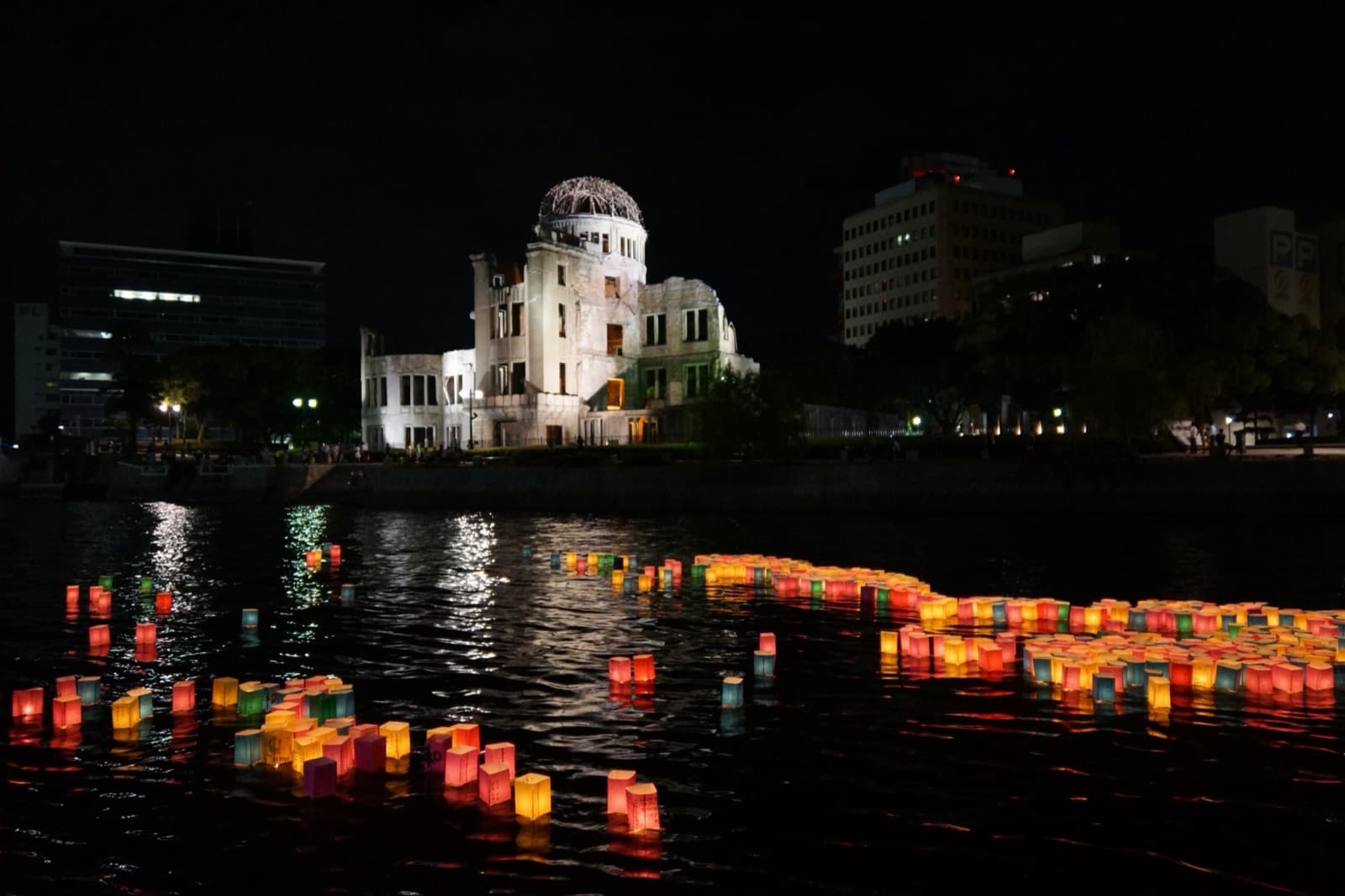
Each year on August 6, candle-lit lanterns are set afloat on the Motoyasu River next to the A-Bomb Dome, in remembrance of ancestors and as a wish for world peace. Lanterns are sold from 7 a.m. until 8:30 p.m. (or until they run out) and released by hand in the evening near the A-Bomb Dome and Motoyasu Bridge. This is the largest and most emotionally charged toro nagashi in Japan — some 10,000 lanterns floating quietly downstream in the dark. You don't forget it.
For the park itself outside the ceremony — the museum's hours and ¥200 admission, and the ferry to Miyajima — see our Hiroshima and Miyajima guide.
Kyoto: Arashiyama (Aug 16)
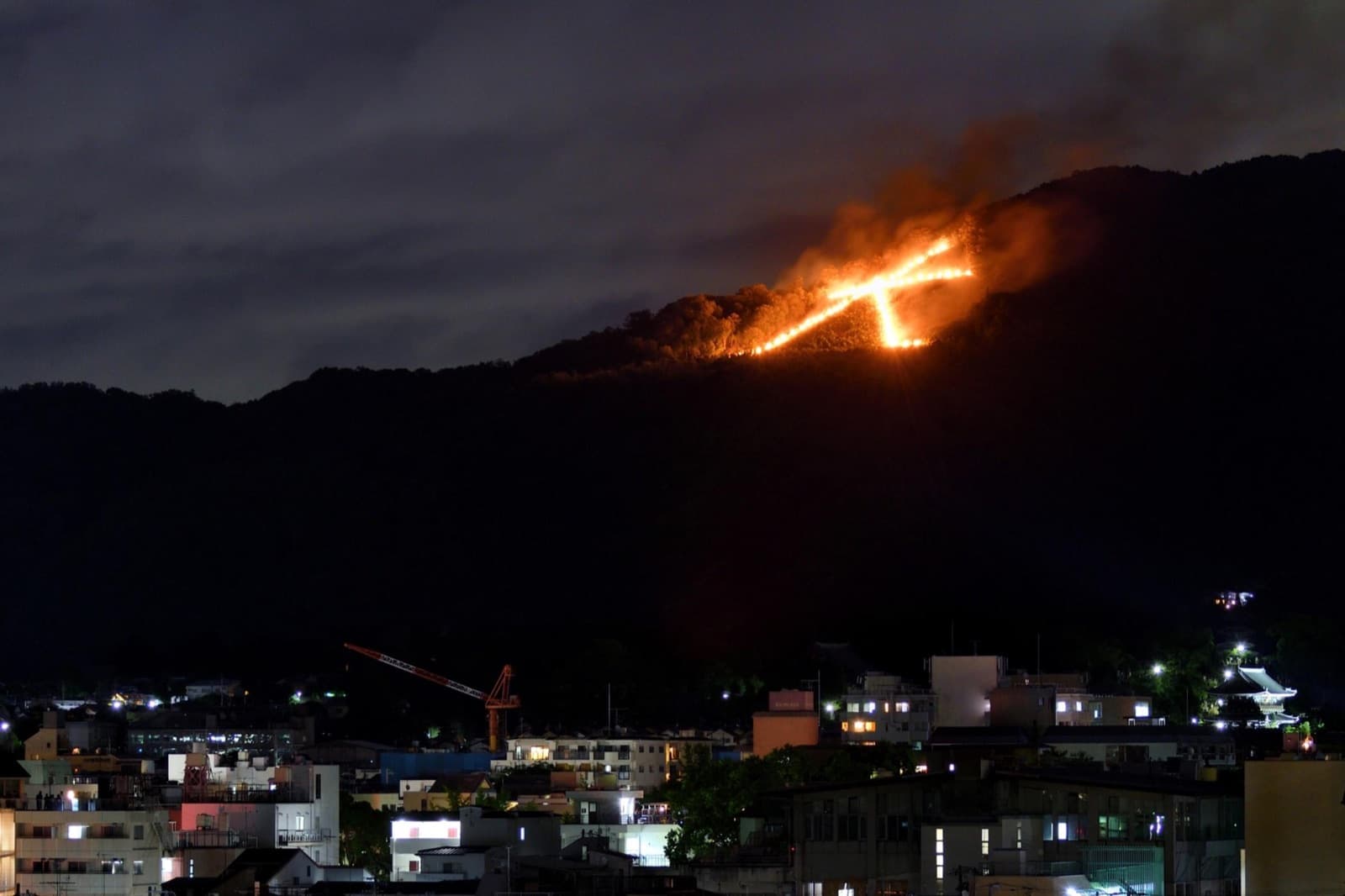
Kyoto's version pairs with Gozan no Okuribi, the famous bonfire event. The Arashiyama Toro Nagashi runs Sunday, August 16, 2026, 7–9 p.m. at Arashiyama Nakanoshima Park, with lanterns floated from the east end of Togetsukyo Bridge. From near the venue you can see the Toriigata (torii-shaped bonfire) and, in the distance, the Daimonji — lanterns for ¥1,700. (Getting around the district: our Arashiyama guide.)
How to Release Your Own Lantern
Watching is free; sending off a lantern is not. In Tokyo (2026) you can buy one on the day from the Asakusa Culture Tourist Information Center or the Matsuya Asakusa 1F cash register for ¥2,000 (candles handed out at the venue), or pre-order and ship to a Japan address. You write your messages, hand it to a volunteer, and they help you set it afloat.
🕯️ Lantern fees at a glance (2026 baseline)
| Asakusa (Tokyo) | ¥2,000 per lantern · watching free |
| Hiroshima | Sold on-site the day of the event |
| Arashiyama (Kyoto) | ~¥1,700 per lantern |
💡 Prices change year to year — confirm on each official festival page. No ticket includes food or transport; bring cash and a hand towel. Staff collect lanterns downstream, so the release is symbolic, not polluting.
When to Arrive
Arrive at least 90 minutes early if you want to buy a lantern — they sell out, and with big crowds you may wait a while to set yours afloat. A calmer viewing spot along the west bank of the Sumida River is easier to grab an hour before start time. Access to Asakusa is simple: Sumida Park is a five-minute walk from Asakusa Station (Ginza, Asakusa and Tobu lines) — exit toward the river and follow the crowd.
Building Toro Nagashi Into a Real Itinerary
🗼 A — Tokyo base (7 days)
Arrive ~Aug 12, three days of Tokyo classics, then anchor Aug 15 in Asakusa. Rent a yukata, eat okonomiyaki, walk to the river by 5:30 p.m.
🕊️ B — Peace route (10 days)
Fly into Hiroshima Aug 5, ceremony Aug 6, on to Kyoto, catch Arashiyama Aug 16, then Tokyo.
⛩️ C — Nagasaki add-on
Nagasaki's atomic anniversary is Aug 9 — combine with Hiroshima for a deeper peace-themed trip.
Self-Guided Japan Tours
Trains, peak-week hotels and city-hop logistics stitched together — so you're at the river with a lantern in hand, not stuck in a station.
💬 From our Japan travel team
Please note: our self-guided tours covering this year's Obon dates are already sold out. If you'd like to join in a future year, get in touch — we can build the route around any of the three cities: Tokyo, Kyoto or Hiroshima.
Common Mistakes to Avoid
- Booking hotels too late. Obon is peak domestic travel — lock accommodation by March.
- Not reserving shinkansen seats. Reserved seats sell fast in mid-August; book as soon as dates are firm (see our shinkansen during Obon guide).
- Turning up at 6:29 p.m. expecting a lantern. They run out — get there early.
- Wearing formal clothes. It's hot and humid, and you'll be near candles — light layers, closed shoes if you're walking to the water.
- Confusing it with the Sumida fireworks. Different event, different date (fireworks are Jul 25) — see our Sumida fireworks guide.
Fireworks bring noise and energy; toro nagashi is the opposite. Choose based on the mood you want that night. What to bring: cash (¥3,000–¥5,000 per person), a small hand fan, water, a portable charger, and tissues for candles and sweat.
After Obon: Where the Calendar Goes From Here
Toro nagashi closes the Obon period, and with it Japan's summer festival season. The mid-August crush eases within days, and from late August the country moves into what many repeat visitors consider its best stretch of the year.
- Autumn festivals. Takayama in October, Kyoto's Jidai Matsuri and Kurama Fire Festival on 22 October, and the Chichibu Night Festival in December.
- Autumn colour. Timing is the whole game — track it with the autumn leaves forecast, and see Japan in November.
- The wider festival calendar. Our festivals guide covers the summer events and what follows them.
Returning for Obon in a future year? The period is fixed to roughly 13–16 August nationally, so toro nagashi dates barely move. The constraint is transport and accommodation, not the ceremony — book early.
Thinking of seeing a lantern-floating ceremony on a summer trip to Japan? Get in touch through Plan My Trip on our self-guided tours site, and we’ll suggest the tours that best fit your dates and plans.
FAQ: Toro Nagashi 2026
When is toro nagashi 2026?
Dates depend on the city: Hiroshima on August 6, Asakusa (Tokyo) on Saturday, August 15, and Arashiyama (Kyoto) on Sunday, August 16.
Is the lantern ceremony free?
Watching is free. Sending your own paper lantern costs around ¥1,000–¥2,000 depending on the venue.
Can foreigners take part?
Yes. Overseas guests are welcome at all three main events, and volunteers help you write your messages and release the lantern.
What happens to the lanterns after they float away?
Staff collect them downstream so they don't pollute the water. The release is symbolic, not permanent.
Is toro nagashi the same as a sky lantern release?
No. These lanterns float on water, not in the air — a different tradition entirely.
What if it rains?
The ceremony is still held in light rain. Heavy rain may push things back — check the official site the day of your visit.
Turn This Into a Real Itinerary
An Obon-week trip is very doable on your own, but the moving parts add up: trains, hotels during a peak window, event timings, and city-hop logistics. We help independent travellers stitch these together into a trip that actually flows — so you're standing at the river with a lantern in hand instead of worrying about your next connection.
💬 From our Japan travel team
Toro nagashi falls in Obon week — the busiest travel window of the summer. If you want the Hiroshima → Kyoto → Tokyo peace route, book hotels and reserved shinkansen seats months out. Tell us your dates and we'll sequence the ceremonies (Aug 6 / 15 / 16) so the trains and cities line up.
Ceremony dates, lantern fees and access per each venue's official information (Sumida River / Asakusa Toro Nagashi, Hiroshima Peace Memorial Ceremony, Arashiyama Toro Nagashi). Dates and prices shift year to year — confirm the current-year schedule before booking non-refundable travel. Last updated: July 2026.
Self-Guided Japan Tours
Self-guided routes across Tokyo, Kyoto and Hiroshima with peak-week logistics handled — built around the Obon ceremonies.