
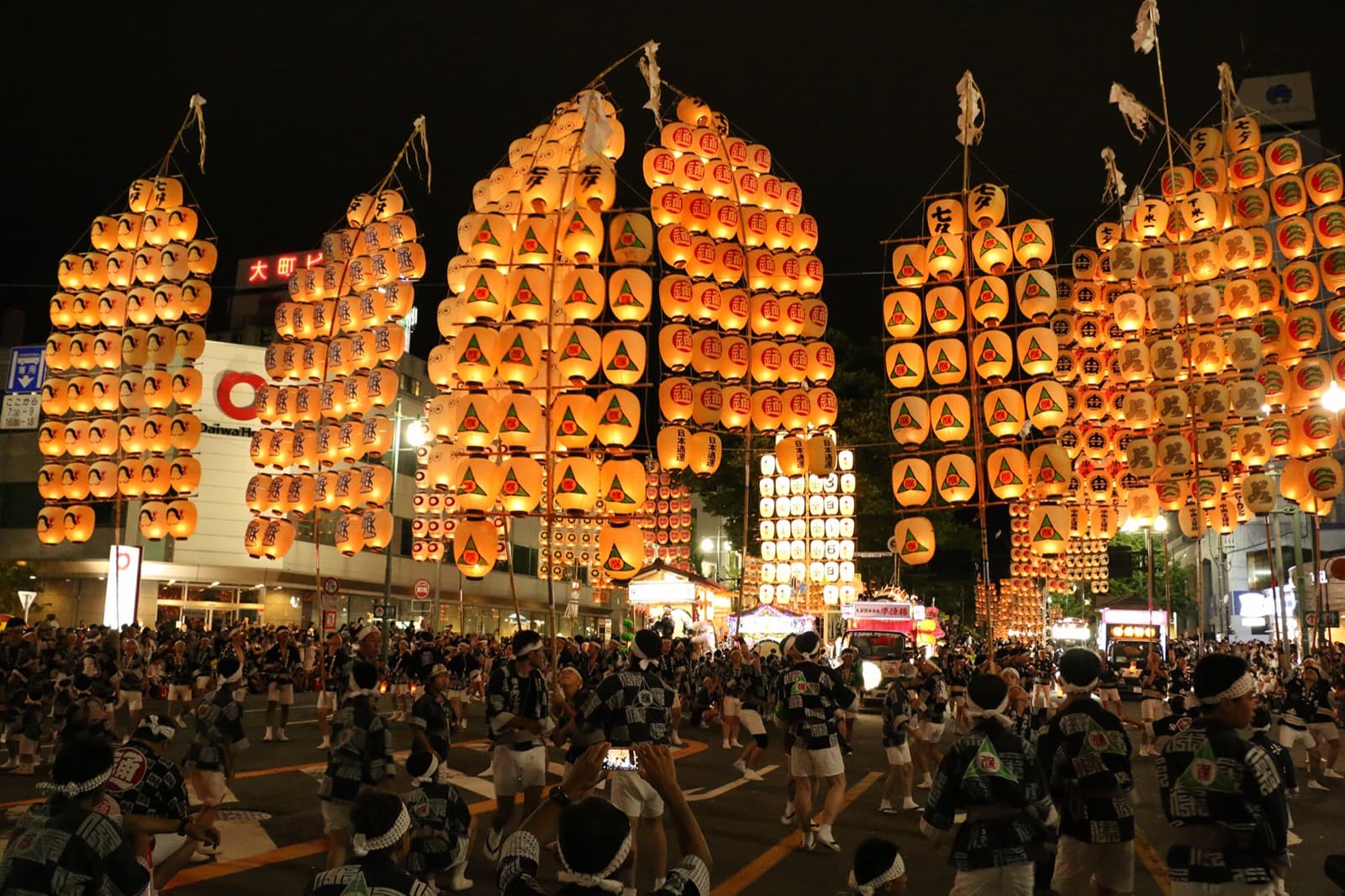
Akita Kanto Matsuri 2026: The Self-Guided Traveler's Guide to Tohoku's Pole Lantern Festival
August 3–6, 2026 in Akita: ~280 bamboo poles strung with 10,000 lanterns, balanced on palms, foreheads and hips. Dates, viewing, getting there, and how to chain it into a Tohoku festival loop.
If you're planning a trip up north next summer and weighing which matsuri to chase, here's the short answer: Kanto Matsuri runs August 3–6, 2026 in Akita, with the night performances as the main draw. That's your window — book hotels now if you haven't.
One of the three main festivals of the region, the Akita Kanto Matsuri is held in early August to pray for a good harvest of the five grains. Free to watch, easy to reach, and honestly hard to forget once you've stood under a wall of glowing lanterns. This guide walks through the 2026 dates, how to slot it into a real Japan itinerary, what to book, and the rookie mistakes to skip.
🏮 Quick Answer: Akita Kanto Matsuri 2026
- Dates: August 3–6, 2026 (four nights, same every year), on Kanto Oodori in central Akita City.
- The spectacle: ~280 bamboo poles up to 12 m and 50 kg, hung with ~10,000 lanterns, balanced on palm, forehead, shoulder and waist.
- Cost: free street-side viewing; paid reserved seats on the median, booked months ahead.
- Access: ~15-minute walk from JR Akita Station.
What Actually Happens at Kanto Matsuri
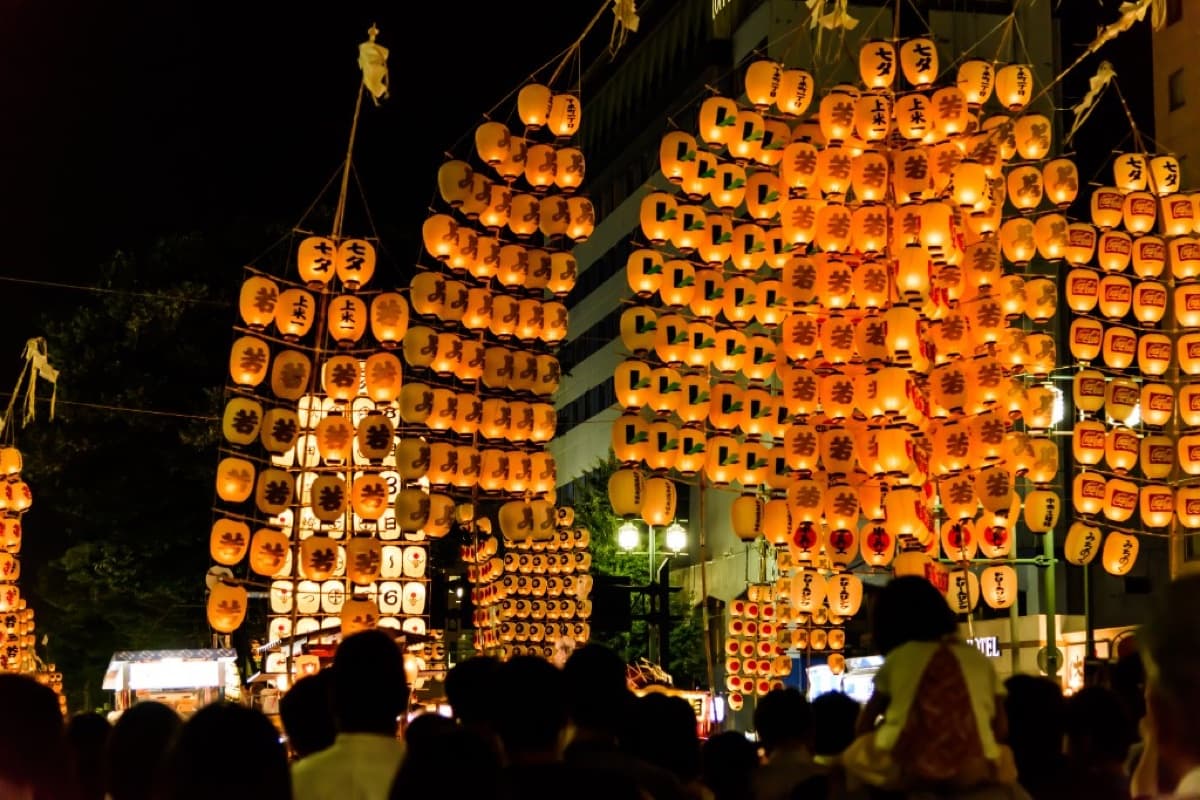
Picture a summer evening in Akita City, drums rolling, then around 280 bamboo poles rising into the night sky at the same time — each balanced on a single person's palm, forehead, shoulder, or lower back. Held August 3–6, it's one of the Three Great Festivals of Tohoku, with performers balancing 12-meter poles hung with about 10,000 golden lanterns.
The lanterns aren't just decoration. A single kanto pole carries up to 46 lanterns lit with real candles; the pole represents a sheaf of rice and the lanterns symbolize rice bags — the whole display is a wish for a bountiful harvest. The biggest poles reach 12 meters and 50 kilograms.
A Short History: Why It's Called Kanto
The roots are old. The Kanto dates back to the mid-Edo Horeki era (1751–1764), beginning as a ritual to ward off summer ailments and drowsiness, and is first referenced in a 1789 travel diary, The Road Where the Snow Falls. Originally called Neburi Nagashi, a ceremony to chase away summer sleepiness, it took its present name in 1881 when Tetsusaku Okubo proposed entertaining the Meiji Emperor with the Kanto performance during his visit to Akita. It was designated an Important Intangible Folk Cultural Property in 1980.
The Daytime Kanto Competitions
The night parade gets the headlines, but the daytime program is where you really understand the skill. The festival has two main events: the daytime Kanto, an acrobatics competition showcasing technique, and the nighttime performance, set to drums, flutes, and the chant "Dokkoi Sho." Competitions are judged on five techniques — Nagashi (flowing), Hirate (flat-handed), Gaku (forehead), Kata (shoulder), and Koshi (waist). Good news for budget travelers: the daytime competitions are usually outdoors and free, no reservations needed.
The Night Parade on Kanto Oodori
This is the main event, held on Kanto Oodori, one of Akita City's main streets. At night the performers don't compete — they simply show their skill and illuminated kanto. The performing area is nearly one kilometer long, with plenty of sidewalk seating along the route (the closed-off ends offer especially spectacular, if crowded, views). The event lasts about 90 minutes, and at the end of each night there's a lovely 15-minute session where the audience can talk to performers, take photos, and try hoisting a kanto themselves.
Tickets, Reserved Seats, and Free Viewing
For 2026, expect the same pattern: free street-side standing and sitting, plus paid reserved seats on the median strip, bookable a few months in advance on the official Japanese website. A practical heads-up: foreign cards don't always work on Japanese ticket sites, and yatai (food stalls) are cash-only most of the time — bring cash regardless.
Getting to Akita City from Tokyo
Access to Oodori Street is easy — about a 10-minute walk from JR Akita Station. From Tokyo, board the Akita Shinkansen "Komachi" directly — it runs coupled to a Hayabusa as far as Morioka, where the trains separate and the Komachi continues to Akita with no change of train to reach Akita in about 3 hours 30 minutes. A day trip is theoretically possible, but the last shinkansen back leaves before the night parade winds down, so plan at least one overnight.
Hotels are the bottleneck. Local lore says rooms book a year out; in practice they trickle back into inventory about six months before the festival, so start checking in early February if you missed the first round. See whether a Japan Rail Pass pays off for a Tohoku festival loop.
Building a Real Itinerary Around the Festival
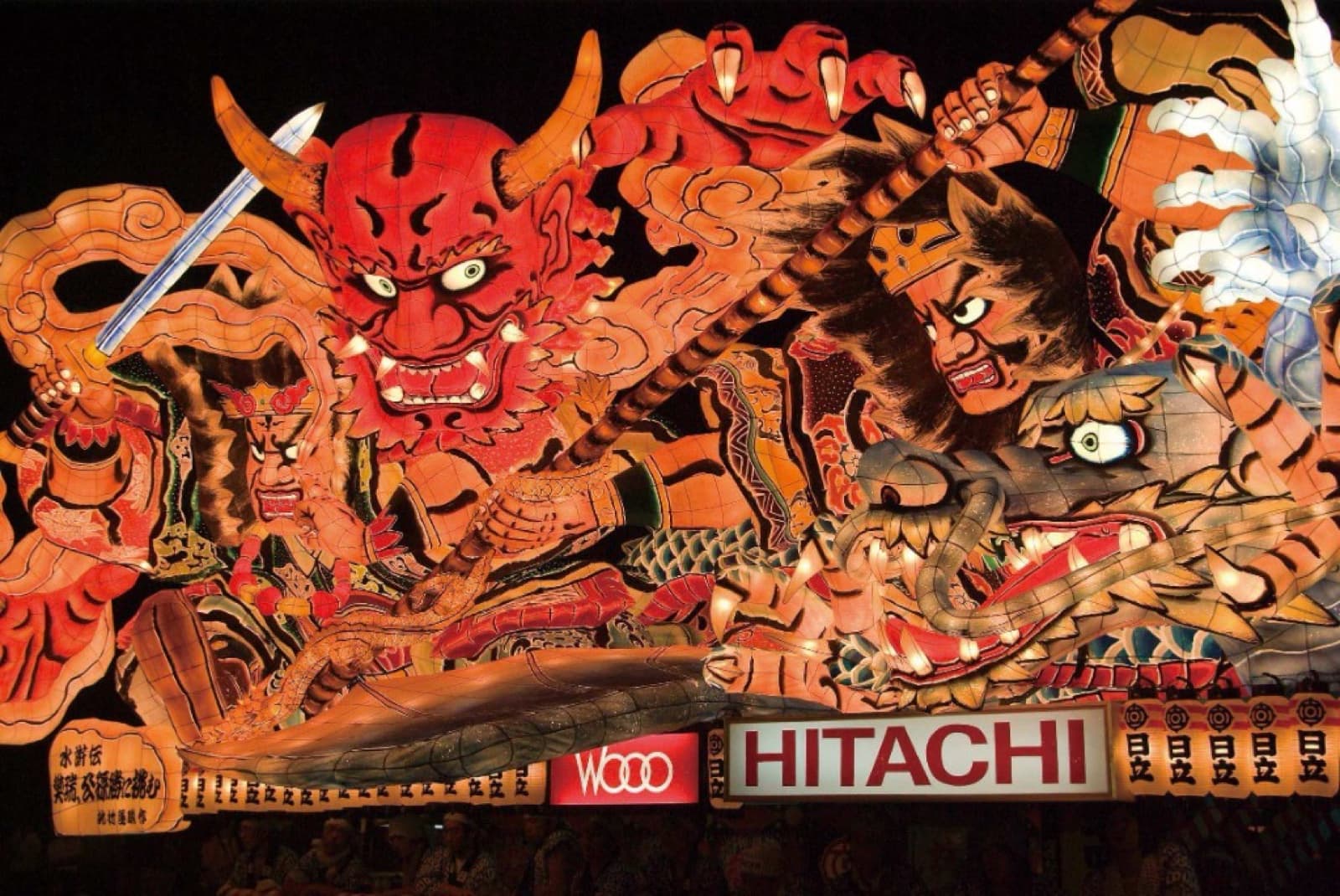
The smart move is to combine Akita Kanto with the other big Tohoku summer festivals — the calendar lines up beautifully in early August, and you can string Aomori, Akita, and Sendai together with a JR pass. A sample five-day shape:
- Aug 2: Tokyo → Aomori (Nebuta Matsuri opens that evening)
- Aug 3–4: Aomori Nebuta, then Komachi shinkansen to Akita
- Aug 4–5: Akita Kanto Matsuri (two nights, day competitions in between)
- Aug 6: Day trip to the Oga Peninsula for namahage culture and coastline
- Aug 7: Akita → Sendai for the final day of Sendai Tanabata
With a free afternoon, Senshu Park sits in the middle of Akita City on the old Kubota Castle grounds — on festival day a ritual is held at Hachiman Akita Shrine inside the park. The Oga Peninsula, about an hour west, is namahage heartland and a great half-day add-on. Travelling outside August? The Kanto Museum (Neburinagashi-kan) lets you learn the history and try balancing a pole year-round. Pair it with our Aomori Nebuta guide and the Japanese summer festivals roundup.
💬 From our Japan travel team
Tohoku's festivals are hugely popular with Japanese travelers, too. In Akita City — the home of Kanto Matsuri — and in every host city, lodging and transport around the festival, and especially the reserved grandstand seats, turn into premium, hard-to-get tickets.
Tohoku's "Five Great Festivals" run on back-to-back dates, building into the region's biggest celebration of the year. If you're coming all the way from overseas, you'll likely want to take in several of them in one trip — not just Kanto Matsuri. Because demand is so fierce, we'd strongly suggest researching the schedule in advance and buying your hotels and shinkansen seats the moment reservations open.
On our self-guided tours we also offered a limited number of seats for the Three and Five Great Festivals of Tohoku. Sales are closed for this year — but please do consider booking with us from next year onward!
Local Food You Should Actually Try
Akita's regional food alone is worth the trip. From August 4–6, a Kanto Performance Competition runs at Area Nakaichi Nigiwai Hiroba (a 10-minute walk from Akita Station), with top performers competing in six categories. Look for kiritanpo (grilled rice sticks on cedar skewers), inaniwa udon (thin, silky noodles), iburigakko (smoked pickled daikon), and Akita beef. Festival yatai are cash-only most of the time.
Common Mistakes to Avoid
- Booking lodging too late. Rooms in central Akita disappear fast — aim for six months out, minimum.
- Skipping the daytime competitions. That's where you see the technique up close, without the crush.
- Arriving 10 minutes before showtime. Get to Kanto Oodori well before 6 PM to claim a sidewalk spot.
- Relying on cards. Yatai vendors and some seat sales want cash.
- Trying to "do" too many cities. Pair Akita with one or two other matsuri, not five.
FAQ: Akita Kanto Matsuri 2026
When is Akita Kanto Matsuri 2026?
August 3–6, 2026, in central Akita City along Kanto Oodori — four nights, the same dates every year.
Is the festival free?
Yes for street-side viewing. Reserved grandstand seats on the median are paid and sell out via the official site months ahead.
How do I get to Akita from Tokyo?
Take the Akita Shinkansen Komachi (via Morioka), roughly 3 hours 30 minutes total. Akita Station is about a 15-minute walk from the parade route.
Can I see the festival as a day trip?
Technically possible from Tokyo, but the last shinkansen back leaves before the night parade winds down — stay at least one night in Akita or nearby.
What's the difference between the daytime and nighttime events?
Daytime is a serious skill competition (near Area Nakaichi); nighttime on Kanto Oodori is the spectacle — about 280 illuminated poles raised together to traditional music.
Are there other festivals nearby on the same dates?
Yes. Aomori Nebuta and Sendai Tanabata overlap in early August, which is why many travelers build a Tohoku festival loop using a JR pass.
Plan Your Self-Guided Tohoku Trip
A festival like Akita Kanto rewards independent travelers — you decide which night to watch, where to eat, whether to chase the parade on to Aomori. We'll turn it into a workable itinerary: shinkansen timings, hotel windows, a sensible Tohoku loop.
Dates, schedule and access per official Akita Kanto Matsuri information; confirm reserved-seat sales and timings on the official site before booking. Last updated: June 2026.
Related Articles
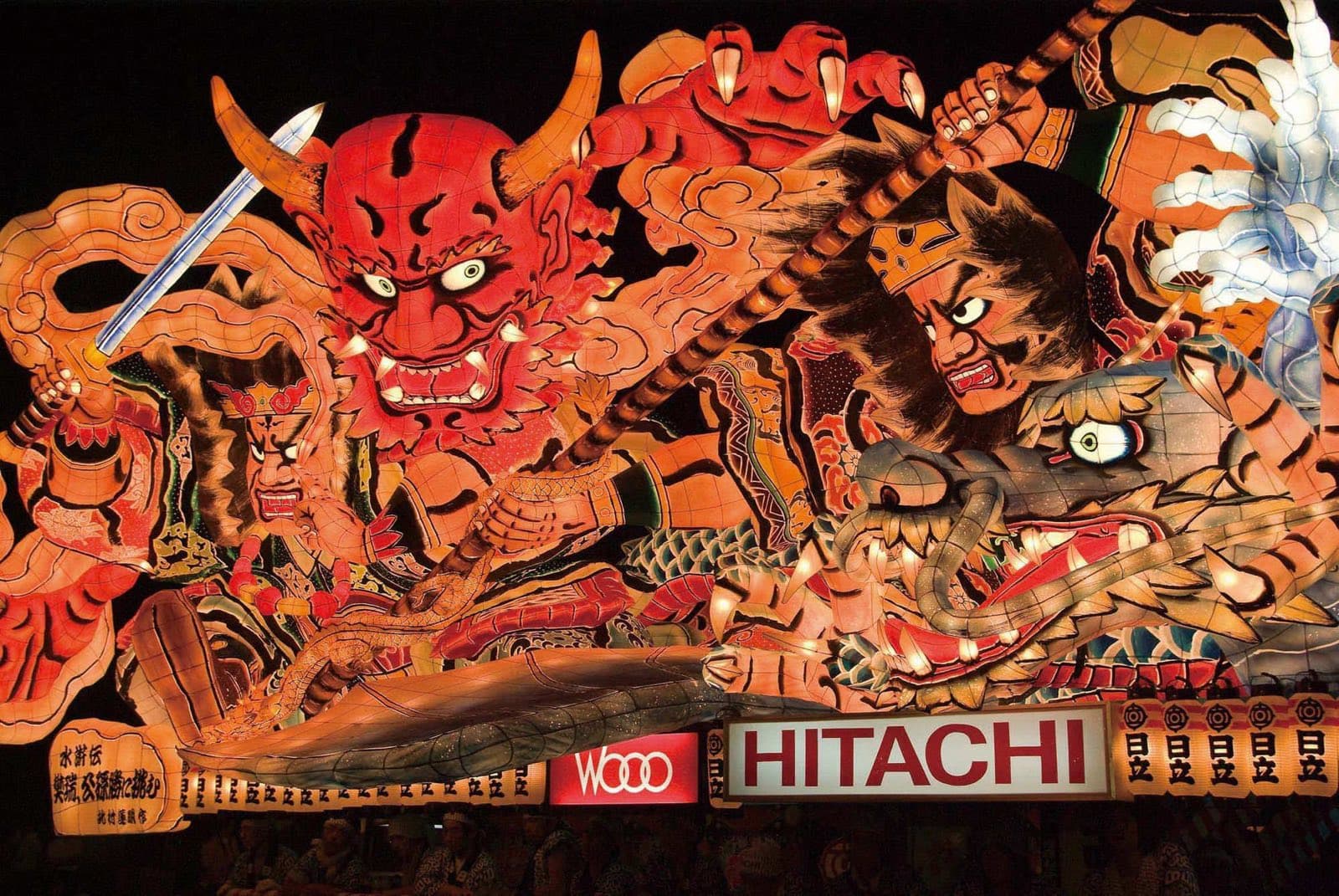
Aomori Nebuta Matsuri 2026: A Self-Guided Traveler's Plan for Japan's Wildest Summer Festival
11 min read
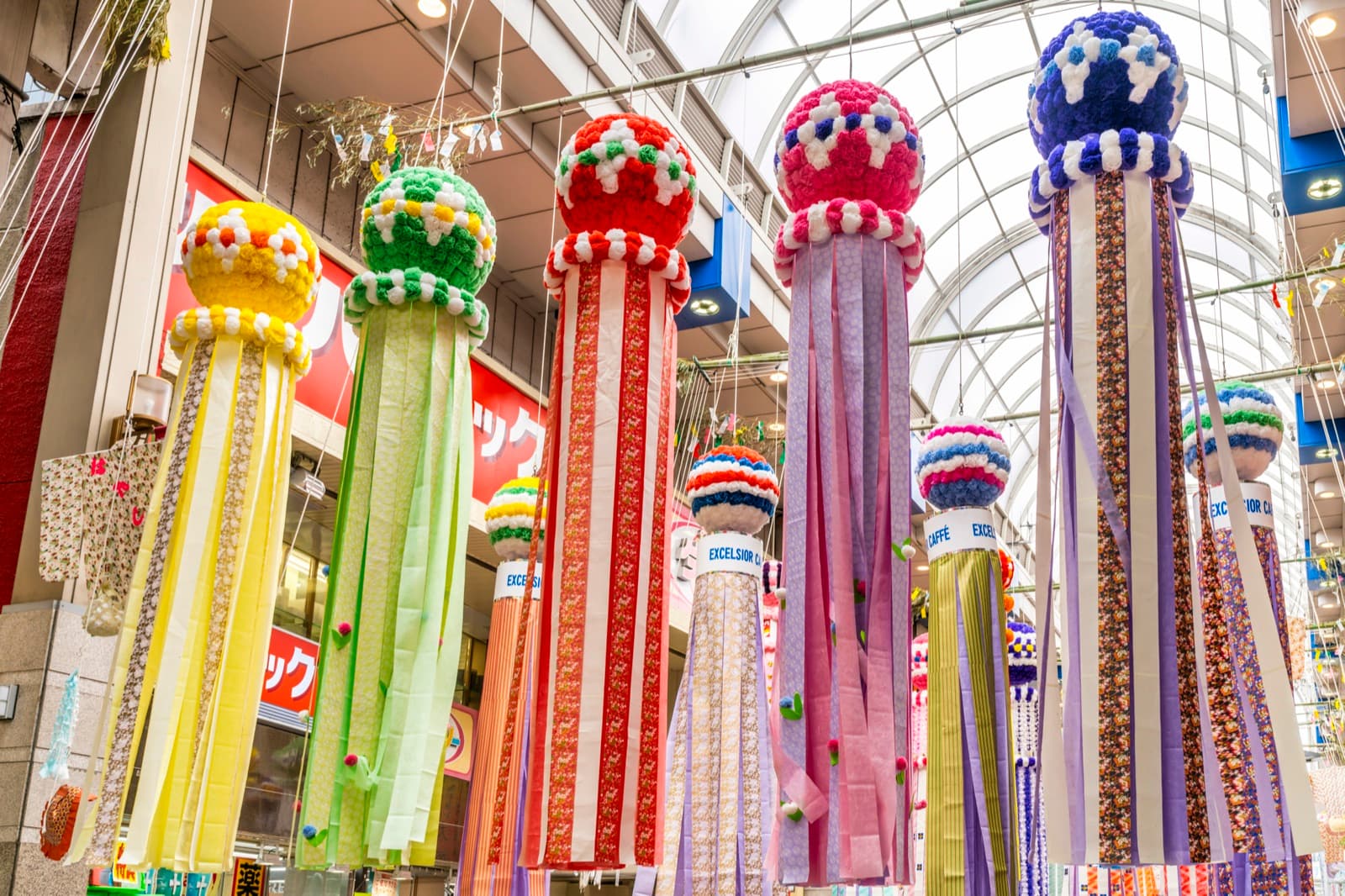
Sendai Tanabata Matsuri 2026: Dates, Logistics, and How to Fit It Into a Self-Guided Japan Trip
11 min read
Japanese Summer Festivals 2026: The Best Matsuri & How to See Them
14 min read