
Best 2 Week Japan Itinerary 2026: 14 Days for First-Time Visitors (With Cost for 2)
Two distinct routes, real JR Pass math, and the kind of specific detail that makes the difference between a good trip and an incredible one.
Most two week Japan itinerary guides online are just padded versions of a 10-day trip — same Golden Route with a couple of filler days tacked on. That's a waste of your time. Two weeks in Japan opens up destinations that shorter trips simply can't reach. (Only have a week? See our 7-day Japan itinerary. Got 10 days? Check our 10-day Japan itinerary instead.)
This guide gives you two distinct route options, a JR Pass cost breakdown that actually uses real fares, and the kind of specific detail (train departure times, restaurant names, exact costs) that makes the difference between a good trip and an incredible one.
🗾 Your 14-Day Japan Route at a Glance
Route A (Go West): Tokyo (4) → Hakone (1) → Kyoto (3) → Nara day trip → Hiroshima + Miyajima (2) → Osaka (2)
Route B (Go North): Tokyo (3) → Kanazawa (2) → Takayama (1) → Kyoto (3) → Nara day trip → Osaka (2)
🏙️ Tokyo
3–4 nights
⛩️ Kyoto
3 nights
🍜 Osaka
2 nights
💰 Budget
¥311K–427K
Japan Itinerary Overview: Your Two Week Trip at a Glance
We're offering two routes because the biggest decision you'll make isn't what to see in Tokyo or Kyoto — every itinerary covers those. The real question is: where do you go with your extra days?
🌊 Route A — Go West
Hiroshima & Miyajima Island
- • Tokyo (4 nights)
- • Hakone (1 night)
- • Kyoto (3 nights) + Nara day trip
- • Hiroshima + Miyajima (2 nights)
- • Osaka (2 nights)
Best for: first time visitors, history lovers
🏔️ Route B — Go North
Kanazawa & Takayama
- • Tokyo (3 nights)
- • Kanazawa (2 nights)
- • Takayama (1 night)
- • Kyoto (3 nights) + Nara day trip
- • Osaka (2 nights)
Best for: food lovers, repeat visitors, autumn trips
Both routes work year-round. Both are fully covered by the Japan Rail Pass. And both take you well beyond the crowds that pack the standard Golden Route. We'll walk through Route A day by day (it's the more popular choice for first time visitors), then explain exactly where Route B diverges.
Why Two Weeks Changes Everything
A 7-day trip covers the highlights. A 10-day trip lets you breathe. But 2 weeks in Japan lets you actually go somewhere — past the major cities into the places where Japan gets weird and wonderful and quiet.
With a two week trip, you can stand inside the Hiroshima Peace Memorial Park at 7:30 in the morning, before the tour buses arrive, and feel the weight of the place without being shuffled along. You can spend an entire afternoon in Kanazawa's Higashi Chaya district, ducking into gold-leaf workshops and teahouses, without checking your watch because there's a bullet train to catch.
The practical difference matters too. Fourteen days means you can afford a slow morning when jet lag hits on Day 2. You can take a detour when a local recommends something. You don't have to choose between Fushimi Inari and Arashiyama Bamboo Grove — you can do both, on different days, at the right time of day.
Before You Go: Japan Rail Pass 7-Day vs 14-Day
The 14-day Ordinary JR Pass costs ¥80,000 (about $500 USD) for purchases made before 1 October 2026, rising to ¥84,000 from that date. Not sure it pays off for your route? Run it through our free JR Pass calculator — it gives a yes/no in about a minute. The increase is announced for purchases through overseas JR-designated agencies. The official website still lists ¥80,000 and has not announced a change date of its own, but it has not promised to hold that price either — check it before you buy rather than counting on the gap. That's a serious chunk of money, so here's the real breakdown using actual 2026 fares for Route A. (For the full guide, see Is the JR Pass Worth It in 2026?)
🚄 Route A Fare Breakdown (Reserved, Regular Season)
| Leg | Train | Fare |
|---|---|---|
| Tokyo → Odawara | Hikari Shinkansen | ¥3,810 |
| Odawara → Kyoto | Hikari Shinkansen | ¥11,440 |
| Kyoto → Nara (round trip) | JR Miyakoji Rapid | ¥1,460 |
| Kyoto → Hiroshima | Sakura Shinkansen | ¥11,080 |
| Hiroshima ↔ Miyajima | JR Ferry (round trip) | ¥400 |
| Hiroshima → Osaka | Sakura Shinkansen | ¥10,450 |
| Osaka → Tokyo | Hikari Shinkansen | ¥14,400 |
| Total (intercity only) | ¥53,040 | |
💡 Add local JR trains (~¥300-500/day × 14 = ¥4,200–7,000) + Narita Express (¥3,250) = ~¥60,000–63,000 total.
Verdict: The 14-day pass at ¥80,000 doesn't save you a fortune on Route A alone. The break-even point gets easier if you add day trips — a Himeji Castle side trip from Kyoto adds ¥5,940 round trip, and a trip to Kobe adds ¥2,200. Stack two or three day trips and the pass pays for itself plus gives you the freedom to hop on any JR train without thinking.
For Route B (with the Hokuriku Shinkansen to Kanazawa), the math tilts even more in the pass's favor — Tokyo to Kanazawa alone costs ¥14,380 one way.
Pass Activation Tip
You don't have to activate the 14-day pass on Day 1. If you're spending your first few days in Tokyo (where you'll mostly use the subway, not JR trains), consider activating on Day 3 or 4 — right before your first long-distance train. Your pass then covers through Day 16 or 17, which means it's still active for your airport transfer on the final day.
Other Essentials
Pre-Trip Checklist
- eSIM: Get one before you leave. Ubigi and Airalo both offer Japan-specific plans starting around $5 for 1GB. Budget for at least 10GB over two weeks.
- IC Card: Pick up a Welcome Suica or Pasmo Passport at the airport. Works on subways, buses, convenience stores, and vending machines.
- Apps: Download Navitime (train schedules), Google Translate (with Japanese offline), and Tabelog (restaurant reviews — trust 3.5+ ratings).
Route A: Days 1–14 (The Western Route via Hiroshima)
Days 1–4: Tokyo
Day 1: Arrival & Shinjuku
Most international flights land at Narita or Haneda. From Narita, the Narita Express (N'EX) takes 53 minutes to Shinjuku — covered by the JR Pass if you've activated it.
Don't fight the jet lag. Check into your hotel (stay near Shinjuku Station — the Shinjuku Granbell or Hotel Gracery put you within a short walk of everything), drop your bags, and explore on foot. Walk through Kabukicho for the neon lights, then head to Omoide Yokocho (Memory Lane) — a narrow alley of tiny bars and yakitori stalls behind the station's west exit. Grab a seat at one of the 6-stool counters and point at whatever the person next to you is eating.
For dinner, try Fuunji (風雲児) in Shinjuku for tsukemen dip ramen. There's usually a line of about 20 minutes, but it moves fast. A bowl runs ¥1,000-1,100.
Day 2: Shibuya, Harajuku & Meiji Jingu
Start at Meiji Jingu shrine — arrive before 9am and you'll have the forested approach path almost to yourself. From there, walk south through Harajuku's Takeshita Street (peak chaos around noon — walk Omotesando instead for the architecture). Continue to Shibuya for the famous crossing, best viewed from Shibuya Sky observation deck (¥2,700 online before 15:00, ¥3,400 from 15:00 — book to skip the line).
Day 3: Asakusa, Akihabara & Tokyo Skytree
Senso-ji temple opens at 6am. Seriously — go at 6am. The Kaminarimon gate and Nakamise shopping street are genuinely peaceful before 8am. Walk from Asakusa to Tokyo Skytree (about 20 minutes along the Sumida River) for panoramic views of the entire Kanto plain.
Afternoon: Akihabara for electronics, anime, and general sensory overload. Or head to the Tokyo National Museum in Ueno Park for the best collection of Japanese art anywhere — most tourists skip it for the pandas at the zoo next door.
Day 4: Day Trip — Mount Fuji Views or Kamakura
🗻 Option 1: Fuji Five Lakes
JR Chuo Line to Otsuki (~70 min) → Fujikyu Railway to Kawaguchiko. The Chureito Pagoda at Shimoyoshida Station is a 398-step climb — arrive before 8am to avoid the crowd.
🏖️ Option 2: Kamakura
JR Yokosuka Line from Tokyo Station (~55 min). The Great Buddha (¥300) and Hokokuji Bamboo Temple (¥300 grove, ¥600 with matcha) make a perfect half-day.
For a full list of options, see our 13 Best Day Trips From Tokyo guide.
Day 5: Hakone — Hot Springs & Mount Fuji Views
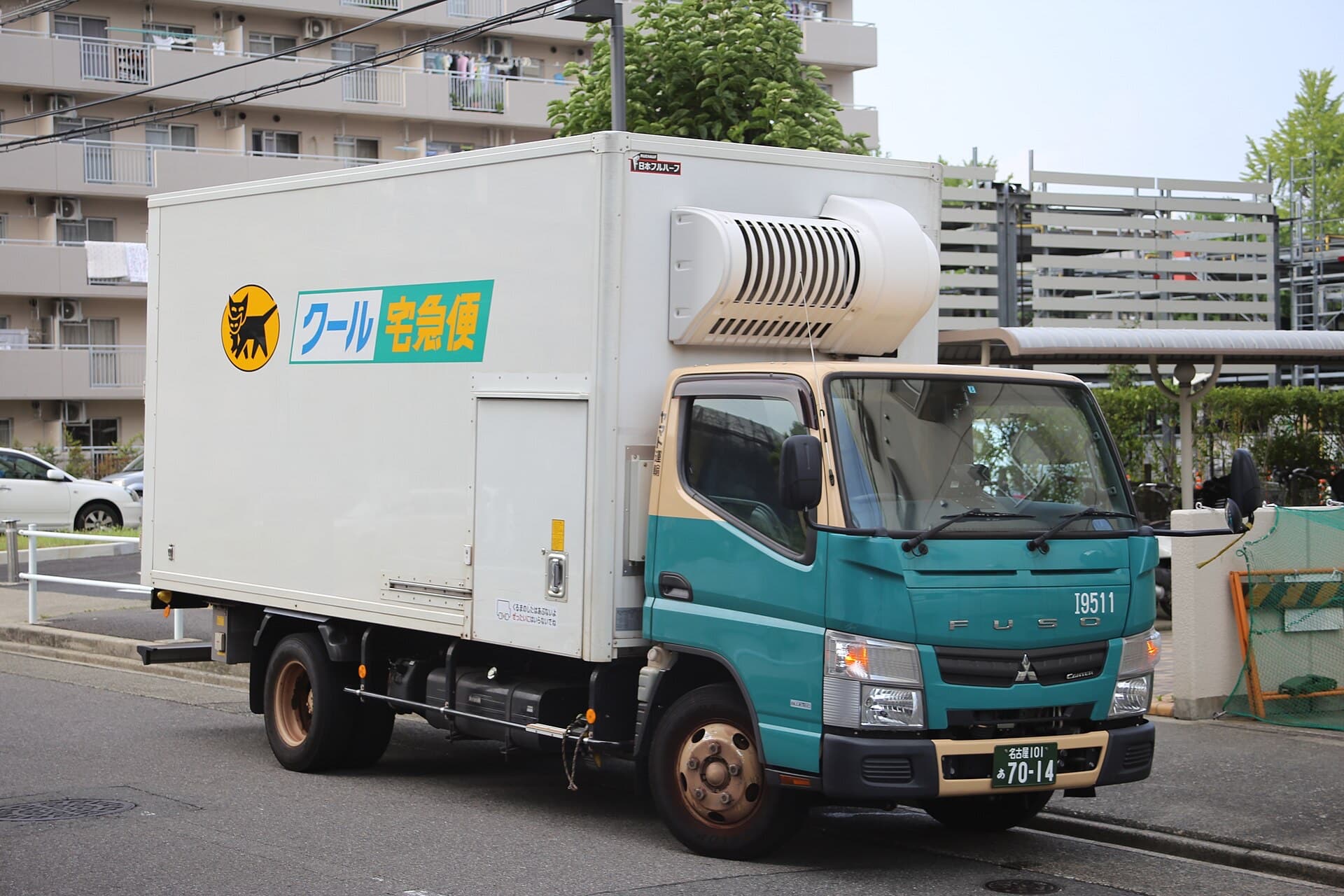
Check out of your Tokyo hotel and send your main luggage ahead to Kyoto via Yamato Transport (ta-Q-bin service, about ¥2,000 per bag, next-day delivery). Travel light to Hakone with just an overnight bag.
From Odawara Station (35 minutes from Tokyo on the Hikari Shinkansen), the Hakone Freepass (¥5,000 from Odawara) covers all the loop transport: Hakone Tozan Railway, cable car, ropeway, pirate ship across Lake Ashi, and bus back.
♨️ The Hakone Loop Route
1Odawara → Hakone-Yumoto → Gora (switchback train, ~40 min)
2Gora → Sounzan (cable car)
3Sounzan → Owakudani (ropeway) — try the black eggs (¥500 for 5)
4Owakudani → Togendai → Lake Ashi pirate ship → Moto-Hakone
🗻 From Moto-Hakone pier on a clear day, Mount Fuji frames perfectly behind the red torii gates on the lake. Mornings tend to be clearer than afternoons.
Stay at a ryokan with a private onsen. Hakone Tent (budget, ~¥6,000/night) or Hakone Ginyu (splurge, from ¥40,000/night) both deliver the authentic hot springs experience.
Days 6–8: Kyoto
Day 6: Eastern Kyoto — Temples & Traditions
Take the Hikari Shinkansen from Odawara to Kyoto Station (about 2 hours). Drop bags at your hotel — stay near Kyoto Station for convenience, or in the Gion/Higashiyama area for atmosphere.
Start at Fushimi Inari — it's open 24/7 and admission is free. Go at 6am or after 5pm to get photos of the famous red torii gates without crowds. The full hike to the summit takes about 2 hours round trip, but push past the midpoint and you'll have the gates to yourself.
Afternoon: Walk the Philosopher's Path from Ginkaku-ji (Silver Pavilion) south to Nanzen-ji. This 2km canal-side path is cherry blossom season's greatest hit but beautiful year-round. Evening: Wander through Gion — chances of spotting a geiko or maiko are highest between 5:30pm and 6:30pm along Hanami-koji Street.
Day 7: Western Kyoto — Bamboo, Gold & Monkeys
Morning: Arashiyama Bamboo Grove. Get there by 7am — by 9am, the narrow path becomes a slow-moving queue. From Arashiyama, the Iwatayama Monkey Park (¥800 adults, ~20 minutes up a steep hill) gives you panoramic views and up-close macaque encounters.
Monkey Park Etiquette
Don't make eye contact, don't show teeth (they interpret smiling as aggression), and don't eat near the monkeys. They're wild but used to people.
Afternoon: Kinkaku-ji (Golden Pavilion, ¥500) — yes, it's touristy, but the gold leaf against the reflecting pond is genuinely stunning in late afternoon light. Then head to nearby Ryoan-ji for its famous zen rock garden.
Evening: Nishiki Market for street food (most shops close by 5pm, but surrounding restaurants stay open). Walk to Pontocho alley for riverside dining, then explore Kyoto's tiny bars in Kiyamachi neighborhood.
Day 8: Day Trip to Nara
JR Miyakoji Rapid from Kyoto Station, 45 minutes, ¥730. Nara is compact and walkable.
The famous wild deer in Nara Park are gentle but assertive — they've learned that bowing makes tourists hand over shika senbei crackers (¥200 per pack). Buy a pack, bow to a deer, and it bows back. Then six of its friends surround you.
Walk to Todai-ji temple to see the Great Buddha — the bronze statue is 15 meters tall and the wooden building housing it is the world's largest wooden structure. Admission ¥800. If you have time, Kasuga Taisha shrine (with its thousands of stone and bronze lanterns) and Isuien Garden are both within a short walk.
Back to Kyoto by late afternoon. Use the evening for any spots you missed, or sit along the Kamogawa River with a convenience store beer and watch the sunset — the riverbank is Kyoto's communal living room.
Days 9–10: Hiroshima & Miyajima Island
Day 9: Hiroshima — Peace Memorial Park
Take the Sakura Shinkansen from Kyoto to Hiroshima (about 1 hour 50 minutes). With the JR Pass, you can't ride the faster Nozomi trains, so take a Hikari or Sakura service. Sit on the right side (seats D and E) for brief views of the Seto Inland Sea.
📍 Hiroshima Quick Tips
- •Coin lockers: The lockers at Hiroshima Station fill up by 10am on weekends. Use the south exit ones instead — medium size ¥500.
- •Transport: Tram Line 2 or 6 to Genbaku-Domu Mae (¥240), or grab the 1-day tram pass (¥700).
- •Museum tickets: Buy online in advance — walk-up queues can stretch to an hour during peak season. Admission just ¥200.
The Peace Memorial Museum opens at 7:30am and the permanent exhibition takes about 2 hours to walk through properly. The extended morning hours (7:30-8:30am) require advance online tickets but are significantly less crowded. Allow at least 2-3 hours for the museum and another 1-2 hours for the surrounding park, Children's Peace Monument, and the cenotaph.
This is not an easy visit. The museum is devastating and important. Give yourself time afterward.
For lunch, walk 5 minutes from the park to Nagata-ya (長田屋) for Hiroshima-style okonomiyaki — layered rather than mixed, with noodles, cabbage, and pork on the griddle. They open at 11am; expect a 20-minute wait by 11:30. The "special" with extra soba noodles is ¥1,150.
Day 10: Miyajima Island Day Trip
The JR ferry from Miyajimaguchi to Miyajima Island is covered by the JR Pass (JR Sanyo Line from Hiroshima Station to Miyajimaguchi, ~27 minutes, then a 10-minute ferry). The JR ferry specifically routes close to the floating torii gate — worth choosing over the competing Matsudai ferry for the view alone.
Tide Timing Matters
At high tide, the vermillion torii gate appears to float on water. At low tide, you can walk out to its base and touch the pillars. Both are worth seeing. Check the tide table at the Miyajima Tourist Association before you go, and try to arrive during the transition.
Itsukushima Shrine (¥300) is a UNESCO World Heritage Site built over the water. Walk the shopping street (Omotesando) for momiji manju (maple leaf-shaped cakes, ~¥120-180 each, best warm from Iwamura Momijido).
Hike Mt. Misen if you have the energy — the ropeway (¥2,000 round trip) gets you partway, and the final 30-minute walk to the summit gives you 360-degree views of the Seto Inland Sea.
💴 Budget for Days 9–10
Days 11–12: Osaka
Day 11: Dotonbori & Shinsekai Street Food
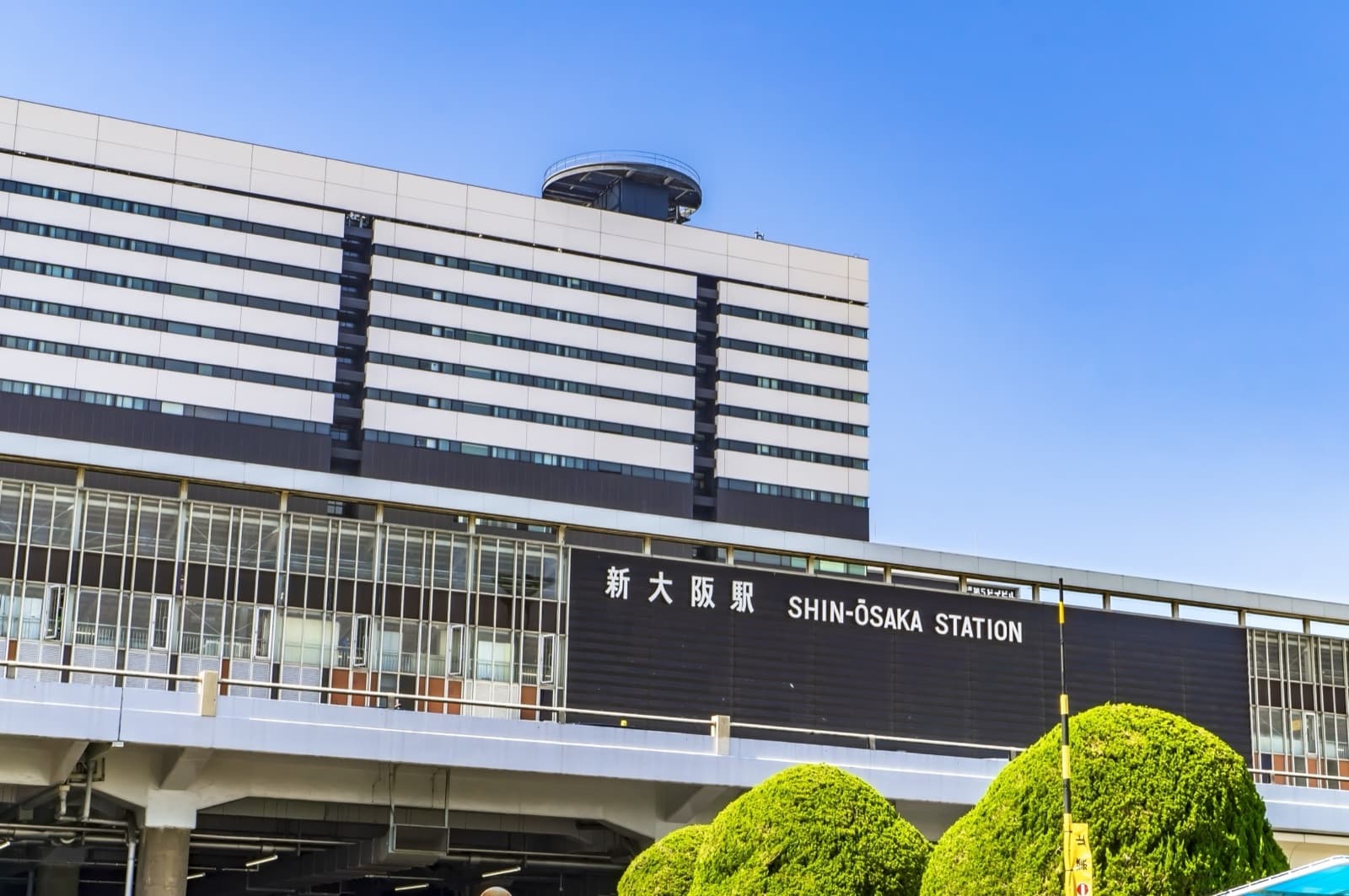
Take the Sakura Shinkansen from Hiroshima to Shin-Osaka (~1 hour 20 minutes), then transfer to reach central Osaka. Stay in Namba or Shinsaibashi — walking distance to everything.
Osaka's identity is food. The city calls itself "Japan's Kitchen" (kuidaore — "eat till you drop"), and it delivers. Start in Dotonbori along the canal. For takoyaki, skip the places with the longest tourist queues and walk one block south to Takoyaki Juhachiban on Sennichimae — six pieces for ¥500, crispy outside, molten inside. (More recommendations in our Japan Street Food Guide.)
For lunch, head to Shinsekai. The specialty here is kushikatsu — deep-fried skewers of everything from pork to lotus root to camembert cheese. Daruma Kushikatsu near Tsutenkaku Tower is the famous spot (¥100-200 per skewer, don't double-dip in the communal sauce).
Evening: Head to Ura-Namba (the back streets behind Namba station) for the real Osaka food scene. Tiny bars, standing-only izakaya, and yakiniku joints fill these narrow alleys.
Day 12: Osaka Castle & Kuromon Market
Morning: Kuromon Market opens around 9am. Known as "Osaka's Kitchen," this covered market has stalls selling everything from ¥500 sea urchin on a stick to ¥200 grilled scallops. Go hungry.
Afternoon: Osaka Castle (¥1,200 for the main tower, which now also covers the Toyotomi Stone Wall Museum). The castle itself is a concrete reconstruction, but the surrounding park is beautiful and the view from the 8th floor covers the entire city. If castles aren't your thing, swap this for the Instant Ramen Museum in Ikeda (30 minutes from Umeda, ¥500 to make your own custom Cup Noodles).
Day 13: Buffer Day / Hidden Gems
This is the day that makes a two week trip superior to 10 days. You have a full buffer day with no fixed plan.
🏯 Himeji Castle
30 min by Shinkansen from Shin-Osaka. One of only twelve surviving original castle keeps in Japan, and the finest. "White Heron Castle." Admission ¥2,500 for visitors from outside Himeji (raised from ¥1,000 on 1 March 2026); under-18s free.
🥩 Kobe
20 min by JR from Osaka. Actual Kobe beef at Mouriya or Ishida costs ¥8,000-15,000 for a lunch course — the real thing.
🔄 Revisit
Go back to Kyoto for that temple you missed. Revisit Dotonbori for one more round. Sleep in and pack slowly.
Day 14: Departure
If flying from Kansai International Airport (KIX), the JR Haruka Express from Shin-Osaka takes about 50 minutes (covered by JR Pass). From Osaka-Namba, the Nankai Rapi:t express takes 34 minutes (¥1,290, not covered by JR Pass).
If flying from Tokyo, take the Hikari Shinkansen from Shin-Osaka to Tokyo (2 hours 50 minutes), then the Narita Express to the airport. Budget at least 5 hours total from Osaka to your flight.
Route B: The Northern Variation (Kanazawa & Takayama)
If you choose Route B, Days 1-3 are spent in Tokyo (same as above, minus one day), then the itinerary diverges:
Days 4–5: Kanazawa
The Hokuriku Shinkansen takes you from Tokyo to Kanazawa in about 2.5 hours. Kanazawa is often called "Little Kyoto," but that undersells it — it's more like Kyoto without the crowds, compressed into a walkable city center.
Kenroku-en Garden is one of Japan's three most celebrated gardens and worth a few hours of wandering. Open from 7am (free early morning entry before 8am from March to mid-October).
Higashi Chaya district (the eastern teahouse quarter) is the real highlight. These restored Edo-period wooden buildings house working teahouses, gold-leaf workshops, and small galleries. Visit Kaikaro, one of the two remaining active geisha teahouses — they offer ¥750 self-guided tours during the day.
Omicho Market is Kanazawa's answer to Tsukiji — a covered market selling the freshest seafood on the Sea of Japan coast. A kaisendon (seafood bowl) at Morimori Sushi or Omicho Ichibazushi runs ¥1,800-2,500 with crab, sweet shrimp, and uni piled absurdly high.
The 21st Century Museum of Contemporary Art (¥450 for the exhibition zone, free for the public zones including the famous "Swimming Pool" installation by Leandro Erlich) is worth an afternoon.
Day 6: Takayama & the Japanese Alps
Take the JR Hida limited express from Kanazawa to Takayama (about 2 hours, scenic route through the Japanese Alps — sit on the right side for mountain views). Alternatively, drive through Shirakawa-go (UNESCO World Heritage Site with thatched-roof gasshō-zukuri farmhouses) — the detour adds about 2 hours but the village is extraordinary.
Takayama's old town (Sanmachi Suji) is a perfectly preserved Edo-period merchant district. The narrow streets are lined with sake breweries (look for the sugidama — balls of cedar branches indicating new sake is ready), miso shops, and craft stores.
The essential Takayama meal is Hida beef — the local wagyu that rivals Kobe at half the price. Maruaki on Sanmachi Suji does grilled Hida beef skewers from ¥500, or for a sit-down experience, Kyoya serves a Hida beef set lunch for ¥2,500-3,500.
From Takayama, continue to Kyoto via Nagoya (JR Hida to Nagoya, then Shinkansen to Kyoto — total about 3.5 hours). Days 7-14 then follow the same Kyoto → Nara → Osaka structure as Route A (minus Hiroshima).
Why Choose Route B?
🌊 Route A Gives You:
- • Hiroshima Peace Memorial Park
- • Miyajima's iconic floating torii gate
- • UNESCO World Heritage Sites
- • Hiroshima-style okonomiyaki
🏔️ Route B Gives You:
- • Kanazawa's intimate teahouse culture
- • Best fresh seafood in the country
- • Japanese Alps mountain scenery
- • Shirakawa-go UNESCO village option
The decision usually comes down to: are you drawn more to history and islands, or food and mountains? Neither route is wrong. For more on the destinations in Route B, see our Japan Hidden Gems guide.
Experiences You Can Only Fit in a Two Week Trip
One of the best arguments for spending 2 weeks in Japan rather than 7 or 10 days is the kind of experience that requires an overnight stay or a full day's detour — things that don't fit into a tightly packed schedule.
Stay in a Temple on Koyasan
Mount Koya (Koyasan) is the headquarters of Shingon Buddhism, founded over 1,200 years ago. The reason to come here is shukubo — temple lodging. You sleep in a tatami room, eat elaborate shojin ryori (Buddhist vegetarian cuisine), and wake at 6am for morning prayer with monks chanting in the main hall. Ekoin Temple (from ~¥12,000/person including dinner and breakfast) offers a guided nighttime tour of Okunoin cemetery — 200,000 tombstones lining a 2km path through ancient cedar forest, lit by stone lanterns.
Art Island: Naoshima
If you're taking Route A, Naoshima is a feasible side trip from Hiroshima or Okayama. The island is home to Benesse Art Site — museums designed by architect Tadao Ando. Chichu Art Museum (¥2,100, advance reservation required) houses Monet water lily paintings in a space lit entirely by natural light. From Okayama, take the JR Marine Liner to Uno Port (50 minutes, covered by JR Pass), then a 20-minute ferry (¥300).
Slow Down in an Onsen Town
A hot springs overnight is peak Japan. Options include Kinosaki Onsen (2.5 hours from Kyoto by JR, famous for its seven public bathhouses — buy the ¥1,500 all-bath pass and stroll between them in your yukata robe), Arima Onsen (30 minutes from Kobe/Osaka, known for its iron-rich golden waters), or Beppu in Kyushu if you're feeling ambitious.
Walk Part of the Kumano Kodo
If ancient pilgrimage trails appeal to you, the Kumano Kodo trail in the Kii Peninsula is Japan's answer to the Camino de Santiago. The Daimon-zaka section near Nachi Falls is a stunning 30-minute walk through centuries-old cedar trees leading to Kumano Nachi Taisha shrine and Japan's tallest waterfall (133m). Accessible as a long day trip from Osaka via JR Kuroshio limited express to Kii-Katsuura (~3.5 hours).
Seasonal Guide: When Your Two Week Itinerary Shines
The best time to visit Japan depends on what you want to see, but a two week trip gives you the flexibility to catch seasonal highlights that shorter trips miss.
🌸 Cherry Blossom Season
Late March – Mid April
Peak bloom moves north. A two-week trip starting in late March lets you catch blossoms in Tokyo first, then again in Kyoto 3-5 days later. Route A lets you see blossoms twice — Hiroshima blooms 2-3 days earlier than Kyoto.
🍁 Autumn Foliage
October – December
The color change reverses — starting north, moving south. Takayama peaks in late October, Kyoto in mid-to-late November, Miyajima in mid-November. Route B starting late October gives you double the autumn magic.
☀️ Summer
June – August
June is rainy season. July-August are hot but festivals explode across the country. Kyoto's Gion Matsuri (parade on July 17) is one of Japan's three great festivals. Kanazawa receives less rainfall than Kyoto.
❄️ Winter
December – February
Kanazawa's Kenroku-en under snow is a masterpiece. Shirakawa-go holds famous winter illumination events (advance lottery required). Avoid Golden Week (late April-early May) — prices spike.
14-Day Budget Breakdown
Here's what a two week trip to Japan actually costs per person, based on a mid-range travel style (decent hotels, restaurant meals, JR Pass for transit). For a deeper dive, see our Is Japan Affordable? guide.
💴 14-Day Japan Trip Cost Per Person (2026)
| Category | Daily | 14-Day Total |
|---|---|---|
| Accommodation (mid-range, double) | ¥10,000–15,000 | ¥140,000–210,000 |
| Food (restaurants + markets) | ¥4,000–6,000 | ¥56,000–84,000 |
| JR Pass (14-day Ordinary) | — | ¥80,000 |
| Local transport (subway, buses) | ¥500–800 | ¥7,000–11,200 |
| Attractions & activities | ¥1,000–2,000 | ¥14,000–28,000 |
| Miscellaneous | ¥1,000 | ¥14,000 |
| Total per person | ¥311,000–427,200 | |
| Approximate USD | $2,050–2,830 |
💡 Excludes international flights and travel insurance. Budget travelers can cut costs with hostels (¥3,000–5,000/night) and convenience store meals (¥500-700/meal).
Frequently Asked Questions
Is two weeks too long for Japan?
Can I do this itinerary without speaking Japanese?
Should I book hotels in advance for all 14 nights?
What about a rental car?
How do I handle luggage between cities?
Is this itinerary good for first time visitors?
What about cash vs. credit cards?
Can I do this trip with kids?
Do I need to validate my JR Pass at a staffed gate?
Practical Tips for Other Travellers
Shoes on, shoes off
You'll remove your shoes dozens of times — at temples, ryokan, some restaurants, and fitting rooms. Slip-on shoes save serious time. Bring clean socks.
Convenience stores are lifesavers
Japanese konbini (7-Eleven, FamilyMart, Lawson) sell excellent onigiri (¥120-180), fresh sandwiches, hot meals, and even decent wine. A late-night konbini run is a legitimate dinner strategy.
Trash cans are rare
Japan has very few public trash bins. Carry a small bag for your rubbish and dispose of it at your hotel or at bins inside convenience stores and train stations.
Tipping doesn't exist
Don't tip anywhere. It's not expected and can cause confusion. A sincere "arigatou gozaimasu" with a slight bow is the appropriate gesture.
Quiet on trains
Talking on phones is considered extremely rude on Japanese trains. Keep conversations quiet, especially on the Shinkansen.
For more etiquette and cultural tips, read our 25 Japan Travel Mistakes to Avoid guide.
Make It Easier: Self-Guided Tour Packages
Planning 14 days of trains, hotels, and activities is a lot of work. Our self-guided tour packages handle all the logistics — pre-booked hotels, reserved train tickets, and detailed daily guides with walking routes and restaurant recommendations — while leaving you completely free to explore at your own pace. No tour groups, no fixed schedules. See how our self-guided Japan tours work — what is booked, what is free time, and the catalogue prices. For a first visit, which tour fits by the number of days you have.
Your Perfect Two Week Itinerary Starts Now
Japan rewards time. Two weeks gives you space for the unplanned moments that actually define a trip. Whether you choose Route A (west to Hiroshima) or Route B (north to Kanazawa), you're building a trip that goes far beyond what most visitors experience.
Planning tips evolve. We update this guide regularly with new train schedules, price changes, and restaurant recommendations. Last reviewed: March 2026.
Related Articles
Luggage Forwarding Japan: The Practical Guide to Takkyubin for Self-Guided Travelers
14 min read
Tokyo to Osaka (and Back): Shinkansen vs Flight vs Bus — Times, 2026 Prices & When the JR Pass Pays
18 min read
Japan Travel Packages: Real Prices for 113 Self-Guided Trips, and What's Actually Included
20 min read
BluePlanet Travel Team
Japan Travel Experts