
Tokyo to Kyoto (and Back): Shinkansen vs Flight vs Bus — Times, 2026 Prices & How to Book
The Nozomi covers 450 km in about 2h13 for ¥14,170, the Hikari does it on a JR Pass in 2h40, the night bus starts around ¥4,000, and the flight is not actually faster once you count the airports. Which station to board, how to book, the Mount Fuji seat letter, the oversized-luggage rule — and the JR Pass agency prices introduced on 1 October 2026.
For almost every self-guided traveler, the Tokaido Shinkansen is the way to go between Tokyo and Kyoto. It's fast, punctual, easy to book in English, and it drops you right in the middle of both cities. Nozomi trains cover the roughly 450 km trip in about 2 hours 13 minutes, with departures every 10 minutes or so at peak times.
🚄 Quick Answer: Tokyo to Kyoto
Take the Nozomi shinkansen from Tokyo Station or Shinagawa Station. It reaches Kyoto Station in about 2 hours 13 minutes, and a reserved seat in an ordinary car costs ¥14,170 one way (¥13,320 non-reserved). If you hold a Japan Rail Pass, take the Hikari instead — about 2h40, covered with no surcharge, where the Nozomi needs a ¥4,960 supplement each way. The night bus is the cheapest way to move between the two cities from around ¥4,000, and the flight only makes sense if you are already at Haneda with a same-day connection.
Nozomi
~2h13 · ¥14,170 reserved
Hikari / Kodama
~2h40 to ~4h · JR Pass ✓
Night bus
7–9h · from ¥4,000
Flight
~1h10 in the air · ~4h door to door
That said, "fastest" isn't always "best for your trip." If you're on a tight budget, arriving on a red-eye international flight, or trying to save a night's accommodation, the highway bus or a domestic flight can make sense in specific situations. This guide walks through each option honestly, with real numbers and the little gotchas that catch international travelers off guard.
We planned this article the same way we plan itineraries for guests: figure out what actually matters — time, cost, luggage, sleep, views — then match the transport to the trip. If your route runs one city further west, the same logic and most of the same numbers apply to our Tokyo to Osaka guide, and the short hop at the other end is covered in Kyoto to Osaka.
Tokyo to Kyoto at a Glance: Which Option Fits Your Trip?
Here's the quick rundown before we get into the details.
🧭 Tokyo ↔ Kyoto: every option side by side
| Option | Time | Cost one way | JR Pass | Best for |
|---|---|---|---|---|
| Nozomi shinkansen | ~2h13 | ¥14,170 reserved · ¥13,320 non-reserved | +¥4,960 supplement | Almost everyone |
| Hikari shinkansen | ~2h40 | ¥13,850 reserved | Yes | JR Pass holders |
| Kodama shinkansen | ~3h40 to 4h | Same fare | Yes | Getting off at a small Tokaido stop |
| Highway / night bus | 7–9h | from ~¥4,000 off-peak | No | Tight budgets, saving a hotel night |
| Flight (Haneda–Itami) | ~1h10 in the air, ~4h door to door | ¥12,000–20,000 | No | Same-day connections at Haneda |
| Local trains (Tokaido Line) | ~9h, four or more transfers | ~¥8,360 | Yes | Almost nobody |
💡 Fares are 2026 adult one-way prices for ordinary class. Reserved-seat prices move a couple of hundred yen with the season, and every seat on a Nozomi is reserved during designated peak weeks.
If speed and comfort matter most, the Nozomi shinkansen wins. If you're watching every yen, the night bus is the cheapest way to move between the two cities. If you're already at Haneda Airport with a same-day connection, low cost airlines can be reasonable. And if you already hold a rail pass, the Hikari costs you nothing extra and about 25 minutes.
The Bullet Train: Nozomi, Hikari, and Kodama
The Tokaido Shinkansen is operated by the Central Japan Railway Company (JR Central), and it has been running between Tokyo and Osaka since 1964. Three services run on this line, and the differences matter.
Nozomi is the fastest train. It stops only at major cities — Shinagawa, Shin-Yokohama, Nagoya, Kyoto, Shin-Osaka — and covers Tokyo to Kyoto in about 2 hours 13 minutes. Services run frequently throughout the day; check the timetable for your travel date. If you want to break the journey, our things to do in Nagoya guide covers a night on the way.
Hikari stops at more stations and takes about 2 hours 40 minutes. It's slower, but it's covered by the Japan Rail Pass without any surcharge.
Kodama trains stop everywhere and take roughly 3 hours 40 minutes to 4 hours. They are also covered by the rail pass. Useful if you're getting off at a smaller Tokaido line stop, otherwise skip it.
The earliest Nozomi from Tokyo Station leaves at 6:00 am and gets you into Kyoto around 8:08 am — great if you want to start with a temple visit before the crowds. Late departures run until around 9:00 pm.
Tokyo Station vs Shinagawa Station: Where to Board
Shinkansen trains for Kyoto depart from Tokyo Station and, a few minutes later, from Shinagawa Station. Both are Tokaido Shinkansen boarding points, so pick whichever is closer to your hotel.
If you're staying near Shibuya, Meguro, or on the south side of central Tokyo, Shinagawa is usually easier — fewer crowds and a shorter walk from the Yamanote line platforms. If you're near Marunouchi or Ginza, Tokyo Station makes more sense. Arriving in Japan the same day? Which airport you land at changes the maths too, and our Narita vs Haneda guide covers the transfer times into both stations.
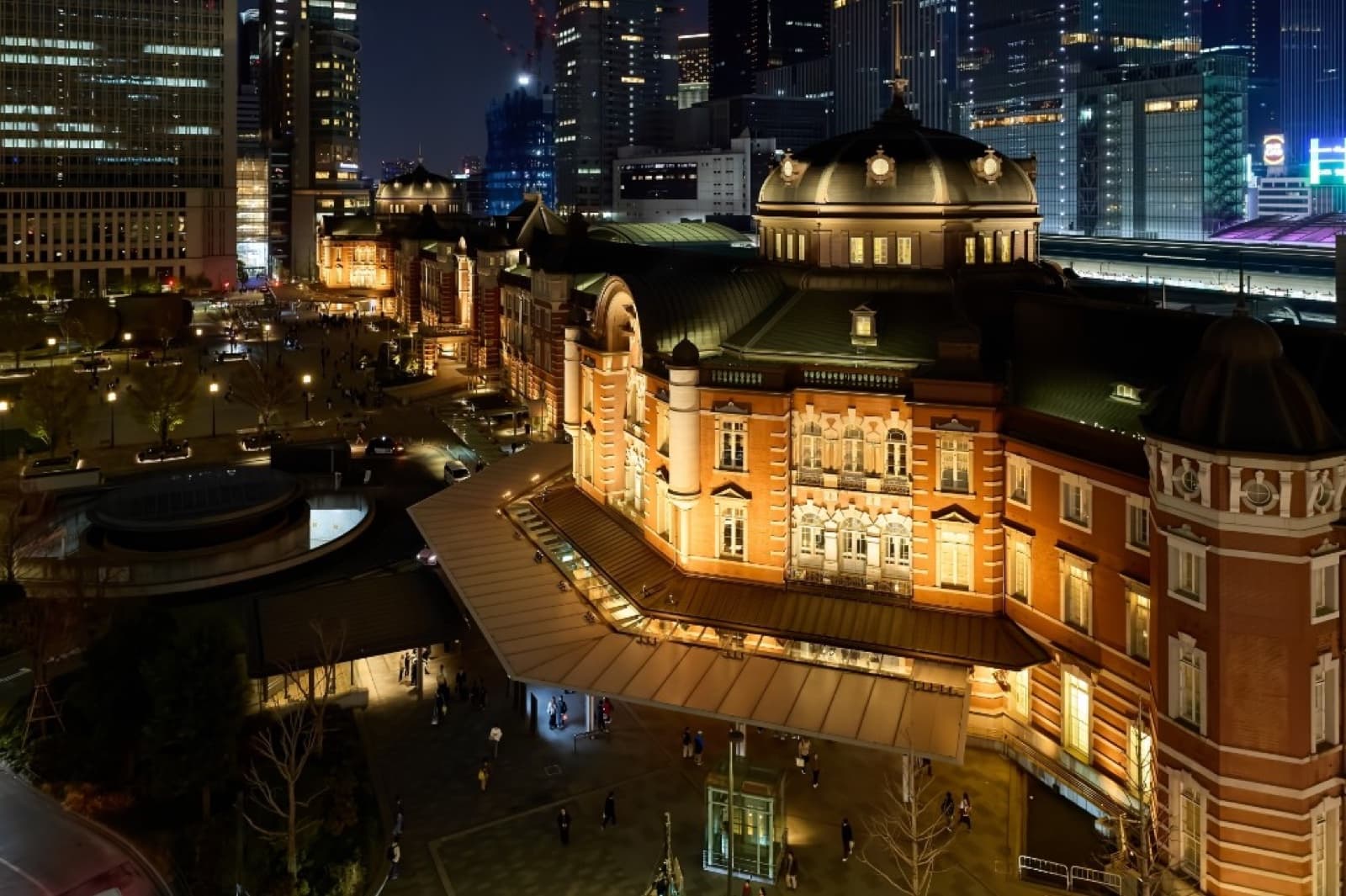
Either way, allow 20–30 minutes to find your platform. Tokyo Station is huge. Honestly, we've seen fit adults walk 15 minutes just to get from the Marunouchi entrance to the shinkansen gates.
Shinkansen Tickets: Reserved Seats, Non-Reserved Seats and the Green Car
There are three seat classes on the Tokaido Shinkansen.
Non-reserved seat (jiyūseki): the cheapest option in ordinary class, around ¥13,320 one way. First-come, first-served in specific cars. Fine off-peak; miserable during Golden Week or Obon when you might stand for two hours.
Reserved seat (shitei-seki): ¥14,170 one way on the Nozomi, or ¥13,850 on the Hikari and Kodama — the base fare is the same ¥8,360 either way, and only the limited express charge differs. You pick your car, row, and seat letter in advance. For international travelers this is almost always the right call — compared with the ¥13,320 non-reserved fare above, the reserved-seat difference is ¥850 on the Nozomi or ¥530 on the Hikari, and the peace of mind is worth it.
Green Car: JR's first class. Wider seats, a 2+2 layout instead of 3+2, quieter cabins. It runs a few thousand yen more. Nice if you want extra room for a long day, or you're traveling with larger bags.
During designated peak travel seasons, all seats on Nozomi trains are reserved — there's no non-reserved option at those times, so book ahead.
How to Book Shinkansen Tickets
You have three main routes for Tokyo train tickets.
- Ticket machines and JR ticket offices at the station. English menus are standard now. Cash and major credit cards work.
- The official SmartEX / EX service from Central Japan Railway Company: seat maps and easy changes. Use the SmartEX website if the app is not available in your country.
- Third-party English booking sites like Klook, Rail Ninja, or Japan Bullet Train. Slightly higher prices, but a familiar checkout in your own currency.
Reservations open one month before departure. During cherry blossoms and autumn foliage, the best Fuji-side reserved seats can sell out days in advance, so don't leave it too late.
💬 From our Japan travel team
Reserved seats on the Tokaido Shinkansen fill up quickly during the cherry blossom weeks in late March and early April, and again through the autumn foliage in November, and Kyoto hotels often sell out months before the trains do. Book the seat as soon as reservations open one month out, and settle the Kyoto hotel long before you start thinking about seat letters. Our self-guided tours include the intercity shinkansen tickets and the hotels on either side of that leg, so feel free to get in touch with your dates and we will put it together for you.
Mount Fuji from the Shinkansen: Which Seat to Book
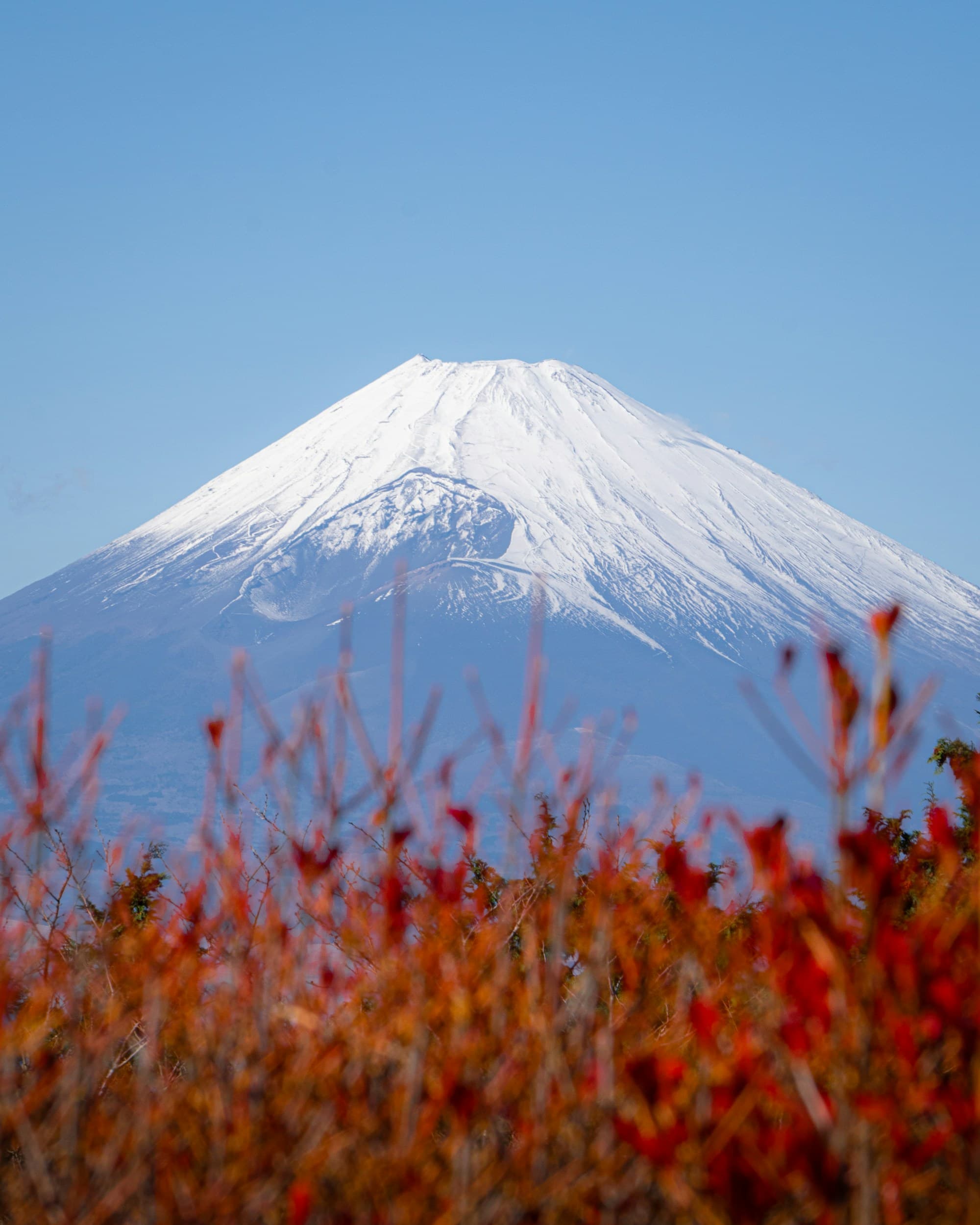
If it's a clear day, you get roughly 30–60 seconds of a properly good Mount Fuji view from the train, about 40–45 minutes after leaving Tokyo Station.
Going Tokyo to Kyoto, Fuji is on the right side of the train. In an ordinary car (3+2 layout), book a window seat E. In the Green Car (2+2 layout), book seat D.
Going Kyoto to Tokyo, the mountain is on the left side of the train, but the seat letter is the same — E or D — because shinkansen trains don't turn around.
Set a phone alarm for the 35-minute mark. Fuji comes and goes quickly at 285 km/h.
Luggage Rules: The Oversized Baggage Area
This one trips people up. If any single piece of luggage exceeds 160 cm (length + width + height combined), you must reserve a seat with an oversized baggage area in advance. It's free when booked with your ticket, but there's a ¥1,000 penalty if you turn up with oversized luggage and no reservation.
The oversized baggage compartment is at the back of certain cars, and seats in the last row give you space to store bigger suitcases behind you. If you're rolling in with two large check-in bags each, book those spots early.
For anything under 160 cm total, the overhead racks handle it fine. The alternative — and the one most of our guests end up preferring — is to not carry the big bag at all: send it ahead with takkyubin the day before, as explained in our luggage forwarding guide, or leave it in a station locker for the day using our luggage storage guide. Forwarding between Tokyo and Kyoto is typically next-day, so send it the morning before you travel, not the morning of.
Onboard Facilities: Free Wi-Fi, Power Outlets and More
The Tokaido Shinkansen has free Wi-Fi (look for "Shinkansen_Free_Wi-Fi") and power outlets on most cars. Outlets are typically at window seats in older cars, and at every seat in newer trains. If charging matters, book a window seat.
Toilets are clean, there are luggage racks at the ends of each car, and you should buy drinks and snacks before boarding: Standard Class has no onboard food or drink sales. Ekiben (station bento boxes) at Tokyo Station are a whole subculture — grab one before boarding.
Japan Rail Pass: Worth It for Just Tokyo to Kyoto?
Short answer: usually no, if Tokyo–Kyoto is your only long journey.
The 7-day ordinary pass costs ¥50,000 today. A round trip Tokyo–Kyoto in reserved seats runs about ¥28,300 on the Nozomi, or ¥27,700 on the Hikari. Even with a couple of shorter JR trips inside each city, you're not likely to break even.
The pass also doesn't cover Nozomi trains without an extra supplement — ¥4,960 each way between Tokyo and Kyoto — which cancels out most of the savings on this route. Use it on the Hikari instead and you add about 25 to 27 minutes to a 2h13 journey, which is genuinely nothing. Only the Kodama really costs you time: about four hours in total, roughly 1 hour 45 minutes more than the Nozomi.
📅 Agency prices from 1 October 2026
From 1 October 2026, a nationwide Japan Rail Pass bought at a JR-designated travel agency outside Japan costs more: the 7-day ordinary pass increased from ¥50,000 to ¥53,000, the 14-day from ¥80,000 to ¥84,000, and the 21-day from ¥100,000 to ¥105,000. The price follows your purchase date, not your travel date, so an agency purchase completed by 30 September 2026 keeps the previous price. The Official Japan Rail Pass Website lists no October date and has announced no increase of its own, so check the official site's own prices before you assume either figure. The full breakdown, including Green Car and child fares, is in our JR Pass price guide.
The pass genuinely pays off if your itinerary includes Hiroshima, Kanazawa, or multiple long-distance shinkansen segments inside one week. For a straight Tokyo–Kyoto–Tokyo trip, buy point-to-point shinkansen tickets and save the money. If you're not sure which side of the line your route falls on, run the numbers through our JR Pass calculator or read when the pass actually pays — both are built around exactly this decision.
Highway Bus and Night Bus: The Cheapest Way
If you're traveling on a tight budget, the highway bus between Tokyo and Kyoto is the cheapest option by far. Mid-week off-peak, you can find Willer Express or JR Bus fares from around ¥4,000 one way. During Golden Week or Obon, the same ticket can jump past ¥10,000.
Journey time is 7–9 hours depending on the route. Overnight buses leave Tokyo — usually from the Shinjuku Expressway Bus Terminal or the Yaesu side of Tokyo Station — in the evening and arrive at Kyoto Station around dawn. Day buses run too, but the overnight buses are the classic hack: you save a night's accommodation and wake up ready to sightsee.
Willer Express is the best known operator, with their pink buses and English booking site. Seat classes range from standard 4-across to 3-across "Reborn" seats with more privacy and a partial canopy. JR Bus Kanto and JR Bus also run the route through Japan Expressway Bus Net.
Book overnight buses at least a few days ahead in peak season. Onboard facilities usually include a toilet, USB or standard power outlets, and reclining seats — but no guaranteed Wi-Fi, and no space for oversized luggage inside the cabin. Big bags go in the hold underneath.
Night Bus Reality Check
A night bus is not a hotel bed. You'll sleep in fits and starts, the cabin lights come on at rest stops every couple of hours, and jet lag plus a bus seat is a rough combination.
But if you're 25 and healthy and want to save money for more sushi, it works. We've done it. It's not glamorous, but it's cost effective.
Bring earplugs, an eye mask, and something warm. The air conditioning runs cold.
Flights: Haneda, Narita and Osaka International Airport
Kyoto doesn't have its own airport. Flights routed as "Tokyo to Kyoto" actually land at Osaka International Airport (Itami, ITM), and occasionally at Kansai International (KIX). From Itami, it's another 50–55 minutes by airport limousine bus to Kyoto Station for about ¥1,500.
Flight time from Haneda Airport to Itami is roughly 1 hour 10 minutes. On paper that's faster than the shinkansen. In practice, once you factor in getting to the airport, security checks, boarding, luggage, and the Itami-to-Kyoto bus, total door-to-door time is around 4 hours — significantly longer than the train.
Fares from ANA and JAL usually sit around ¥12,000–20,000. Low cost airlines like Peach and Jetstar Japan can dip lower, but most of them fly from Narita Airport, which adds another hour of ground travel from central Tokyo.
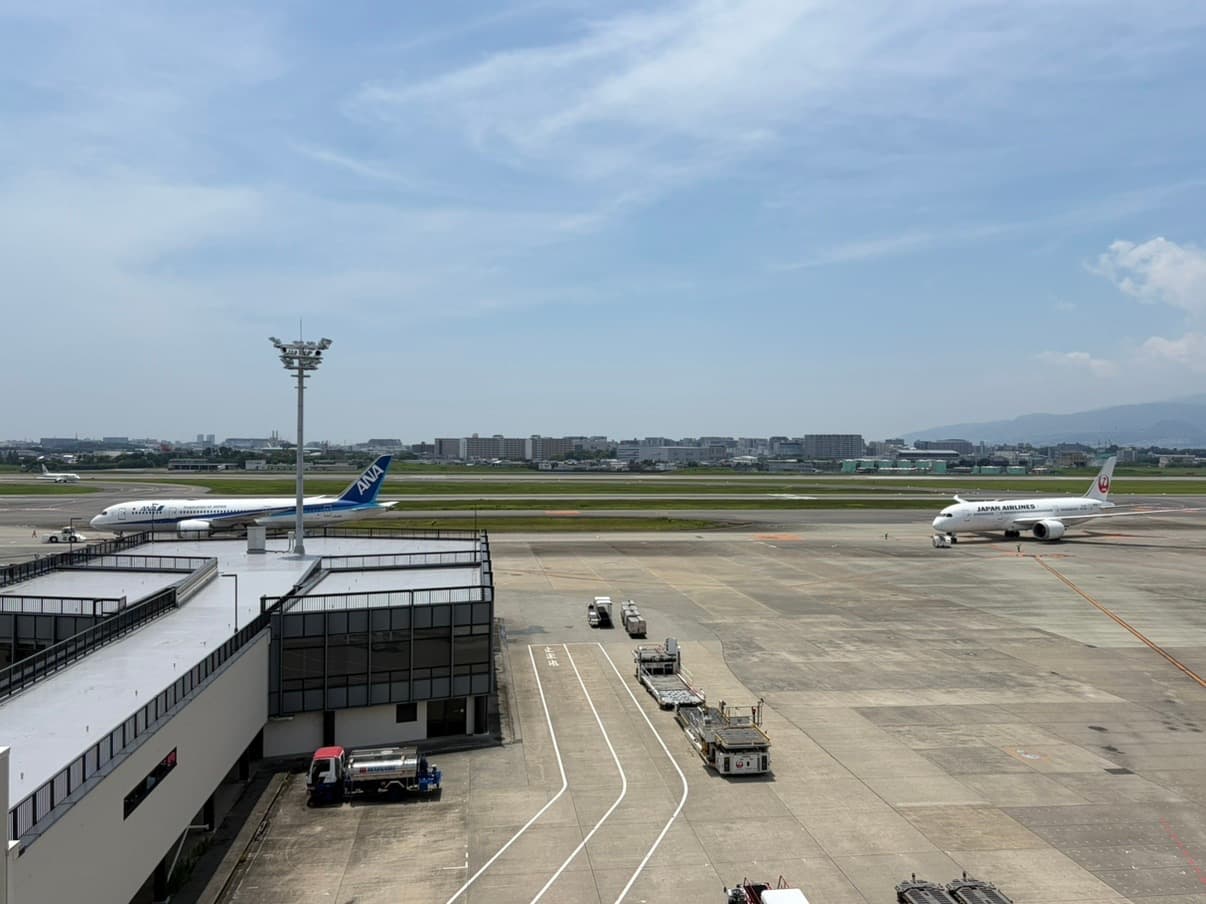
When flying makes sense: you're arriving at Haneda on an international flight and can add a same-day domestic connection at a discount, or you're specifically flying into Osaka International Airport for a Kansai-only trip. Otherwise, the bullet train wins.
Local Trains and the Tokaido Line: Don't Do It
You can travel Tokyo to Kyoto entirely on local trains along the Tokaido line. It takes about 9 hours and requires four or more transfers. The fare is about ¥8,360, which is the base fare buried inside every shinkansen ticket on this route — you save the ¥4,960 express charge and pay for it with roughly seven extra hours.
The only reason to do this is if you love slow travel for its own sake. For a normal Japan itinerary, local trains between these two cities are not a serious option. Use them within each city instead.
Kyoto to Tokyo: The Return Trip
Kyoto to Tokyo works exactly the same way in reverse. A Nozomi from JR Kyoto Station reaches Tokyo Station in about 2 hours 13 minutes. Same fares, same seat classes, same booking tools.
If you're chasing Mount Fuji on the return, remember: seat E in an ordinary car or seat D in the Green Car, on the left side of the train, roughly 90 minutes into the journey.
Overnight buses run Kyoto to Tokyo as well, typically departing from bus stops on the south side of Kyoto Station (Hachijo Exit) and arriving in Tokyo around 6–7 am. Handy if you want a full last day in Kyoto before flying home from Narita or Haneda.
Arriving at JR Kyoto Station: What to Do Next
Kyoto Station is the transport hub for the entire city. Several JR lines, the Tokaido Shinkansen, the Kyoto Municipal Subway Karasuma line, and dozens of city bus routes converge here.
From Kyoto Station you can reach most sights by public transportation. The Kyoto City Official Travel Guide recommends combining trains with buses or walking where appropriate:
- Gion Shijo Station (Gion, Yasaka Shrine): take the JR Nara Line to Tofukuji, then change to the Keihan Line. Keihan trains do not depart from Kyoto Station.
- Kinkaku-ji Temple (the Golden Pavilion, a UNESCO World Heritage Site): take the Karasuma subway to Kitaoji, then city bus 204 or 205 to Kinkakuji-michi. Allow for the transfer and the walk to the entrance.
- Fushimi Inari Shrine: JR Nara Line, 5 minutes.
- Arashiyama: JR Sagano Line, 15 minutes.
Taxis line up outside both the Hachijo (south) and Karasuma (north) exits. Allow extra time for city buses, which can be delayed by traffic and crowds. From the same platforms you can be in Nara in about 45 minutes or in Osaka in under half an hour, which is what makes Kyoto such a good base for the middle of a trip.
💬 From our Japan travel team
Kyoto packs most of its famous sights into a compact area, so a free day here goes further than a free day almost anywhere else in Japan — our things to do in Kyoto guide has the fees, hours and a 3-day plan. Give yourself at least two nights, and use one of those days for Nara, Osaka or Uji, all of which are under an hour from Kyoto Station. Our self-guided tours build in free days in Kyoto for exactly this reason, so if your dates line up you can add a day trip without rebuilding the route — just ask and we will help you fit it in.
A Sample Tokyo–Kyoto Itinerary Structure
This sample shows ten days of travel, including the Tokyo–Kyoto transfer. For a two-week stay, add free days to the cities you most want to explore.
- Days 1–4: Tokyo. Base near Shinagawa Station or Tokyo Station for easy shinkansen access.
- Day 5 morning: Nozomi bullet train Tokyo to Kyoto. Book the 8–10 am departure for the best chance of a clear Mount Fuji view.
- Days 5–8: Kyoto, with day trips to Nara and Osaka.
- Day 9: Kyoto to Hiroshima by shinkansen — this is where a rail pass might start to earn its keep.
- Day 10 return: Hiroshima to Tokyo, or Kyoto to Tokyo, depending on your loop.
Don't try to do Tokyo and Kyoto in the same day. It's technically possible on a Nozomi round trip, but you'll spend more time on the train than in either city. A shorter version of the same shape, with the transfer on day four, is laid out in our 10-day Japan itinerary.
Common Mistakes to Avoid
- Paying too much for a JR Pass you won't use enough. Do the math first.
- Booking a window seat on the wrong side and missing Mount Fuji.
- Turning up with oversized luggage and no reservation.
- Assuming the flight is faster — door to door, it usually isn't.
- Riding a non-reserved seat during peak travel seasons and standing the whole way.
- Cutting the transfer window too tight at Tokyo Station. Give yourself 30 minutes.
Would you rather have your trains between cities arranged for you? Get in touch through Plan My Trip on our self-guided tours site, and we’ll suggest the tours that best fit your dates and plans.
FAQ: Tokyo to Kyoto
What's the cheapest way to get from Tokyo to Kyoto?
The night bus, hands down. Off-peak weekday Willer Express fares start around ¥4,000. Add earplugs and lower your expectations on sleep quality.
What's the fastest way?
The Nozomi shinkansen, at about 2 hours 13 minutes city center to city center. Flights look faster on paper but lose to the train once you add airport time.
How much is a Tokyo to Kyoto shinkansen ticket?
¥14,170 for a reserved seat on the Nozomi, ¥13,850 on the Hikari or Kodama, and ¥13,320 non-reserved, one way. Reserved fares move a couple of hundred yen with the season, and the Green Car costs a few thousand more.
Is the Japan Rail Pass worth it for a Tokyo–Kyoto round trip?
Usually not by itself. A round trip in reserved seats is about ¥28,300 on the Nozomi against ¥50,000 for the 7-day pass. It starts making sense when you add Hiroshima or several long shinkansen rides within one week. Note that from 1 October 2026 the 7-day pass costs ¥53,000 at JR-designated agencies outside Japan.
Can I use a rail pass on the Nozomi?
Not without paying a Nozomi/Mizuho supplement of ¥4,960 each way between Tokyo and Kyoto. Hikari and Kodama are covered with no extra charge, and the Hikari only costs you about 25 minutes.
Where do I find Mount Fuji on the train?
Seat E in an ordinary car, or seat D in the Green Car. Right side going to Kyoto, left side coming back to Tokyo, and the same letters both ways because the trains don't turn around. Look about 40–45 minutes after leaving Tokyo Station.
How early should I book shinkansen tickets?
Reservations open a month out. For normal travel dates, a few days ahead is fine. For cherry blossom season, Golden Week, Obon, or autumn foliage, book as soon as reservations open.
Is there Wi-Fi on the shinkansen?
Yes — free Wi-Fi is available under "Shinkansen_Free_Wi-Fi." Power outlets are at window seats in older cars and at every seat in newer ones.
Can I take a day trip from Tokyo to Kyoto?
Physically yes, sensibly no. You'll spend nearly five hours on trains for a few rushed hours in the ancient capital. Stay at least one night — two is better.
Tokyo, Kyoto and the Train in Between — Booked
Planning your own self-guided Japan trip? We build independent itineraries that include your shinkansen tickets, hotels, and route notes between Tokyo, Kyoto and beyond, with 24/7 support on the ground if anything goes sideways. Tell us your dates and we'll slot the Tokyo–Kyoto leg into a longer Japan travel plan.
Japan travel, made simpler
If working out how to get from Tokyo to Kyoto and booking the tickets yourself feels like more effort than it is worth, a self-guided tour from selfguidejapan.com is worth a look. We give you the multi-city route and the transport details, and we handle the pre-trip arrangements — hotels and intercity travel included — so that once you land you are free to travel Japan at your own pace.
Luggage forwarding, 24-hour phone support and travel insurance come with it. If you would rather spend less time planning and arranging and more time actually travelling, feel free to get in touch.
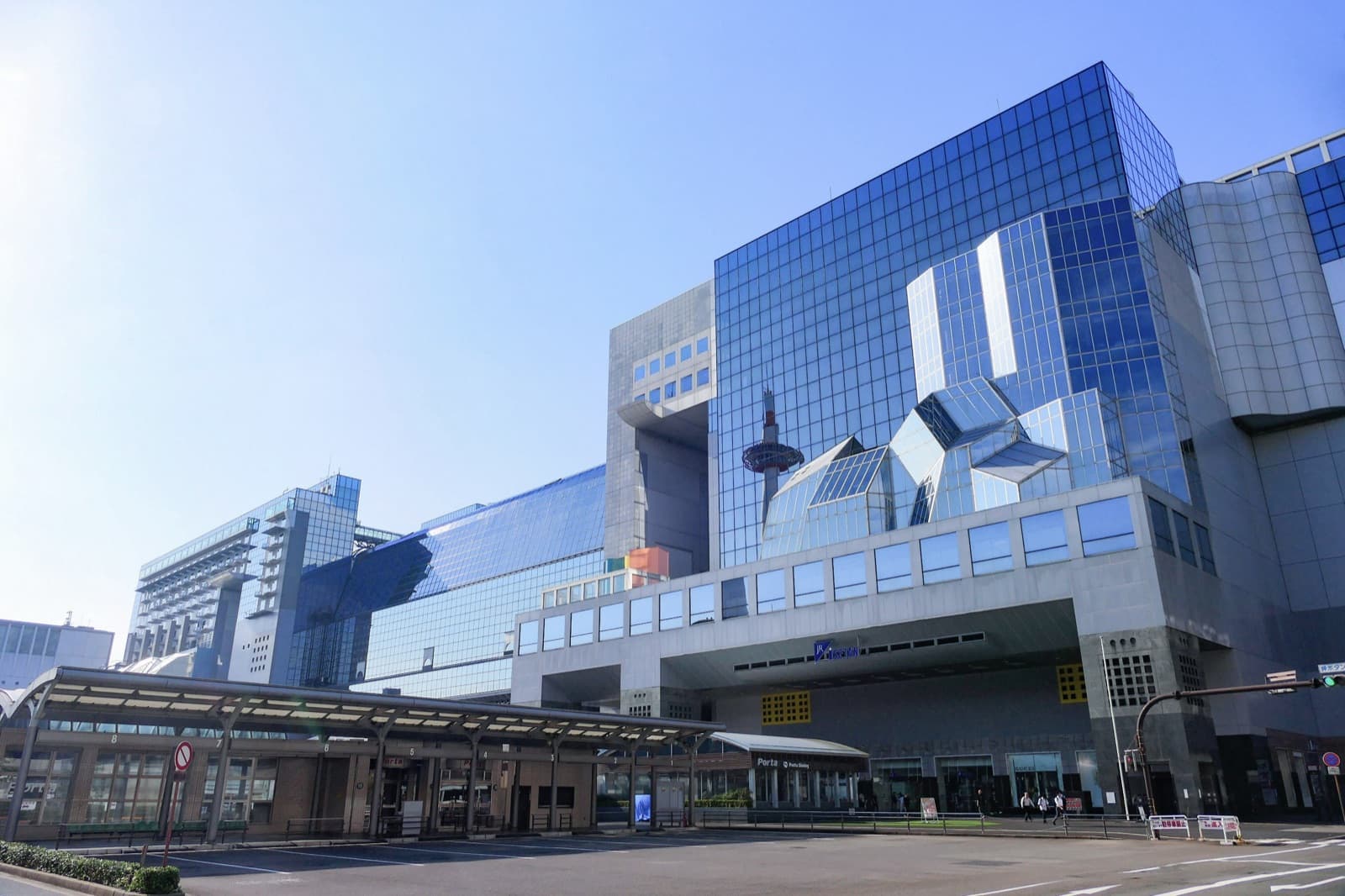
Fares are 2026 adult one-way prices in ordinary class; journey times are timetabled Tokaido Shinkansen times and vary by service. JR Pass prices from 1 October 2026 apply to purchases at JR-designated travel agencies outside Japan. Hero photo: Kyoto Station central facade by MaedaAkihiko via Wikimedia Commons (CC0). Last updated: October 12, 2026.
Related Articles
Shinkansen Green Car, Gran Class and the New Supreme Class Private Rooms (2026)
11 min read
Tokyo to Osaka (and Back): Shinkansen vs Flight vs Bus — Times, 2026 Prices & When the JR Pass Pays
18 min read
Kyoto to Osaka: The Practical Guide for Self-Guided Travelers
13 min read