
Japan Holidays 2026: All 17 Public Holidays, the Calendar & What They Do to Your Trip
All 17 Japan public holidays in 2026, exact dates, what's open and closed, and how to plan a self-guided trip around Golden Week, Obon, Silver Week, and the New Year period.
Planning a Japan trip in 2026? The calendar matters more than you'd think. A holiday can mean a beautifully lit temple courtyard with a local festival in full swing, or a sold-out bullet train and a hotel room that suddenly costs three times what it did last week. Sometimes both on the same day.
This guide lays out every one of Japan's public holidays 2026, when they fall, what closes, and how to fold them into a self-guided itinerary without getting steamrolled by domestic travel waves. If you only read one section, jump to Golden Week or Silver Week — both are unusually long in 2026, and they will absolutely shape your plans.
Travelling in 2027 instead? The calendar shifts every year, and 2027 is materially different: the Silver Week bridge day that makes September 2026 so disruptive does not recur, and Golden Week falls differently. See Japan Public Holidays 2027 for the full year, or Golden Week 2027 if that is the window you are pricing.
Quick Answer: 2026 at a Glance
Japan has 16 fixed national holidays each year, but 2026 will have 17 total holidays. The extra day comes from a rule that turns any weekday sandwiched between two holidays into an additional day off. In September 2026, this creates a bonus holiday on the 22nd, sitting between Respect for the Aged Day and Autumn Equinox Day. That's Silver Week, and it's a big deal.
Golden Week
Apr 29 – May 6
Obon
Aug 13 – 16
Silver Week
Sep 19 – 23
New Year
Dec 29 – Jan 3
Why Japanese Holidays Affect Your Trip More Than You Expect
Two things to know. First, most attractions stay open on public holidays — Japan isn't like a European city where everything shutters. What does close: banks, government offices, some clinics, and a chunk of small family-run restaurants.
Second, the Japanese people travel domestically in huge numbers during the big breaks. Shinkansen seats vanish. Hotels in Kyoto, Hakone, and Okinawa get hoovered up months in advance. Prices climb. If you're trying to do a smart, self-guided trip, the goal isn't to avoid every holiday — it's to know which ones matter.
The Full List: Japan Public Holidays 2026
Here are Japan's public holidays for 2026, observed dates included. Where a holiday lands on a Sunday, the following Monday becomes a substitute holiday under public holiday law.
- January 1 (Thu) — New Year's Day
- January 12 (Mon) — Coming of Age Day (second Monday)
- February 11 (Wed) — National Foundation Day
- February 23 (Mon) — Emperor's Birthday
- March 20 (Fri) — Vernal Equinox Day
- April 29 (Wed) — Showa Day
- May 3 (Sun) — Constitution Memorial Day
- May 4 (Mon) — Greenery Day
- May 5 (Tue) — Children's Day
- May 6 (Wed) — Substitute holiday (for Constitution Memorial Day)
- July 20 (Mon) — Marine Day (third Monday)
- August 11 (Tue) — Mountain Day
- September 21 (Mon) — Respect for the Aged Day
- September 22 (Tue) — Citizen's Holiday (bridging day)
- September 23 (Wed) — Autumnal Equinox Day
- October 12 (Mon) — Sports Day (second Monday)
- November 3 (Tue) — Culture Day
- November 23 (Mon) — Labor Thanksgiving Day
That's 17 official days off — one more than usual, thanks to that September bridging day.
What Each Holiday Actually Means (and Whether It Affects Your Plans)
New Year's Day and the Sanganichi Period
January 1 is the only official New Year's holiday, but in practice the country slows down for several days. Japan's biggest holiday is the New Year, with almost all businesses closing down between December 29 and January 3. Many people visit family and home towns, pray at a shrine on January 1 (known as hatsumode), and eat special foods called osechi ryori.
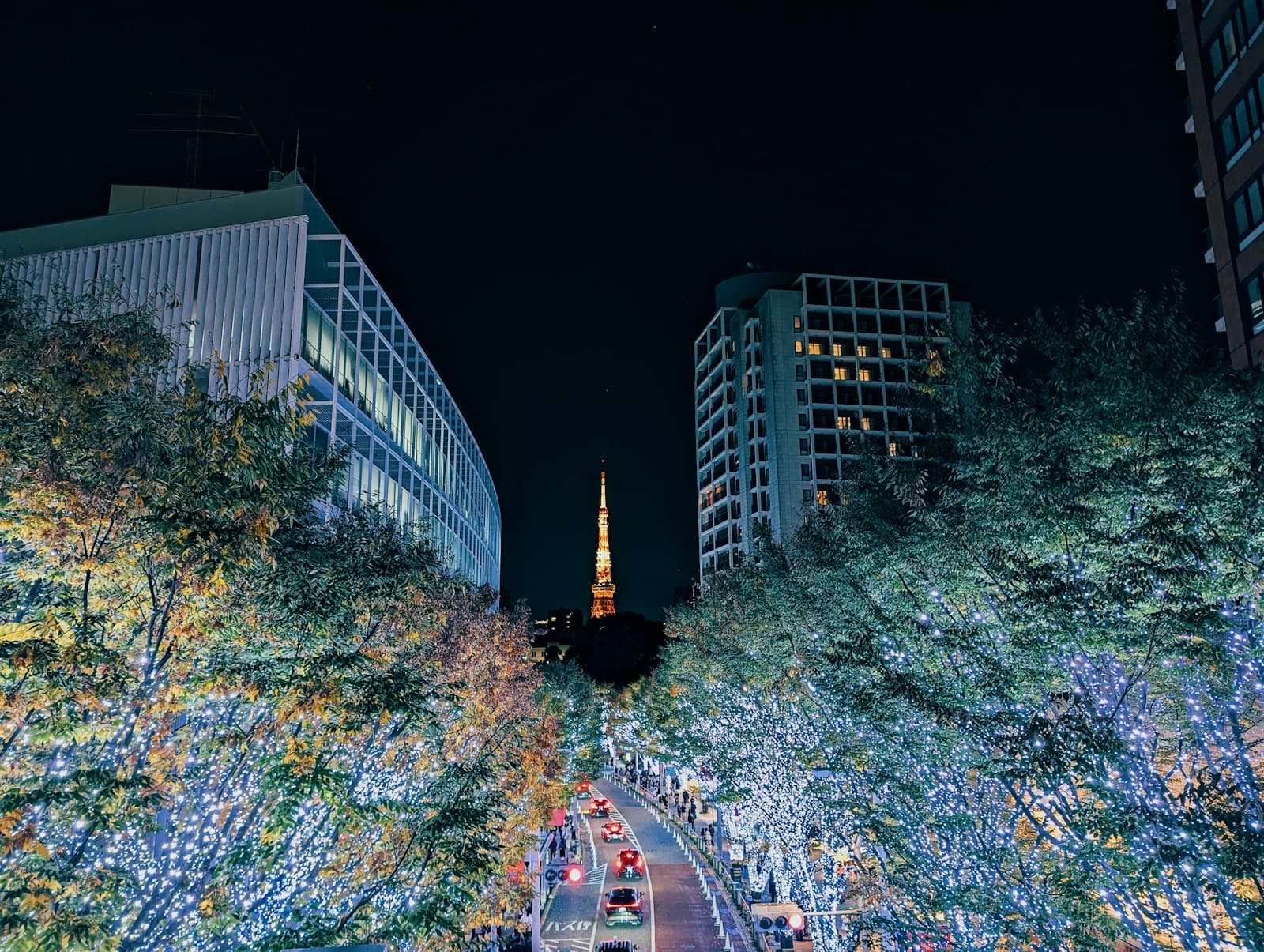
If you're arriving in late December, build in flexibility. Many smaller restaurants close, and even some museums shut for a few days. Trains run. Convenience stores run. But that quirky soba shop you bookmarked? Probably closed. The upside: the final three weekdays of the year are generally taken as holidays by companies and schools, and January 2 and 3 are part of the sanganichi — the first three days of the New Year — treated as a holiday by most people. So if you want quiet Tokyo streets and your first sunrise photos from a near-empty observation deck, this is the rare moment.
Coming of Age Day (January 12, 2026)
Held annually on the second Monday of January, Coming of Age Day celebrates people turning twenty. You'll spot young women in elaborate furisode kimono near city halls and shrines. It's photogenic and a great cultural moment, especially in Yokohama and Kyoto. Most attractions are open.
National Foundation Day (February 11)
The holiday commemorates the legendary founding of Japan, drawn from Japanese mythology. Its name in Japanese is kenkoku kinen no hi. National Foundation Day is generally a low-key public holiday in daily life. It's still an official day off, so government offices and banks close. Don't expect big parades in most places, but you may see Japanese flags displayed at certain shrines. For visitors, it mainly matters for closures and small shifts in weekday routines.
Emperor's Birthday (February 23)
This holiday marks the current emperor's birthday. The Imperial Palace inner grounds open to the public on this day and on January 2 — a rare chance to step inside and see members of the imperial family appear on the balcony. Free admission, but go early. In 2026 it falls on a Monday, creating a three-day weekend. Expect ski resorts in Niseko and Hakuba to be packed.
Vernal Equinox Day (March 20)
The spring equinox is set by astronomical calculation, so the exact date shifts. Many Japanese people use the day to visit family graves and pay respects to ancestors. Cherry blossoms in Tokyo and Kyoto are usually just beginning — sometimes earlier, sometimes a week away.
Golden Week 2026 Japan: The Big One
This is the holiday period that defines spring travel in Japan. Four national holidays cluster together, weekends fill the gaps, and the entire country goes on the move.
Golden Week 2026 Dates
In 2026, Golden Week officially spans Wednesday, April 29, to Wednesday, May 6. Because Constitution Memorial Day falls on a Sunday, May 6 becomes a substitute public holiday — extending the break by one extra day into the working week.
Here's the breakdown:
- April 29 (Wed) — Showa Day
- April 30 – May 1 (Thu–Fri) — Regular workdays (but many take leave)
- May 2–3 (Sat–Sun) — Weekend
- May 3 (Sun) — Constitution Memorial Day (observed Wed)
- May 4 (Mon) — Greenery Day
- May 5 (Tue) — Children's Day
- May 6 (Wed) — Substitute holiday
The result: a five-day consecutive holiday from May 2 to 6, with Showa Day on April 29 sitting just before two regular workdays.
What Each Golden Week Holiday Honors
Showa Day (April 29) — Honors the late Emperor Showa (Hirohito), whose reign spanned militarism, World War II, and postwar recovery. The holiday invites Japanese people to contemplate that complex legacy with honesty and gratitude.
Constitution Memorial Day (May 3) — Marks the day Japan's postwar constitution took effect in 1947.
Greenery Day (May 4) — A day to celebrate nature, rooted in Emperor Showa's love of botany. Parks and gardens hold special events; some offer free admission.
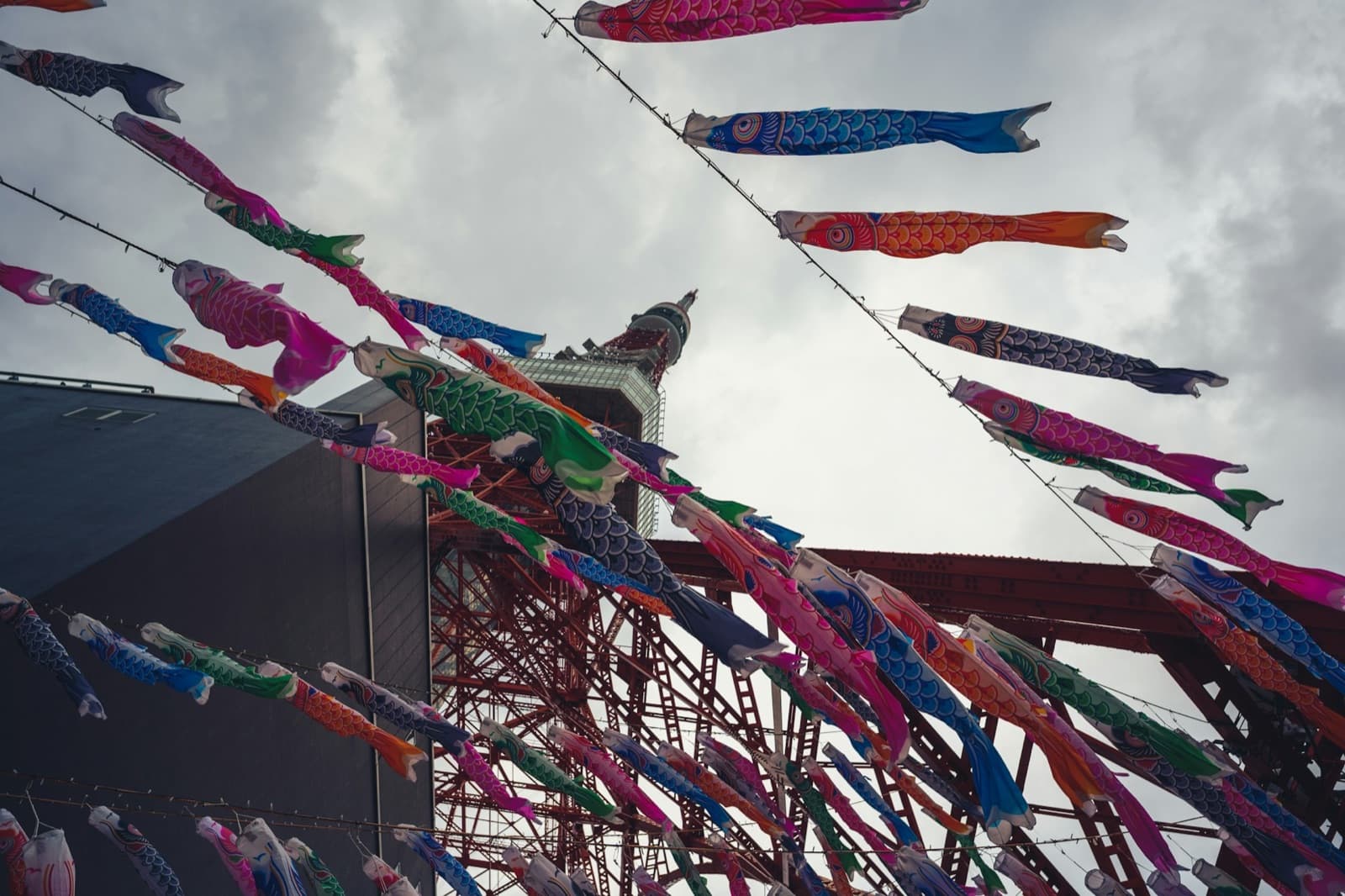
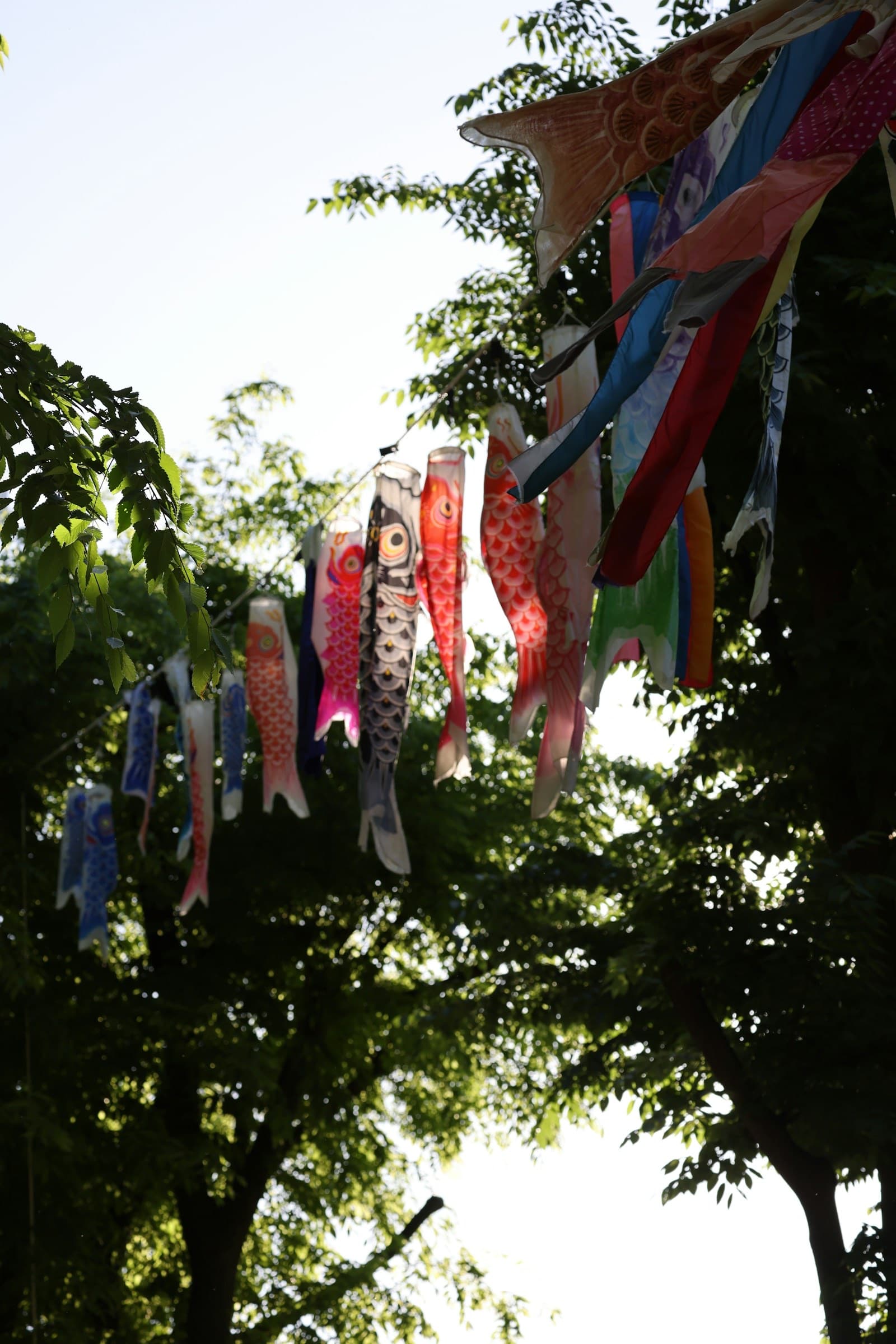
Children's Day (May 5) — Families fly carp streamers (koinobori) and display samurai dolls. Colorful koinobori — carp-shaped streamers — fly from poles outside homes and along riverbanks across Japan, symbolizing strength and perseverance (the carp is admired in Japanese culture for swimming upstream). Families display gogatsu ningyo samurai dolls as symbols of courage, and children's health and happiness take center stage.
Should You Travel During Golden Week 2026?
Honestly? It depends on whether you can plan in advance. Golden Week is Japan's busiest domestic travel period — surpassing even the summer Obon season in sheer volume of movement. Bullet trains (Shinkansen) sell out weeks in advance. Expressways jam. Popular destinations like Kyoto, Nikko, and Okinawa reach capacity.
If your dates are locked in, do this:
- Book Shinkansen seats the moment they open — reservations open 30 days ahead. Most popular morning departures from Tokyo to Kyoto sell out within minutes of going on sale. Set an alarm.
- Travel against the flow. Travel activity is anticipated to peak on May 2 with people leaving the large urban centers (especially Tokyo) and on May 5 and 6 in the opposite direction. Move the opposite way and you'll find seats.
- Skip the big three. Tokyo, Kyoto, and Osaka are crushed. Try Fukuoka for the Hakata Dontaku Festival, or head north to Aomori. You may also see Japan's last cherry blossoms of the year in Hirosaki (Aomori Prefecture) and Hokkaido.
- Use Tokyo as a base. Counterintuitive, but Tokyo and Osaka are actually less crowded during Golden Week, as most of their residents travel elsewhere.
If you're building train math around these dates, our Japan Rail Pass price 2026 guide walks through whether the pass earns its keep when reservations are at their hardest.
Marine Day and Mountain Day
Marine Day (July 20, 2026)
Marine Day — umi no hi in Japanese, sometimes called Sea Day or Ocean Day — falls on the third Monday in July. Beaches are likely to be crowded, but it's really just a coincidence, since there are no traditional celebrations for this recently instituted public holiday. The 2026 dates from July 18 to 20 also coincide with summer vacation for many schools, so all kinds of sightseeing spots will be packed. If you're heading to Kamakura, Enoshima, or coastal Shizuoka, expect crowded trains. Inland mountain trips are quieter.
Mountain Day (August 11)
Yama no hi — Mountain Day — is one of Japan's newer holidays, intended to celebrate nature and promote an active lifestyle in the country's mountainous landscape. In 2026 it falls on a Tuesday, an awkward standalone weekday, but many people bridge it with paid leave into the Obon period that follows.
Obon 2026 Japan: Not Official, But It Matters
Obon isn't a public holiday in the legal sense. But it's one of the busiest travel periods of the year, and it'll affect your trip if you're in Japan during mid-August.
Obon 2026 Dates
Obon 2026 is celebrated from August 13 to 16 in Tokyo, Kyoto, and Osaka, with a duration of 3 days. However, in other regions the festival date may be slightly different — some areas (notably parts of Tokyo) observe Obon in mid-July, and Okinawa follows the lunar calendar.
In 2026, the peak of the Obon travel season is anticipated to take place between August 8 and August 16. The busiest days are expected to be August 8 and 11–13 with people leaving big cities, and August 15 and 16 with people returning to the cities.
What Obon Is About
It's a Buddhist observance to honor ancestors. Families return home, visit family graves, light welcoming and sending-off fires, and gather for Bon Odori dances in neighborhood squares. During this time, people traditionally return to their hometowns to pay respects to deceased relatives and honor their ancestors.
Should You Travel During Obon?
Yes, but with planning. Train tickets and flights are expensive and book out early. The trade-off: incredible local festivals. Awa Odori in Tokushima, Gozan no Okuribi in Kyoto (those giant bonfires on the mountains every August 16), and countless smaller Bon Odori gatherings. For a deeper August read, see our Japan in August 2026 guide.
Silver Week 2026: The Rare Five-Day Autumn Holiday
For the first time in over a decade, Japan gets a proper Silver Week. In 2026, Silver Week runs from September 19 to 23, creating five consecutive days off. This is the first Silver Week since 2015 and won't happen again until 2032, making it a significant event for both residents and visitors planning autumn travel.
The breakdown:
- September 19 (Sat) — Weekend
- September 20 (Sun) — Weekend
- September 21 (Mon) — Respect for the Aged Day
- September 22 (Tue) — Citizen's Holiday (bridging day)
- September 23 (Wed) — Autumnal Equinox Day
Why It Happens
Since Respect for the Aged Day (敬老の日 — Keirō no Hi) in 2026 falls on Monday, September 21, and Autumnal Equinox Day (秋分の日 — Shūbun no Hi) falls on Wednesday, September 23, it creates a five-day long weekend spanning Saturday, September 19, to Wednesday, September 23.
Respect for the Aged Day — sometimes shortened to aged day — exists to honor the country's elderly. Autumnal Equinox Day is another traditional time to visit family graves and remember ancestors. Together with the citizen's holiday wedged between them, you get a rare extended break.
Should You Plan Around It?
Late September weather in Japan is genuinely lovely — warm days, cool evenings, low humidity. It's ideal weather for walking and sightseeing all day, especially popular with foreign travelers who want to explore Japan without intense summer heat.
Silver Week 2026 (September 19–23) pulled domestic crowds out in force. The week after (September 24–30) is a quieter Japan with similar weather and much better hotel rates.
Sports Day, Culture Day, and Labor Thanksgiving
Sports Day (October 12, 2026)
Held annually on the second Monday of October, Sports Day — sometimes still called Health and Sports Day — originally commemorated the 1964 Tokyo Olympics. It encourages physical fitness and sports participation, and many schools host undokai (sports festivals) on or near this date. A nice three-day weekend, less travel pressure than Golden Week.
Culture Day (November 3)
Culture Day exists to promote culture, the arts, and academic achievement. Museums and galleries sometimes offer free admission or special exhibitions. Award ceremonies for cultural figures and the Order of Culture decorations are held annually at the Imperial Palace. In 2026 it falls on a Tuesday — a split holiday that won't drive heavy travel on its own, though it overlaps peak autumn foliage season. Our autumn in Japan 2026 guide covers timing for foliage trips around this window.
Labor Thanksgiving Day (November 23)
Labor Thanksgiving Day — kinro kansha no hi — has roots in an ancient harvest festival. The day expresses gratitude for work and production. November 21–23 forms a long weekend that often coincides with peak red maple (momiji) season in Kyoto, leading to extreme congestion at famous foliage spots. If you're chasing autumn leaves in Arashiyama or Tofuku-ji, expect competition. Go on weekdays before or after if you can.
New Year's Eve and the Year-End Period
New Year's Eve isn't a national holiday in the strict sense, but everything winds down. Temples ring bells 108 times (joya no kane) at midnight. Many Japanese watch the NHK Kohaku Uta Gassen on TV. Then the country flips into year's day mode — quiet, family-focused, with shrines and temples filling for hatsumode.
How to Turn the 2026 Calendar into a Real Itinerary
Here's the practical playbook.
Step 1: Identify Your Travel Window
Pin down your dates. Then check them against this article. Are you inside Golden Week (April 29 – May 6), Obon (August 13–16), Silver Week (September 19–23), or the New Year period (December 29 – January 3)? If yes, you've got two choices: shift your dates, or commit to early booking.
Step 2: Book Trains First, Hotels Second
For Golden Week and Silver Week, train tickets are the bottleneck. In 2026 JR ran the Nozomi (the fastest train between Tokyo and Osaka) with 100% reserved seating during Golden Week, Obon and Silver Week. Translation: no walk-up seats on the main Tokyo–Osaka express trains. Reserve through JR's online booking systems the moment they open (30 days out).
Step 3: Pick the Right Cities
During Golden Week and Obon, Kyoto and Tokyo are at their most stressful. Consider:
- Spend time in less-touristed regions: Tohoku, San'in coast, Shikoku
- Hot-spring towns mid-week, not weekends
- Smaller historic cities like Kanazawa, Matsumoto, or Hagi
Step 4: Build in Buffer Days
If you're moving between cities during a holiday, give yourself a buffer day. Trains can run late. Stations overflow. Don't book a tour for the day you arrive on a Shinkansen during peak holiday travel.
Step 5: Know What's Closed
On most public holidays, banks and government offices close, post offices have reduced services, and some small museums shut. ATMs at convenience stores (7-Eleven, Lawson, FamilyMart) keep working, and so do major banks' international card ATMs.
Common Mistakes Travelers Make
- Booking flights without checking the calendar. Arriving on May 5 sounds fine until you realize the trains from Narita are heaving and your hotel is double the normal price.
- Assuming all “holidays” are tourist-friendly. New Year's Day and the days around it are quieter than expected in cities — and many of the food shops you wanted to try are closed.
- Trying to do Kyoto during Golden Week without reservations. Don't. Temple entrance lines stretch for an hour. Restaurants require reservations weeks out.
- Ignoring Silver Week 2026. People know about Golden Week. Far fewer foreign visitors realize Silver Week is back this year. Don't get caught.
Seasonal Context: When Holidays Meet the Weather
Quick framing for first-time visitors. Cherry blossoms generally peak in late March to early April in Tokyo and Kyoto — usually before Golden Week, though late blossoms persist in Tohoku and Hokkaido. June is rainy season in most of Japan (Hokkaido escapes it). Summer months (July, August) are hot and humid, and Obon falls in the thick of it. Autumn foliage hits its stride in late October through November. Winter brings snow festivals to Hokkaido and Tohoku.
The takeaway: Golden Week catches the tail end of cherry blossoms in the north and the start of fresh green leaves elsewhere. Silver Week catches early autumn before peak foliage. Both are gorgeous if you can manage the crowds. For more month-by-month detail, see our best time to visit Japan 2026 guide.
Travel Peak Holidays Without the Booking Stress
During Golden Week, Obon, Silver Week, and the New Year period, shinkansen seats vanish in minutes and hotels in Kyoto, Hakone, and Okinawa book out months ahead. Our self-guided tours lock in your trains, hotels, and luggage transfers in advance — so you can travel through the busiest weeks of the year without spending hours refreshing booking sites.
Planning a Japan trip around the holidays, or trying to avoid them? Get in touch through Plan My Trip on our self-guided tours site, and we'll suggest the tours that best fit your dates and plans.
FAQ
How many public holidays does Japan have in 2026?
Japan has 16 fixed national holidays each year, but 2026 has 17 total. The extra day is a citizen's holiday on September 22, sandwiched between Respect for the Aged Day and Autumnal Equinox Day.
When is Golden Week 2026?
Golden Week 2026 runs from Wednesday, April 29 (Showa Day) to Wednesday, May 6 (substitute holiday for Constitution Memorial Day). The continuous block of five days off runs May 2–6.
Is Obon a public holiday?
No. Obon is not an official public holiday, though it functions like one in practice. Most companies give employees three to four days off around August 13 to 16. During this Buddhist festival honoring ancestors, many people return to their hometowns, making it one of the busiest travel periods alongside Golden Week and New Year.
When is Silver Week 2026?
September 19 to 23. It's a rare five-day holiday — the first since 2015, and the next one isn't until 2032.
What happens if a holiday falls on a Sunday?
If a public holiday falls on Sunday, the following Monday becomes a substitute holiday. Additionally, any regular weekday sandwiched between two holidays automatically becomes a day off. Both rules apply in 2026.
Are shops and restaurants open on public holidays?
Most are. The big exception is the New Year period (roughly December 29 to January 3), when many small businesses close. Banks and government offices close on all public holidays.
Is it worth visiting Japan during Golden Week or Silver Week?
If you book early and travel against the flow, yes — you'll catch festivals and ideal weather. If you can't book in advance or you hate crowds, shift your trip a week before or after. Trains and hotels return to normal pricing surprisingly quickly once the holiday ends.
Can I use the Japan Rail Pass during Golden Week 2026?
Yes, the pass is valid, but seat reservations on the Nozomi and Mizuho are required for most travelers, and reservations on other Shinkansen are strongly recommended. Book your reserved seats as soon as you can — walk-up options are limited during peak holidays. For the underlying math, see our Japan Rail Pass price 2026 guide.
Related Articles
Japan Holidays 2027: The Full Public Holiday Calendar & Which Weeks to Avoid
15 min read
Golden Week 2027 in Japan: Apr 29–May 5 Dates, Crowds & When to Book
12 min read
Silver Week Japan 2026 (Sep 19–23): What It Is, How Crowded It Got, and When the Next One Is
12 min read