
What to Do in Osaka: A Local-Style Guide to Japan's Food Capital
Neighborhood by neighborhood, with store names, prices, and the timing details that turn a good Osaka trip into an awesome one.
Osaka, Japan doesn't need a sales pitch. It's the city where strangers strike up conversations at standing bars, where a ¥500 plate of takoyaki at a street stall is better than most sit-down restaurants in Tokyo, and where "kuidaore" — eating until you drop — is a genuine lifestyle philosophy, not a tourist slogan.
This guide skips the generic "Top 15 Attractions" format. Instead, it's organized by neighborhood in walking order, with specific store names, prices, and the timing details that turn a good Osaka trip into an awesome one. Whether you're visiting Japan for the first time or returning to dig deeper into Osaka Japan's rich history, pop culture, and delicious food scene, this is how to experience the vibrant city the way locals actually live in it.
🍜 Quick Guide: Osaka at a Glance
Japan's food capital and second-largest city. Organized chaos of neon-lit streets, covered markets, and standing bars where a full dinner costs ¥2,000. Best in 2–3 days as part of a wider Kansai itinerary.
✈️ Access
KIX or Itami Airport
🚄 From Tokyo
2h30m Shinkansen
📅 Best Days
2–3 days ideal
🍢 Budget Food
¥500–1,500/meal
How to Get to Osaka
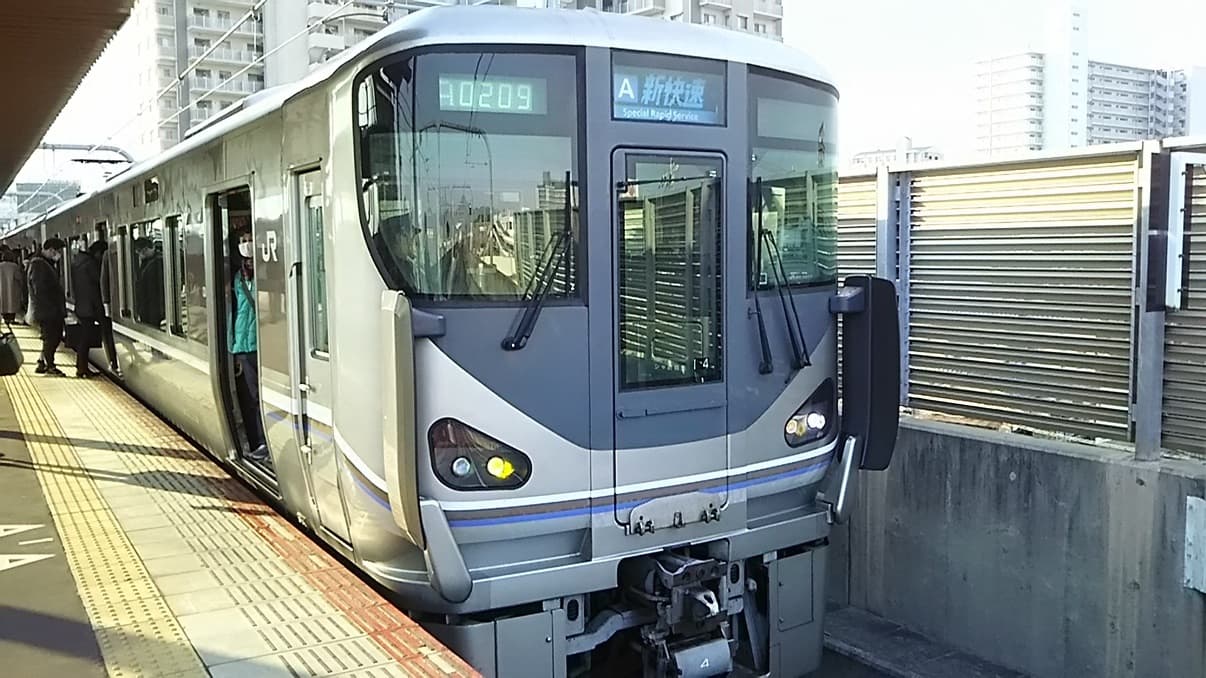
Day-tripping from Kyoto? Our Kyoto to Osaka guide compares the JR Special Rapid, Hankyu and Keihan by which part of Osaka you are heading to.
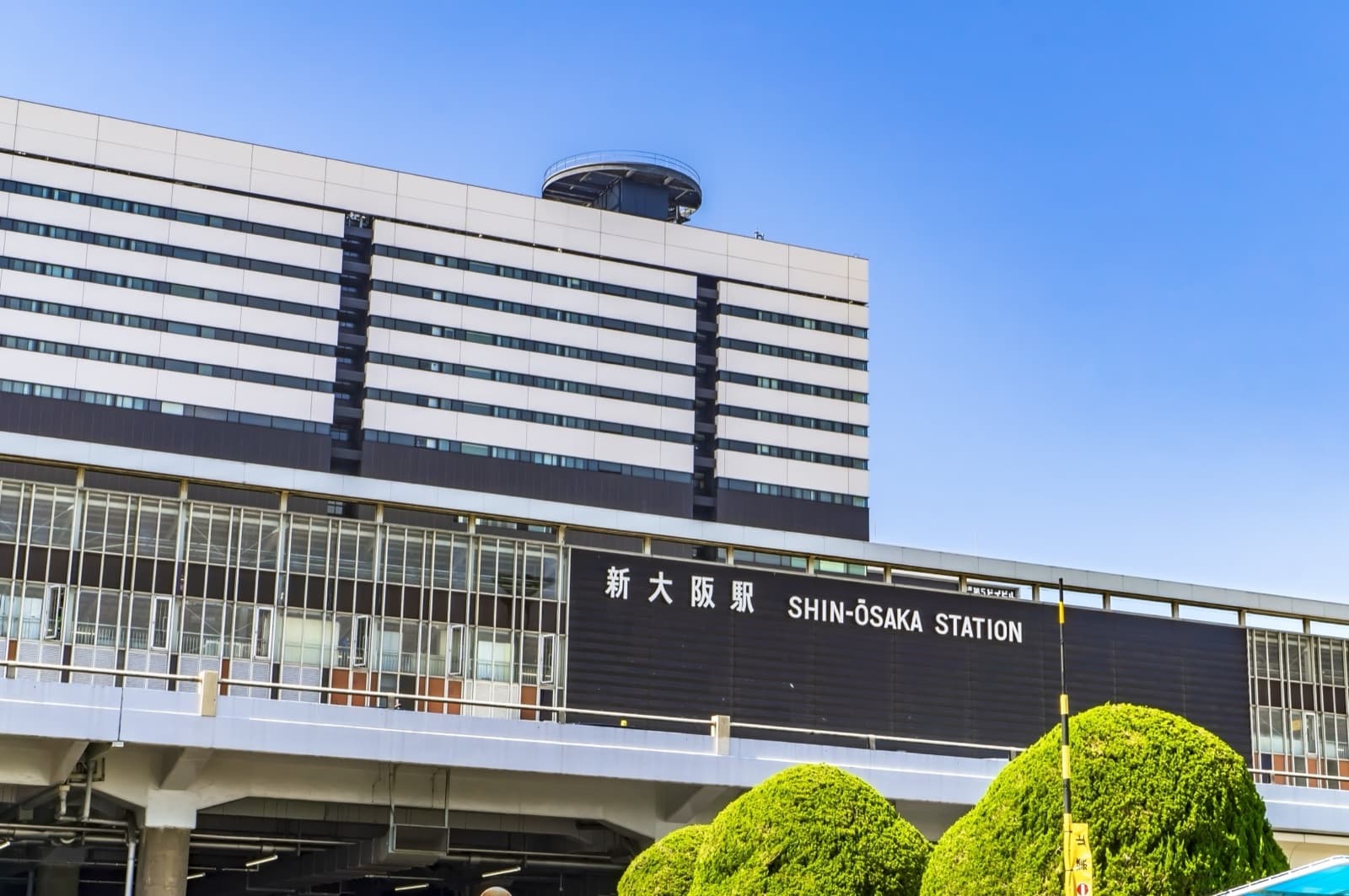
Coming from Tokyo? Our Tokyo to Osaka guide covers the shinkansen, the Shin-Osaka transfer and the cheaper alternatives.
From Kansai International Airport
🚃 Nankai Rapi:t Express → Namba
34 minutes, ¥1,450. The retro-futuristic blue train is an experience in itself. Arrives at Nankai Namba — note this is a different building from the metro Namba (7-minute underground walk) and JR Namba (10 minutes). This confuses everyone.
🚃 JR Haruka Express → Tennoji / Shin-Osaka
50 minutes, ¥2,380 (or free with JR Pass). Better if your hotel is near Umeda. Kansai Airport is about an hour from the city centre.
From Osaka Itami Airport
Limousine bus to Umeda/Osaka Station: 30 minutes, ¥660. Cheapest and easiest domestic airport transfer in the Kansai region.
From Tokyo
Shinkansen from Tokyo to Osaka: Nozomi 2 hours 30 minutes (¥14,720), Hikari about 3 hours (covered by JR Pass). Arrive at Shin-Osaka, then transfer to the Midosuji metro — two stops to Umeda, or to Namba (15 minutes). See our JR Pass guide for the cost breakdown.
Getting Around: Osaka Metro, JR, and Day Passes
Osaka's public transport can feel overwhelming at first, but the city centre is compact and well-connected. Multiple train and metro lines serve the area, all color-coded with English announcements.
🚇 Transport Quick Reference
| System | Best For | Cost |
|---|---|---|
| Midosuji Line (Metro) | Umeda ↔ Shinsaibashi ↔ Namba ↔ Tennoji | ¥190–380 |
| JR Loop Line | Osaka Station ↔ Tennoji ↔ USJ ↔ Kansai Airport link | ¥160–220 |
| Metro 1-day pass | 3+ metro rides in a day | ¥820 (¥620 weekends) |
| Bike share (HUBchari) | Flat city, short hops | ~¥150/hour |
| Taxi | Late night / luggage | ¥600–1,000 short ride |
💡 The Namba Trap
There are five different "Namba" stations clustered in the same area: Nankai, Metro, JR, Kintetsu, and Hanshin. They're all connected underground, but transfers take 5–10 minutes of walking. Use Google Maps for navigation inside the station complex.
IC card tip: If you already have a Suica, Pasmo, or ICOCA from Tokyo, it works on everything in Osaka — trains, buses, convenience stores, vending machines. No need to buy a separate card.
Namba & Dotonbori: Street Food and Neon Lights
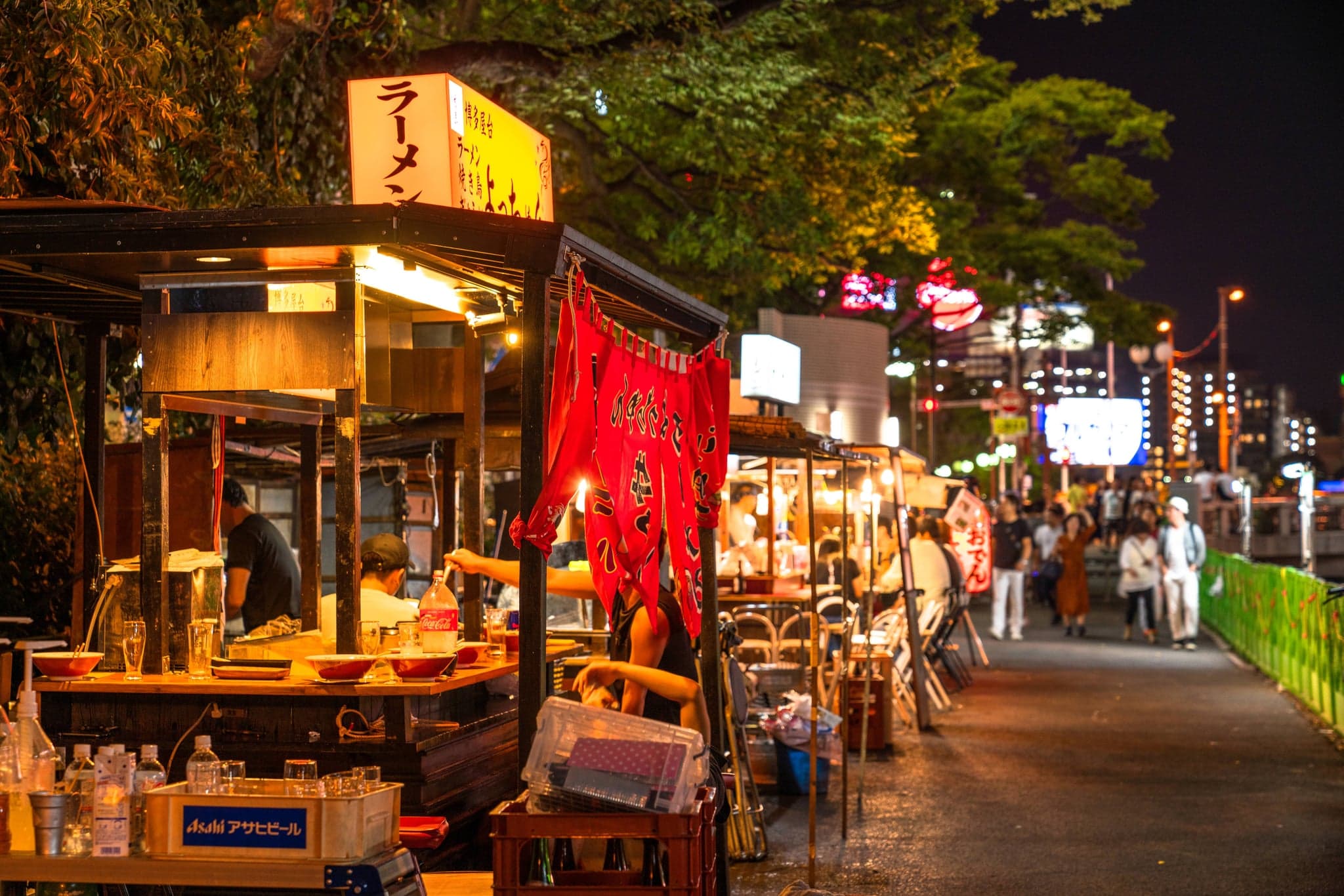
This is where most visitors to Osaka, Japan start, and for good reason. The area around Dotonbori canal is the city's beating heart — a sensory overload of neon signs, mechanical crabs, and the smell of grilling meat drifting out of every doorway.
The Dotonbori Street Food Walk
Start on the south side of Ebisu-bashi bridge for the iconic view of the Glico Running Man sign. Then walk east along the canal. Here's what to eat, in order:
🐙 Takoyaki
Skip the tourist spots with 30-minute queues on the main drag. Walk one block south to Takoyaki Juhachiban on Sennichimae Street — 6 pieces for ¥500, crispy outside and molten inside. Or try Wanaka Sennichimae Honten in the Namba Walk underground — their sauce-mayo version (10 pieces, ¥700) is a local favorite. Wait 2 minutes before eating — the inside is volcanic.
🥞 Okonomiyaki
Mizuno (美津の) on Dotonbori has been making yama-imo yaki (mountain yam okonomiyaki) since 1945. Counter seats where you watch it cook on the iron griddle. Expect a 30-minute wait at lunch. About ¥1,200–1,500 per person.
🥟 551 Horai Pork Buns
The Namba main store always has a line, but it moves fast. Two steaming nikuman for ¥440 takeaway. So beloved that Osaka commuters carry them onto the Shinkansen — you'll smell them throughout the train car. The secret is the juicy pork filling with a hint of ginger.
🍣 Battera (Pressed Sushi)
Osaka's original sushi style — vinegared mackerel pressed sushi that predates the nigiri you know from Tokyo. Pick one up at any depachika (department store food floor) or at food stalls in Kuromon Market. About ¥800–1,200 for a box — perfect train snack food.
Kuromon Market: Osaka's Kitchen
A 5-minute walk east of Namba, Kuromon Ichiba Market is a 580-meter covered market with over 170 food stalls and shops. Fresh fish is the star — stalls sell grilled scallops (¥500), sea urchin on a stick (¥500–800), tuna sashimi, and fried fugu (blowfish). Arrive before 10am for the best atmosphere; by afternoon, prices rise and tourist crowds peak.
Shinsaibashi & Amerikamura
Walk north from Dotonbori and you'll hit Shinsaibashi-suji shopping street — a covered arcade stretching about 600 meters. International brands, Japanese fashion, drugstores (stock up on skincare at Matsumoto Kiyoshi), and vintage stores tucked into side streets.
West of Shinsaibashi, "Ame-mura" (American Village) centers around Triangle Park. During the day: vintage stores and boutiques. At night: bars and live music. The real draw is secondhand clothing at shops like Kinji — curated Japanese and American vintage at reasonable prices.
Shinsekai & Tennoji: Retro Osaka
Tsutenkaku Tower and Kushikatsu Alley
Shinsekai ("New World") was built in 1912 as a flashy entertainment district modeled after New York and Paris. A century later, it's gloriously retro — think faded neon, old-school game arcades, and the kind of no-frills atmosphere that Dotonbori used to have before the tourists arrived.
🍢 Kushikatsu: The Shinsekai Experience
Daruma Kushikatsu near Tsutenkaku Tower is the most famous spot — look for the angry-faced mascot. Skewers run ¥100–200 each: pork, lotus root, shrimp, cheese, mushroom, asparagus.
⚠️ The critical rule: no double-dipping in the communal sauce. Use the shredded cabbage as a spoon to scoop extra sauce onto your plate.
Best time: 11:00am–2:00pm — less crowded and the vibe is at its most authentic.
Tsutenkaku Tower (¥900) has an observation deck at 91 meters. Honestly, the views are better from Abeno Harukas. But the tower is a famous landmark and the retro interior is charming.
Abeno Harukas Observation Deck
Japan's tallest building at 300 meters. The Harukas 300 observation deck (¥1,500) gives you a 360-degree panorama that makes the Osaka cityscape look like a circuit board stretching to the mountains. On clear days, you can see Awaji Island and Kobe. Go 30 minutes before sunset for the transition from daylight to neon lights.
Osaka Castle Area
Is Osaka Castle Worth Going Inside?
Let's be honest: Osaka Castle was originally built in 1583 by Toyotomi Hideyoshi, the warlord who unified Japan. It was destroyed and rebuilt multiple times, and the current tower is a concrete reconstruction from 1931. The exterior is magnificent — especially framed by cherry trees in spring or golden ginkgo in autumn. But the interior is a museum with elevator access, fluorescent lighting, and replica displays.
✅ Osaka Castle
- • Stunning exterior and park (free)
- • ¥600 admission, 8th-floor views
- • Cherry blossom hanami spot
- • Go at 9:00am — tour buses arrive at 10:00
🏯 Himeji Castle (1h by JR)
- • Original 17th-century wood & plaster
- • ¥1,050 admission
- • UNESCO World Heritage Site
- • The "real castle" experience
Osaka Castle Park & Cherry Blossom Season
The park surrounding the castle is free and, for many visitors, better than the castle itself. The moat-side walking paths, Nishinomaru Garden (¥200, stunning during cherry blossom season in late March to early April), and the quiet Plum Grove on the east side are worth an hour of wandering.
During cherry blossom season, the 600+ trees make this one of Osaka's best hanami spots. Locals lay tarps under the trees and picnic with bento boxes and beer — it's completely acceptable for visitors to join in.
Getting there: JR Osaka-jo Koen Station or Tanimachi 4-chome metro. ~15-minute walk through the park to the main tower.
Umeda & the Station City Area
The Umeda district is the city's northern commercial center — a cluster of skyscrapers, department stores, and underground shopping malls connected by a labyrinth of walkways that locals navigate by instinct and visitors navigate by Google Maps.
Umeda Sky Building
The Floating Garden Observatory (¥1,500) at the top of this twin-tower building offers 360-degree open-air views from 173 meters. The architectural design — two towers connected by escalators crossing the gap in mid-air — is half the experience. Best at sunset. Book online for ¥200 off walk-in prices.
It's a 9-minute walk from Umeda Station, but the route is poorly signed. Use map navigation to the entrance or you'll spend 20 minutes lost.
Grand Front Osaka & Shopping
Directly north of the main station. Good for a rainy day. The basement food hall has excellent lunch options in the ¥800–1,500 range. For shopping: Daimaru and Lucua have everything from Japanese fashion to gourmet food floors. The depachika (basement food floor) at Daimaru is a food tour in itself — free samples are generous.
Tenjinbashi & Nakazakicho: Off the Beaten Path
Tenjinbashi-suji Shopping Street
Japan's longest shopping street at 2.6 kilometers. Unlike touristy Shinsaibashi, this covered arcade serves local neighborhoods — fishmongers, tofu shops, ¥100 croquette stands, and old-school kissaten (coffee houses). Start from the Tenma end and walk south. You'll barely see another tourist.
🍻 Tenma: Osaka's Hidden Drinking District
The streets east of Tenjinbashi 4-chome are packed with tiny standing bars (tachinomi), yakitori joints, and izakaya where a full evening of food and drinks runs ¥2,000–3,000. This is where Osaka office workers go after work — the vibe is local, loud, and welcoming.
Nakazakicho: Cafes in Old Houses
A 10-minute walk south of Tenjinbashi, Nakazakicho is a pocket neighborhood of pre-war wooden houses converted into cafes, galleries, and vintage shops. It feels like a different city from the Namba neon. Salon de AManTo is a standout cafe, and the surrounding lanes reward aimless wandering. Go mid-afternoon on a weekday for maximum atmosphere.
Universal Studios Japan: Is It Worth a Full Day?
Here's the honest calculation: a full day at Universal Studios means one fewer day exploring Osaka's neighborhoods. Whether that trade-off is worth it depends on what you came for.
🎮 USJ Quick Reference
| Tickets | ¥8,600 adults (buy online in advance) |
| Express Pass | ¥7,800–15,000 (cuts wait to 10–15 min) |
| Without Express | 60–90 min wait per major ride |
| Arrival | 45 min before opening (gates open 15–30 min early) |
Super Nintendo World is genuinely impressive — the Mushroom Kingdom detail is staggering and the Mario Kart AR ride is worth the wait. The Wizarding World of Harry Potter is equally immersive.
👍 Who Should Go
- • Families with kids
- • Harry Potter / Mario fans
- • Staying 3+ days in Osaka
👎 Who Should Skip
- • Only 2 days in Osaka
- • Want the authentic local experience
- • On a tight budget
The Bay Area & More Osaka Highlights
🐋 Osaka Aquarium Kaiyukan
One of the world's largest aquariums (¥2,700). Massive central tank with whale sharks. Chuo metro to Osakako — ~40 minutes from central Osaka.
🍜 Cup Noodles Museum (Ikeda)
30 minutes from Umeda on Hankyu Takarazuka Line. Create custom Cup Noodles — choose soup base, toppings, design your cup. Free admission; custom experience ¥500. Great souvenir.
⛩️ Sumiyoshi Taisha Shrine
One of Osaka's oldest landmarks, predating common shrine architectural styles with buildings over 1,800 years old. The arched Sorihashi bridge and serene pine forest make this a hidden gem most visitors miss. Nankai Main Line, 10 min from Namba.
🏎️ Go-Kart Street Tours
Ride real go-karts through Osaka's streets in costumes — a wild, only-in-Japan experience. You'll need an international driving permit. 1–2 hour courses, ¥8,000–10,000. Book ahead.
Osaka After Dark
Osaka's vibrant nightlife sets it apart from more reserved Kyoto or buttoned-up Tokyo.
🏮 Ura-Namba: The Back Streets
The lanes behind Namba Station are lined with tiny standing bars, wine shops, and izakaya that seat six people. This is Osaka nightlife at its most authentic. Most places have no English menu — use Google Translate's camera mode. Draft beer ¥300, highballs ¥200. Order a plate of doteyaki (beef tendon stewed in miso, ~¥500) and you'll understand why locals come here every night.
✨ Dotonbori at Night
Neon signs switch on at dusk. Best Glico Running Man photo: south side of Ebisu-bashi bridge (north side = backlight). Between 5pm–7pm is the sweet spot: signs are lit but crowds haven't peaked. After 9pm it's shoulder-to-shoulder.
🍷 Kitashinchi
Osaka's upscale entertainment district between the station area and the river. Sushi counters, kappo restaurants, cocktail bars — dinner runs ¥10,000+. Not for every budget, but the quality is extraordinary.
Best Day Trips from Osaka
Osaka's central location in the Kansai region makes it a perfect base for day trips to nearby cities.
🦌 Nara: Deer Park & Todai-ji
JR Yamatoji Rapid from Osaka Station, 45 min, ¥820. Or Kintetsu from Namba, 40 min, ¥680. The deer park, Todai-ji (Great Buddha), and Kasuga Taisha are all walkable. Half a day is enough, though the deer will try to convince you to stay longer by aggressively bowing for crackers.
🏯 Himeji Castle: The White Heron
Shinkansen 30 min or JR Special Rapid ~1 hour (covered by JR Pass). Japan's most spectacular original castle — white plaster walls, wooden interiors, steep defensive staircases from the early 1600s. ¥2,500 for visitors from outside Himeji since 1 March 2026 (under-18s free). A day trip no architecture lover should skip.
🥩 Kobe
JR from Umeda, 20 min, ¥420. Kitano-cho foreign quarter, Nankinmachi Chinatown, and Kobe Harborland. For actual Kobe beef: Mouriya or Ishida serve lunch courses from ¥8,000 — the authenticated article, not "Kobe-style."
⛰️ Koyasan (Mount Koya)
Nankai Railway from Namba, ~2 hours (¥1,680 + ¥620 cable car). Stay overnight in temple lodging for vegetarian monk cuisine, morning prayers, and a nighttime walk through Okunoin cemetery. Doable as a long day trip but better with one night. See our ryokan guide.
Where to Stay in Osaka (By Neighborhood)
| Neighborhood | Best For | Budget Range |
|---|---|---|
| Namba / Dotonbori | First-timers, street food, nightlife | ¥5,000–15,000+ |
| Shinsaibashi | Shopping, slightly quieter than Namba | ¥6,000–18,000 |
| Umeda / Osaka Station | Day trips (direct JR to Kyoto, Kobe, Nara) | ¥7,000–20,000 |
| Tennoji | Budget option, well-connected | ¥4,000–10,000 |
| Shin-Osaka | Early Shinkansen only — transit hub, not a neighborhood | ¥6,000–12,000 |
How Many Days Do You Need in Osaka?
1 Day
Dotonbori street food + Osaka Castle morning + Shinsekai evening. Rushed but doable.
2 Days
Add Umeda Sky Building, kushikatsu session, Ura-Namba nightlife, and either USJ or a day trip.
3 Days ← The Sweet Spot
All central neighborhoods, a day trip to Nara or Himeji, and time for hidden gems like Tenjinbashi and Nakazakicho.
4+ Days
Add USJ, Koyasan overnight, or use Osaka as a base for the wider Kansai region. You won't get bored — there's always another back alley with a ¥300 highball waiting.
FAQ
Is Osaka safe at night?
When is the best time to visit Osaka?
Can I visit Osaka and Kyoto in the same trip?
Is Osaka cheaper than Tokyo?
What about the Osaka Amazing Pass?
Do I need cash in Osaka?
Osaka, Japan is the city that makes visitors fall in love with Japan. Not because of temples or traditions — because of the warmth, the humor, and the absolute commitment to delicious food at every price point. Whether you visit for two days or five, this vibrant city will leave you planning your next trip before you've left. It's the most human city in Japan, and two days is never enough.
Ready to Explore Osaka?
Our self-guided tours include Osaka with hand-picked hotels, local food maps, and the neighborhood walking routes you won't find in guidebooks.
Last reviewed: March 2026.
Related: 14-Day Japan Itinerary | Japan Street Food Guide | 10-Day Japan Itinerary
Related Articles
Kyoto to Osaka: The Practical Guide for Self-Guided Travelers
13 min read
Tokyo to Osaka (and Back): Shinkansen vs Flight vs Bus — Times, 2026 Prices & When the JR Pass Pays
18 min read
Osaka Autumn Leaves 2026: Peak Dates, Minoo Park & Why It Beats Kyoto as a Base
15 min read
BluePlanet Travel Team
Japan Travel Experts