
Where to Stay in Tokyo 2026: Best Areas & Neighborhoods by Traveler Type
The neighborhood you sleep in shapes your whole trip. Here's an honest area-by-area guide — Shinjuku, Shibuya, Asakusa, Ginza, Ueno, Shinagawa and more — with who each suits and how to pick your base.
Picking where to stay in Tokyo is the single biggest decision you'll make before you fly — bigger than the JR Pass or the SIM card. The neighborhood you sleep in shapes what you see in the morning, how long you spend on trains, and whether your evenings feel calm or wild.
Short answer for first-timers: stay near a major Yamanote Line station — Shinjuku, Tokyo Station, Shibuya, Shinagawa, or Ueno. For traditional atmosphere, swap one for Asakusa; for a calmer, upscale base, look at Ginza or the Tokyo Station area. Below we break down each area with honest pros and cons.
Quick Answer: Where to Stay in Tokyo
First time → Shinjuku (best all-round, great for day trips). Bullet train onward → Tokyo Station / Shinagawa. Shopping & nightlife → Shibuya. Traditional / ryokan → Asakusa. Luxury → Ginza. Budget & Narita → Ueno. Stay near one Yamanote Line station and don't over-split your nights.
First time
Shinjuku
Shinkansen
Tokyo Stn
Traditional
Asakusa
Budget
Ueno
How to Decide Where to Stay
Landing at Haneda or Narita changes which side of the city is easiest on day one — our Narita vs Haneda guide covers the transfers.
Ask three quick questions: which airport, day trips or city-only, and your nightly budget.
- Haneda: the Keikyu line reaches Shinagawa in ~13 min, then the Yamanote Line to Tokyo Station (~30 min) or Shinjuku (~35 min).
- Narita: stay near Nippori/Ueno for the Keisei Skyliner, or Tokyo Station for the Narita Express.
- Day trips (Hakone, Kamakura, Fuji): Shinjuku is hard to beat. Onward to Kyoto: Tokyo Station or Shinagawa.
The Yamanote Line rule: staying near a major station on the JR Yamanote loop makes almost every sight and day trip easy. If you remember one thing, remember that.
One practical caveat: hauling a suitcase onto the Yamanote Line at rush hour is genuinely tough. If great access to Tokyo's nightlife matters most, base in Shinjuku or Shibuya; if you care more about easy moves with luggage, the Marunouchi (Tokyo Station) and Shinagawa areas next to the Shinkansen are the smarter pick.
The Best Areas at a Glance
- Shinjuku — best overall for first-timers and day trips.
- Tokyo Station / Marunouchi — bullet-train travel, quieter business-district feel.
- Shibuya — shopping, nightlife, younger travelers.
- Asakusa — traditional atmosphere and ryokan stays.
- Ginza — luxury hotels and fine dining.
- Ueno — affordable hotels, museums, Narita access.
- Shinagawa — Haneda transfers and Shinkansen access.
- Roppongi — nightlife, art museums, international vibe.
- Akihabara — anime, electronics, central location.
- Ebisu / Meguro — upscale local vibe.
Pick one. Don't mix and match unless you're staying 7+ nights.
Shinjuku: The Default Pick for First-Timers
Loud, dense, and it makes everything easy. Shinjuku Station is the world's busiest (≈3.6 million passengers/day) with local trains, subways, and long-distance buses. Nishi-Shinjuku (west) is the skyscraper district with the free observatory at the Tokyo Metropolitan Government Building; Kabukicho (east) is the all-night nightlife zone (safe, but light sleepers should stay a street over); the Shinjuku Gyoen side is calmer. Warning: the station has 200+ exits — note your hotel's exit number. Staying here also puts Omoide Yokocho, the lantern-lit yakitori alley by the west exit, two minutes from your hotel — perfect for a jet-lagged first night.
Suits: first-timers, day-trippers to Hakone/Kawaguchiko, anyone who wants restaurants open at 3am.
Tokyo Station & Marunouchi: For Bullet-Train Travelers
The calm, grown-up alternative to Shinjuku — a business district by day that puts you on top of the rail network. If your trip includes Kyoto, Hiroshima, or Kanazawa, you'll be glad you're a short walk from the Shinkansen platforms. Marunouchi luxury hotels (Four Seasons, Shangri-La, Aman) sit nearby, and the Imperial Palace gardens give a green morning walk.
Suits: business travelers, couples wanting fine dining, JR Pass users doing multiple Shinkansen trips, Narita Express arrivals.
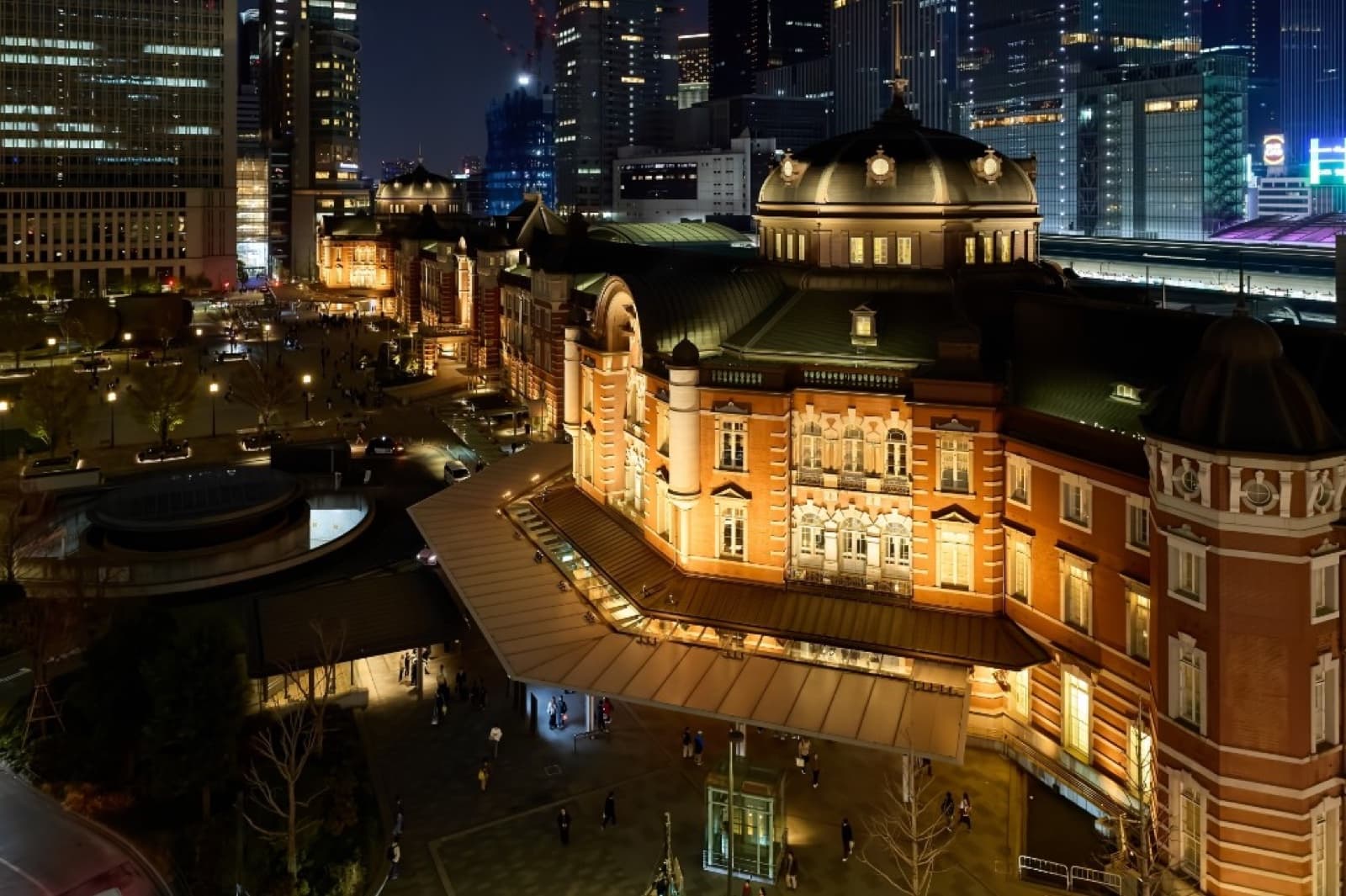
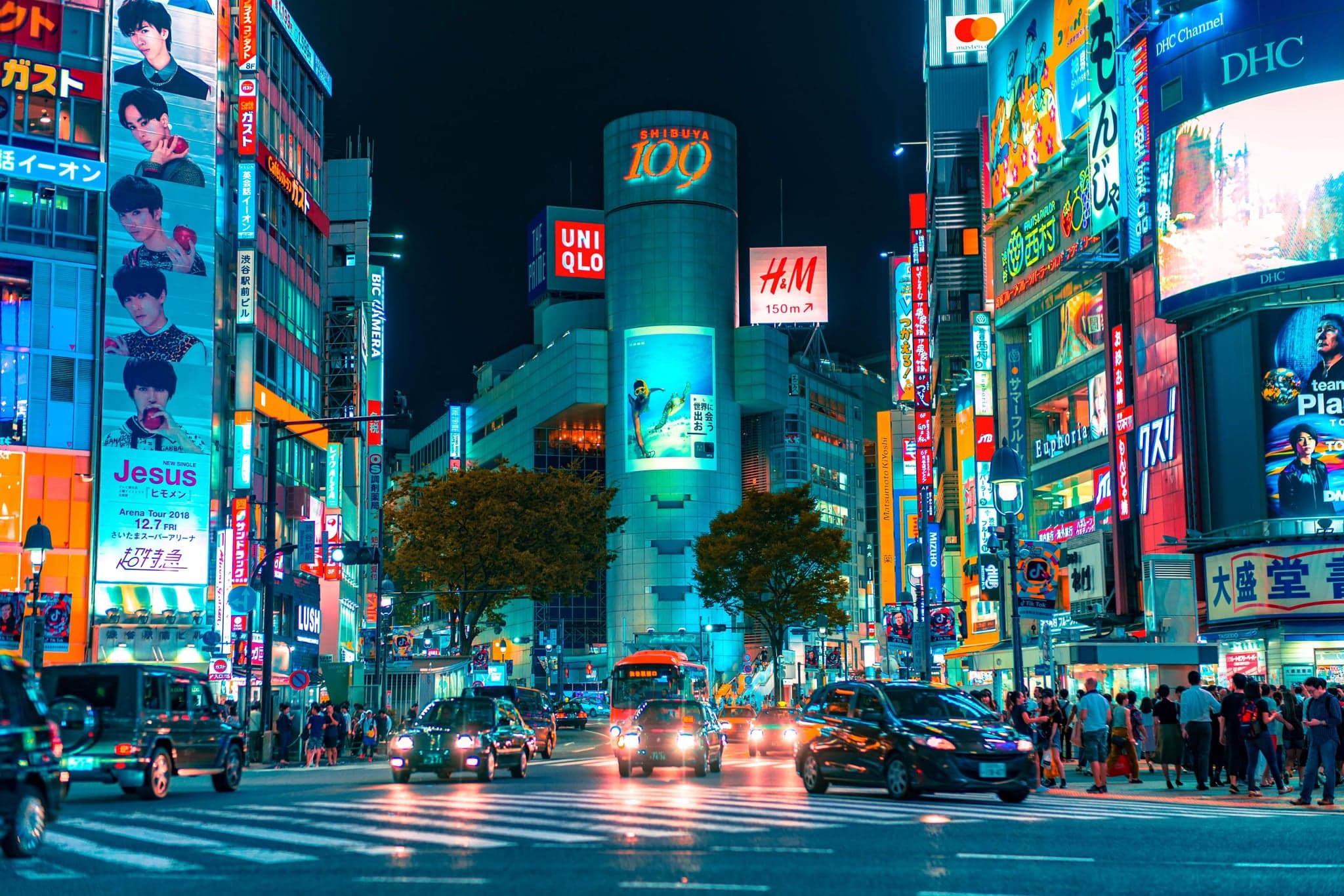
Shibuya: Shopping, Nightlife & the Famous Crossing
The loud little sibling of Shinjuku — younger crowd, more fashion, and the Shibuya Crossing. Shibuya Sky (atop Scramble Square) is the city's most photographed rooftop; book online. Hotel picks: Shibuya Excel Hotel Tokyu (above the station), Tokyu Stay Shibuya (value), Cerulean Tower (upscale). Harajuku and Yoyogi Park are minutes away.
Suits: shoppers, couples in their 20s–30s, nightlife lovers. Heads up: it's crowded and noisier, and a bit pricier than some areas.
Asakusa: For a Traditional Ryokan Stay
Old Tokyo. Hotels here lean traditional (tatami, shoes off at check-in), and the anchor sight is Senso-ji, the city's oldest temple. Staying overnight lets you walk Nakamise Street before the tour buses arrive. It's more affordable than the central business district and rooms are often roomier. Ryokan picks: Ryokan Asakusa Shigetsu (mid-range, Skytree views) and modern options near Senso-ji. See our ryokan guide.
Suits: first-timers wanting modern + traditional, ryokan seekers, travelers with bigger luggage, older travelers.
Ginza: Luxury Hotels & Fine Dining
The upscale neighborhood — marble lobbies, Michelin sushi counters, and cathedral-like department stores. Prices run high, but you're within walking distance of the Imperial Palace, Tsukiji outer market, and Tokyo Station.
Suits: honeymoon/anniversary couples, food-focused travelers, luxury-brand shoppers.
Ueno: Affordable Hotels & Easy Narita Access
Underrated — quieter than Shinjuku, cheaper than Ginza, and one of the easiest bases for Narita (Keisei Skyliner from nearby Nippori). The draw is Ueno Park (Tokyo National Museum, the zoo, top cherry-blossom spot) and the lively Ameyoko market street for cheap eats.
Suits: budget travelers, museum lovers, Narita flyers, families wanting green space.
Shinagawa: Best for Haneda & the Shinkansen
If your Haneda flight lands late, Shinagawa is your friend — the Keikyu line connects in as little as 11 minutes, and it's a Shinkansen stop, so you can roll out of bed onto a bullet train to Kyoto without changing stations. A bit quiet at night, though.
Suits: business travelers, very early/late Haneda flights, heavy-luggage travelers, families heading to Kyoto.
Other Areas Worth Considering
- Roppongi — international nightlife, embassies, Mori Art Museum, Tokyo Tower nearby.
- Akihabara — anime/electronics hub, central on the Yamanote Line, lots of capsule hotels. See our anime pilgrimage guide.
- Ebisu / Meguro / Nakameguro — where locals live and eat; upscale without Ginza prices.
- Shimbashi, Ikebukuro, Kichijoji — solid value bases with strong Yamanote/Chuo access.
Cost Expectations by Area
Rough nightly ranges in normal season (cherry blossom and Golden Week push these up sharply):
- Budget (under ¥12,000): Ueno, Asakusa, Ikebukuro, Akihabara
- Mid-range (¥12,000–¥30,000): Shinjuku, Shibuya, Shinagawa, Shimbashi
- Upscale (¥30,000+): Ginza, Marunouchi/Tokyo Station, Roppongi, Ebisu
For the full picture of nightly rates and how the weak yen affects them, see our Japan hotel prices 2026 and is Tokyo expensive? guides.
Where to Stay by Trip Length
- 3 nights (first time): one hotel in Shinjuku.
- 5 nights: all in Shinjuku, or split 3 Shinjuku + 2 Asakusa for a temple-at-dawn morning. Add a Hakone or Kamakura day trip.
- Tokyo + Kyoto (10-day classic): last Tokyo night near Tokyo Station or Shinagawa for easy Shinkansen boarding.
- Returning visitors: Ebisu, Nakameguro, or Kichijoji for a local vibe.
See our Tokyo itinerary and day trips from Tokyo, and our guide to things to do in Tokyo neighborhood by neighborhood.
Common Mistakes
- Booking by price alone. A cheap hotel 25 minutes from any sight eats your time — save ¥3,000, lose two hours a day.
- Splitting into too many hotels. One base for ≤5 nights; two for 7+.
- Ignoring the exit number. Even locals get lost in Shinjuku Station — write yours down.
- Confusing "near Shinjuku" with "near Shinjuku Station." Check the actual walking minutes on Google Maps.
- Matching the wrong vibe (Asakusa for nightlife, Shibuya for quiet). Match neighborhood to vibe.
Want your Tokyo hotel booked as part of a wider Japan trip? Get in touch through Plan My Trip on our self-guided tours site, and we’ll suggest the tours that best fit your dates and plans.
FAQ: Where to Stay in Tokyo
What is the best area to stay in Tokyo for tourists?
Shinjuku for first-timers — the densest mix of restaurants, shopping, and transport, with easy access to both airports. The best area ultimately depends on your travel style, but Shinjuku is the safest all-round pick.
Is it better to stay in Shinjuku or Shibuya?
Shinjuku for transport and day trips; Shibuya for shopping, nightlife, and a younger crowd. Both sit on the Yamanote Line a few stops apart, so either works — Shinjuku just has more hotel options.
Where should I stay in Tokyo for a traditional ryokan stay?
Asakusa. It's the only central neighborhood with a real cluster of traditional ryokans within a short walk of Senso-ji temple and Asakusa Station.
What's the cheapest area to stay in Tokyo?
Ueno, Ikebukuro, and parts of Asakusa offer the most affordable hotels with good transport. Capsule hotels are an option in almost every district, especially Akihabara and Shinjuku.
Where should I stay if I'm taking the bullet train to Kyoto?
Near Tokyo Station or Shinagawa Station — both are Shinkansen stops, saving you from dragging luggage across town on local trains.
Should I split my stay between two neighborhoods?
For trips of five nights or fewer, stick to one base. For 7+ nights, splitting two or three nights into Asakusa (for the ryokan experience) while basing the rest in Shinjuku or near Tokyo Station works well.
Is Asakusa too far from central Tokyo?
No. Tokyo's trains are so reliable it's rarely an issue — the Ginza Line connects Asakusa directly to Ueno and central Tokyo in around 20 minutes.
Where Our Self-Guided Tours Put You in Tokyo
On our self-guided tours, Tokyo hotels are set in Shinjuku as well as Ginza, Akasaka, and Maihama (right by the world-famous theme park). All are close to stations and chosen around realistic transfer times between cities — so planning is easier and your luggage days are painless.
Related Articles
Narita vs Haneda (vs Kansai): Which Airport to Fly Into for Japan — Transfer Times, Costs & the New 2027 US Nonstops
15 min read
Tokyo to Osaka (and Back): Shinkansen vs Flight vs Bus — Times, 2026 Prices & When the JR Pass Pays
18 min read
Tokyo Itinerary 2026: Best 3, 4, or 5 Day Tokyo Itinerary for First-Timers
30 min read