
Shinkansen Green Car, Gran Class and the New Supreme Class Private Rooms (2026)
Japan's bullet trains now have three ways to travel first class. Here is what the Green Car gets you, where Gran Class runs, what the new Supreme Class private rooms cost from October 2026, and how each works with the Japan Rail Pass.
The Shinkansen is already one of the most comfortable ways to travel anywhere. Its first class cars make it calmer still — and from October 1, 2026, the Tokaido Shinkansen adds something it has never had on today's trains: private rooms with a door that locks.
This complete guide to first class train travel in Japan explains the three premium options on Japanese trains — the Green Car, Gran Class and the new Supreme Class — with real fares, which lines each runs on, and how each works with the Japan Rail Pass. We book Green Car seats for travelers on our luxury self-guided tours, so the practical details come from booking them, not just reading about them.
Quick Answer: Shinkansen First Class
Green Car is first class on every Shinkansen line: bigger seats in a 2+2 layout. Tokyo to Shin-Osaka on the Nozomi is ¥19,590 against ¥14,720 for a reserved ordinary seat. Gran Class sits above it, but only on the Tohoku, Hokkaido, Hokuriku and Joetsu lines — not between Tokyo, Kyoto and Osaka. Supreme Class private rooms start on October 1, 2026 on Nozomi trains on the Tokaido and Sanyo Shinkansen, from ¥42,390 for a single room from Tokyo to Shin-Osaka.
Green Car
All lines
Gran Class
North & Hokuriku
Supreme
From Oct 1, 2026
Green Pass
¥70,000 / 7 days
Shinkansen Classes Compared
| Class | Where it runs | What it is | With a JR Pass |
|---|---|---|---|
| Ordinary car | Every Shinkansen line | Reserved seats, plus non reserved cars on most trains | Covered by the standard JR Pass |
| Green Car | Every Shinkansen line | First class: wider seats, more space, a quieter car | Covered by the Green JR Pass |
| Gran Class | Tohoku, Hokkaido, Hokuriku and Joetsu Shinkansen (E5, H5, E7 and W7 trains) | A small premium car above Green Car | Pass covers the basic fare only — pay the limited express charge and Gran Class surcharge |
| Supreme Class (new) | Nozomi trains on the Tokaido and Sanyo Shinkansen, from October 1, 2026 | Private rooms for one or two in cars 7 and 10 | Sold through Smart EX and Express Reservation |
Across the Shinkansen lines and the wider JR network, most travelers on a first trip to Japan only ever meet two of these: the ordinary car and the Green Car. Green Cars also run on many limited express trains, so the same ticket logic applies beyond the bullet train. The Tokaido Shinkansen that connects Tokyo with Kyoto and Osaka has no Gran Class, so for the classic route the real choice is between ordinary class, Green Car and — from October — a Supreme Class room.
The Shinkansen Green Car
The Green Car is the first class car on Shinkansen trains, marked with a green four-leaf clover sign on the platform and the car door. What the Green Car offers is simple: Shinkansen Green Car seats are laid out 2+2 instead of the 3+2 of an ordinary car, which means wider seats, more space between them and additional legroom. The cars are quieter, with fewer passengers, and Green Car passengers can usually settle in with a bit more peace than in the busy ordinary cars on Friday evenings and at holiday peaks. Free Wi-Fi is available on the Tokaido Shinkansen, so the upgrade is about space and quiet rather than connectivity.
What a Green Car costs
As an example, a one-way Nozomi ticket from Tokyo to Shin-Osaka in the regular season costs ¥14,720 for a reserved seat in an ordinary car and ¥19,590 in the Green Car — a difference of ¥4,870 for a journey of about two and a half hours. Fares move by ¥200 in the off-peak and peak seasons and by ¥400 in the super-peak, in both classes.
Which side for Mount Fuji
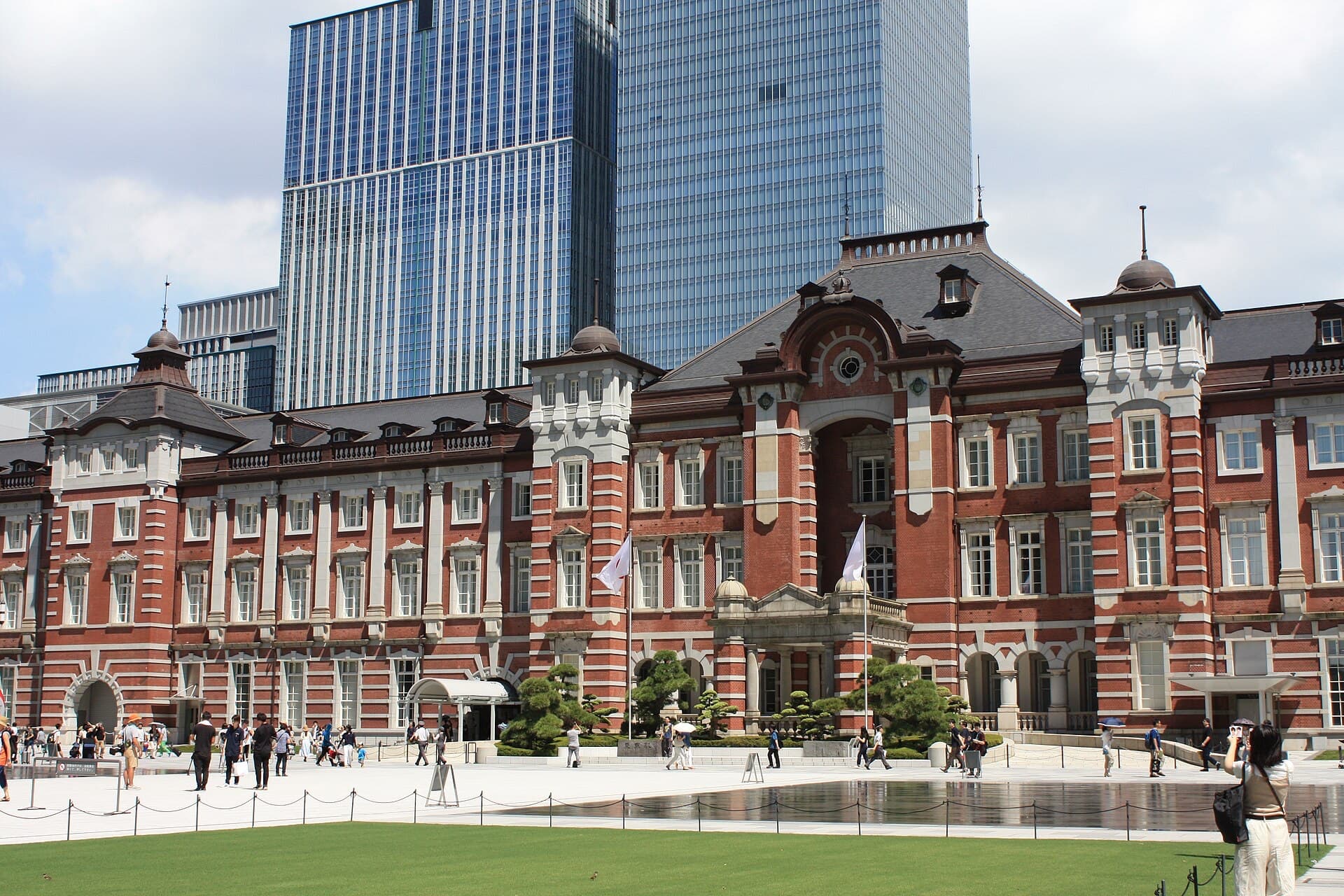
Heading west from Tokyo, Mount Fuji appears on the right-hand side of the train. In the Green Car that is seat D; in an ordinary car it is seat E. Coming back to Tokyo, you want the other window. On a clear morning it is worth choosing your seat for that view alone.
Supreme Class: Private Rooms From October 2026
From October 1, 2026, JR Central and JR West add Supreme Class to Nozomi trains on the Tokaido and Sanyo Shinkansen. There are two types of cabin: a room for one guest in car 10, and a room for up to two guests in car 7. It is the most luxurious way to ride the bullet train: JR Central describes lighting, climate control, seating and sound you can adjust yourself, a welcome service with drinks and confections, and a mobile ordering service for on-board products.
Supreme Class fares
| One way, regular season | Room for 1 (car 10) | Room for 2 (car 7) |
|---|---|---|
| Tokyo – Nagoya | ¥32,660 | ¥47,060 |
| Tokyo – Shin-Osaka | ¥42,390 | ¥60,790 |
| Tokyo – Okayama | ¥51,840 | ¥74,440 |
| Tokyo – Hiroshima | ¥60,020 | ¥86,620 |
| Shin-Osaka – Hakata | ¥50,090 | ¥72,690 |
Read the two-guest price carefully. JR Central states that an accompanying passenger in car 7 must buy their own Shinkansen ticket for the same train, in any seat class; a companion aged 6 or younger does not need one. Fares drop by ¥200 in the off-peak season and rise by ¥200 in the peak and ¥400 in the super-peak.
How to book Supreme Class
Supreme Class is sold through JR Central and JR West's online services — a Smart EX membership is required, and it is also available through Express Reservation. Sales opened at 5:30 am on September 15, 2026. Smart EX takes reservations from 5:30 am one year before the boarding date. JR Central's Supreme Class page does not list rail passes, so if you are traveling on a Japan Rail Pass, treat a Supreme Class room as a separate purchase.
From our Japan travel team
Supreme Class is brand new, and on a route as busy as Tokyo to Kyoto and Osaka the rooms are likely to go quickly at weekends and during the cherry blossom and autumn leaf seasons. If a private room is part of the plan, book it as soon as your dates are set. For everything else on the trip — the Green Car seats, hotels and luggage delivery — our self-guided tours take care of the arrangements, so feel free to get in touch.
Gran Class: Above the Green Car
Gran Class is a small premium car on the E5 and H5 trains of the Tohoku and Hokkaido Shinkansen, and on the E7 and W7 trains of the Hokuriku and Joetsu Shinkansen. It has the biggest seats on the network in a spacious layout. On some trains Gran Class comes with an attendant and complimentary drinks and snacks; on others it is seat-only, so check the service for your train when you book. Where it is offered, that attentive service is a large part of what you are paying for.
Is Gran Class worth it?
Gran Class Shinkansen seats come at a clear additional cost over the Green Car, and the difference buys a larger seat in a much smaller car rather than a faster journey. It is worth it on certain routes where the ride is long and you want the journey itself to be part of the holiday; on a short leg, the Green Car gives you most of the comfort for less.
For many visitors, the easiest Gran Class journey to fit into an itinerary is Tokyo to Kanazawa on the Hokuriku Shinkansen. It is not available between Tokyo, Kyoto and Osaka.
First Class With a Japan Rail Pass
- Green Pass: the Japan Rail Pass gives unlimited access to JR trains for its validity, and the Green version costs ¥70,000 for 7 days, ¥110,000 for 14 days and ¥140,000 for 21 days, against ¥50,000, ¥80,000 and ¥100,000 for the ordinary pass. It covers Green Car seats, and you can also reserve seats in the ordinary car.
- Nozomi and Mizuho trains: JR Pass holders can ride them by buying a special NOZOMI/MIZUHO ticket — ¥4,960 from Tokyo to Kyoto or Shin-Osaka, ¥4,180 to Nagoya and ¥6,500 to Hiroshima. The same price applies whether you sit in the Green Car or an ordinary car.
- Gran Class: the pass covers only the basic fare. You pay the limited express charge and the Gran Class surcharge on top — with either version of the pass.
- Supreme Class: sold through Smart EX and Express Reservation, so plan it as a separate ticket.
Whether the pass itself pays off depends on your route. Our guide to whether the JR Pass is worth it runs the numbers, and the Tokyo to Kyoto and Tokyo to Osaka guides cover the individual tickets.
Is the Green Car Worth It?
For a two-and-a-half-hour journey, the upgrade from Tokyo to Shin-Osaka is under ¥5,000. It tends to be worth it when:
- You travel at peak times. Cherry blossom season, Golden Week, Obon and New Year are the peak travel periods, and the ordinary reserved seats go first.
- You are traveling with a partner and want the two seats in a row to yourselves rather than a three-seat bench.
- You want to work or rest. Power outlets and a quieter car make three hours on the train usable time.
- It is one long journey in a trip that is otherwise short hops, where a better seat on the longest leg is cheap comfort.
It is less worth it for a 40-minute hop, or if you would rather spend the difference on a meal. Gran Class and Supreme Class are a different decision: they are about the experience of the journey itself, and they make most sense for a special trip or a celebration.
Booking Tips for Shinkansen First Class
- Reserve early for peak dates. Seat reservations fill quickly around Golden Week, Obon and New Year, even in the Green Car.
- Buy online where you can. Smart EX opens reservations a year ahead and lets you choose your seat, which matters for the Mount Fuji side.
- At the station, Shinkansen tickets for the Green Car are sold at ticket machines and the JR ticket office like any other; your seat and car number are printed on the ticket, and you pass through the ticket gate as usual.
- Send big luggage ahead. Hotel-to-hotel luggage delivery is the easiest way to travel light on the Shinkansen — see our Japan luggage guide.
From our Japan travel team
Cherry blossom season, Golden Week, Obon and the New Year holidays are the busiest times on the Shinkansen, and seats between Tokyo, Kyoto and Osaka can be hard to book. On our luxury self-guided tours, the Shinkansen legs are reserved in Green Car seats before you arrive and your luggage is sent between Tokyo and Kyoto for you, so you board with just a small bag. Feel free to get in touch.
FAQ: Shinkansen Green Car and First Class
Does the Shinkansen have first class?
Yes. The Green Car is first class on every Shinkansen line. Some northern and Hokuriku trains also have Gran Class, a premium car above the Green Car, and from October 1, 2026 Nozomi trains on the Tokaido and Sanyo Shinkansen add Supreme Class private rooms.
How much more is the Green Car?
On a Nozomi from Tokyo to Shin-Osaka in the regular season, a reserved ordinary seat is ¥14,720 and a Green Car seat is ¥19,590, a difference of ¥4,870.
How much is Supreme Class?
From Tokyo to Shin-Osaka in the regular season, a room for one in car 10 is ¥42,390 and a room for two in car 7 is ¥60,790. An accompanying passenger in car 7 must also buy their own Shinkansen ticket for the same train, unless they are 6 or younger.
Is there Gran Class between Tokyo and Kyoto?
No. Gran Class runs on the Tohoku, Hokkaido, Hokuriku and Joetsu Shinkansen. Between Tokyo, Kyoto and Osaka the premium options are the Green Car and, from October 2026, Supreme Class.
Does the JR Pass cover the Green Car?
The Green version of the Japan Rail Pass covers Green Car seats. With either version of the pass, Gran Class covers only the basic fare and you pay the limited express charge and the Gran Class surcharge.
Which seat is best for seeing Mount Fuji from the Shinkansen?
Heading west from Tokyo, sit on the right-hand side: seat D in the Green Car or seat E in an ordinary car. Returning to Tokyo, choose the opposite window.
Travel Japan in the Green Car
All three of our luxury self-guided tours include Shinkansen travel in Green Car seats, with airport transfers, luggage delivery between Tokyo and Kyoto, chartered sightseeing taxis and 24/7 support from our team in Japan.
Related Articles
Japan Luxury Tours 2026–27: Self-Guided Routes With the Imperial Hotel, Green Car and Private Taxis (Real Prices)
18 min read
Is the JR Pass Worth It in 2026? When You Save — and When You Lose
30 min read
Tokyo to Kyoto (and Back): Shinkansen vs Flight vs Bus — Times, 2026 Prices & How to Book
15 min read