
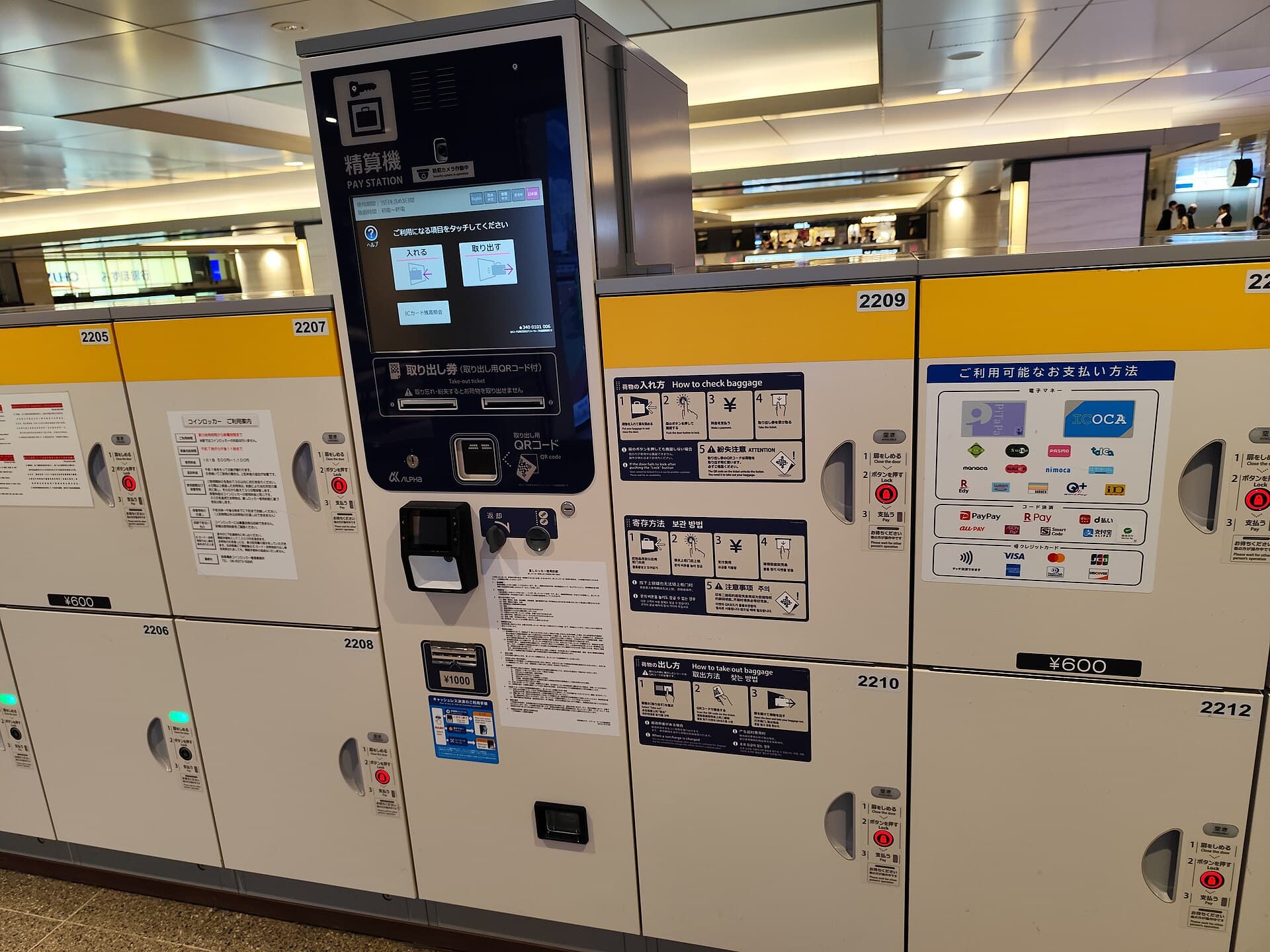
 Photo: TKdows 2026, CC0, via Wikimedia Commons
Japan Luggage Storage 2026: Coin Lockers, Takkyubin & Hands-Free Travel
Lockers from ¥400, staffed counters for the big bags, and door-to-door Takkyubin forwarding — how independent travelers move through Japan with just a daypack.
If you're planning a self-guided trip and trying to figure out Japan luggage storage in 2026, the short answer is this: you've got three solid options. Coin lockers at train stations, staffed storage counters, and door-to-door forwarding like Yamato's Takkyubin. Each fits a different kind of travel day — and most independent travelers end up mixing all three across a two-week trip.
Honestly, getting this part right is the difference between dragging a suitcase up Kyoto temple steps and walking around with just a daypack.
🧳 Quick Answer: Luggage Storage in Japan
Lockers for hours. Counters for awkward items. Forwarding for city-to-city. Coin lockers run ¥400–¥1,000/day at virtually every station, staffed counters ¥500–¥1,000 per bag, and Takkyubin ships a suitcase Tokyo→Kyoto overnight so you travel light.
🔒 Coin lockers
¥400–1,000/day
🙋 Counters
¥500–1,000/bag
🚚 Forwarding
Next-day, city-to-city
Why Luggage Logistics Matter More in Japan Than You Think
Sending a bag to your next hotel rather than storing it? That is takkyubin — our luggage forwarding guide has Yamato's 2026 rates, the airport rules and how to fill in the slip.
Arriving with big cases? The airport counters and the Narita vs Haneda transfer options are in our airport guide.
Japanese trains aren't designed around big suitcases. There's little room for large luggage on urban and long-distance trains, especially at rush hour — the exceptions being airport trains like the Narita Express and an increasing number of Shinkansen with designated oversized-baggage space. Add narrow hotel hallways, early check-outs, and late check-ins, and you'll see why seasoned travelers happily pay to travel light. Bringing a giant suitcase is one of the classic Japan travel mistakes.
The good news? Japan's luggage infrastructure is genuinely excellent: lockers at virtually every station, staffed counters at major hubs, and Yamato's Takkyubin network, which moves a suitcase from Tokyo to Kyoto for the price of a decent lunch.
Coin Lockers: The Backbone of Daily Storage
Coin lockers are the cheapest and fastest way to store luggage for a few hours or a day. You'll find them at pretty much every station you visit, even in the countryside — Tokyo stations often have great walls of them inside and outside the ticket gates.
🔒 Coin locker sizes & prices (2026)
| Size | Dimensions (approx.) | Price / calendar day | Fits |
|---|---|---|---|
| Small | 35×34×57 cm | ¥400–500 | Backpack, daypack |
| Medium | 57×34×57 cm | ¥500–700 | 24-inch suitcase |
| Large | 117×34×57 cm | ¥600–1,000 | Big suitcase (scarce!) |
💡 Large lockers exist only in small numbers at major stations — and run out fast on weekends.
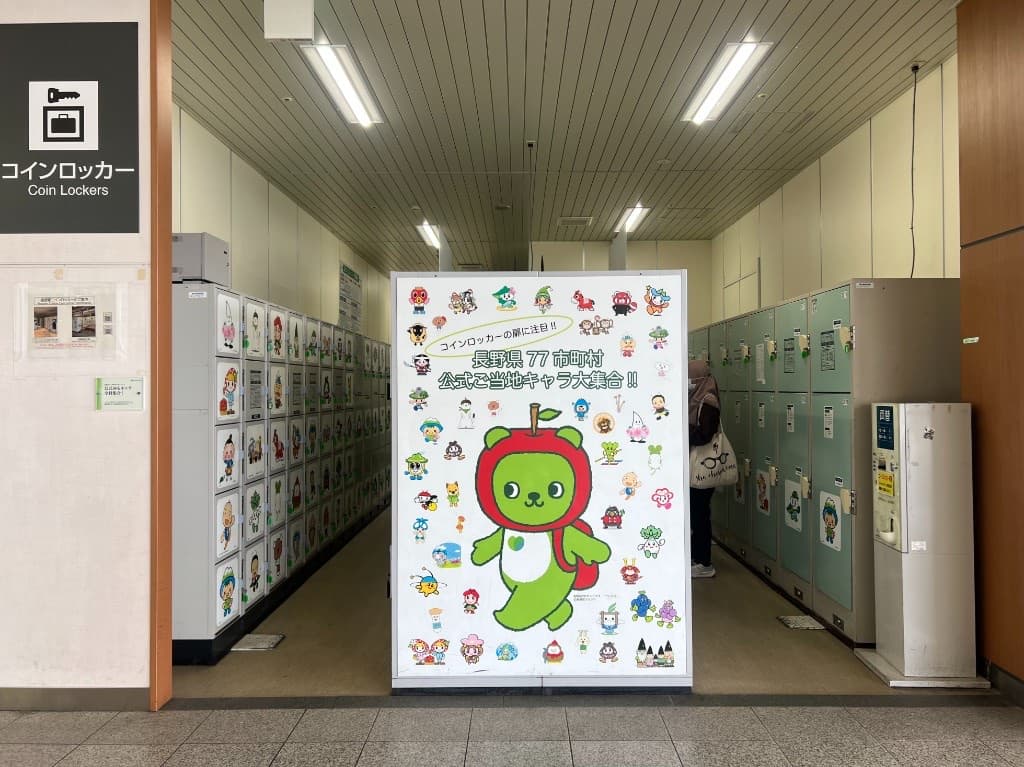
Classic lockers take 100-yen coins; newer touch-panel models accept IC cards like Suica and print a receipt with a PIN — keep it safe. Station and tourist-area lockers are wonderfully convenient, but some are cash-only while others are cashless, so it pays to keep a stash of ¥100 coins and a little cash on hand for the moments a machine won't take your card. Two more rules to remember: lockers are emptied by station staff after three days, and pricing is per calendar day, so an overnight stash gets charged twice.
Tokyo Station: A Mini Case Study
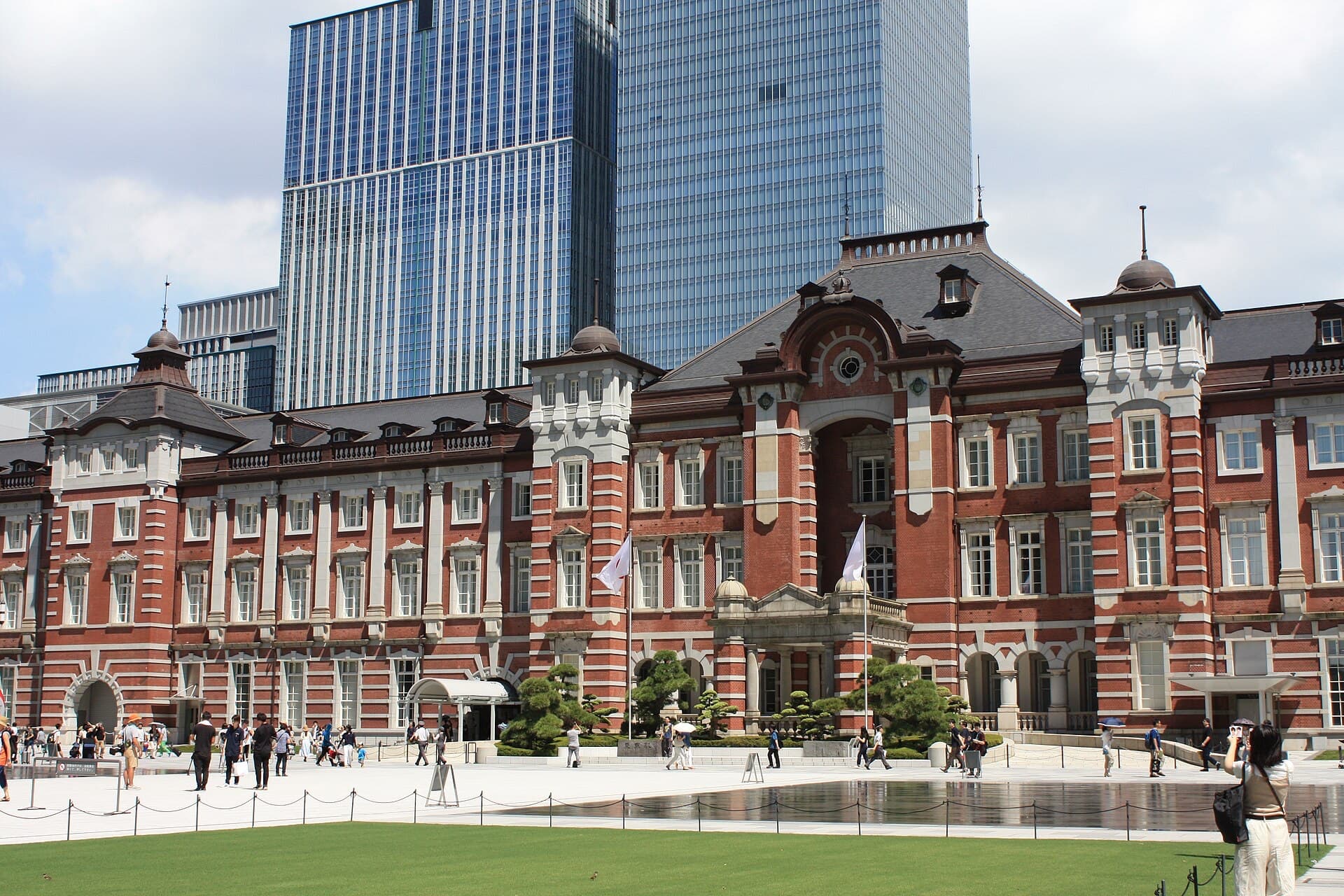
Tokyo Station offers more than 100 coin locker locations plus staffed facilities. You can check availability of over 5,000 lockers online via the Locker Concierge and Multi-Ecube sites — Multi-Ecube even lets you reserve a locker up to a month ahead for an extra ¥500, and the ecbo cloak app books storage space at nearby shops and cafés for oversized items.
Practical notes: the locker banks near the Marunouchi Underground exits fill first — often by mid-morning, especially the large ones. If you're taking a highway bus from the Yaesu South Exit, the bus terminal waiting room has its own 42 lockers (¥400–800, 6am–midnight). Trust me — knowing one backup bank of lockers at every major hub is worth its weight in gold.
City-Hopping Tours Where Forwarding Shines
View all →Staffed Counters: When Lockers Aren't Enough
When the bag's too big or every locker is occupied, head to a staffed counter. Major stations like Tokyo and Kyoto have manned luggage rooms charging around ¥500–¥1,000 per piece per day, with same-day delivery to your hotel often available for ~¥1,000 more. Airport counters at Narita and Haneda allow multi-day storage — the right call if you land early and your hotel won't take bags yet, or you want to park skis before a Hokkaido leg. Station counters usually require same-day pickup.
Luggage Forwarding: The Self-Guided Traveler's Secret Weapon
This is where Japan really shines. Takkyubin, Yamato Transport's door-to-door delivery service, moves luggage between hotels, shops, and homes nationwide, usually with next-day delivery. Yamato pioneered the service in the 1970s, and it's the option most hotels reach for when a guest wants to send a bag ahead.
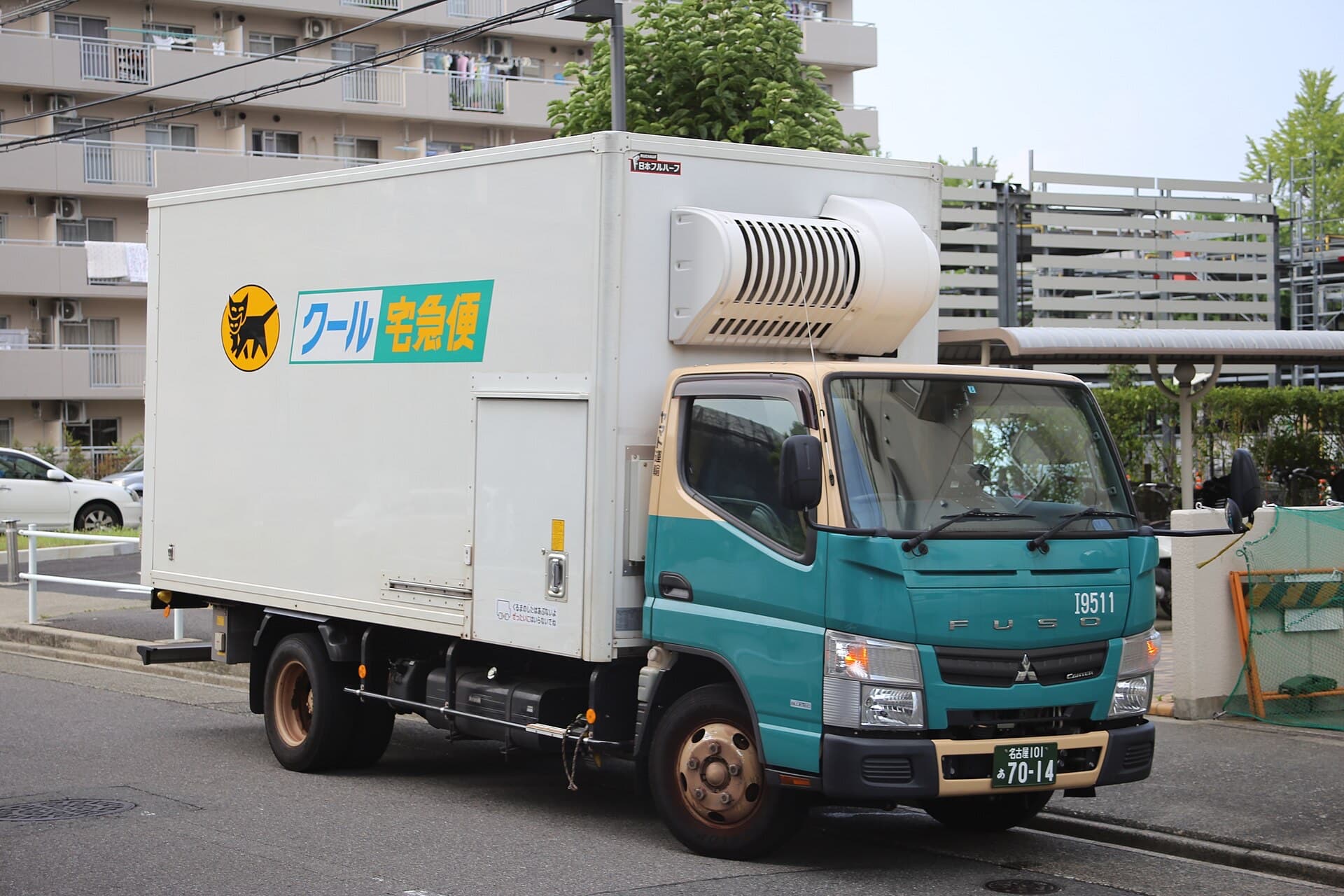
How it works: ask your hotel front desk, fill out a waybill (English labels included), pay cash or card, and your bag turns up at the next destination — usually the following afternoon.
🚚 Takkyubin routes & timing (2026)
| Route | Timing |
|---|---|
| Tokyo → Kansai | Next afternoon |
| Hokkaido → Tokyo | 1–2 days |
| Hotel → airport | Send 2–3 days before your flight |
💡 Limits: 200 cm combined dimensions, 30 kg per item. Keep passports, cash, electronics, and medication with you.
Pair forwarding with a rail pass strategy (see is the JR Pass worth it) and multi-city itineraries like our 2-week Japan itinerary suddenly feel effortless. It's also the standard trick on walking routes — on the Kumano Kodo and Nakasendo Trail, your luggage moves between inns while you hike with a daypack.
🧳 Let us handle the luggage
In the big cities, lockers often fill up from early morning, and out in the suburbs you can struggle to find one at all — and dragging a big suitcase around quietly eats into a day of sightseeing. Our self-guided tours include a Takkyubin luggage-forwarding service, so you can explore hands-free without worrying about your bags. We even prepare the shipping waybill for you, so it's stress-free even the first time you send a bag ahead.
How to Build This Into a Real Itinerary
- Day 1 — Arrive at Narita. Forward the big suitcase from the Yamato counter in arrivals straight to your Tokyo hotel. Ride the Narita Express with just a backpack.
- Day 3 — Tokyo → Kyoto. Ship the suitcase hotel-to-hotel the morning before you travel; it arrives the next afternoon while you ride the Shinkansen light.
- Day 6 — Nara day trip. Drop your day bag in a Kyoto Station coin locker (¥500–700), pick it up that evening.
- Day 9 — Hakone overnight. Forward the big bag from Kyoto straight to your next Tokyo hotel and travel with an overnight pack.
- Day 12 — Departure. Forward luggage to the airport two days ahead, or use the airport storage counter for last-minute shopping.
That's the whole workflow: lockers for hours, counters for awkward items, forwarding for city-to-city.
Common Mistakes to Avoid
✅ Do:
- • Reserve via Multi-Ecube / ecbo cloak on tight transfers
- • Book airport forwarding 2–3 days before your flight
- • Keep the locker receipt and PIN
⚠️ Don't:
- • Leave passports or valuables in a locker
- • Assume large lockers will be free at 11am
- • Forget the 3-day locker clear-out rule
Want to travel between Japan's cities without dragging your suitcase along? Get in touch through Plan My Trip on our self-guided tours site, and we’ll suggest the tours that best fit your dates and plans.
FAQ: Luggage Storage in Japan
Are luggage lockers in Japan safe?
Yes. Lockers are monitored and theft is rare. Still, never leave valuables, passports, or large amounts of cash inside.
Can I store luggage for multiple days in a coin locker?
Most coin lockers allow up to three days, with extra fees accruing per calendar day. After three days, station staff remove the contents.
How does luggage forwarding between Tokyo and Kyoto work?
Hand a standard suitcase to your hotel front desk in the morning and it arrives at your next hotel the following afternoon. Most hotels and convenience stores can arrange it for you, and pricing depends on the bag size and route.
Do I need to speak Japanese to use Yamato Takkyubin?
No. Hotel staff typically fill out the form for you, waybills include English labels, and airport counter staff are used to international travelers.
Can I forward luggage from a convenience store?
Yes — FamilyMart, 7-Eleven, and Lawson branches participate, though bags usually need to be sent one to two days ahead of when you need them.
What's the difference between ecbo cloak and a coin locker?
ecbo cloak lets you book storage at partner shops and cafés near stations via an app — useful for oversized items like strollers or musical instruments that won't fit in a standard locker.
Travel Lighter, Travel Freer
Free yourself from luggage worries and the whole trip opens up — you move more freely, change plans on a whim, and actually enjoy the places you came to see. Our self-guided tours are designed right down to how your bags get from one stop to the next, so you can focus on the journey and leave the heavy lifting to us. That's a stress-free way to see Japan.
Photos: 掬茶 (hero), 円周率3パーセント, Alexandr3126, Syced — via Wikimedia Commons (CC BY-SA 3.0/4.0, CC0); Nagano Station lockers © Self Guide Japan. Last updated: June 2026.
Hands-Free Walking & Rail Tours
Our self-guided itineraries build in the luggage logistics — forwarding between inns on walking routes, hotels picked near stations, and rail connections planned for you.
From Sacred Mountains to Coastal Calm
Faith & Tradition: Koyasan, Ise-Shima & Shirakawa-go Hotel Standard: Departures from April to November
Temple stay at Koyasan, Ise Grand Shrine visit, Ago Bay cruise, and Shirakawago's thatched villages. 15-day spiritual journey through Tokyo, Kyoto, Nara.
Destinations Mentioned in This Article
Related Articles
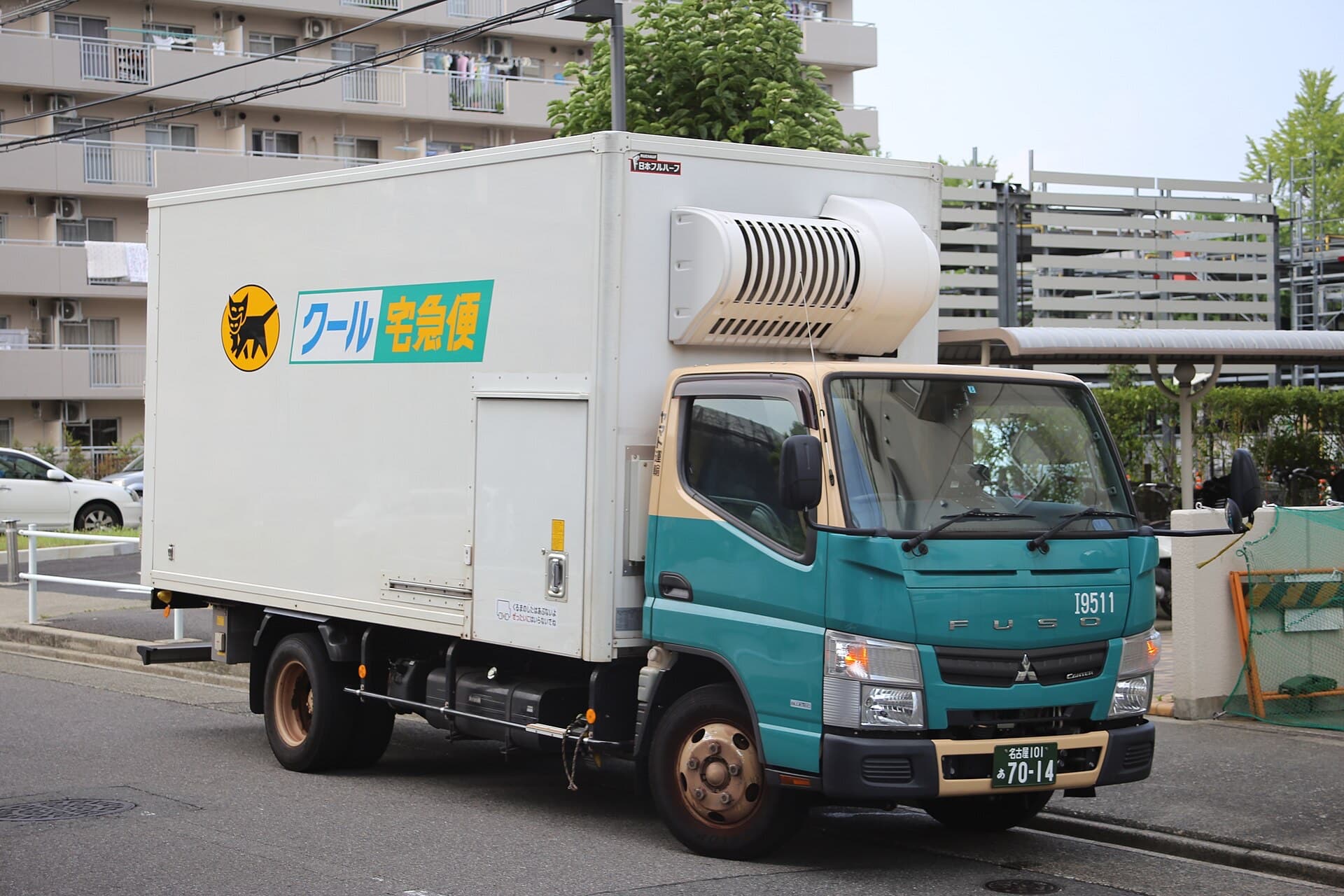
Luggage Forwarding Japan: The Practical Guide to Takkyubin for Self-Guided Travelers
14 min read
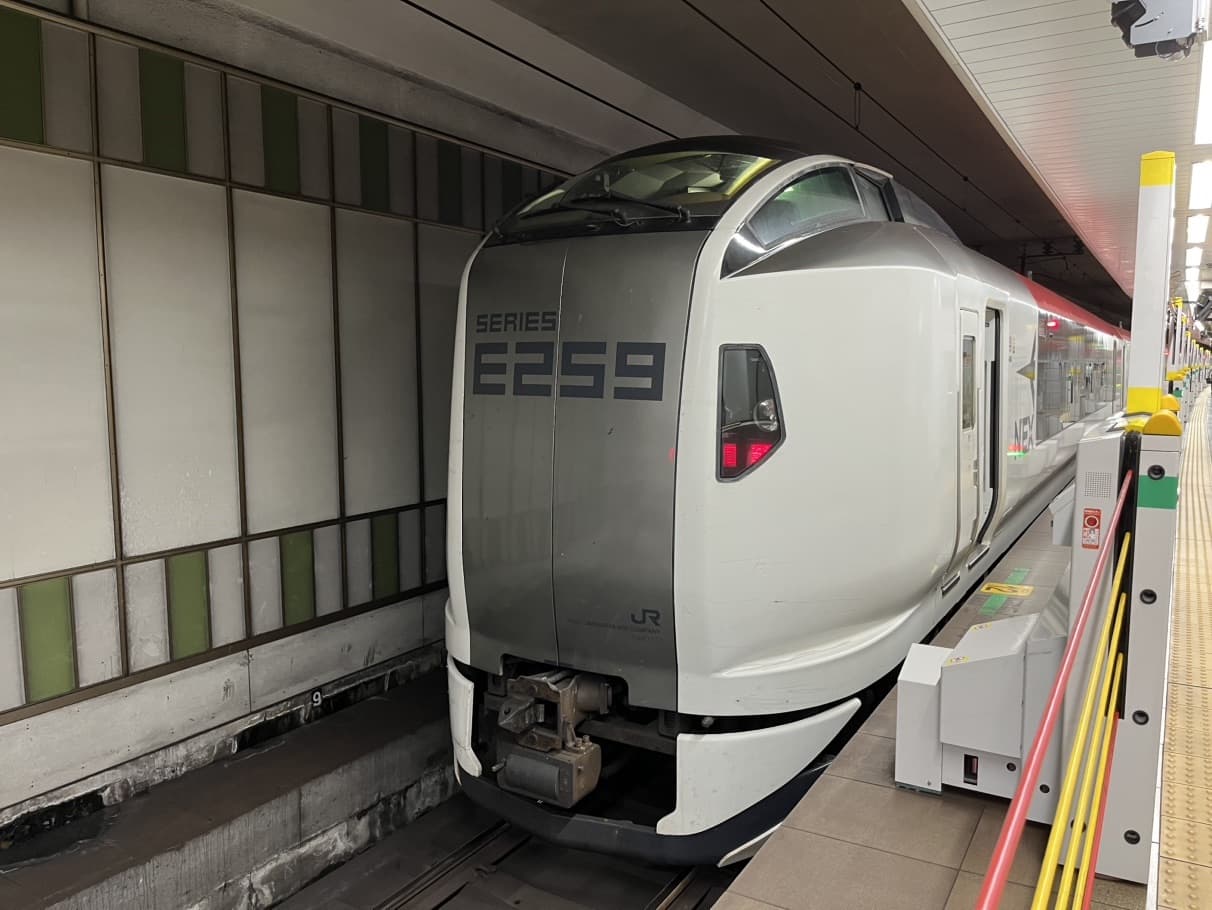
Narita vs Haneda (vs Kansai): Which Airport to Fly Into for Japan — Transfer Times, Costs & the New 2027 US Nonstops
15 min read
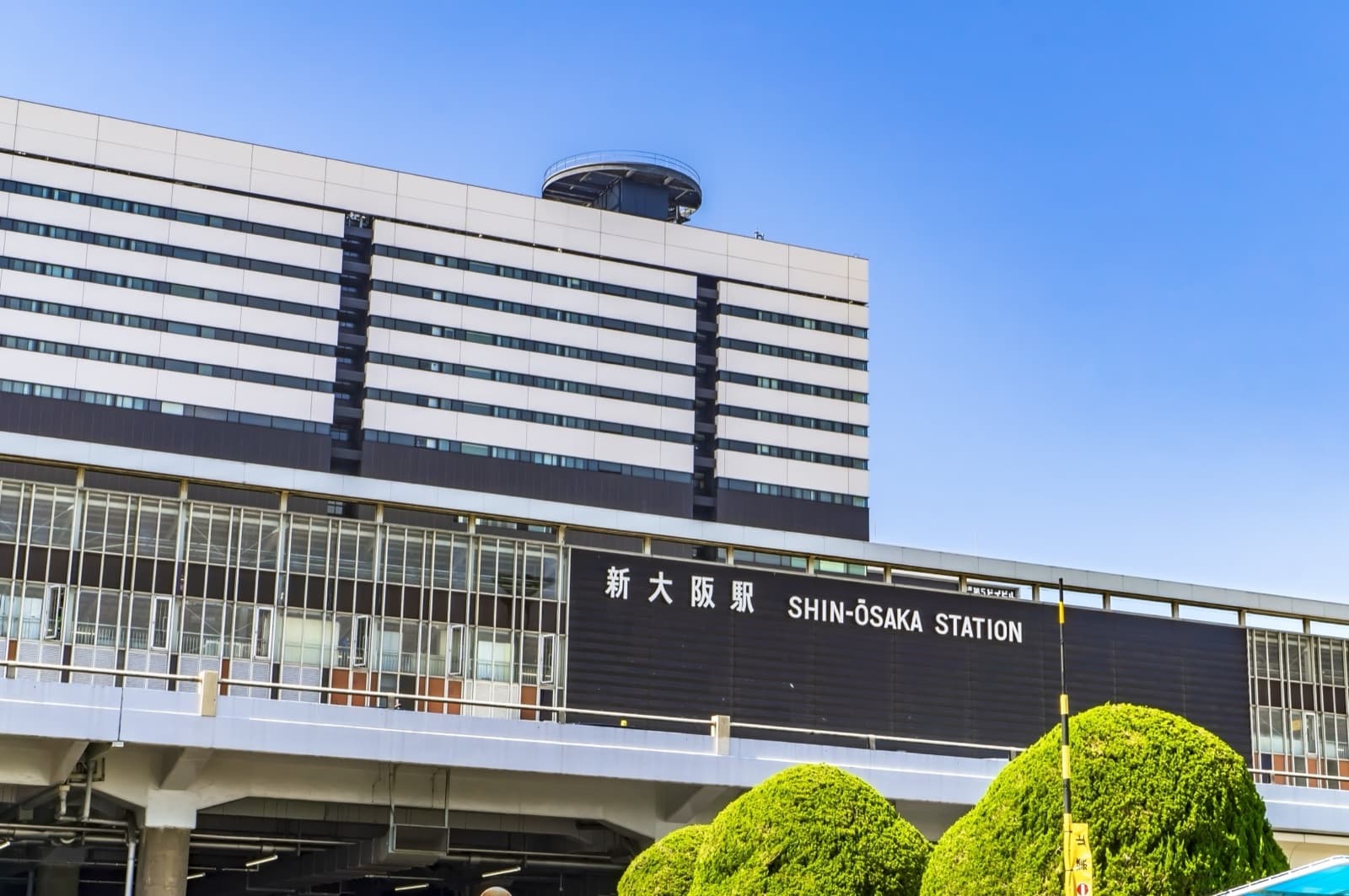
Tokyo to Osaka (and Back): Shinkansen vs Flight vs Bus — Times, 2026 Prices & When the JR Pass Pays
18 min read