
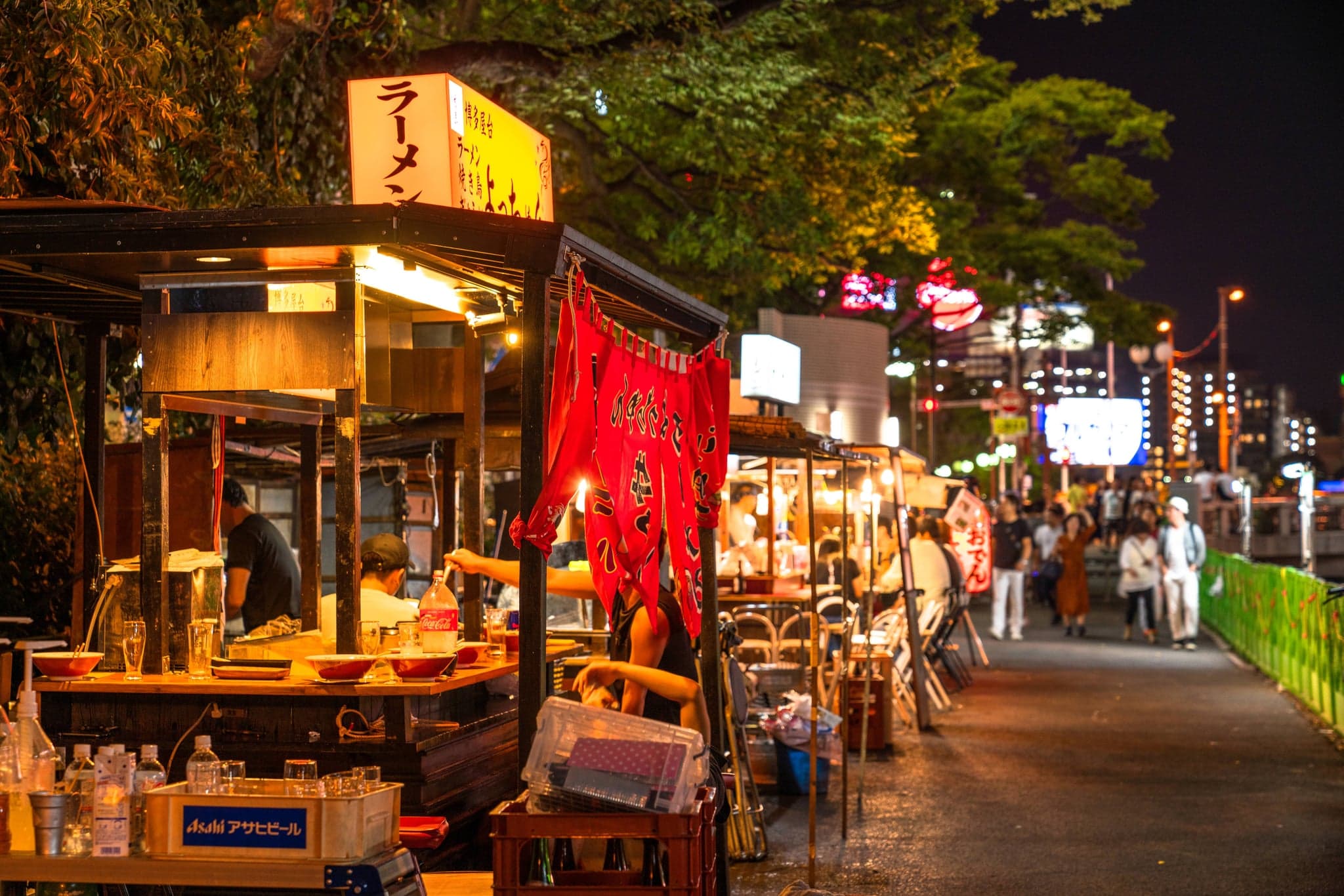
Tokyo Itinerary 2026: Best 3, 4, or 5 Day Tokyo Itinerary for First-Timers
Geography-based routes so you walk more, ride less, and never backtrack.
Most Tokyo itinerary guides list attractions like a menu without thinking about how you move between them. The result: half your day on trains, crisscrossing the city, seeing station platforms more than streets. For a city with 14 million people and 900+ train stations, the route matters as much as the destinations.
This guide is built around geography. Each day follows a single line through connected neighborhoods so you walk more, ride less, and never backtrack. Whether you're visiting for 3 days or 5, this itinerary gets you to every essential sight at the right time of day — because timing in Tokyo changes everything.
How Many Days Do You Need in Tokyo?
2 days
Stopover
Highlights only. You'll feel rushed.
3 days
Standard
Essentials — Asakusa, Shibuya, Shinjuku, Harajuku + one day trip.
4 days
Sweet Spot
3 classic days + the Tokyo nobody sees.
5 days
City Lover
Everything + Ghibli, DisneySea, or extra day trips.
7 days
Deep Dive
Tokyo obsessives. City + multiple day trips + seasonal highlights.
Our Japan tour packages include 3 nights in Tokyo with a route app covering all the suggestions below.
Getting to Tokyo and Getting Around
From the Airport
Narita Airport
Narita Express (N'EX) → Tokyo/Shinjuku Station, 60–90 min, ¥3,250 (JR Pass covered)
Keisei Skyliner → Ueno, 36 min, ¥2,520
Haneda Airport (closer)
Tokyo Monorail → Hamamatsucho, 13 min, ¥500
Keikyu Line → Shinagawa/Shimbashi, 15–25 min, ¥300–450
City Transport
Tokyo Metro + Toei Subway: 13 lines. Single rides ¥180–320. A 24-hour Tokyo Metro pass costs ¥700 — pays for itself in 3 rides.
JR Yamanote Line: The circular line connecting all major stations — Tokyo, Shibuya, Shinjuku, Ikebukuro, Ueno, Akihabara. Free with JR Pass. Runs every 2–3 minutes.
Suica/PASMO: Load money and tap at any gate. Works on all trains, buses, and convenience stores. In 2026, add Suica to Apple Wallet on iPhone — no physical card needed.
⚠️ Rush Hour Warning
Avoid trains 7:30–9:00am and 5:30–7:30pm. Tokyo rush hour runs at 150–180% capacity. Start sightseeing after 9:30am. Visit temples first thing in the morning (Senso-ji at 7am) — best photos AND you dodge the commuter crush.
The 3-Day Tokyo Itinerary
Day 1: East Tokyo
Asakusa → Skytree → Ueno → Akihabara → Imperial Palace → Ginza
Follows the Ginza subway line. Zero backtracking.
Senso-ji Temple, Asakusa
Tokyo's oldest temple. Arrive before 8am for the Kaminarimon (Thunder Gate) and Nakamise street nearly to yourself. Incense smoke, quiet morning air — a completely different experience from the 10:30am crowds. Walk through to the Sumida River for the best Skytree photo spot.
Tokyo Skytree
634m — the tallest tower in Japan. Tembo Deck at 350m (dynamic pricing, from ¥1,800 for adults) opens at 10am. Arrive at opening to avoid queues. Clear days: Mount Fuji views to the west. Tembo Gallery at 450m (extra ¥1,000) only if visibility is exceptional.
Ueno
Ginza Line from Asakusa (3 min, ¥180). Tokyo National Museum (¥1,000) — Japan's oldest and largest museum, 110,000+ pieces. Then Ameyoko Market under the JR tracks — ¥500 seafood bowls, ¥300 yakitori, ¥200 chocolate-covered strawberries. Pure old Tokyo energy.
Akihabara
JR Yamanote from Ueno (4 min). Electronics, anime, and otaku culture. Taito Station arcades, Mandarake Complex (8 floors of manga/figures), Yodobashi Camera mega-store. Animal cafes ¥1,000–1,500.
Tokyo Station → Imperial Palace
JR Chuo from Akihabara (2 min). Red-brick Tokyo Station (1914) is gorgeous. Walk to the Imperial Palace East Gardens (free, closed Mon/Fri) — Japanese gardens on old Edo Castle foundations with massive stone walls and moats.
Ginza
Walk south (15 min). Tokyo's upscale district. Ginza Six, Mitsukoshi (since 1673), Itoya (12-story stationery paradise). Department store depachika for free wagashi samples. Dinner: Ginza Bairin tonkatsu (¥1,700) or Tsurutantan udon (¥1,200–1,800, open until 3am).
Day 2: West Tokyo
Meiji Shrine → Harajuku → Shibuya → Daikanyama → Nakameguro → Shinjuku
Follows the Yamanote Line's western arc. All neighborhoods walkable.
Meiji Shrine
Walk through the 12m torii gate into a forest of 170,000 trees planted a century ago. Shinjuku's skyscrapers are 500m away but invisible. Write a wish on an ema (¥500). Weekends: you might see a traditional Shinto wedding procession.
Harajuku & Takeshita Street
Exit the shrine's southern gate directly onto Takeshita — crepe stands (¥450–650), rainbow cotton candy, bold youth fashion. Then Omotesando — Tadao Ando's architecture, Prada's diamond-lattice glass, the Dior flagship. Cat Street for indie Japanese fashion and vintage.
Lunch
AFURI yuzu shio ramen (¥1,100) — light citrus broth, completely different from heavy tonkotsu. % Arabica pour-over coffee (¥550). Or Harajuku Gyozaro — dumplings only, ¥310 for 6 pieces, cash only.
Shibuya
Walk from Harajuku (15 min through backstreets). The famous Crossing — up to 3,000 people per light change. Hachiko statue at the station exit. Shibuya Sky (¥2,700 online for entry before 15:00, ¥3,400 from 15:00; book ahead) — 230m open-air rooftop with the best panoramic view in Tokyo. Visit ~4:30pm for the daylight-to-neon transition.
Daikanyama → Nakameguro
Walk south (12 min). Tsutaya Books T-Site — stunning bookstore-lounge complex. Continue 8 min to Nakameguro — Meguro River canal lined with cherry trees and independent boutiques. In late March–early April: Tokyo's most romantic cherry blossom spot.
Dinner
Nakameguro canal-side restaurants or take Hibiya Line to Ebisu Yokocho — indoor food hall with 20+ stalls, ¥2,000–3,000/person. Yebisu Beer Museum (free, tastings from ¥400).
Shinjuku at Night
JR from Ebisu (12 min). Tokyo Metropolitan Government Building — free 45th-floor observation deck until 11pm. Then Kabukicho, Golden Gai (200+ tiny bars in 6 alleys), and Omoide Yokocho (yakitori under the tracks).
Day 3: Choose Your Adventure
Four options depending on your interests
Day Trip: Kamakura
Beach + temples + Great Buddha. JR from Tokyo Station, 55 min (JR Pass). Tsurugaoka Hachimangu → Great Buddha (¥300) → Hokokuji Bamboo Temple (¥300) → shirasu-don lunch (¥1,200). Enoden streetcar to coast.
Day Trip: Hakone
Hot springs + Mount Fuji. Odakyu Romance Car from Shinjuku (85 min). Hakone Freepass ¥7,100 (2-day from Shinjuku): mountain train → cable car → ropeway → pirate ship. Black eggs at Owakudani (¥500/5).
Tsukiji + Toyosu + Odaiba
Waterfront day. Tsukiji Outer Market breakfast sushi (¥1,500). Toyosu tuna auction gallery. Odaiba: life-size Gundam, Rainbow Bridge views, waterfront malls. (teamLab Borderless is no longer in Odaiba — it is at Azabudai Hills; teamLab Planets is in Toyosu.)
Roppongi Art + Tokyo Tower
Art triangle: Mori Art Museum (¥1,800, 53rd floor + observation), National Art Center (¥1,000–1,600), Suntory Museum (¥1,300). Tokyo Tower (¥1,200) — more iconic than Skytree.
Add Day 4: The Tokyo Nobody Sees
Three days covers the essentials. Day 4 is where Tokyo gets really good — the neighborhoods tourists skip.
Option A: Yanaka + Shimokitazawa
Morning — Yanaka (Yanesen). Survived WWII bombings. Old wooden houses, narrow lanes, small-town atmosphere. Yanaka Ginza shopping street — ¥100 croquettes, cat-themed crafts. Nezu Shrine has vermillion torii gates (less crowded Fushimi Inari alternative). Yuyake Dandan steps for sunset photos.
Afternoon — Shimokitazawa. Odakyu from Shinjuku (7 min). Tokyo's indie culture capital — 200+ vintage stores (¥500–2,000), record shops, live music. Bonus Track complex for specialty coffee and design shops. Pannnya's curry udon (¥900) is legendary.
Option B: Kiyosumi-Shirakawa + Ryogoku
Morning — Kiyosumi-Shirakawa. Tokyo's specialty coffee capital — Blue Bottle, Allpress, ARiSE, Cream of the Crop. Kiyosumi Garden (¥150) — one of Tokyo's finest Japanese gardens. Museum of Contemporary Art (¥1,200).
Afternoon — Ryogoku. Sumo district. Tournament months (Jan, May, Sep): tickets from ¥3,800. Sumo Museum (free), chanko-nabe hot pot (¥1,500–2,500). Fukagawa-meshi (clam and miso rice, ¥900).
Add Day 5: The Full Experience
Option A: Ghibli Museum + Kichijoji + Koenji
Ghibli Museum, Mitaka — JR Chuo from Shinjuku (17 min). Advance tickets required — sell out weeks ahead. ¥1,000 adults. Totoro at the ticket booth, rooftop Robot Soldier, exclusive short film. No photography inside. 2–3 hours.
Kichijoji — One stop from Mitaka. Inokashira Park with paddle boats (¥700), Harmonica Yokocho food alley (Memory Lane vibes but smaller, cheaper, more local).
Koenji — JR Chuo (7 min). Seven shopping arcades, vintage records, antique furniture. Tensuke tempura counter (¥1,200). Late August: Koenji Awa Odori festival — 1 million spectators.
Option B: Tokyo DisneySea
JR Keiyo Line from Tokyo Station to Maihama (15 min). Consistently rated the most beautifully designed Disney park in the world. Mediterranean Harbor, volcanic Mysterious Island, Fantasy Springs area (opened 2024). Tickets ¥7,900–10,900. Arrive 30–45 min before opening. Weekdays much less crowded.
Option C: Day Trip to Nikko
JR or Tobu from Asakusa (~2 hours, JR covered by Pass). Toshogu Shrine (¥1,600) — gold leaf, carved dragons, the famous “see no evil” monkeys. Mausoleum of Tokugawa Ieyasu through ancient cedar forest. Bus to Lake Chuzenji + Kegon Falls (97m waterfall, ¥570 elevator).
Where to Stay in Tokyo
| Area | Business Hotel | Mid-Range | Best For |
|---|---|---|---|
| Shinjuku | ¥12,000–18,000 | ¥25,000–40,000 | First-timers. Best access. Nightlife |
| Shibuya | ¥14,000–20,000 | ¥28,000–45,000 | Young/trendy. Walk to Harajuku |
| Asakusa | ¥9,000–14,000 | ¥18,000–30,000 | Budget. Traditional. Direct Narita Skyliner |
| Ueno | ¥8,000–12,000 | ¥15,000–25,000 | Cheapest central. Museums. Great transit |
| Tokyo Stn / Nihombashi | ¥15,000–22,000 | ¥30,000–50,000 | Business. Bullet train access. Ginza walk |
Best for first-timers
Shinjuku — every line passes through
Best value
Ueno/Asakusa — ¥3,000–5,000 cheaper/night
Hidden gem
Nihombashi — walk to Tokyo Stn, local izakaya
When to Visit Each Spot
The same attraction can feel magical or miserable depending on when you show up.
| Spot | Best Time | Why | Avoid |
|---|---|---|---|
| Senso-ji | Before 8:00am | Empty. Peaceful. Best photos | 10:30am–4pm (tour groups) |
| Meiji Shrine | At opening | Forest path, no one | Noon (school groups) |
| Shibuya Crossing | 5:00–6:00pm | Peak pedestrian volume | Early morning (empty) |
| Shibuya Sky | 4:30pm (sunset) | Daylight → neon from 230m | Midday (harsh light) |
| Skytree | 10:00am opening | Beat queues. Clearest mornings | Weekend afternoons |
| Akihabara | 1:00–5:00pm | All shops open. Full energy | Before 11am (closed) |
| Golden Gai | 8:00–10:00pm | Bars open, vibe building | Before 7pm (closed) |
| Tsukiji Outer Market | 7:00–9:00am | Fresh sushi. Peak vendors | After 2pm (closing) |
| Shinjuku Gyoen | Opening time | Cherry blossoms without crowds | Weekend PM (packed spring) |
What to Eat, Where
Tokyo has 80,000+ restaurants. The quality floor is absurdly high: a ¥400 standing soba from a train station tastes better than most sit-down meals in other countries.
Asakusa & East Tokyo (Day 1)
Akihabara (Day 1)
Ginza (Day 1 Evening)
Harajuku & Omotesando (Day 2)
Shibuya & Ebisu (Day 2)
Shinjuku (Night)
Seasonal Tokyo
🌸 Cherry Blossoms
Late March – Early April
Chidorigafuchi (rowboats under blossoms), Meguro River (800 trees, evening illumination), Ueno Park (classic hanami picnics), Shinjuku Gyoen (¥500, peaceful)
🎆 Summer Festivals
July – August
Sumida River Fireworks (late July, 20,000 fireworks near Asakusa), Koenji Awa Odori (late August, 1 million spectators)
🍁 Autumn Foliage
November – Early December
Meiji Jingu Gaien — golden ginkgo tunnel. Rikugien Garden — autumn illumination. Koishikawa Korakuen — less crowded, gorgeous maples
✨ Winter Illuminations
November – February
Marunouchi Naka-dori (champagne-gold lights), Roppongi Keyakizaka (700,000 LEDs), Yebisu Garden Place (giant Baccarat chandelier). All free.
Daily Budget
Per person. $1 = ¥150 (March 2026)
| Style | Daily (excl. hotel) | With Hotel |
|---|---|---|
| Budget | ¥4,000–6,000 ($27–40) | ¥9,500–11,000 ($63–73) |
| Mid-range | ¥8,000–12,000 ($53–80) | ¥23,000–27,000 ($153–180) |
| Luxury | ¥20,000+ ($133+) | ¥70,000+ ($465+) |
Tokyo is surprisingly affordable compared to London, Paris, or New York — especially with the current exchange rate. Budget travelers eating at convenience stores and ramen shops can see Tokyo for under $70/day including a business hotel. See our complete Japan cost breakdown.
After Tokyo: Where to Go Next
The Classic: Tokyo → Kyoto → Osaka
Bullet train to Kyoto: 2h 15min, ¥13,850 (JR Pass). Add 3–4 days Kyoto + 2 days Osaka. The "Golden Route" fits a 10-day trip.
10-day itinerary →Extended: Add Hiroshima & Kanazawa
For a 14-day itinerary — Peace Memorial, Miyajima Island, Kenrokuen Garden, Japan Sea seafood.
14-day itinerary →Day Trips from Tokyo
Kamakura (55 min), Nikko (2 hours), Hakone (85 min), Kawaguchiko (2 hours, lakeside Fuji views), Yokohama (30 min).
Day trips guide →Want your Tokyo days planned into a wider Japan trip? Get in touch through Plan My Trip on our self-guided tours site, and we'll suggest the tours that best fit your dates and plans.
FAQ
Is 3 days enough for Tokyo?
What's the best 3 day Tokyo itinerary for first time visitors?
How about a 5 day Tokyo itinerary?
Do I need a JR Pass for Tokyo only?
What's the best area to stay for a first trip?
Is Tokyo safe at night?
How do I get from Narita Airport to my hotel?
Should I get a Tokyo Metro pass or Suica?
Can I visit the Tsukiji fish market?
When should I visit Tokyo?
How much should I budget per day?
Do I need to speak Japanese?
Tokyo Tower vs Skytree vs Shibuya Sky?
Ready to Explore Tokyo?
Tokyo is too big to “see everything” — and that's the point. Start with the basics, follow the geography, time your visits right, and leave room for the unplanned detour that becomes the best story of the trip.
Related: 14-Day Itinerary | Day Trips from Tokyo | Omoide Yokocho | What to Do in Osaka
Related Articles
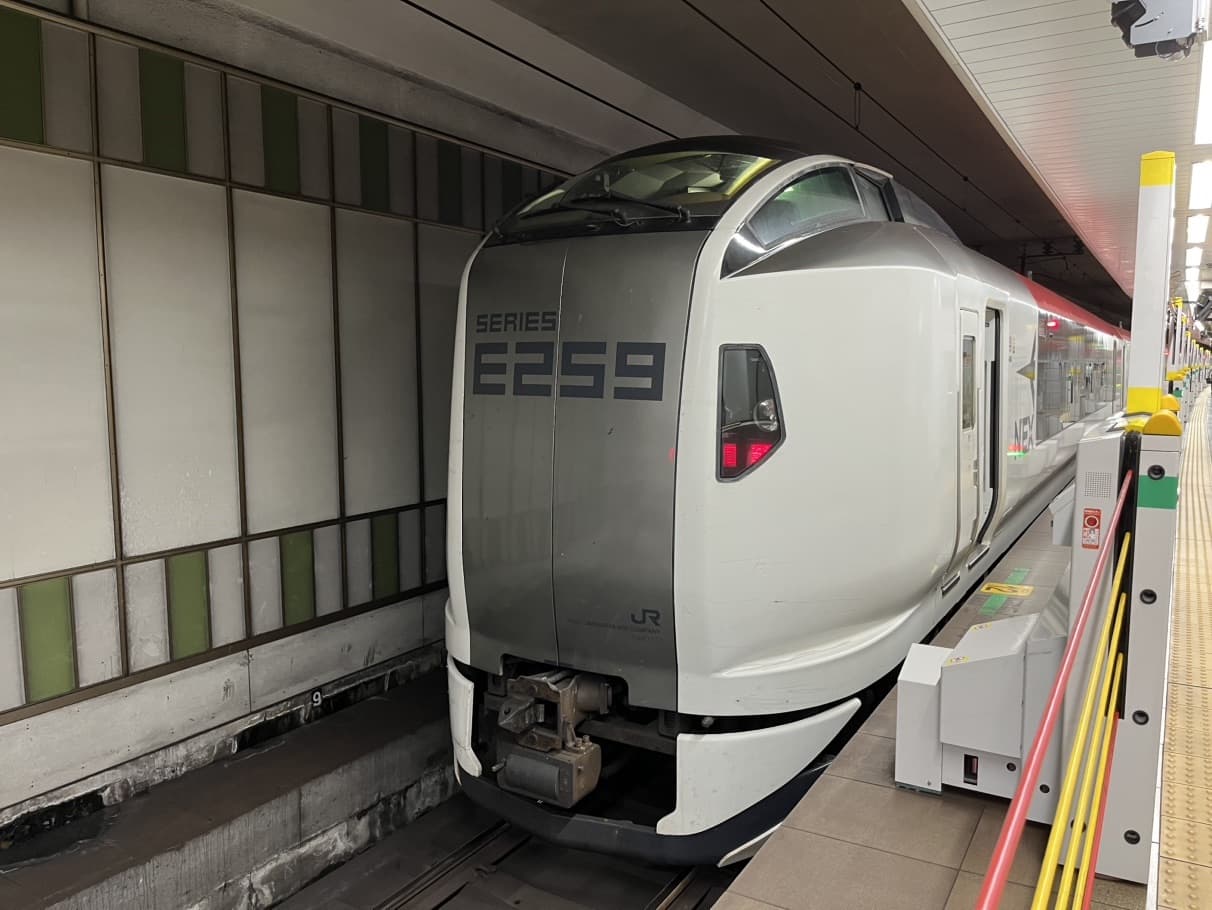
Narita vs Haneda (vs Kansai): Which Airport to Fly Into for Japan — Transfer Times, Costs & the New 2027 US Nonstops
15 min read
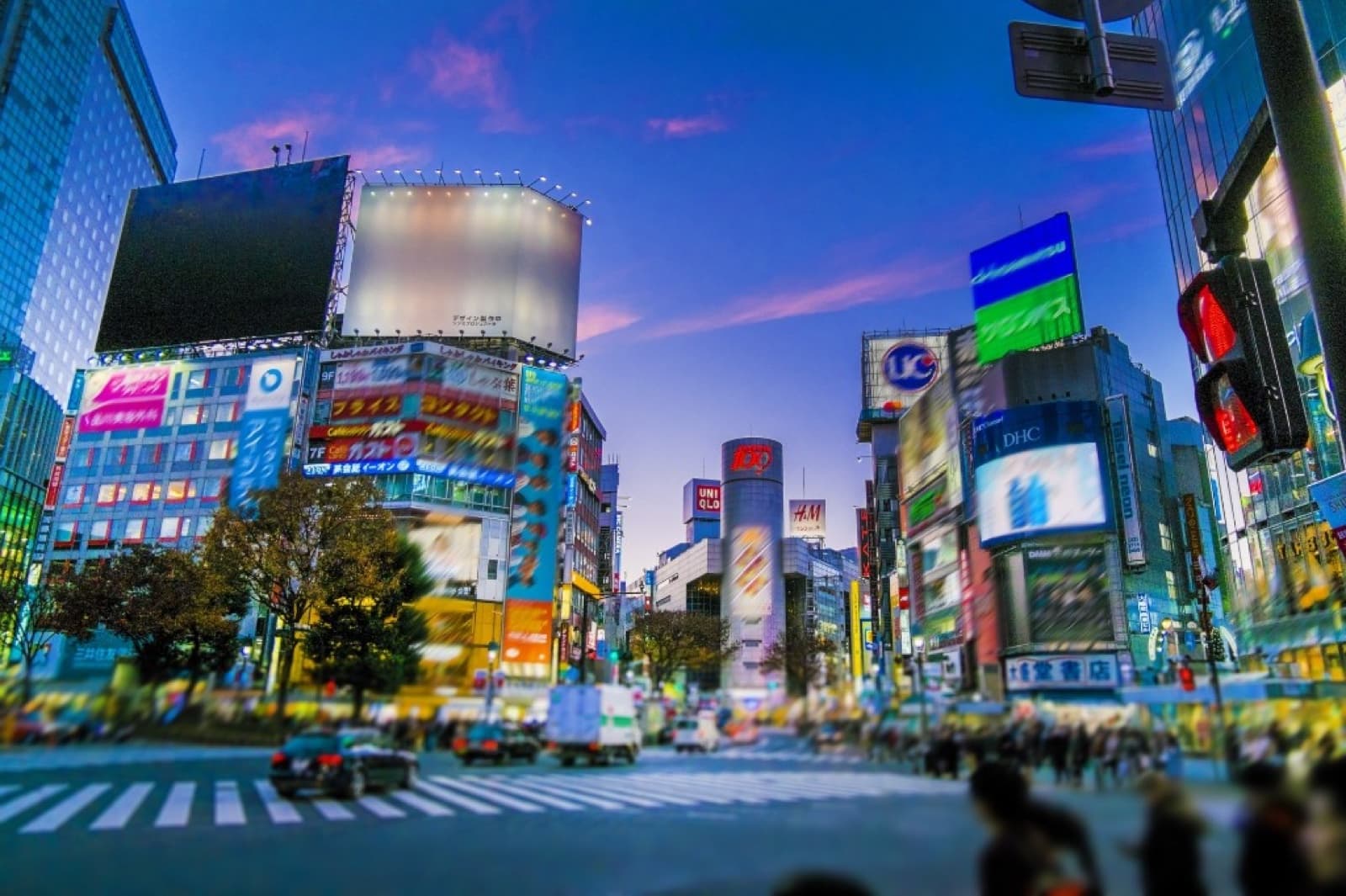
Where to Stay in Tokyo 2026: Best Areas & Neighborhoods by Traveler Type
16 min read
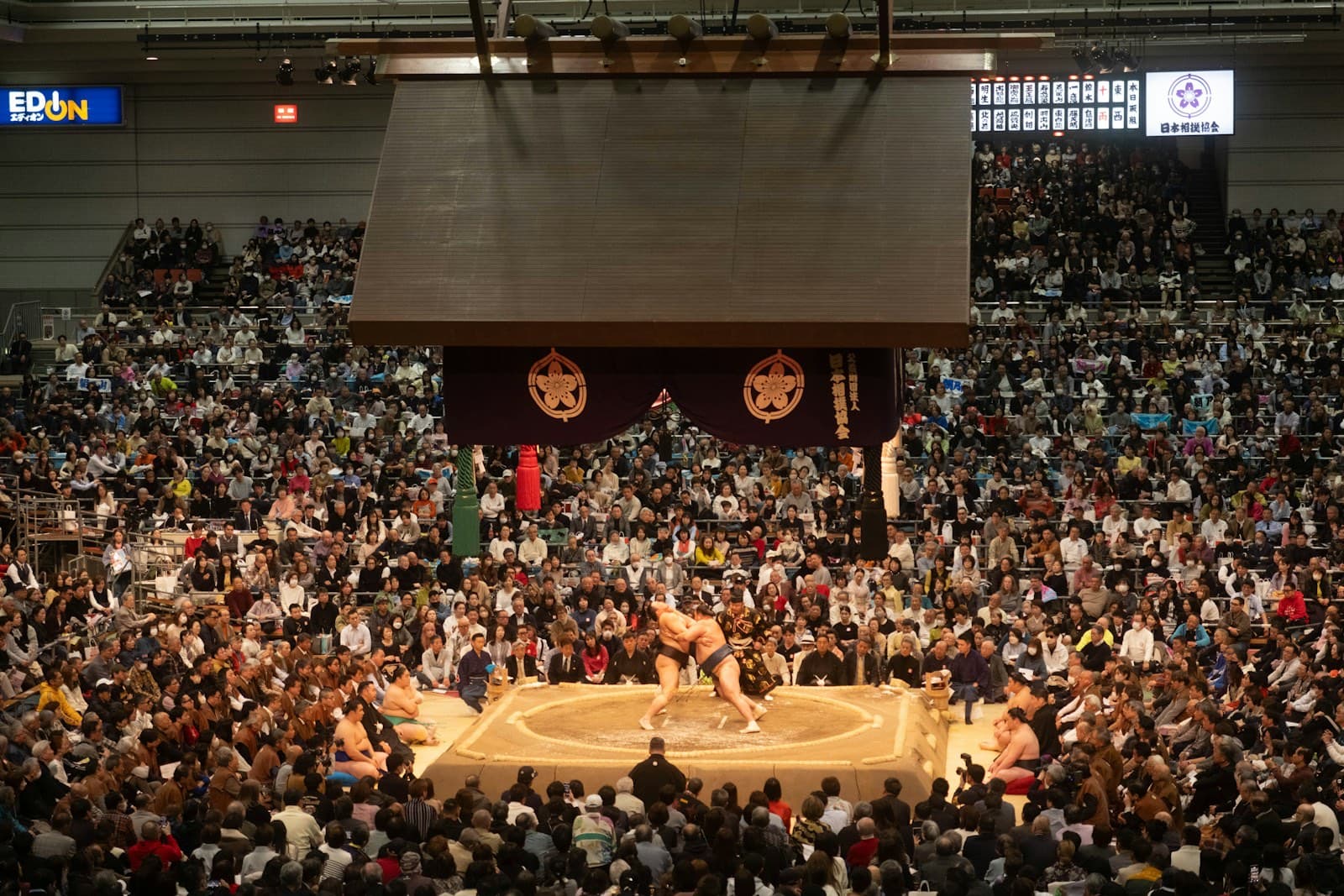
Grand Sumo Tokyo September 2026: The Result, and How to See the Next Tournament
13 min read
BluePlanet Travel Team
Japan Travel Experts