
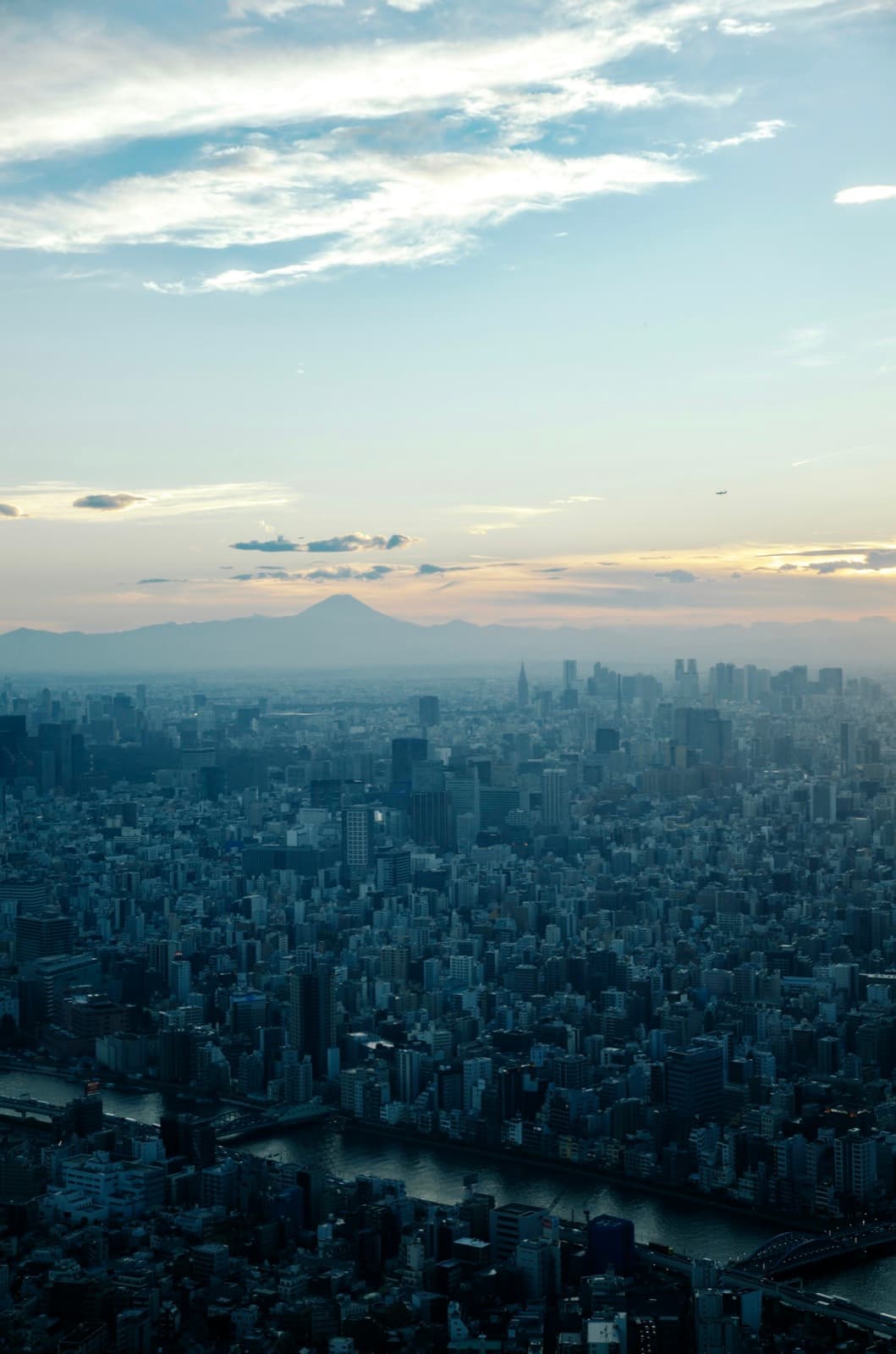
Best Time to Visit Tokyo 2026: Month-by-Month Weather & Crowds
Tokyo weather, crowd levels, hotel prices, and recommended activities for every month of 2026 — with cherry blossom dates, autumn foliage timing, rainy season windows, and the year's best-value travel months.
When is the best time to visit Tokyo 2026? The honest answer depends on what you want — cherry blossoms in early April, comfortable weather in May or October, or fewer tourists during the quieter winter months.
This guide breaks down Tokyo's weather, crowds, hotel prices, and recommended activities month by month, so you can choose travel dates that match your interests and budget. We cover average high and low temperatures, rainfall, sunny days, and what to expect at major attractions throughout the year. For the country-wide picture, see our best time to visit Japan 2026 guide.
Quick Answer: Best Time to Visit Tokyo 2026
For most travelers, the best time to visit Tokyo 2026 falls in two windows:
- Late March - early April — cherry blossoms, peak season, highest prices
- Mid-May - mid-June — best weather, fewer tourists, lower prices
- Late October - early December — autumn foliage, comfortable temperatures
For travelers prioritizing fewer tourists and lower hotel costs, January, February, and June (rainy season) all offer significant savings — at the cost of weather compromises.
Tokyo Weather Overview: Temperature Ranges and Sunny Days
Tokyo has four distinct seasons with sharp transitions between them. Spring and autumn are mild and pleasant; summer is hot and humid; winter is cold and dry, with abundant sunny days. The city averages over 1,800 hours of bright sunshine annually — more than London, Paris, or New York.
Rainy days are concentrated in June (rainy season) and September (peak typhoon season). The rest of the year sees relatively dry weather with most rain falling in short showers rather than long-period downpours.
Average High and Low Temperatures by Month
Here is a quick reference for Tokyo's monthly average high and low temperatures.
| Month | Avg High | Avg Low | Rain (mm) |
|---|---|---|---|
| January | 10°C | 1°C | 50 |
| February | 11°C | 2°C | 60 |
| March | 14°C | 4°C | 120 |
| April | 19°C | 9°C | 125 |
| May | 23°C | 14°C | 140 |
| June | 26°C | 18°C | 165 |
| July | 30°C | 22°C | 155 |
| August | 31°C | 24°C | 170 |
| September | 27°C | 21°C | 210 |
| October | 22°C | 16°C | 235 |
| November | 17°C | 9°C | 95 |
| December | 12°C | 3°C | 55 |
Month-by-Month Tokyo Guide
A practical breakdown of what to expect in each month of 2026.
January in Tokyo
January is Tokyo's coldest month but also one of its sunniest. Daytime temperatures hover around 10°C, with nighttime lows near freezing. Rain is rare; sunny days dominate.
This is the cheapest time to visit Tokyo. Hotels run 25-35% below baseline prices, attractions are uncrowded, and clear winter air offers spectacular Mount Fuji views. The Lunar New Year period (late January or early February) brings a brief crowd spike from Asian visitors.
February in Tokyo
February remains cold but begins to warm slightly. Plum blossoms appear in late February at temples and shrines across the city — a quieter, less famous predecessor to cherry blossoms.
Hotel prices stay low through most of February. Valentine's Day creates a small bump in restaurant bookings, but accommodation costs remain reasonable. See our Japan hotel prices 2026 guide for full breakdowns.
March in Tokyo
March brings rapidly changing weather. Early March is still chilly; late March marks the start of cherry blossom season, typically beginning around March 22-25 in 2026.
By the second half of March, hotel prices and crowds spike dramatically. Cherry blossom forecasts are issued in early February, after which booking demand surges.
April in Tokyo (Cherry Blossoms and Late April)
April hosts Tokyo's cherry blossom peak — typically March 28 to April 4 in 2026. Ueno Park, Yoyogi Park, the Imperial Palace moat, and Meguro River all glow with pink and white blooms.
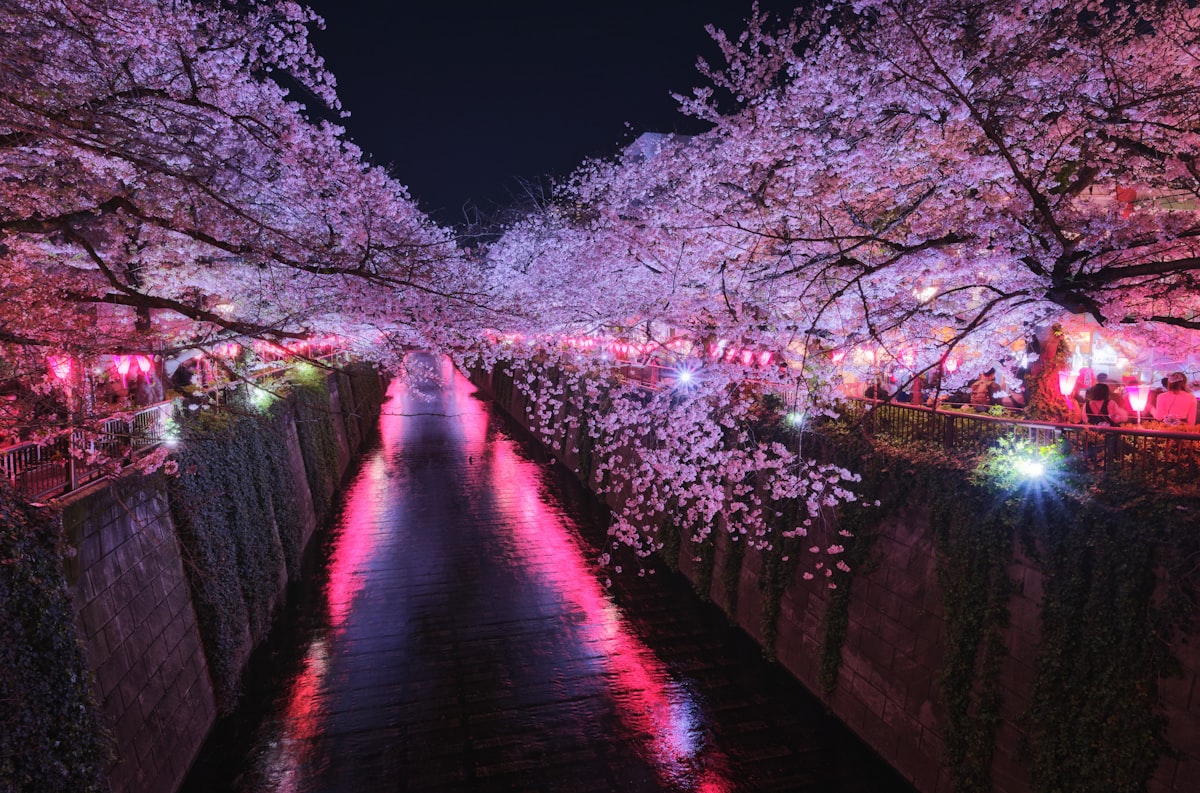
Late April brings warmer temperatures and the run-up to Golden Week. Hotel prices remain elevated through the entire month. Late cherry blossoms can still be found at higher elevations like Mount Takao and at northern Tokyo parks.
This is peak season — book accommodations 4-6 months ahead.
May in Tokyo
May is one of Tokyo's most pleasant months. Daytime temperatures climb to 23°C with low humidity, and the Golden Week holiday period (April 29 - May 6) gives way to a remarkable sweet spot in mid-May.
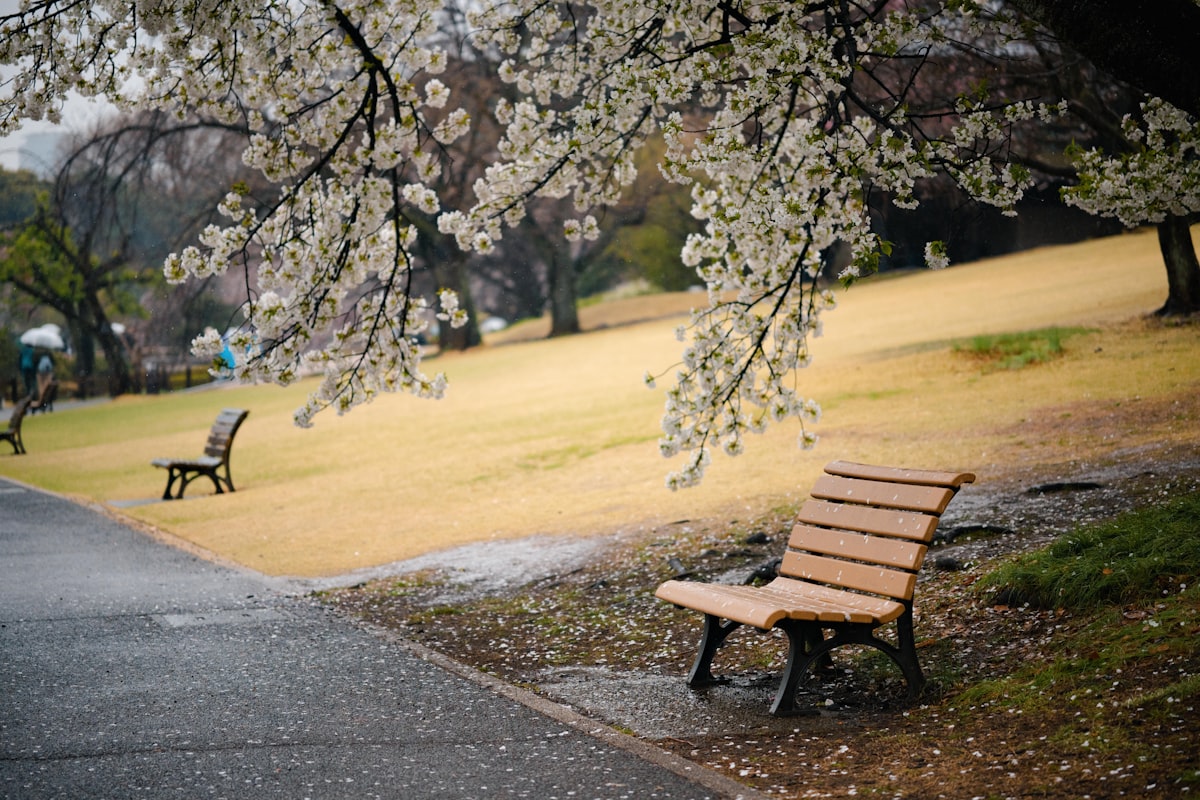
After Golden Week, hotel prices crash and tourist numbers drop sharply. Mid-May to mid-June is widely considered the year's best value window for combining good weather with reasonable prices. See our Japan in May 2026 guide for the post-Golden-Week sweet spot.
June Weather in Tokyo (Rainy Season)
June weather brings the rainy season (tsuyu) to Tokyo, typically beginning around June 7. Daytime temperatures sit at 26°C with high humidity. Rain falls on roughly 12-15 days during the month, mostly as short showers rather than all-day downpours.
Despite the rain, June offers significant advantages: hydrangeas in full bloom at parks and temples, fewer tourists, and the lowest hotel prices of any non-winter month. Travelers who do not mind occasional rain stops find June a particularly rewarding time to visit Tokyo. See our Japan in June 2026 guide and rainy season guide.
July in Tokyo
July starts in the rainy season but transitions to summer around July 19, when the rains stop and Tokyo's hot and humid summers begin in earnest.
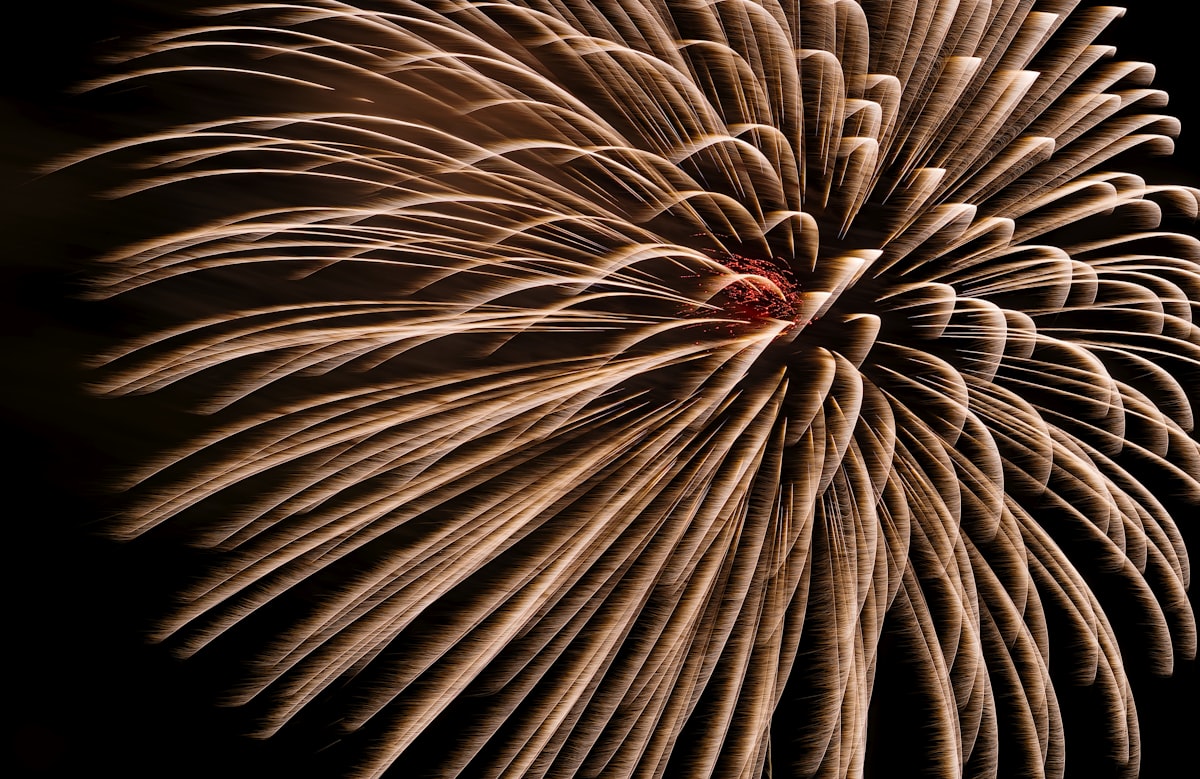
The Sumida River Fireworks (last Saturday of July) marks the unofficial start of festival season. Late July sees daytime temperatures hit 30°C with intense humidity. Major outdoor attractions remain open but become less pleasant during peak afternoon hours.
August in Tokyo (Summer Festivals)
August is Tokyo's hottest month, with average high temperatures of 31°C and humid summers that can feel closer to 38°C. The city hosts numerous summer festivals throughout the month, including local matsuri in nearly every neighborhood.
The Obon holiday (August 13-16, 2026) sees huge crowds and 30-50% hotel price spikes. Travelers can find regional alternatives by venturing to the Aomori Nebuta Matsuri or watching the Tenjin Matsuri in Osaka instead. See our Japan in August 2026 guide.
For travelers committed to August Tokyo, plan around heat — outdoor activities in the early morning or evening hours, indoor attractions during midday.
September in Tokyo
September is peak typhoon season and one of the two wettest months (about 225mm on average; October is marginally wetter at 235mm). Temperatures begin cooling, but humidity remains high through mid-month.
Despite the typhoon risk, September often has fewer tourists than August and lower hotel prices. Most years see only 1-2 typhoons directly affecting Tokyo, with the rest of the month delivering reasonable weather and pleasant temperatures.
October in Tokyo
October is one of Tokyo's most pleasant months. Daytime temperatures average 22°C with relatively low humidity. The first half of October sees lingering rain; the second half brings clearer, drier weather.
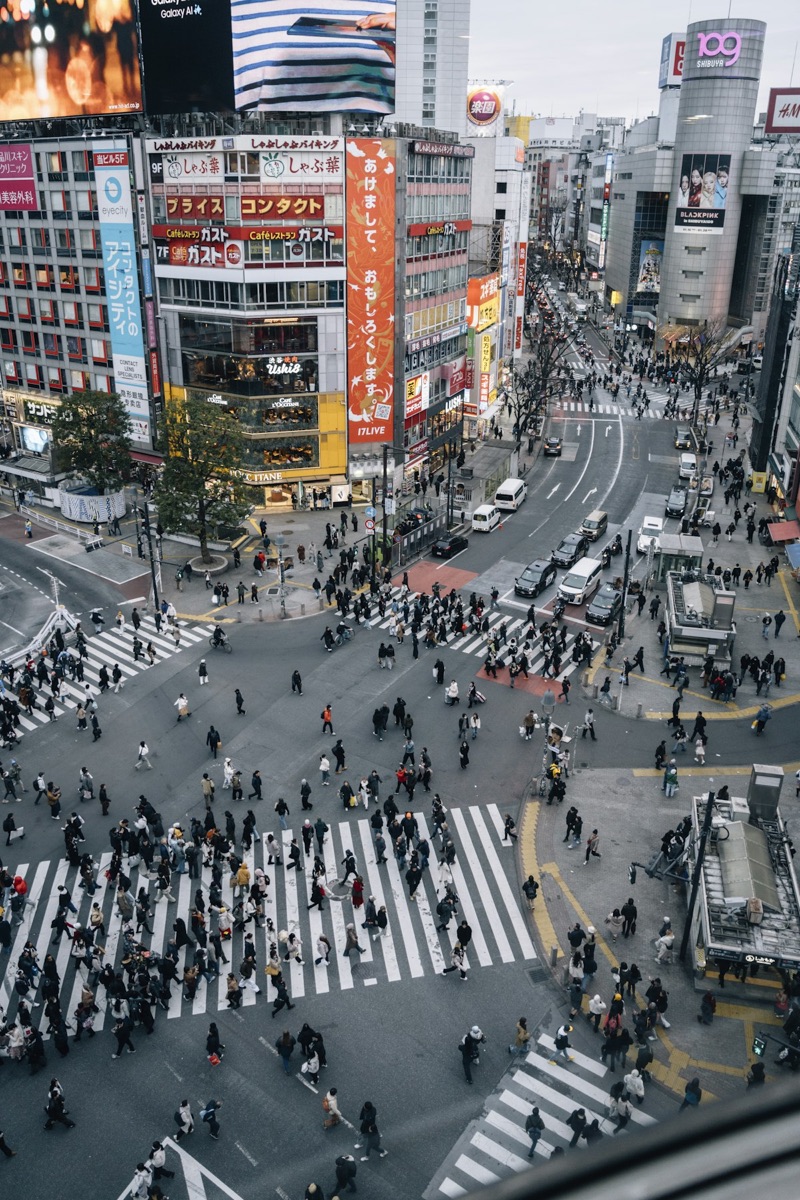
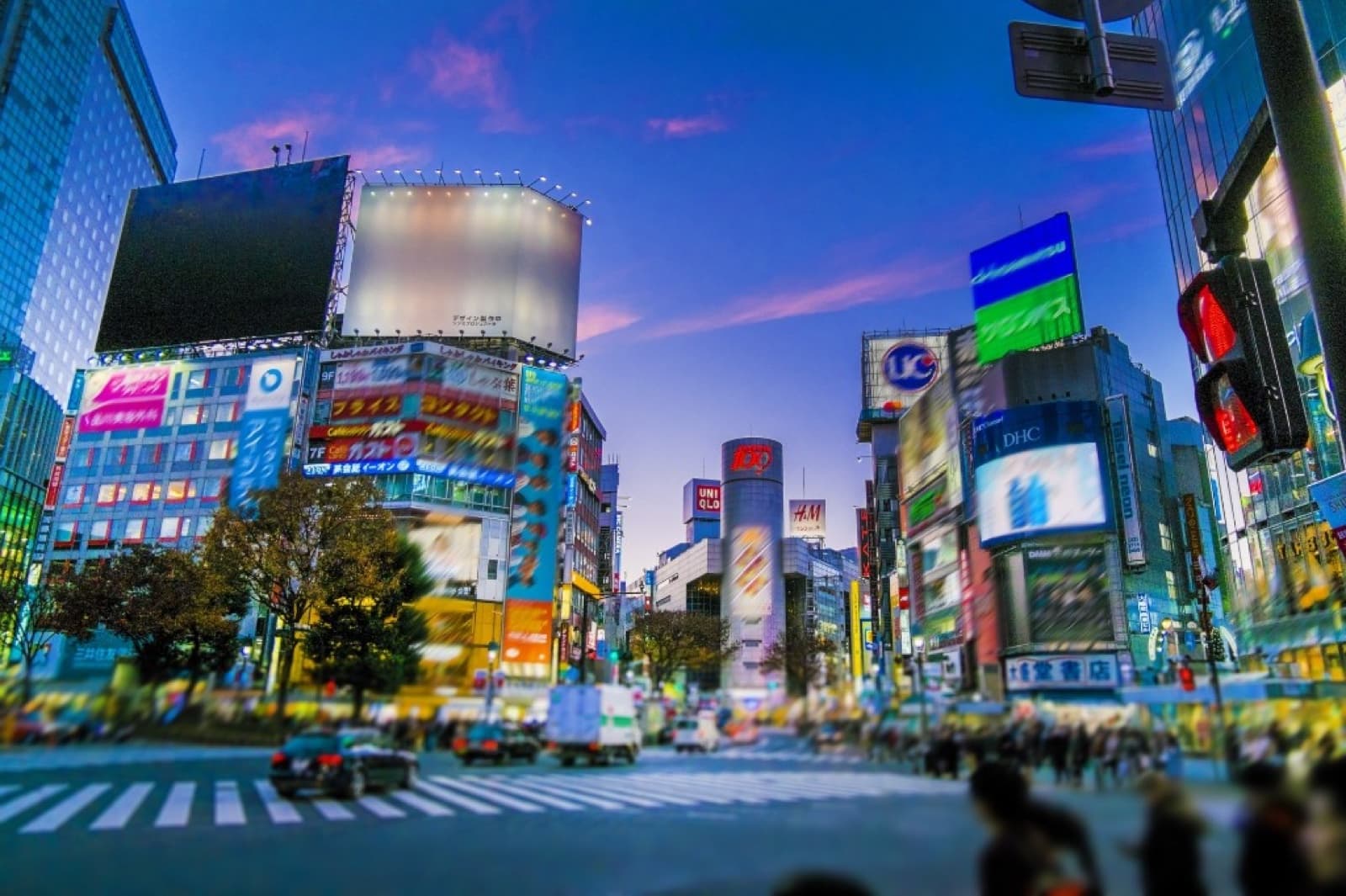
Crowds remain moderate. Halloween has become an increasingly popular event in Tokyo over recent years, with major celebrations at Shibuya. Mid-to-late October is widely considered one of the best times to visit Tokyo for travelers who want autumn weather without peak foliage prices.
November in Tokyo
November brings autumn foliage to Tokyo, peaking in late November through the first week of December. Ginkgo trees turn brilliant gold; maples turn red and orange. Yoyogi Park, Meiji Jingu Gaien (the famous ginkgo avenue), and Rikugien Garden are top spots.
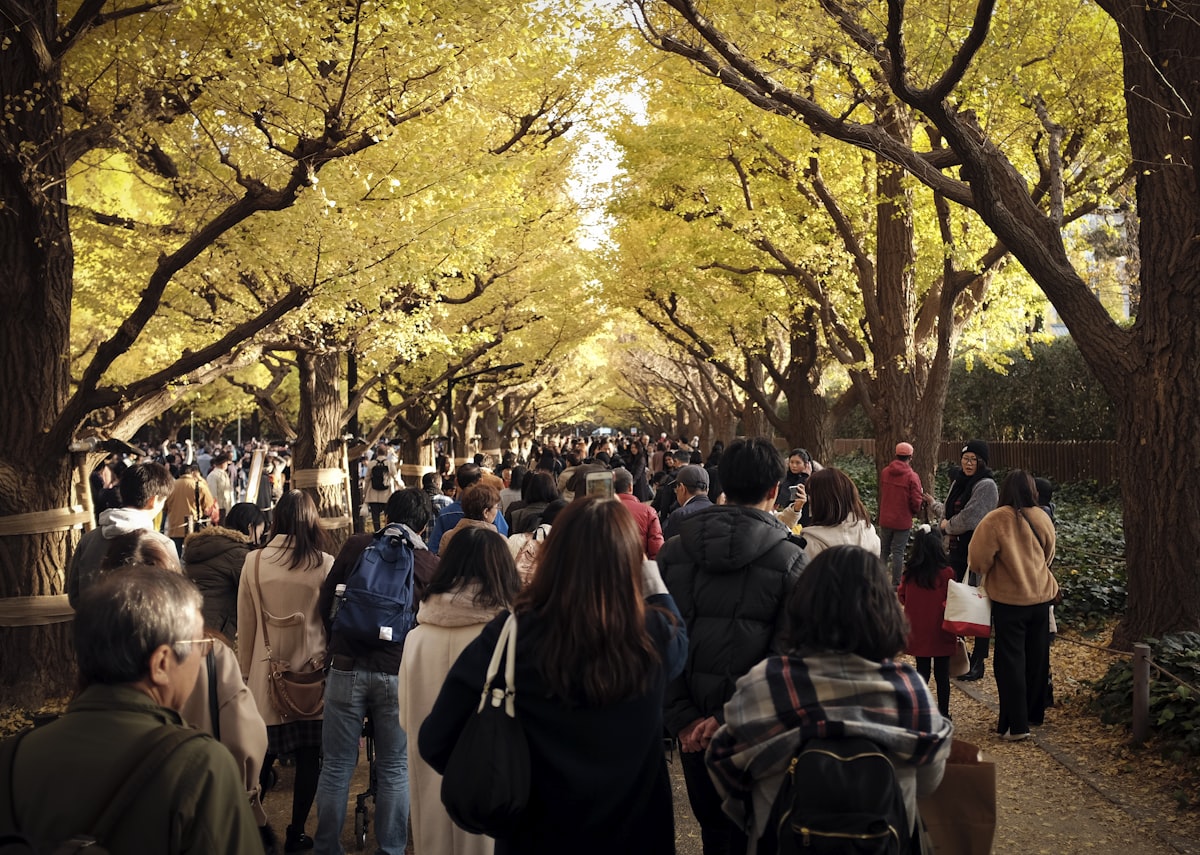
Hotel prices climb in the second half of November as autumn foliage demand peaks. Daytime temperatures average 17°C — comfortable for outdoor walking and traditional clothes photos. Many travelers visiting museums also schedule outdoor sightseeing this month thanks to mild conditions and very few rainy days.
Compared to Kyoto's autumn foliage crowds, Tokyo's autumn experience is significantly less crowded. While Kyoto temples can require hours of waiting in mid-November, Tokyo's parks and gardens stay manageable even during peak weekends.
December in Tokyo
December brings cold, dry weather and Tokyo's famous winter illuminations. Most major districts (Roppongi, Marunouchi, Shibuya) host elaborate light displays from late November through Christmas.
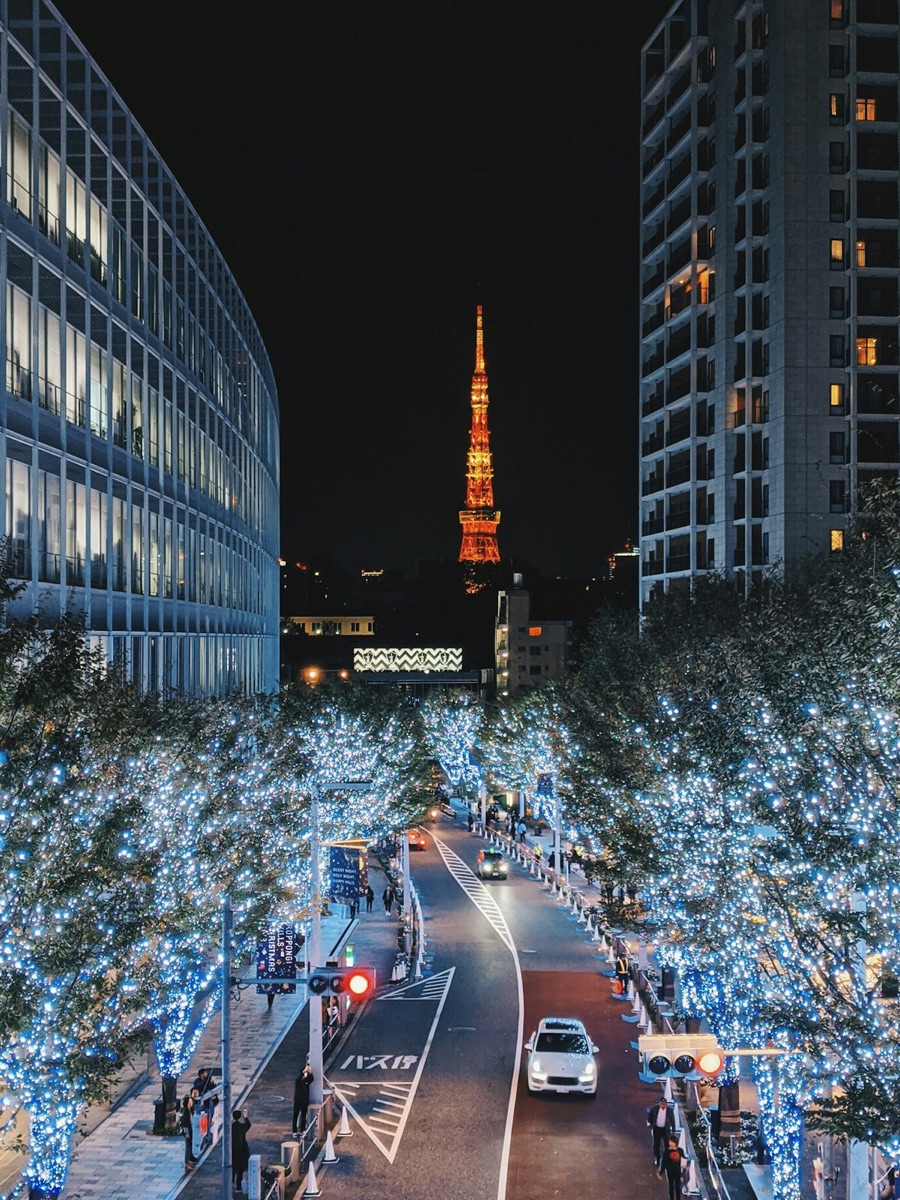
Early December is reasonably priced; late December sees Christmas and year-end premiums. New Year's (December 28 - January 3) brings huge crowds and elevated hotel prices, though the major shrines (Meiji Jingu, Senso-ji) deliver a uniquely Japanese cultural experience that many travelers prioritize.
Tokyo's Cherry Blossoms: When and Where
Tokyo's cherry blossoms peak in early spring, typically the last week of March through the first week of April. The Japan Meteorological Agency releases weather forecasts for cherry blossom timing starting in early February, after which booking demand surges sharply.
Top viewing spots include Ueno Park (the most famous), Shinjuku Gyoen (¥500 entry, fewer crowds), Chidorigafuchi (boat rides on the Imperial Palace moat), Meguro River (illuminated at night), and Yoyogi Park (relaxed atmosphere with Tokyo locals having hanami picnics).
The Ghibli Museum's surrounding Inokashira Park is another excellent option for travelers combining museum visits with cherry blossom viewing — typically less crowded than central Tokyo's headline spots.
For travelers who miss peak bloom, late cherry blossoms can be found at higher elevations like Mount Takao through mid-April. The blooms last about a week at peak, with another week of falling petals (hanafubuki) creating distinctive pink-snow scenes along rivers and paths.
Less Crowds: When to Find Fewer Tourists
For travelers wanting less crowds and fewer tourists, target these windows:
- Mid-January to mid-February — cheapest, coldest, sunniest
- Mid-May to mid-June — best weather among the off-peak windows
- Early September — pre-typhoon weeks
- Mid-November shoulder week — just before autumn foliage peak
These periods offer 30-40% savings on hotels and significantly shorter lines at major attractions. See our Japan daily budget 2026 guide for typical spending levels by season.
Peak Season vs Off-Peak Pricing
Tokyo's peak season runs cherry blossoms (late March through early April) and autumn foliage (mid-November through early December). Hotel prices during these windows can be 50-80% higher than baseline rates.
Golden Week (April 29 - May 6) and Obon (mid-August) bring shorter but sharper price spikes driven by domestic Japanese travel. Off-peak windows (January, February, June, September) offer the best value, especially for budget conscious travelers.
Tokyo Disneyland and Theme Parks: Best Times to Visit
Tokyo Disneyland and Tokyo DisneySea see their lowest crowds during weekday visits in January, February, and early June. Avoid weekends, school holidays, and the second half of December when domestic Japanese family travel peaks.
For Tokyo DisneySea specifically, early opening days (typically 8:00 AM during peak periods) offer the only time to ride popular attractions with short waits. Plan to arrive 45 minutes before opening on weekends.
The Ghibli Museum (in Mitaka) requires advance reservations regardless of season — book 2-3 months ahead through the museum's online ticketing system.
Hot Spring Day Trips from Tokyo
For travelers wanting hot spring (onsen) experiences, the best months are November through March. Cool weather makes outdoor onsen baths especially enjoyable, and recent years have seen many Tokyo-area onsen towns add winter illuminations and seasonal events.
Top day-trip onsen destinations from Tokyo include Hakone (90 minutes by Romance Car), Kusatsu (3 hours by bus), and the Japanese Alps area (2.5 hours by shinkansen). Hakone is the most popular for first-time visitors due to its proximity and convenient public transportation. For onsen etiquette and tips, see our onsen guide. For other day-trip ideas, see our day trips from Tokyo and Kamakura day trip guides.
Not sure which month works for you?
Tell us your interests (cherry blossoms, autumn foliage, festivals, low prices, etc.) and trip length — we will recommend the optimal week of 2026 to land in Tokyo and slot it into a self-guided itinerary.
Indoor Attractions vs Outdoor Attractions: Seasonal Considerations
Tokyo's indoor attractions — including museums, the Ghibli Museum, TeamLab Borderless, and traditional performances at Kabukiza — are world-class and provide refuge during bad weather months.
Plan indoor attractions during the rainy season (June), peak summer heat (July-August), and during heavy rain stops in September. Outdoor attractions like Ueno Park, the Imperial Palace gardens, and Tokyo Skytree's observation deck deliver their best experiences during spring, autumn, and clear winter days.
Final Thoughts: Choosing Your Tokyo Trip Dates
Tokyo sees over 35 million tourists annually, but the city's seasonal variation means the experience differs dramatically depending on when you visit.
For a first Tokyo trip with cherry blossoms, target the last week of March or first week of April — and book early. For a trip prioritizing comfortable weather and lower prices, target mid-May to mid-June or late October to mid-November. For maximum value, visit January, February, or June.
Whatever your travel plan, Tokyo delivers a different kind of magic in every season. The right time to visit Tokyo depends entirely on whether you are chasing cherry blossoms, autumn foliage, fewer tourists, summer festivals, or simply the best weather for outdoor sightseeing. Plan a full-week itinerary with our Tokyo itinerary guide.
Match your dates to your priorities, and Tokyo will reward the planning with one of the most memorable trips you will ever take.
Related Articles
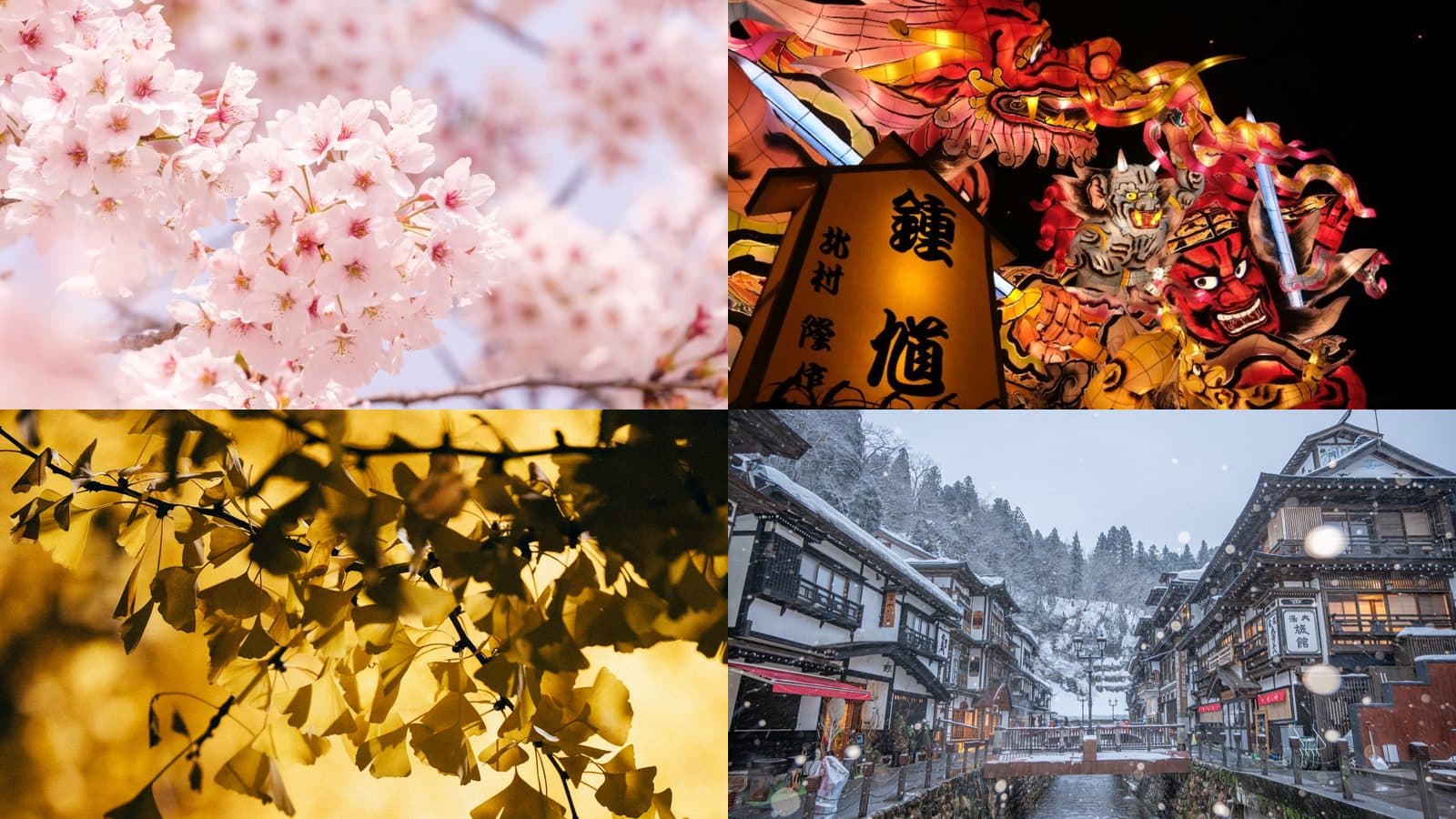
Seasons in Japan: What Season It Is Right Now, Month-by-Month Weather & the Best Time for Each Trip
16 min read
Where to Stay in Tokyo 2026: Best Areas & Neighborhoods by Traveler Type
16 min read
Tokyo Itinerary 2026: Best 3, 4, or 5 Day Tokyo Itinerary for First-Timers
30 min read