
Omoide Yokocho (Memory Lane) 2026: Hours, Prices & Best Yakitori Bars
Two narrow alleyways, 80 tiny restaurants, ¥100 yakitori skewers, and one of the best nights you'll have in Tokyo.
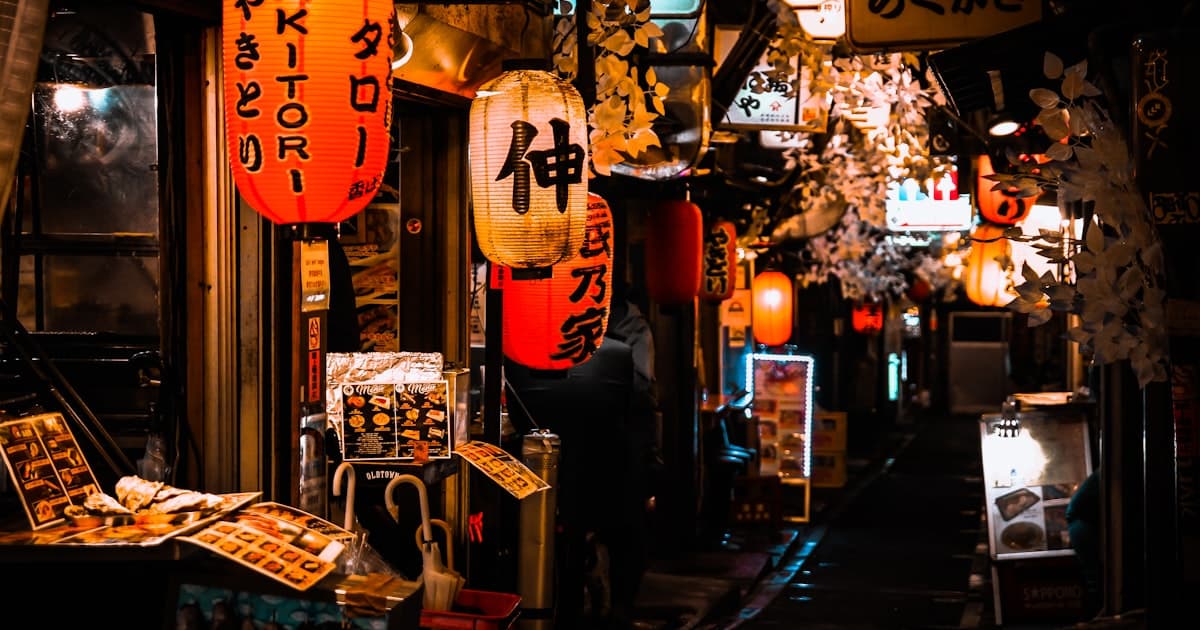
Omoide Yokocho is two narrow alleyways packed with about 80 tiny restaurants and izakayas, wedged between the JR train tracks and Shinjuku Station's west exit. The weathered wooden facades glow under red lanterns, charcoal grills send plumes into the air from open kitchens, and the guy next to you at the counter is close enough that your elbows touch. It is loud, cramped, unpretentious, and one of the best nights you'll have in Tokyo.
The name means "Memory Lane." Foreigners call it Piss Alley — a nickname from the postwar years when there were no public restrooms (there are now, at the east end). Neither name captures the nostalgic atmosphere: a maze of food stalls and izakayas that feels like 1960s Japan while the modern world towers overhead and JR trains rumble past every few minutes.
🏮 Quick Answer: Omoide Yokocho
~80 tiny yakitori bars crammed into two smoky alleyways next to Shinjuku Station. Skewers ¥100–200, full dinner with drinks ¥2,000–3,000. Best at 4–5:30pm (no wait) or 6–8pm (peak atmosphere). Cash only at most places.
📍 Location
Shinjuku west exit
🍢 Skewers
¥100–200 each
💴 Budget
¥2,000–3,000/person
⏱️ Time
60–90 min
Omoide Yokocho Quick Facts: Hours, Prices & Payment
| 🕐 Opening hours | Most bars open from late afternoon (around 4pm) and close by 11pm–midnight; a handful stay open until 1:00am. At lunchtime (11:30am–2pm) most shops are closed, with only a few ramen stalls open. |
| 📅 Days open | Most shops open Tuesday–Sunday. Monday is the most common closing day — check Google Maps for individual spots. |
| 💴 Budget per person | ¥2,000–3,000 for two drinks, five or six skewers (¥100–200 each), and one side. Some places add a ¥300–500 otoshi seating fee that comes with a small appetizer. |
| 💳 Cash or card? | Cash only at most places — bring ¥5,000 in small bills and coins. A few now accept card, but don't rely on it. |
Where Is Omoide Yokocho? Getting There from Shinjuku Station
This is the part every guide skips, and it's the part that matters most. Shinjuku Station has 200+ exits and handles 3.5 million people daily. Here's the exact route:
🗺️ Step-by-Step Directions
- Take the JR west exit
- Turn left after the gates, walk away from the Odakyu department store
- You'll see the elevated JR tracks ahead — the rail bridge locals call "the Guard"
- Don't walk under it. Turn left along the tracks
- Walk 30 seconds. A narrow gap between buildings appears on your right — no sign. You're there.
Google Maps tip: Search "Omoide Yokocho Entrance" — the default pin sometimes drops you at the back.
Luggage: Too narrow for suitcases. Use coin lockers in Shinjuku Station (¥400–800).
What's Inside: The Layout
Omoide Yokocho is simpler than it looks. Two parallel alleyways run north-south, connected by a handful of short cross-passages. The whole thing takes about 2 minutes to walk end to end. Don't worry about getting lost — you'll find your way out within a minute no matter which direction you wander.
Most of the roughly 80 establishments are yakitori joints and grilled meat stalls with open kitchens where you watch everything being prepared. The rest are ramen spots, motsu-nabe (offal hot pot) places, and izakayas serving sake and drinks. A few serve oden (fish cake and vegetable stew) — hearty comfort food perfect for colder weather. For the adventurous, a handful offer more exotic fare like frog sashimi or grilled organ meats.
Almost every spot is counter-seating only, with 4 to 8 stools. When it's busy, you'll share the counter with strangers — this communal dining is normal and part of the vibe. Some places charge a small seating fee (otoshi) of around ¥300–500, which comes with a small appetizer — this is standard practice at izakayas across Japan, not a scam.
Your clothes will smell like grilled meat afterward. This is not a warning — it's a promise.
What to Eat at Omoide Yokocho: Food & Prices
Omoide Yokocho's food is simple, affordable, and grilled in front of your face.
🍗 Yakitori (Chicken Skewers) — ¥100–200/stick
The staple. You'll be asked "tare or shio?" — sweet soy glaze or salt. Go with shio for your first round; it lets the flavor speak for itself.
🐷 Yakiton (Pork Offal Skewers) — ¥100–200/stick
Omoide Yokocho's real specialty — what the alley was originally famous for, and the reason word-of-mouth keeps drawing visitors.
🍺 Sides & Drinks
💴 Budget
Two drinks + five or six skewers + one side = ¥2,000–3,000 per person. A full dinner in central Shinjuku for under $20.
Omoide Yokocho Opening Hours & Best Time to Visit
Timing changes everything at Omoide Yokocho. Here's how the alley feels hour by hour:
Most shops closed. A few ramen stalls open. Good for photos of the empty alley in daylight, but not the real experience.
← The Sweet Spot
First wave of salarymen hasn't arrived. Choose your seat. The light transitions from afternoon to evening — first red lanterns switching on. This is when locals who know the place come.
Peak Atmosphere
Smoke billowing, every stool taken, conversations spilling out of every door, the night sky glowing orange. But popular spots will have a short wait, and the narrow streets get shoulder-to-shoulder.
The drinking crowd takes over. Louder, looser, more fun if you're in the mood. Fewer tourists, more Japanese regulars. The guy three stools down might buy you a sake.
Most places close by 11pm or midnight. A handful stay open until 1:00am.
Is Omoide Yokocho a Tourist Trap?
Omoide Yokocho is more famous internationally now than ten years ago. English menus are common. You'll see foreigners snapping pictures. But calling it a tourist trap is wrong:
Whether it feels touristy depends on timing. Friday at 8pm? Crowded with cameras. Tuesday at 5pm? Just tired office workers having skewers at bars that haven't changed in decades.
The History: From Black Market to Memory Lane (and "Piss Alley")
World War II had just ended. The rubble around Shinjuku Station's west side became an informal black market — vendors selling shoes, clothes, rice, vegetables, and grilled food wherever they could find land.
The market evolved into rows of tiny drinking establishments. The name "Omoide Yokocho" stuck around this time.
A fire destroyed roughly half the alley's north side. The shops were rebuilt quickly in the same cramped style. Look closely and you'll still see scorch marks — the disaster became part of the history rather than erasing it.
One of the last physical remnants of postwar Shinjuku. The rest of the district is skyscrapers and neon. This strip of smoke and red lanterns is what the whole area used to look like.
Tips for First-Time Visitors
📍 Nearby
Golden Gai (7-min walk) — another famous maze of tiny bars. Kabukicho (5 min) — Tokyo's wildest entertainment area. Tokyo Metropolitan Government Building (10 min) — free observation deck, 45th floor. For a similar old-Tokyo food vibe with more space, try Asakusa's Hoppy Street.
For more Tokyo street food spots, see our Japan Street Food Guide. And for planning your wider itinerary, check our Day Trips from Tokyo guide.
Building your Tokyo days around an evening here? Our Tokyo itinerary for first-timers shows how to slot Omoide Yokocho into a 3, 4, or 5-day plan, and our guide on where to stay in Tokyo covers whether Shinjuku is the right base for you.
FAQ
Do I need a reservation for Omoide Yokocho?
Can I visit Omoide Yokocho with kids?
Is Omoide Yokocho open every day?
How long should I spend at Omoide Yokocho?
Omoide Yokocho isn't a museum or an attraction. It's a functioning, lively collection of eateries that happens to be 80 years old and squeezed into a space the size of a parking lot. Go hungry, go early, sit at the counter, and let the sights and sounds do the rest.
Explore Tokyo with a Self-Guided Tour
Our tours include hand-picked Tokyo hotels, local food maps with spots like Omoide Yokocho, and all the logistics handled so you just show up and eat.
Last reviewed: June 2026.
Related: 14-Day Japan Itinerary | What to Do in Osaka | Japan Street Food Guide
Related Articles
BluePlanet Travel Team
Japan Travel Experts