Japan in January: A Practical Guide to Weather, Snow, and Self-Guided Travel
January is Japan at its coldest, clearest and quietest — peak powder in Niseko and Hakuba, the best Mount Fuji visibility of the year, onsen weather that finally makes sense, and low-season prices once the New Year week ends.
January is honestly one of the most underrated months to visit Japan. The country is cold, dry, and unusually quiet after the first week — which means clearer skies, cheaper flights, and shrines that feel more atmospheric than crowded. If you're the sort of traveler who plans your own route, this is a month that rewards you.
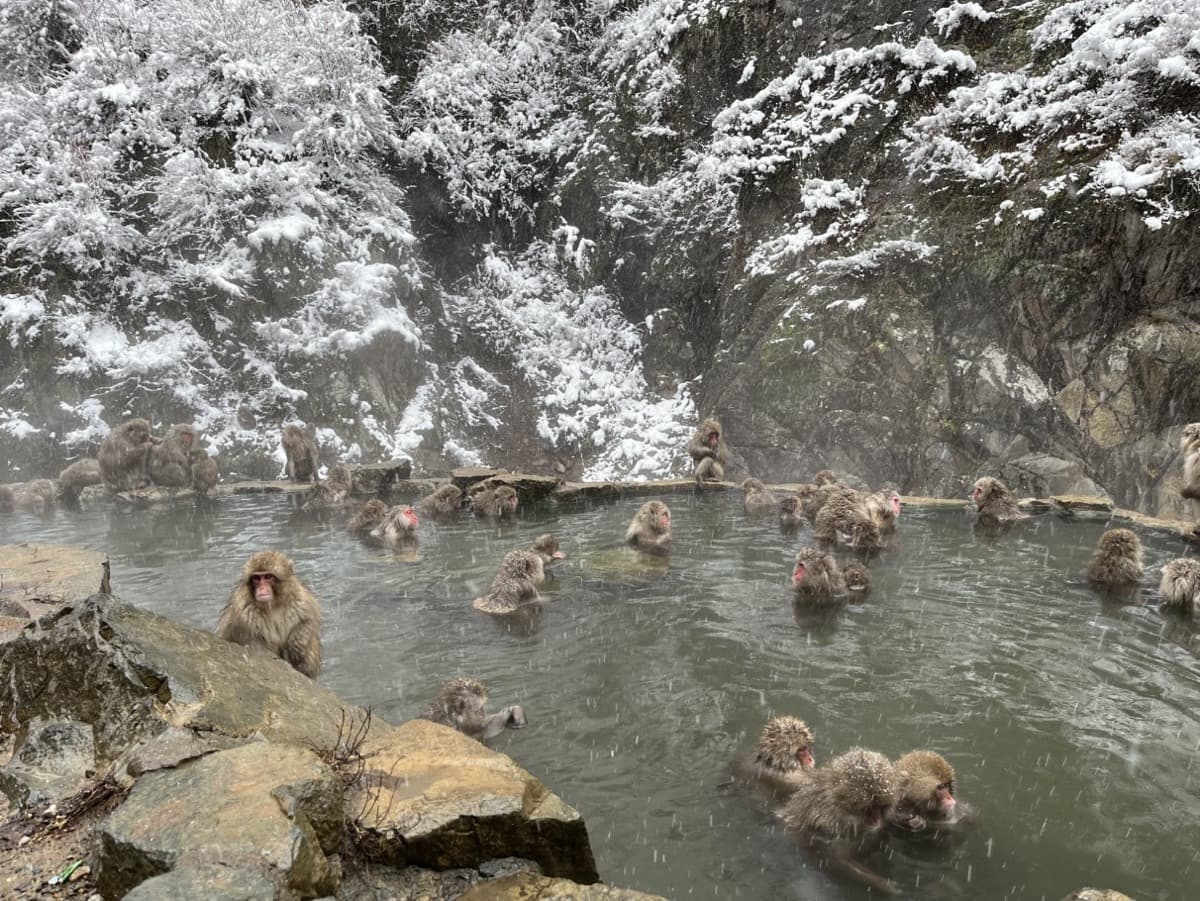
Here's the short version. Japan weather in January is cold, dry, and often sunny in the Pacific-side cities, while the Sea of Japan side and Hokkaido pile up serious snow. That contrast is the whole point of the month: you can watch snow monkeys in the morning, hit a ski resort by afternoon, or spend a week soaking in hot springs and never see the same landscape twice.
Below is a working guide — what to expect, where to go, what to book early, and how to build a self-guided itinerary that actually uses the month well.
This is the permanent guide to the month. For this year's confirmed dates, see Japan in January 2027.
❄️ Quick Answer: Japan in January
- Weather: the coldest and driest month. Roughly 2–10°C in Tokyo, −7 to −1°C in Hokkaido and 14–19°C in Okinawa, with only 52mm of rainfall nationwide and humidity around 45–55%.
- Mount Fuji: from the Tokyo Metropolitan Government Building, Fuji is visible on an average of 19 mornings in January and 18 in December, against about 2 a month in summer — the best odds of the year for a clear, snow-capped cone.
- Snow: peak powder in Niseko and Hakuba runs mid-January through late February, the window riders nickname "Japanuary."
- Crowds and prices: the New Year holiday runs roughly December 29 to January 3, with closures possible on one or more days between December 29 and January 4. From about January 4 onward, attractions reopen, trains empty out and hotel prices soften.
- Culture: hatsumode at the shrines in the first days of the month, and Coming of Age Day on Monday, January 11, 2027 — the second Monday of January.
Why January Japan Works for Independent Travelers
After the New Year holiday period wraps up (roughly January 4 onward), tourist attractions reopen, trains empty out a bit, and hotel prices soften across major cities. The weather is stable. You get long stretches of sunny days with almost no rainy days on the Pacific coast. And you can plan around it — winter in Japan is predictable in a way that summer months and typhoon season simply are not.
If your priority is powder, this is the peak ski season. If your priority is culture, temple visits in Kyoto in the snow are among the most striking winter scenes in the country. Both work.
Japan Weather in January: The Big Picture
Japan is long. Really long. So "japan weather in january" isn't one answer — it's a north-to-south spectrum.
Japan weather in January averages 2–10°C in Tokyo, −7 to −1°C in Hokkaido, and 14–19°C in Okinawa, making it the coldest month but also the driest with only 52mm rainfall nationwide. That's the headline. It's the coldest and driest month in most of the country, and rainfall totals are low almost everywhere except the Sea of Japan coast.
Humidity is low at around 45–55%, making the cold feel crisp rather than biting. That matters. A dry 5°C day in Tokyo feels far more comfortable than a damp 10°C day in London or Melbourne. Layers do the work.
| City | Average high | Average low | What it feels like |
|---|---|---|---|
| Tokyo | ~9–10°C (48–50°F) | ~2°C (36°F) | Cold, dry and often sunny; only 5–6 rainy days, with occasional light snow |
| Kyoto | Similar to Tokyo | A touch colder than Tokyo | Occasional light snowfall; temple grounds under snow are the winter photo of the trip |
| Osaka | Between Tokyo and Kyoto | Between Tokyo and Kyoto | Pacific-side dry cold; the sheltered, food-focused base for a cold week |
| Sapporo | −1°C (30°F) | −8°C (17°F) | Proper winter: consistent snowfall, snow cover that stays put December to March |
| Nagano (Hakuba) | Below freezing on the mountain | Well below freezing at night | Peak powder mid-January to late February, with full coverage over the dwarf bamboo |
| Naha (Okinawa) | ~19°C (66°F) | ~14°C (57°F) | Around 17–18°C on the coast — a genuine breather from the mainland's cold |
January Weather in Tokyo and Central Japan
Tokyo averages 48–50°F (9–10°C) during the day, and Kyoto sees similar winter temperatures (see our Tokyo in winter and Kyoto in winter guides). Northern regions like Hokkaido remain below freezing with consistent snowfall. Despite the cold, January is often sunny and dry in central Japan, making sightseeing surprisingly comfortable with proper layering.
Expect an average daily temperature range of roughly 2–10°C in Tokyo, with an average high near 9°C and an average low around 2°C. Kyoto is a touch colder at night. Osaka sits between the two.
January is one of Japan's driest months on the Pacific side (Tokyo, Osaka, Kyoto). Expect only 5–6 rainy days in Tokyo.
Unlike slightly warmer December, central Japan gets cold enough for occasional snow in January. Tokyo picks up occasional light snow a few times a season — usually just a dusting, sometimes enough to close a train line for a morning. Kyoto sees occasional light snowfall too, and if you're lucky enough to catch it settling on temple grounds, drop everything and go. It's magic.
Weather in January: Mount Fuji Views
One of the quiet perks of January weather.
January is the best month of the year for seeing Mount Fuji. The Tokyo Metropolitan Government, which checks from its headquarters at 9 a.m. every day, records Fuji as visible on an average of 19 mornings in January and 18 in December, against about 2 a month in June, July and August.
Book a Hakone day trip or a Kawaguchiko overnight and your odds of a proper Fuji photo are as good as they get all year. The Tokyo skyline also picks up cleaner sightlines on cold, dry mornings — the haze that softens summer views just isn't there.
Northern Japan: Hokkaido, Sapporo, and Heavy Snowfall
Head north and the story changes completely.
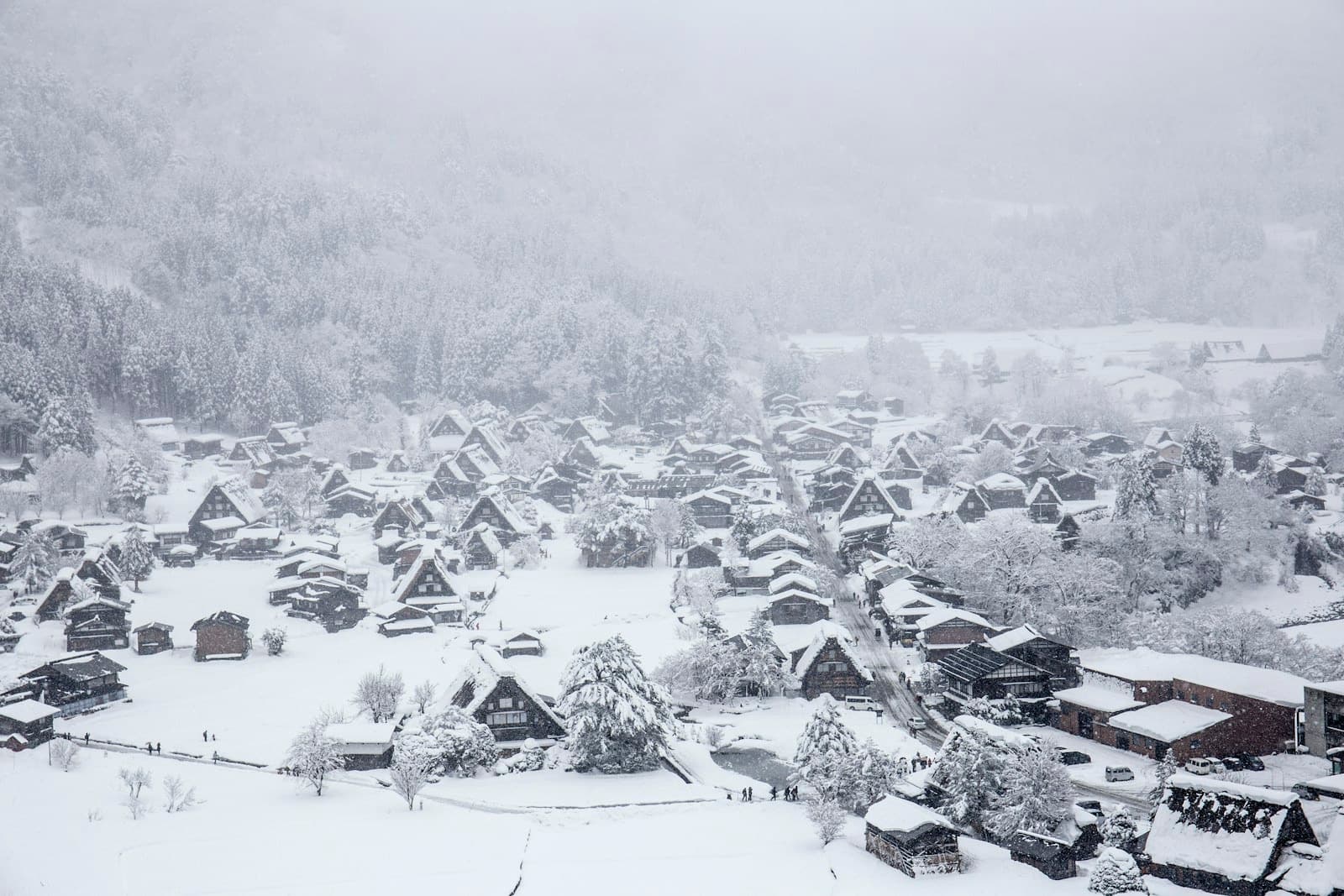
Sapporo experiences an average January high of 30°F (−1°C) and a low of 17°F (−8°C). Inland towns like Asahikawa are colder still. Hokkaido's Sapporo winters are proper winters — abundant snowfall, blowing wind off the Sea of Japan, and snow-covered landscapes that stay put from December to March. Our Hokkaido winter guide goes region by region.
In Hokkaido, it often snows, lightly or heavily, while the snow cover becomes thicker. For the northwestern coast of the Japan Sea, it snows more heavily than other regions in Honshu, as two-thirds of the time in January it snows.
If you want the postcard version of a Japanese winter — steam rising off an onsen, snow piled two metres deep, a red-crowned crane in eastern Hokkaido — this is where you go. Just plan for cold weather that means business.
The Japanese Alps and Peak Ski Season
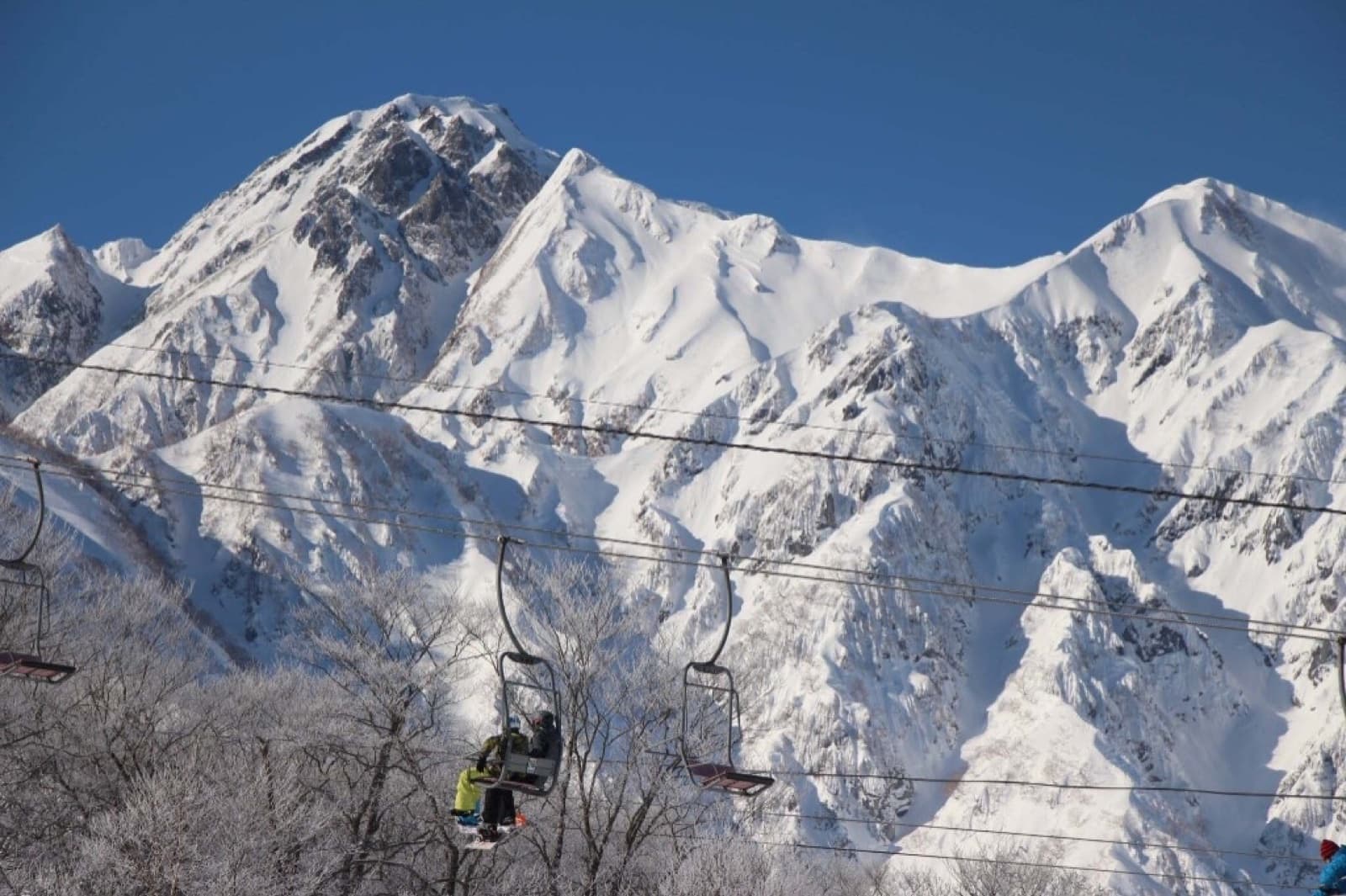
The Japanese Alps stretch through Nagano and neighbouring prefectures, and January is when they earn their reputation.
The ski season in Japan generally begins in December and lasts until April, but the actual dates depend on each resort and their location. Hokkaido, and the mountains of Nagano, located at higher altitudes, tend to get more snow earlier in the season than other places. The peak season is in January and February. The snow quality in Japan is excellent for winter sports — our Japan ski season guide tracks opening and closing dates resort by resort.
Peak powder in both Niseko and Hakuba runs mid-January through late February — the window international riders nickname "Japanuary," when cold temps and frequent dumps deliver the deepest, driest snow and full coverage over the dwarf bamboo.
If your trip revolves around winter sports, this is the window. Niseko in Hokkaido and Hakuba in the Japanese Alps are the two big anchors, but Nozawa Onsen, Furano, and Rusutsu are all excellent alternatives depending on what you want from a ski resort — village charm, quieter slopes, or bigger vertical.
| Region | Snow in January | Access from Tokyo | Who it suits |
|---|---|---|---|
| Niseko (Hokkaido) | Peak powder mid-January to late February; the deepest, driest snow in the country | Fly to New Chitose, then transfer by road | Riders who came for the powder and want an international resort village |
| Hakuba (Nagano) | Peak powder mid-January to late February, with full coverage over the dwarf bamboo | Hokuriku Shinkansen to Nagano, then bus | Bigger vertical and a valley of linked resorts; easiest to combine with a city route |
| Nozawa Onsen (Nagano) | Reliable mid-winter snow on a single big mountain | Hokuriku Shinkansen to Iiyama, then bus | Village charm — an onsen town you ski back into, free public baths included |
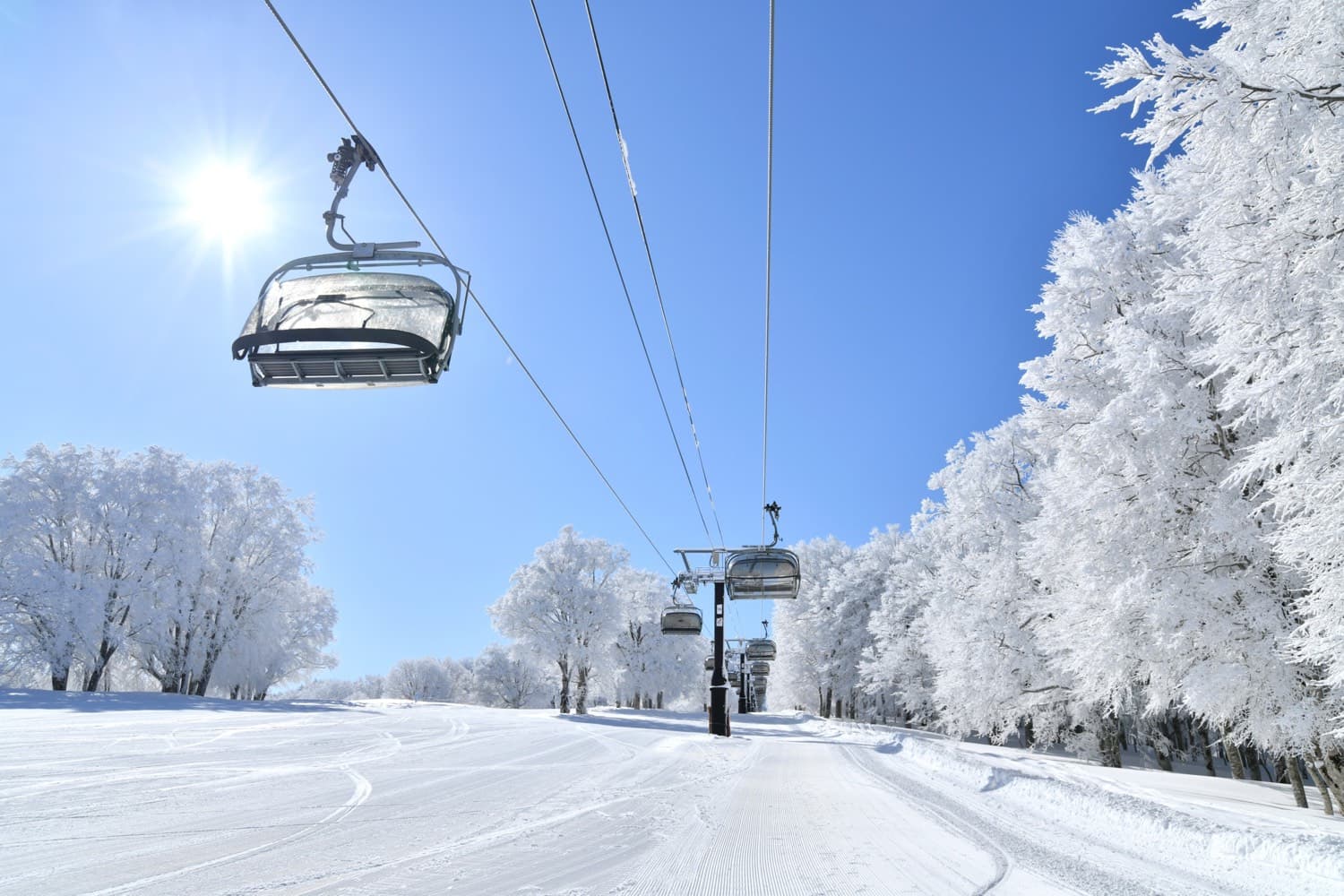
| Zao (Yamagata) | Frost-covered firs — the "snow monsters" (juhyo) that form in mid-winter | Yamagata Shinkansen to Yamagata, then bus | Quieter slopes plus Zao Onsen's sulphur baths at the base |
From our Japan travel team: A lot of people who come to Japan in January come for the snow. We know this country's regions well, which means we know where your odds of finding real snow in January are highest, and which places are worth your time in that particular month. If it is your first trip to Japan, or you are simply unsure where to start, do get in touch — we are happy to talk it through. Practically: lifts, rentals and the best rooms near the slopes fill up months ahead, especially mid-January to mid-February, and every self-guided tour we run comes with 24/7 support from our team in Japan if snow delays a train.
Hot Springs: The Best Reason to Visit Japan in January
Onsen culture and mid winter go together. Sitting in a rotenburo (outdoor bath) with snow falling around you is one of those things you don't fully understand until you've done it. The colder the air, the better it feels. If it's your first time in a public bath, our onsen etiquette guide covers the rules in five minutes.
Good bases: Hakone (day trip from Tokyo, great Fuji views), Kusatsu (Gunma) and Nozawa Onsen (Nagano), Ginzan Onsen (Yamagata, striking winter scenes but hard to reach in snow), Noboribetsu (Hokkaido), and Kinosaki (Kansai). Most towns are small enough to walk between baths in a yukata, which is half the fun.
Coming of Age Day and Other January Highlights
January isn't just weather — there are real cultural events worth planning around.
Shogatsu and the New Year Holiday
The New Year holiday runs from roughly December 29 through January 3, and many attractions, shops, banks and ATMs close on one or more days between December 29 and January 4.
On January 1–3, a huge percentage of Japanese businesses are completely closed: most restaurants, small shops, many museums, department stores, traditional markets, and even some chain stores. Tokyo, Osaka, and Kyoto feel almost empty during the daytime on New Year's Day.
Some Japanese people head to their hometowns during this period, and big cities take on an unusually quiet feel. New Year celebrations centre on hatsumode — the year's first shrine visit. The customs, the food and the timing are all in our Japanese New Year guide.
Meiji Shrine attracts prayer-offerers the most — it's estimated that over three million people visit this shrine during the first three days of January. Expect long queues, food stalls selling amazake and yakitori, and a festive atmosphere that's genuinely worth experiencing at least once.
On January 2, department stores open for hatsuuri (first sales) and the Imperial Palace opens its inner grounds — one of only two days a year. If your dates line up, the Imperial Palace event is a rare one.
Coming of Age Day (Seijin no Hi)
Coming of Age Day (成人の日, Seijin no Hi) is a public holiday in Japan held annually on the second Monday of January under the Happy Monday System.
The next one is Monday, January 11, 2027. It brings young adults in furisode kimono and formal suits to city halls and shrines across the country. It's a lovely thing to stumble into — you don't need a ticket, just wander near a local municipal hall in the late morning.
Winter Illuminations and Winter Festivals
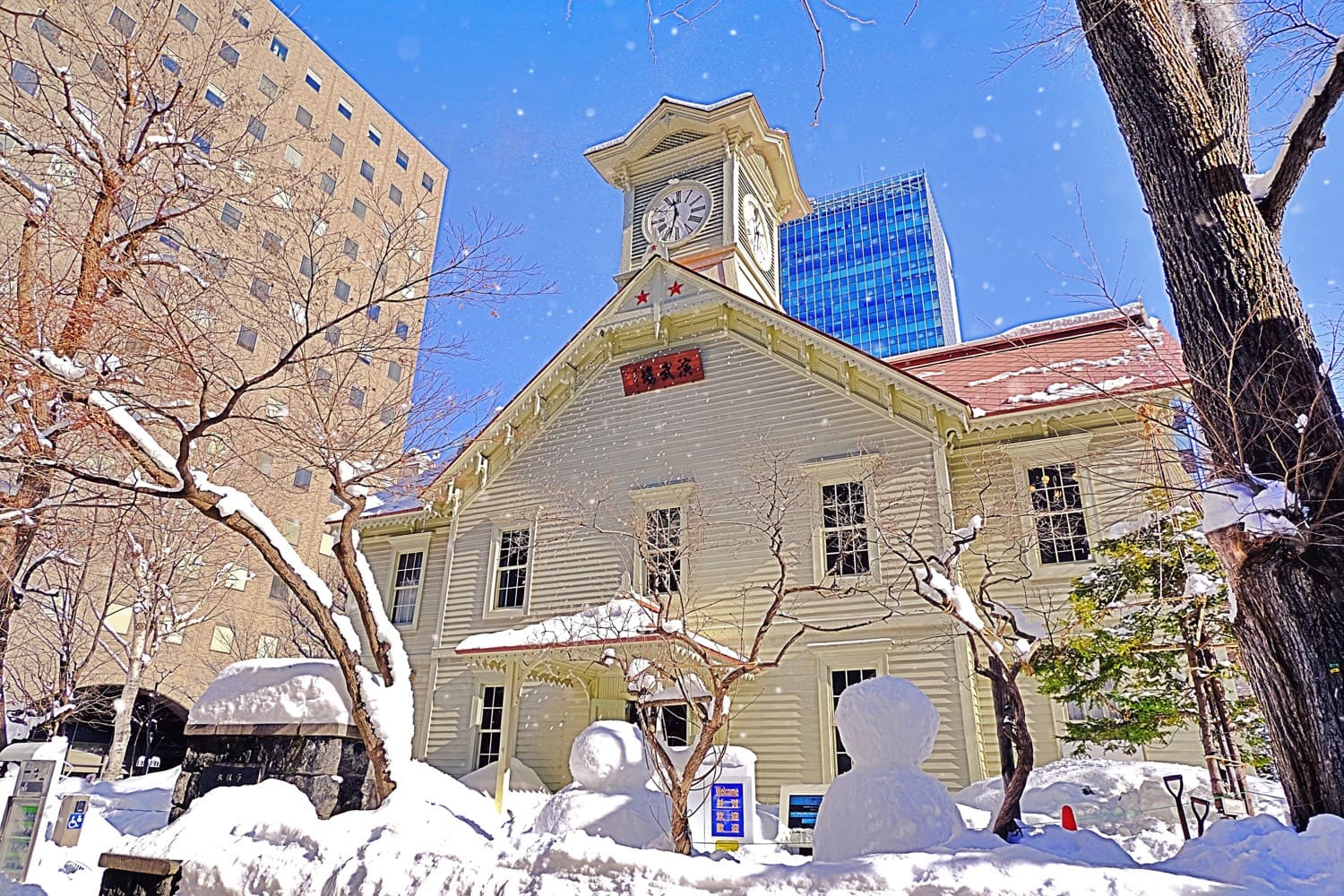
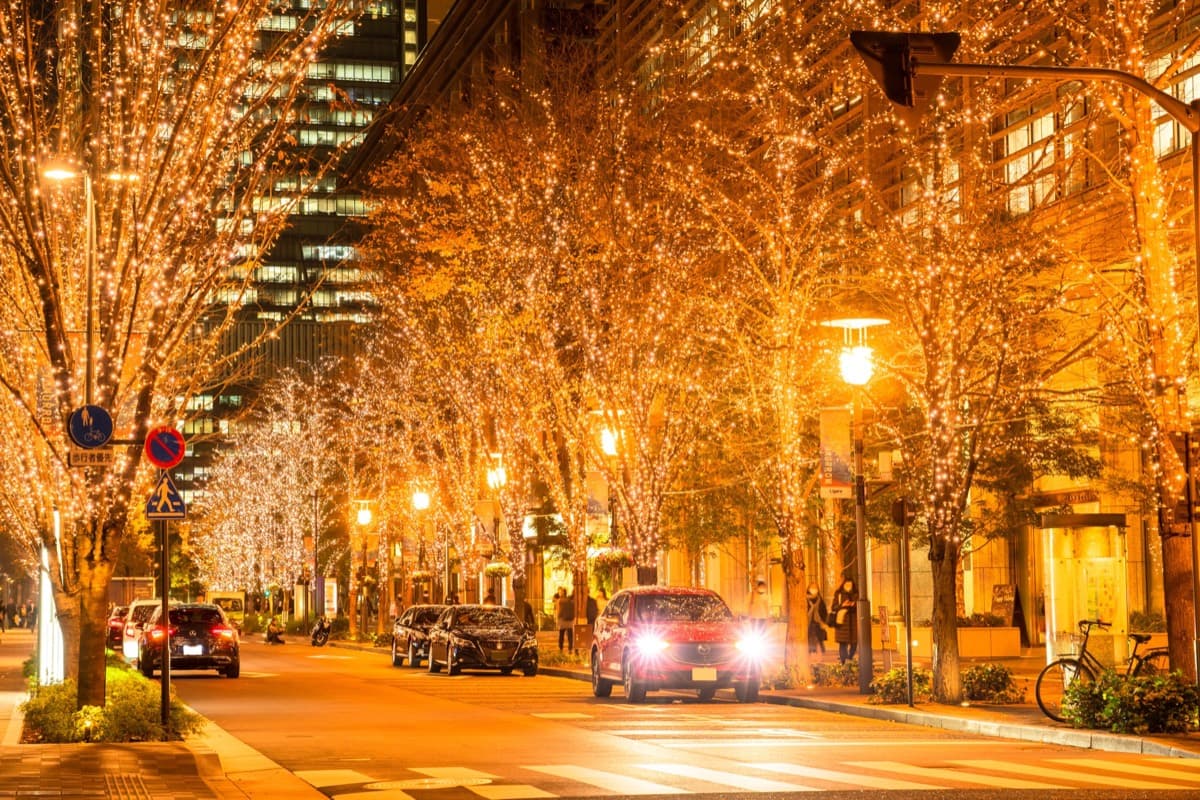
Winter illuminations from December often continue well into January in Tokyo and Osaka, especially in Roppongi, Shibuya, and around department stores in Umeda. They lend a romantic atmosphere to what are otherwise cold winter days. Sapporo's Snow Festival preparation begins in late January in Odori Park, with the main event running in early February — so a late January visit lets you watch the sculptures being built.
From our Japan travel team: Coming of Age Day only happens once a year and Shogatsu is genuinely once-a-year too, so if your visit lands in early January it's worth building the itinerary around them rather than treating them as background. A caution: expect Shinkansen and long-distance trains to be very full on January 2–4 as families return to the cities, so reserve seats the moment bookings open (JR opens reservations one month ahead). Just ask and we'll help you slot the right shrine, the right departure day, and a workable route into your plan.
Winter vs Other Seasons: A Quick Comparison
For context, if you're weighing January in Japan against other times to visit:
- Cherry blossom season / peak cherry blossom: late March to early April, warmer and much busier.
- Autumn foliage season: late November to mid-December in central Japan, mild and comfortable weather, moderate crowds.
- Rainy season (tsuyu): June, high humidity, many rainy days.
- Summer months: hot, humid, typhoons possible from August.
- Winter season (January–February): cold, dry, fewer crowds, peak powder.
January gives you more peaceful visits at temples and gardens, lower prices outside of ski towns, and clearer photos. It doesn't give you sakura. Pick your poison.
If February suits your dates better, the trade-offs are laid out in our Japan in February guide, and our guide to Japan's seasons compares the whole year side by side.
Price a January Trip Before You Ask for a Quote
The calculator below is the same one on our cost guide. Set the party, the length and the season, and use the button to turn the estimate into a real quote.
Japan Trip Cost Calculator (2026)
Set your trip below — the estimate updates instantly. Yen prices are converted at a rounded ¥150 to the dollar; the market rate is about ¥157 in September 2026, which makes yen costs a few percent cheaper than shown.
Intercity is priced as point-to-point tickets unless you add the pass — on the Tokyo–Kyoto–Osaka route the pass usually costs more than the tickets.
Estimated total
$4,530
$2,265/person · $453/day · 2 travelers, 10 days
Your trip settings and estimate will be copied into an editable inquiry. Add your travel dates to ask for a free quote.
This is a DIY planning estimate, not a package price. Our tours have set itineraries and include the hotels and transport listed on each tour page. International flights are extra; meals, sightseeing and room arrangements vary by route.
Building a Real Self-Guided Itinerary for January Japan
A workable 10–12 day route:
- Days 1–4 Tokyo. Meiji Shrine, teamLab, day trip to Hakone or Kamakura, winter illuminations in Roppongi.
- Days 5–6 Hakuba or Nozawa Onsen. Two ski days or one ski day plus onsen if you're not a skier.
- Days 7–9 Kyoto. Arashiyama bamboo grove in the early morning, Fushimi Inari before sunrise, temple grounds in Higashiyama.
- Days 10–12 Osaka + day trip to Nara or Himeji. Food-focused, sheltered from the worst of the cold.
Prefer more snow? Swap Kyoto for Sapporo and Otaru. Prefer warmer? Fly Osaka → Naha for a few days in southern Japan; Okinawa's coast sits around 17–18°C and is a genuine breather from the mainland's cold.
Practical Planning Notes
- Train tickets: Reserve Shinkansen seats as early as you can, especially around January 2–4 return traffic and the Coming of Age Day long weekend.
- Cash: Bank ATMs close during the New Year holiday season. Withdraw before December 28 if you're arriving late in the month.
- Clothes: Uniqlo Heattech, a proper down jacket, gloves, and grippy shoes for occasional snow. Hotels will lend umbrellas.
- Ski gear: Rent in resort. Book online 4–6 weeks ahead in peak weeks.
- Book the year ahead: For Niseko or Hakuba in mid-January to February, 9–12 months is not too early.
Common Mistakes to Avoid
- Landing on December 31 and expecting a "normal" Tokyo — you'll find quiet streets and closed restaurants.
- Trying to do a ski trip and Kyoto in five days. It's doable but exhausting.
- Underestimating cold in Hokkaido. −10°C with wind is not the same as −10°C in a Colorado ski town.
- Skipping shrine visits because of the crowds. Go early on January 2 or 3, or find a neighbourhood shrine — the atmosphere is the point.
- Booking a car in snow country without winter driving experience. Take the train.
Planning a trip to Japan in January? Get in touch through Plan My Trip on our self-guided tours site, and we’ll suggest the tours that best fit your dates and plans.
FAQ: Japan in January
Is January a good time to visit Japan?
Yes, especially after January 4. You get fewer crowds, sunny days, low humidity, excellent Mount Fuji visibility, and peak conditions for winter sports. Just pack warmly.
What is the coldest month in Japan?
January. January is the coldest month in Japan. As the midwinter, January turns to be colder markedly compared with December. With little difference in most places, the temperature in January is also a little lower, by an average of one degree Celsius, than in February.
Does it snow in Tokyo in January?
Occasionally. Expect occasional light snow a few times a month, rarely enough to disrupt travel but sometimes enough to close a rail line for a morning.
Is Japan cheaper in January?
Yes, outside of the ski regions and the Dec 29–Jan 3 window. Flights, hotels, and year sales all favour mid- to late-January travelers. Department store fukubukuro (lucky bags) drop on January 2 if you like a bargain.
When is Coming of Age Day?
The second Monday in January — so January 11 in 2027 and January 10 in 2028.
How late does the ski season run?
Most resorts open in early December and run through early April or later. Peak conditions are mid-January through late February.
Is late January or late February better?
Both are great. Late January gives you deeper snow and the start of Sapporo Snow Festival prep; late February brings slightly milder days and the beginning of plum blossoms in the south.
Plan Your January Trip Without the Admin
If you'd rather not stitch all of this together yourself — bookings, transfers, ski passes, the awkward New Year closures — that's what we do. You get the freedom of independent travel with the trains, hotels, and support already handled. Send us your dates and we'll help you build something worth the flight.
Photographs: frost-covered firs (juhyo) in the Tohoku highlands, and Japanese macaques bathing at Jigokudani in Nagano. Self Guide Japan image library.