Tokyo in Winter: December, January and February, Month by Month
What Tokyo is really like from December to February: the weather and how often it snows, the illuminations and Christmas markets, what closes over New Year, January sumo, February plum blossom, the best weeks to see Mount Fuji, winter day trips — and the 2026–27 dates.
Thinking about Tokyo in winter? Go. From December to February the city is cool, dry and sunny more often than not, the evenings are full of free light displays, and the crowds are far thinner than in cherry blossom season. On a clear morning you can see Mount Fuji from downtown.
There's one catch. The New Year holiday closes a surprising amount of the city for a few days, so your dates matter more than the weather. This guide goes month by month — December, January, February — with the weather from the Japan Meteorological Agency's climate normals, the 2026–27 dates that have been announced (checked on each organizer's site on October 4, 2026), and the ones that haven't yet.
Quick Answer: Tokyo in Winter
- Weather: highs of 10–12°C (50–54°F), lows of 1–4°C (34–39°F), and the sunniest months of the year. January is coldest.
- Snow: rare. Even in January and February, Tokyo averages less than one day a month with 1 cm or more of new snow.
- December: illuminations and the Tokyo Christmas Market (Shin-Toyosu from November 20, Shiba Park from December 4).
- January: New Year closures (roughly December 29 to January 3), then a quiet month; Grand Sumo January 10–24, 2027.
- February: plum blossom and Setsubun (February 3); the driest month of the year.
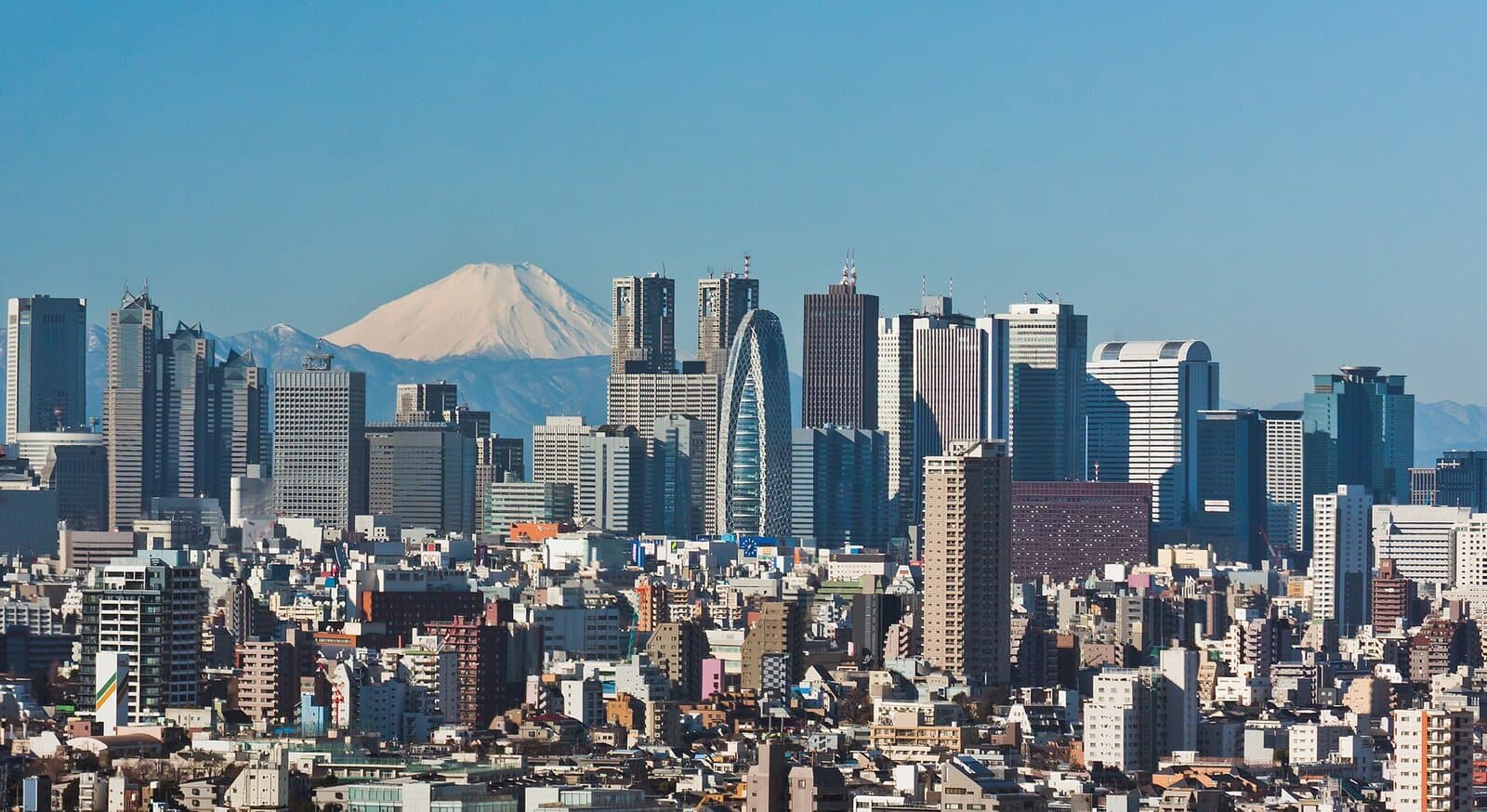
- Mount Fuji: visible from central Tokyo on about 19 mornings in January, against 2 a month in summer.
January high
9.8°C (49.6°F)
Sunshine
193 h in January
Sumo
Jan 10–24, 2027
Fuji views
~19 mornings in Jan
Tokyo Weather in Winter
These are the Japan Meteorological Agency's 30-year averages (1991–2020) for central Tokyo. Rain falls on about five days a month, and most days are bright: January has more sunshine than any month in summer.
| Month | Average high | Average low | Rain | Sunshine | Days with ≥1 cm new snow |
|---|---|---|---|---|---|
| December | 12.0°C (53.6°F) | 3.8°C (38.8°F) | 57.9 mm | 174 h | 0.1 |
| January | 9.8°C (49.6°F) | 1.2°C (34.2°F) | 59.7 mm | 193 h | 0.7 |
| February | 10.9°C (51.6°F) | 2.1°C (35.8°F) | 56.5 mm | 170 h | 0.8 |
Does it snow in Tokyo?
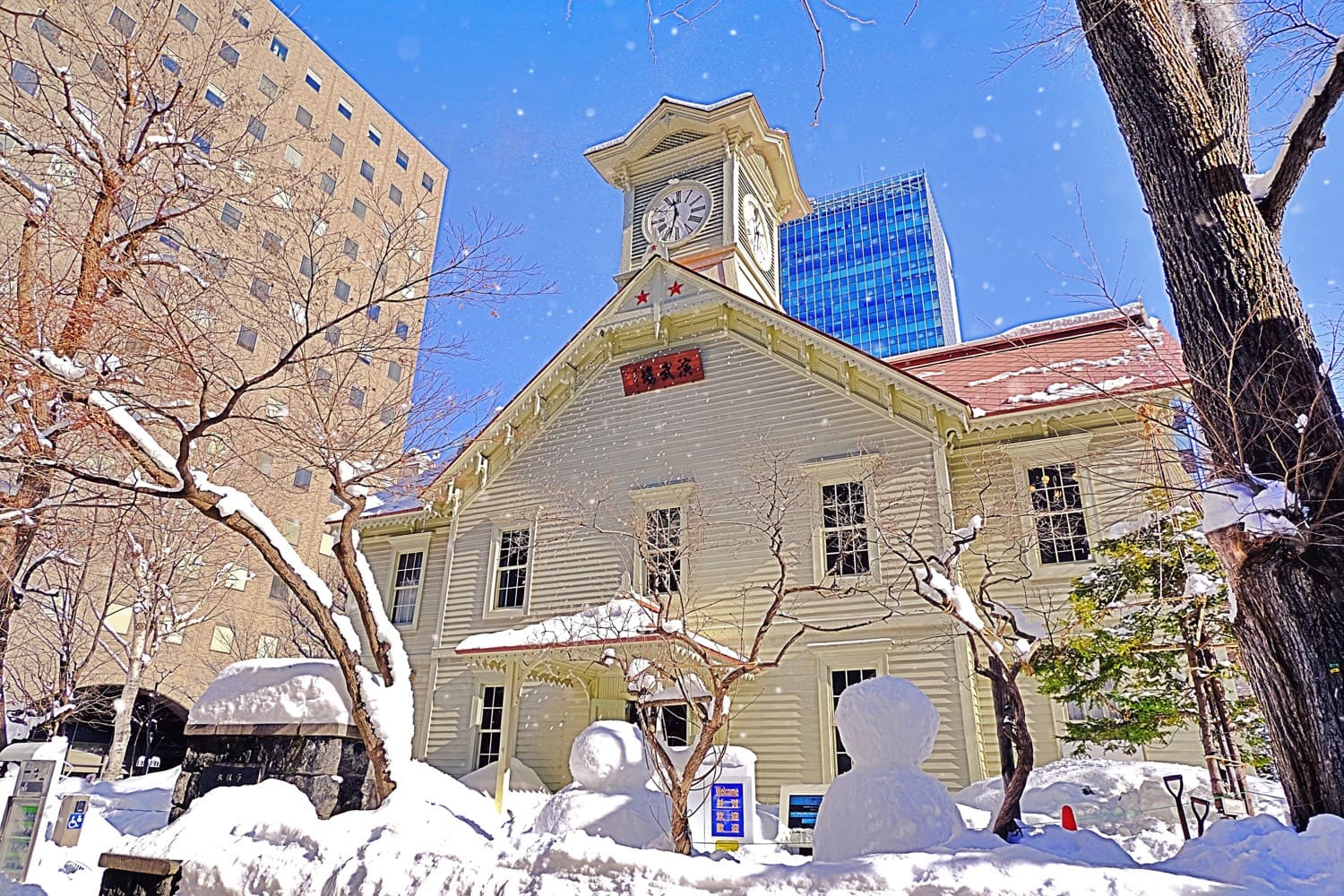
Rarely, and not for long. Snow is recorded on about 3 days in January and 3.5 in February, but most of that is flurries: on average there's less than one day a month with 1 cm or more of new snow, and the deepest snow in a normal winter is about 3 cm. Nights fall below freezing on around 8 days in January.
The catch is that Tokyo isn't built for snow. Even a few centimeters can delay trains and buses and make pavements slippery for a day or two, so leave slack in your plans if a snow day is forecast — especially before a flight.
Short days
The sun sets at about 4:30 p.m. in December (4:28 p.m. on December 7, 2026). By February 10 it's 5:17 p.m. Plan outdoor sightseeing for the morning and early afternoon and save the evenings for illuminations, food and onsen.
Is Winter a Good Time to Visit Tokyo?
For most travelers, yes. The weather is cold but bright and dry, the air is clear enough to see Fuji, and from mid-January to February the city is about as uncrowded as it gets. December is illumination season, and many of the displays are free.
The downsides are worth knowing up front: short days, cold evenings if you're standing outside, and the New Year holiday, when many museums, gardens and restaurants close for a few days and trains and hotels are filled with Japanese families traveling home. If you can choose, mid-January to late February is the sweet spot.
From our Japan travel team
The New Year holiday is one of the busiest travel periods in Japan, with many people heading home around December 29 to January 4. Hotels and trains fill up fast, so start planning early; our self-guided tours handle the bookings and support you through the trip. If your dates fall over the holidays, feel free to get in touch and we'll help you work out the timing.
Tokyo in December: Illuminations and Christmas Markets
December is the mildest of the three months — average highs of 12°C (54°F) — and the busiest for things to do in the evening.
Winter illuminations
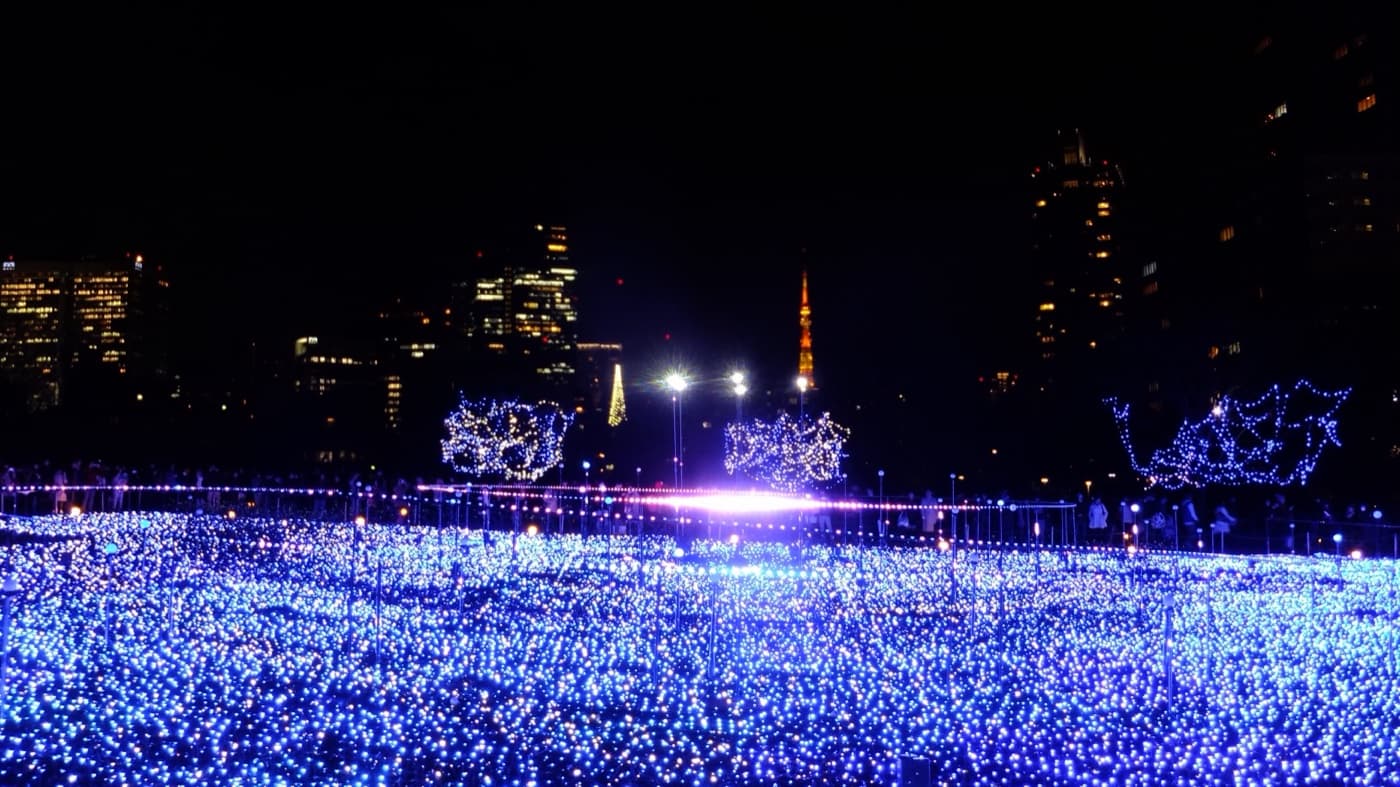
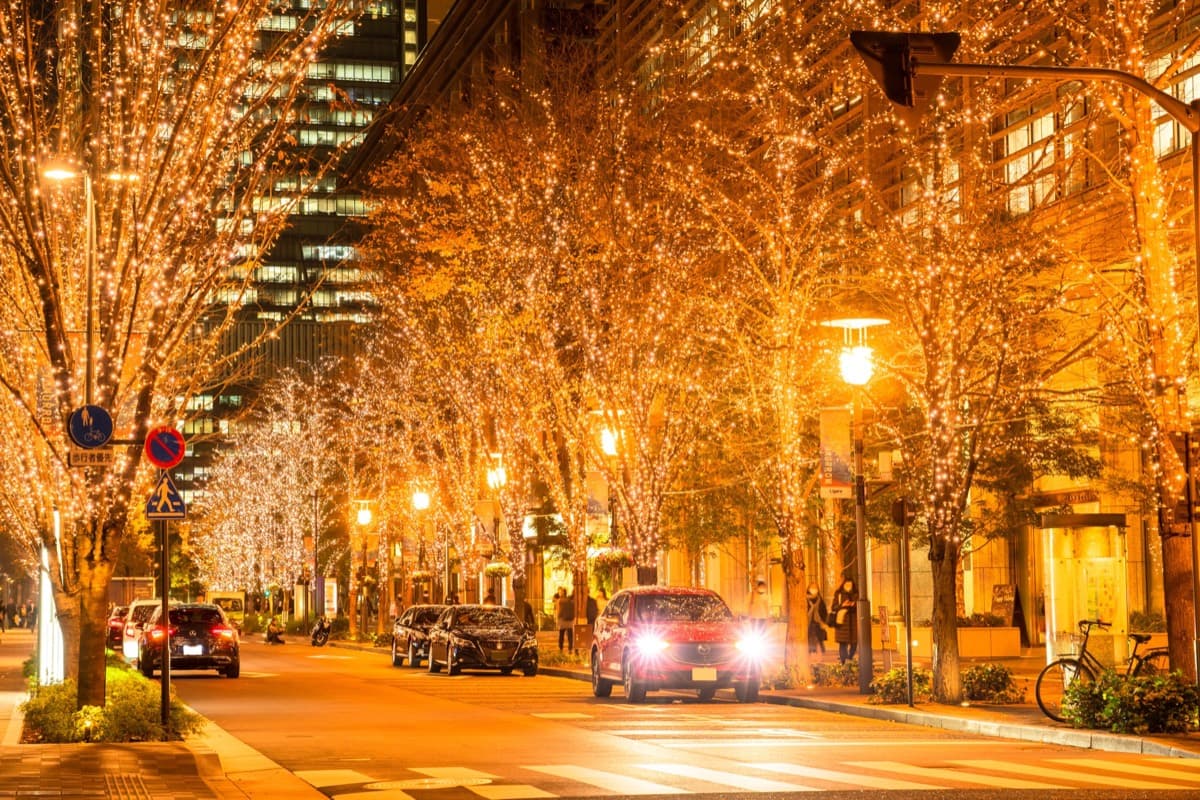
If you love winter lights, December is the month. Tokyo's winter illuminations are the season's big draw, there's plenty to see after dark, and the street displays are free. Most hadn't published 2026 dates in early October, so here's last season's pattern:
- Roppongi Hills, Keyakizaka-dori: November 4 to December 25 last year, 17:00–23:00, then a separate winter illumination from December 26 to February 22.
- Marunouchi: the champagne-gold street trees along Naka-dori, a few minutes from Tokyo Station, stayed lit from mid-November to mid-February last season.
- Yomiuriland Jewellumination: confirmed from October 29, 2026, with a new color theme; it charges admission.
- Tokyo Midtown: 2026 program not yet announced; note the whole complex closes from November 21 to 23, 2026 for construction work.
Our Japan winter illuminations guide is updated as each venue announces its dates.
Tokyo Christmas Market 2026
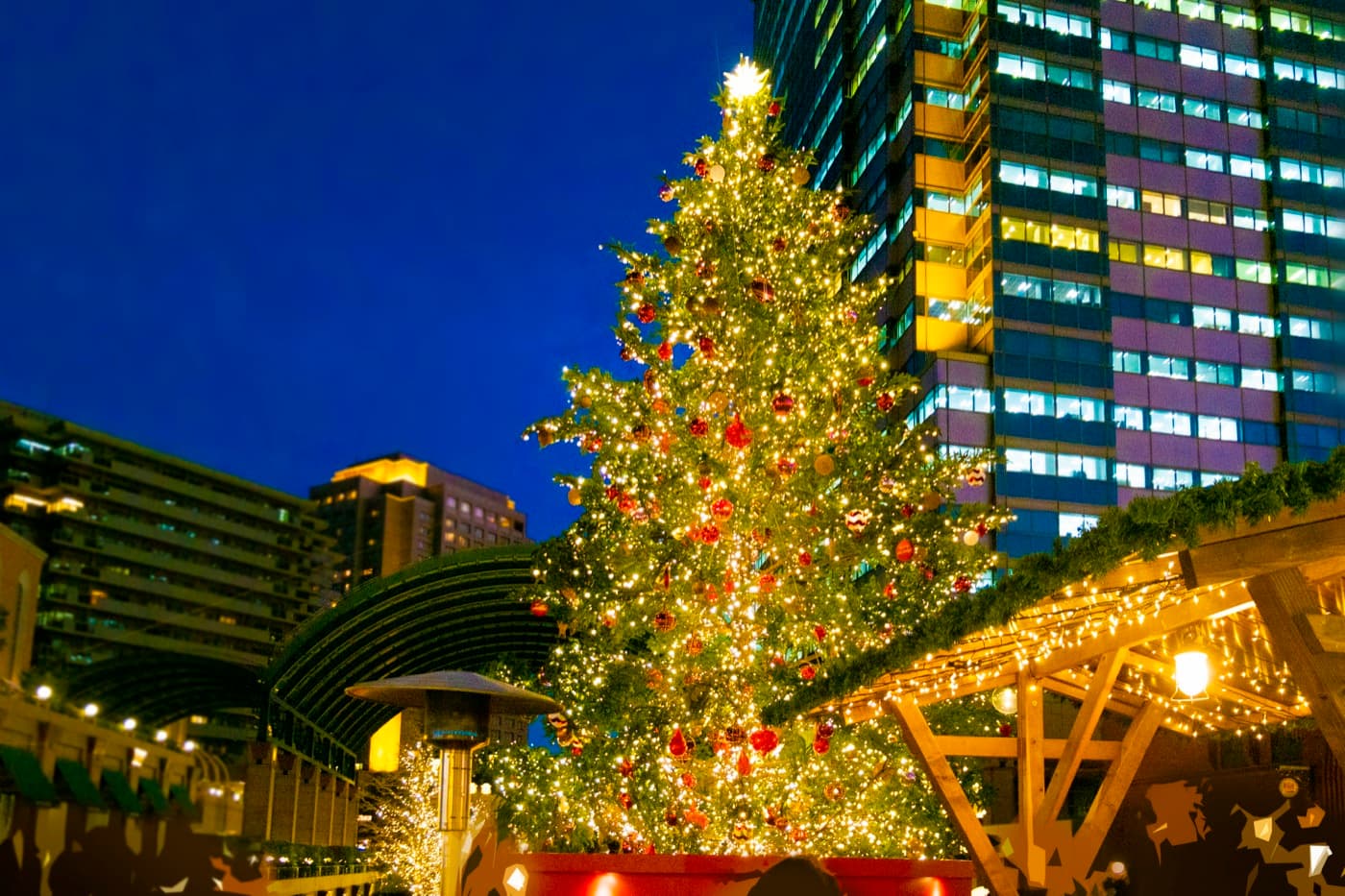
The German-style Tokyo Christmas Market, the season's biggest event, has moved this year: it runs at Shin-Toyosu from November 20 and Shiba Park from December 4, both to December 25. Entry is ¥1,000 for adults on weekdays and ¥1,500 at weekends, rising to ¥2,000 on December 24 and 25; advance tickets have been on sale since October 1. Venues, hours and how to get there are in our Tokyo Christmas Market 2026 guide. Christmas itself is a couples' evening in Japan rather than a family holiday, so shops and restaurants are open as usual.
The end of the year
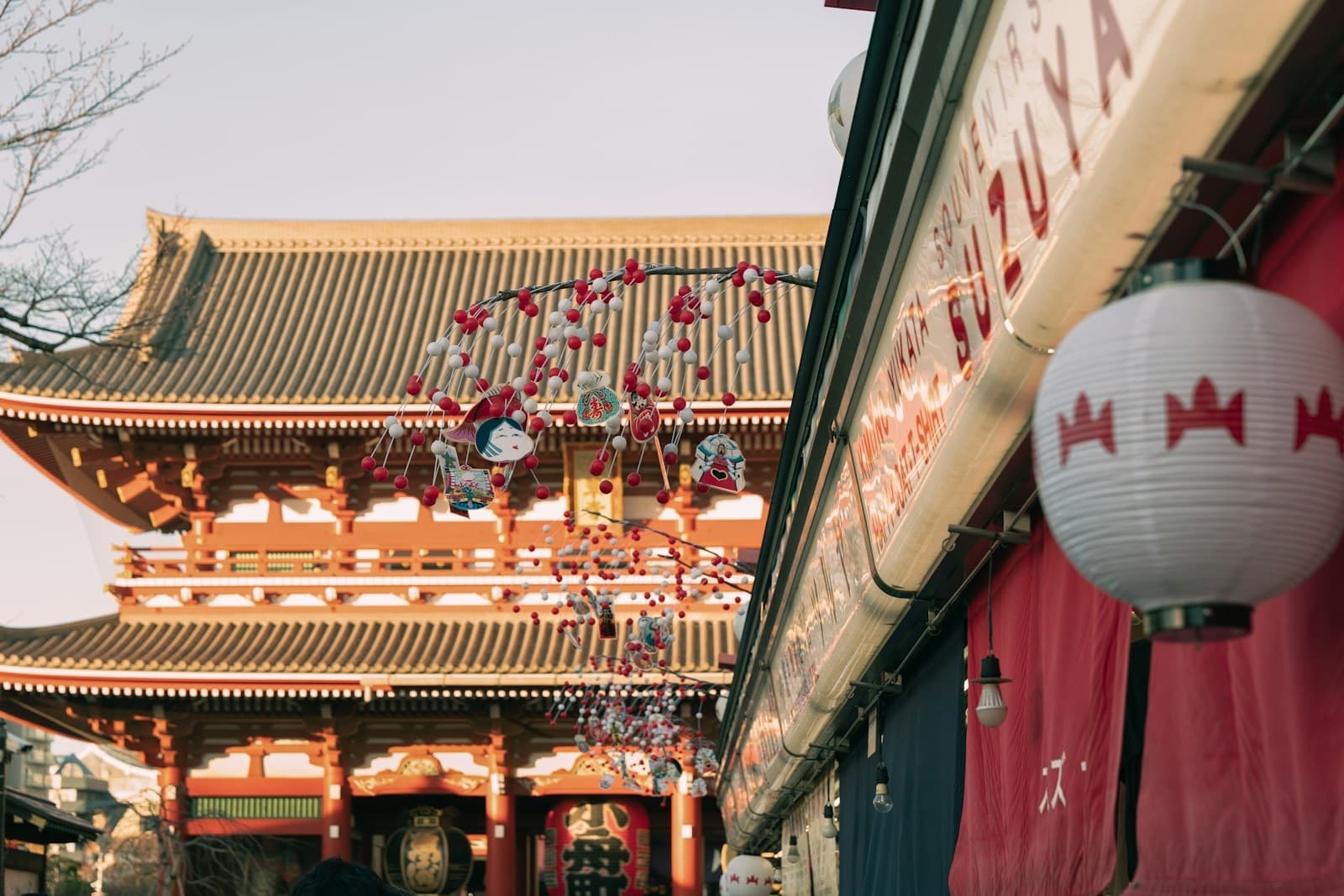
Senso-ji in Asakusa holds its Hagoita-ichi, a market of decorated battledores, every year on December 17–19. On New Year's Eve, temples such as Senso-ji and Zojoji ring their bells 108 times around midnight; from October to March, Senso-ji's main hall opens its doors at 6:30 a.m. From about December 28 or 29, closures begin — see January below.
Tokyo in January: New Year, Then a Quiet Month
January is the coldest month (highs of 9.8°C, lows of 1.2°C) and the sunniest. The first few days are dominated by New Year; after that, the city is calm and back to normal hours.
What closes over New Year
- Imperial Palace East Gardens: closed December 28 to January 3.
- Shinjuku Gyoen: closed December 29 to January 3.
- Ueno Zoo: closed December 29 to January 1.
- Tokyo National Museum: closed December 26 to 31, 2026 — but, unusually, open on January 1, 2027 (hours to be announced). From December 22 to 25 only the Horyuji treasures gallery and the Kuroda Memorial Hall are open.
- Shops and restaurants: many close on January 1 and reopen on January 2 with New Year sales and fukubukuro (lucky bags); some smaller restaurants stay closed for the first few days of January.
Get cash before the holiday, and book restaurants for New Year's Eve and January 1 well in advance. Our Japanese New Year 2027 guide covers the traditions and what's open around the country.
First shrine visit and the Imperial Palace greeting
Millions of people make their first shrine visit of the year (hatsumode) in the first days of January, and the big shrines in central Tokyo draw huge crowds on January 1–3. To enjoy the atmosphere without the crush, go early in the morning a few days later.
On January 2, the Imperial Palace normally opens for the New Year greeting, when the Imperial family appears on a palace balcony several times through the day. The 2027 schedule hadn't been published in early October. In 2026, entry through the Seimon Gate ran from 9:30 a.m. to 2:10 p.m., with five appearances; large bags had to go into coin lockers, and it can be cancelled for snow or bad weather.
Grand Sumo and Coming of Age Day
The January Grand Sumo tournament runs from January 10 to 24, 2027 at the Ryogoku Kokugikan, with tickets on sale from December 5, 2026 — see our Grand Sumo January 2027 guide. Coming of Age Day is Monday, January 11, 2027, when you'll see 20-year-olds in kimono and suits around the city.
Tokyo in February: Plum Blossom and Setsubun
February is still cold (highs of 10.9°C) and the snowiest of the three months on paper, though that still means less than one day with 1 cm of new snow. It's also the driest month of the whole year, at 56.5 mm.
Setsubun, February 3
Setsubun, the day before Risshun — the traditional first day of spring — falls on Wednesday, February 3, 2027. Temples throw roasted beans to drive out bad luck. At Senso-ji the chant is "senshu banzai, fuku wa uchi" — long life, and good fortune in; it never says "demons out." Zojoji holds its bean-throwing the same day.
Plum blossom festivals
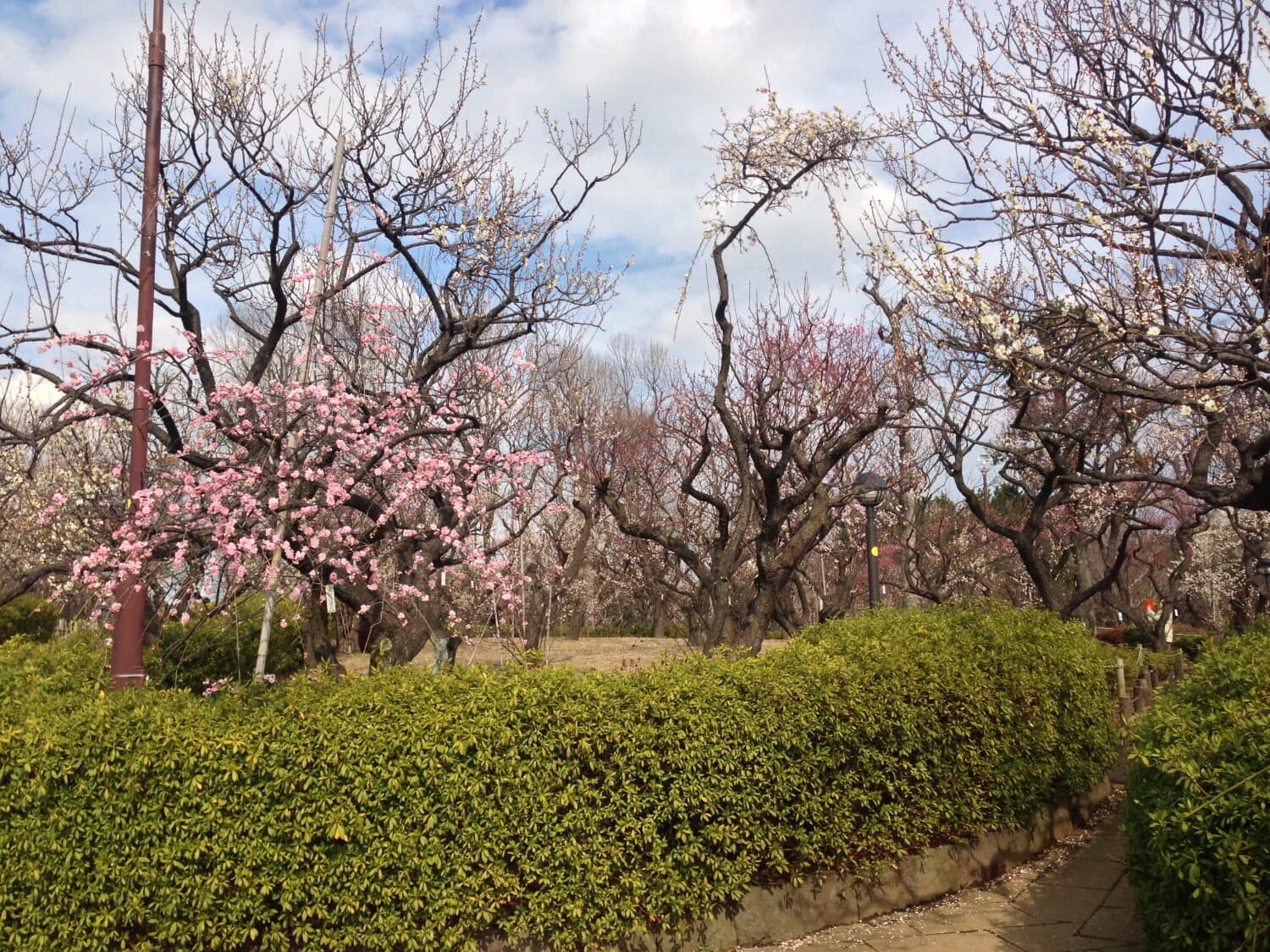
Plum (ume) blossoms a month or more before the cherries, and Tokyo's plum festivals run from early February into March. The 2027 dates for each event hadn't been announced in October; last year's were:
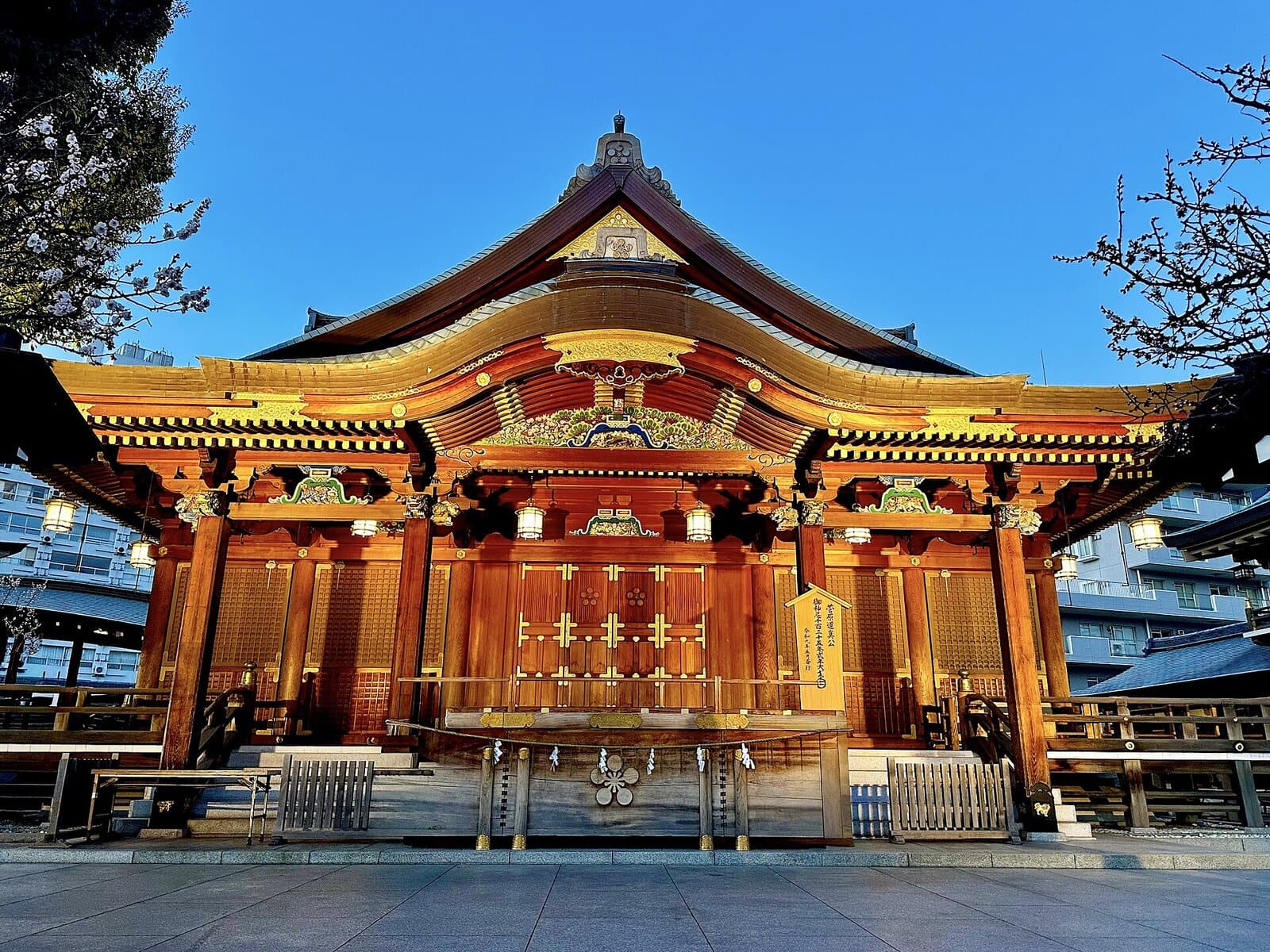
- Yushima Tenjin (Bunkyo): February 8 to March 8, 2026 — about 300 trees, mainly white plum, best from mid-February to early March, with evening light-ups.
- Hanegi Park (Setagaya): February 7 to March 1, 2026 — about 670 trees of 60 varieties.
- Koishikawa Korakuen: February 7 to March 1, 2026, 9:00–17:00 — about 150 trees of 45 varieties; early varieties open in December.
Two more February dates: National Foundation Day on February 11 and the Emperor's Birthday on February 23, when the Imperial Palace usually opens for a morning greeting (the 2027 schedule wasn't out yet). And if you're staying into March, the Tokyo Marathon runs on March 7, 2027 — see our Tokyo Marathon 2027 guide.
Seeing Mount Fuji From Tokyo
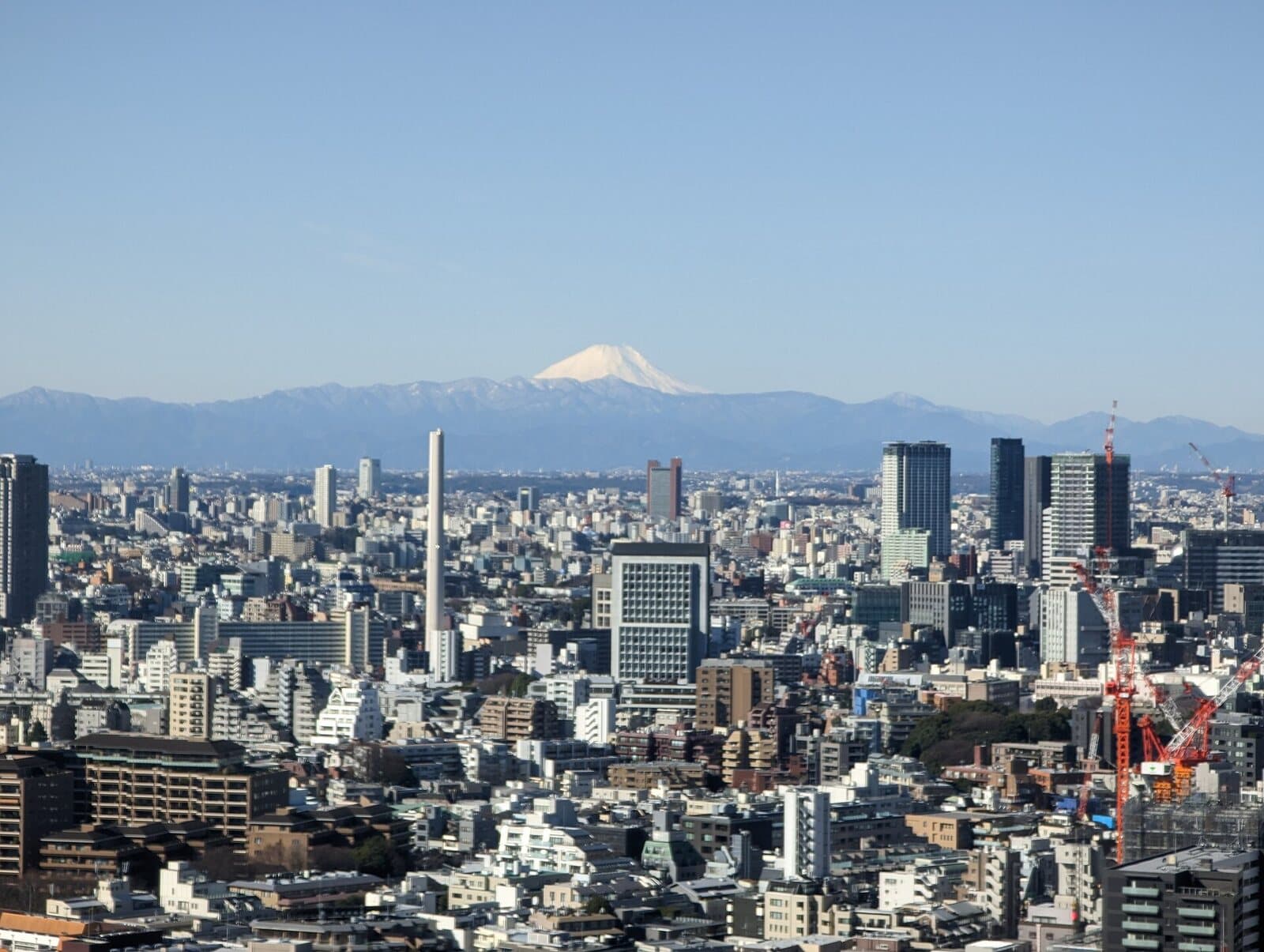
Winter is the season for Fuji views. The Tokyo Metropolitan Government checks every morning at 9 a.m. from its headquarters in Shinjuku whether Fuji is visible, and has done so for decades. The averages:
| Month | Mornings Fuji was visible (average, FY1992–2025) |
|---|---|
| December | 18.1 days |
| January | 19.1 days |
| February | 13.6 days |
| March | 9.4 days |
| June / July / August | 1.8 / 2.4 / 1.7 days |
So in December and January you have roughly a six-in-ten chance on any given morning, against two or three days a month in summer. Go early: the count is taken at 9 a.m., and the view often hazes over later in the day. The free observation deck at the Tokyo Metropolitan Government Building in Shinjuku is the easiest place to look, and the view on a clear morning is worth the early start; for a closer view, take a day trip to the Fuji Five Lakes or Hakone.
Winter Day Trips From Tokyo
Tokyo is the place to start a winter trip: Shinkansen lines from Tokyo Station connect the city to snow country, and the Fuji views and hot springs are even closer. Here's where to go to enjoy the season beyond the city — and where to learn more.
- Mount Fuji and Lake Kawaguchi: the clearest views of the year. See our Kawaguchiko guide.
- Hakone: hot springs, Lake Ashi and Fuji views — an overnight in a ryokan is the best way to do it. See our Hakone guide.
- Nikko: in the coldest weeks the thin falls around Kegon Falls (97 m) freeze, wrapping it in blue ice; the viewing elevator runs 9:00–16:30 from December 1 to February 28 (¥600 return).
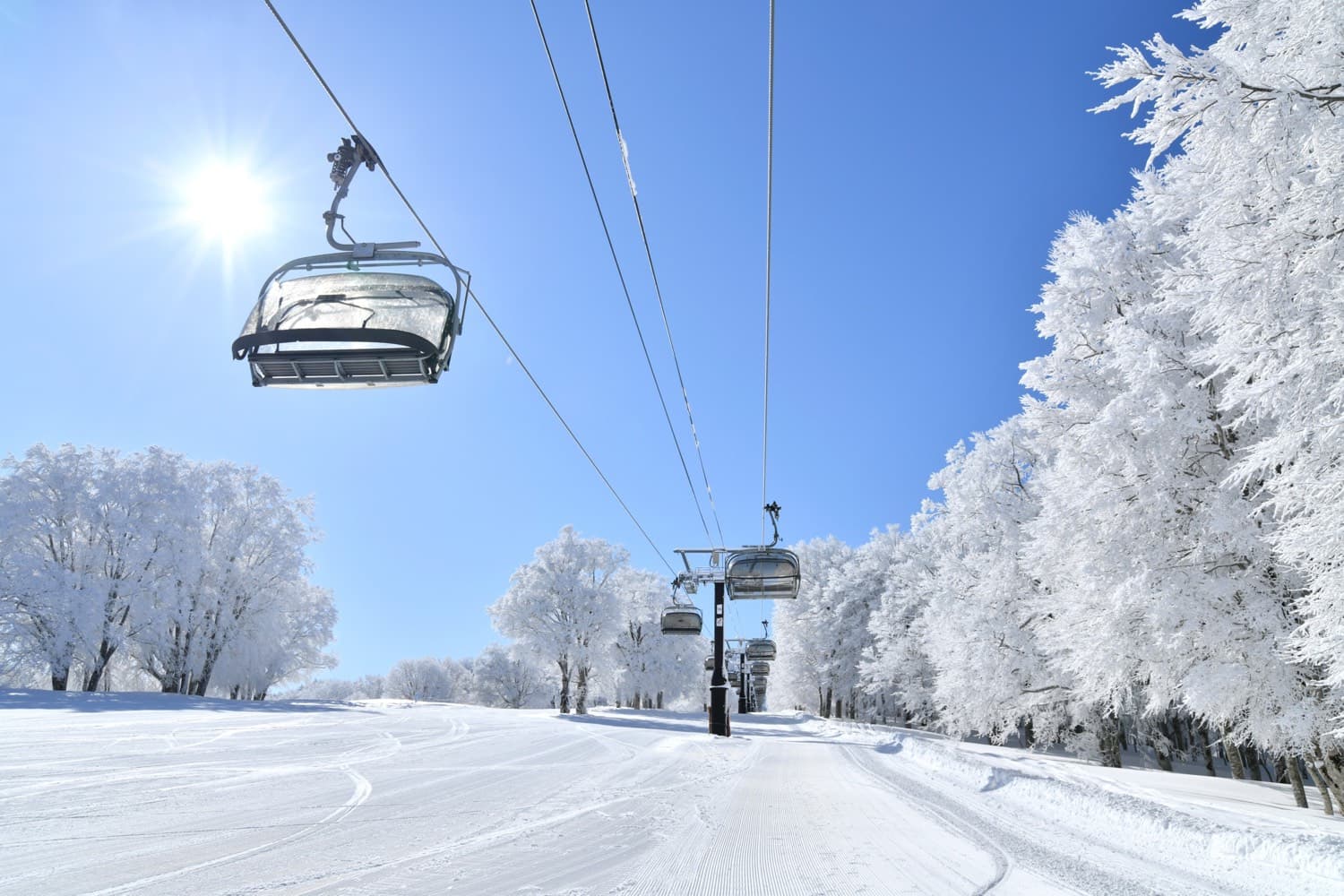
- Skiing near Tokyo: Karuizawa Prince Hotel ski area opens on October 31, 2026 on man-made snow and is a 10-minute walk from Karuizawa Station on the Hokuriku Shinkansen. GALA Yuzawa is due to open on December 19, 2026, but its south area is closed this season and the winter Shinkansen stops at its station hadn't been announced. For a real ski trip, see our skiing in Japan guide.
- The snow monkeys: not a day trip, but an easy overnight via Nagano — see our Jigokudani Monkey Park guide.
From our Japan travel team
Tokyo only sees a few snowy days most winters, but even light snow can delay trains and buses. If you're adding a winter day trip toward the mountains, take the train rather than a rental car and leave some slack in the schedule, especially on your last day before a flight. Just ask and we'll help you slot it into your route.
What to Pack for Tokyo in Winter
- A warm coat, layers you can take off — trains, shops and museums are heated — and a scarf and gloves for evenings outside.
- Comfortable shoes with grip in case of a snow day.
- Moisturizer and lip balm: humidity is around 51% in January, and the heating dries it further.
- A portable charger: cold weather drains phone batteries faster on long days of navigation.
Common Mistakes
- Assuming everything is open on January 1. Check each museum and garden; closures run roughly December 28/29 to January 3.
- Expecting the Roppongi Christmas lights in January. The Christmas lights end on December 25; some winter illuminations carry on into February.
- Going to Meiji Jingu Gaien for the Christmas market. In 2026 it's at Shin-Toyosu and Shiba Park.
- Leaving sumo tickets too late. The January tournament goes on sale on December 5.
- Planning Fuji for the afternoon. The views are best in the morning.
Self-Guided Winter Routes That Start in Tokyo
All six routes below start in Tokyo, and in winter they pair the city with the things the season does best: Fuji views, hot springs, the snow monkeys and skiing. Our staff meet you at the airport with your trip documents, the tickets for the legs we book and a loaded IC card. The tours come without a guide, though a local guide can be arranged as an option. Prices are per person and move with the departure date and room type.
| Route | Length | From (USD per person) | Shape |
|---|---|---|---|
| Japan Golden Route Highlights (BF001) | 7 days | $1,200–1,800 | Two nights in Tokyo, then Kyoto and Osaka — the shortest way to add the classics to a winter trip. |
| Zen & Mt. Fuji Experience (EX003) | 7 days | $3,000–3,700 | Tokyo, a night in Hakone and a night at Nihondaira facing Fuji, then Kyoto — built around the clear winter views. |
| Shiga Kogen with Snow Monkeys (SK006) | 11 days | $2,900–3,500 | A night in Tokyo, a night at Yudanaka for the snow monkeys, six nights at Shiga Kogen, then two more nights in Tokyo. |
| Japan Winter Journey with Ski and Cities (SK010) | 9 days | $3,100–3,900 | Tokyo, the snow monkeys, two ski days with rental included, then Takayama and Shirakawa-go. |
| The Art of Onsen: A Premium Japan Experience (HS003) | 11 days | $5,500–7,600 | Tokyo, two nights in Hakone, Kyoto and two nights at Kinosaki Onsen — hot springs for the cold months. |
| Japan Highlights & World Heritage (GR002) | 12 days | $3,300–4,800 | Tokyo, Takayama, Kyoto and Nara, back to Tokyo — the classic first trip, quieter in January and February. |
Interested in a tour? Click the route name above, or search by route code in the top-right Search bar.
Going on to Kyoto? Our Kyoto in winter guide covers the snow at Kinkaku-ji, the winter special openings and the plum blossom at Kitano Tenmangu.
Interested in Tokyo in winter? Get in touch through Plan My Trip on our self-guided tours site, and we'll suggest the tours that best fit your dates and plans.
FAQ: Tokyo in Winter
Is winter a good time to visit Tokyo?
Yes. It's cold but bright and dry, the air is clear enough to see Mount Fuji, and from mid-January to February the city is quiet. Avoid the first three days of January if you want everything open.
Does it snow in Tokyo?
Rarely. Snow falls on a few days in January and February, but Tokyo averages less than one day a month with 1 cm or more of new snow, and it seldom settles for long. Even light snow can delay trains, though.
How cold is Tokyo in January?
Average highs are 9.8°C (49.6°F) and lows 1.2°C (34.2°F), the coldest of the year. It's also the sunniest month, with about 193 hours of sunshine.
What closes in Tokyo over New Year?
Many museums, gardens and restaurants close from about December 28 or 29 to January 3; the Imperial Palace East Gardens, Shinjuku Gyoen and Ueno Zoo all close for part of that time. The Tokyo National Museum opens on January 1, 2027. Shops usually reopen on January 2 with New Year sales.
When are the Tokyo winter illuminations?
Most run from early or mid-November to December 25, and some continue into February. Most venues hadn't published 2026 dates in early October; the Tokyo Christmas Market runs from November 20 (Shin-Toyosu) and December 4 (Shiba Park) to December 25.
When is the best time to see Mount Fuji from Tokyo?
December and January mornings. Tokyo's government records Fuji as visible from its Shinjuku headquarters on about 18 mornings in December and 19 in January, against about 2 a month in summer.
Checked on October 4, 2026: weather from the Japan Meteorological Agency's 1991–2020 normals for Tokyo; sunset times from the National Astronomical Observatory of Japan; Fuji visibility from the Tokyo Metropolitan Government Bureau of Environment; New Year and Emperor's Birthday greetings from the Imperial Household Agency (2026 editions); closures from the Tokyo National Museum, the Imperial Household Agency, Shinjuku Gyoen and Ueno Zoo; holidays from the Cabinet Office; sumo dates from the Japan Sumo Association; plum festivals from Bunkyo City, Setagaya City and the Tokyo Metropolitan Government (2026 editions); the Christmas market, illuminations, Kegon Falls, Karuizawa Prince and GALA Yuzawa from their own sites. Routes and prices are from our catalog on the same date. Hero photo: Shinjuku and Mount Fuji from Bunkyo in January, by Morio, CC BY-SA 3.0, via Wikimedia Commons.