
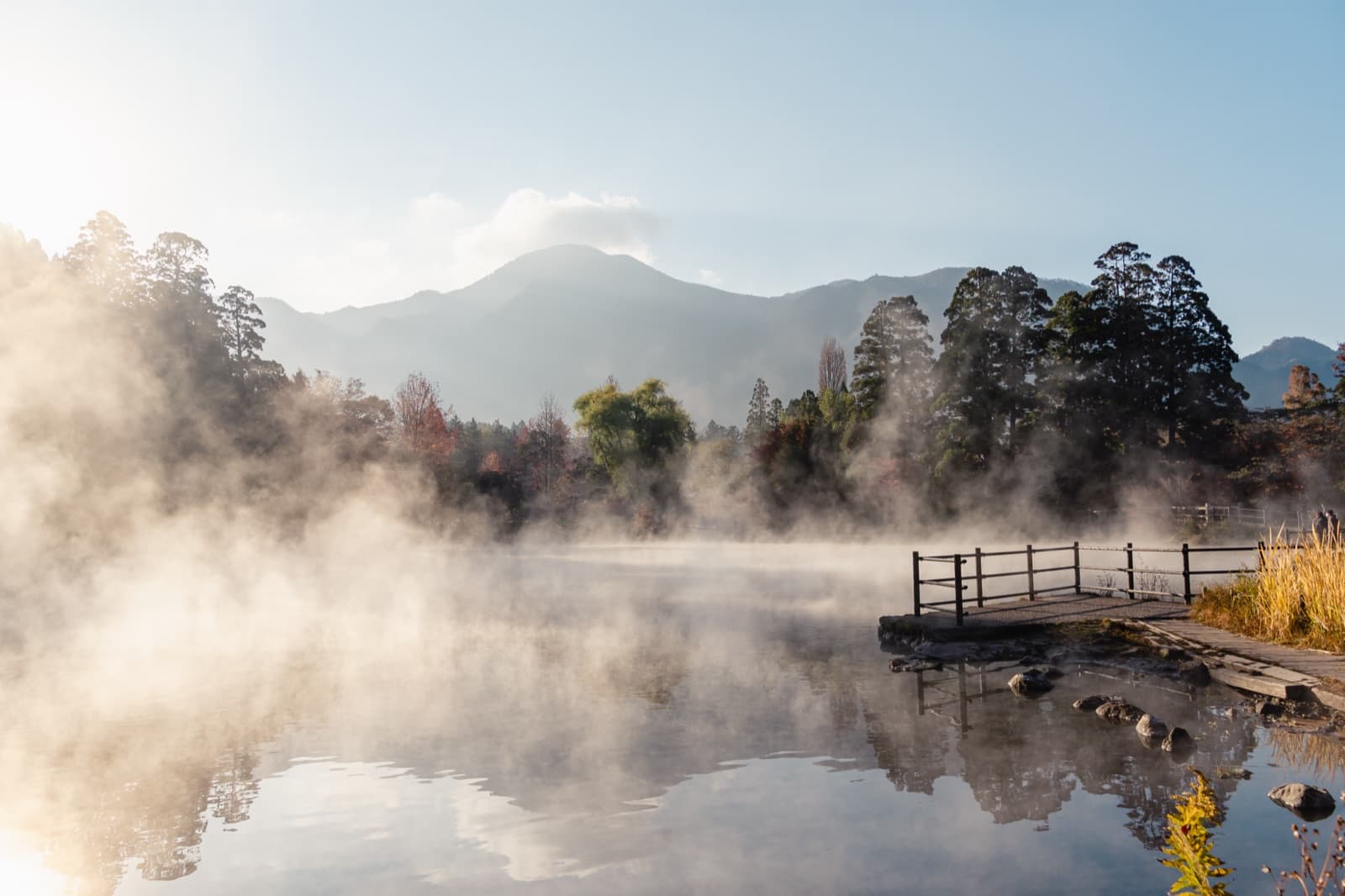
Japan Onsen Etiquette: A Practical Guide for First-Timers (Including Tattoos)
The hot-spring rules feel intimidating until you know the order. Here's the step-by-step etiquette, an honest answer on tattoos, and how to build an onsen night into your trip.
Soaking in a Japanese onsen is one of those travel moments that actually lives up to the hype — steam rising off mineral water, a quiet bath at dusk, maybe snow on your shoulders. After a long day on your feet sightseeing, few things undo the ache quite like sinking into a hot spring; it's one of those simple pleasures that feels uniquely Japanese. But if you've never done it, the rules can feel intimidating, and if you've got ink, you're probably wondering whether you'll even be let in.
Short answer: yes, you can do this. The baths are shared, so a handful of manners are what keep them comfortable for everyone — learn the basics and you'll fit right in. This guide walks through Japan onsen etiquette step by step, answers the tattoo question honestly, and shows you how to slot a real onsen visit into your self-guided trip.
♨️ Quick Answer: Onsen Etiquette in 30 Seconds
- Wash your body completely at the shower stations before getting in.
- Bathe naked — no swimsuits. Bring only a small towel.
- Keep your towel and hair out of the water; no splashing or swimming.
- Tattoos: choose a tattoo-friendly onsen, cover small ink with a seal, or book a private bath.
What an Onsen Actually Is
An onsen is a natural hot-spring bath — facilities must meet strict rules so a good part of the water comes from a natural, geothermal, mineral-rich source (you may see tennen, "natural," added for emphasis). That's different from a sento, a simpler public bath that just uses heated tap water. Both follow the same etiquette, so the rules below apply to either. You'll find onsen across the country — mountain villages, beach towns, even inside hotels in Tokyo and Osaka.
The Core Onsen Rules, In Order
Here's the routine most first-timers stumble through. Memorise this and you'll be fine.
- Shoes off at the entrance. Swap into slippers at the door and use the designated shelf or locker.
- Into the right changing room. Red curtain (暖簾) is women's, blue is men's. Read the curtain, not your instinct.
- Get completely naked. No swimwear is allowed. Leave clothes, watch and jewellery in the locker; bring only a small towel into the bathing area.
- Wash your body completely before you soak. Sit on a stool at a shower station and scrub — soap, rinse, rinse again. Never use soap or shampoo in the main pool; the shared water stays pure. This is the rule that matters most to fellow bathers.
- Slip into the bath quietly. Enter gently — no jumping, splashing, or swimming laps.
- Keep your head and hair out of the water. Tie up long hair. The small washcloth? Fold it and rest it on your head — never in the tub.
- Don't overdo it. Ten minutes in, a cool rinse, ten more. Step out if you feel lightheaded.
- Dry off before the changing room. Wipe down with your towel in the bathing area so you're not dripping across the locker-room floor.
Can You Go to an Onsen With Tattoos?
Yes — but you need to plan a bit. Tattoos have long carried a stigma in Japan because of their association with the yakuza, so many traditional onsen historically banned visible ink — it was about keeping the baths neutral, not about art. Things are shifting: today roughly 30% of hot springs allow entry if you cover ink with a seal, and about 20% welcome tattoos regardless. You've got four realistic options:
1. Pick a tattoo-friendly onsen
Whole towns now welcome ink — all seven public baths in Kinosaki and all three at Dogo Onsen (Matsuyama) are tattoo-friendly, and Beppu has the most options anywhere. Directories like tattoo-friendly.com list verified spots by prefecture.
2. Cover small tattoos
Skin-coloured adhesive tattoo seals conceal small-to-medium ink for the duration of a soak. Some onsen sell them; you can also buy them online or at Don Quijote. Not for full sleeves or back pieces.
3. Book a private onsen
Private baths (kashikiri-buro) are rented just for you or your group, usually 40–60 minutes — from free (included at some ryokan) up to around ¥3,000. No tattoo worries, no crowds.
4. Stay at a ryokan with an in-room bath
Higher-end resorts in Hakone, Kinosaki, Kurokawa and Beppu offer rooms with a private hot-spring tub — pricier, but a clean solution since you never enter the public bath. See which rooms have their own open-air bath.
♨️ Nervous about your first soak? We'll plan around it
On our self-guided tours we can book you into ryokan and hotels with a private bath you reserve just for your group (kashikiri-buro), or rooms with their own private open-air hot-spring tub (rotenburo) — so a first soak, a tattoo, or simply wanting privacy is never a problem. New to onsen? Just tell us and we'll build the trip around it.
Mistakes First-Timers Make
- Bringing your phone into the bathing area. Leave cameras and phones outside — privacy is highly valued and electronics don't belong near the water.
- Wearing the yukata wrong. Always wrap left flap over right. Right over left is how bodies are dressed for funerals.
- Bathing right after a big meal or drinks. You'll feel lightheaded fast.
- Assuming small tattoos are fine. Standards vary; even tiny ink can get you asked to leave if discovered. Always check first.
- Not bringing cash. Many small bathhouses and lockers are coin-operated.
How to Build an Onsen Stop Into a Real Itinerary
For a typical 10–14 day trip through Tokyo, Kyoto and Osaka, these add-ons work well:
- From Tokyo: Hakone is the obvious move (~90 minutes by Romancecar from Shinjuku). For a first or last night, Yamato-no-Yu is only ~40 minutes from Narita Airport.
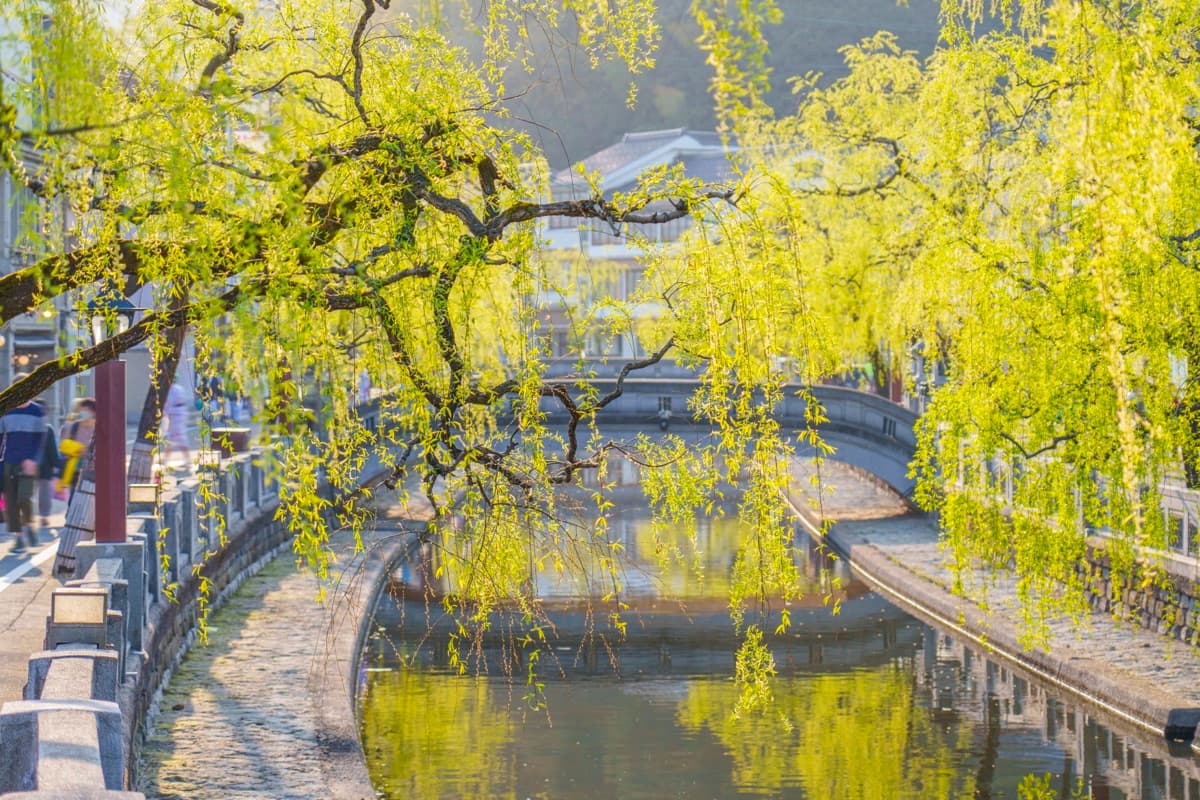
- From Kyoto or Osaka: Kinosaki Onsen (~2.5 hrs from Kyoto, ~3 hrs from Osaka) is a proper onsen town — you wander between bathhouses in yukata and geta, and every public bath welcomes tattoos.
- For a longer trip: Beppu in Kyushu is worth the detour — volcanic landscape, sand baths, and dozens of tattoo-friendly options.
A solid rule of thumb: don't squeeze an onsen visit into a sightseeing day. Give it half a day minimum, ideally an overnight ryokan stay. For more, see our Hakone guide and winter in Japan (snow-and-steam season is magic).
FAQ: Onsen Etiquette
Do I really have to be naked?
In traditional onsen, yes — bathing nude is the rule and swimsuits are banned for hygiene reasons. If you're not comfortable with that, book a private onsen (kashikiri-buro) instead.
Are tattoos allowed in most onsen?
No — most onsen still restrict visible tattoos, but tattoo-friendly options are growing every year, especially in tourist areas like Beppu, Kinosaki, Hakone and Kyoto. Cover small ink with a seal or book a private bath.
What about kids and families?
Children are welcome in most public onsen, and many resorts have private family baths perfect for parents who want privacy.
Can I drink alcohol before bathing?
Better not to. Hot water plus alcohol makes you feel lightheaded quickly and can be dangerous.
Is there a tipping culture at ryokan or onsen?
No. Tipping isn't expected anywhere in Japan, including onsen resorts.
Do I need to book private baths in advance?
Often yes. Some are first-come, first-served, but many require reservation — check the official website or call ahead.
Last updated: June 2026.
Related Articles
Ryokan With a Private Onsen: What It Costs, How It Works, and the Rooms We Actually Book
13 min read
Kinosaki Onsen: A Practical Guide to Japan's Best Hot Spring Town for Self-Guided Travelers
14 min read
Ginzan Onsen: A Practical Guide for Self-Guided Travelers
12 min read