
Japan in December: A Complete Guide for Planning Your Winter Trip
Dry clear skies and the year's best Mount Fuji visibility, illuminations everywhere, early powder, and a New Year week that closes half the country.
December is one of the sharpest months to see Japan. The air turns dry and clear, Mount Fuji shows up more often than not, and the country slides into a mix of Christmas lights, ski openings, and quiet, reflective New Year's traditions. If you're weighing whether to book a trip now, this guide covers the weather, what's actually happening on the ground, and how to build a real itinerary around it.
This is the permanent guide to the month. For this year's confirmed dates and event listings, see Japan in December 2026.
❄️ Quick Answer: Japan in December
- Weather: cool, dry and stable. Tokyo highs of 12.0°C (53.6°F) and lows of 3.8°C (38.8°F); Kyoto and Osaka similar; Hokkaido already sub-zero; Okinawa 17–21°C.
- Best window: the first three weeks. Fewer crowds than cherry blossom or autumn foliage season, illuminations fully lit, and the year's best chance of a clear Mount Fuji.
- Illuminations: Roppongi Hills Keyakizaka (over 800,000 LEDs), Marunouchi (around 820,000 champagne-gold lights), Osaka Castle (approximately 3.5 million LEDs). Most run mid-November to late December, several into February.
- Skiing: the first Hokkaido resorts open in early December; most others follow mid-December. Powder peaks in January and February — December is the warm-up.
- New Year: many attractions, shops, restaurants, banks and ATMs close on one or more days between December 29 and January 4. Reserve shinkansen seats for the last week early.
Choose a December trip to ask us about
City sightseeing and skiing need different plans. Tell us which matters most and whether your dates include New Year; we will check suitable departures and hotel availability.
These are set self-guided itineraries, with the hotels and transport listed on each tour page. International flights, most meals and sightseeing tickets are extra. Catalogue ranges checked October 12, 2026. Prices vary by departure date; availability is confirmed when you inquire.
A rough travel month is enough to start. Your choice is copied into an editable inquiry. Requesting a quote does not make a booking.
Is December a Good Time to Visit Japan?
Short answer: yes, especially the first three weeks.
December is moderately busy but not peak tourist season. The first three weeks are noticeably less crowded than spring cherry blossom season or autumn foliage peak. You get fewer crowds at temples, shorter queues at popular restaurants, and enough winter magic — from mid-November through February, Tokyo's illuminations paint the urban landscape with a magical glow, as millions of festive lights create a captivating atmosphere around the city. These spectacular light displays have become an integral part of Tokyo's winter culture — to feel like you timed it right.
Then late December flips. Domestic travel spikes as Japanese families head home for the New Year holidays, and popular ski resorts fill fast.
If your goal is to visit Japan for illuminations, food, and clear skies, aim for early to mid-December. If it's skiing, plan around the calendar in a different way (more on that below). If you are still comparing months, our guide to Japan's seasons lines the whole year up side by side, and the month either side of this one has its own hub: Japan in November for the maples, Japan in January for deep powder and low-season prices.
Japan Weather in December: What to Actually Pack
December weather in Japan splits along the country's spine.
December weather in Japan is generally cool, dry and stable. Daytime temperatures in major cities like Tokyo, Kyoto and Osaka typically range from 50–55°F (10–14°C), with colder mornings and evenings. Northern regions are significantly colder, often near freezing.
Humidity is low. Rain is rare.
Humidity is low and rainfall is limited, making visibility strong and outdoor sightseeing comfortable with proper layering. You'll get plenty of sunny days for walking cities like Tokyo, Kyoto and Osaka.
| City | Average high | Average low | Note |
|---|---|---|---|
| Tokyo | 12.0°C (53.6°F) | 3.8°C (38.8°F) | Mean temperature 7.7°C (45.9°F). Dry and sunny, about 5 days with 1 mm or more of rain |
| Kyoto | 11.6°C (52.9°F) | 3.5°C (38.3°F) | Inland, so mornings feel colder; the city turns quiet and reflective |
| Osaka | 12–13°C (54°F) | 3–4°C (38°F) | Very little rain; the Castle and Midosuji illuminations are the evening draw |
| Sapporo | Around freezing | Sub-zero | Hokkaido is locked into winter by early December; reliable snow, heavy coat and waterproof boots |
| Naha (Okinawa) | 17–21°C (63–70°F) | Mild | Balmy — the option if you'd rather escape the cold altogether |
December Weather City by City
Tokyo Weather in December
In December, the temperature in Tokyo reaches average highs of 12.0°C (53.6°F) and lows of 3.8°C (38.8°F), with a mean of 7.7°C (45.9°F). It's not as cold as January or February, especially in early December — but it is chilly, so make sure to wear a coat. Gloves, scarves, and hats aren't always necessary, but from mid-December it's a good idea to bring them along. Our Tokyo in winter guide covers December to February month by month.
A light jacket works for daytime in early December. Swap it for a heavier coat by late December, especially after dark.
Kyoto and Osaka
Kyoto sits inland and feels a touch colder in the mornings.
Kyoto average high: 52.9°F (11.6°C), average low: 38.3°F (3.5°C). Kyoto becomes quiet and reflective in December. Osaka runs a degree or two warmer. Both cities get very little rain in December. More in our Kyoto in winter guide.
Hokkaido and the Japanese Alps
Snow country is a different trip entirely.
Hokkaido (Sapporo, Niseko, Furano) is already locked in winter by early December. Sub-zero temperatures are common, and reliable snow blankets the north. Pack a proper heavy coat, waterproof boots, and gloves you'll actually wear.
Okinawa
Not everyone realises Japan has a tropical option.
Okinawa stays balmy with highs around 17–21°C. Perfect if you'd rather escape the cold altogether.
Rainy Days and Clear Winter Skies
You won't see many rainy days.
Tokyo receives a low rainfall in December. About 5 days a month see 1 mm or more of rain, for a total of 57.9 mm (2.3 in) — only February is drier. They are mostly drizzles or short-term showers; continuous rainfall or heavy downpours are rarely seen.
Clear winter skies are the real reward.
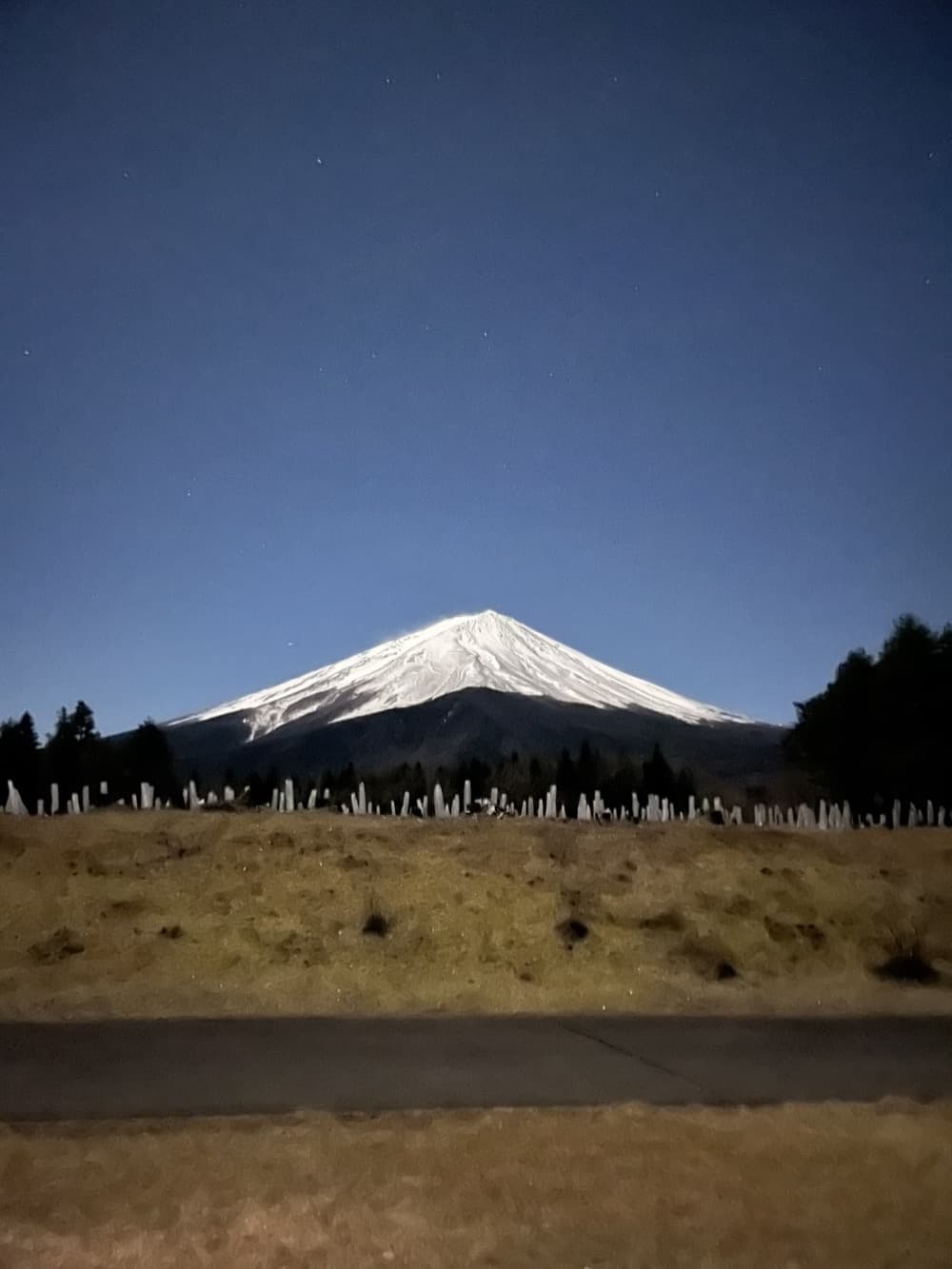
You would have the highest chance of getting a clear view of spectacular Mount Fuji in December. Observation decks in Tokyo — Shibuya Sky, Tokyo Tower, the Skytree — pay off on cool, dry afternoons.
Christmas Markets and Winter Illuminations
Christmas markets have become a proper Tokyo tradition. The flagship German-style Tokyo Christmas Market runs at Shin-Toyosu (from November 20) and Shiba Park (from December 4) to Christmas Day in 2026, and Roppongi Hills runs its own smaller market. Venue-by-venue detail for the flagship is in our Tokyo Christmas Market guide, and how the holiday is actually celebrated here — KFC buckets, strawberry shortcake, couples' dinners — is in Christmas in Japan.
A Christmas Market is held daily until December 25 from 5pm to 8pm (from noon on weekends).
Winter illuminations are the other headline.
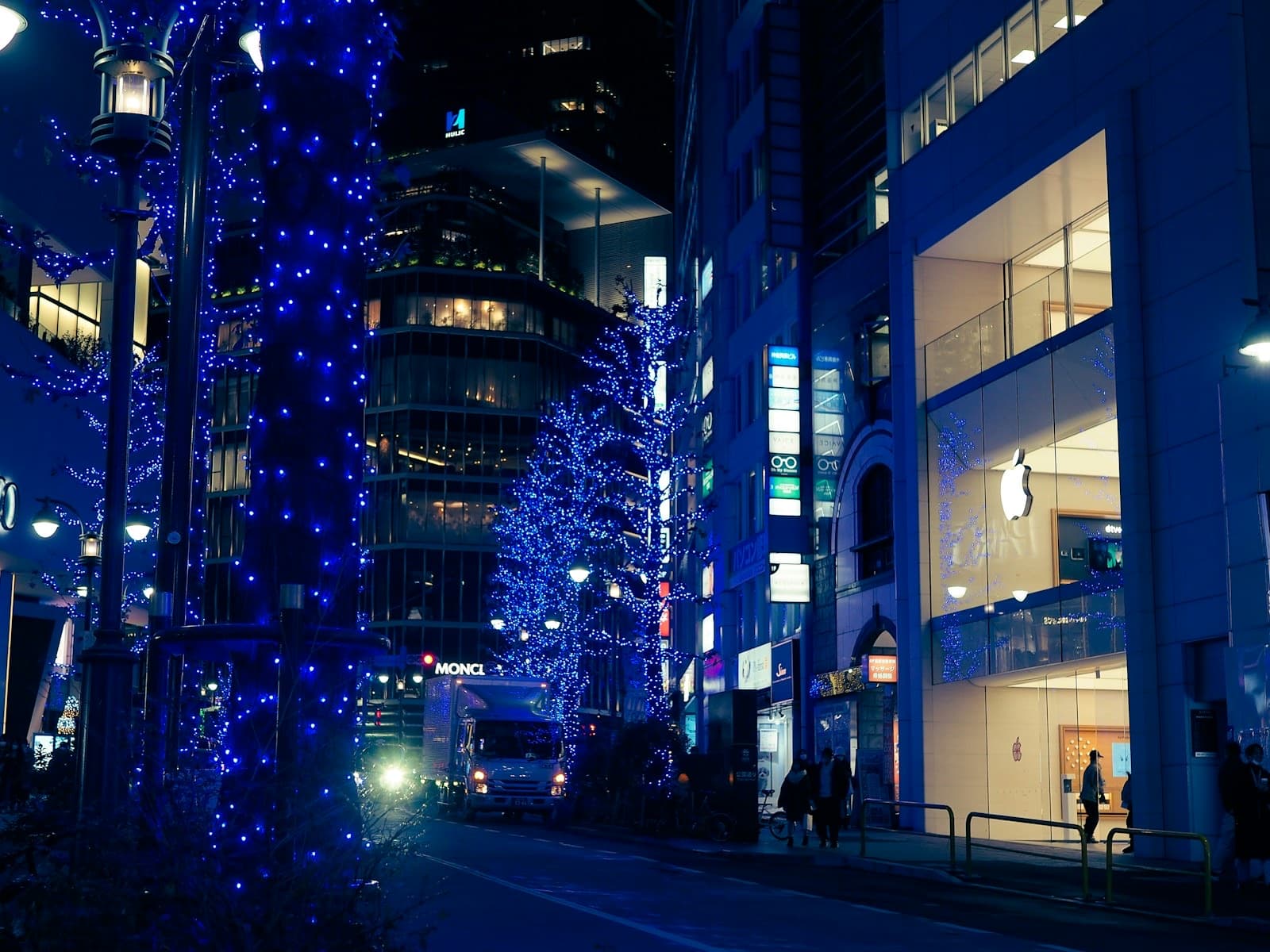
Roppongi Hills, one of Tokyo's most prominent commercial complexes, hosts a stunning illumination event each winter. The famous Keyakizaka Street, located just behind Roppongi Hills, becomes a tunnel of light, with over 800,000 LEDs creating a breathtaking blue and white color scheme.
Around 820,000 champagne-gold LED lights illuminate Marunouchi Naka-dori and extend through Gyoko-dori Avenue. Over 340 trees create a dazzling path between Tokyo Station and the Imperial Palace Gardens.
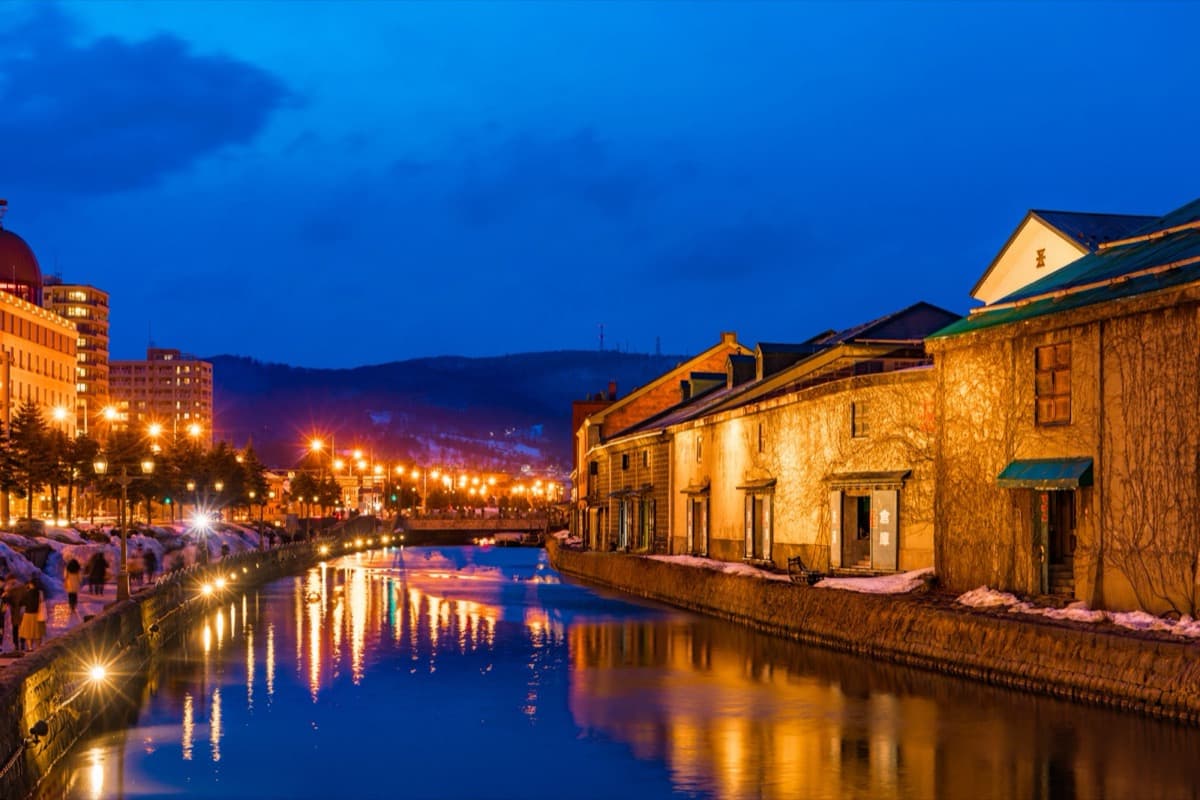
Most Tokyo illuminations run from mid-November to late December, though several stretch into February. The full national round-up — Tokyo, Kansai, Nagoya, Hokkaido — is in our Japan winter illuminations guide.
From our Japan travel team: Once the second half of December runs into the New Year holidays, Japanese families start travelling in numbers and both shinkansen seats and hotels get genuinely hard to arrange. If you are thinking about a trip to Japan around then, please contact us as early as you can. December is also when the ski season properly begins — Japan has a great many resorts, and "which one should I go to?" is exactly the kind of question we are happy to answer, however simple it seems.
Osaka Castle and Kansai Light Displays
Osaka goes big.
Osaka Castle's Nishinomaru Garden lights up with approximately 3.5 million LEDs, set against the majestic backdrop of the castle keep. The illumination features motifs like shoguns, samurai, and helmets, showcasing Osaka's history from the Sengoku period to the present.
The theme changes each edition — recent years have run on Sengoku-era motifs tied to Toyotomi Hideyoshi. The season typically runs from the start of November to the beginning of February, 5 PM–10 PM (last entry around 9:30 PM), with admission around ¥2,000 for adults and ¥1,000 for children. Confirm the current edition's dates and price before you go.
Down the road, Midosuji Illumination runs sunset to 1:00 AM along Midosuji Avenue — one of the world's longest illuminated streets. An hour west by train, Kobe Luminarie is the other Kansai fixture worth building an evening around.
Ramen Expo: A December Food Event Worth Timing
Kansai visitors can slot in one of Japan's biggest food events.
Expo '70 Commemorative Park in Suita runs a winter illumination around the Tower of the Sun from late November to the end of December each year, and in the same window it hosts the Ramen EXPO — roughly 60 ramen shops from across Japan rotating through a few weekends. Both are annual fixtures; exact dates shift a little year to year, so check the current edition before you build a day around it.
Admission to the event is free, although you will have to pay the park entrance of ¥260 for adults and ¥80 for children. Miso, tonkotsu, snow crab shoyu — a hot bowl in the cool air is honestly one of the best cheap wins in December Japan.
Early Season Skiing: Where the Snow Is
For skiers, December is early season skiing territory — see our Japan ski packages guide for what a self-guided ski trip costs and includes.
Early-season skiing begins in some Japanese ski resorts as early as mid-November, though most major resorts open between early and mid-December. During early December, snowfall begins to accumulate across the mountains, allowing more terrain to open. Resort-by-resort opening dates and pass prices are tracked in our Japan ski season guide.
Both Sahoro Hokkaido and Tomamu Hokkaido are scheduled to start their seasons in early December. Niseko typically opens in the first days of December. With incredible slopes and amazing activities, like nighttime skiing, adventurers can truly have it all. Mid-December is when all other resorts start opening up, including Furano, Myoko Kogen, Nozawa Onsen, and Shiga Kogen.
The trade-off: snow cover can be less reliable with start dates occasionally being pushed back, or limited lift operation. There will also be little depth to the snow base meaning skiing and snowboarding may be limited to the groomers. Some resorts fill gaps with artificial snow early in the season.
Powder snow peaks in January and February — if the "Japow" is your top priority, December is a warm-up, not the main act. But you get quieter slopes and better rates.
New Year's Eve and New Year Holidays
Late December is culturally huge. It's when Japan slows down — not shuts down, but a slower pace takes over for the year's eve and the first few days of January.
On December 31, temples across Japan ring their bells 108 times for the Buddhist ritual joya-no-kane, cleansing attendees of 108 worldly passions. Hatsumode is typically done in the first week of January, with January 1 being the most popular date people visit shrines and temples.
For hatsumode, people in Japan visit shrines and temples during the first three days of the year, waiting patiently in long lines to begin their New Year with good fortune. Both places of worship can get extremely crowded, especially on the evening of December 31st, starting from a few hours before the stroke of midnight — even more so at famous spots.
Meiji Jingu in Tokyo, Fushimi Inari and Yasaka in Kyoto, and Sumiyoshi Taisha in Osaka are the well-known choices. If you have leftover omamori from a previous year, many shrines will collect them to be respectfully burnt — a way of clearing bad luck before the new year starts. The customs around the week — kadomatsu, nengajo, otoshidama, the first sunrise — are unpacked in our Japanese New Year guide, and the lacquer boxes families eat from on January 1 have their own explainer: osechi ryori.
What Closes During Year-End Holidays
Plan ahead.
Many tourist attractions, stores, restaurants, banks and ATMs are closed on one or more days between December 29 and January 4, limiting your sightseeing, shopping and dining choices, especially on January 1. Museums are typically closed for multiple days over the holiday season.
| What | December 29 – January 4 |
|---|---|
| Museums and many tourist attractions | Typically closed for multiple days over the holiday season |
| Shops and department stores | Closed on one or more days, with January 1 the most affected |
| Restaurants | Many close; finding a table on January 1 can be genuinely difficult |
| Banks and ATMs | Closed or restricted — draw cash before December 29 |
| Convenience stores and fast food | Open. Hot oden, onigiri, warm sake, and a bathroom that's actually open |
| Shrines and temples | Open and packed — this is hatsumode week, the busiest of their year |
Since many restaurants are closed over the New Year's holidays, it can be difficult to find places to eat. Convenience stores and fast food restaurants stay open, so these are always a good bet. Convenience stores are genuinely a lifesaver on January 1 — hot oden, onigiri, warm sake, and a bathroom that's actually open. For which of these days are formal public holidays, and how they fall against the rest of the calendar, see our list of Japan public holidays.
From our Japan travel team: New Year's Eve at a big shrine only happens once a year, and the atmosphere at places like Meiji Jingu or Yasaka is worth planning around even if you've been to Japan before. A practical note: expect huge crowds and reduced train service on January 1, so build a quiet morning into the day after. If you want us to slot hatsumode into a Tokyo–Kyoto route, just ask and we'll help you shape the itinerary around it.
Food to Warm Up With
Cold weather makes Japanese food hit differently. Hot pot is the winter meal — shabu-shabu, sukiyaki, nabe with pork and cabbage in a clay pot. Order warm sake with it. Convenience stores stock seasonal treats you won't see the rest of the year: nikuman (steamed pork buns), oden simmered at the counter, sweet potato snacks.
Hokkaido's miso ramen, Kyoto's yudofu, Osaka's takoyaki eaten straight out of the pan — all of them work as cool air food.
Onsen: The December Non-Negotiable
If you only do one thing in cold weather, make it a hot spring. Hakone, Kusatsu, Kinosaki, Beppu — pick a region that fits your route and give it a night. Outdoor rotenburo baths in mountainous regions with snow falling around you is the closest thing to a winter wonderland Japan offers without strapping on skis.
Even in Tokyo, sento (public baths) and day-use onsen are easy to fit into an evening. A hot spring soak after a day of walking is genuinely worth it. If it's your first bath, read our onsen etiquette guide first — wash before you get in, no swimsuits, and know the tattoo rules before you turn up.
Winter vs Other Seasons
Quick comparison for context. Cherry blossom season runs late March to early April, with heavy crowds and hotel rates to match. Golden Week (late April to early May) is another domestic travel peak. Autumn colours run late November into mid-December in Kyoto — JMC's 2026 forecast puts the peak from December 11, so the first half of this month is still foliage season (see our autumn leaves forecast). Summer months are hot and humid, with rainy season in June–July.
Against all of that, December sits in a sweet spot: fewer crowds than sakura, more comfortable than summer, and a lower average low than autumn but with more sunlight per day than deep January.
Self-Guided Routes That Fit December
December is two months in one: illuminations, early skiing and empty temples until about the 28th, then the New Year shutdown. The six routes below are the ones we would actually put a December date on. On the ski routes the higher resorts open first — before mid-December, book with the snow report in mind.
| Route | Length | From (per person) | Why December |
|---|---|---|---|
| Rusutsu Ski with Sapporo & Noboribetsu Onsen (HK008) | 8 days | $2,900–5,100 | Hokkaido's season opens in December; Sapporo's illuminations and a Noboribetsu onsen night sit either side of the skiing. Priced for the 2026–27 winter. |
| Sapporo City Break & Furano Ski (HK004) | 8 days | $3,200–3,600 | Furano's dry powder from mid-December, with Sapporo's Christmas lights before and after. |
| Japan Winter Journey with Ski and Cities (SK010) | 9 days | $3,100–3,900 | Ski gear included. Shiga Kogen plus Takayama and Shirakawa-go, which are at their most photogenic once the snow settles. |
| Hakuba Tsugaike with Snow Monkeys (SK005) | 11 days | $3,100–3,600 | The lowest-priced way to combine a Hakuba ski week with the Jigokudani snow monkeys. |
| Cultural Essence: Kyoto & Kanazawa Short Escape (GR006) | 12 days | $2,800–4,200 | For a non-ski December: Kyoto's winter quiet and Kanazawa under snow. Mind the year-end closures below. |
| Japan Golden Route Highlights (BF001) | 7 days | $1,200–1,800 | A seven-day Tokyo–Kyoto–Osaka trip timed for the illuminations, finishing before the New Year shutdown. |
Interested in a tour? Click a route code above, or search for it in the top-right Search bar.
Prices are per person on a twin-share basis from our current price list and move with the departure date; departure windows are as the catalogue listed them on 22 September 2026. Ask us for an exact quote for your dates.
Price a December Trip Before You Ask for a Quote
The calculator below is the same one on our cost guide. Set the party, the length and the season, and use the button to turn the estimate into a real quote for the routes above.
Japan Trip Cost Calculator (2026)
Set your trip below — the estimate updates instantly. Yen prices are converted at a rounded ¥150 to the dollar; the market rate is about ¥157 in September 2026, which makes yen costs a few percent cheaper than shown.
Intercity is priced as point-to-point tickets unless you add the pass — on the Tokyo–Kyoto–Osaka route the pass usually costs more than the tickets.
Estimated total
$4,530
$2,265/person · $453/day · 2 travelers, 10 days
Your trip settings and estimate will be copied into an editable inquiry. Add your travel dates to ask for a free quote.
This is a DIY planning estimate, not a package price. Our tours have set itineraries and include the hotels and transport listed on each tour page. International flights are extra; meals, sightseeing and room arrangements vary by route.
Building a Real December Japan Itinerary
Here's how to turn all of this into a route.
- 7-day city trip: Tokyo (4 nights) → Hakone hot spring (1 night) → Kyoto (2 nights). Cover illuminations, day trip to see Mount Fuji from Hakone or Kawaguchiko, temples in Kyoto with fewer crowds.
- 10-day classic: Add Osaka Castle Illuminage, Ramen Expo weekend, and a night in Nara.
- Ski add-on: Add 4–5 nights in Hakuba or Nozawa Onsen onto a Tokyo-based itinerary. Nagano is about 1.5 hours from Tokyo on the Hokuriku Shinkansen. Skip early December for Honshu resorts unless you're happy with limited runs.
- Hokkaido focus: Fly Tokyo–Sapporo, base in Niseko or Furano. Better snow reliability, colder weather, real powder days if you're lucky.
Common Mistakes to Avoid
- Booking Kyoto for New Year and expecting the same city as any other week. Many shops and restaurants close.
- Underpacking for the mountainous areas. Tokyo weather is not Nagano weather.
- Assuming shinkansen seats are always available in the last week of December. Reserve early.
- Chasing powder snow in early December. Wait until January if that's the goal.
- Skipping the light jacket layer. Indoor heating in Japan runs hot; you'll want to shed a layer often.
Plan Your Self-Guided Japan Trip
Building a December route yourself is doable, but the moving parts multiply once you add ski transfers, hot spring stays, and New Year closures. Selfguidejapan.com puts together self-guided packages that lock in the hotels, rail passes and transfers, then leave you free to explore on your own schedule. If December is on your mind, get in touch and we'll help shape a route that actually fits the season.
Would you like us to compare a city trip and a ski trip for your December dates? Get in touch through Plan My Trip on our self-guided tours site, and we’ll suggest the tours that best fit your dates and plans.
FAQ: Japan in December
Does it snow in Tokyo in December?
Rarely. The month is dry, with 0.5mm (0.02 in) of rainfall on average, and only a small chance of snow. For real snow, head to Hokkaido or the Japan Alps.
Is December a good time to visit Japan for first-timers?
Yes, especially the first three weeks. The weather is dry, crowds are lighter than spring or autumn, and city sightseeing is comfortable with a coat.
How cold does it get at night in December?
In Tokyo, expect lows around 4°C (39°F). In Nagano and Hokkaido, well below freezing. Bring a heavy coat if you're heading to mountainous areas.
Are Christmas markets in Japan worth visiting?
If you like European-style markets with mulled wine, sausages, and lights, yes — the Tokyo and Osaka versions are genuinely well done and easy to reach.
Can I ski in Japan in early December?
In Hokkaido and a few Nagano resorts, yes. Coverage is limited early in the month, and some terrain relies on artificial snow. For deep powder, wait for January.
Should I avoid the last week of December?
Only if you dislike crowded trains and closed museums. If you want to experience Japanese New Year traditions — hatsumode, joya-no-kane, people visiting shrines at midnight — that week is the whole point.
What's the best time to visit Japan if I want illuminations and mild weather?
Mid-December, roughly December 10–22. Illuminations are all live, cherry blossom crowds are half a year away, and daytime temperatures are still manageable in a light jacket.
Plan Your December Trip with Ease
Why not see Japan's clearest month at your own pace? With Selfguidejapan.com you travel freely while we take care of the hotels, the transport and the luggage forwarding — including the awkward parts, like reserved shinkansen seats in the last week of December. Tell us your dates and we'll shape the route around the illuminations, the snow and the closures.
Temperature and rainfall figures are long-run averages; illumination dates, opening dates and admission prices are typical for the season and should be confirmed against the current edition before you travel.
Related Articles
Japan in December 2026: A Practical Guide for Self-Guided Travelers
13 min read
Japan in November: A Practical Guide for Self-Guided Travellers
11 min read
Japan Winter Illuminations 2026-27: Nabana no Sato Dates, Huis Ten Bosch's New Show and the Best Displays Nationwide
10 min read