Kyushu Typhoon Season 2026: A Practical Planning Guide for Self-Guided Travelers
Kyushu sits right in the firing line, and 2026 is running above average — but plan with the calendar in mind, build a buffer day or two, and a typhoon almost never ruins a trip. It just rearranges a day. Here's how.
If Kyushu is on your self-guided Japan list, the honest answer on kyushu typhoon season 2026 is this: the season runs May through October and peaks in August and September, but if you plan with that calendar in mind, build a buffer day or two, and know which apps to check, a typhoon almost never ruins a trip — it just rearranges a day or two.
Most trips through Kyushu in typhoon season are hot, humid and completely storm-free. A few unlucky ones lose a day; very occasionally a direct hit reshuffles the week. This guide covers the 2026 outlook, where the risk is highest, what gets cancelled, and how to build an itinerary that bends instead of breaks. For the national view, see our Japan typhoon season 2026, the live forecast, and Okinawa just to the south.
🌀 Quick Answer: Kyushu Typhoon Season 2026
Peak is late July to late September, strongest in Aug–Sep. Southern Kyushu (Kagoshima, Miyazaki) takes the brunt; Fukuoka is more sheltered (usually heavy rain, not a shutdown). You get 3–5 days' warning, and peak weather at any spot lasts only 3–6 hours. Don't cancel — add a buffer day, book flexible in the south, and keep Hakata Station as your retreat route.
📈 Peak
Aug – Sep
⚠️ Highest
S. Kyushu
✅ Safest
Late Oct+
⏱️ Warning
3–5 days
What the 2026 Outlook Actually Says
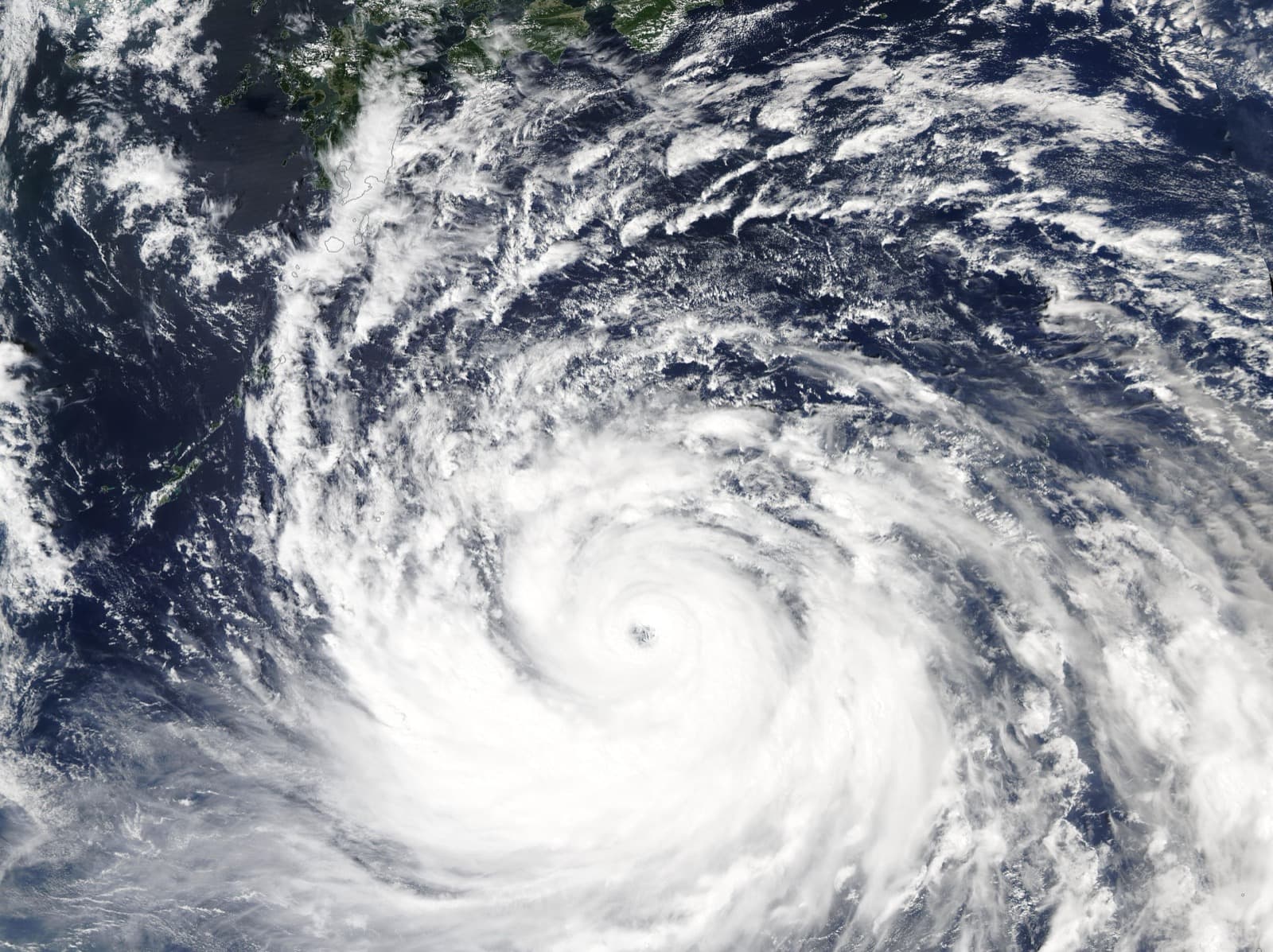
Forecasts lean above average. Weathernews expects about 28 storms to form in 2026 (vs 25.1 average), with roughly 14 approaching Japan (vs ~11.5). The season also started early: six typhoons had formed by end of May, and Tropical Storm Jangmi (Typhoon No. 6) swept Okinawa, Kyushu and the Kanto region in early June. The driver is a developing El Niño — potentially among the strongest on record — plus a positive Indian Ocean Dipole and above-normal ocean heat, a setup that favours stronger storms and nudges tracks toward southwest Japan.
When Kyushu Gets Hit: Month by Month
| Window | Risk |
|---|---|
| June – early July | Low but not zero. Bigger issue is the tail end of tsuyu (rainy season). |
| Late July – late September | The peak. Strongest storms in Aug–Sep; mid-September is the classic Kyushu-landfall sweet spot. |
| October onward | Wind-down — approach frequency drops fast after mid-October. Southern Japan without the risk. |
💡 August produces the most storms by count; September is when tracks most often pass near Japan.
Where on Kyushu the Risk Concentrates
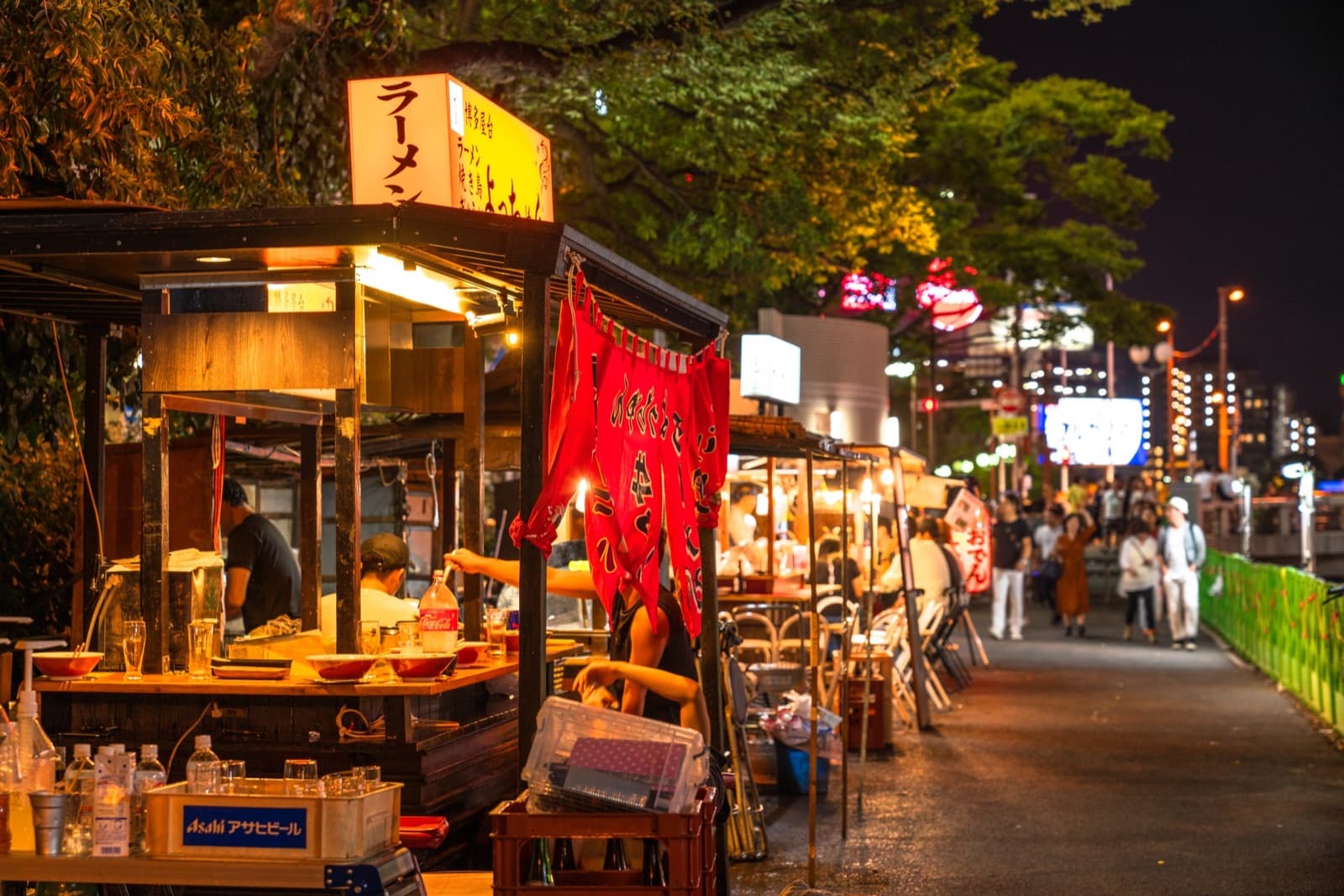
Not every corner is equally exposed. Southern Kyushu (Kagoshima, Miyazaki, the south coast) is the front line — Kagoshima absorbs the first punch when a storm tracks up from the Philippine Sea, and the Nansei Islands get hit even earlier. Fukuoka and northern Kyushu are more sheltered: the usual pattern is a storm passing to the south, several hours of heavy rain and gusty wind, and Hakata Station running again by the next morning. (Our Fukuoka guide has indoor options for a wet day.) In a typical year, Kyushu absorbs 1–2 direct strikes and several near-misses.
What a "Direct Hit" Actually Means
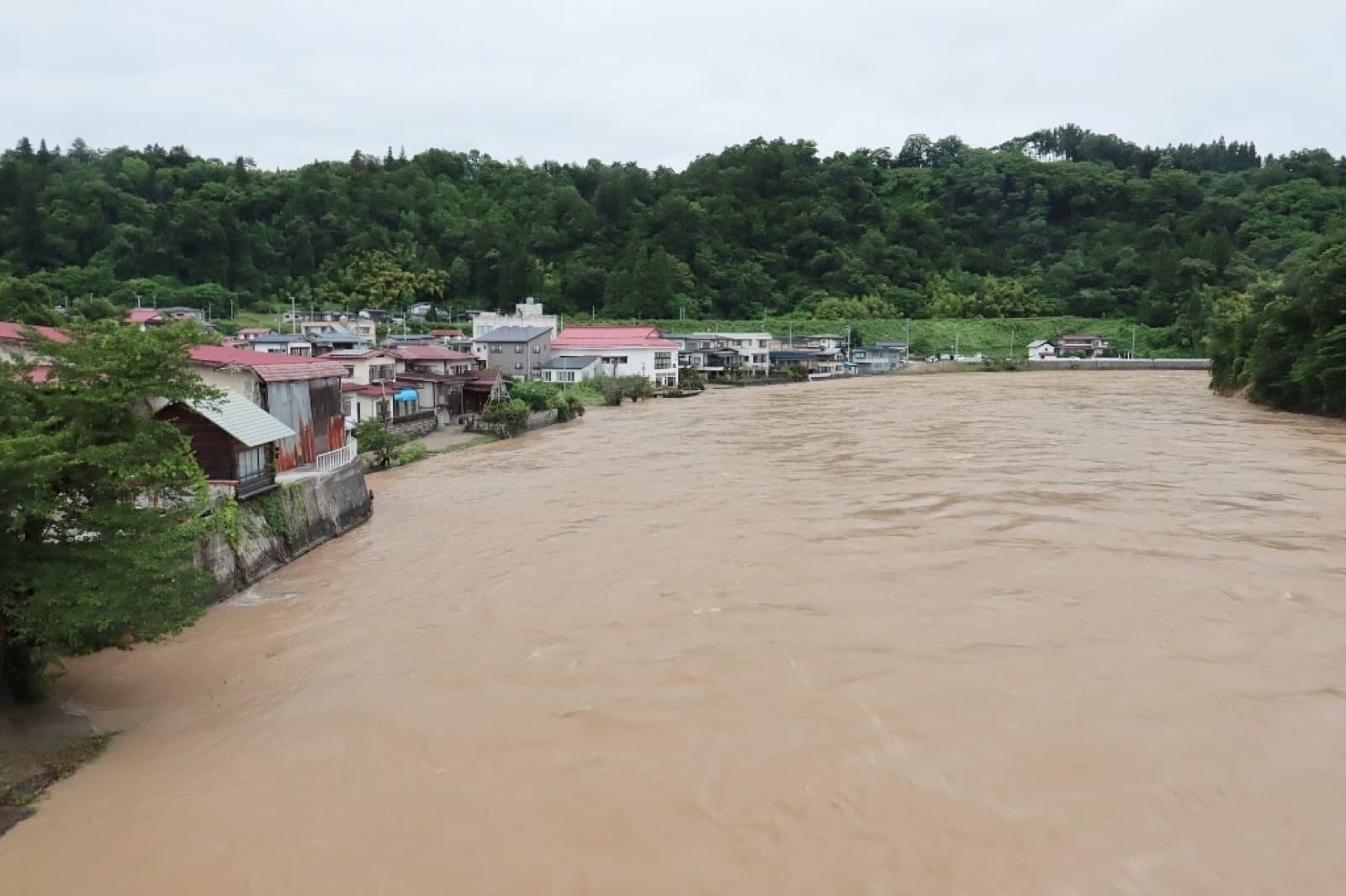
A typhoon in Japan is a numbered weather event (the twelfth of the year is "typhoon number 12"), and it moves slowly — around 20–40 km/h — so its path can be predicted quite accurately. That's your friend: you almost always get 3–5 days' notice. Roughly 25 form in the Pacific each year, ~3 make landfall in Japan, and Kyushu typically takes 1–2. The local impact window is 12–36 hours of heavy weather at any single spot, with peak winds lasting just 3–6 hours. If you can absorb a lost day, you can travel this season without much drama.
What Actually Gets Cancelled
Disruptions roll out in a predictable order. Knowing the sequence keeps you a step ahead:
| Lead time | What stops |
|---|---|
| 48 hrs out | Ferries first (Gunkanjima, Nokonoshima). |
| 12–48 hrs | Flights — ANA/JAL/LCCs cancel; compact Fukuoka Airport closes fast in high winds. |
| 6–24 hrs | Shinkansen & JR — JR Kyushu announces planned suspensions a day ahead; Hakata–Kagoshima pauses first, then the Sanyo Shinkansen (Hakata–Shin-Osaka). |
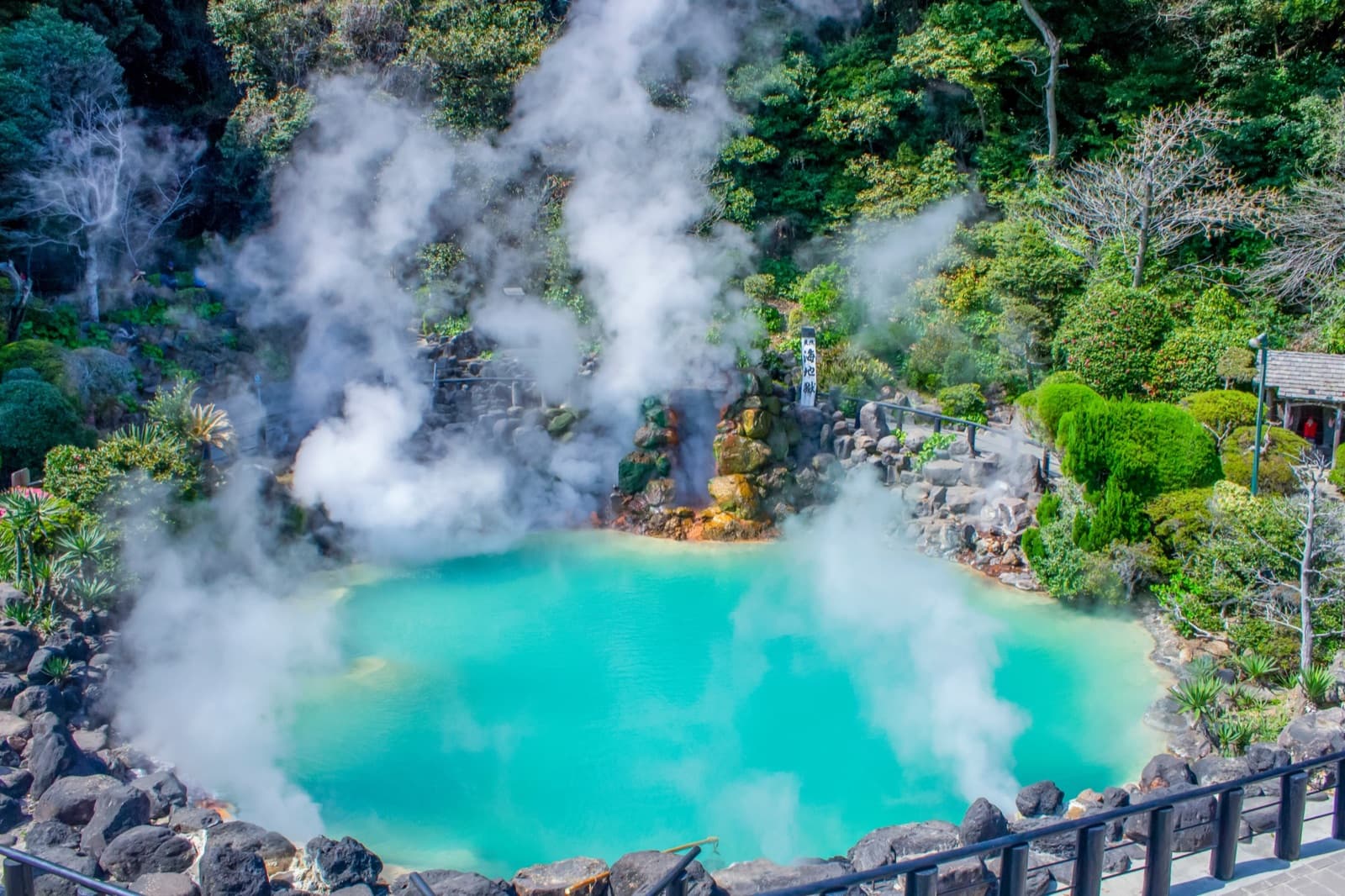
| Same day | Highway buses; urban buses once winds top ~25 m/s; outdoor attractions & open-air onsen (Beppu Hells) close pre-emptively. Indoor malls & aquariums usually stay open. |
💡 Outdoor sightseeing goes first; indoor experiences usually stay open — which is exactly how you build backup plans.
During planned suspensions, JR West and JR Kyushu waive change and refund fees for affected tickets. (Typhoon Jangmi in June 2026 caused 439 cancellations and 458 delays across Naha, Tokyo, Fukuoka and Miyakojima — a textbook example.)
Tools: What to Actually Have on Your Phone
- Japan Meteorological Agency (JMA) — the official source; the RSMC Tokyo–Typhoon Center publishes the live forecast cone and intensity class. English version works on a phone.
- Windy.com — the clearest live map for watching a system's position, wind field and projected path.
- Zoom Earth — live satellite loop plus active-storm tracks; fastest way to eyeball whether a storm is heading your way.
- Weathernews (5–10 day English alerts) and NHK World (English emergency coverage & push alerts).
- Rail operator pages — bookmark JR Kyushu and JR West. They post planned keikaku unkyu suspensions a day ahead, and tell you when the bullet trains stop and restart.
Building a Storm-Resilient Kyushu Itinerary
For the route itself, our Kyushu itinerary explains a seven-day train-based trip, realistic overnight stops and the rural stretches that need a reserved taxi on longer journeys.
- Add a buffer day (or two). One flex day for a sub-10-day trip in mid-September; two for a longer late-August trip. That's what turns "trip ruined" into "we lost Tuesday."
- Front-load fixed bookings on safer dates. Put non-refundable ryokan or specific tours early; save flexible days for the tail end when you know more.
- Book flexible where it matters. Coastal hotels, island trips and anything in southern Kyushu (Kagoshima, Sakurajima, the Nansei Islands) — refundable rates are worth it in peak season.
- Know your retreat route. If a storm aims at southern Kyushu, pivot north to Fukuoka or hop the Sanyo Shinkansen to Hiroshima/Osaka. Hakata Station is your escape hatch; double back once it passes.
- Get travel insurance that covers weather-related trip interruption, missed connections and the cost to rebook flights. Non-negotiable in peak season.
Self-Guided Kyushu Tours
Buffer days, refundable coastal stays and inland retreat routes baked in — so a typhoon that arrives is a rearranged day, not a ruined trip.
💬 From our Japan travel team
Kyushu does take more direct hits than most of Japan — but every self-guided tour we build comes with 24/7, 365-day customer support, so if a storm throws you a curveball, you can keep travelling with real peace of mind. And Kyushu earns the detour: the food, the onsen, the volcanoes. It's a little far from Tokyo and Osaka, but it's well worth visiting at least once.
Common Mistakes to Avoid
- A tight island-hopping loop in mid-September. If a single storm passes, ferries and inter-island flights go first.
- Ignoring the day-ahead notices. JR Kyushu and JR West post planned suspensions the night before — check before you sleep, not the morning of.
- Panicking at "typhoon approaching" headlines. Approach isn't landfall — read the JMA cone, not the clickbait.
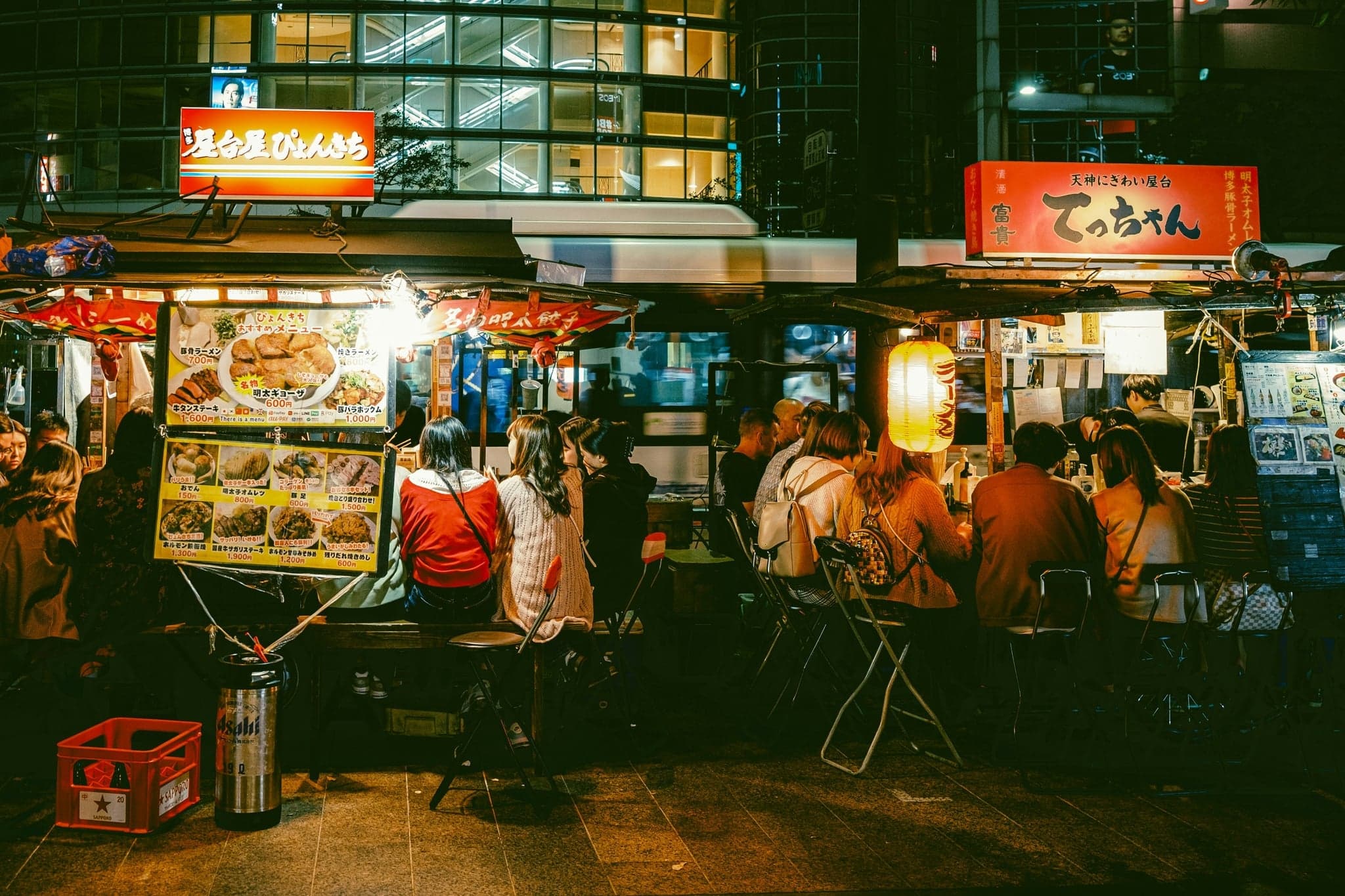
- Sticking to outdoor sightseeing when a storm arrives. Stay indoors — aquariums, department stores, ramen alleys, museums. Fukuoka's Tenjin Chikagai arcade is a rainy-day lifesaver.
- No paper backup of key reservations. Apps drain your battery fast when you're stress-refreshing.
Quick season comparison: cherry blossoms (late Mar–early Apr) and Golden Week are dry but pricey; tsuyu (June–mid July) is wet but rarely stormy; late summer–mid September is the peak typhoon window; late October onward is drier, cooler and much lower risk. For the month itself, see Japan in September 2026 and the September typhoon guide.
Kyushu After Typhoon Season
Kyushu takes more direct hits than anywhere else in Japan, but the season closes here too — by late October the risk drops sharply, and from November through spring Kyushu is one of the mildest, least crowded regions in the country. Its onsen towns, in particular, are at their best in exactly the months when the rest of Japan is cold.
- The permanent pattern — month-by-month risk and planning rules, year-round: typhoon season in Japan.
- Broader safety questions — is Japan safe to visit right now covers typhoons, earthquakes and current conditions in one continuously updated place.
- Autumn and winter travel — see Japan in November and winter in Japan. Kyushu's autumn colour runs later than Honshu's, into early December.
- Onsen — Kyushu is Japan's densest hot-spring region. Our onsen guide and what is a ryokan cover how to use them.
Planning a trip to Kyushu and want support if the weather turns? Get in touch through Plan My Trip on our self-guided tours site, and we’ll suggest the tours that best fit your dates and plans.
FAQ: Kyushu Typhoon Season 2026
Should I cancel my Kyushu trip if it falls in August or September?
Honestly, no — unless you have zero flexibility. Most trips run smoothly. Add a buffer day, use flexible bookings, and watch the JMA five-day forecast.
How far ahead can I actually see a typhoon coming?
JMA forecast tracks usually run 5 days ahead; some services extend to 10. JMA and JTWC sometimes show slightly different cones — seeing both helps you avoid over-reacting to one model.
Does Fukuoka get direct hits often?
Not often. Southern Kyushu (Kagoshima, Miyazaki) takes the brunt; Fukuoka usually gets a weakened version — heavy rain, gusty wind and rail delays rather than multi-day shutdowns.
What's the safest month to visit Kyushu in 2026?
Late October and November to avoid typhoon risk entirely. April and May are also low-risk, though outside typhoon season proper.
Will my Sanyo Shinkansen ticket be refunded if the train is cancelled?
Yes. During planned suspensions, JR West and JR Kyushu waive change and refund fees for affected tickets — bring your ticket to any staffed station counter.
What should I do the day a typhoon hits my location?
Stay indoors. Shift outdoor plans to an indoor alternative — aquariums, department stores, covered arcades like Fukuoka's Tenjin Chikagai. Charge your phone and check NHK World for English alerts.
Turn This Into a Real Plan
A Kyushu itinerary that survives typhoon season is one built to bend: buffer days, refundable coastal stays, fixed bookings front-loaded on safer dates, and an inland retreat route via Hakata. That's exactly the kind of planning we do — flexible self-guided routes with the weather hedges baked in.
💬 From our Japan travel team
Don't let typhoon season scare you off Kyushu — the food, onsen and volcanoes are worth it. Weight your route toward northern Kyushu and late September, keep one or two flex days, book the south refundable, and set your JMA/Windy alerts before you fly. Tell us your dates and we'll build the buffers in.
2026 seasonal outlook per Weathernews and the Japan Meteorological Agency; regional risk and impact examples (Jangmi 2025/2026, Shanshan 2024) per contemporaneous reporting; rail-suspension and refund policy per JR Kyushu / JR West operational guidance. Typhoon tracks are inherently uncertain beyond ~72 hours — confirm current warnings before changing plans. Last updated: July 2026.
Self-Guided Japan Tours
Flexible Kyushu and southern-Japan itineraries with refundable stays, buffer days and retreat routes — rail and hotels handled.