
What Is a Ryokan? Your First Night in a Traditional Japanese Inn
Not a cultural essay — just what to expect, hour by hour.
A ryokan is a traditional Japanese inn — but that doesn't help when you're standing in the entrance wondering what to do with your shoes. This is the practical guide for foreign guests staying at a ryokan for the first time.
♨️ Quick Answer: What Is a Ryokan?
A ryokan is a Japanese inn built around a rhythm: arrive, bathe, eat, sleep, bathe, eat, leave. You sleep on futons on tatami mats, wear a yukata robe everywhere, soak in communal hot spring baths, and eat multi-course kaiseki meals. Prices start at ¥15,000/person per night with dinner and breakfast included.
🛏️ Sleep
Futon on tatami
♨️ Bathe
Communal onsen
🍱 Eat
Kaiseki dinner
👘 Wear
Yukata robe
What Makes a Japanese Ryokan Different from a Hotel
A ryokan is not just a place to sleep. It's a hospitality experience built around a rhythm: arrive, bathe, eat, sleep, bathe, eat, leave. The tatami floor, the futon bedding, the multi-course kaiseki meal — everything follows that flow.
🏯 Ryokan vs Business Hotel
| Traditional Ryokan | Business Hotel | |
|---|---|---|
| Check-in | 3:00–6:00pm (late = missed dinner) | 24 hours |
| Meals | Dinner + breakfast included | None or extra |
| You wear | Yukata robe, everywhere | Your clothes |
| Bathing | Communal hot spring baths | Unit bathroom |
| Shoes | Off at the entrance | Shoes to your room |
| Sleeping | Futon on tatami, laid by staff | Bed |
| Price | ¥15,000–80,000/person (with meals) | ¥5,000–15,000/room |
Key Difference
A ryokan runs on their schedule. Dinner is served at the time you pick during check-in — usually 6:00pm or 6:30pm. There is no 8pm option.
Inside a Traditional Japanese Inn: What Your Stay Looks Like
🚪 Arrival
Step out of your shoes at the entrance (there's a clear step up — that's your cue). Staff hand you slippers for hallways. Tatami rooms are barefoot only.
🍵 Your Japanese style room
A room attendant walks you in: tatami mats, a low table, sliding doors, a scroll in the alcove. They kneel, pour tea, and set out a wagashi sweet. They'll ask what time you want dinner and breakfast. Pick the earliest dinner slot.
👘 Wearing yukata
Change into the yukata robe on the shelf. Left side over right — right over left is for the dead. If the obi belt confuses you, ask the front desk. Everyone does. You'll wear this for your entire ryokan stay: to dinner, to the baths, everywhere.
♨️ Hot spring baths
Head to the communal baths before dinner while they're empty. Look for the noren curtains: blue/男 for men, red/女 for women. Undress completely — no swimsuits. Wash thoroughly at the seated shower stations before entering the hot spring. This is non-negotiable onsen etiquette. Then soak.
🍱 Kaiseki dinner
The multi-course kaiseki meal is 8–12 small dishes served one at a time: seasonal appetizer, sashimi, grilled fish, simmered dish, rice, miso soup, pickles, dessert. While you eat, staff lay out your futon bedding on the tatami floor.
🌙 Night bath
An outdoor onsen at night — steam under the stars, almost no one around — is a completely different experience from the afternoon.
🌅 Morning bath
The water's been refreshed, the air is cool. Regulars know this is the best time.
🐟 Breakfast
Grilled fish, miso soup, tamagoyaki, rice, nori, pickled vegetables. A full traditional Japanese breakfast. It's enormous. You won't need lunch.
👋 Checkout
How Much Does a Ryokan Stay Cost?
Price per person per night, with dinner and breakfast included:
¥15,000–25,000
Clean tatami guest rooms, shared communal baths, dinner in a dining hall. Older buildings. Limited English.
¥25,000–50,000
Private dining, better kaiseki, possibly a room with a private onsen. Attentive personal service from a dedicated room attendant.
¥50,000+
Private outdoor hot spring baths, premium kaiseki with wagyu or seasonal crab. English-speaking staff. The full traditional Japanese lifestyle experience.
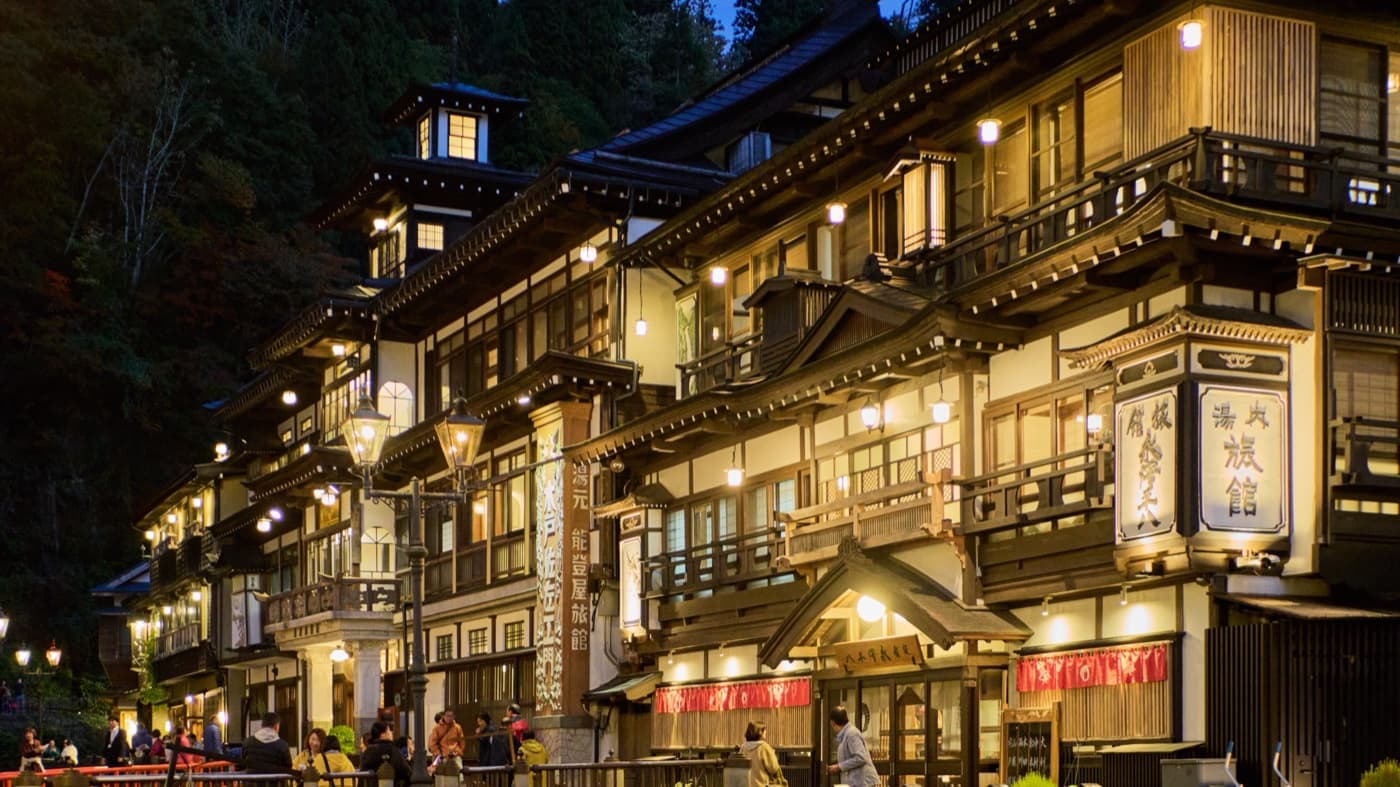
Most ryokan trace their hospitality traditions to the Edo period or earlier — Japan is home to the world's oldest hotel, Nishiyama Onsen Keiunkan, operating since 705 AD. Even at the lower range, one night is unlike any modern accommodations in the world. For a broader look at Japan trip costs, see our Japan budget guide.
Tips for Foreign Guests
Tattoos
Many onsen ryokan restrict tattooed visitors from communal baths. Book a room with a private onsen, or ask the front desk before booking. In recent years more accommodation facilities have relaxed this rule, but don't assume.
Solo travelers
Some inns won't accept single-person bookings during busy periods. Filter for single-occupancy on Rakuten Travel or Booking.com.
Wi-Fi
Smaller family-run inns may only have Wi-Fi in the lobby. Check before booking.
What to bring
Most ryokan provide towels, toothbrush, yukata, and amenities. Bring your own skincare and a small bag for carrying your hand towel to the baths.
For more cultural dos and don'ts, read our 25 Japan Travel Mistakes to Avoid.
Where to Stay: Best Onsen Towns for a Ryokan Experience
♨️ Hakone
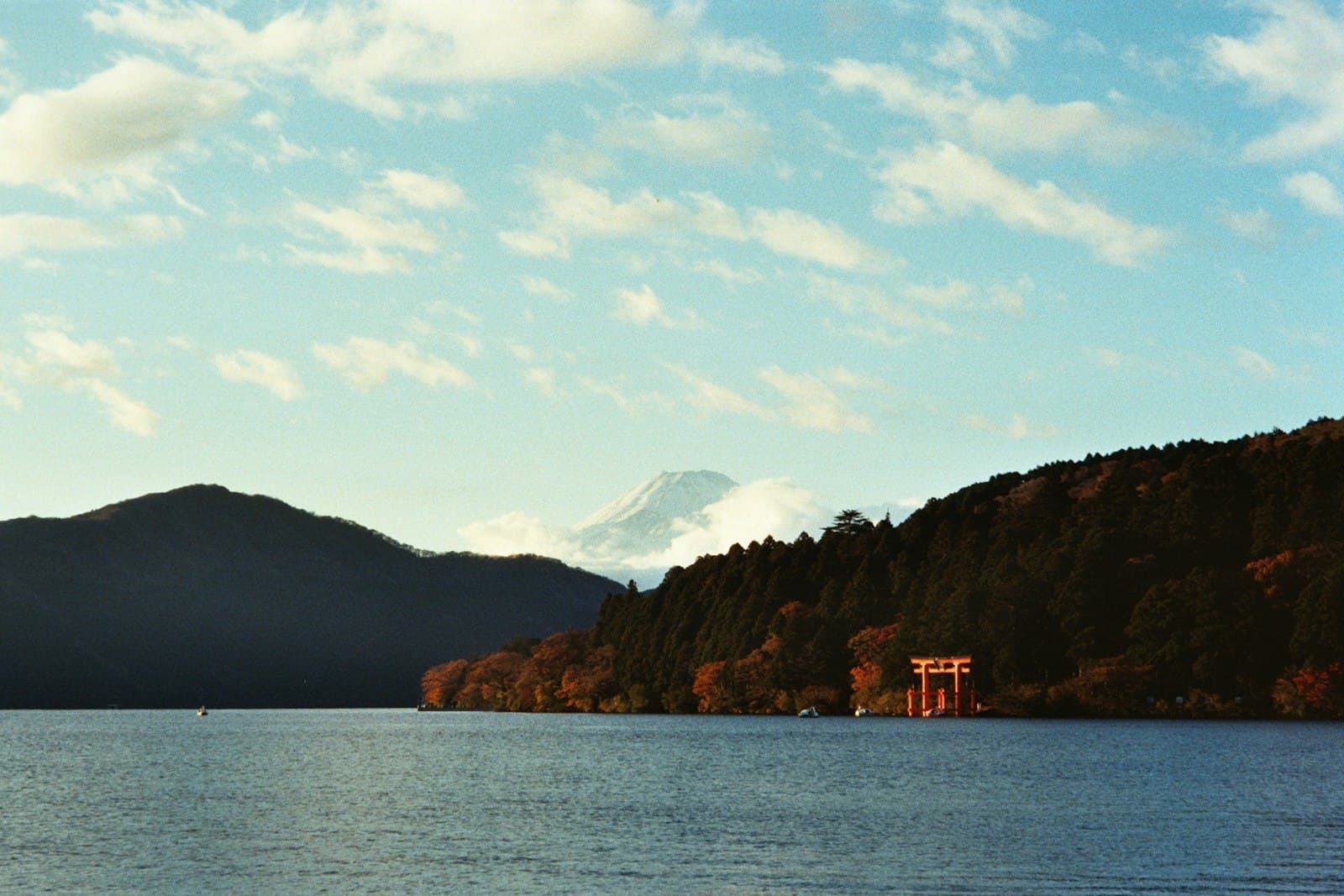
90 minutes from Tokyo. The Gora and Sengokuhara areas have excellent onsen ryokan at every budget. Easy to combine with a day trip or a stopover on the way to Kyoto.
🏮 Kinosaki
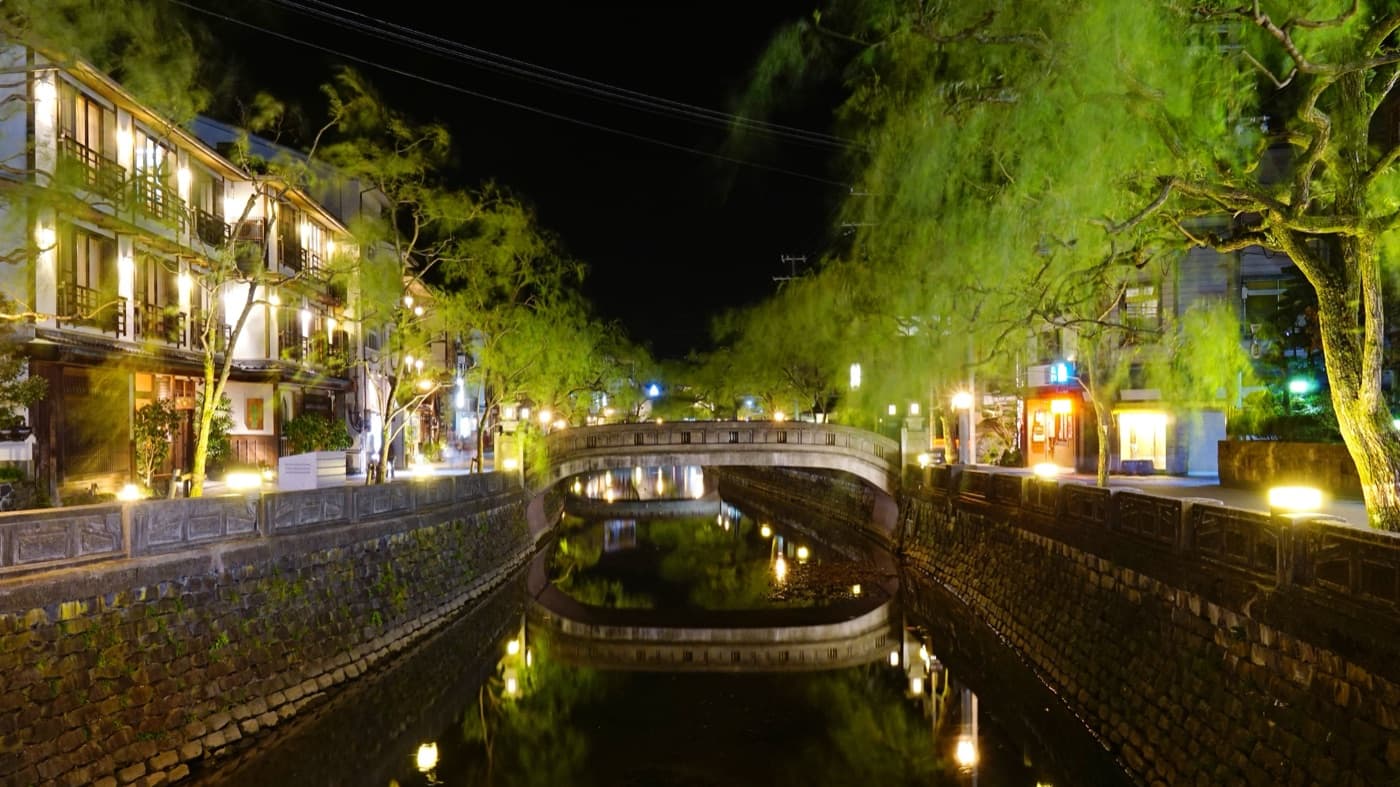
A small onsen town 2.5 hours from Kyoto by JR. Seven public bathhouses, one ¥1,500 all-bath pass. One of the few places in Japan where walking outside in yukata is the norm.
📿 Koyasan
Temple lodging (shukubo) with tatami rooms, Buddhist vegetarian cuisine, and morning prayer with monks. A different style but the same cultural experience. See our hidden gems guide.
⛩️ Kyoto
Machiya-style inns in Higashiyama and Arashiyama offer the traditional Japanese inn atmosphere, though most use heated water rather than natural hot springs.
FAQ
Do I need to speak Japanese?
Can families stay at a ryokan?
Is one night enough?
A ryokan stay is the experience visitors to Japan talk about most when they get home. Not the temples, not the bullet train — the night they soaked in a hot spring under the stars and ate the best meal of their trip.
Experience a Ryokan on Your Japan Trip
Our self-guided tours include carefully selected ryokan stays with onsen — we handle the booking, the language barrier, and the logistics so you just show up and soak.
Last reviewed: March 2026.
Related: 14-Day Japan Itinerary | Is the JR Pass Worth It? | Best Time to Visit Japan
Related Articles
BluePlanet Travel Team
Japan Travel Experts