
Japan Typhoon September 2026: A Traveler's Guide to Planning Around the Storms
September is the peak of typhoon season — but you don't need to cancel. Here's the 2026 outlook, where the risk actually sits, which forecasts to trust, and how to build a self-guided itinerary that bends instead of breaks.
Planning a trip to Japan for September 2026 and worried about typhoons? The honest answer up front: yes, September is the peak of typhoon season, and yes, 2026 is shaping up busier than average — but no, you don't need to cancel. Most travellers will see, at worst, a soaked afternoon and a shuffled itinerary. The trick is knowing where the risk actually sits, which forecasts to trust, and how to build a plan for japan typhoon september 2026 that bends instead of breaks.
Below: what forecasters expect, the season month by month, which regions face the biggest approach risk, and how to fold it into a real self-guided itinerary. For the full-season view, see our Japan typhoon season 2026 guide and the live Japan typhoon forecast 2026; for the month overall, Japan in September 2026.
🌀 Quick Answer: Japan Typhoon September 2026
Don't cancel. September is peak season and 2026 is above average (~28 storms forecast, ~14 approaching), but a typhoon hits a region, not the whole country. Build in 1–2 buffer days, book refundable coastal/island nights, front-load Kyushu/Okinawa, and wait for the 48–72 hour forecast window before changing plans.
📈 2026 outlook
~28 storms
⚠️ Highest risk
Kyushu / Nansei
✅ Safest
Hokkaido / inland
📅 Best window
Late September
The 2026 Typhoon Outlook at a Glance
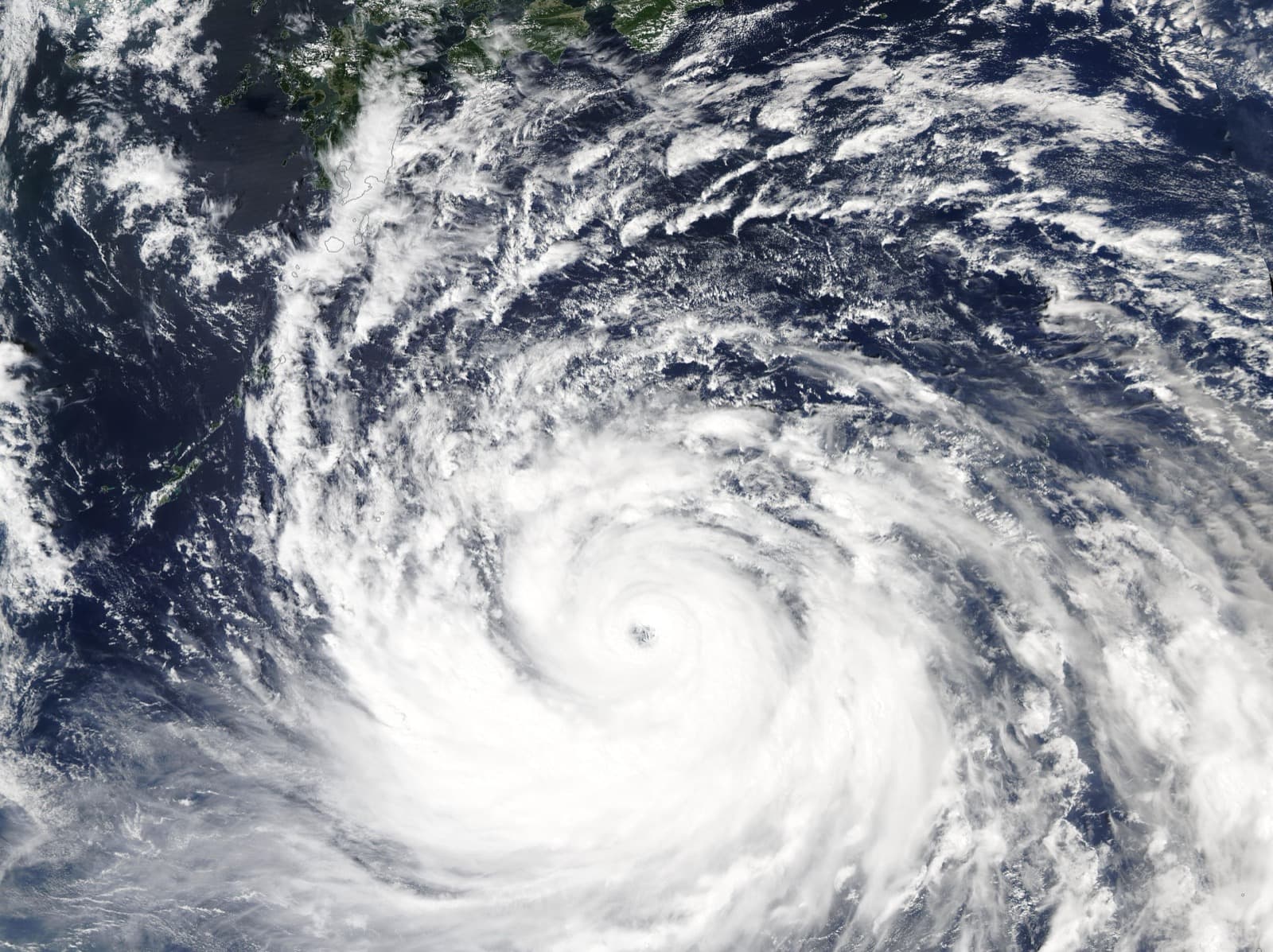
Weathernews forecasts about 28 storms will form this year — above the long-term average of 25.1 — with roughly 14 expected to approach Japan (vs about 11.5 normally). That's a busy season, not a catastrophic one. The season also started fast: six typhoons had formed by the end of May, and Tropical Storm Jangmi (Typhoon No. 6) swept Okinawa, Kyushu and the Kanto region with heavy rain and strong winds in early June.
For September specifically, the picture is nuanced. Approach frequency for Honshu is forecast below normal in September, and Okinawa/Amami near-normal (with a below-normal September) — so the raw approach count may actually run under climatology. The catch is intensity: even when the number of approaching typhoons isn't high, a single storm can cause major impacts through heavy rainfall, strong winds and storm surge. Vigilance matters through the latter half of the season.
Why September Marks a Real Turning Point
September is the transition from late summer to early autumn — shifting weather, bigger day-night temperature gaps, frequent rainfall and occasional typhoons. Practically, the first half of September still feels like summer: Tokyo highs of 30–32°C, nights above 24°C, high humidity. By mid-September the mood shifts, with daytime highs easing to 24–28°C. Sunny days between systems are genuinely some of the nicest windows for outdoor sightseeing — if you get lucky with timing.
How Typhoons Actually Track Toward Japan in 2026
Storms build over warm ocean water in the western Pacific south of Japan, then curve north or drift west. The key 2026 difference: last year a strong westward extension of the Pacific high pushed many typhoons toward the South China Sea and Vietnam. This year the Pacific high is expected to extend more strongly northward — so typhoons forming east of the Philippines may be more likely to curve north toward Japan instead of tracking west into Southeast Asia.
🌡️ The El Niño wildcard
2026 is likely to transition to El Niño conditions by summer, possibly with a positive Indian Ocean Dipole. That can push formation zones further out into the western Pacific — giving storms more warm water and room to intensify — and favour slow-moving systems, the worst kind for travellers because the rain stacks up over consecutive days. Watch not just the number of storms but their intensity, track and speed.
Where the Typhoon Risk Concentrates in September
Japan is long and skinny, and typhoon risk drops sharply as you move north. Southern areas like Okinawa and Fukuoka can see typhoons 6–7 times a year; Hokkaido, the least. Tokyo, Osaka, Kyoto and Nagoya usually catch heavy rain and strong winds when a storm passes rather than a direct hit.
🗾 September typhoon risk, region by region
| Region | Risk level |
|---|---|
| Kyushu & Nansei Islands (Okinawa) | Highest. Expect at least one Kyushu landfall late Aug–mid Sep; slow, rain-heavy storms likely. |
| Shikoku & Pacific coast | High — second after Kyushu. |
| Tokyo & eastern Japan | Moderate — usually the storm's edge (heavy rain, transit delays), not a direct strike. |
| Hokkaido & inland (Nagano, Gifu, Japan Sea coast) | Lowest. Storms usually diminished by the time they arrive. |
💡 If typhoon anxiety is your dealbreaker, a Hokkaido-heavy late-September itinerary is the safe play.
What Happens When a Typhoon Hits — the Real-World Impact
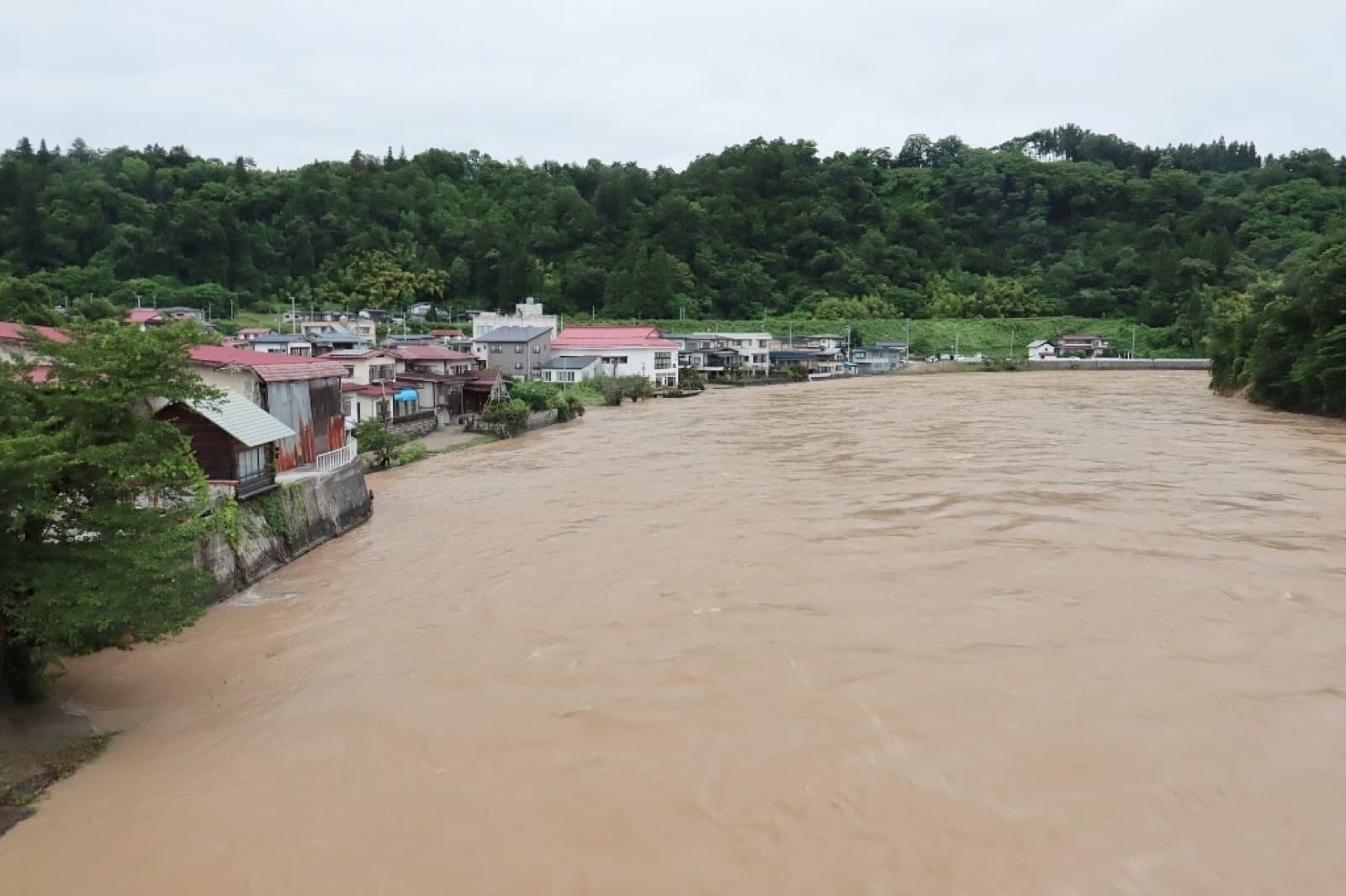
The disruption usually isn't flooded streets — it's transportation. Strong winds and flooding routinely halt shinkansen service and ground flights, sometimes for a full day. When Jangmi crossed Honshu in June, carriers cancelled hundreds of flights and several rail lines shut down. At the extreme, 2024's Typhoon Shanshan hit Kyushu as one of Japan's strongest storms in decades. But for most travellers who catch a typhoon, the reality is far tamer: stay indoors until the worst passes (a few hours to a couple of days), and your hotel will usually give advance notice.

Japan's rail operators run conservatively and announce planned suspensions — keikaku unkyu — the evening before, so you usually get warning; bullet trains restart quickly once a storm passes. Flights are different: airlines usually announce cancellations 24–48 hours ahead, and the day after a storm is a scramble, so if your flight is cancelled, get on the phone or app immediately.
Month by Month: Where September Sits in the Season
| Window | Character |
|---|---|
| Early September | Peak summer heat and humidity; statistically when the strongest typhoons happen. The classic risk window. |
| Mid September | Temperatures ease; approach risk still elevated but starting to slide. |
| Late September | Weather turns genuinely pleasant across most of Honshu; approach risk drops. Late Sep into October is often gorgeous. |
💡 August produces the most storms by volume; September brings some of the strongest; ~2–3 typhoons hit Japan across Aug–Sep.
Should You Cancel Your September 2026 Trip?
Short answer: no. Keep your itinerary flexible, avoid extremely tight schedules, monitor forecasts, and consider travel insurance for weather disruption. Typhoons don't affect the entire country, and even when one hits, the impact is usually limited to a relatively short period. September has real perks, too: fewer travellers than the cherry-blossom crush, lower hotel rates in some cities, early-autumn festivals starting — and when a storm passes, the sky clears into some of the crispest days of the year.
💬 From our Japan travel team
September does carry a higher typhoon risk — but a flexible itinerary, plus keeping a close eye on the news if a storm lines up with your dates, is genuinely all it takes. And you're not on your own: book a self-guided tour with us and our on-the-ground Japan travel specialists support you throughout, so you can travel safely and with real peace of mind.
Tools and Resources for Tracking Typhoons
- Japan Meteorological Agency (JMA) — the official source; warnings up to 5 days ahead, in English at jma.go.jp. Your baseline.
- Digital Typhoon (National Institute of Informatics) — real-time and historical tracks for every named system, great for satellite imagery and past analogues.
- Weathernews — solid 5–10 day outlook with English alerts and push notifications for mid-trip.
- NHK World — English-language emergency broadcasting with continuous coverage during major storms.
- Rail operator pages — JR East (jreast.co.jp/e) and Tokyo Metro (tokyometro.jp/en) publish real-time line status in English; JR East also posts delays on X.
⚠️ Reality check on range: JMA track cones run ~5 days ahead; a 7-day track can swing 300 km in any direction. Wait for the 48–72 hour window before you change plans. More than two weeks out, only the seasonal outlook matters — don't rebook flights on a 10-day cone.
Building a Typhoon-Resilient Self-Guided Itinerary
This is where planning pays off. A rigid itinerary breaks under storm pressure; a flexible one absorbs the hit and keeps moving.
- Build in a buffer day (or two). One flex day is the minimum for a two-week September trip; two if you include Kyushu or the Nansei Islands.
- Book refundable hotels for island and coastal nights. The 10–15% you save on non-refundable rates isn't worth it in September.
- Front-load your southern legs. Do Kyushu, Shikoku or Okinawa early so a storm doesn't eat your final days.
- Have an indoor Plan B for every city. Kyoto temples and museums, Tokyo's TeamLab and department-store food halls, Kanazawa's Kenrokuen — outdoor sightseeing gets scratched, indoor stays open.
- Rethink Mount Fuji. Fuji climbing closes in early September, and the peak hides behind cloud constantly; plan two nights at Lake Kawaguchi for a real shot at a clear morning (often sharpest right after a storm passes). See our Mount Fuji & Kawaguchiko autumn guide.
- Weight toward lower-risk regions. Hokkaido, the Japan Sea coast (Kanazawa, Toyama, Niigata) and inland Nagano/Gifu see far fewer direct impacts.
If you want to see what that looks like as a real plan, our 10-day Japan itinerary is built with a buffer day and a Japan Sea leg, and how much a trip to Japan costs prices a September trip with the refundable-hotel premium included. On our self-guided tours the flexible bookings and the rebooking during a storm are handled by our team in Japan.
Japan Trip Cost Calculator (2026)
Set your trip below — the estimate updates instantly. Yen prices are converted at a rounded ¥150 to the dollar; the market rate is about ¥157 in September 2026, which makes yen costs a few percent cheaper than shown.
Intercity is priced as point-to-point tickets unless you add the pass — on the Tokyo–Kyoto–Osaka route the pass usually costs more than the tickets.
Estimated total
$4,530
$2,265/person · $453/day · 2 travelers, 10 days
Your trip settings and estimate will be copied into an editable inquiry. Add your travel dates to ask for a free quote.
This is a DIY planning estimate, not a package price. Our tours have set itineraries and include the hotels and transport listed on each tour page. International flights are extra; meals, sightseeing and room arrangements vary by route.
Common Mistakes Travellers Make in Typhoon Season
- Booking non-refundable everything. Save it for spring.
- Tight international connections. A cancelled shinkansen on your fly-home day is a nightmare — give yourself a buffer night near the departure airport.
- Ignoring the day-after rush. After a storm, everyone rebooks at once. Get in the queue fast.
- Trusting long-range track forecasts. The 10-day cone is a possibility map, not a prediction.
- Skipping travel insurance. Weather-cancellation cover is genuinely worth it — but read the fine print; some policies exclude already-named storms.
- Assuming Tokyo gets hammered. It usually doesn't; most storms weaken or brush past offshore.
- Panicking too early. A storm that looks scary five days out often weakens or misses. Save your energy for the 48-hour window.
What to Pack for September
Summer clothes plus rain gear — lightweight and quick-drying. A cheap plastic poncho beats a fancy raincoat when gusts invert umbrellas; convenience stores sell them for a few hundred yen. Waterproof shoes matter more than you'd think, and a portable battery is essential when trains stop and you're glued to weather apps.
When Typhoon Season Ends — and What Replaces the Worry
September is the peak, but the season has a firm back edge. By mid-October the steering pattern shifts, the jet stream drops south, and storms that do form tend to curve out into the Pacific before reaching Honshu. By early November a landfalling typhoon is rare enough to be news. If your trip is after roughly 20 October, typhoons should not be the thing you are planning around.
What deserves your attention instead, depending on when you are travelling:
- October — the reward for waiting. Warm days, cool nights, and the lowest prices between summer and the November colour. Japan in October 2026 covers the month; if the dates are still open, this is the one to book.
- Late October and November — autumn colour timing. The variable that actually decides your trip is when the leaves turn, and it moves by up to two weeks year to year. Our autumn leaves forecast tracks it, and Japan in November covers the month.
- The permanent pattern. This page tracks 2026; the year-round mechanics — month-by-month risk, regions, planning rules — live in our evergreen typhoon season in Japan guide.
- General safety questions. Typhoons are one of several things travellers worry about, alongside earthquakes and crowding. Is Japan safe to visit right now is kept current and answers the broader question.
- Winter. From December the weather risk flips from wind and rain to snow disruption on the Japan Sea side. See winter in Japan.
And if you are reading this while planning a trip for a future year rather than this one: the pattern is stable enough to plan against. Peak risk runs August through September, tapering through October, with the quietest stretch for weather disruption falling between mid-November and late December. Best time to visit Japan weighs that against crowds and prices.
Planning a trip to Japan in September and want support if a storm changes your plans? Get in touch through Plan My Trip on our self-guided tours site, and we’ll suggest the tours that best fit your dates and plans.
FAQ: Japan Typhoon September 2026
Is September 2026 a bad time to visit Japan?
Not really. It's the peak of typhoon season, but most travellers experience little more than a wet afternoon or a rescheduled train, and the latter half of the month often delivers some of the best weather of the year. Just build in flexibility.
How much notice do I get before a typhoon hits Japan?
The JMA typically issues warnings 3–5 days ahead, with confident tracks in the 48–72 hour window. Rail suspensions are announced the evening before; flight cancellations usually 24–48 hours out.
Will the shinkansen run during a typhoon?
JR runs conservatively and suspends service pre-emptively when wind and rain exceed safety thresholds, then resumes quickly once the storm passes. Check JR East or JR Central status pages before heading to the station.
Should I get travel insurance for a September Japan trip?
Yes — look for cover for weather-related trip interruption and cancellation, and read the exclusions carefully. Some policies only cover storms that weren't already named at the time of purchase.
Which region is safest from typhoons in September?
Hokkaido and northern Japan see the fewest direct impacts. Inland Honshu — Nagano, Gifu, the Japan Sea coast — also carries lower approach risk than the Pacific coast or Kyushu.
Can I visit Okinawa in September 2026?
You can, but book flexibly. Okinawa and the Nansei Islands sit closest to storm formation zones, and island flights are usually the first cancelled. Give yourself buffer days on either end.
Do typhoons affect the whole country at once?
No. A typhoon hits a region, not the whole archipelago — a Kyushu landfall often leaves Tokyo, Kanazawa or Sapporo largely untouched. That's why regional flexibility is such a strong hedge.
Turn This Into a Real Plan
A September itinerary that survives a typhoon is one built to bend: front-loaded southern legs, refundable coastal nights, buffer days, and an indoor Plan B for every city. That's exactly the kind of planning we do — self-guided routes with the logistics and the weather hedges sorted, so you keep the freedom without the guesswork.
💬 From our Japan travel team
Don't let typhoon anxiety talk you out of September — it's one of the best-value months of the year. Weight your route toward late September and lower-risk regions, keep one or two flex days, and set up your JMA/Weathernews alerts before you fly. Tell us your dates and we'll build the buffers in.
2026 seasonal outlook per Weathernews and Japan Meteorological Agency; regional risk and impact examples (Jangmi 2026, Shanshan 2024) per contemporaneous reporting; forecast-range and rail-suspension notes per JMA and JR East operational guidance. Typhoon tracks are inherently uncertain beyond ~72 hours — confirm current warnings before changing plans. Last updated: 25 August 2026.
Related Articles

Japan Typhoon Season 2026: Aug–Sep Peak — Should You Cancel? (Month-by-Month Risk)
15 min read
Kyushu Typhoon Season 2026: A Practical Planning Guide for Self-Guided Travelers
12 min read
Japan Typhoon Tracker 2026: Latest Track, Live Tools & the Season Outlook
15 min read