
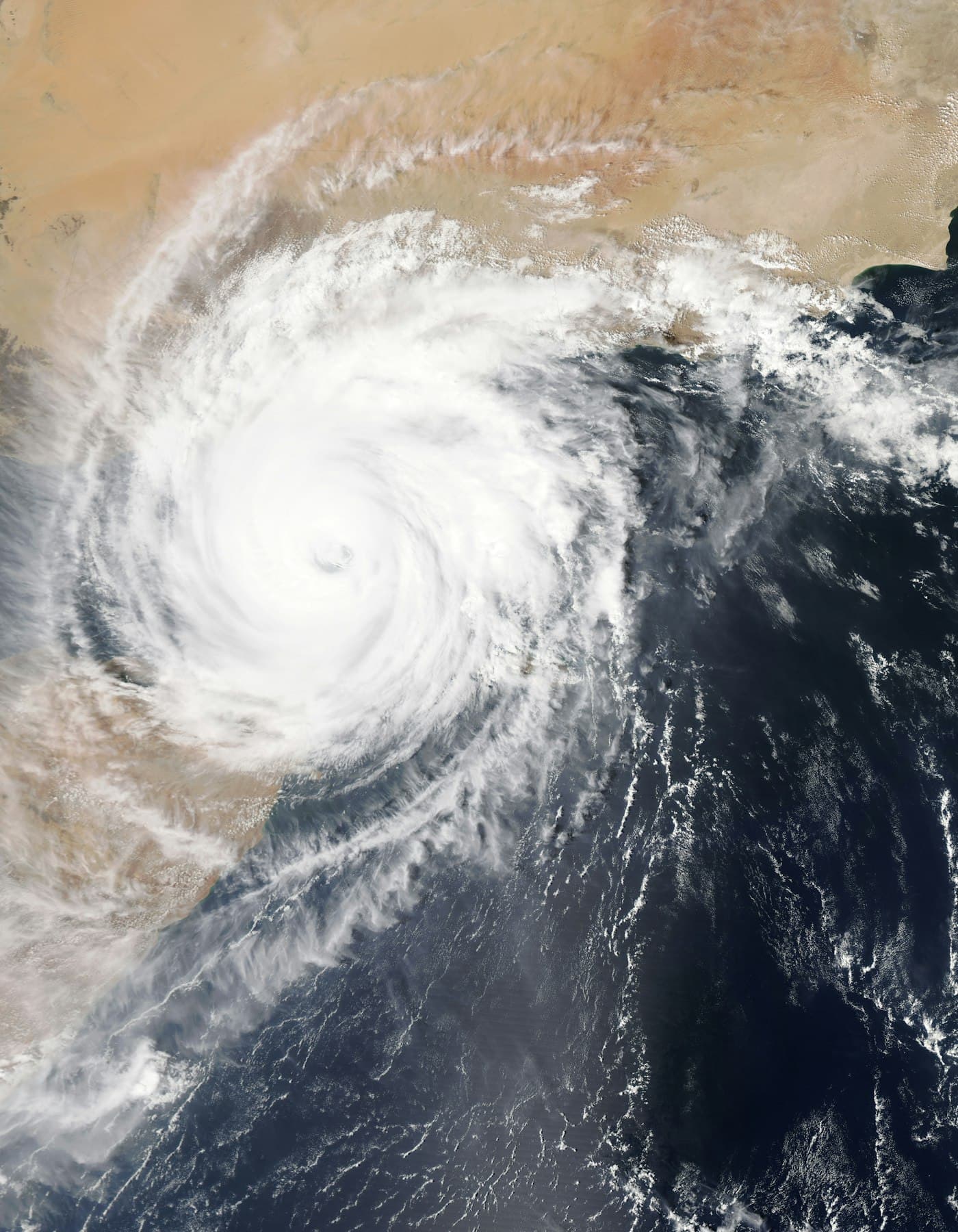
Japan Typhoon Tracker 2026: Latest Track, Live Tools & Season Outlook
How to track the current typhoon near Japan and read its latest track, plus the 2026 outlook (~28 storms, ~14 approaching Japan; peak Aug–Sep), month-by-month risk, what gets cancelled, and how to build a storm-resilient itinerary.
If "typhoon" keeps popping up in your Japan research, here's the short version: Weathernews forecasts about 28 storms will form in 2026 — above the long-term average of 25.1 — and roughly 14 are expected to approach Japan (vs ~11.5 normally). Typhoon season runs May through October and peaks in August and September.
The longer answer is more useful, and a lot less scary. If you plan with that calendar in mind, build a buffer day or two into your itinerary, and know which apps to check, a typhoon almost never ruins a trip — it just rearranges a day or two. This guide pulls together what the Japan Meteorological Agency and private forecasters are saying about the 2026 season, what actually happens on the ground, and how to turn it into a real self-guided itinerary.
🌀 Quick Answer: Japan Typhoon Forecast 2026
- Outlook: ~27–29 storms form; ~14 approach Japan; ~3 make landfall — a busy year, not a freakish one.
- Season: May–October, peak August–September; effectively over by November.
- 2026 driver: a developing El Niño plus a northward-extending Pacific high → more storms curve toward Japan.
- Safest dates: late October–November and April–May. Build in a floating buffer day if you travel in peak season.
What the 2026 Forecast Actually Says
Start with the numbers, because the headlines have been doing dramatic lifting. Weathernews projects an above-normal season for the Northwest Pacific, with an estimated 27 to 29 tropical storms or typhoons forming over the full year — that's the basin-wide formation count, not landfalls. For context, Japan averages around 25 forming each year, of which roughly 12 approach and 3 make landfall. So 2026 is busy, not unprecedented.
The bigger story is the steering pattern: the Pacific high is expected to extend more strongly northward rather than westward, so storms forming east of the Philippines may be more likely to curve north toward Japan instead of tracking west into Southeast Asia. More formation plus a greater tendency to head at Japan could make this season more disruptive than last year's.
Why El Niño Matters for the 2026 Predictions
Nearly every forecaster points to the same driver: a developing El Niño, potentially among the strongest on record, influencing where storms form, how they intensify, and approach risk for Japan. The Japan Weather Association notes the La Niña-like tendency that persisted through 2025 is weakening, making it less likely the Pacific High strengthens in the latter half of summer — which leaves Japan more susceptible to weather fronts and typhoons. Translation for travelers: the back half of summer and early autumn are the windows where peak-intensity storms become more plausible.
The 2026 Season So Far (As of September 2026)
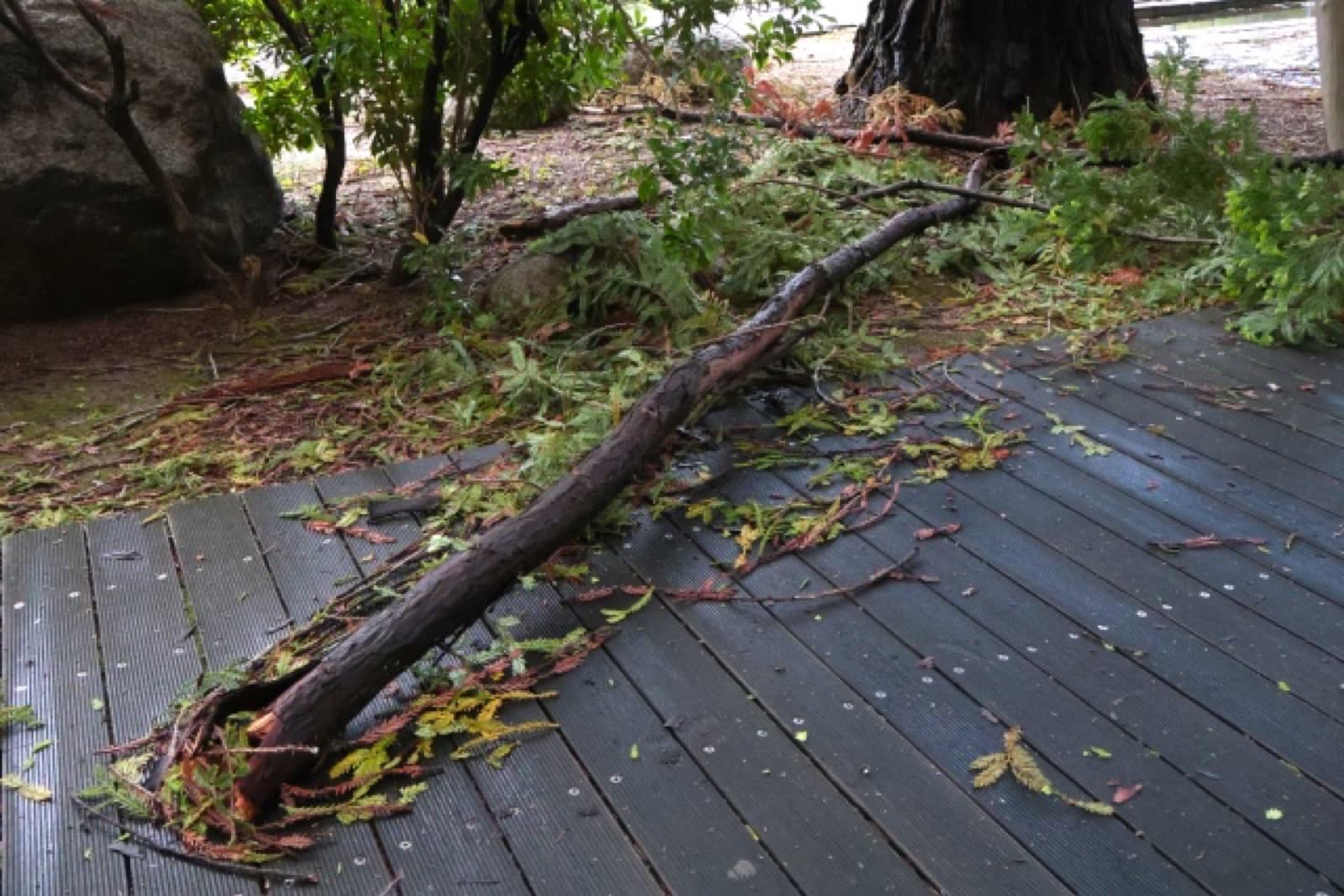
This isn't theoretical — the season opened early and loud. Six typhoons had formed by the end of May, well above the usual pace. The sixth, Tropical Storm Jangmi (Typhoon No. 6 in Japan), swept across the country in early June, hitting Okinawa, Kyushu and the Kanto region around Tokyo — injuring 16+ people, cutting power to thousands, and suspending some rail lines. A useful preview of real-life disruption: not apocalyptic, but enough to wreck a tight itinerary. Typhoon No. 7 (Mekkhala) followed weeks later, weakening off Okinawa before clearing east of Kanto by late June.
By early August the count had reached Typhoon No. 13 — the pace the forecasters warned about is holding. That storm, Typhoon Dolphin, is the season's clearest example so far of what a direct hit actually costs a traveller. It tracked west past Ogasawara, then re-intensified as it passed close to northwestern Okinawa on 7 August, sitting near Nago at around 935 hPa with sustained winds near 162 km/h and gusts to 216 km/h before moving into the East China Sea.
What Typhoon Dolphin actually disrupted (7 Aug 2026)
- • Naha Airport closed — every domestic and international flight in and out cancelled
- • 500+ flights cancelled across southwestern Japan
- • 16,920 households lost power in Okinawa; five homes partially damaged
- • Five people injured — three men in their 70s, two caught by the wind and one blown off a stool while preparing for the storm
Note the shape of it: one prefecture shut down hard for roughly a day, while Honshu carried on. That is the normal pattern, and it is why a floating buffer day matters more than cancelling a trip.
The next test came in late August. Typhoon Saudel crossed Okinawa and the Amami islands on August 25–26, cutting power, cancelling flights and leaving two people with minor injuries, then tracked west across the East China Sea towards China. Honshu was untouched.
Active now: Typhoon No. 25 is about to form — updated September 16, 2026
A storm is about to form, and its timing runs into Silver Week. In the Japan Meteorological Agency's observation at midday on September 16, a tropical depression over the Mariana Islands was moving west at about 10 km/h and was expected to become Typhoon No. 25 — to be named Dujuan — within 12 hours, reaching typhoon strength near Minamitorishima by 00:00 on September 17 at around 998 hPa with maximum winds of 18 m/s.
From there the JMA forecast has it deepening into a "strong" typhoon in the sea south of Japan by 03:00 on September 20 — about 970 hPa with maximum winds of 35 m/s — and reaching roughly 31°N 138°E at 03:00 on September 21, with the forecast circle covering a wide part of Honshu. The Ogasawara Islands may be inside the storm area on September 18. That puts the risk on the back half of Silver Week rather than its first day, which is a change from the September 14 forecast. Five days out the track is still a circle rather than a line, so treat it as a scenario and check again each morning.
What this means for a trip: if you are travelling September 18–23, the Pacific coast is where to watch — the Tokyo–Kyoto–Osaka corridor, the Izu and Ogasawara islands, and Okinawa if the track bends west. Island ferries and flights are the first things to stop; if the storm comes close to the coast, trains on the Tokaido corridor can slow or be suspended. Check the JMA typhoon page each morning, book refundable where you can, and keep one buffer day. With the Nozomi all-reserved from September 18 to 23 for Silver Week, rebooking is harder than usual, so decide early rather than on the day.
Before it: Typhoon Krovanh (No. 24) weakened to a tropical depression south of Kyushu around September 5–6, and the stalled autumn rain front it fed brought record rain to the Pacific side of eastern Japan — about 725 mm in 48 hours on Oshima in the Izu Islands to September 6, an evacuation order across Ishinomaki in Miyagi on September 7, and suspensions on local lines in Kanto and Tohoku while the Shinkansen largely kept running.
Three storms, two direct hits on the far southwest, one long-running loop, and then a rain front that did more damage on the mainland than any of them — and still no typhoon that closed the Tokyo–Kyoto–Osaka route. That is the 2026 season in one sentence so far.
Month-by-Month Breakdown for 2026
| Month | Risk | Where / notes |
|---|---|---|
| June | Low (mainland) | Mainly Nansei Islands (Okinawa/Amami); mainland hits uncommon but not impossible — Jangmi reached Kanto in June 2026. Tsuyu rain is the usual story |
| July | Building | Risk extends north from Nansei to western/eastern Japan; often wet, not violent |
| August | First peak | Above-normal approaches, elevated in Eastern Japan (Tokyo/Kanto/Tohoku coast) — be aggressive about flexible bookings |
| September | Classic peak | Strongest storms; El Niño + warm seas; slow systems can stall and dump rain |
| October | Tailing off | Around normal early, dropping sharply late — a popular shoulder month |
| November+ | Effectively safe | Storms rarely reach the mainland; by foliage season the conversation is over |
Regional Risk: Where Typhoons Actually Hit
| Region | Exposure |
|---|---|
| Okinawa & Kyushu (Fukuoka, Kagoshima, Beppu) | Highest — 6–7 storms/yr in the south |
| Shikoku (Matsuyama, Kochi) | High — next after Kyushu |
| Western Japan (Hiroshima, Osaka, Kyoto) | Glanced — rain, rarely the worst wind |
| Eastern Japan (Tokyo, Yokohama, Kanto) | Direct strikes uncommon but disruptive; dense transit ripples for a day |
| Tohoku & Hokkaido | Lowest — usually weakening/extratropical by arrival; rain not wind |
💡 Want low typhoon risk in summer? The northern part of the country is your friend.
What Actually Gets Cancelled
- Flights: strong winds and flooding ground domestic and international flights, sometimes for a day. Airlines usually announce 24–48 hours ahead — rebook fast, as the day after a storm is the busiest of the year.
- Bullet trains: JR is conservative and publishes planned suspensions ("keikaku unkyū") a day in advance, so you can see a cancellation coming. When they run, they're safe.
- Local trains & buses: the messiest — suburban lines stop in waves; buses just disappear. Don't try to outsmart a closed station.
- Attractions & shops: theme parks (Disney, USJ) close pre-emptively; museum hours shrink; convenience stores stay open until the last moment and reopen quickly.
💬 From our Japan travel team
Typhoons are more common from summer through autumn, and western Japan tends to take direct hits more often — those broad patterns are real. But predicting exactly when and where you'll run into one is genuinely difficult. When a typhoon arrives, you often can't go outside, and public transport frequently shuts down. In an unfamiliar place, sudden itinerary changes can feel overwhelming. On our self-guided tours, however, you have access to operators available 24 hours a day who can help — so when a typhoon forces last-minute changes, you get practical advice quickly. We'd love for you to travel with us.
Live Typhoon Tracker: Check the Current Storm (Updated August 2026)
Is there a typhoon near Japan right now? These are the live sources to check the current storm and its latest track — the same ones Japanese forecasters and residents use. Don't rely on social media. Bookmark two or three before you fly and check them once a day during your trip.
- Japan Meteorological Agency (JMA) — the official source; the RSMC Tokyo–Typhoon Center publishes the live forecast cone, intensity class (TY/STS/TS/TD) and predicted positions. The English version works on a phone.
- Windy.com — the clearest live map for watching a system's position, wind field and projected path animate in real time.
- Zoom Earth — live satellite loop plus active-storm tracks; the fastest way to eyeball whether a storm is heading your way.
- Digital Typhoon (National Institute of Informatics) — real-time and historical tracks for every named system, useful for the latest position and past analogues.
- Weathernews — strong 5–10 day outlook with English alerts.
- NHK World — English emergency coverage and push notifications during major typhoons.
- Rail operator pages (JR East/West/Central/Kyushu) — planned keikaku unkyu suspensions posted a day ahead.
A reality check on range: JMA track cones run about 5 days ahead; some private services extend to 10, but a 7-day track can swing 300 km in any direction. Wait for the 48–72 hour window before you change plans — more than two weeks out, the only forecast that matters is the seasonal outlook above.
Building a Typhoon-Resilient Self-Guided Itinerary
- Pick dates with risk in mind. Late October into November (and April–May) give the best balance of mild weather and low typhoon risk. Locked into Aug/Sep? Fine — just plan around it.
- Build in a floating day. The single best insurance — put a buffer day in a big city with no time-sensitive bookings.
- Book refundable where it counts. Skip non-refundable rates for islands and coastal towns in August/September; Tokyo/Osaka/Kyoto non-refundable is usually fine.
- Sequence regions for an exit. Typhoons arrive from the south, so a Tokyo → Kyoto → Hiroshima → Fukuoka order in late summer is more exposed than the reverse.
- Have indoor backups. Two per stop turns a stormy day into a slow day — teamLab/Edo-Tokyo Museum in Tokyo, the National Museum and Nishiki arcade in Kyoto, the Aquarium and Umeda underground in Osaka.
- Move the transfer, not the stay. Trains the day after a storm are far more reliable than trains trying to outrun it.
For timing, see our Japan typhoon season overview and best time to visit Japan, and for the calm shoulder month, autumn in Japan.
Common Mistakes During Typhoon Season
- Treating the cone like a guarantee. It's a ~70% probability circle — a storm can shift 100 km either way. Wait for the 48-hour window before cancelling.
- Trying to outrun the storm. Boarding a shinkansen the morning a typhoon hits is how people end up sleeping in stations. JR will suspend service.
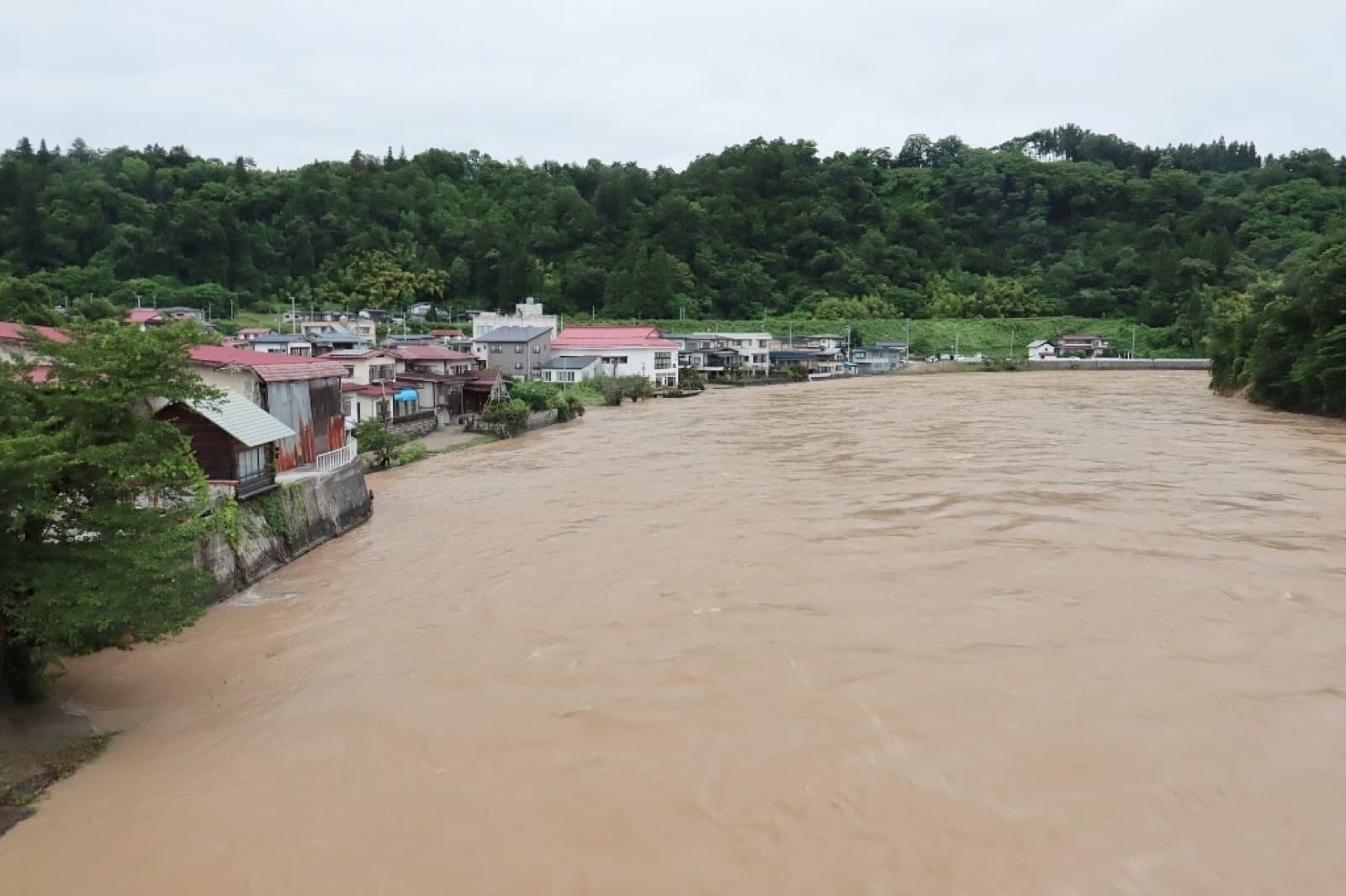
- Ignoring rivers and the coast. Flooding kills more people than wind in Japan's typhoons — many ryokan sit by rivers, so heed evacuation guidance.
- Skipping travel insurance. A policy with weather-event coverage pays for itself the first time a storm hits your dates.
- Panicking about long-range forecasts. A 10-day forecast is interesting, not actionable — wait 48–72 hours before changing anything.
After the Season: What This Forecast Stops Being Useful For
A seasonal typhoon forecast has a shelf life. Once the season closes out in late October, the number of storms that formed stops being a planning input and becomes a statistic. If you are reading this outside the June-to-October window, the honest answer is that this page is no longer the one you need.
Where to go instead:
- The permanent pattern. The year-round mechanics live in our evergreen typhoon season in Japan guide — this page is the 2026 edition.
- Still worried about weather disruption generally? Is Japan safe to visit right now covers typhoons, earthquakes and the rest in one place, and is kept current rather than tied to a season.
- Picking your month? Best time to visit Japan weighs weather risk against crowds and cost across the whole year.
- Travelling in autumn or winter? See the autumn leaves forecast or winter in Japan, where the weather variable that matters is colour timing and snow rather than storms.
- Planning next year? The rainy season comes first — tsuyu runs June into July, before typhoon season proper begins.
FAQ: Japan Typhoon Forecast 2026
Will a typhoon definitely hit during my trip if I visit in August or September?
Not at all. The season peaks Aug–Sep, but most trips see only a wet afternoon. The odds of a major direct hit on any specific 7-day window in Tokyo are low; the odds of some rain are higher.
Should I cancel my 2026 trip because of the typhoon forecast?
No. The forecast is for an above-average season, not an unprecedented one. With flexible bookings and a buffer day, a typhoon at worst rearranges a day or two.
Is there a typhoon near Japan right now, and how do I check the latest track?
Check the live sources in the tracker section above: the JMA English site is the official forecast cone, while Windy.com and Zoom Earth show the current storm's position and projected path on a live map, and Digital Typhoon lists every active named system. Together they answer "is a typhoon coming?" within a couple of minutes.
Where can I check the latest typhoon forecast in English?
The Japan Meteorological Agency's English site is the official source. Windy.com, Zoom Earth, Weathernews and NHK World are excellent secondary sources — bookmark two or three before you fly.
What if my flight gets cancelled because of a typhoon?
Most airlines issue weather waivers 24–48 hours ahead. Rebook through the app the moment you get the notification — the day after a storm is the busiest rebooking window of the year.
Are bullet trains safe during typhoons?
Yes, when they're running. JR pre-emptively suspends shinkansen service when wind or rain hits thresholds, and posts planned suspensions a day ahead. If it's running, it's safe.
Which regions are safest during typhoon season?
The north — Hokkaido and northern Tohoku — sees the fewest typhoons. Inland cities like Kyoto and Nara get rain but rarely direct strikes. Okinawa and Kyushu face the most exposure.
When is the safest month to avoid typhoons entirely in 2026?
Late October into November is the cleanest autumn window; April and May are the spring equivalent. Both offer mild weather and minimal storm risk.
Plan a Typhoon-Resilient Self-Guided Trip
Typhoon season doesn't change self-guided travel — it just adds a few planning constraints. We bake in flex days, sensible regional sequencing and indoor backups for every city, so you're ready for whatever the Pacific throws at you.
Forecast figures per Weathernews and the Japan Weather Association; conditions per the Japan Meteorological Agency. Individual-storm tracks are reliable only ~5 days out — always check official sources close to your travel dates. Last updated: September 16, 2026 (Typhoon No. 25 per the JMA forecast issued at midday on September 16).