Is Japan Safe to Visit Right Now? YES — 2026 Status, Alerts & What to Know
Earthquakes, typhoons, and headlines can make Japan look risky from afar. Here's what official advisories actually say as of late August 2026 — and the short checklist that covers the real risks.
Short answer: yes. Japan is one of the safest countries on the planet for international visitors in 2026, and you can absolutely plan a self-guided trip without losing sleep over it. The real risks aren't muggings or scams on every corner — they're natural disasters, a handful of pricey nightlife traps, and strict laws that catch unprepared tourists off guard.
🛡️ Quick Answer: Is Japan Safe to Visit Right Now?
YES. The U.S. State Department keeps Japan at Level 1 — Exercise Normal Precautions, its lowest risk rating, and the UK, Canada, and Australia agree. Tokyo, Kyoto, and Osaka are operating normally. Plan for earthquakes and typhoons, not crime.
🇺🇸 U.S.
Level 1 (lowest)
🇬🇧 UK
Generally very safe
🇦🇺 Australia
Normal precautions
⚠️ Real risk
Weather, not crime
What Official Advisories Actually Say
Across the board, the official picture is reassuring. Japan holds a Level 1 advisory from the U.S., the lowest "exercise normal safety precautions" rating from Australia's Smartraveller, and similar language from Canada and the UK FCDO. None of these warn travelers away — they all describe a country with low violent crime, world-class infrastructure, and a culture of public order that extends to tourists.
The Japan National Tourism Organization (JNTO) runs a dedicated safe-travel page that aggregates updates from the Japan Meteorological Agency, transport operators, and prefectural tourism boards. It flags real events: earthquakes of seismic intensity 5-lower or stronger, tsunami advisories, eruption warnings, and emergency weather alerts. JNTO also operates a 24/7 visitor hotline at 050-3816-2787 in English, Chinese, Korean, and Japanese — save it before you book flights.
So the question isn't really "is Japan safe to visit right now." It's "what do I personally need to plan for?"
Natural Disasters: The Real Safety Story
Here's the thing. The "danger" in Japan isn't crime. It's geology and weather.
Earthquakes
Japan sits on the Pacific Ring of Fire, so earthquakes are common and occasionally severe. Most are minor — you won't even feel them on a Shinkansen. Buildings, especially anything modern, are seismically engineered to the best standard in the world. Preparation is the point, not panic.
Tsunami Advisories
A tsunami advisory can follow offshore quakes — including distant ones, like the recent earthquake near the Philippines that triggered (and quickly downgraded) warnings for parts of Japan's coast. The rule is simple and repeated constantly: if you feel a strong earthquake near the coast, move to higher ground immediately. Don't wait for a siren. Don't go back for your suitcase.
Typhoons and Heavy Rain
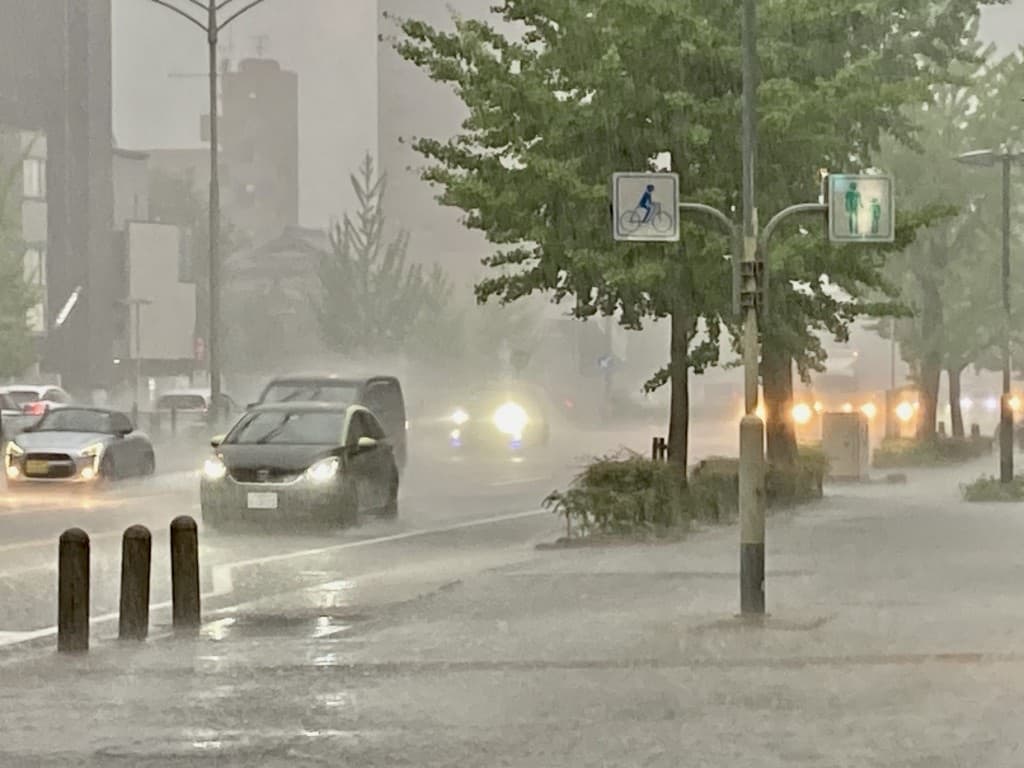
Typhoon season runs roughly summer to fall, with heavy rain and winds capable of grounding flights and stopping trains — Tropical Storm Jangmi's pass over Tokyo on 3 June 2026 caused exactly that kind of short, sharp disruption before things returned to normal within days. For when the season runs and how to plan around it, see our typhoon season in Japan guide. The Japan Meteorological Agency publishes English alerts, and the Safety Tips app pushes warnings in 15 languages. For the full picture, see our Japan typhoon season 2026 guide.
Snow and Volcanoes
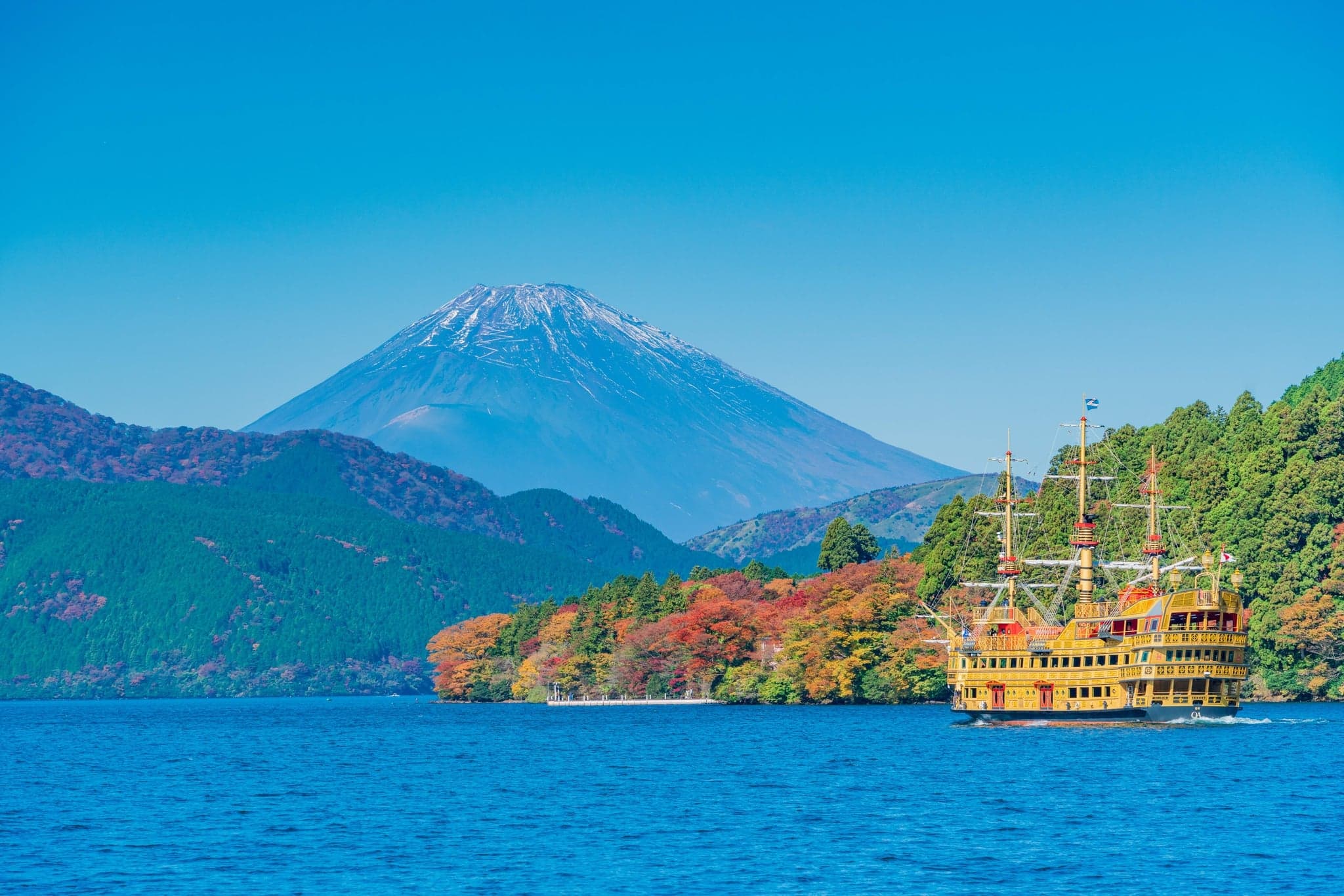
Northern Japan gets serious snow in winter — build buffer days into Hokkaido or Tohoku plans in January–February. Several active volcanoes (Fuji, Hakone, Aso, Sakurajima) have monitored alert levels; JNTO flags warnings at level 3 or higher. Climbing Fuji? Read our Mt Fuji 2026 guide first.
Self-Guided Tours With Seasonal Planning Built In
View all →Season by Season: What Changes
- Spring (Mar–May): Generally mild. Crowds spike at cherry blossom peak; pickpocket risk is low but heightened in dense viewing spots.
- Golden Week (late Apr–early May): Domestic travel surges and trains are packed. Not unsafe — just logistically intense.
- Rainy season (June): Slippery surfaces and occasional rural landslides — see our rainy season guide.
- Summer (Jul–Aug): Extreme heat — Tokyo logs thousands of heatstroke ambulance calls each summer (heatwave survival guide) — plus the start of typhoon season.
- Autumn (Sep–Nov): Beautiful, but late typhoons still happen.
- Winter (Dec–Feb): Heavy snow up north, icy sidewalks — and a fantastic time for onsen and ski trips.
If you're still choosing dates, autumn and late winter tend to be the sweet spot for stable travel — compare months in our best time to visit Japan 2026 guide.
Crime, Scams, and Nightlife Districts
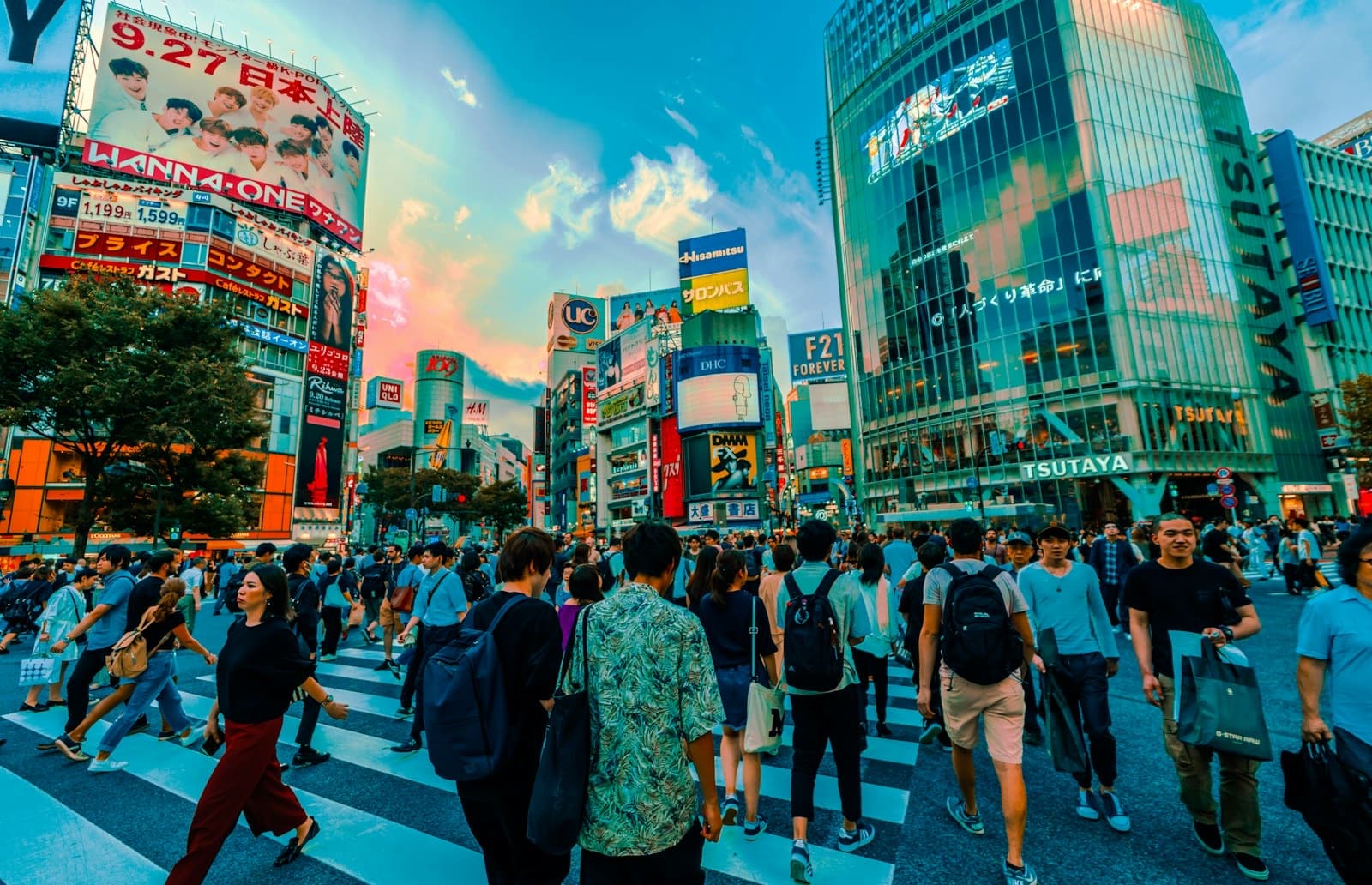
Violent crime against tourists is rare. You can walk through Shinjuku at 2 a.m. and the worst thing that happens is usually a missed last train.
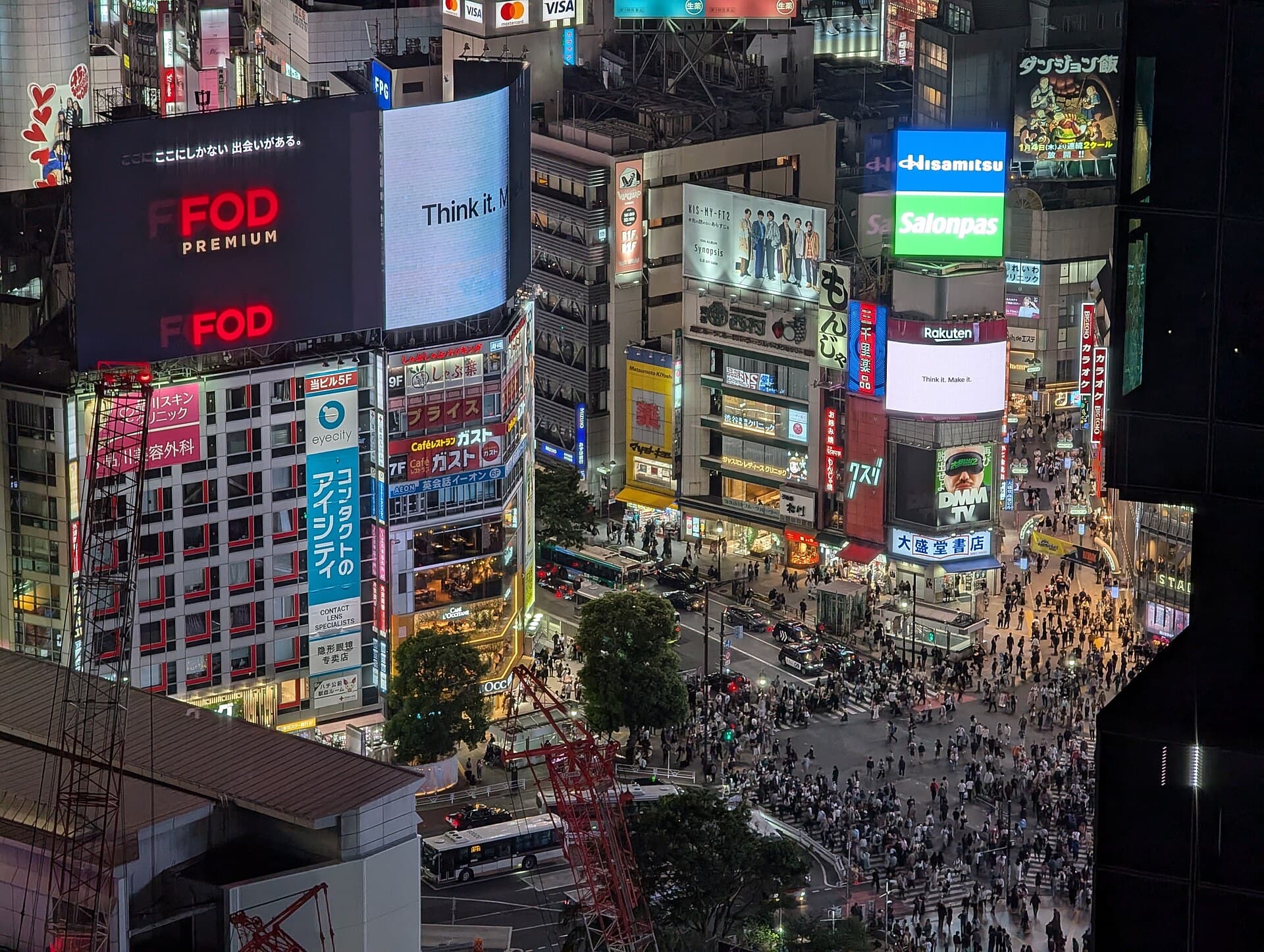
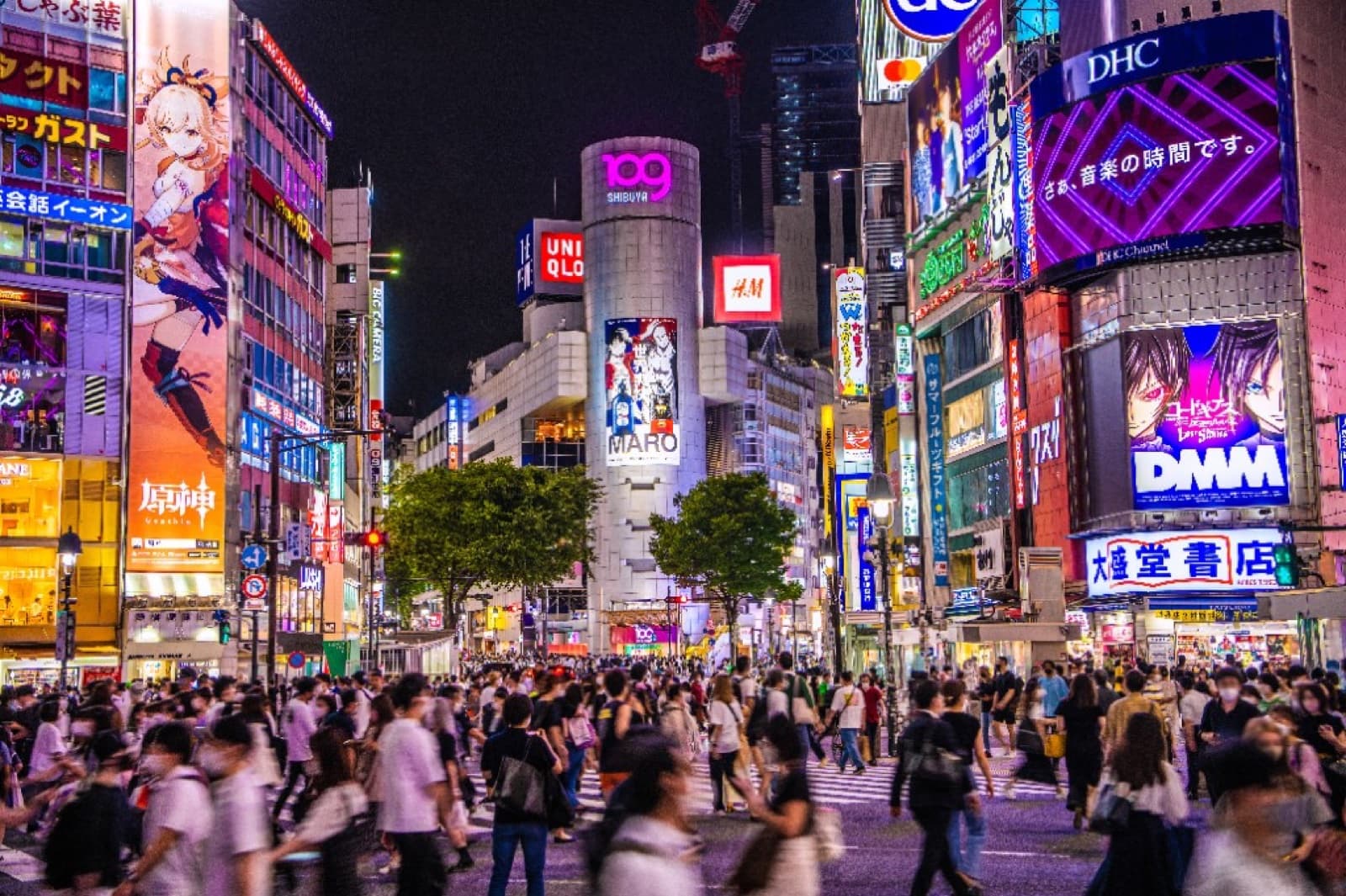
The exceptions cluster in a few nightlife zones — Kabukicho in Shinjuku and parts of Roppongi — where the U.S. and Canadian governments warn about touts steering tourists into bars and hitting them with extortionate bills, drink spiking, and card fraud.
✅ Do:
- • Pick your own bars and restaurants
- • Use cards with fraud protection
- • Stay with friends when bar-hopping
⚠️ Don't:
- • Follow a street tout into an unmarked bar
- • Trust a "free drink" pitch — ever
- • Carry large amounts of cash at night
Outside those zones, Tokyo, Kyoto, Osaka, and rural Japan are remarkably calm.
Japanese Law: Where Tourists Get In Real Trouble
This is where carelessness gets expensive — and the single most common trap is prescription medication.
- Stimulants like Adderall are prohibited even with a valid U.S. prescription, and cannabis (including most CBD oil) is illegal. People have been arrested for bringing in their own meds.
- You can generally bring up to one month's supply of non-controlled prescription medication without paperwork.
- For more than that — or for syringes, CPAP machines, or controlled drugs — you need a Yunyu Kakunin-sho import certificate from Japan's Ministry of Health, Labour and Welfare. Apply 2–3 weeks ahead; processing can take up to four weeks.
- Always carry medication in its original packaging with a copy of the prescription and a doctor's note.
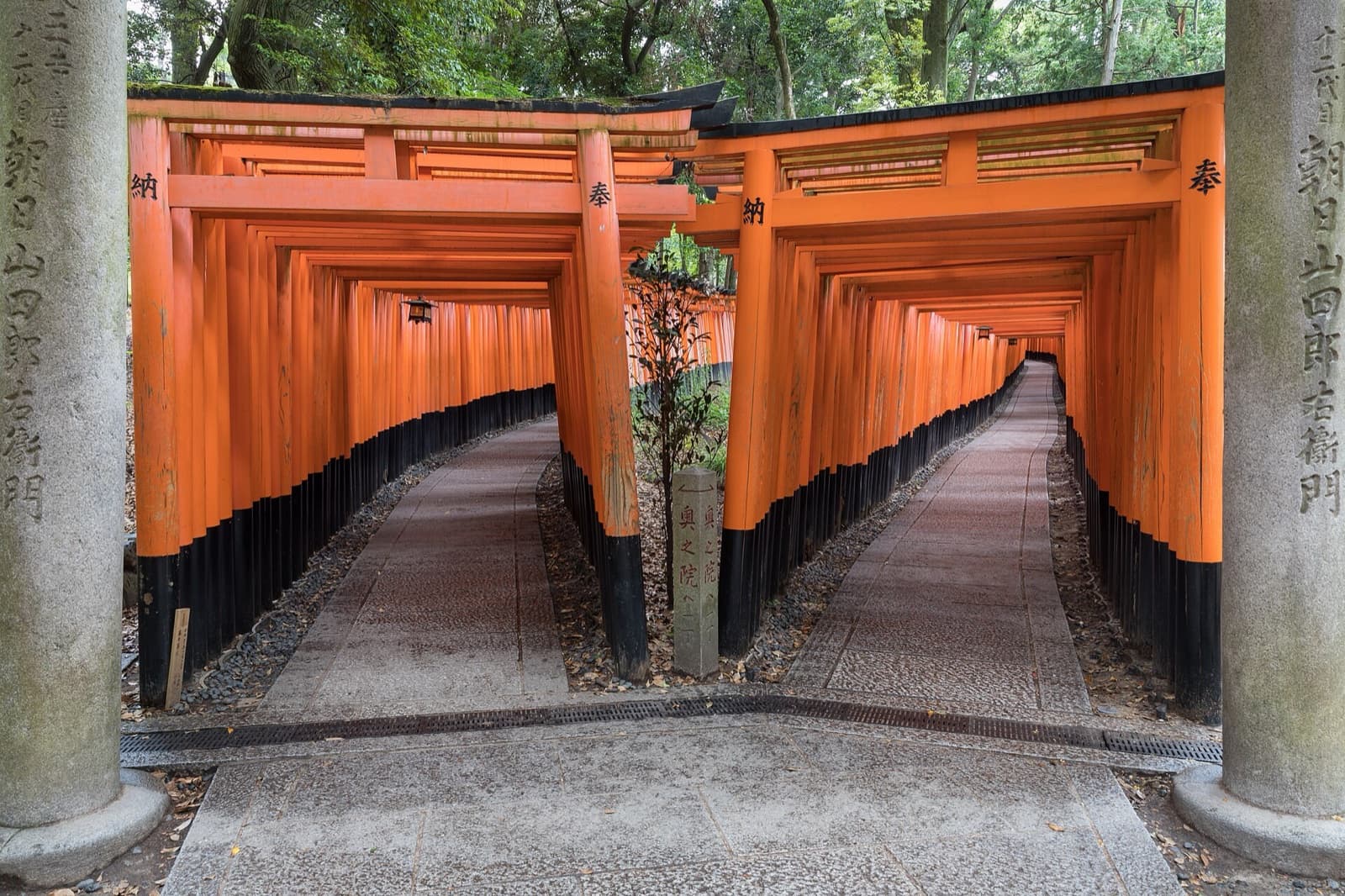
Beyond medication: drunk driving is a near-zero tolerance offense, working on a tourist visa is illegal, and overstaying can mean re-entry bans of up to 10 years. Kyoto now fines tourists for entering certain private alleys in Gion — our Tokyo tourist fines 2026 and Tokyo tourist fines guides cover the full list of new rules and on-the-spot fines.
Entry Requirements: Visa, Passport Validity, and Onward Ticket
Japan is open and the process is straightforward for most travelers from the U.S., Canada, UK, Australia, the EU, and around 70 other countries and regions. Most can enter visa-free for up to 90 days as Temporary Visitors. That does not mean you should arrive with a vague plan and a nearly expired passport.
What you need to enter Japan:
- Passport validity: Japan requires your passport to be valid for your entire stay. Airlines may still refuse boarding if you have less than 6 months left, even though Japan itself does not impose a strict 6-month rule.
- Onward ticket: Have proof of return or onward travel within your permitted stay.
- Sufficient funds: Immigration officers can deny entry if you cannot show how you will support yourself.
- Visit Japan Web: Pre-register for Immigration and Customs QR codes. The platform recommends finishing at least 6 hours before landing.
- Fingerprints and photo: Taken on arrival for nearly all visitors.
If you are from a country that needs a tourist visa, Japan's eVISA platform handles short-stay tourism applications digitally for many nationalities. Otherwise, a sticker visa through a designated processing center is still the route. Check the Japanese Ministry of Foreign Affairs site for your nationality before applying.
A quick warning: immigration officers may deny entry to people on repeat back-to-back short stays or with vague, open-ended travel plans. Have your accommodation bookings, return flight, and rough itinerary ready. For upcoming entry-system changes, read our JESTA 2026 guide and Japan visa fee update.
Travel Insurance and Medical Care
Japan's medical care is excellent. It is also not cheap if you do not have coverage. A standard ER visit can run ¥30,000–¥100,000+ for an uninsured tourist, and that is before any medical evacuation comes into play.
A few realities matter for visitors:
- Ambulance transport itself is generally free; hospital treatment is not.
- U.S. health insurance often does not travel.
- Prescriptions from your home country are not honored at Japanese pharmacies.
Get travel insurance before you fly. Look for a policy that covers:
- Emergency medical care and hospitalization
- Medical evacuation — repatriation can run six figures
- Trip cancellation for natural disasters
- 24/7 multilingual support
If you are managing a chronic condition, talk to your healthcare provider before the trip and bring a doctor's note for any prescription medication. Carry copies of your medical insurance card. Some embassies maintain lists of English-speaking doctors — bookmark yours.
🛟 Covered from arrival to departure with Blue Planet
Japan ranks among the safest countries in the world, but it's still smart to sort out insurance for sudden injury or illness — and to know what to do if a disaster strikes — before you fly. Our Blue Planet self-guided tours take that worry off your plate: on top of accommodation and transport, every trip includes a 24-hour call-center service and travel insurance that covers you from arrival to departure. You'll also meet our team in person at the airport for a trip briefing, so any last-minute concerns get answered before you set off.
Driving in Japan: International Driving Permit Rules
Renting a car opens up rural Japan in a way trains cannot — think Shikoku, the Noto Peninsula, back roads near Nikko, or remote onsen villages. Driving is generally safe, but a few rules trip people up before they even reach the rental counter.
- You need an International Driving Permit (1949 Geneva Convention version) issued in your home country before you arrive. You cannot get one in Japan.
- Traffic moves on the left.
- Tolls on expressways are notoriously high. An ETC card or rental ETC option is worth it on longer drives.
- Roads in rural areas and mountainous areas can be very narrow, especially around old post towns and hot spring villages.
A few countries, including France, Germany, Switzerland, Belgium, Taiwan, and Monaco, require a certified Japanese translation of their license instead of the standard IDP. Check your country's rule before you go. No IDP or required translation means no rental car, full stop.
Solo Female Travelers
By global standards, Japan is among the most comfortable destinations for solo female travelers. Crime rates are low, public transport is reliable, and walking alone at night in most areas is genuinely fine.
A few practical safety tips:
- Use women-only train cars during rush hour on lines that offer them — they are usually marked in pink.
- Trust your instincts in nightlife districts; the same rules apply as anywhere.
- Chikan (groping) on packed trains does happen. Do not hesitate to call it out loudly — Japanese commuters will back you up.
- For non-urgent police consultation, #9110 routes you to the General Advisory Center.
For the full picture, see our guide Is Japan Safe for Women? Solo Female Travel Guide.
Apps and Numbers That Make a Real Difference
- Safety Tips (Japan Tourism Agency): real-time earthquake, tsunami, typhoon, and J-Alert push notifications in 15 languages, plus evacuation maps.
- NHK World-Japan: official English news and emergency alerts.
- Visit Japan Web: your immigration and customs QR codes — finish at least 6 hours before landing.
- Google Maps plus Navitime or Japan Travel by NAVITIME: train lines, transfers, and alternate routes when weather disrupts plans.
- JMA website: weather warnings in English.
📞 Numbers to save before you fly
| Number | What it's for |
|---|---|
| 110 | Police (emergency) |
| 119 | Fire / ambulance |
| 118 | Coast guard |
| #9110 | Non-emergency police consultation |
| 050-3816-2787 | JNTO 24/7 visitor hotline (English) |
Common Mistakes Tourists Make (And How to Avoid Them)
After fact-checking dozens of advisories, the same patterns keep coming up:
- Ignoring prescription rules. People assume "it is legal at home, so it is fine." It is not. Check before you pack.
- Following touts in Kabukicho or Roppongi. Just do not.
- Skipping travel insurance. Medical care without it is brutal.
- Booking unlicensed minpaku. Stick to hotels, licensed minpaku, ryokan, or properly registered short-term rentals.
- Treating typhoon season casually. A direct hit can ground flights for days. Build buffer time.
- Forgetting passport validity. Airlines can turn you away even when Japan technically would not.
- Arriving with a vague itinerary. Have bookings, an onward ticket, and a plan you can describe in one sentence.
- Renting a car without an International Driving Permit. No IDP, no rental. Period.
These overlap with the broader planning errors in our Japan travel mistakes to avoid guide, but they matter more when the question is safety because small paperwork mistakes can become expensive quickly.
Travel With a Japan-Based Operator
Our self-guided tours come with day-by-day plans and local support — so if a typhoon reroutes your train, you have someone to call.
The Pre-Trip Safety Checklist
- 6–8 weeks out: check passport validity, confirm visa-exempt status, apply for Yunyu Kakunin-sho if your medication needs it, buy insurance with evacuation cover, enroll in STEP (U.S.) or your country's equivalent.
- 2–3 weeks out: install Safety Tips, NHK World-Japan, and your maps app; book licensed accommodation; get an International Driving Permit if renting a car; pull your onward ticket details into one folder.
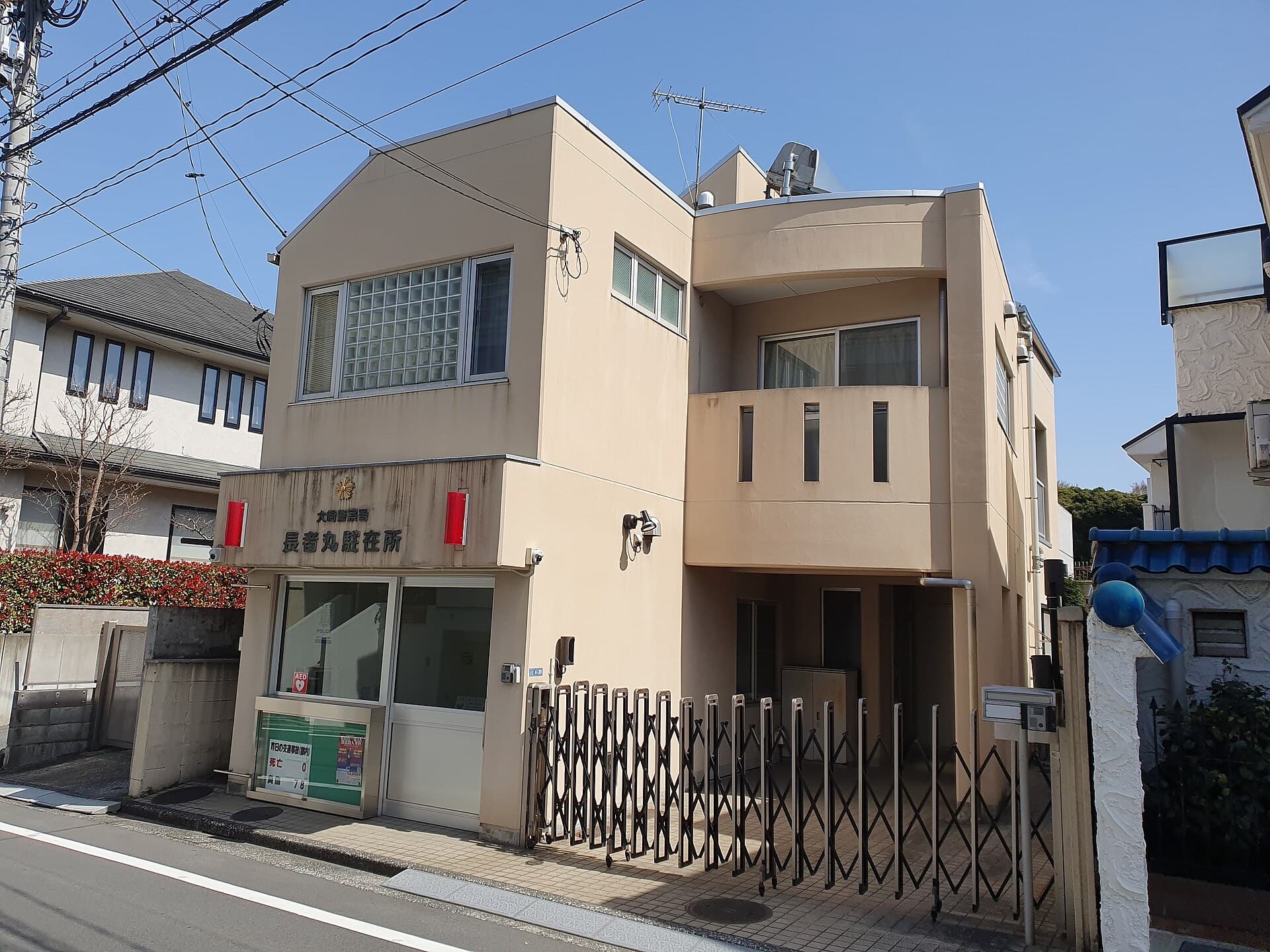
- On arrival: complete Visit Japan Web at least 6 hours before landing, confirm your hotel's evacuation procedure, and note the nearest koban (police box).
- During the trip: stay up to date with weather via JMA or the Safety Tips app, carefully review local rules at heritage sites, and send a quick check-in to family if you are on the road for an extended period.
Knowing Japan is a safe country is one thing. Building a trip that actually uses that information is another. Self-guided travelers tend to move slower, ask more questions, and book smarter accommodation — which means fewer rookie mistakes.
At selfguidejapan.com, we put together day-by-day route plans, train pass guidance, regional safety notes, and seasonal advice so you can travel independently without spending three months researching the Japan Meteorological Agency website. Pair our route plans with the official tools above and you have everything you need to plan a trip with confidence.
That's it. Once those boxes are ticked, you can stop thinking about safety and start thinking about ramen.
Planning a trip to Japan and want support on the ground while you travel? Get in touch through Plan My Trip on our self-guided tours site, and we’ll suggest the tours that best fit your dates and plans.
FAQ: Japan Safety in 2026
Is Japan safe to visit right now in 2026?
Yes. Major foreign ministries — including the U.S., UK, Canada, and Australia — rate Japan at their lowest risk levels. Cities and attractions are operating normally; travel with sensible precautions.
What's the biggest safety risk for tourists in Japan?
Natural disasters — earthquakes, tsunamis, and typhoons — far outrank crime. Install the Safety Tips app and know your hotel's evacuation plan.
Is it safe to visit Japan after an earthquake or tsunami warning?
Usually yes. Most quakes cause no damage, and advisories are typically downgraded within hours. Check JNTO's safe-travel page and NHK World for the affected region before changing plans.
Can I bring my prescription medication into Japan?
Up to one month's supply of non-controlled medication is generally fine. More than that, or anything controlled, requires a Yunyu Kakunin-sho certificate. Adderall and most CBD oils are prohibited. Always bring a doctor's note.
Is Tokyo safe at night?
Overwhelmingly yes. The exceptions are the nightlife districts of Kabukicho (Shinjuku) and parts of Roppongi, where drink-spiking and overcharging scams target tourists. Avoid street touts.
Do I need travel insurance for Japan?
It's not legally required, but strongly recommended. Medical care is excellent but expensive without coverage, and medical evacuation can be catastrophic without insurance.
Is Japan safe for solo female travelers?
Yes, among the safest globally. Use women-only train cars during rush hour where available, and apply the same common sense you would anywhere.
Where can I get help if something goes wrong in Japan?
Call 110 for police, 119 for fire and ambulance, 118 for coast guard, and 050-3816-2787 for JNTO's 24/7 visitor hotline in English. For non-emergency police matters, dial #9110.
Photos: Alpsdake (hero), Syced — via Wikimedia Commons (CC BY-SA 4.0 / CC0); heavy rain © Blue Planet. Last updated: June 2026.
Plan a Japan Trip With Backup Built In
Day-by-day self-guided routes, vetted hotels, rail guidance, and a Japan-based team to call if weather rewrites your plans.